12 Creative Ways to Elevate Basic Ingredients into Gourmet Dishes
As a home chef, mastering fundamental cooking techniques can transform your everyday meals into culinary delights. This comprehensive guide covers 3 essential techniques that form the backbone of any kitchen, followed by 12 creative methods to turn basic ingredients into gourmet dishes. Whether you're a beginner or looking to refine your skills, these insights will elevate your cooking game. The content is inspired by popular international cooking websites, formatted in a recipe-style layout with detailed ingredient breakdowns and step-by-step instructions. Let's dive in!
Part 1: 3 Simple Cooking Techniques Every Home Chef Should Master 🍴
1. Deglazing: Building Flavorful Sauces 🍷
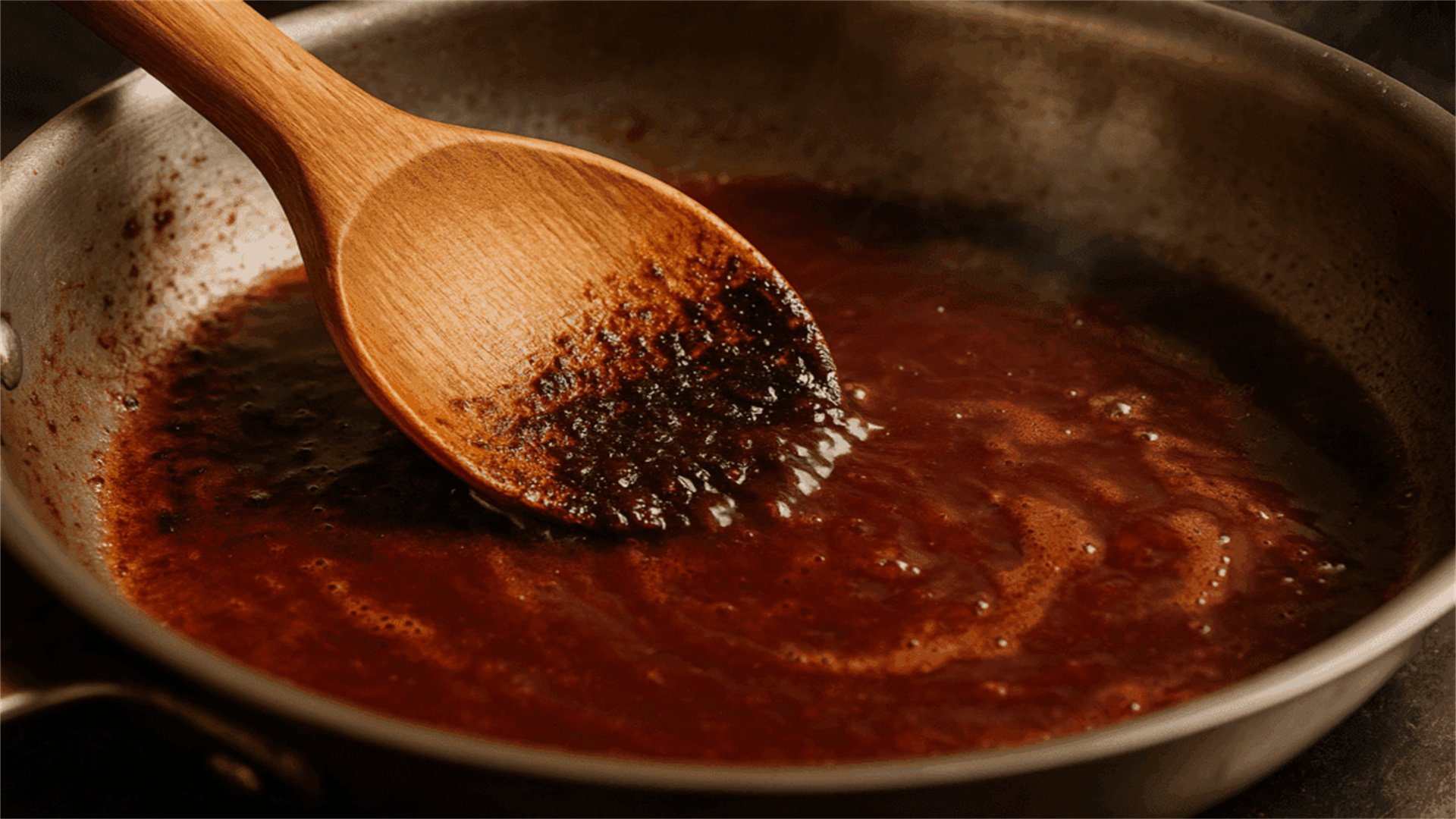
Deglazing involves adding liquid to a hot pan to loosen browned bits after sautéing or roasting.
Advantages:
- Captures fond (caramelized residues) to create rich, savory sauces.
- Minimizes waste and enhances flavor.
Disadvantages:
- Requires careful timing to avoid burning.
- May add extra liquid that needs reduction.
Key Ingredients to Practice With:
- Wine: Use red or white wine for deglazing meat pans.
- Broth: Vegetable or chicken broth for lighter sauces.
- Cream: Add for a creamy sauce after deglazing.
Step-by-Step Guide:
- Cook food: Sauté meat or vegetables until browned, then remove from pan.
- Add liquid: Pour in wine, broth, or vinegar while pan is hot.
- Scrape bottom: Use a wooden spoon to release browned bits.
- Simmer: Reduce liquid to form a sauce, then season.
Application: Deglaze a steak pan with red wine for a peppercorn sauce.
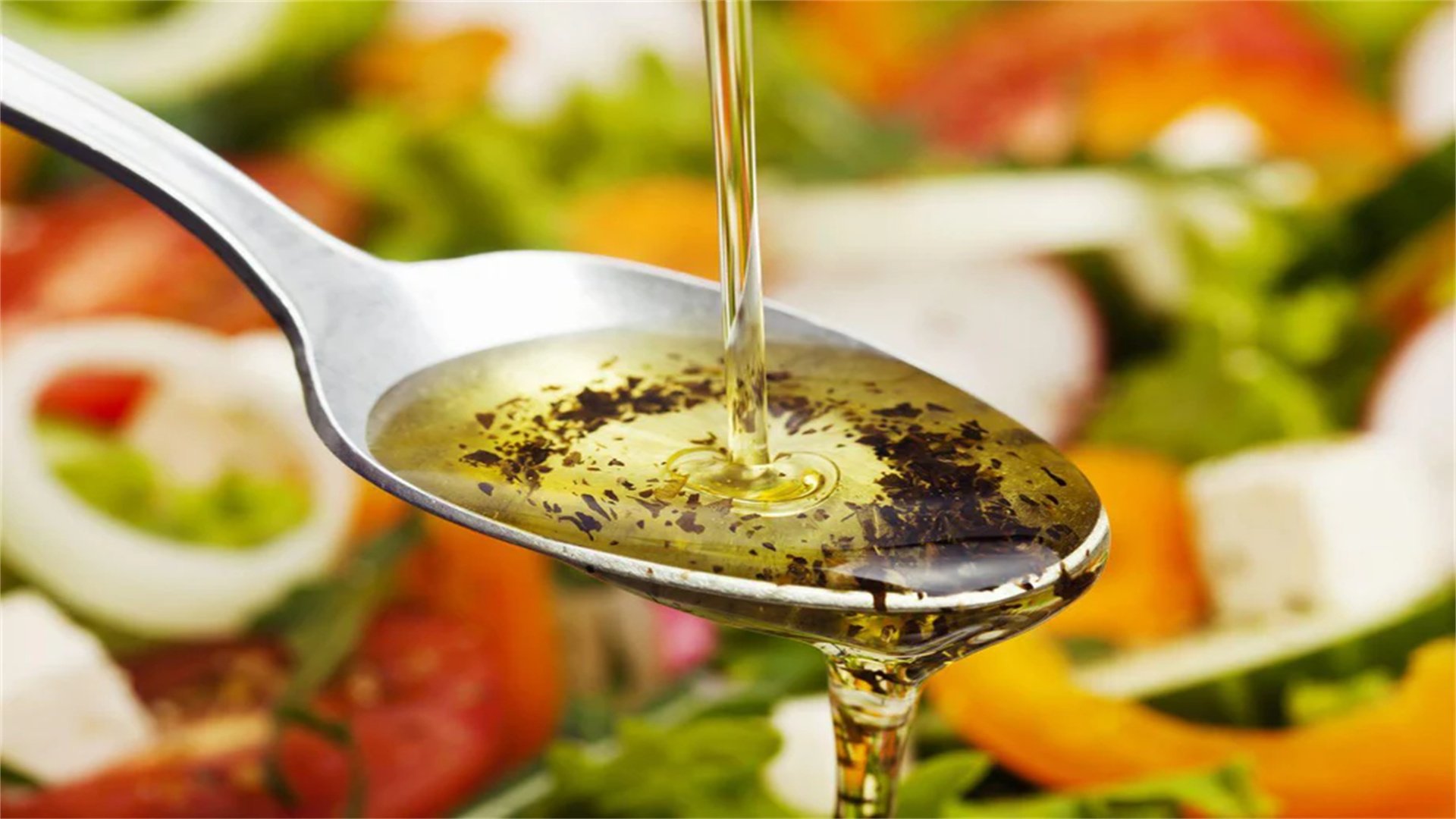
2. Emulsifying: Creating Stable Mixtures 🥄
Emulsifying combines two immiscible liquids, like oil and vinegar, into a smooth mixture, as in mayonnaise or vinaigrettes.
Advantages:
- Prevents separation, ensuring consistent texture and flavor in dressings and sauces.
- Allows for customizable flavor profiles.
Disadvantages:
- Can break easily if not done correctly.
- Requires vigorous whisking or blending.
Key Ingredients to Practice With:
- Egg yolks: Use as an emulsifier for mayonnaise.
- Mustard: Helps stabilize vinaigrettes.
- Oil and vinegar: Blend for basic salad dressing.
Step-by-Step Guide:
- Combine ingredients: Mix emulsifier (e.g., egg yolk) with acidic component (e.g., lemon juice).
- Add oil slowly: Drizzle in oil while whisking vigorously to incorporate.
- Adjust consistency: Add more liquid if too thick, or oil if too thin.
- Season: Taste and add salt, pepper, or herbs.
Application: Make homemade aioli with garlic and olive oil for dipping.
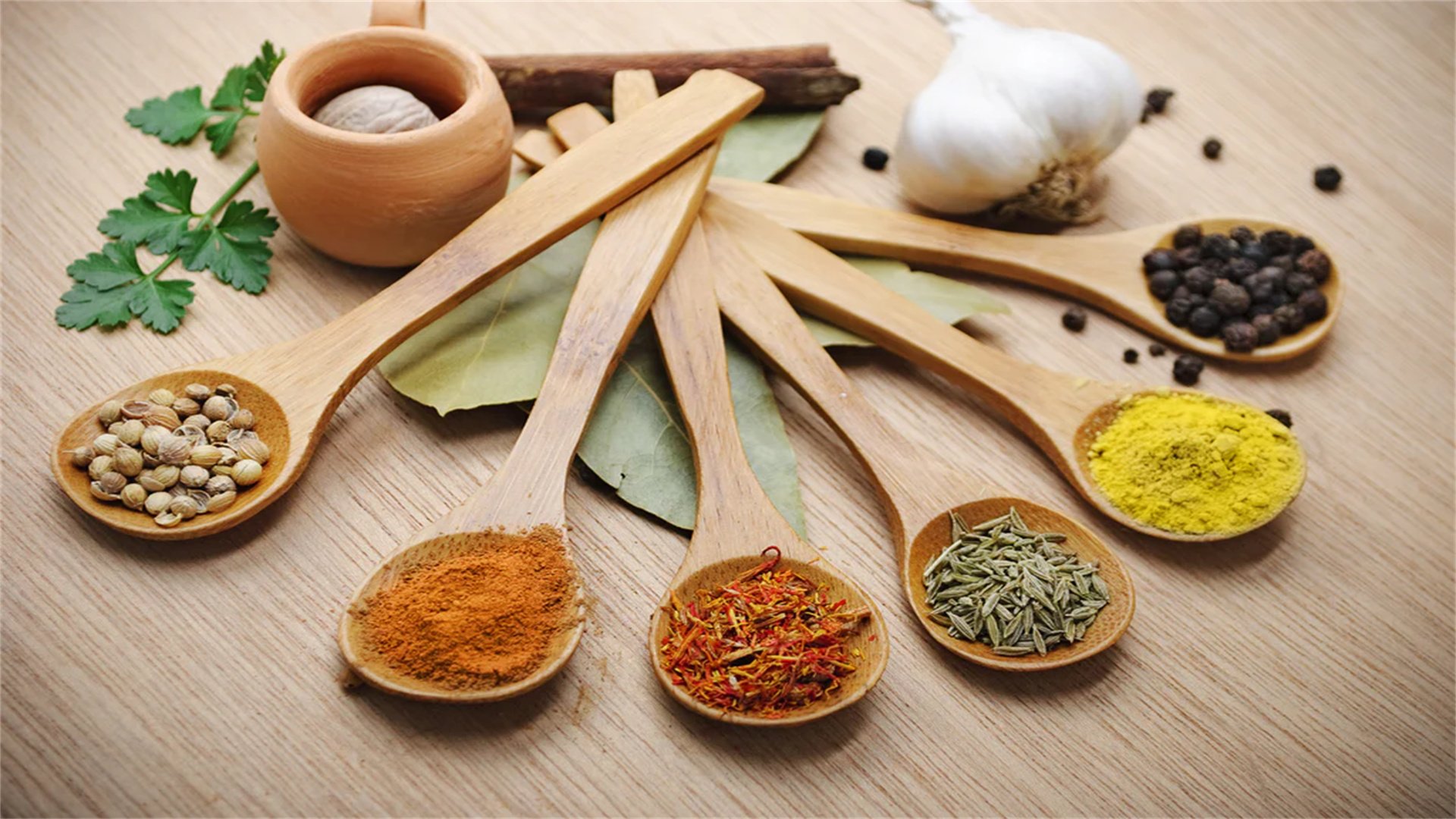
3. Seasoning Layering: Building Depth of Flavor 🧂
Seasoning at multiple stages of cooking, rather than just at the end, enhances overall taste.
Advantages:
- Allows salt and spices to penetrate ingredients, creating a balanced and complex flavor profile.
- Improves overall dish consistency.
Disadvantages:
- Requires planning and attention throughout cooking.
- Can lead to over-seasoning if not careful.
Key Ingredients to Practice With:
- Salt: Use kosher salt for seasoning meats and vegetables.
- Herbs: Add fresh herbs like thyme or rosemary during cooking.
- Spices: Toast and grind spices like cumin for depth.
Step-by-Step Guide:
- Season early: Salt meat before cooking to draw out moisture and enhance browning.
- Add during cooking: Incorporate herbs and spices while sautéing or simmering.
- Adjust at the end: Taste and add final seasonings before serving.
- Use acid: Finish with lemon juice or vinegar to brighten flavors.
Application: Layer seasoning in a slow-cooked chili with beans and ground beef.
Part 2: 12 Creative Ways to Elevate Basic Ingredients into Gourmet Dishes ✨
Transform everyday ingredients into restaurant-quality meals with these innovative techniques and recipes.
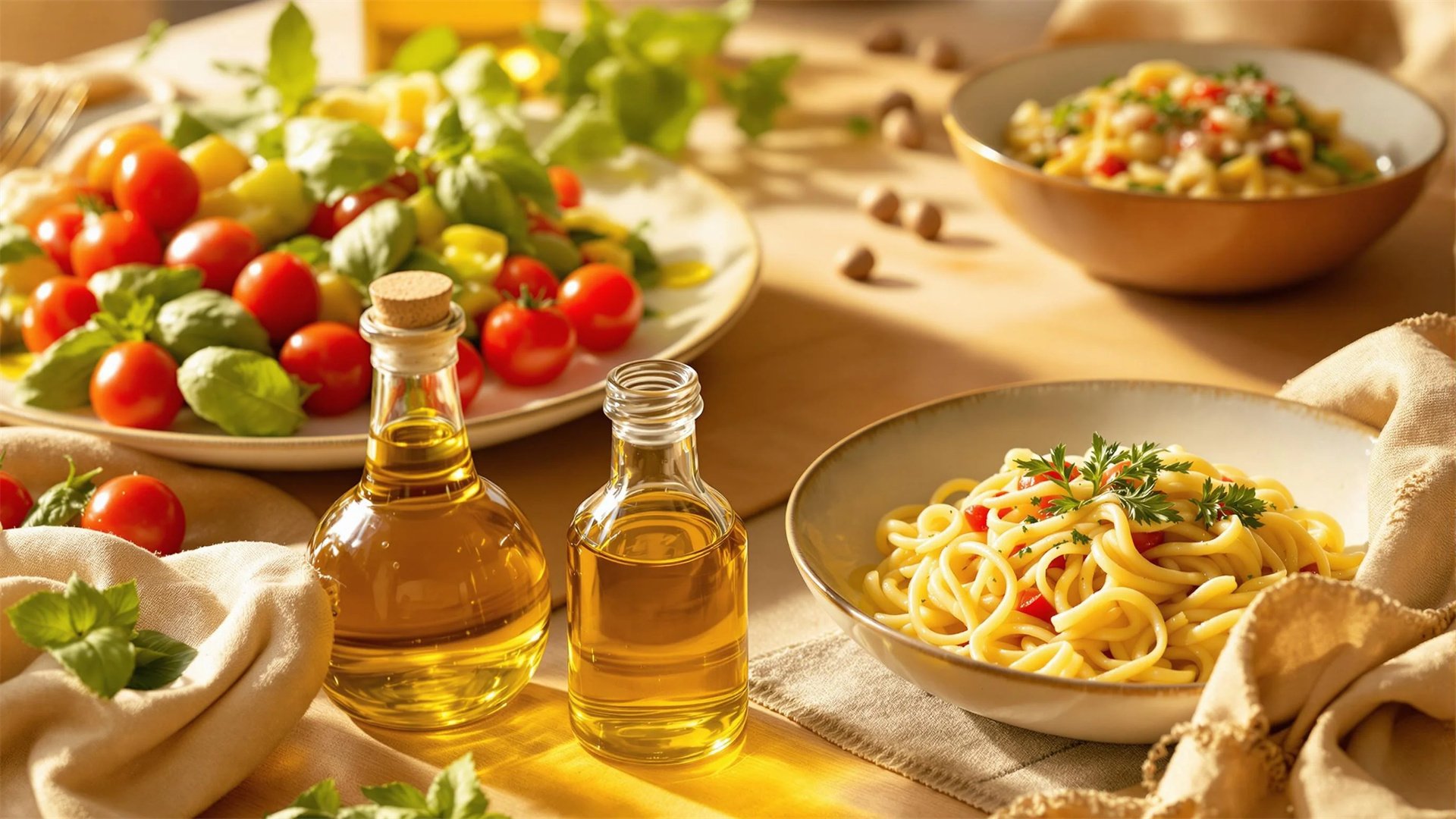
1. Infused Oils: Add Aromatic Depth to Simple Dishes 🥨
Infuse oils with herbs, spices, or garlic to drizzle over salads, pastas, or grilled meats.
Advantages:
- Adds complex flavors with minimal effort.
- Versatile for various dishes.
Disadvantages:
- Requires time for infusion.
- Short shelf life compared to regular oils.
Key Ingredients:
- Extra virgin olive oil: Base for infusions.
- Fresh rosemary: For herbal oil.
- Chili flakes: For spicy oil.
Step-by-Step Method:
- Heat oil gently: Warm oil in a saucepan over low heat.
- Add flavorings: Stir in herbs or spices, and cook for 5-10 minutes until fragrant.
- Cool and strain: Let cool, then strain through cheesecloth to remove solids.
- Store: Keep in a sealed bottle for up to a month.
Application: Drizzle rosemary-infused oil over roasted potatoes or crusty bread.
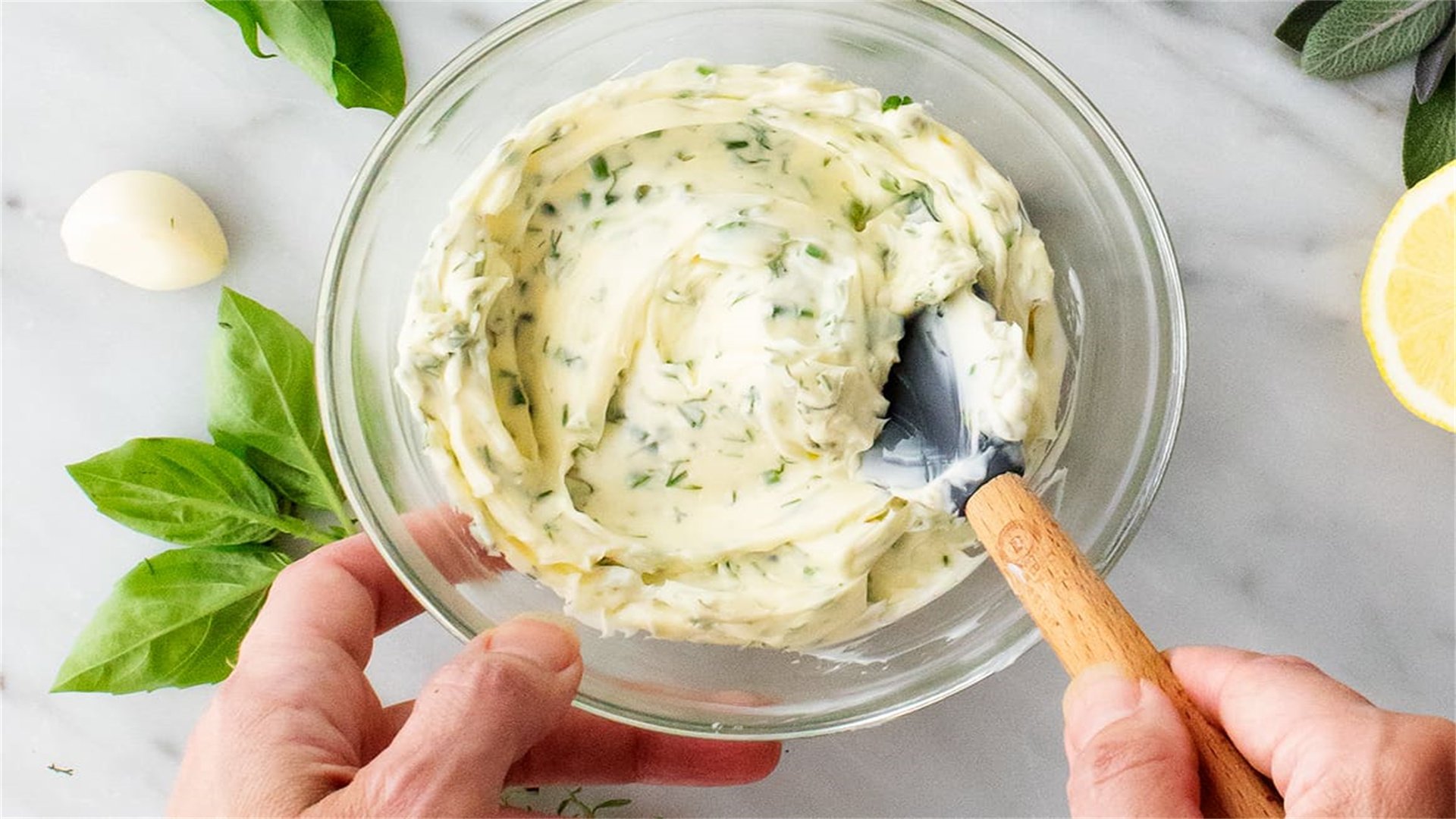
2. Compound Butters: Enhance with Flavored Butter 🧈
Mix softened butter with herbs, citrus zest, or spices to create a versatile condiment.
Advantages:
- Easy to make and customize.
- Adds rich flavor to simple dishes.
Disadvantages:
- High in fat and calories.
- Needs refrigeration to maintain freshness.
Key Ingredients:
- Unsalted butter: Allows control over saltiness.
- Garlic and parsley: For classic garlic butter.
- Lemon zest: For bright, citrusy butter.
Step-by-Step Method:
- Soften butter: Leave at room temperature until spreadable.
- Mix ingredients: Combine butter with chopped herbs, zest, or spices.
- Shape and chill: Roll into a log using parchment paper, and refrigerate until firm.
- Slice and use: Add to steaks, vegetables, or bread.
Application: Top grilled corn with chili-lime compound butter.
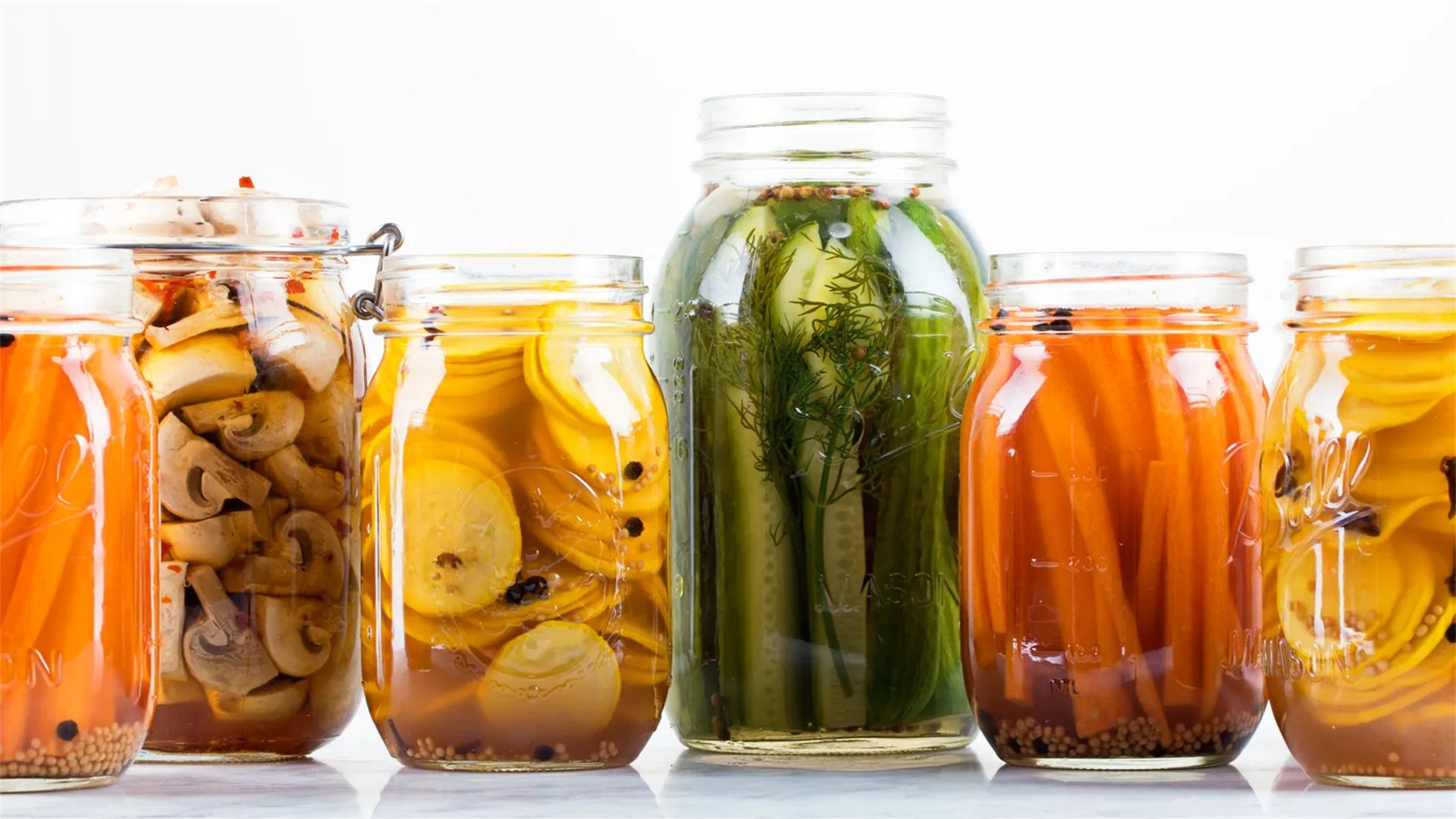
3. Pickling: Preserve and Add Tang 🥒
Pickle vegetables in vinegar brine to create crunchy, flavorful accompaniments.
Advantages:
- Extends shelf life of vegetables.
- Adds tangy crunch to dishes.
Disadvantages:
- Requires waiting time for pickling.
- Can be too acidic for some palates.
Key Ingredients:
- Cucumbers: For classic pickles.
- Red onions: Pickle for tacos or salads.
- Carrots: Quick-pickle with ginger for Asian dishes.
Step-by-Step Method:
- Make brine: Combine vinegar, water, salt, and sugar in a saucepan, and bring to a boil.
- Prepare vegetables: Slice vegetables and pack into jars.
- Pour brine: Fill jars with hot brine, ensuring vegetables are submerged.
- Cool and store: Refrigerate for at least 24 hours before using.
Application: Serve pickled radishes on burgers or bowls.
4. Reductions: Concentrate Flavors into Sauces 🍯
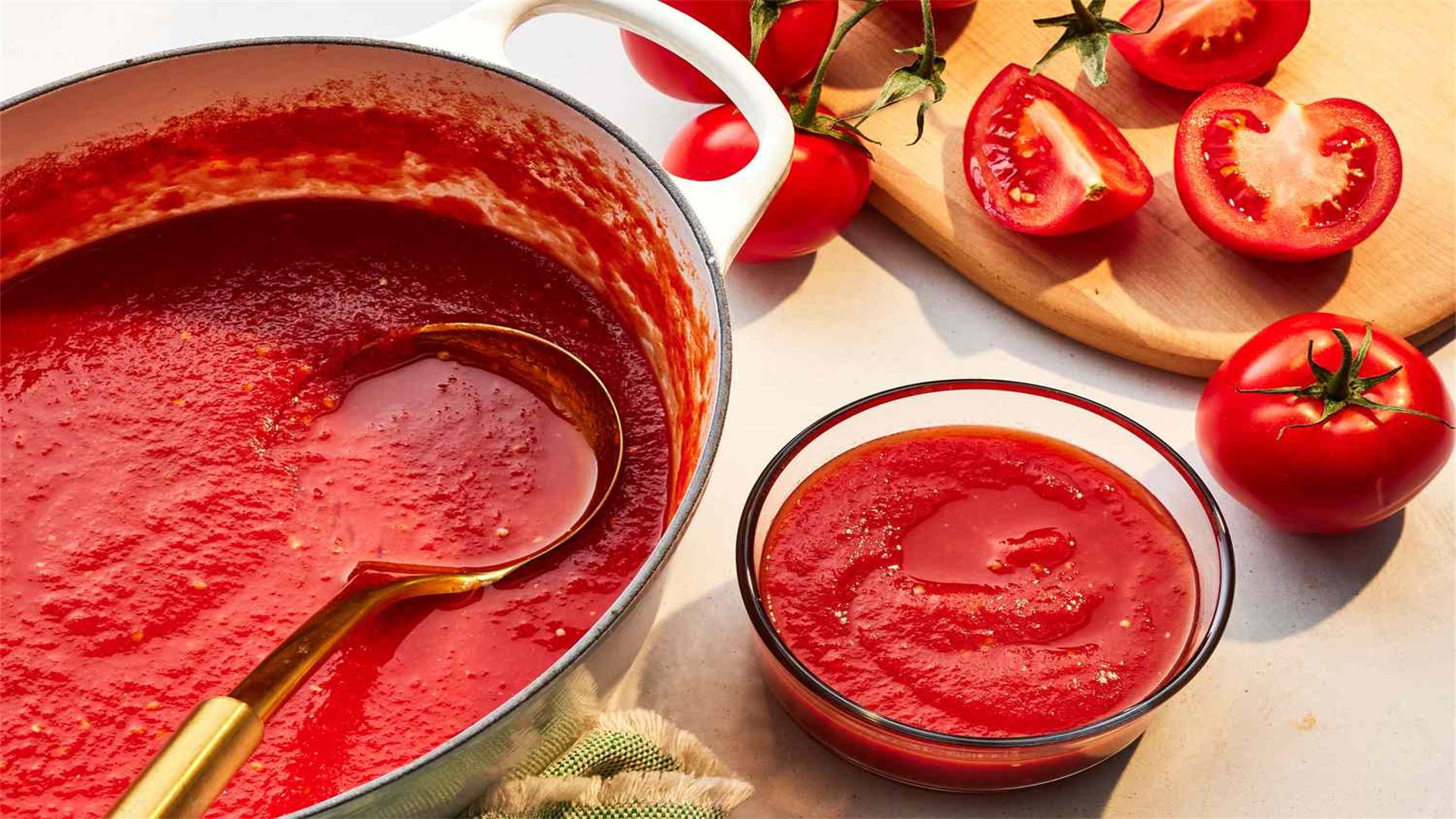
Simmer liquids like wine, broth, or fruit juices to reduce and thicken into glossy sauces.
Advantages:
- Intensifies flavors for a gourmet touch.
- Creates visually appealing sauces.
Disadvantages:
- Time-consuming reduction process.
- Can easily burn if not monitored.
Key Ingredients:
- Balsamic vinegar: Reduce for a sweet glaze.
- Red wine: Reduce with shallots for a sauce.
- Apple cider: Reduce for a fall-inspired drizzle.
Step-by-Step Method:
- Simmer liquid: Pour into a saucepan and bring to a boil.
- Reduce heat: Cook on medium-low until reduced by half or more.
- Monitor consistency: Stir occasionally until syrupy.
- Season: Add salt, pepper, or herbs to taste.
Application: Drizzle balsamic reduction over strawberries or grilled chicken.
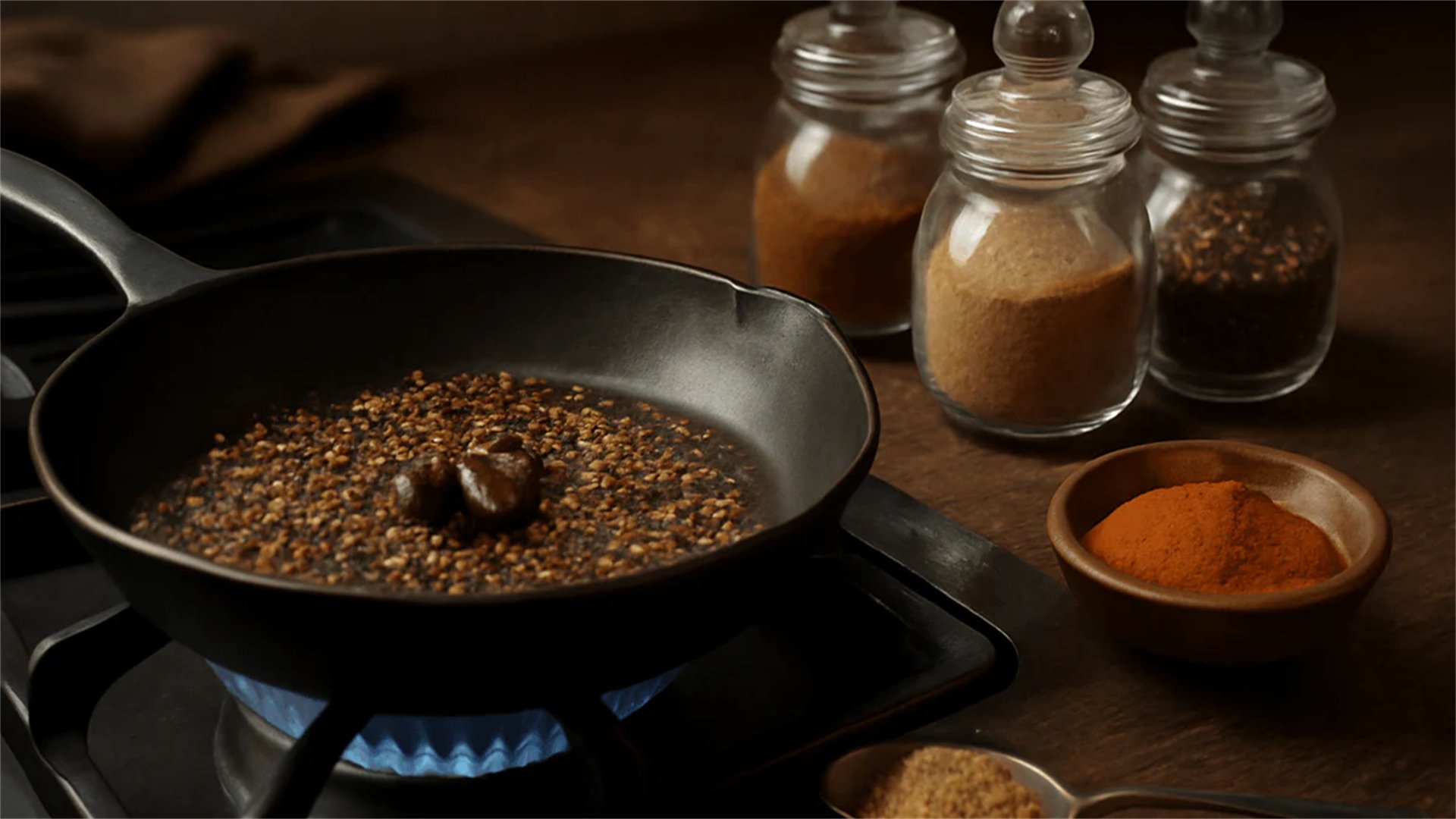
5. Toasting Spices and Nuts: Unlock Deep Aromas 🌰
Toast spices or nuts in a dry pan to enhance their natural oils and flavors.
Advantages:
- Enhances flavor and aroma significantly.
- Quick and easy technique.
Disadvantages:
- Can burn easily if left unattended.
- Requires immediate use or storage to maintain freshness.
Key Ingredients:
- Cumin seeds: Toast for Indian or Mexican dishes.
- Almonds: Toast for salads or snacks.
- Sesame seeds: Toast for Asian garnishes.
Step-by-Step Method:
- Heat pan: Use a skillet over medium heat.
- Add ingredients: Place spices or nuts in a single layer.
- Toast until fragrant: Stir frequently for 2-5 minutes, avoiding burning.
- Cool and use: Grind spices or chop nuts as needed.
Application: Use toasted pine nuts in pesto or pasta.
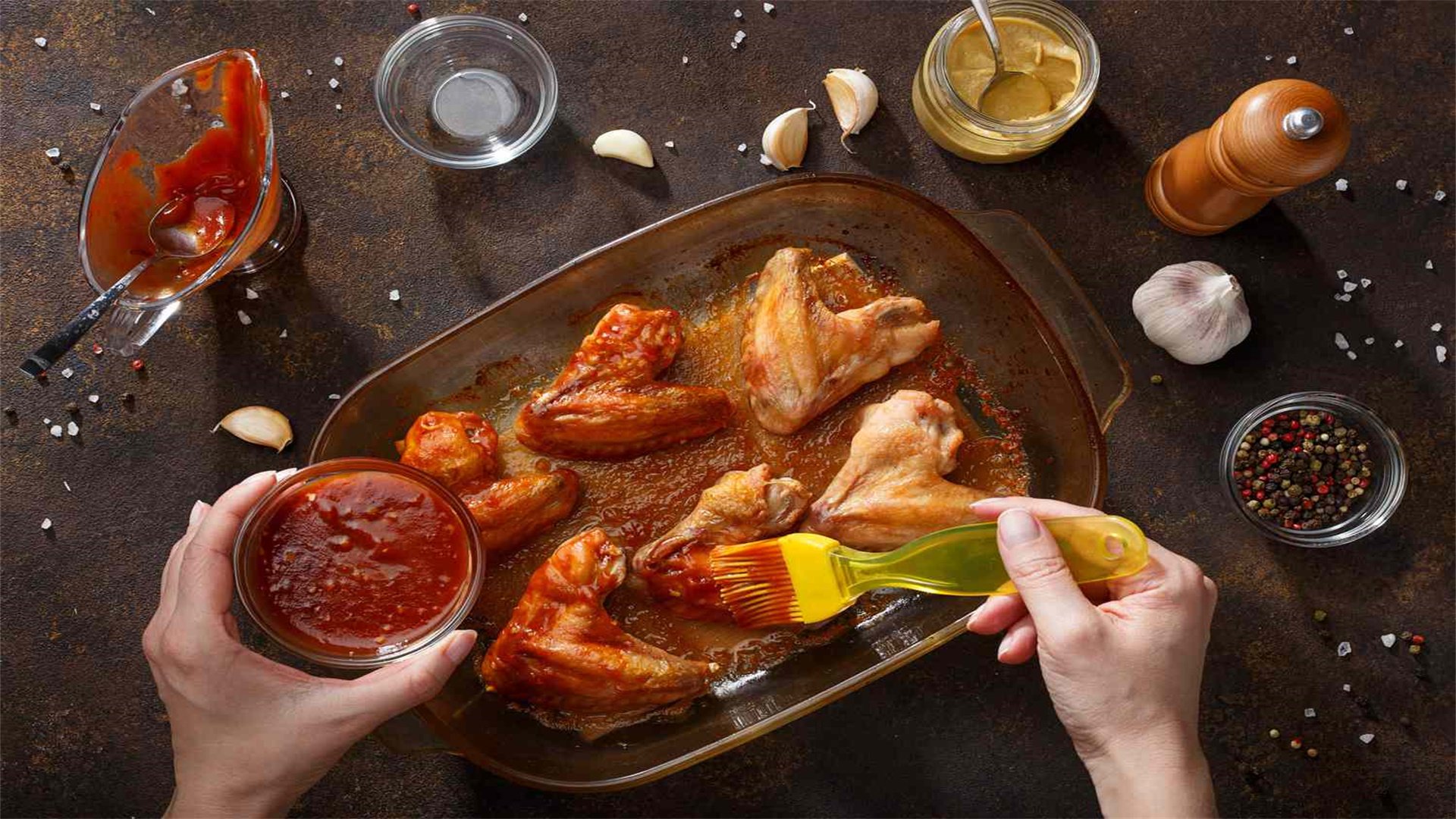
6. Marinating: Tenderize and Infuse Flavor 🥩
Soak proteins or vegetables in a mixture of acid, oil, and seasonings to enhance taste and texture.
Advantages:
- Tenderizes tougher cuts of meat.
- Infuses deep flavors throughout the ingredient.
Disadvantages:
- Requires advance planning for marinating time.
- Can over-marinate, leading to mushy texture.
Key Ingredients:
- Chicken thighs: Marinate in yogurt and spices for grilling.
- Tofu: Marinate in soy sauce and ginger for stir-fries.
- Mushrooms: Marinate in balsamic for roasting.
Step-by-Step Method:
- Prepare marinade: Whisk together oil, acid (e.g., lemon juice), herbs, and spices.
- Coat food: Place in a resealable bag or container with marinade.
- Refrigerate: Marinate for at least 30 minutes or overnight, depending on ingredient.
- Cook as desired: Grill, bake, or sauté after marinating.
Application: Grill marinated skirt steak for fajitas.
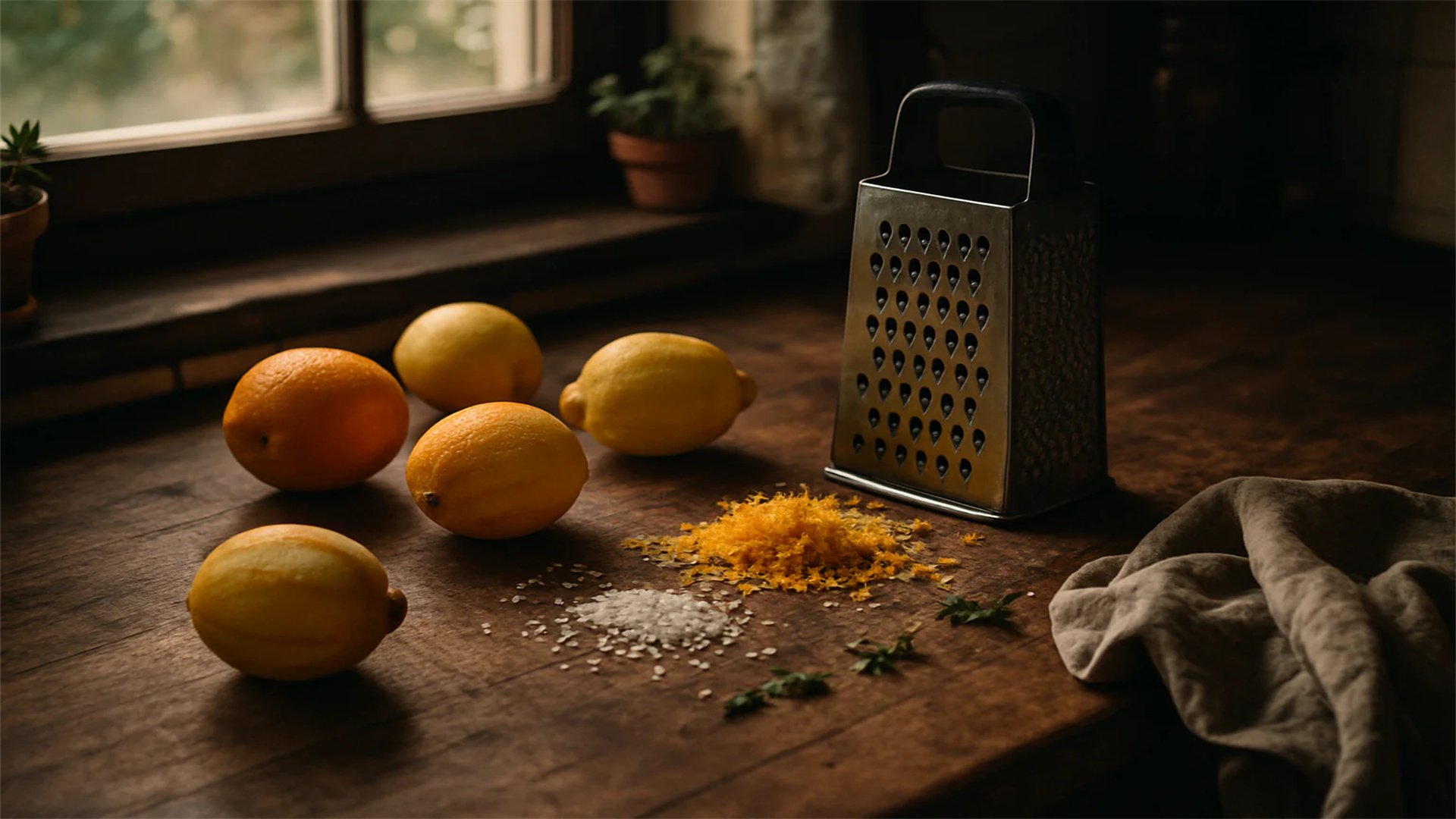
7. Grating and Zesting: Add Fresh Citrus or Cheese Notes 🧀
Use a grater or zester to incorporate citrus zest or hard cheeses into dishes for bright or savory accents.
Advantages:
- Adds fresh, vibrant flavors instantly.
- Enhances presentation with fine textures.
Disadvantages:
- Can be tedious for large quantities.
- Risk of grating unwanted parts (e.g., bitter pith).
Key Ingredients:
- Lemons: Zest for desserts or pastas.
- Parmesan cheese: Grate over soups or pastas.
- Ginger: Grate for marinades or teas.
Step-by-Step Method:
- Choose tool: Use a fine grater for zest or a box grater for cheese.
- Grate carefully: Avoid bitter white pith when zesting citrus.
- Add immediately: Incorporate into dishes just before serving for maximum flavor.
- Store extras: Freeze zest or grated cheese for later use.
Application: Top pasta carbonara with freshly grated Pecorino Romano.
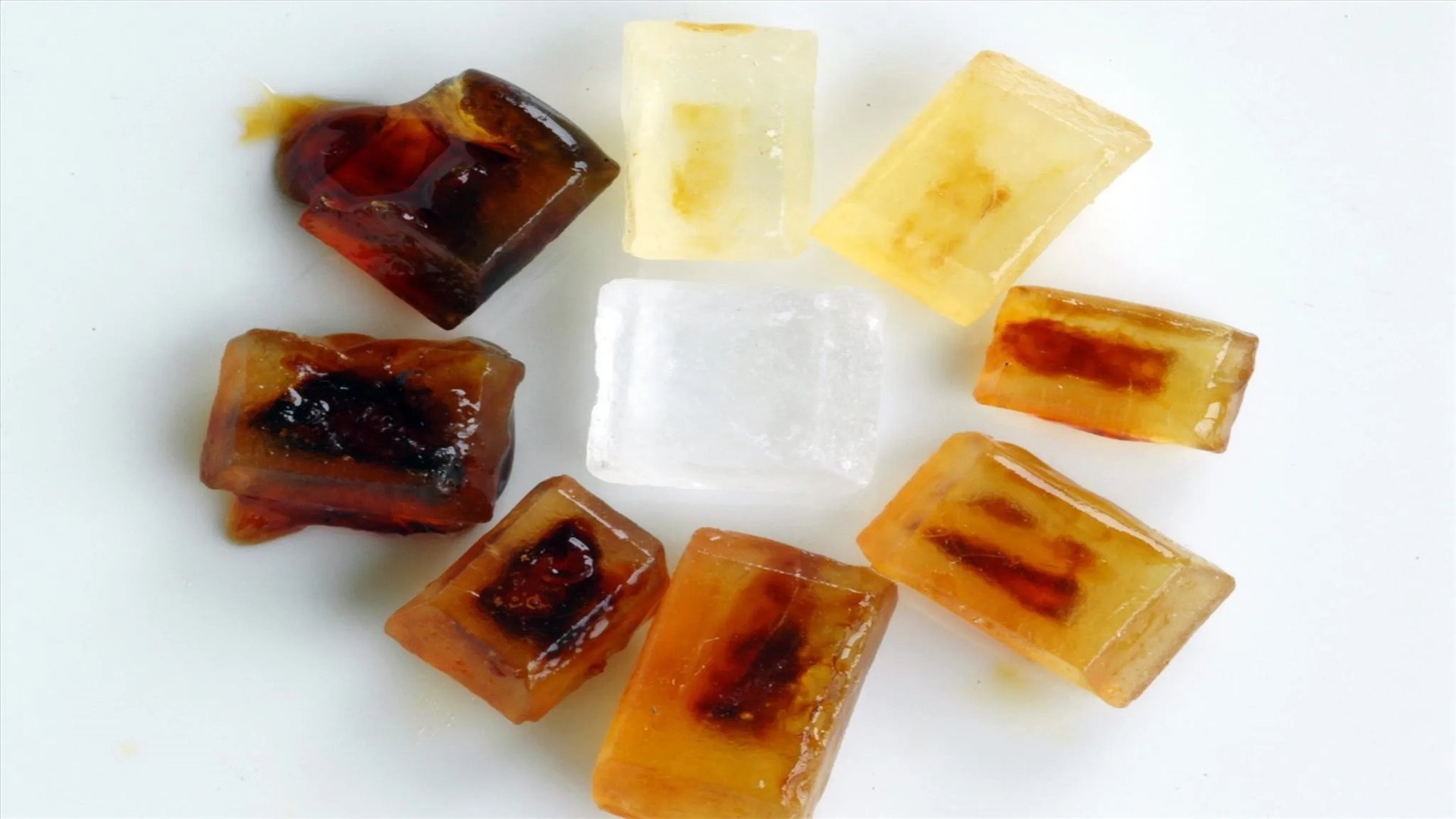
8. Caramelizing: Sweeten Vegetables and Fruits 🥘
Cook ingredients slowly to break down sugars, creating a sweet, browned effect, as with onions or bananas.
Advantages:
- Adds natural sweetness and depth to dishes.
- Transforms simple ingredients into gourmet components.
Disadvantages:
- Time-consuming process.
- Requires constant attention to prevent burning.
Key Ingredients:
- Onions: Caramelize for French onion soup or toppings.
- Bananas: Caramelize with butter for desserts.
- Carrots: Glaze with honey and butter.
Step-by-Step Method:
- Cook low and slow: Use medium-low heat with fat like butter or oil.
- Stir occasionally: Prevent burning while allowing even browning.
- Add sweetness: A pinch of sugar can accelerate caramelization.
- Cook until golden: This can take 20-40 minutes for onions.
Application: Use caramelized onions on pizzas or burgers.
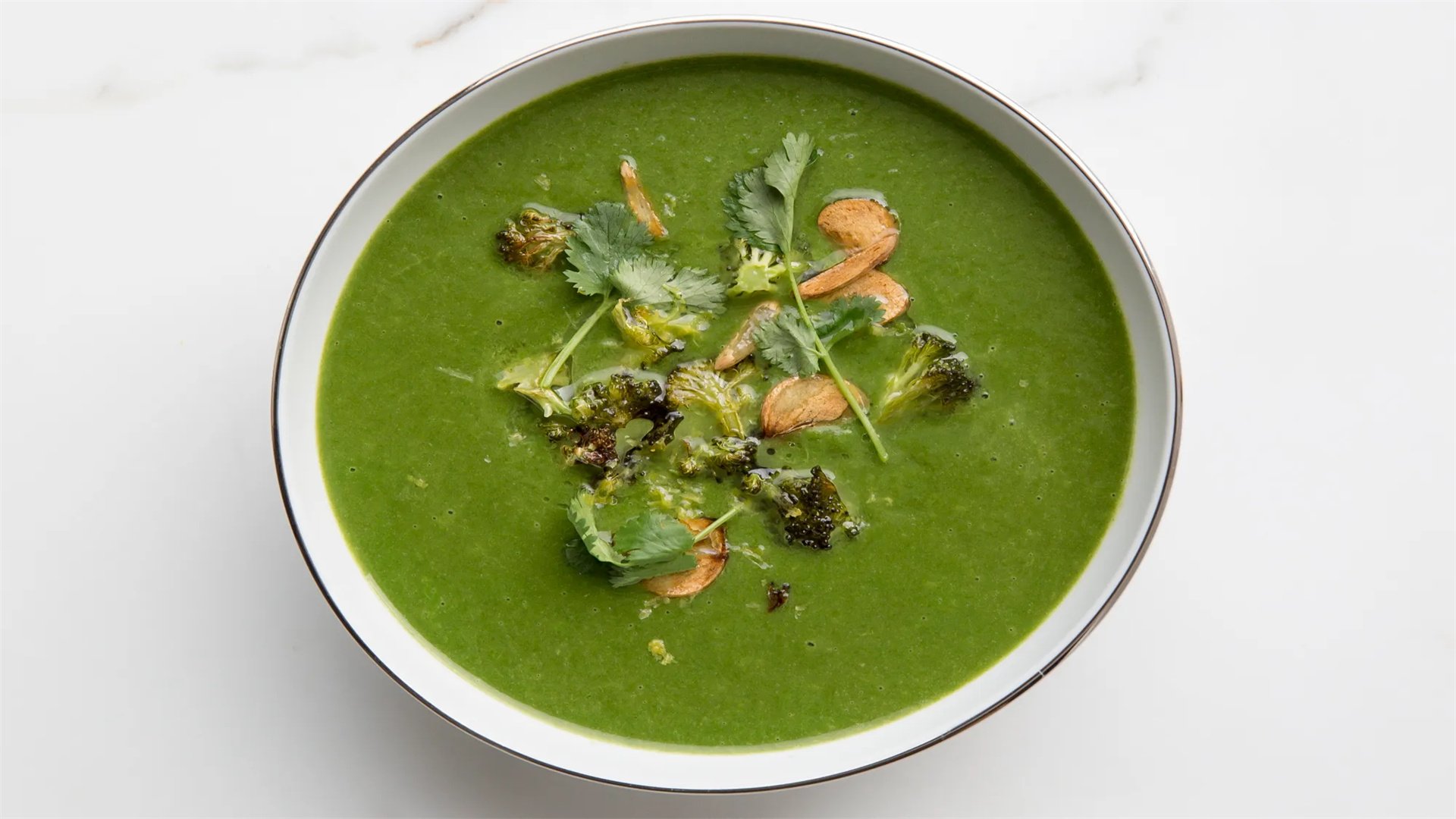
9. Puréeing: Create Smooth Soups and Sauces 🥣
Blend cooked vegetables or fruits into smooth purées for soups, sauces, or dips.
Advantages:
- Creates velvety textures for elegant dishes.
- Great for using up leftovers or seasonal produce.
Disadvantages:
- Requires blending equipment.
- Can become too thin or thick if not balanced.
Key Ingredients:
- Butternut squash: Roast and purée for soup.
- Tomatoes: Cook and purée for pasta sauce.
- Avocado: Purée for guacamole or spreads.
Step-by-Step Method:
- Cook ingredients: Roast, boil, or steam until tender.
- Blend: Use a blender or food processor until smooth.
- Season: Add salt, pepper, or cream to taste.
- Strain if needed: Pass through a sieve for extra smoothness.
Application: Serve butternut squash purée as a side with roasted meats.
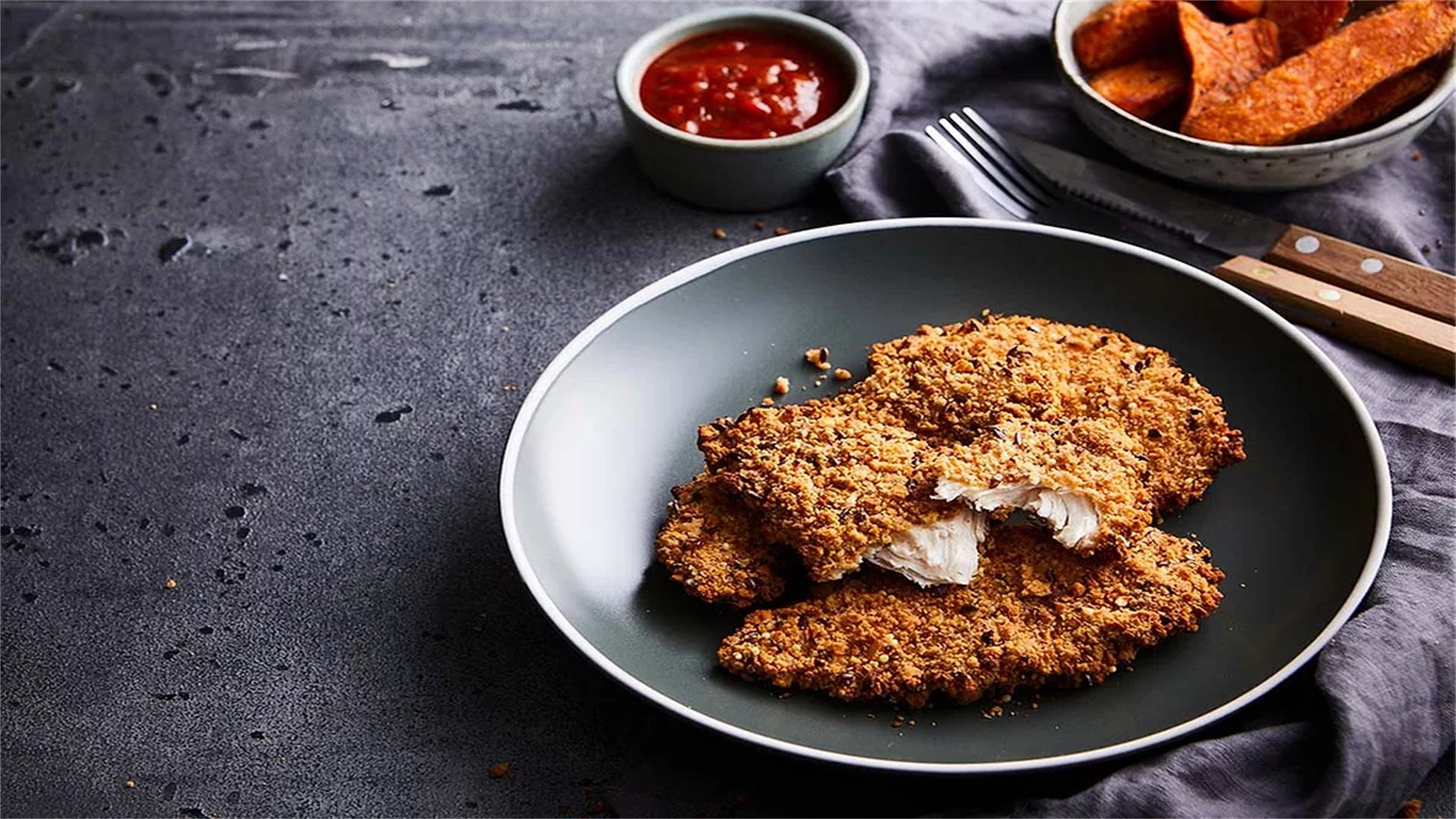
10. Crumbing and Breading: Add Texture to Proteins 🍗
Coat meat, fish, or vegetables with breadcrumbs or crushed nuts for a crispy exterior when fried or baked.
Advantages:
- Adds satisfying crunch and visual appeal.
- Helps seal in moisture during cooking.
Disadvantages:
- Can be messy to prepare.
- High in calories if fried.
Key Ingredients:
- Chicken cutlets: Bread with panko for schnitzel.
- Eggplant: Coat with breadcrumbs for eggplant Parmesan.
- Fish fillets: Use cornmeal for a Southern-style fry.
Step-by-Step Method:
- Set up stations: Prepare flour, beaten eggs, and breadcrumbs in separate bowls.
- Coat evenly: Dredge food in flour, then egg, then breadcrumbs.
- Press crumbs: Ensure adhesion for a uniform coating.
- Cook: Fry in oil or bake until golden and crispy.
Application: Make baked chicken tenders with herb breadcrumbs.
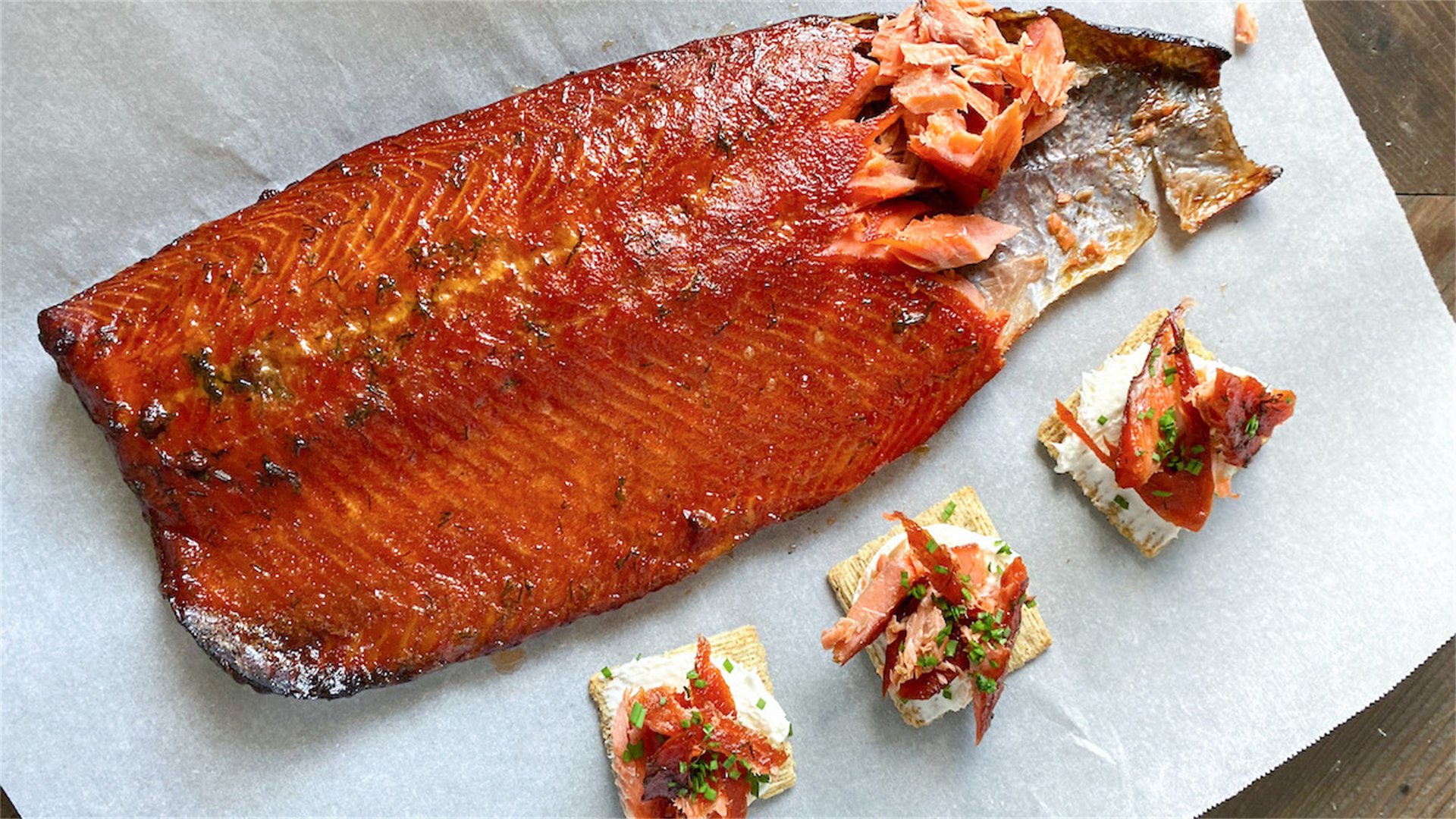
11. Smoking: Impart Smoky Flavors Indoors 🍖
Use smoking techniques, even without a grill, to add depth to meats, cheeses, or vegetables.
Advantages:
- Adds unique smoky flavor without outdoor grilling.
- Preserves and enhances ingredients.
Disadvantages:
- Requires special equipment or setup.
- Can be time-consuming and smoky indoors.
Key Ingredients:
- Salmon: Cold-smoke for lox.
- Cheese: Smoke cheddar for appetizers.
- Paprika: Smoke-dry for homemade spice blends.
Step-by-Step Method:
- Choose method: Use a stovetop smoker or add wood chips to a grill.
- Prepare food: Season and place on a rack above smoking material.
- Smoke low and slow: Maintain low heat for 1-3 hours, depending on ingredient.
- Rest and serve: Let flavors meld before using.
Application: Smoke ribs with hickory wood for a barbecue feast.
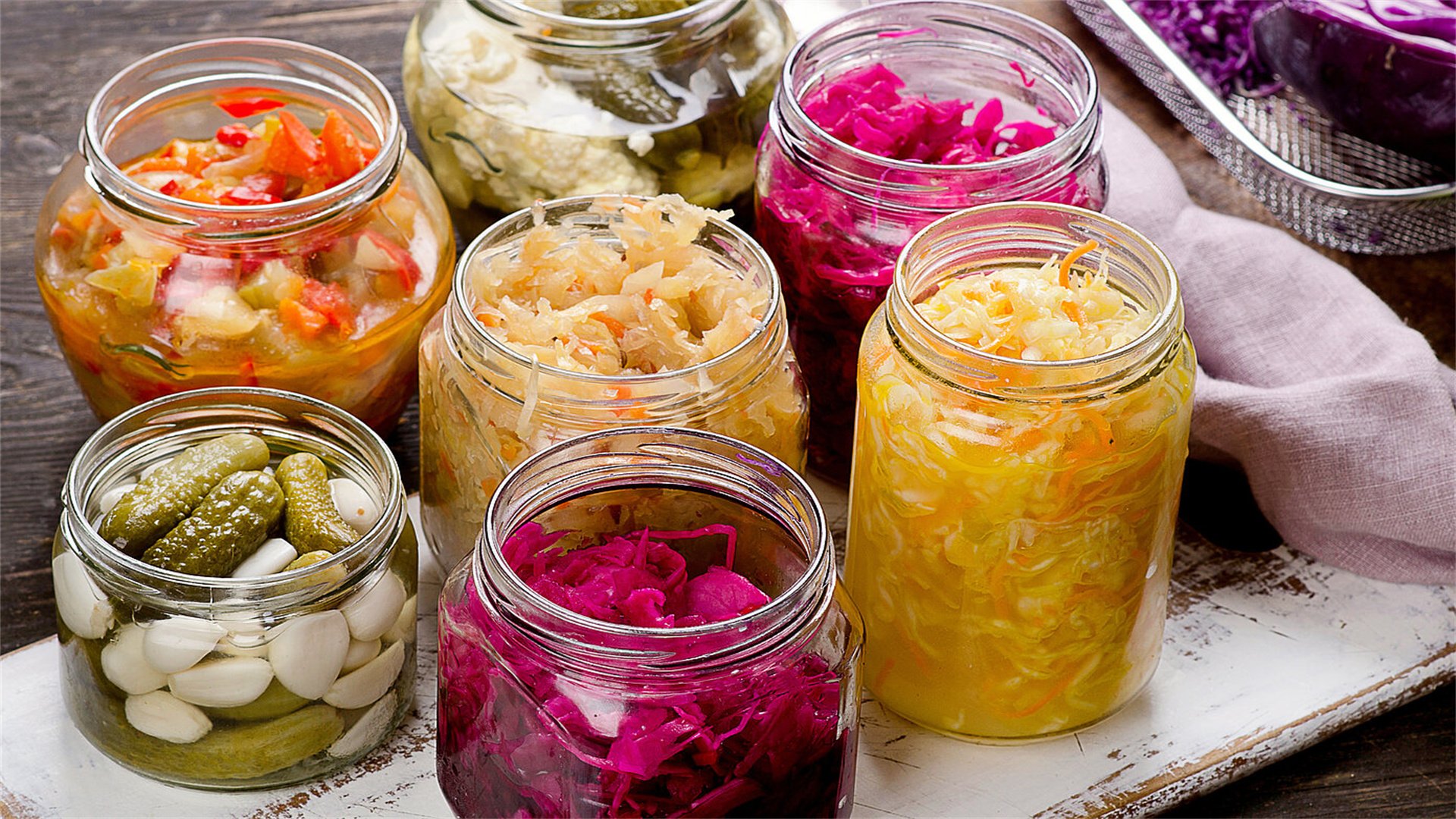
12. Fermenting: Develop Complex Flavors Over Time 🥬
Ferment foods like cabbage (for sauerkraut) or dairy (for yogurt) to create probiotic-rich dishes with tangy notes.
Advantages:
- Develops complex flavors and probiotics for gut health.
- Preserves ingredients without refrigeration initially.
Disadvantages:
- Requires patience and monitoring during fermentation.
- Risk of spoilage if not done correctly.
Key Ingredients:
- Cabbage: Ferment with salt for sauerkraut.
- Milk: Culture with bacteria for homemade yogurt.
- Hot peppers: Ferment for hot sauce.
Step-by-Step Method:
- Prepare ingredients: Chop or shred vegetables, and mix with salt.
- Pack tightly: Place in a jar, pressing to release juices and submerge.
- Ferment: Store at room temperature for days to weeks, checking periodically.
- Refrigerate: Once fermented to taste, chill to slow fermentation.
Application: Serve homemade kimchi with rice or tacos.
Conclusion: Mastering these 13 simple cooking techniques and 12 creative methods will empower you to transform basic ingredients into gourmet dishes with confidence. From knife skills to fermenting, each approach adds depth, flavor, and artistry to your cooking. Practice regularly, experiment with ingredients, and don’t be afraid to innovate. Remember, great cooking is about technique and creativity—so get into the kitchen and start elevating your meals today!