Cooking
How to Make Restaurant-Quality Pasta at Home
Ingredients for Homemade Pasta and Sauce
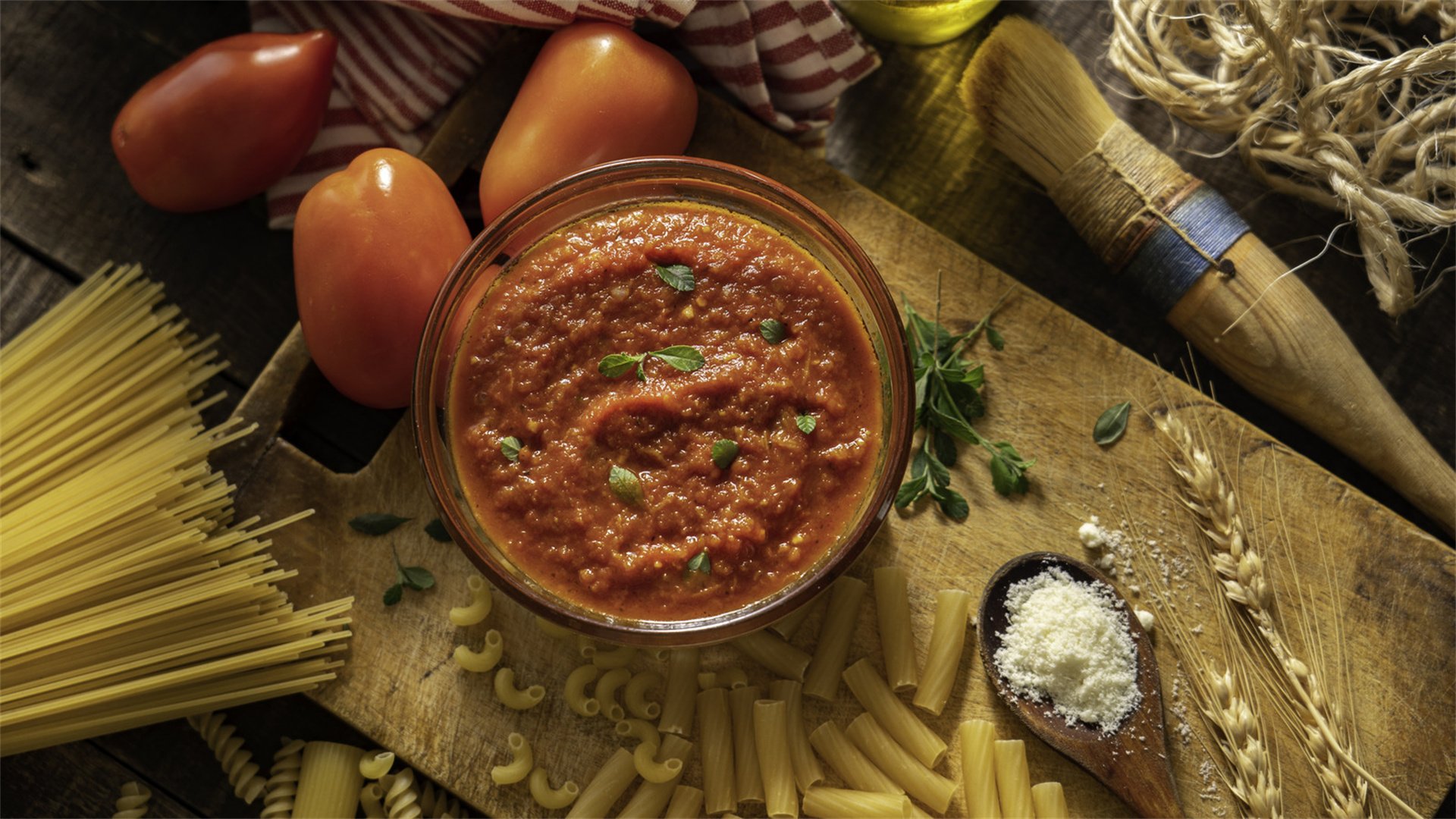
Here, we'll break down each ingredient with explanations on selection and preparation, using expandable sections for clarity.
- For the Pasta Dough:
- 00 Flour (300 grams): This fine Italian flour is ideal for pasta due to its low protein content, yielding a tender texture. If unavailable, use all-purpose flour as a substitute.
- Large Eggs (3 whole eggs): Use fresh, room-temperature eggs for better emulsification. They provide richness and bind the dough.
- Semolina Flour (for dusting, 50 grams): This coarse flour prevents sticking when rolling out pasta. It adds a slight grit for authentic texture.
- Extra-Virgin Olive Oil (1 tablespoon): Adds moisture and flavor to the dough. Choose a high-quality oil for best results.
- Salt (1 teaspoon): Enhances the dough's flavor. Use fine sea salt for even distribution.
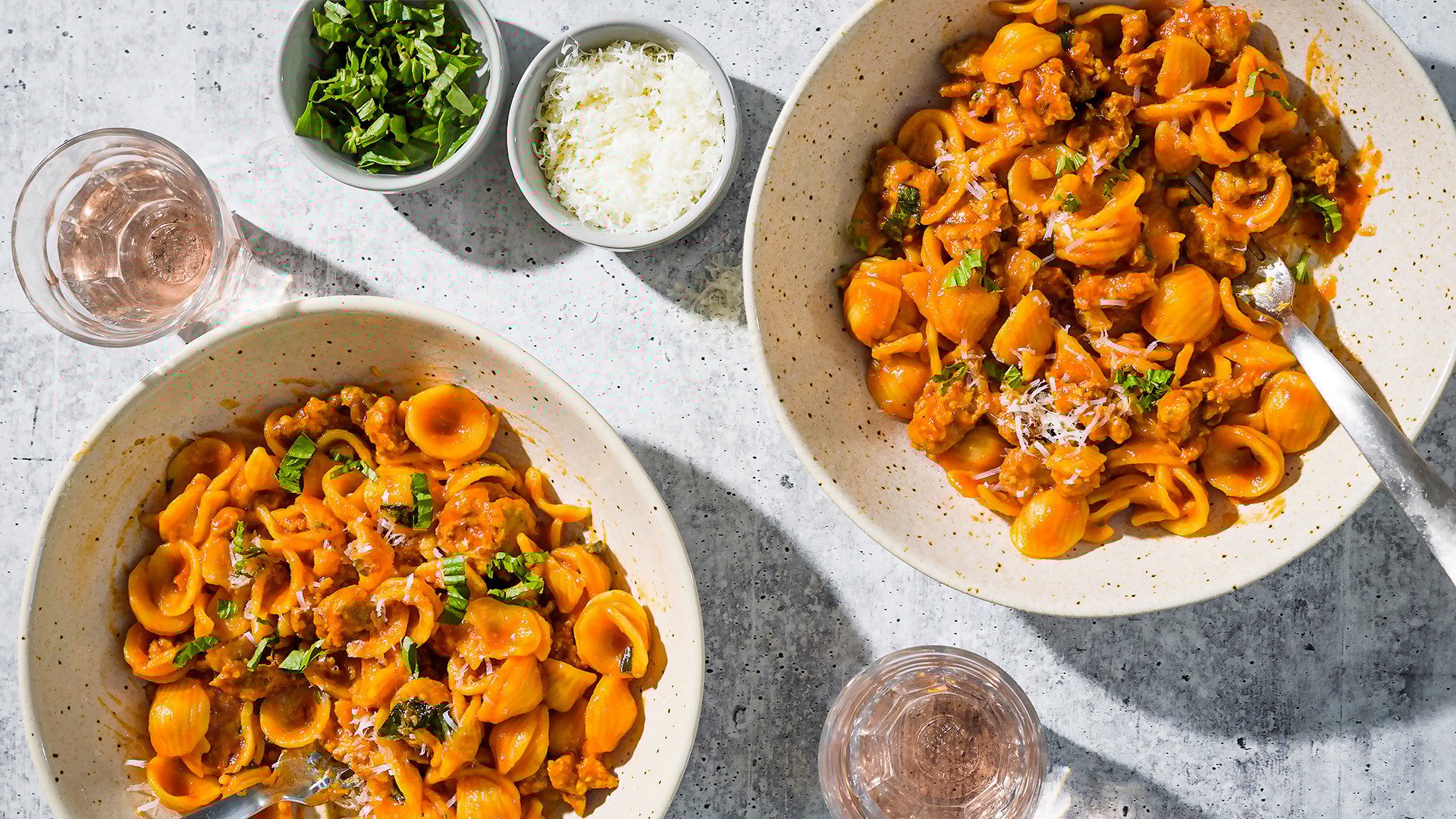
- For the Tomato Sauce:
- San Marzano Tomatoes (800 grams, canned): These Italian tomatoes are sweet and low in acidity, perfect for sauces. Crush them by hand for a rustic texture.
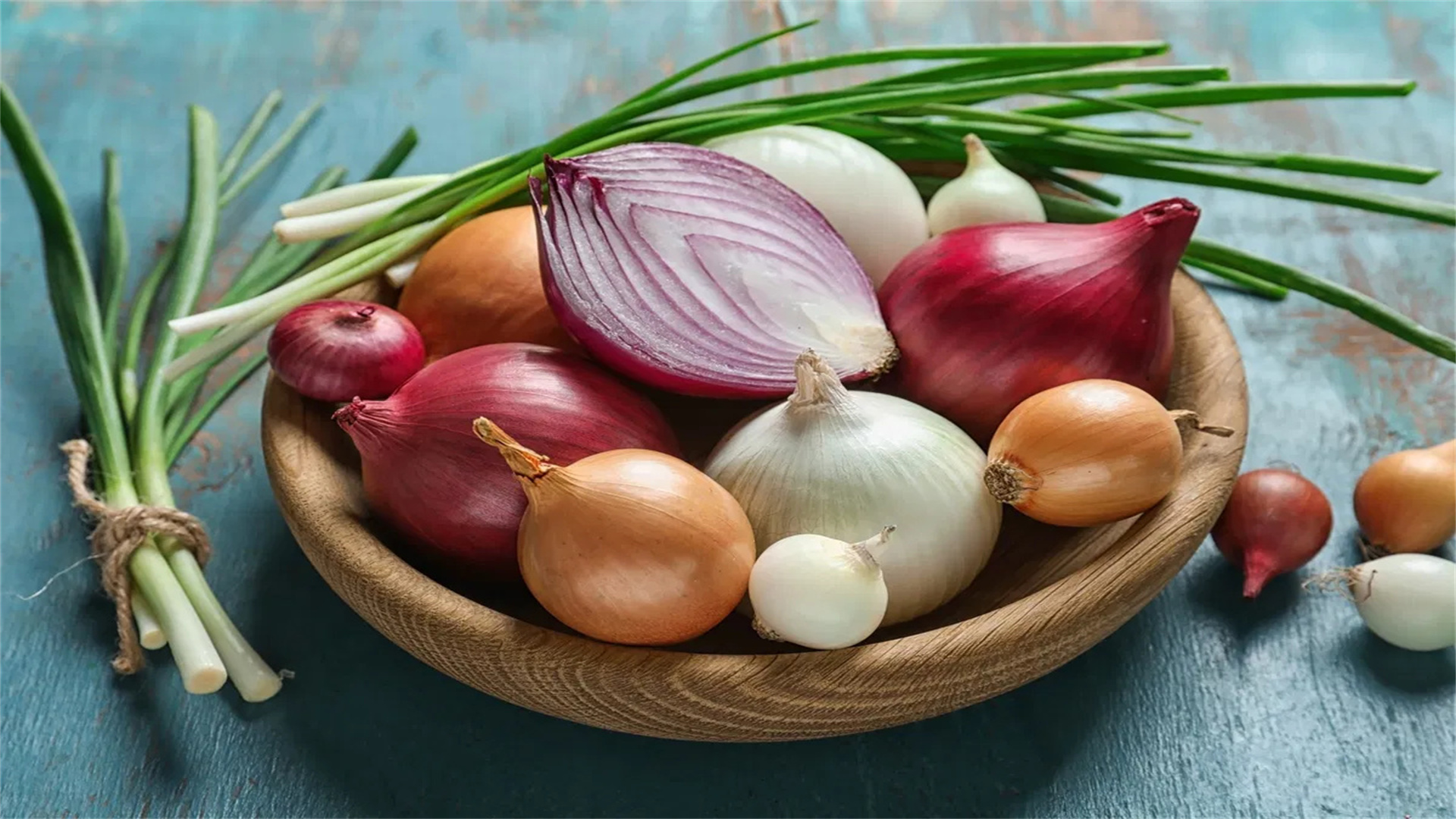
- Yellow Onion (1 medium, finely diced): Provides a sweet base when sautéed. Use knife skills (Technique 1) for even pieces.
- Garlic Cloves (4, minced): Adds aromatic depth. Mince finely to avoid bitter bursts.
- Fresh Basil Leaves (20 leaves): Infuses freshness. Tear just before adding to preserve color.
- Extra-Virgin Olive Oil (3 tablespoons): Used for sautéing and enriching the sauce. Opt for a fruity variety.
- Red Pepper Flakes (1/2 teaspoon): Adds subtle heat. Adjust to taste.
- Salt and Black Pepper (to taste): Season in layers (Technique 9) for balanced flavor.
- Parmesan Cheese (for serving, grated, 100 grams): Use a block and grate fresh for superior melting and flavor.
- Optional Add-ons:
- Ground Beef or Italian Sausage (200 grams): For a meat sauce, brown separately using sautéing (Technique 2) and deglazing (Technique 6).
- Fresh Herbs like Oregano or Parsley: Chop finely and sprinkle before serving for brightness.
Step-by-Step Instructions
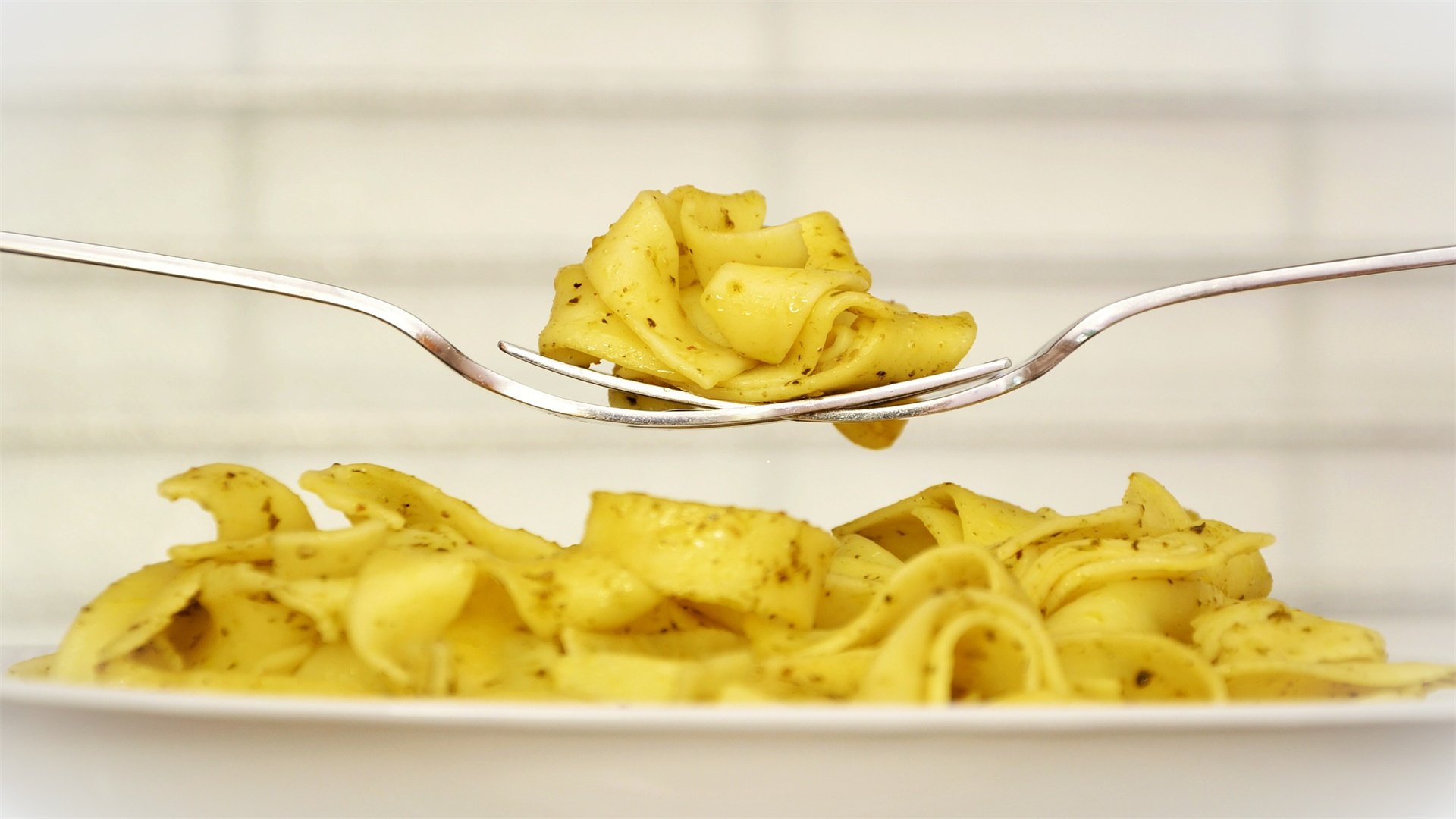
- Prepare the Pasta Dough (Techniques 20, 10, 28):
- On a clean surface, mound the 00 flour and make a well in the center. Crack the eggs into the well, add olive oil and salt.
- Using a fork, gradually incorporate flour from the edges until a shaggy dough forms.
- Knead vigorously for 10 minutes until smooth and elastic (Technique 20).
- Wrap in plastic wrap and let rest at room temperature for 30 minutes (Technique 10). This allows gluten to relax for easier rolling.
- Roll and Cut the Pasta (Techniques 1, 28):
- Lightly dust a surface with semolina flour. Divide the dough into four portions.
- Using a rolling pin or pasta machine, roll each portion into thin sheets, about 1–2 mm thick.
- For tagliatelle, fold the sheets and cut into 1 cm strips. Unfold and hang on a pasta dryer or coat with semolina to prevent sticking.
- Use knife skills (Technique 1) for even cutting.
- Start the Tomato Sauce (Techniques 2, 5, 9):
- Heat olive oil in a large saucepan over medium heat. Add diced onion and sauté (Technique 2) until translucent, about 5 minutes.
- Add minced garlic and red pepper flakes, cooking for 1 minute until fragrant.
- Season with salt and pepper (Technique 9).
- Simmer the Sauce (Techniques 8, 24, 6):
- Add the crushed San Marzano tomatoes with their juices. Bring to a simmer, then reduce heat to low.
- Let it cook uncovered for 45 minutes, stirring occasionally, until thickened (Technique 8).
- Add basil leaves in the last 10 minutes to infuse flavor (Technique 24).
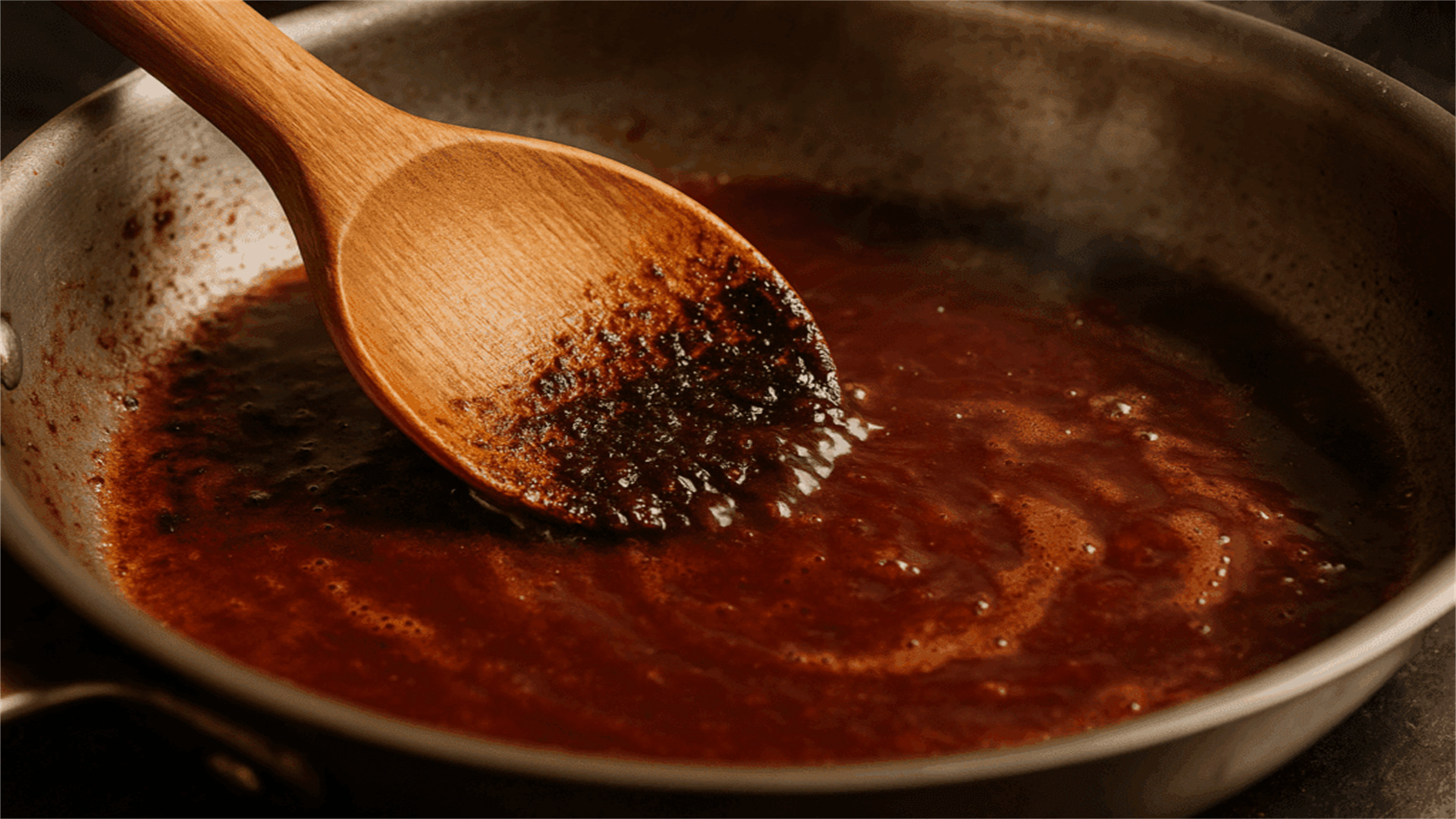
- If using meat, deglaze the pan with a splash of red wine (Technique 6) and add to the sauce.
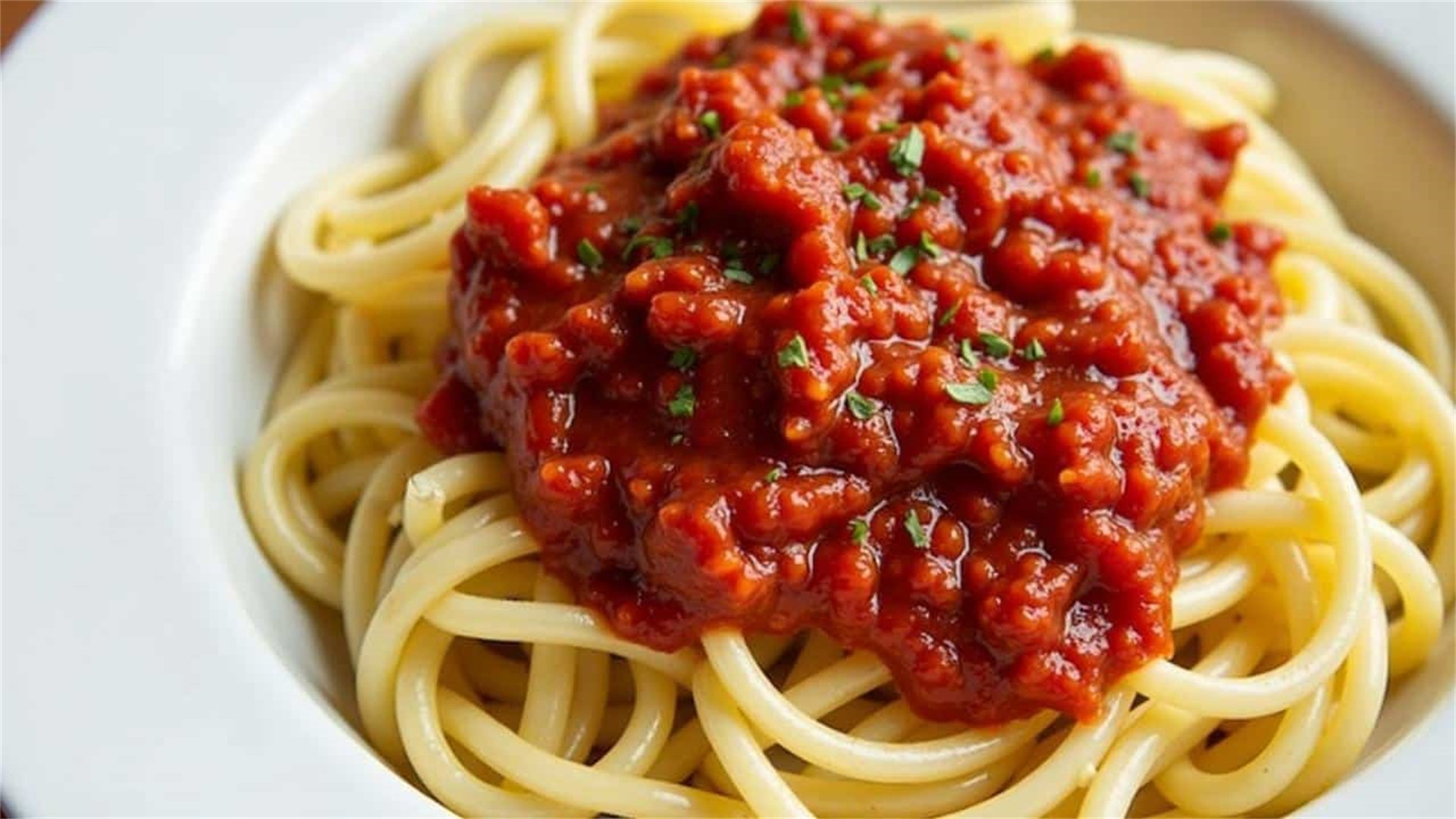
- Cook the Pasta (Techniques 7, 15, 28):
- Bring a large pot of salted water to a rolling boil. Add the fresh pasta and cook for 2–3 minutes until al dente.
- For dried pasta, follow package instructions. Reserve 1 cup of pasta water before draining.
- Optionally, blanch vegetables like peas (Technique 7) to add to the dish.
- Combine and Emulsify (Techniques 5, 12, 26):
- Drain the pasta and add it directly to the saucepan with the tomato sauce.
- Toss over low heat, adding pasta water as needed to create a silky emulsion (Technique 5).
- Gently fold (Technique 12) to coat evenly.
- For a glossy finish, drizzle with olive oil (Technique 26).
- Serve and Rest (Techniques 10, 22, 27):
- Divide the pasta among warm plates. Grate Parmesan cheese on top.
- Let it rest for a minute (Technique 10) to allow flavors to meld.
- Optionally, garnish with fresh herbs or a pickled vegetable side (Technique 27). Serve immediately for the best texture.
Technique Application Summary
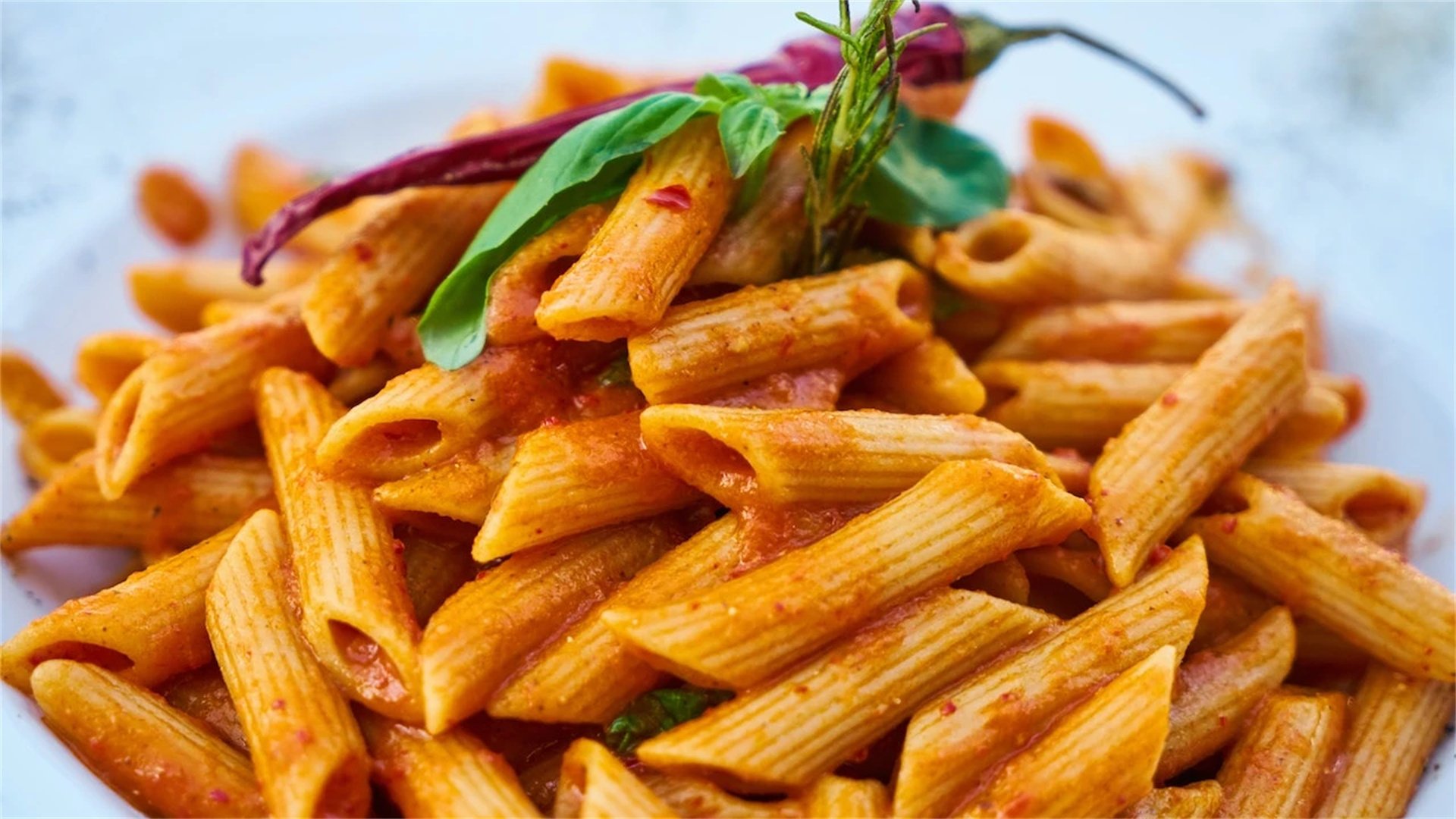
- This pasta recipe integrates multiple techniques from the list. For example, kneading dough (20) ensures perfect pasta texture, while sautéing (2) builds flavor in the sauce.
- Reduction (8) thickens the sauce, and emulsification (5) creates a creamy coating.
- By mastering these, you elevate a simple dish to restaurant quality.
🎯 Conclusion: Elevate Your Home Cooking
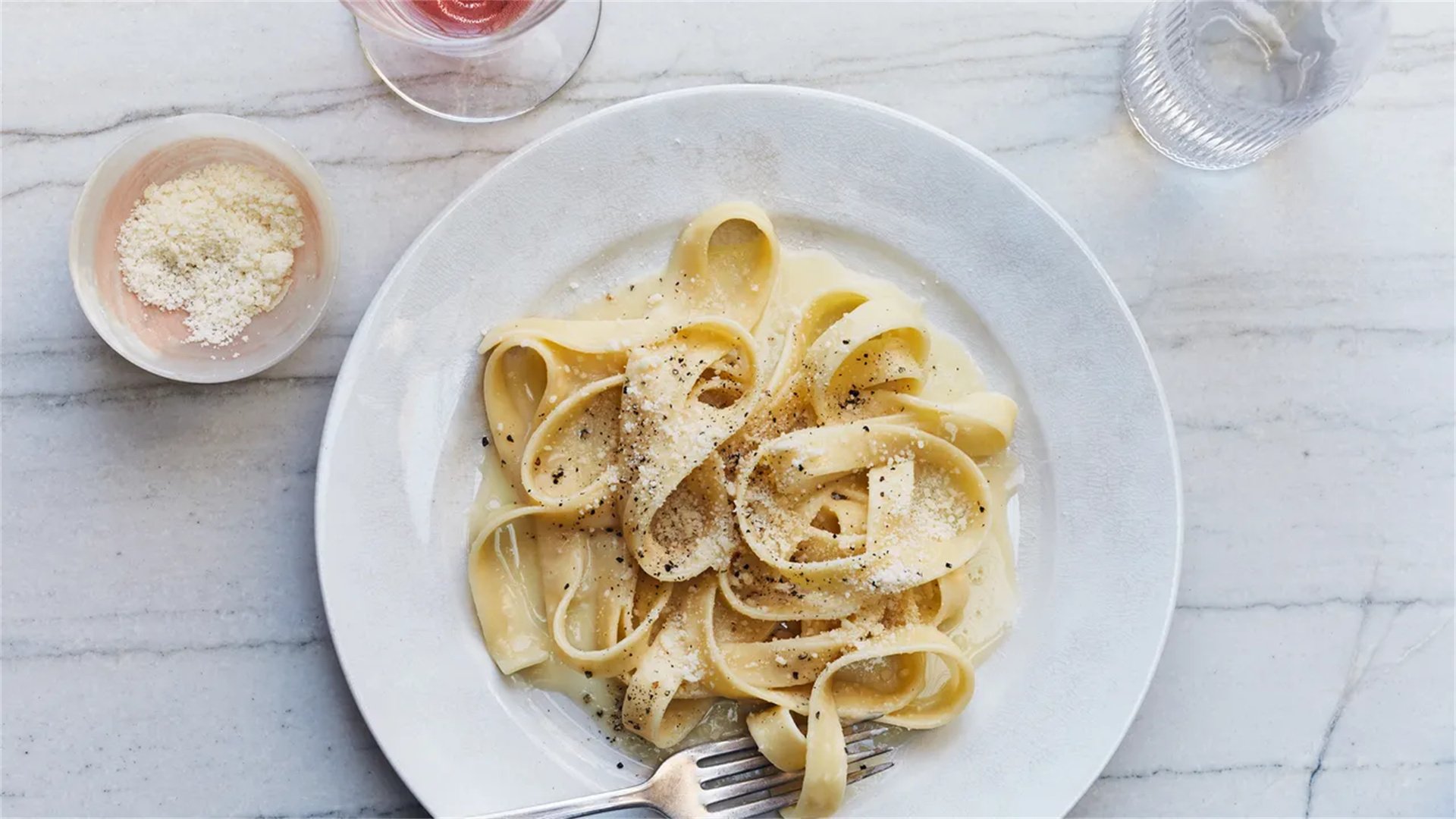
Mastering these 28 simple cooking techniques empowers you to tackle any recipe with confidence, especially when making restaurant-quality pasta at home. Remember, practice makes perfect—start with one technique, like knife skills or sautéing, and gradually incorporate more. Use this guide as a reference, and don't hesitate to experiment with ingredients and methods. From mise en place to seasoning layering, each step contributes to delicious, impressive meals. Happy cooking!
Advertisement