Tips

10 Alcohol Forbidden Things
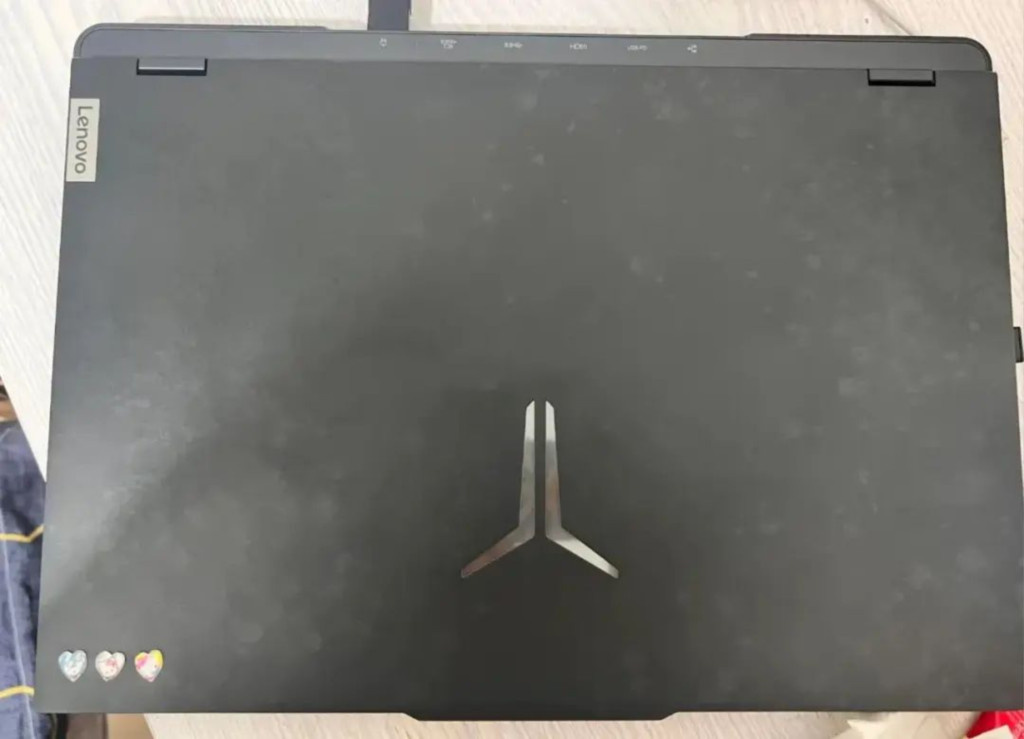
8. Notebook

I don't know if anyone has ever wiped a laptop with alcohol wipes, but I have, and I suffered very serious consequences as a result. I advise everyone not to follow in my footsteps!

First, there's the screen. Those in the know understand that there's a glare layer on laptop screens. Alcohol, as an organic solvent, can dissolve or damage this coating, leading to a decrease in screen display quality and problems such as blurriness and glare.

Then there's the casing. Laptop casings are usually made of either plastic or metal composite materials, or they have a coating or skin-like film. Regardless of the type, they will react with alcohol. Small amounts may go unnoticed, but large amounts will cause the casing surface to discolor or become rough.

Note: There is a risk of alcohol seeping into internal components when wiping a laptop. If it seeps into the laptop through the gaps in the keyboard, it may corrode internal components or cause short circuits, key failures, or sluggish touchpad operation. It is recommended to wipe with a soft cotton cloth.
Advertisement
Advertisement
You May Have Missed
10 Clever Ways to Organize Your Closet and Maximize Space

10 Clever Ways to Organize Your Closet and Maximize Space

Do you feel a contradictory sense of exhaustion facing the daily reality of always needing one more outfit, yet constantly confronted with a perpetually overcrowded wardrobe? This isn't just a matter of insufficient space; it's a microcosm of our chaotic lives. In reality, a well-organized and easily accessible dream wardrobe isn't out of reach. The key lies in employing clever strategies to make the most of every inch of space. Are you ready to embrace a refreshed wardrobe that can boost your daily efficiency and mood? Let's begin this transformation from chaos to order.

9 Practical DIY Solutions for Routine Home Maintenance with Simple Tools

9 Practical DIY Solutions for Routine Home Maintenance with Simple Tools

Home maintenance is an essential aspect of preserving the value, safety, and comfort of your living space. While professional services can be costly, many routine tasks can be efficiently handled through do-it-yourself (DIY) approaches using simple tools. This article delves into nine practical DIY solutions that empower homeowners to tackle common household issues without extensive expertise or expensive equipment. By focusing on clear, step-by-step instructions and emphasizing the use of basic tools like screwdrivers, pliers, wrenches, and cleaning supplies, we aim to provide a comprehensive guide that saves time and money. Whether you're a novice or a seasoned DIY enthusiast, these solutions will help you maintain your home proactively, ensuring it remains in top condition year-round. We'll explore each solution in detail, covering tools needed, procedures, tips, and potential pitfalls to avoid, so you can approach each task with confidence.

Food should be cooled down before being put in the refrigerator?

Food should be cooled down before being put in the refrigerator?

Is it better to put cold food in the refrigerator or serve it while it's still hot?In daily life, many people habitually stuff uneaten food, various fruits, and fresh produce into the refrigerator, believing it to be a safe and a surprisingly large container for food… But is that really the case? Let's find out!Leftovers are often stored in the refrigerator, a common occurrence in daily life. But should they be put in while still hot, or after they've cooled down? Most people would probably choose the latter, but I'm here to tell you: put them in while they're still hot! Below are three common misconceptions about refrigerator use; see if you have any of these little obsessions.

Practical Guide to Cleaning a Log Cabin Without Damaging the Wood

Practical Guide to Cleaning a Log Cabin Without Damaging the Wood

Cleaning a log cabin is an essential maintenance task that preserves its aesthetic appeal, structural integrity, and longevity. However, wood is a delicate material that can easily be damaged by improper cleaning methods, leading to issues like discoloration, warping, or mold growth. This comprehensive guide provides step-by-step instructions, based on best practices from expert sources and international log home care websites, to ensure you clean your log cabin effectively without harming the wood. We'll cover everything from understanding wood types to detailed cleaning techniques, making this a thorough resource for homeowners and professionals alike. By following this guide, you can maintain your cabin's natural beauty while protecting it from environmental wear and tear.