Tips

10 Alcohol Forbidden Things
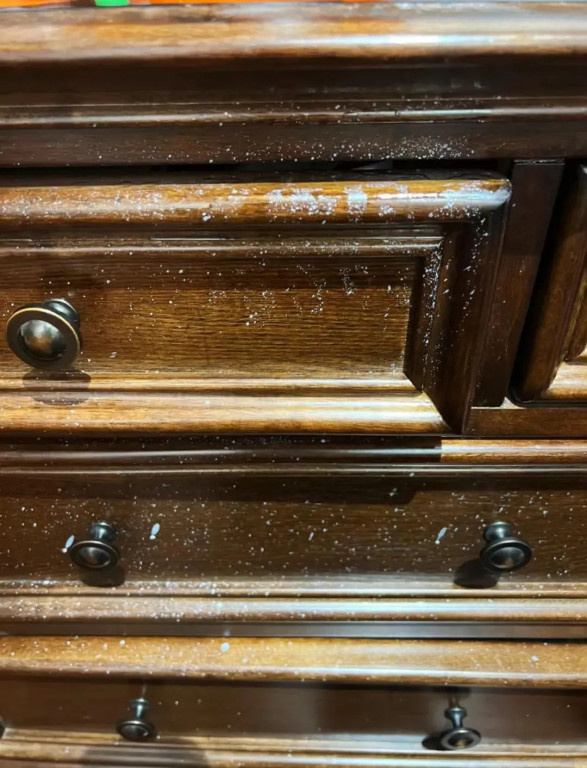
7. Solid wood furniture

Logically speaking, solid wood furniture, being a natural material, should not have serious consequences from cleaning agents.

However, don't forget that ordinary solid wood furniture is not made of raw wood. The surface is coated with paint, varnish or wax to increase color and improve texture. Any of these can be dissolved by organic solvents, and alcohol happens to be an organic solvent. That's one reason.

Secondly, alcohol has strong penetrability and fast volatility. It can penetrate into the wood and quickly remove the wood's moisture, causing the wood to shrink, deform, or even crack.

Then there's the fact that alcohol reacts with pigments, which also affects the beauty and value of solid wood furniture itself;

Finally, there is the issue of safety. Alcohol is flammable, and solid wood is the best fuel. If the two come into contact with a fire source or a high-temperature object, the consequences could be disastrous. Therefore, it is not recommended to let alcohol come into contact with solid wood.

Reminder: If solid wood furniture gets stained by alcohol, you can try using medicated oil to restore it. The menthol and camphor in medicated oil have dissolving properties that can dissolve the alcohol stains and restore the smoothness of the wood surface.

Advertisement
Advertisement
You May Have Missed
7 Common Cabin Living Pitfalls and How to Avoid Them

7 Common Cabin Living Pitfalls and How to Avoid Them

Infrastructure is the backbone of any habitable space, and in cabin living, failures in planning for water, electricity, and internet access can quickly turn a serene retreat into a stressful ordeal. Many newcomers assume that rustic living means doing without modern conveniences, but practical needs often demand reliable systems. Without proper infrastructure, daily tasks like cooking, heating, and communication become arduous, especially in remote areas where help is far away.

DIY Guide to Replacing Broken Switches and Outlets Safely

DIY Guide to Replacing Broken Switches and Outlets Safely

Replacing broken switches and outlets is a common home improvement task that can enhance safety, functionality, and aesthetics. However, working with electrical systems requires caution and knowledge to prevent hazards like electric shocks, fires, or damage to your home's wiring. This comprehensive guide provides step-by-step instructions, safety protocols, and detailed explanations to help you tackle this project confidently. Drawing from reputable DIY resources and electrical standards, we'll cover everything from tools and preparation to installation and testing. Whether you're a beginner or an experienced DIYer, this guide ensures you approach the task with clarity and safety in mind.

If you don't blanch these 6 types of food, you could be in danger!

If you don't blanch these 6 types of food, you could be in danger!

In our daily diet, most of us are used to putting ingredients into a pot to cook, thinking that as long as they are cooked through, there is no problem.In fact, this practice may cause you to miss out on the nutrients in food and may even lead to health risks.Many vegetables and ingredients, if not properly processed, can release harmful substances that can harm the body or even cause poisoning.Some foods contain natural toxins or harmful components, which may harm the human body if they are not thoroughly blanched.Blanching not only removes these harmful components but also preserves the nutritional value of food, making it safer.Therefore, knowing which ingredients need to be blanched is crucial for maintaining health in daily cooking.Today, we will introduce six common ingredients that may pose a potential health threat if not blanched.These ingredients may seem ordinary, but if not properly prepared, they can become hidden health hazards. Let's learn about these foods one by one and why blanching is so important.

How to Clean and Maintain Your Air Conditioner Without a Pro

How to Clean and Maintain Your Air Conditioner Without a Pro

Maintaining your air conditioner is crucial for ensuring optimal performance, energy efficiency, and longevity. While many people rely on professional services, you can save money and extend the life of your unit by learning how to clean and maintain it yourself. This comprehensive guide will walk you through every step, from safety precautions to detailed cleaning techniques, based on best practices from reputable international sources. By following these instructions, you can keep your air conditioner running smoothly without the need for a professional.