10 Alcohol Forbidden Things
2. Acrylic
Acrylic, also known as plexiglass, has the advantages of high transparency, good processing performance and weather resistance, so it is widely used and most people have this material in their homes.
However, the downside is that it gets dirty easily. It leaves fingerprints after being touched, water stains and lint after being wiped with a cloth. To make it cleaner, many people will use alcohol to wipe it, but I'm telling you, don't try it blindly, or you'll regret it.
Firstly, wiping it may damage the acrylic surface.
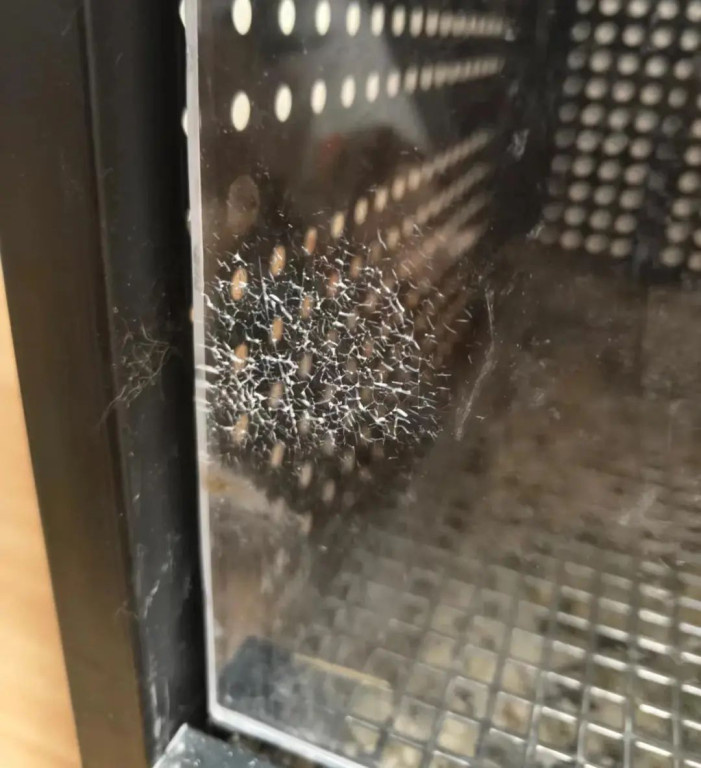
Because alcohol is corrosive, wiping acrylic surfaces with it can slightly reduce their gloss, and in severe cases, it may leave scratches resembling small cracks, thus ruining the high transparency of the acrylic itself.
Then stress cracking can occur. There may be no reaction immediately after wiping, but alcohol can accelerate the release of stress inside the acrylic under certain circumstances, and real cracking may occur at any time after cleaning.
Recommendation: When cleaning acrylic, in addition to alcohol, avoid using hard cleaning tools (such as brushes or rough cloths) to prevent scratching the acrylic. It is recommended to use a soft, smooth fish-scale cloth to wipe it. If the surface stains are severe, you can use a fish-scale cloth dipped in soapy water to wipe it.