Tips

10 Alcohol Forbidden Things
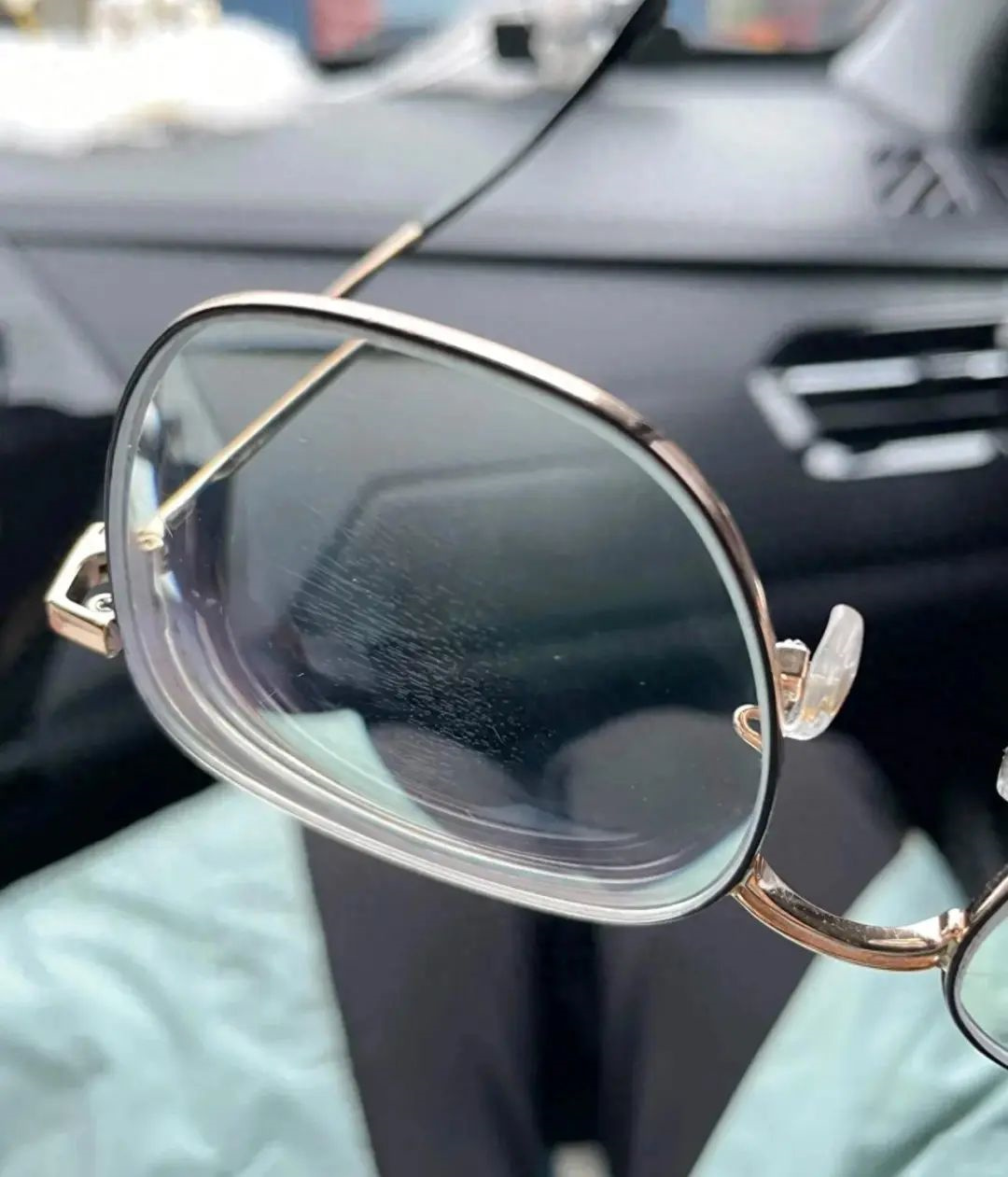
1. Eyeglasses

Many people habitually wipe their glasses when they get dirty. If they have toilet paper on hand, they use it; if they don't have toilet paper, they use alcohol wipes, which they think is even better because alcohol is more effective at removing stains than water.

However, this method is highly undesirable. Although alcohol can remove some stains, it is not very effective at cleaning stubborn stains such as grease and fingerprints.

Furthermore, eyeglass lenses typically have anti-reflective coatings, hard coatings, and UV protection coatings. Alcohol, as an organic solvent, can dissolve and damage these coatings, leading to lens damage.

In addition, it is not recommended to wipe the temples of glasses with alcohol, especially metal frames. Once they come into contact with alcohol, they will react, causing corrosion to the surface of the frame, resulting in mottled spots or discoloration, which will affect the appearance and durability.

Recommendation: Cleaning glasses is actually done with water. If you feel that water is not enough, dish soap, a neutral detergent that everyone has at home, is also a good choice for cleaning glasses. Of course, if your glasses are expensive enough, you can also buy a special glasses cleaner.
Advertisement
Advertisement
You May Have Missed
Removing ice cubes from the refrigerator only requires a plastic bottle.

Removing ice cubes from the refrigerator only requires a plastic bottle.

With improved living standards, almost every household now owns a refrigerator. Newer, frost-free refrigerators don't cause much of a problem with ice buildup. However, many people still use older models, which accumulate thick layers of frost over time.Once a thick layer of frost forms inside the refrigerator, it not only reduces the already limited space, but also makes vegetables and fruits more prone to rotting when placed next to the ice. Furthermore, the ice increases the refrigerator's energy consumption, thus raising electricity bills.When ice forms inside the refrigerator, many people will scrape it off with a spatula or knife. This is not only time-consuming and laborious, but it can also easily damage the coating inside the refrigerator.

How to Clean and Maintain Your Air Conditioner Without a Pro

How to Clean and Maintain Your Air Conditioner Without a Pro

Maintaining your air conditioner is crucial for ensuring optimal performance, energy efficiency, and longevity. While many people rely on professional services, you can save money and extend the life of your unit by learning how to clean and maintain it yourself. This comprehensive guide will walk you through every step, from safety precautions to detailed cleaning techniques, based on best practices from reputable international sources. By following these instructions, you can keep your air conditioner running smoothly without the need for a professional.

Food should be cooled down before being put in the refrigerator?

Food should be cooled down before being put in the refrigerator?

Is it better to put cold food in the refrigerator or serve it while it's still hot?In daily life, many people habitually stuff uneaten food, various fruits, and fresh produce into the refrigerator, believing it to be a safe and a surprisingly large container for food… But is that really the case? Let's find out!Leftovers are often stored in the refrigerator, a common occurrence in daily life. But should they be put in while still hot, or after they've cooled down? Most people would probably choose the latter, but I'm here to tell you: put them in while they're still hot! Below are three common misconceptions about refrigerator use; see if you have any of these little obsessions.

DIY Hacks to Fix Squeaky Doors and Stiff Windows

DIY Hacks to Fix Squeaky Doors and Stiff Windows

Are you tired of that annoying squeak every time you open or close a door, or struggling with a stiff window that refuses to budge? These common household issues can be more than just a nuisance—they can indicate underlying problems that, if left unaddressed, may lead to more significant damage. The good news is that you don't need to call a professional for every little repair. With some basic tools, inexpensive materials, and a bit of elbow grease, you can tackle these problems yourself. This comprehensive guide will walk you through a variety of DIY hacks to fix squeaky doors and stiff windows, drawing inspiration from reliable sources like home improvement websites such as This Old House, Bob Vila, and Family Handyman. We'll break down each method step-by-step, ensuring clarity and avoiding vague advice. Whether you're a seasoned DIYer or a beginner, these tips will help you restore peace and functionality to your home.