6 Simple Methods to Transform a Tiny Corner into a Green Oasis
In the hustle and bustle of modern living, creating a personal sanctuary at home has become a cherished goal for many. A tiny corner, often overlooked, holds immense potential to be transformed into a green oasis—a tranquil spot that breathes life, reduces stress, and adds beauty to your surroundings. This comprehensive guide delves into six simple yet effective methods to convert any small space into a lush retreat. From vertical gardens to miniature water features, each approach is designed to be accessible, regardless of your gardening experience or budget. By the end of this article, you'll have a clear roadmap to cultivate your own verdant haven, complete with practical tips, pros and cons, and step-by-step implementation. Let's embark on this journey to bring nature indoors and maximize every inch of your home.
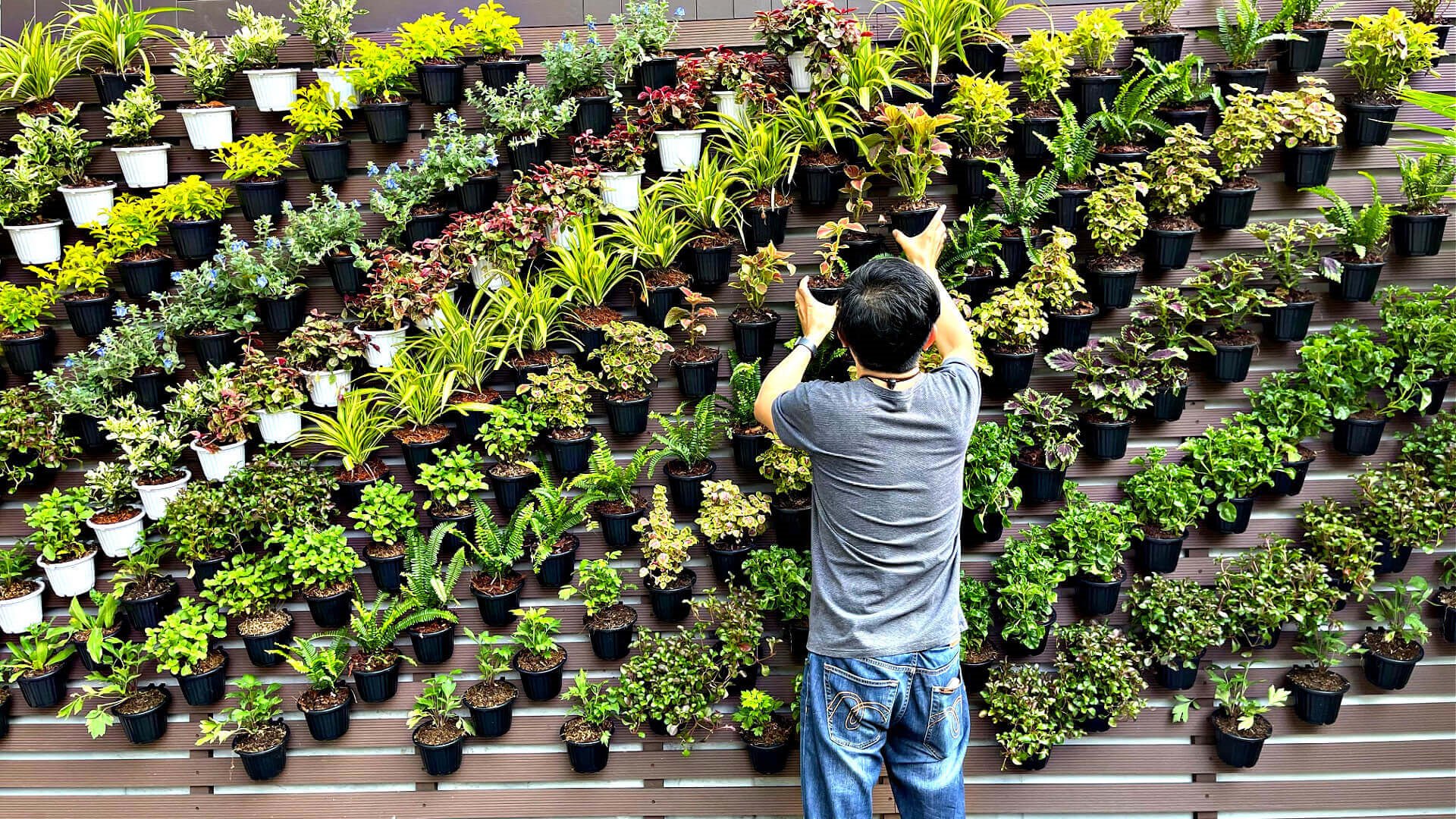
🌿 Vertical Gardening
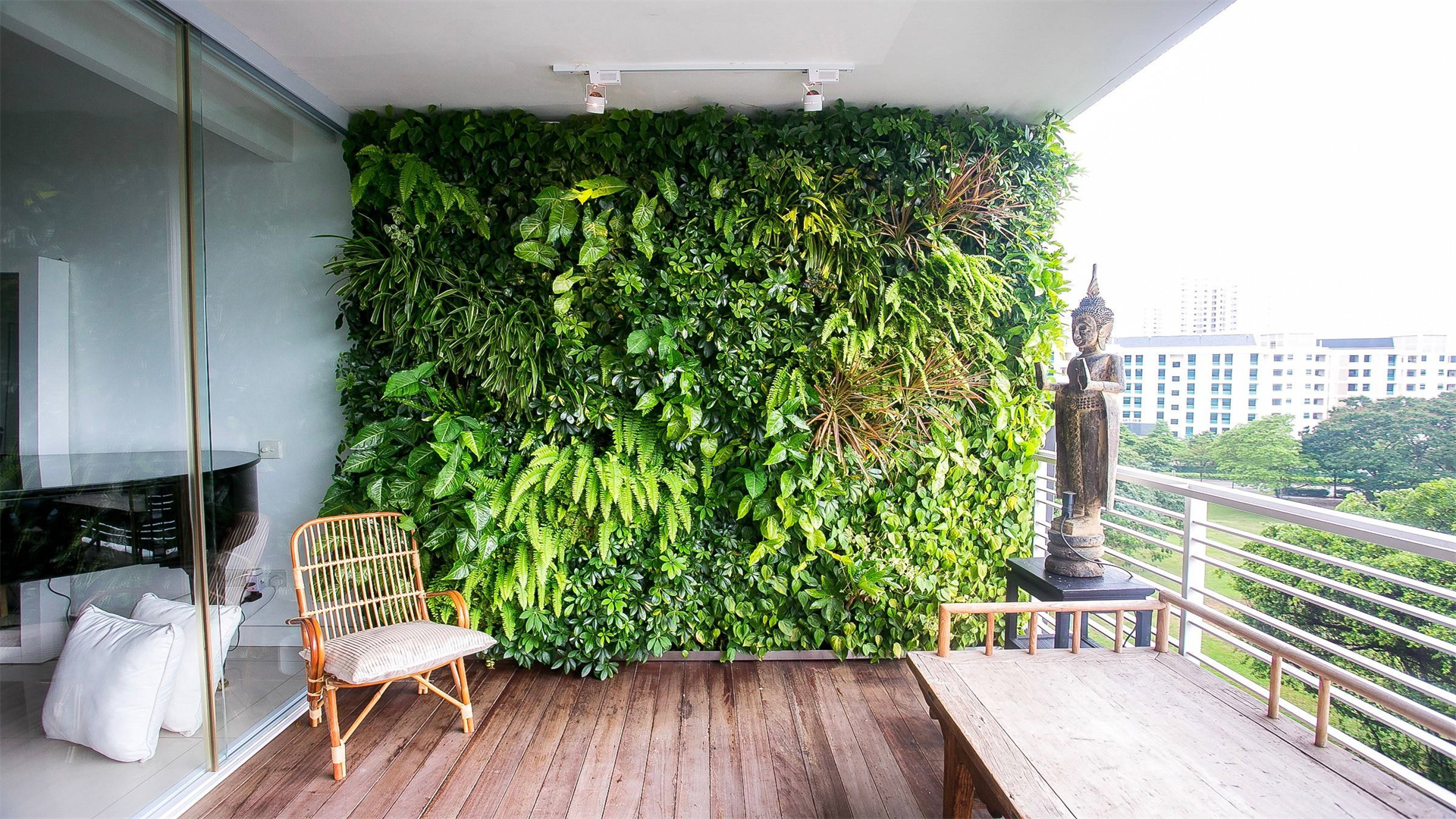
Vertical gardening is a innovative technique that utilizes wall space to grow plants upward, making it ideal for tiny corners where floor area is limited. By installing structures like trellises, shelves, or living walls, you can create a dense, green backdrop that transforms a dull corner into a vibrant oasis. This method not only saves space but also enhances air quality and provides a striking visual focal point. Whether you choose to grow herbs, flowers, or foliage plants, vertical gardens are versatile and can be adapted to various lighting conditions and styles.
Advantages and Disadvantages
Advantages:
- Vertical gardening maximizes vertical space, making it perfect for small areas
- It improves insulation and reduces noise
- It allows for easy plant maintenance at eye level
- It can be customized with modular systems for flexibility
Disadvantages:
- It may require initial investment in structures and irrigation
- Plants might need more frequent watering due to drainage issues
- Improper installation can lead to wall damage or mold growth if not managed properly
How to Implement
- Assess Your Space: Choose a corner with adequate light—preferably indirect sunlight for most plants. Measure the wall area to determine the size of your vertical garden and check for structural support to hold weight.
- Select a Vertical System: Options include pocket planters, trellises, or DIY pallet gardens. For beginners, pre-made modular panels are recommended for ease of setup. Ensure the system has proper drainage holes to prevent waterlogging.
- Choose Suitable Plants: Opt for low-maintenance varieties like pothos, ferns, or succulents for indoor corners. Consider light requirements—for example, shade-tolerant plants for dim areas. Group plants with similar water needs to simplify care.
- Install and Maintain: Secure the vertical structure to the wall using anchors. Fill with potting mix, plant your selections, and set up a drip irrigation system if needed. Water regularly, prune dead leaves, and fertilize monthly during growing seasons.
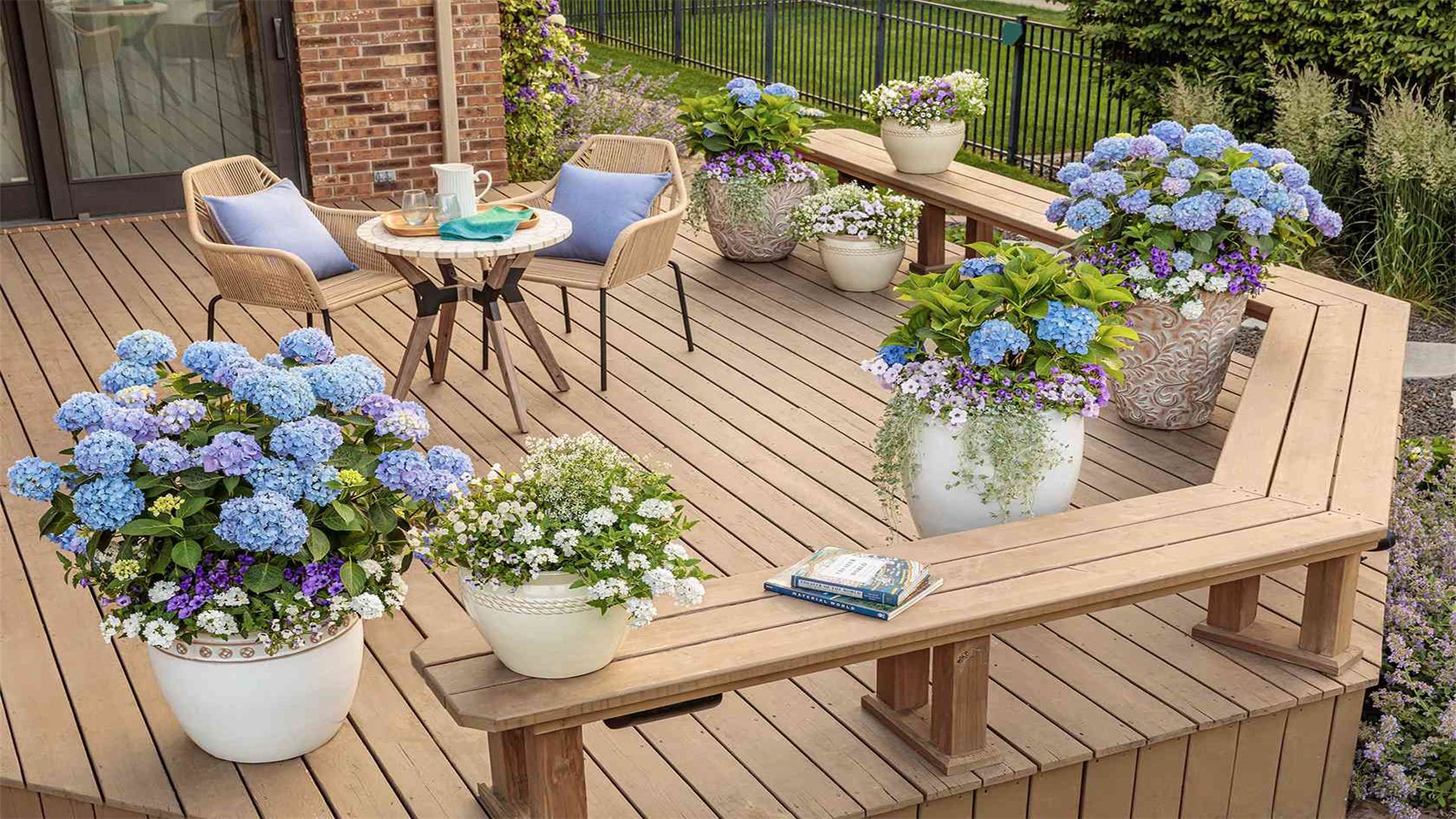
🏺 Container Gardening with Smart Arrangements
Container gardening involves using pots, boxes, or other vessels to grow plants in a confined space, allowing for creativity and mobility. This method is perfect for tiny corners as you can mix and match containers of different sizes, shapes, and materials to create a layered, green display. By strategically arranging containers, you can achieve depth and texture, turning a bare corner into a cozy oasis. From herbs on a windowsill to flowering plants on a stand, container gardening offers endless possibilities for personalization.
Advantages and Disadvantages
Advantages:
- Containers are portable, enabling you to move plants for light or seasonal changes
- They control soil quality and prevent invasive roots
- They allow for easy experimentation with plant combinations
Disadvantages:
- Pots can dry out quickly, requiring frequent watering
- They may become heavy and cumbersome
- Poor drainage can lead to root rot if not monitored
How to Implement
- Plan Your Layout: Sketch a design for your corner, considering height variations—use tall pots at the back and smaller ones in front. Incorporate stands or shelves to add vertical interest and maximize space.
- Select Containers: Choose pots with drainage holes, made from materials like terracotta, ceramic, or lightweight resin. Match the container style to your décor—for example, rustic clay for a natural look or sleek metal for modern spaces.
- Pick Plants and Soil: Select plants that thrive in containers, such as dwarf citrus trees, lavender, or ornamental grasses. Use high-quality potting mix enriched with compost for optimal growth. Group plants with similar sunlight and water needs together.
- Arrange and Care: Place containers in your corner, ensuring even weight distribution. Water deeply but infrequently to encourage root growth, and apply slow-release fertilizer every few months. Rotate pots periodically for uniform light exposure.
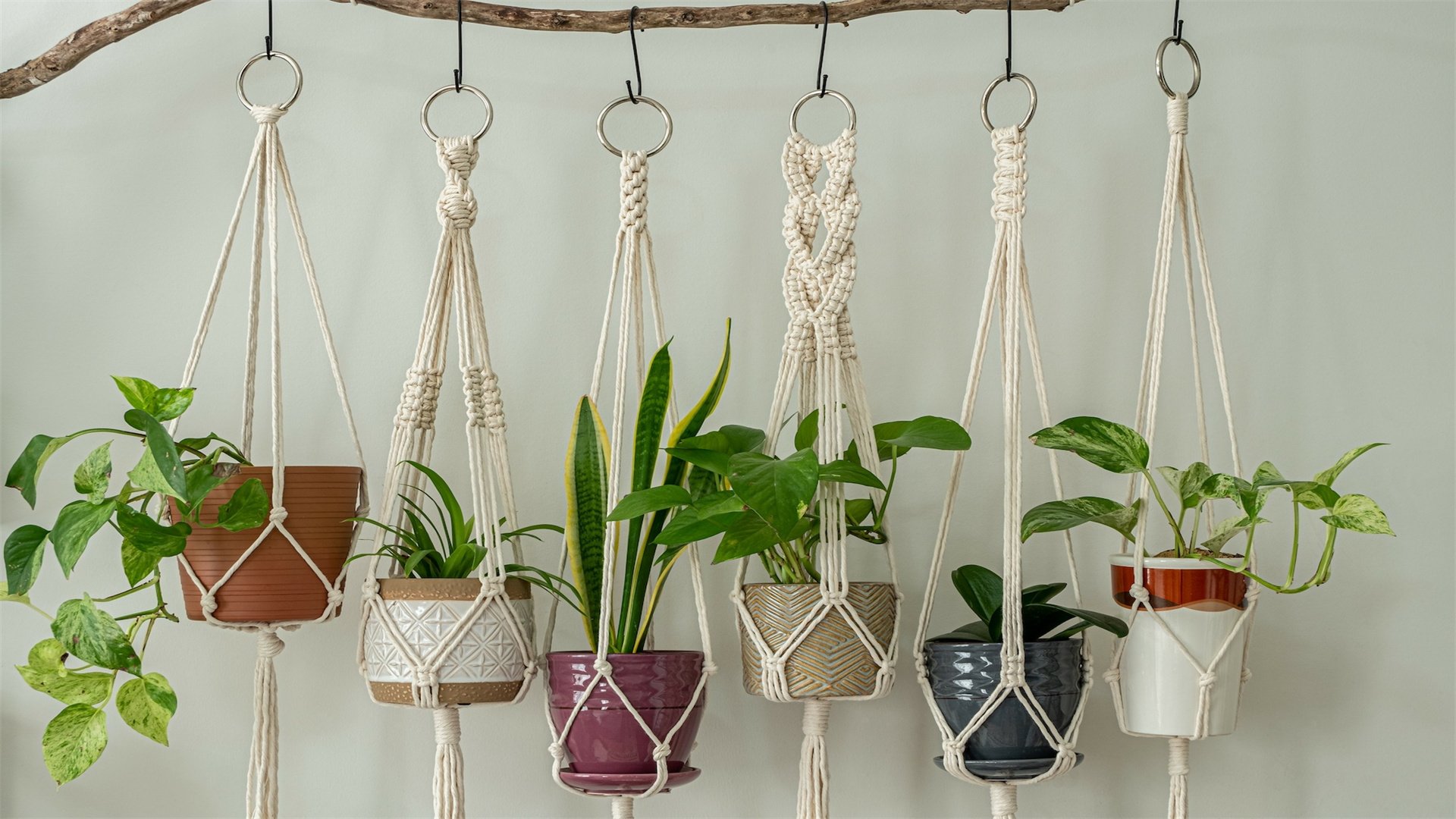
🧩 Hanging Plants and Macramé
Hanging plants add a dynamic, floating element to tiny corners, drawing the eye upward and creating an illusion of more space. Combined with macramé hangers or ceiling hooks, this method introduces a bohemian or modern touch to your green oasis. By suspending plants at different heights, you can build a cascading garden that feels lush and inviting. This approach is particularly effective for corners with high ceilings or limited floor area, as it utilizes overhead space without cluttering the ground.
Advantages and Disadvantages
Advantages:
- Hanging plants free up floor and shelf space
- They enhance air circulation around plants
- They add visual interest with trailing foliage
Disadvantages:
- Installation requires secure anchoring to avoid falls
- Watering can be messy if not done carefully
- Plants may need more frequent attention due to faster drying in hanging positions
How to Implement
- Choose Hanging Hardware: Install sturdy hooks or brackets into ceiling joists or wall studs. For renters, use adhesive hooks rated for heavy weights. Select macramé hangers, chains, or wire baskets that complement your corner's aesthetic.
- Select Trailing Plants: Opt for varieties that drape beautifully, such as spider plants, ivy, or string of pearls. Ensure they tolerate the light conditions in your corner—most hanging plants prefer bright, indirect light.
- Pot and Hang: Use lightweight plastic or coco-lined pots with drainage. Secure plants in hangers, adjusting lengths for varied heights. Hang them at different levels to create a layered effect, avoiding overcrowding.
- Maintain Regularly: Water hanging plants by taking them down or using a watering can with a long spout. Mist leaves occasionally for humidity, and trim overgrowth to maintain shape. Check hooks monthly for stability.
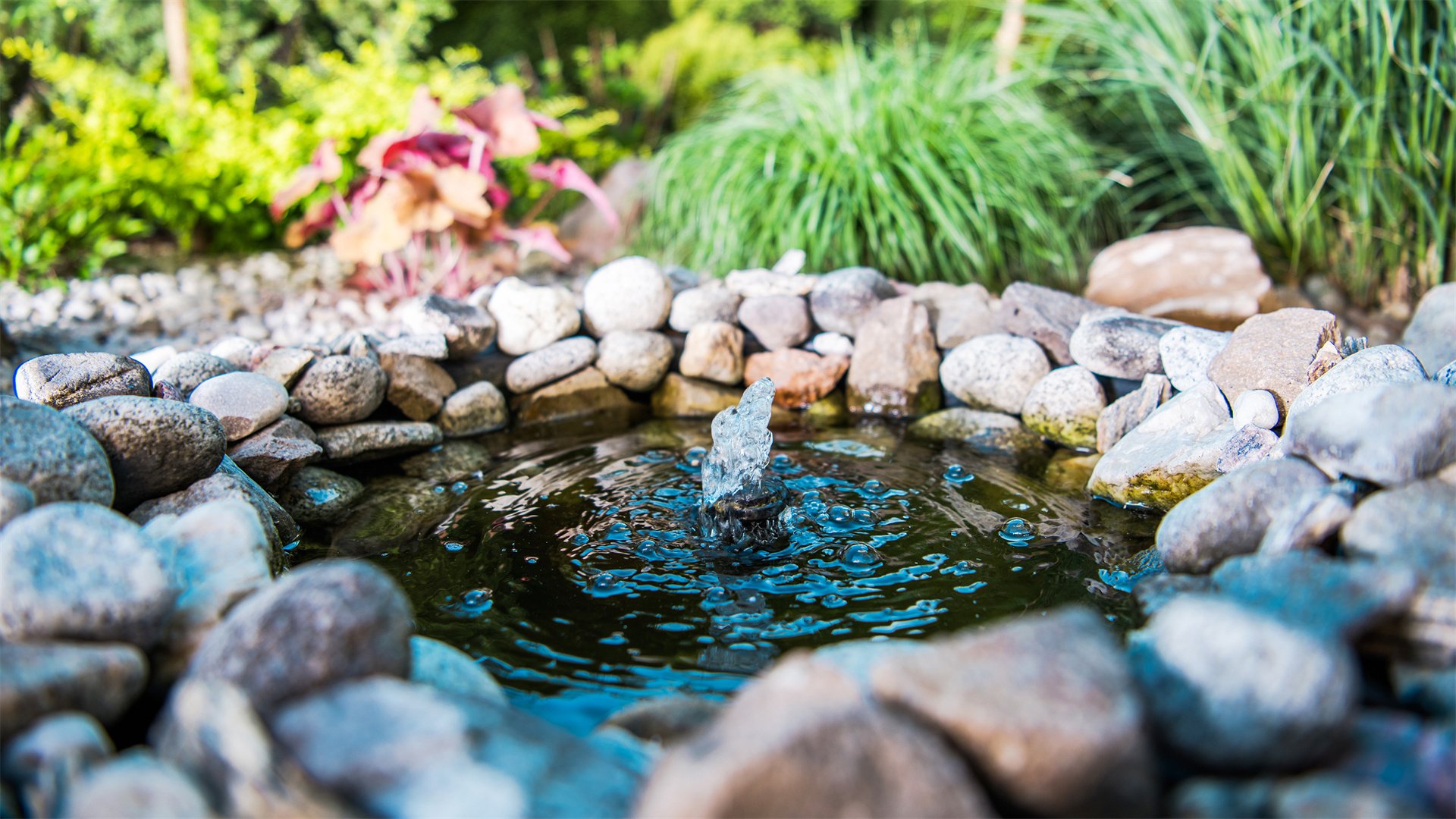
💧 Creating a Mini Pond or Water Feature
A mini pond or water feature introduces the soothing sounds and reflective qualities of water to a tiny corner, transforming it into a serene oasis. This method involves setting up a small container-based pond, fountain, or bubbling rock that adds a focal point and attracts beneficial moisture. Even in limited spaces, water elements can evoke a sense of tranquility and connect you to nature. With careful planning, you can incorporate aquatic plants and even small fish for a dynamic ecosystem.
Advantages and Disadvantages
Advantages:
- Water features provide calming white noise and humidity for plants
- They attract wildlife like birds or butterflies
- They serve as a unique decorative element
Disadvantages:
- They require regular maintenance to prevent algae or mosquito breeding
- They can be costly to set up
- Improper sealing may lead to leaks or water damage
How to Implement
- Select a Container: Choose a watertight vessel like a ceramic bowl, half-barrel, or preformed pond liner. Ensure it's shallow enough for your corner—typically 12-18 inches deep—and has a wide surface area for evaporation and plant placement.
- Set Up the Water System: Install a small submersible pump for circulation, which prevents stagnation. Add a filter if including fish, and consider a solar-powered pump for eco-friendliness. Position the feature near an electrical outlet or use battery-operated options.
- Add Plants and Decor: Incorporate aquatic plants like water lilies or floating hyacinths to oxygenate the water. Place rocks or pebbles around the edges for a natural look. Optional: add a few guppies or snails to control algae.
- Maintain the Feature: Top up water levels weekly to compensate for evaporation. Clean the pump and filter monthly, and use algaecide sparingly if needed. In colder climates, drain and store indoors during winter to prevent cracking.
🌵 Succulent and Cactus Displays
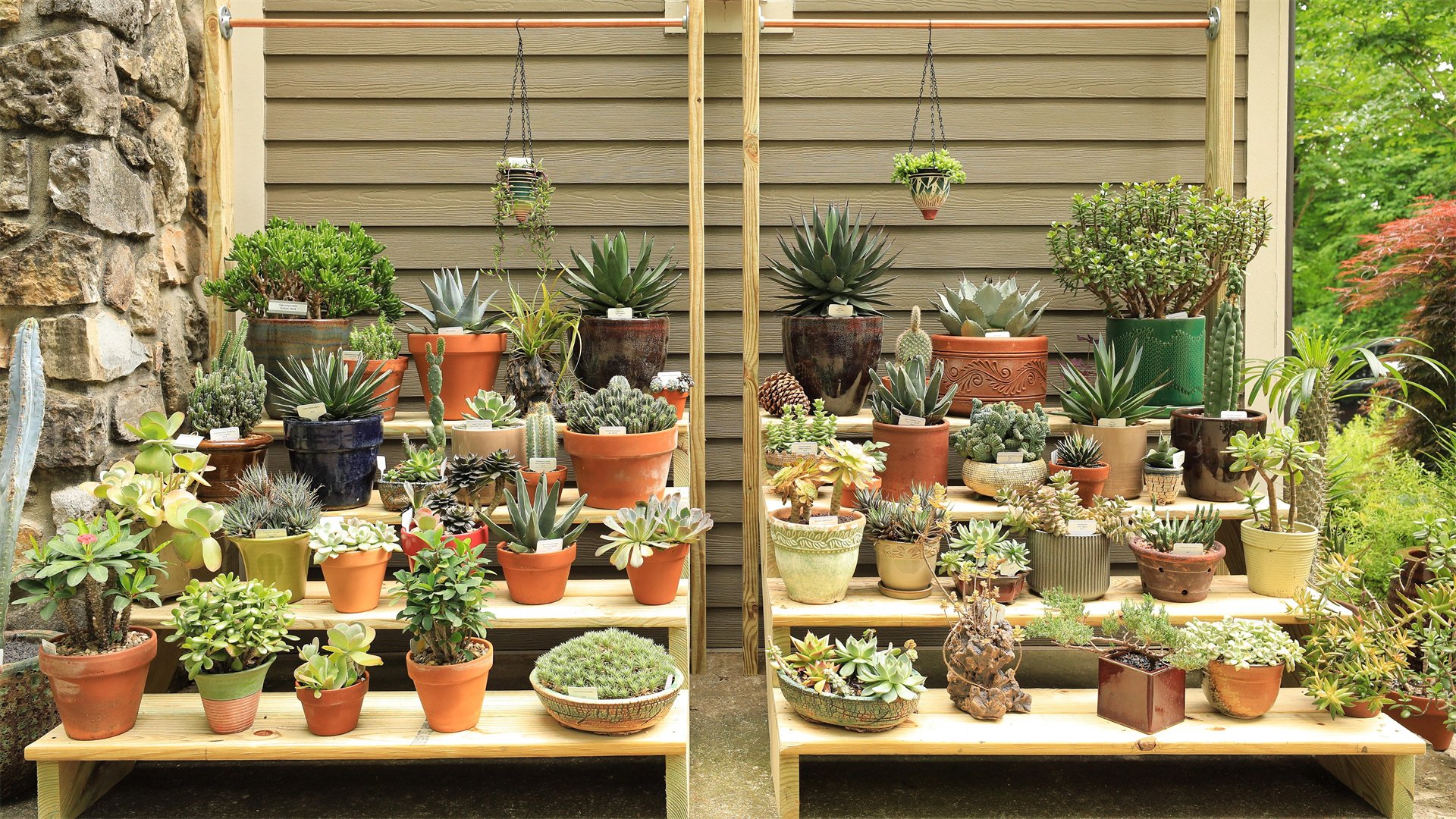
Succulents and cacti are ideal for tiny corners due to their low maintenance and diverse forms. This method involves arranging these drought-tolerant plants in creative displays, such as terrariums, wreaths, or geometric planters, to craft a modern green oasis. Their sculptural shapes and vibrant colors add texture and interest without demanding frequent care. By grouping various species, you can create a miniature desert landscape that thrives in bright, dry conditions—perfect for sunny corners or offices.
Advantages and Disadvantages
Advantages:
- Succulents require minimal watering and are resilient to neglect
- They come in numerous shapes and colors for artistic arrangements
- They purify air by removing toxins
Disadvantages:
- They need bright light to prevent etiolation
- Overwatering can cause root rot
- Some varieties have sharp spines that require careful handling
How to Implement
- Choose a Display Vessel: Select shallow containers with drainage, such as ceramic dishes, wooden boxes, or hanging frames. For closed terrariums, use glass jars but ensure ventilation to avoid moisture buildup.
- Select Plants and Soil: Pick a mix of succulents like echeveria, haworthia, and cacti such as bunny ears or barrel types. Use a well-draining cactus or succulent mix, amended with perlite or sand for aeration.
- Arrange and Plant: Design your layout by placing taller plants in the center and trailing ones at the edges. Plant them snugly but not overcrowded. Add decorative elements like rocks, moss, or sand for contrast.
- Care for Your Display: Water sparingly—only when soil is completely dry—and ensure pots drain fully. Provide at least 6 hours of indirect sunlight daily. Rotate containers periodically for even growth, and remove dead leaves to prevent pests.
💡 Integrating Lighting and Decorative Elements
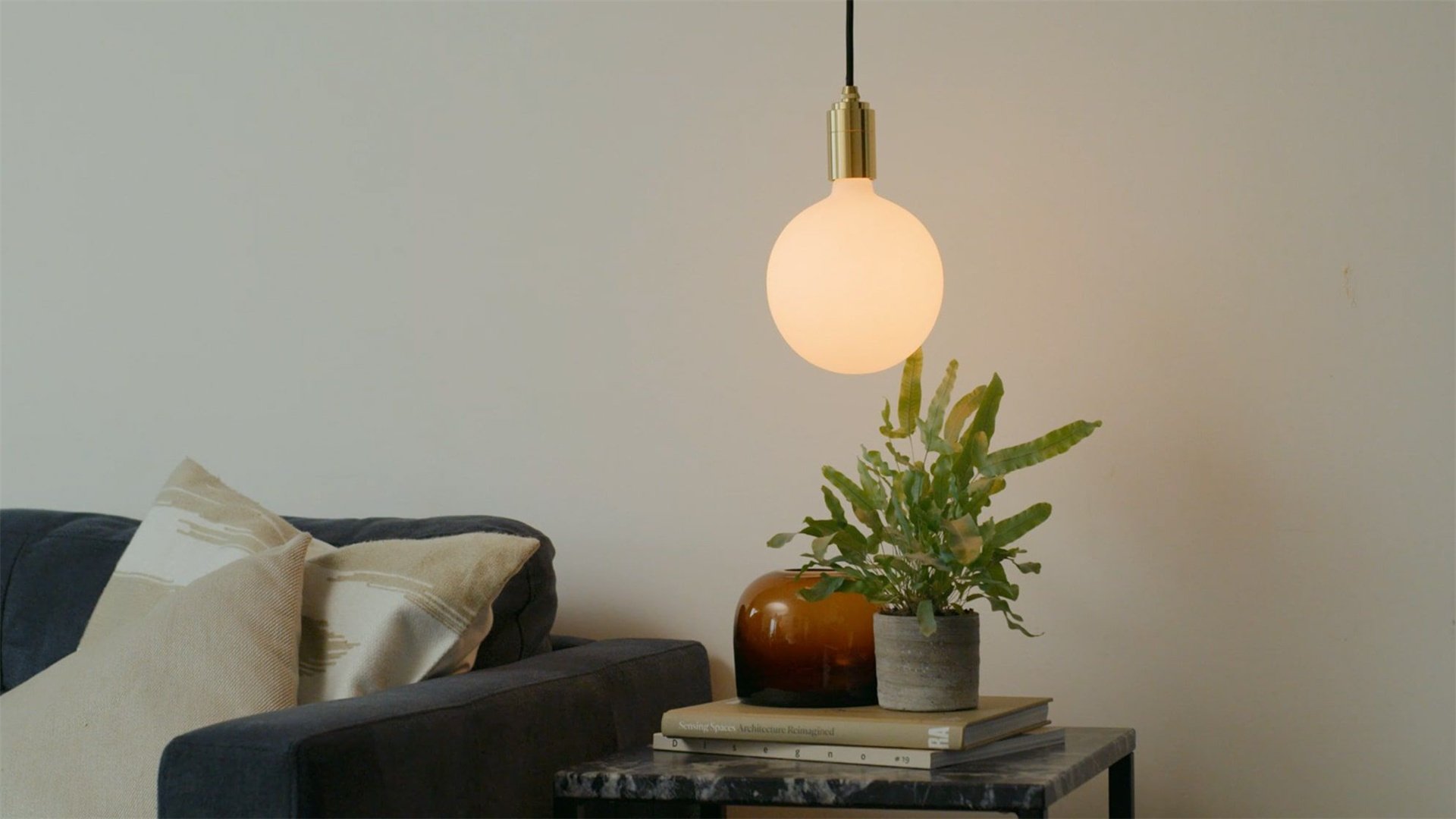
Lighting and decorative elements enhance a green oasis by highlighting plants and creating ambiance. This method combines functional and aesthetic components, such as LED grow lights, fairy strings, or reflective mirrors, to brighten a tiny corner and make it feel larger. By strategically placing lights and decor, you can draw attention to your plants, extend growing conditions in low-light areas, and add a personal touch. This approach transforms a simple plant corner into a captivating retreat day and night.
Advantages and Disadvantages
Advantages:
- Lighting supports plant growth in dim corners
- Decorative items personalize the space and add cohesion
- Elements like mirrors amplify light and greenery
Disadvantages:
- Poor lighting choices can harm plants or create glare
- Over-decorating may clutter the corner
- Electrical setups require safety precautions
How to Implement
- Assess Lighting Needs: Determine if your corner lacks natural light. Choose full-spectrum LED grow lights for plant health, or use ambient options like string lights for mood. Position lights above or beside plants to mimic sunlight.
- Select Decorative Accents: Incorporate items that complement your theme, such as pebble pathways, statues, or colorful pots. Use mirrors to reflect light and create depth—place them behind plants to double the green effect.
- Install and Arrange: Secure lights safely using clips or stands, avoiding water contact. Arrange decor sparingly to avoid overwhelming plants. For example, layer a small bench or stool among pots for functionality.
- Maintain and Adjust: Monitor plant response to lighting—adjust intensity or duration if leaves show stress. Clean mirrors and lights regularly for maximum effect. Update decor seasonally to keep the oasis fresh and engaging.
Transforming a tiny corner into a green oasis is an achievable and rewarding endeavor that brings nature's tranquility into your home. By exploring these six simple methods—vertical gardening, container arrangements, hanging plants, mini water features, succulent displays, and integrated lighting—you can customize a space that suits your style and needs. Each approach offers unique advantages, from space-saving solutions to low-maintenance options, ensuring there's a perfect fit for every corner. Remember to consider factors like light, water, and maintenance when implementing these ideas. Start small, experiment with combinations, and watch as your once-overlooked nook blossoms into a lush sanctuary. Embrace the journey of gardening, and let your green oasis become a source of joy and peace in your daily life.