House
7 Simple Cabin Decorating Tricks to Create a Cozy and Inviting Space
🏡 Trick 1: Incorporate Natural Materials for Rustic Warmth
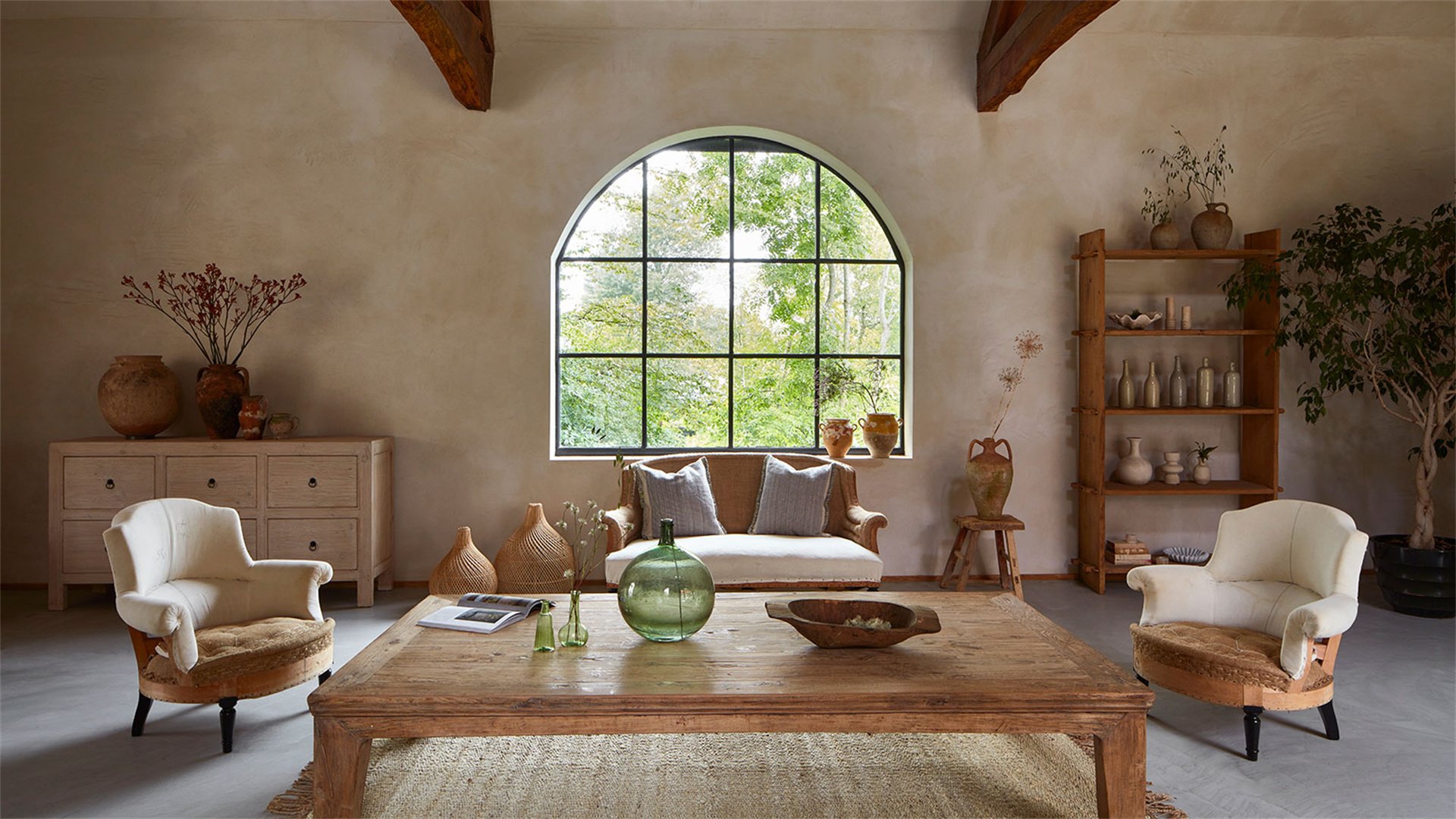
How to Implement Natural Materials:
- Choose Reclaimed Wood for Furniture and Accents: Start by selecting pieces like a solid wood dining table or exposed beam ceilings. Reclaimed wood adds character and history. For example, source locally from old barns. Sand and treat the wood with a matte finish to preserve its natural look.
- Integrate Stone Elements in Key Areas: Focus on high-impact spots such as a stone fireplace surround or a slate floor entryway. If a full stone wall isn't feasible, opt for stone veneers or decorative rocks in planters. Pair with soft lighting to highlight textures.
- Utilize Natural Fibers in Textiles and Flooring: Incorporate jute rugs, wool throws, and linen curtains to add layers of comfort. For instance, layer a braided jute rug over hardwood floors and top with a faux fur blanket for contrast.
Advantages and Disadvantages of Natural Materials:
Advantages:
- Natural materials are durable, environmentally sustainable, and improve indoor air quality by reducing toxins.
- They age beautifully, developing a patina that adds to the cabin's story and creates a timeless look.
Disadvantages:
- These materials can be more expensive upfront and require maintenance, such as sealing wood or cleaning stone.
- In humid climates, wood may warp, and stone can feel chilly. To mitigate this, use area rugs and climate control solutions.
🧶 Trick 2: Layer Textiles to Add Depth and Comfort
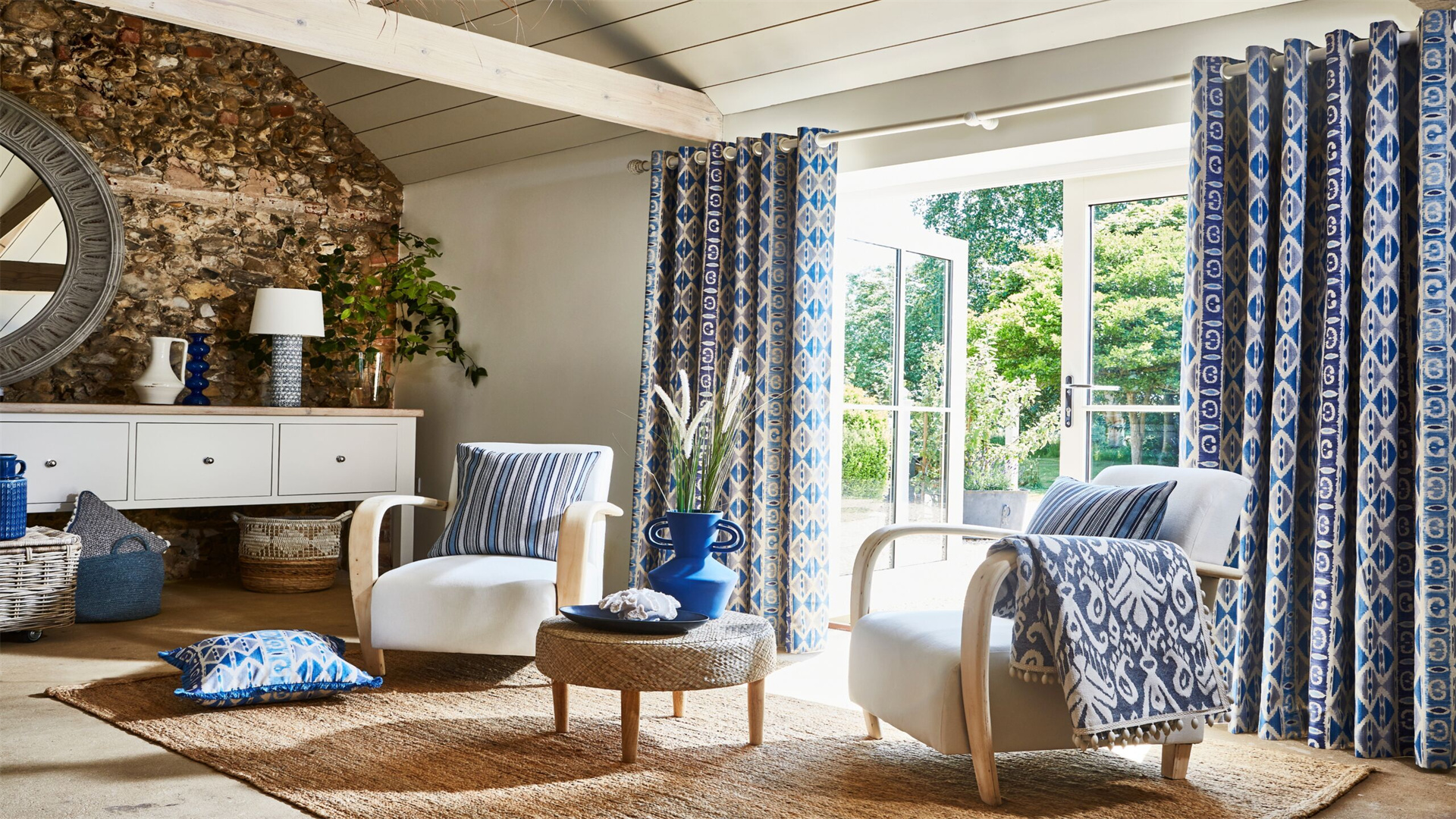
How to Implement Textile Layering:
- Start with a Base Layer of Area Rugs: Begin by placing a large, neutral rug—like a wool or cotton blend—to define seating areas. For example, in a living room, use a beige shag rug to anchor the space.
- Add Throw Blankets and Pillows in Complementary Textures: Drape chunky knit blankets over sofas and mix pillows in materials like velvet and faux fur. Aim for odd numbers to create balance.
- Incorporate Window Treatments for Softness and Insulation: Install heavy curtains made of thermal fabric to block drafts. Layer them with sheer linen panels for diffused light.
Advantages and Disadvantages of Textile Layering:
Advantages:
- Layering textiles improves insulation, reducing energy costs and enhancing comfort. It allows for easy seasonal updates.
- Psychologically, soft textures promote relaxation and reduce stress, making the cabin a true sanctuary.
Disadvantages:
- Too many textiles can accumulate dust and allergens, requiring regular cleaning.
- They may also make a small space feel cramped. To avoid this, stick to a limited color scheme.
💡 Trick 3: Optimize Lighting for Ambiance and Functionality
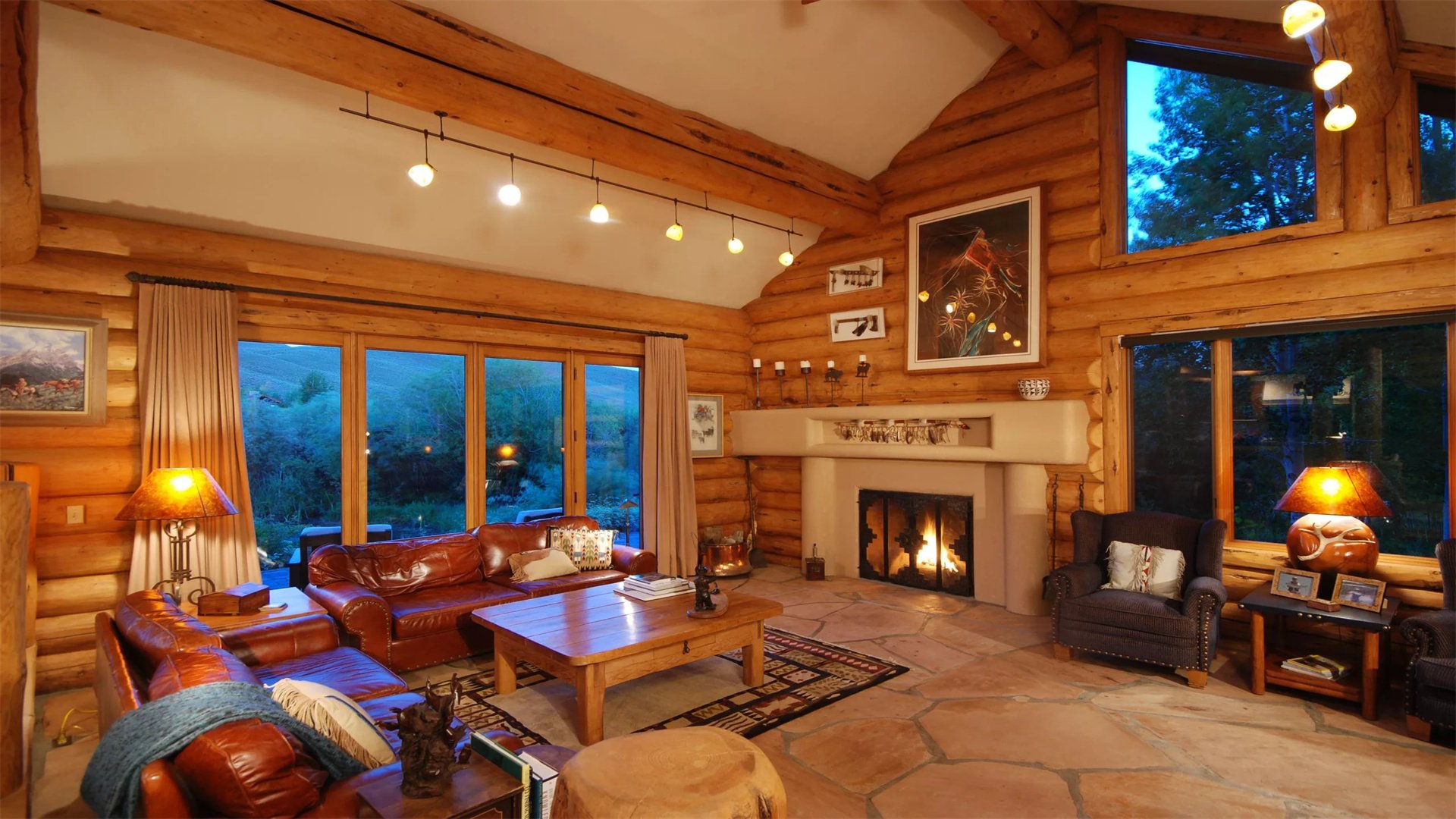
How to Implement Optimized Lighting:
- Use Ambient Lighting as a Foundation: Install dimmable ceiling fixtures or pendant lights with warm-toned bulbs. Complement with wall sconces in hallways to avoid dark corners.
- Incorporate Task Lighting for Specific Activities: Place adjustable lamps on desks and nightstands. Choose fixtures with natural materials, like a wooden base, to align with the cabin aesthetic.
- Add Accent Lighting to Highlight Decor and Architecture: Use LED strip lights under shelves or install picture lights above artwork. For a fireplace, position candles on the mantel.
Advantages and Disadvantages of Optimized Lighting:
Advantages:
- Proper lighting enhances safety, functionality, and can make small spaces appear larger.
- Emotionally, warm lighting reduces eye strain and fosters a calming atmosphere.
Disadvantages:
- Over-lighting can cause energy waste, while under-lighting may lead to accidents.
- Complex setups might require professional installation. Use energy-efficient LEDs and smart switches for control.
🌿 Trick 4: Incorporate Greenery and Natural Elements
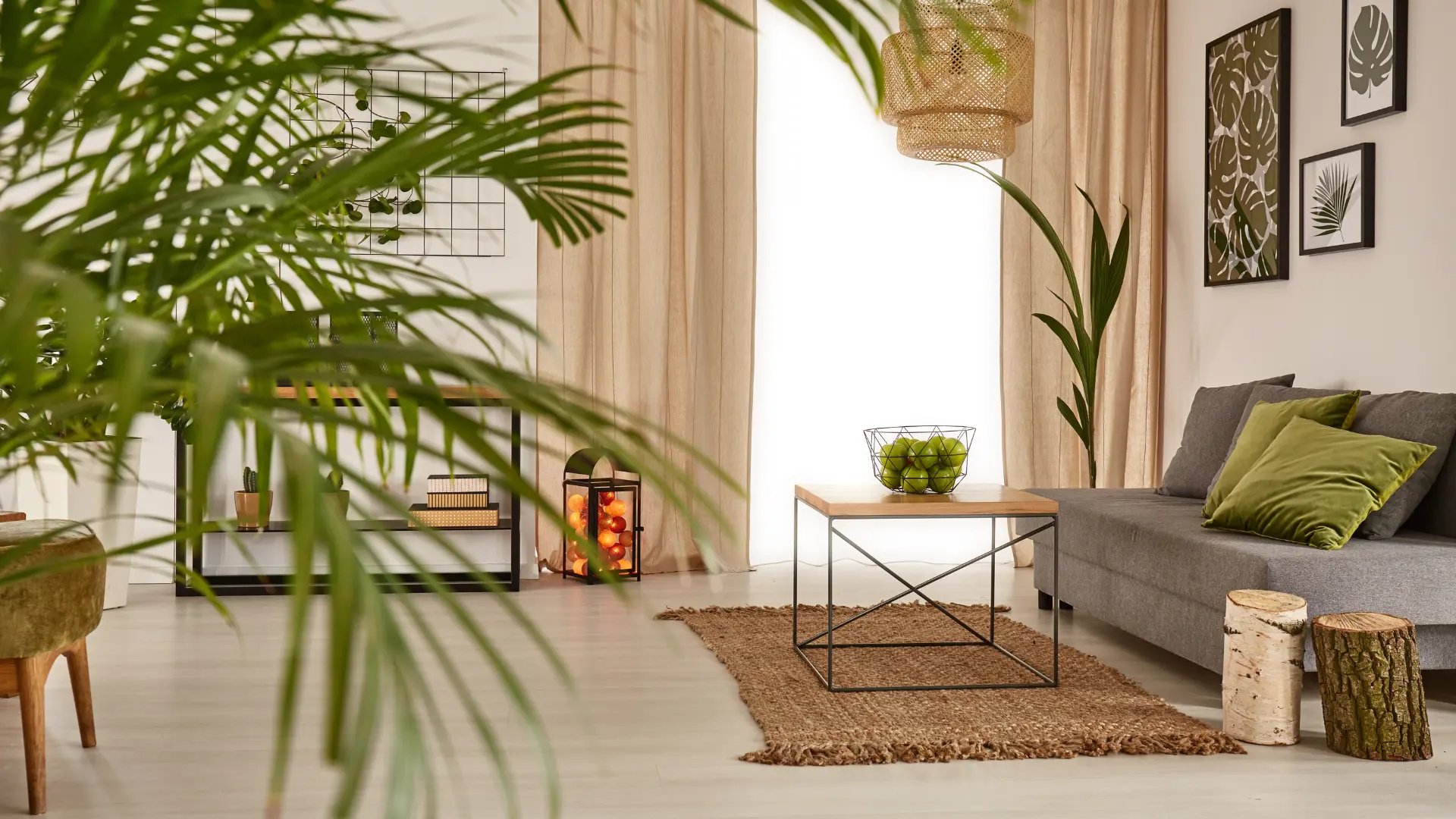
How to Implement Greenery and Natural Elements:
- Select Low-Maintenance Indoor Plants Suited for Cabin Conditions: Choose species like snake plants or pothos. Place them in rustic pots—such as terracotta or woven baskets—on windowsills.
- Use Dried Botanicals for Texture and Longevity: Incorporate dried eucalyptus branches in vases or hang preserved moss wall art. These add rustic charm without upkeep.
- Display Natural Found Objects as Decor: Collect pinecones, driftwood, or stones and arrange them in bowls or on mantels. This personalizes the space.
Advantages and Disadvantages of Greenery and Natural Elements:
Advantages:
- Plants purify the air and reduce stress levels. They're affordable decor options that can be rotated seasonally.
- Natural found objects are cost-free and add unique, sentimental value.
Disadvantages:
- Live plants may attract pests or require specific humidity levels.
- Over-cluttering with objects can make spaces feel dusty. Limit displays to a few focal points.
🛋️ Trick 5: Create Cozy Nooks and Functional Zones
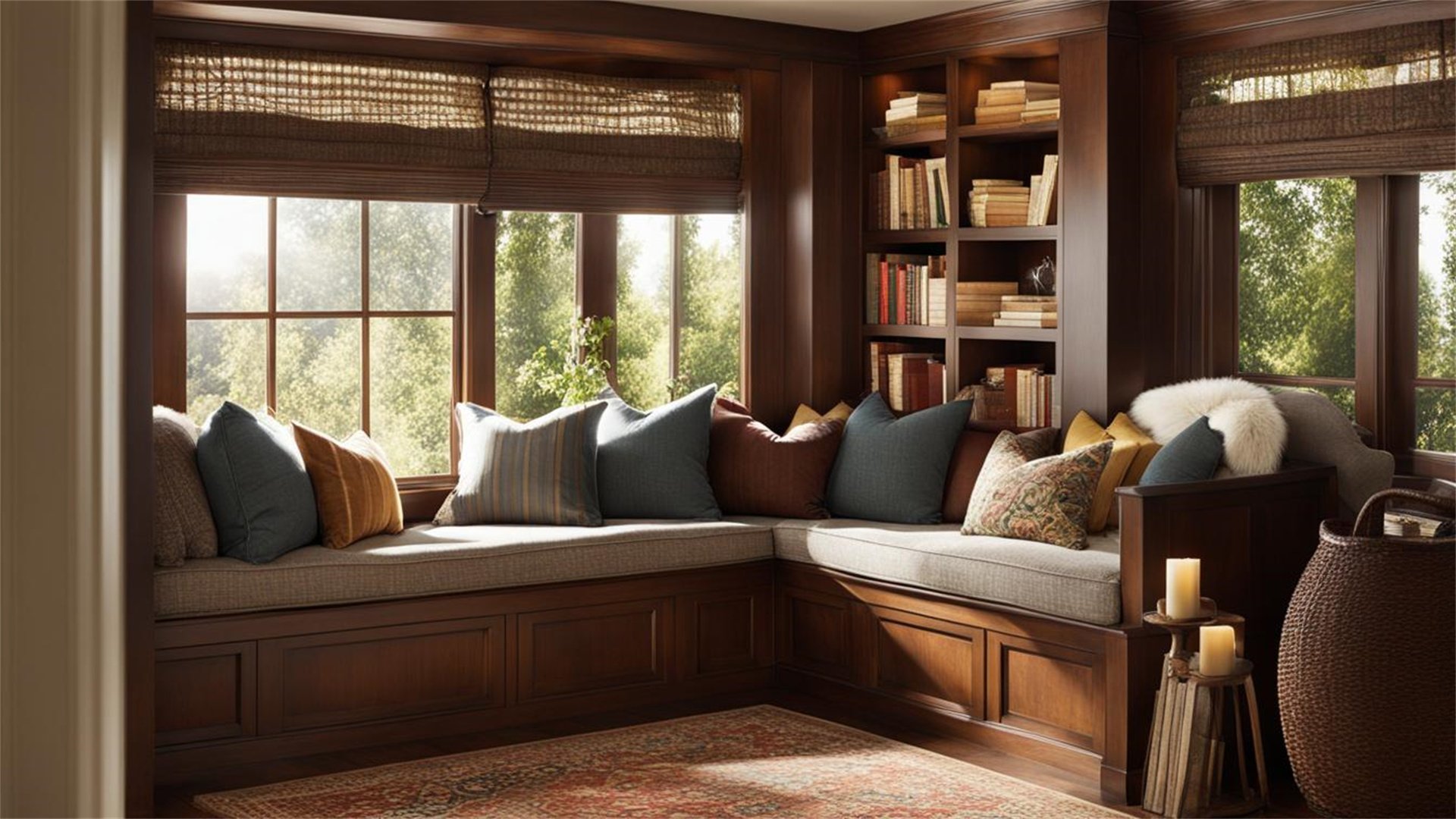
How to Implement Cozy Nooks and Functional Zones:
- Designate a Reading Corner with Comfortable Seating: Place a plush armchair near a window, paired with a side table and floor lamp. Add a bookshelf and a soft throw blanket.
- Use Area Rugs and Furniture Arrangement to Define Spaces: In an open-plan area, position a sofa on a large rug to mark the living zone. Place a dining table on a separate rug nearby.
- Incorporate Multi-Functional Furniture for Flexibility: Choose pieces like storage ottomans that serve as seating or a daybed that functions as a guest sleeper.
Advantages and Disadvantages of Cozy Nooks and Functional Zones:
Advantages:
- Zoning improves traffic flow and makes the cabin feel organized, reducing clutter.
- It allows for personalized spaces that cater to different activities and provides retreats for solitude.
Disadvantages:
- Over-segmentation can make a small cabin feel disjointed or crowded.
- Furniture rearrangements might be limited by fixed features. Use lightweight pieces and visual cues.
🎨 Trick 6: Utilize Warm Color Palettes and Natural Finishes
How to Implement Warm Color Palettes and Natural Finishes:
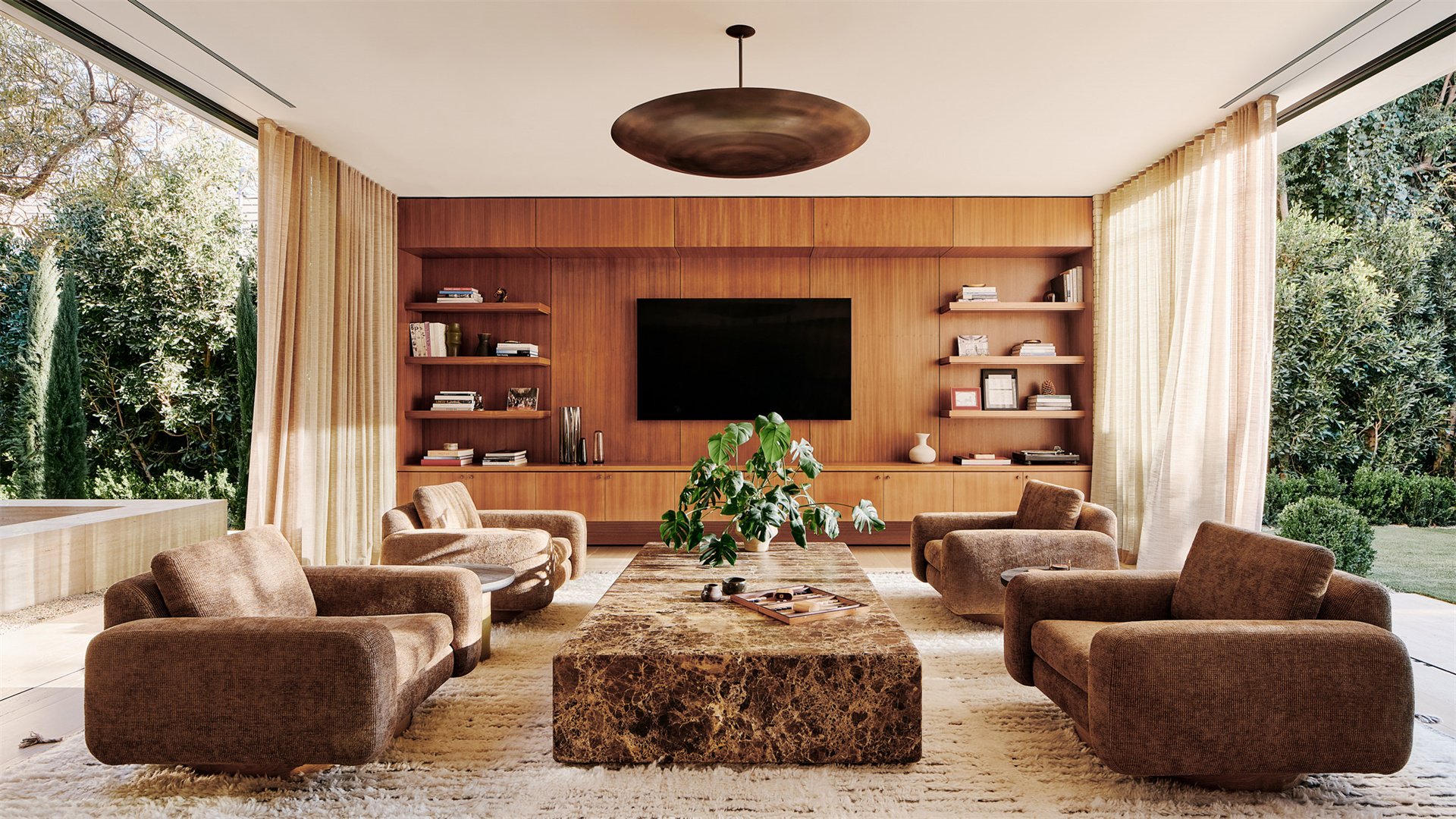
- Choose a Base Color from Earthy Tones for Walls: Opt for shades like taupe, olive green, or warm gray. Use low-VOC paints to maintain air quality.
- Incorporate Accent Colors Through Decor and Textiles: Add pops of color with throw pillows or rugs in complementary hues like mustard yellow. Follow a 60-30-10 rule.
- Apply Natural Finishes to Furniture and Fixtures: Stain wood surfaces with matte or satin finishes. Choose metal hardware in brushed brass or iron for a weathered look.
Advantages and Disadvantages of Warm Color Palettes and Natural Finishes:
Advantages:
- Warm colors make spaces feel smaller and cozier. They hide dirt and wear better than light colors.
- Natural finishes are durable and age gracefully, adding to the cabin's character.
Disadvantages:
- Dark colors can absorb light, making rooms feel dim if not paired with adequate lighting.
- Some finishes may require professional application. Test paint samples in different lights first.
📸 Trick 7: Personalize with Rustic Decor and Sentimental Items
How to Implement Personalization with Rustic Decor:
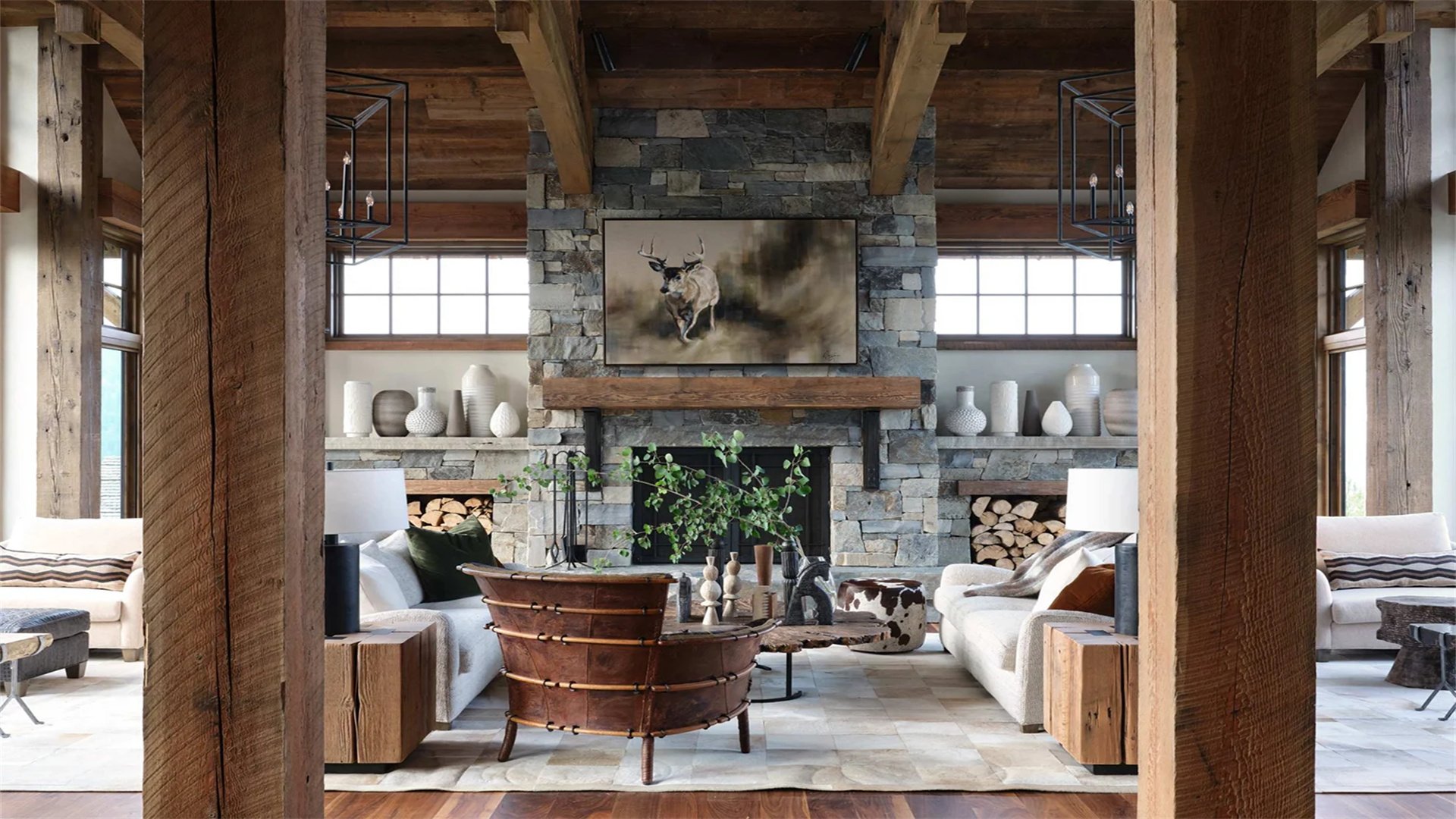
- Display Family Photos and Art in Rustic Frames: Choose frames made of wood or metal with distressed finishes. Create a gallery wall along a staircase.
- Incorporate Handmade or Vintage Items for Character: Shop at local markets for quilts or pottery. Place a vintage trunk as a coffee table.
- Use Sentimental Objects as Focal Points: Showcase items like a collection of rocks from hikes. Arrange them in groups of three for visual appeal.
Advantages and Disadvantages of Personalization:
Advantages:
- Personal decor fosters emotional connection, making the cabin a place of memories and comfort.
- It encourages creativity and can be budget-friendly by repurposing existing items.
Disadvantages:
- Too many personal items can lead to visual chaos or make cleaning difficult.
- Sentimental clutter may hinder functionality. Rotate displays seasonally and use storage solutions.
Advertisement