6 Practical Tips to Set Up a Tranquil Reading Space in Your Living Room
Creating a tranquil reading space in your living room is more than just placing a chair near a bookshelf; it's about designing a sanctuary where you can escape into the world of books without distractions. In today's fast-paced life, having a dedicated spot for reading can enhance your mental well-being, reduce stress, and foster a love for literature. This article provides six practical tips to transform a corner of your living room into a peaceful reading nook. Each tip is detailed with step-by-step guidance, advantages and disadvantages, and specific implementation strategies. By following these tips, you can craft a space that is both functional and serene, tailored to your personal preferences.
📍 Tip 1: Choose the Ideal Location in Your Living Room
Selecting the right location is the foundation of a tranquil reading space. The spot should be away from high-traffic areas to minimize interruptions, yet integrated into the living room's layout for comfort and accessibility. Consider factors like natural light, noise levels, and proximity to distractions like televisions or doors.
Advantages of a Well-Chosen Location
- Enhanced Focus: A secluded corner reduces visual and auditory distractions, allowing deeper immersion in reading.
- Better Lighting Control: Positioning near a window can maximize natural light during the day, reducing eye strain.
- Increased Privacy: A dedicated spot creates a psychological barrier, signaling to others that you're in your reading zone.
Disadvantages of Poor Location Choices
- Noise Interference: Placing the space near a busy hallway or entertainment center can lead to constant interruptions.
- Inadequate Lighting: A dark corner might require additional artificial lighting, which can increase energy costs.
- Space Constraints: Choosing a spot that's too small may limit furniture options and comfort.
How to Implement This Tip
- Assess Your Living Room Layout: Walk around the room and identify underutilized areas, such as a bay window alcove, a corner behind a sofa, or a space near a quiet wall. Use a tape measure to ensure there's enough room for a chair and side table.
- Evaluate Light Sources: Observe how natural light flows throughout the day. Aim for a spot that receives soft, indirect sunlight to avoid glare. If natural light is limited, plan for adjustable lamps.
- Test Noise Levels: Spend time in potential spots during different times of day to gauge noise from appliances, street traffic, or household activities. Use sound-absorbing materials like rugs or curtains if necessary.
- Consider Traffic Patterns: Ensure the reading nook doesn't block pathways or disrupt the flow of the living room. It should feel integrated yet separate, perhaps using furniture arrangement to create a subtle boundary.
- Personalize with a View: If possible, choose a location with a pleasant view, such as a garden or a calm wall art, to enhance tranquility during reading breaks.

🪑 Tip 2: Invest in a Comfortable and Ergonomic Seating
The seating is the centerpiece of your reading space, as it directly impacts your physical comfort and ability to read for extended periods. An ergonomic chair or sofa supports good posture, reduces fatigue, and makes reading a pleasurable experience. Avoid sacrificing comfort for aesthetics; instead, find a balance that suits your body and style.
Advantages of Quality Seating
- Improved Posture and Health: Ergonomic designs prevent back pain and neck strain, promoting longer reading sessions without discomfort.
- Enhanced Relaxation: Plush cushions and adjustable features allow you to sink in and unwind, fostering a calm mindset.
- Durability and Long-Term Value: Investing in a high-quality chair can last years, saving money on replacements.
Disadvantages of Inadequate Seating
- Physical Discomfort: Hard or poorly designed chairs can lead to aches, discouraging regular reading habits.
- Limited Functionality: A chair that's too small or lacks support may not accommodate different reading positions, such as curling up or stretching out.
- Aesthetic Clash: Choosing a chair solely for comfort might clash with your living room decor, disrupting visual harmony.
How to Implement This Tip
- Determine Your Seating Preferences: Decide between a recliner, armchair, loveseat, or floor pouf based on your reading style. Test various options in stores to assess comfort, considering factors like seat depth, back height, and cushion firmness.
- Prioritize Ergonomic Features: Look for chairs with lumbar support, adjustable headrests, and armrests at elbow height. For example, a high-back chair with a slight recline can reduce spinal pressure. If using a sofa, add throw pillows for extra support.
- Select Appropriate Materials: Choose upholstery that is both cozy and easy to clean, such as microfiber for durability or velvet for luxury. Avoid materials that cause sweating or allergies, like certain synthetics, if you have sensitivities.
- Incorporate a Footrest or Ottoman: Pair the chair with a matching ottoman to elevate your legs and improve circulation. This adds versatility, allowing you to switch between sitting and lounging positions. Ensure the ottoman is the right height—typically slightly lower than the seat.
- Add Comfort Accessories: Layer with a soft blanket and a few cushions for extra coziness. Opt for natural fibers like cotton or wool, which breathe well and enhance the tranquil ambiance. Consider a small side table within arm's reach for placing books and drinks.
💡 Tip 3: Optimize Lighting for Reading Comfort
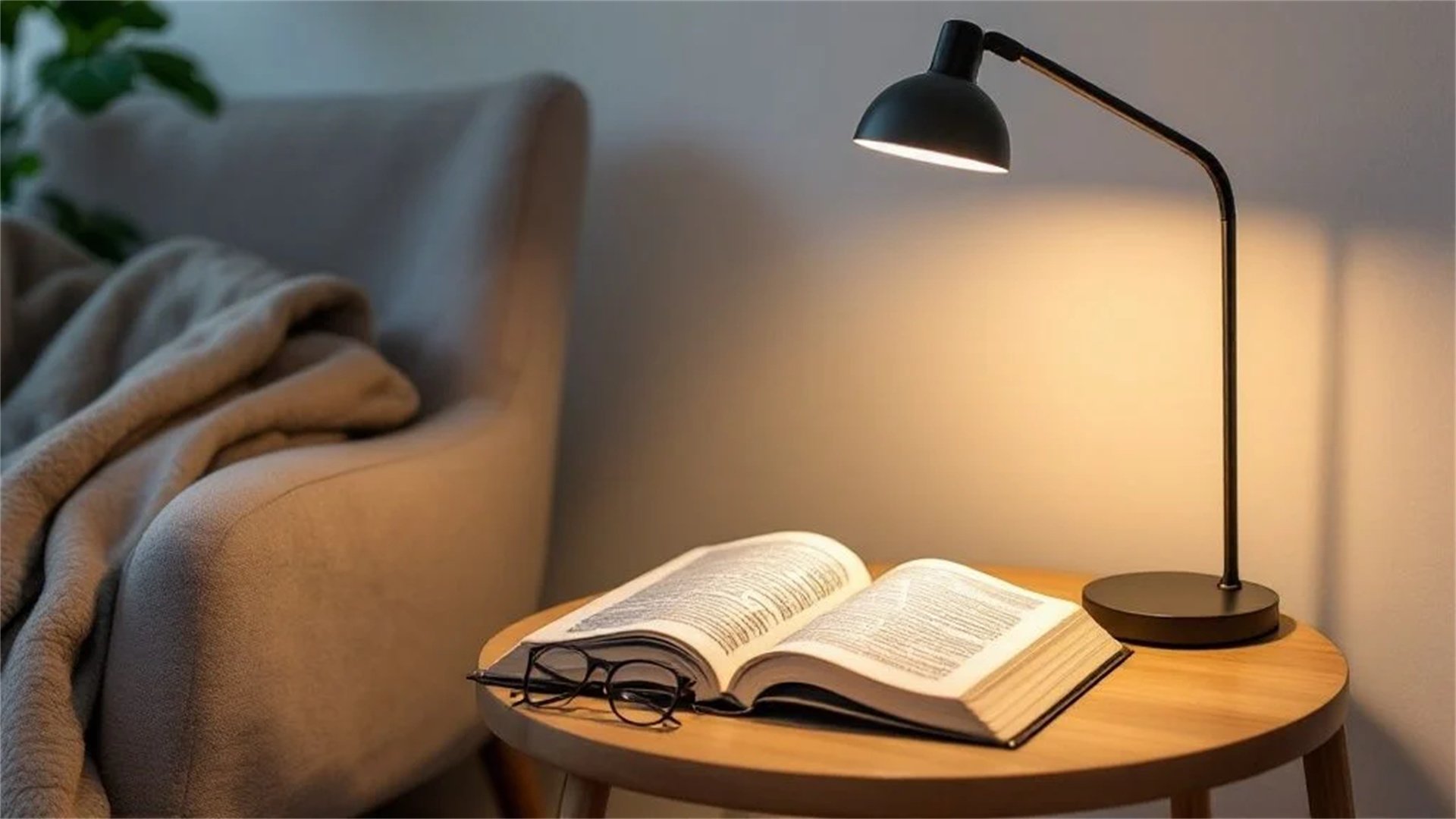
Lighting is crucial for creating a tranquil reading space, as it affects eye health, mood, and focus. A well-lit area combines natural and artificial sources to provide adequate illumination without harsh glare. The goal is to achieve a warm, inviting glow that mimics daylight for evening reading.
Advantages of Proper Lighting
- Reduced Eye Strain: Balanced lighting minimizes squinting and fatigue, allowing for longer reading periods.
- Mood Enhancement: Soft, warm lights create a calming atmosphere, helping you relax and immerse in books.
- Flexibility: Adjustable lighting options, such as dimmers, let you customize brightness based on time of day or reading material.
Disadvantages of Poor Lighting
- Headaches and Discomfort: Insufficient or flickering lights can cause eye irritation and headaches, disrupting your reading experience.
- Sleep Disruption: Bright blue-toned lights in the evening may interfere with melatonin production, affecting sleep quality.
- Aesthetic Issues: Harsh overhead lighting can create shadows and detract from the cozy feel of the space.
How to Implement This Tip
- Leverage Natural Light: Position your reading chair near a window to maximize daylight. Use sheer curtains to diffuse direct sunlight and prevent glare. If the window faces east or west, consider installing adjustable blinds to control intensity.
- Choose Task Lighting: Invest in a high-quality floor lamp or table lamp designed for reading. Look for LED bulbs with a color temperature of 2700K to 3000K (warm white) and a high Color Rendering Index (CRI) for clear text. A lamp with an adjustable arm or shade allows you to direct light precisely onto your book.
- Layer Lighting Sources: Combine ambient, task, and accent lighting for a balanced effect. For example, use a ceiling pendant for general illumination, a floor lamp for focused reading light, and string lights or wall sconces for subtle ambiance. This prevents dark corners and adds depth to the space.
- Incorporate Dimmers and Smart Controls: Install dimmer switches on overhead lights or use smart bulbs that can be adjusted via a phone app. This enables you to lower brightness in the evening for a softer glow. Some systems even offer schedules to mimic natural light cycles.
- Minimize Glare and Shadows: Place lamps at shoulder height behind or beside your chair to avoid casting shadows on the page. Avoid positioning lights directly in front of you, as this can cause reflections. Use matte finishes on surfaces to reduce light bounce.
🔇 Tip 4: Minimize Noise and Distractions
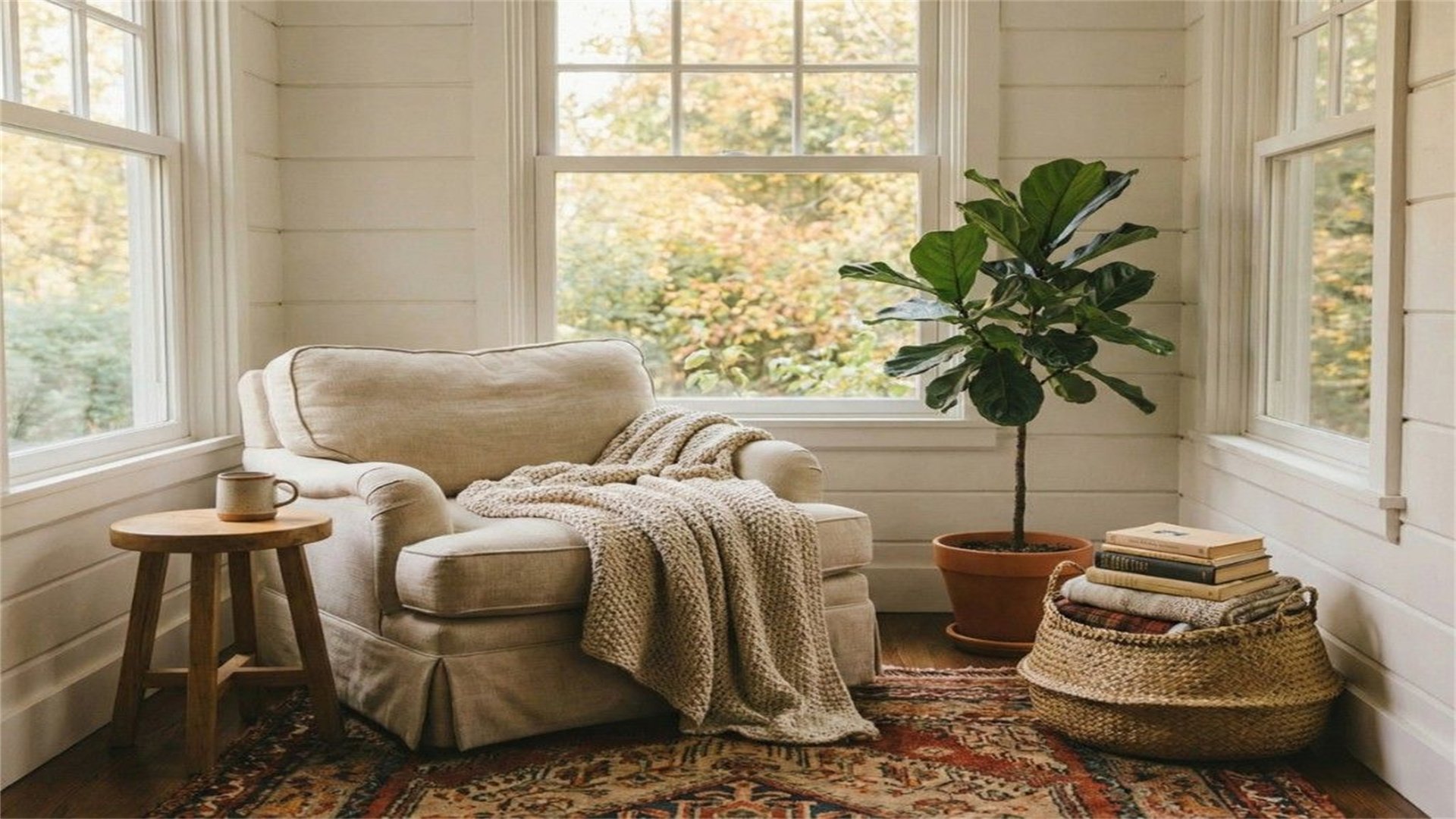
A tranquil reading space requires an environment free from auditory and visual distractions. Noise pollution from appliances, traffic, or household activities can break concentration, while clutter and electronic devices tempt multitasking. Implementing soundproofing techniques and organizational strategies can create a serene oasis.
Advantages of a Quiet Environment
- Improved Concentration: Reduced noise levels help you focus deeply on reading, enhancing comprehension and enjoyment.
- Stress Reduction: A quiet space lowers cortisol levels, promoting relaxation and mental clarity.
- Better Reading Habits: With fewer distractions, you're more likely to establish a consistent reading routine.
Disadvantages of a Noisy Space
- Frequent Interruptions: Background noise can pull you out of the narrative, making it hard to follow complex plots or ideas.
- Increased Fatigue: Constant auditory stimuli can lead to mental exhaustion, shortening your reading sessions.
- Poor Aesthetic Appeal: Clutter and distractions create visual chaos, undermining the tranquility of the space.
How to Implement This Tip
- Identify Noise Sources: Conduct a noise audit in your living room. Common sources include HVAC systems, refrigerators, TVs, and street noise. Use a sound meter app to measure decibel levels and pinpoint problem areas.
- Add Sound-Absorbing Materials: Incorporate soft furnishings to dampen sound. For example, place a thick area rug under your chair, hang heavy curtains over windows, and add upholstered furniture or wall panels. Acoustic foam panels can be discreetly installed on walls or ceilings for added effect.
- Use White Noise or Nature Sounds: If external noise is unavoidable, mask it with a white noise machine or a smartphone app playing sounds like rain or ocean waves. This creates a consistent auditory backdrop that can enhance focus. Keep the volume low to avoid becoming a distraction itself.
- Establish a No-Distraction Zone: Ban electronic devices like smartphones and tablets from the reading area, or use them only in airplane mode for e-books. Set physical boundaries, such as a room divider or a bookshelf, to separate the reading nook from busier parts of the living room.
- Organize and Declutter: Keep the space tidy by storing books neatly on shelves and hiding cords from lamps. Use baskets or cabinets to stow away remote controls, magazines, and other items that might draw your eye. A minimalist approach reduces visual noise and fosters calm.
🎨 Tip 5: Add Personal Touches and Decor for Ambiance
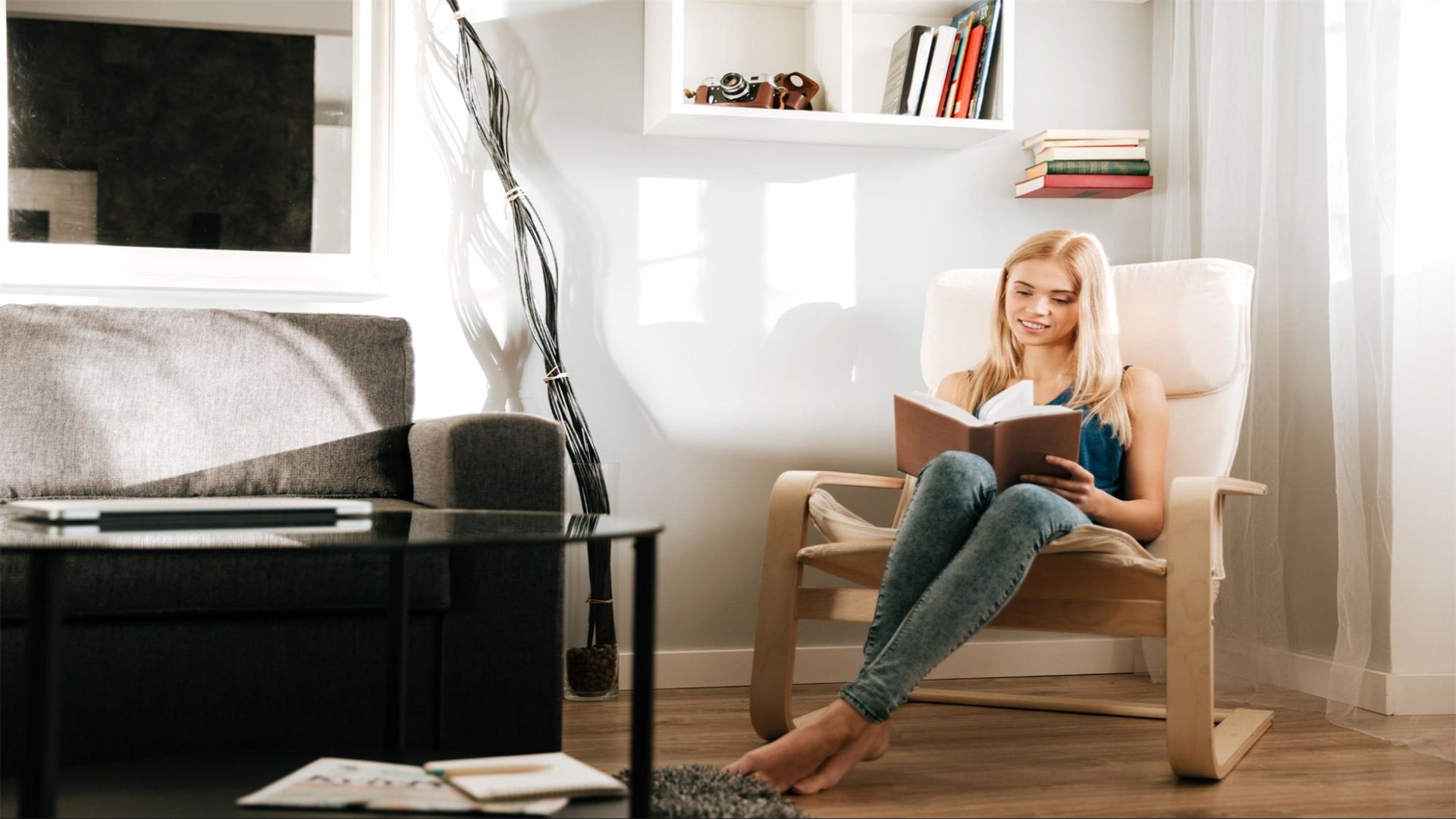
Personalizing your reading space with decor elements transforms it from a functional area into a welcoming retreat. Thoughtful touches like artwork, plants, and textiles reflect your personality and enhance the tranquil vibe. However, avoid over-decorating, as clutter can counteract the serenity you're aiming for.
Advantages of Personalized Decor
- Emotional Connection: Items that hold meaning, such as family photos or travel souvenirs, make the space feel uniquely yours, increasing your desire to spend time there.
- Enhanced Relaxation: Calming colors, natural materials, and soothing scents can lower stress levels and create a cozy atmosphere.
- Visual Appeal: A well-decorated nook becomes a focal point in your living room, adding aesthetic value to your home.
Disadvantages of Over-Decorating
- Visual Overload: Too many decorations can feel chaotic and distracting, undermining the tranquility of the space.
- Maintenance Burden: Elaborate decor may require frequent cleaning or upkeep, adding hassle to your routine.
- Reduced Functionality: Excessive items can encroach on seating or storage space, making the area less practical for reading.
How to Implement This Tip
- Choose a Calming Color Palette: Paint walls or add accents in soft, neutral tones like sage green, warm gray, or creamy white. These colors promote relaxation and pair well with natural light. Avoid bright or contrasting hues that might stimulate rather than soothe.
- Incorporate Natural Elements: Add indoor plants such as peace lilies or snake plants to purify air and bring a touch of nature. Use wooden furniture, stone coasters, or woven baskets to introduce organic textures. A small water feature, like a tabletop fountain, can provide gentle background sounds.
- Display Meaningful Artwork: Hang framed prints or paintings that evoke calmness, such as landscapes or abstract art in muted colors. Keep frames simple and arranged at eye level when seated. Avoid busy patterns that might distract during reading.
- Layer Textiles for Comfort: Drape a soft throw blanket over your chair and add cushions in complementary fabrics like linen or velvet. Use a plush rug underfoot to define the space and add warmth. Ensure textiles are easy to wash for maintenance.
- Introduce Subtle Scents: Use an essential oil diffuser with lavender or chamomile to create a soothing aroma. Alternatively, place scented candles or potpourri on a side table, but ensure they're safely away from books and fabrics. Avoid strong fragrances that could cause headaches.
📚 Tip 6: Organize and Display Books Thoughtfully
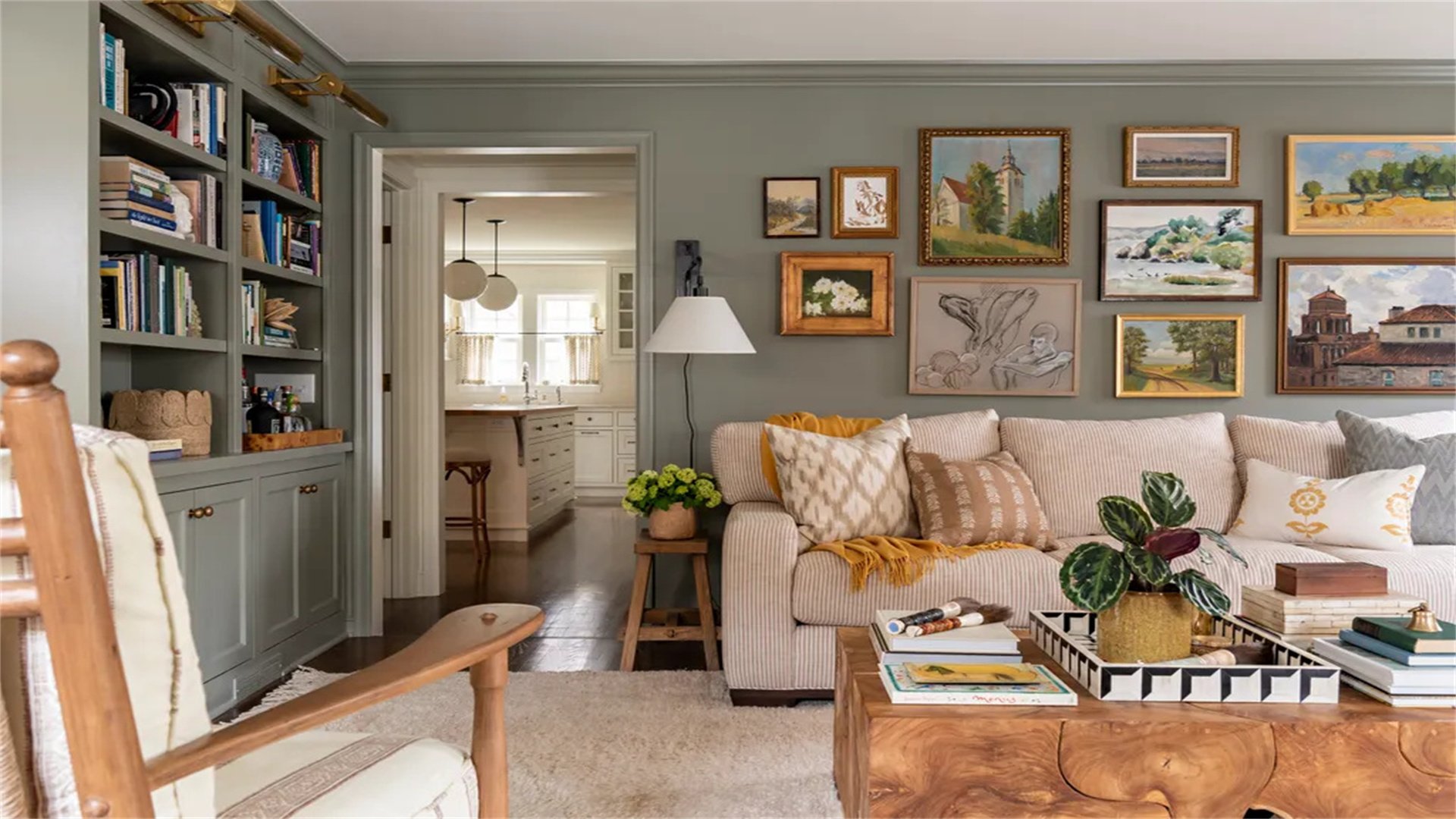
An organized book collection not only makes it easy to find your next read but also contributes to the aesthetic and tranquility of the space. Thoughtful display methods, such as shelving or storage solutions, can turn books into decor elements while keeping clutter at bay. This tip focuses on practical organization that enhances both functionality and calm.
Advantages of Organized Books
- Easy Access: A well-arranged library saves time searching for books, encouraging spontaneous reading sessions.
- Visual Order: Neat shelves create a sense of harmony and reduce visual stress, making the space feel more serene.
- Personal Expression: Displaying books by color, genre, or size can reflect your tastes and spark joy when you glance at them.
Disadvantages of Disorganized Books
- Clutter and Chaos: Piles of books on floors or tables can make the area feel cramped and untidy, detracting from tranquility.
- Difficulty Finding Books: Disorganization leads to frustration when you can't locate a specific title, potentially discouraging reading.
- Dust Accumulation: Books left in open piles collect dust more easily, requiring frequent cleaning and possibly triggering allergies.
How to Implement This Tip
- Assess Your Book Collection: Start by sorting books into categories: keep, donate, or store elsewhere. This reduces volume to fit your living room space. Consider digitizing less-used books to save physical space.
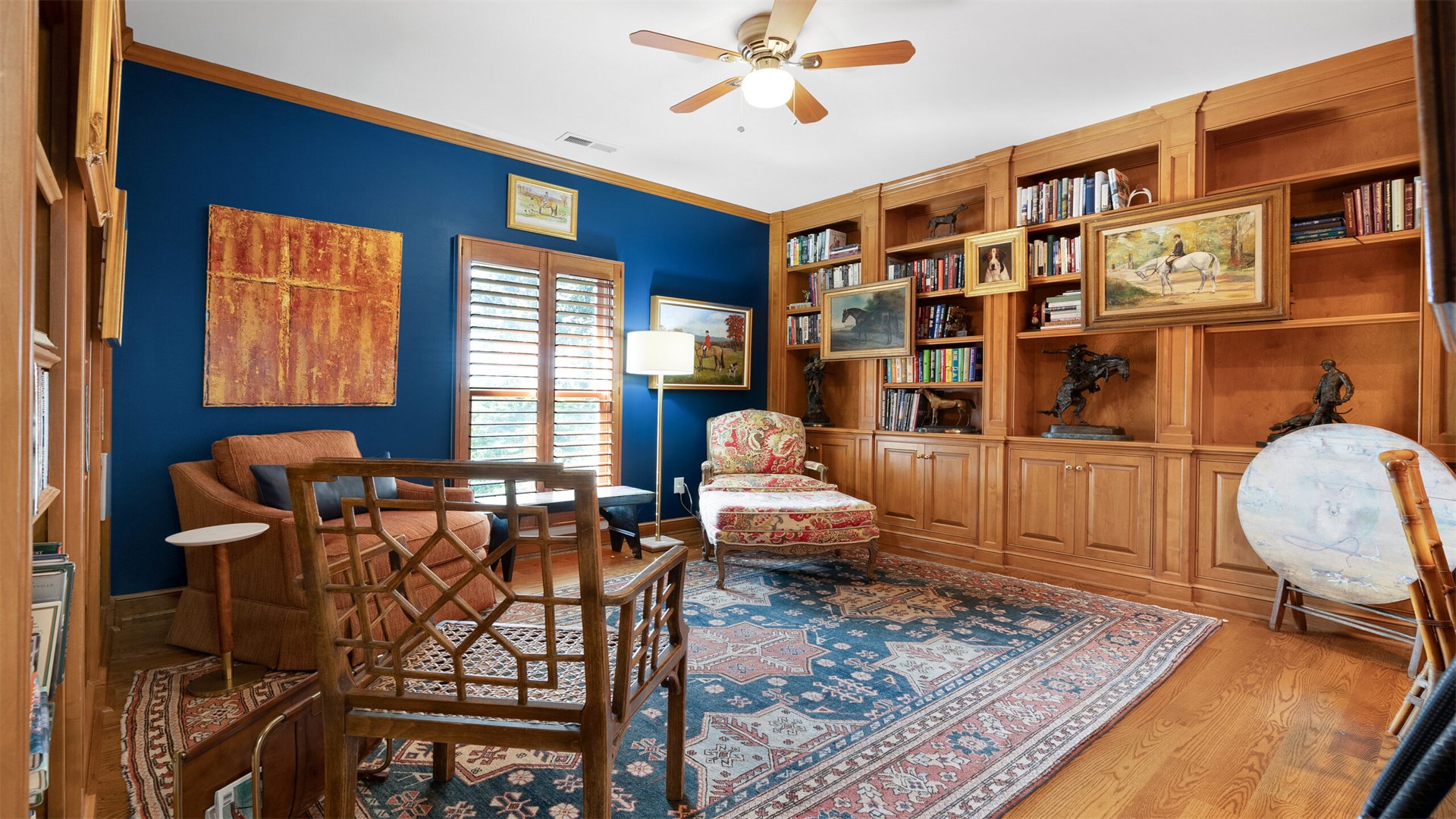
- Choose Appropriate Shelving: Select bookshelves that complement your living room decor and fit the reading nook's dimensions. Options include wall-mounted shelves for a minimalist look, freestanding bookcases for flexibility, or built-in units for a custom feel. Ensure shelves are sturdy and deep enough to hold standard book sizes.
- Organize Books Strategically: Arrange books in a way that suits your habits. For example, group by genre for easy browsing, alphabetize by author for quick finds, or color-code for visual appeal. Leave some empty space on shelves to avoid a crowded look and allow for future additions.
- Incorporate Storage Solutions: Use decorative boxes or baskets on shelves to hide miscellaneous items like bookmarks or reading glasses. Install a small side table with drawers or a trunk nearby to store extra books or reading materials out of sight. This keeps the area tidy and focused.
- Display Books as Decor: Highlight favorite books or beautiful covers by placing them face-out on shelves or on a dedicated display stand. Add bookends that match your style, such as metallic or wooden designs, to keep rows neat. Rotate displays seasonally to keep the space fresh and engaging.
Setting up a tranquil reading space in your living room is a rewarding project that blends practicality with personal expression. By following these six tips—choosing the ideal location, investing in comfortable seating, optimizing lighting, minimizing noise, adding personal decor, and organizing books thoughtfully—you can create a sanctuary that encourages regular reading and relaxation. Each tip addresses specific aspects of comfort and ambiance, ensuring your space is both functional and serene. Remember, the key is to tailor the elements to your preferences and lifestyle; there's no one-size-fits-all solution. Start with one tip, such as selecting a quiet corner, and gradually build from there. With patience and creativity, you'll transform a simple living room area into a peaceful retreat where you can unwind with a good book, away from the hustle and bustle of daily life.