Nourish Your Plate Naturally: A Comprehensive Guide to Starting an Organic Edible Garden
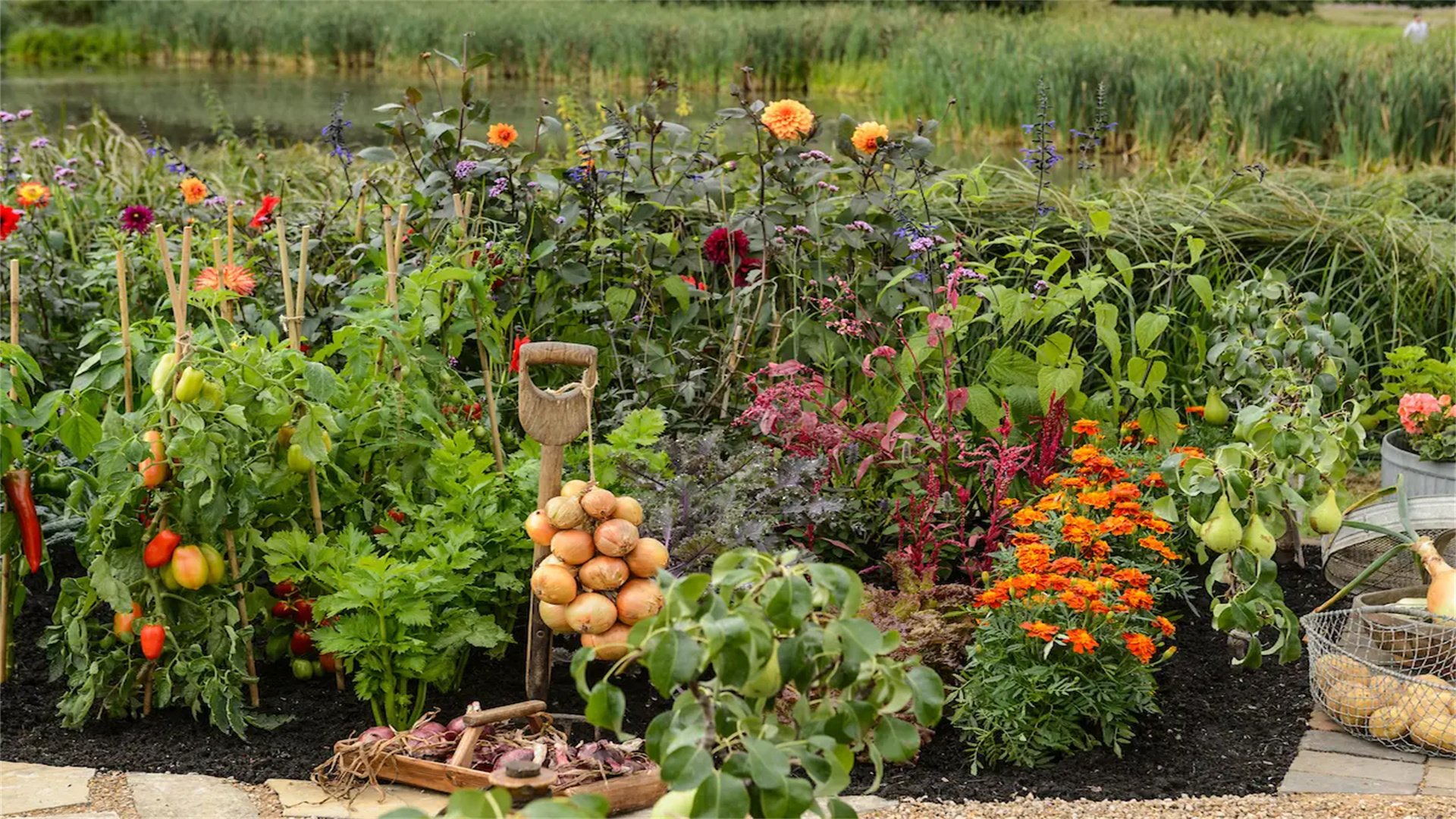
In an era where health consciousness and environmental sustainability are paramount, the concept of growing your own organic edible garden has gained immense popularity. An organic edible garden is not just a source of fresh, nutrient-dense produce; it is a step towards self-sufficiency, a connection to nature, and a commitment to nourishing your body without synthetic chemicals. This comprehensive guide will walk you through every aspect of starting and maintaining an organic edible garden, from initial planning to bountiful harvests. By following these detailed steps, you can transform any space—be it a backyard, balcony, or windowsill—into a thriving oasis of organic goodness. Let's embark on this journey to naturally nourish your plate.
🤔 Why Choose an Organic Edible Garden? Advantages and Disadvantages
Before diving into the practicalities, it's essential to understand the benefits and challenges of organic gardening. This will help you set realistic expectations and stay motivated throughout the process.
Advantages of Organic Edible Gardening
- Health Benefits: Organic produce is free from synthetic pesticides, herbicides, and fertilizers, reducing exposure to harmful chemicals. Studies show that organically grown fruits and vegetables often have higher levels of antioxidants and essential nutrients.
- Environmental Sustainability: Organic gardening practices promote soil health, conserve water, and support biodiversity by avoiding chemical runoff and protecting pollinators like bees and butterflies.
- Cost Savings: Growing your own food can significantly reduce grocery bills, especially for expensive organic items. Over time, the initial investment in tools and supplies pays off through continuous harvests.
- Taste and Freshness: Homegrown organic produce is harvested at peak ripeness, offering superior flavor and texture compared to store-bought options that may be transported long distances.
- Educational and Therapeutic Value: Gardening is a rewarding hobby that teaches patience, responsibility, and seasonal cycles. It also reduces stress and promotes mental well-being through physical activity and connection to nature.
Disadvantages of Organic Edible Gardening
- Initial Effort and Time: Setting up an organic garden requires planning, physical labor, and ongoing maintenance. It may take several seasons to establish a productive system.
- Pest and Disease Management: Without synthetic chemicals, controlling pests and diseases can be more challenging, requiring proactive strategies like companion planting and natural remedies.
- Weather Dependence: Gardens are susceptible to extreme weather events, such as droughts or frosts, which can impact yield. Organic methods may need adaptation to local climate conditions.
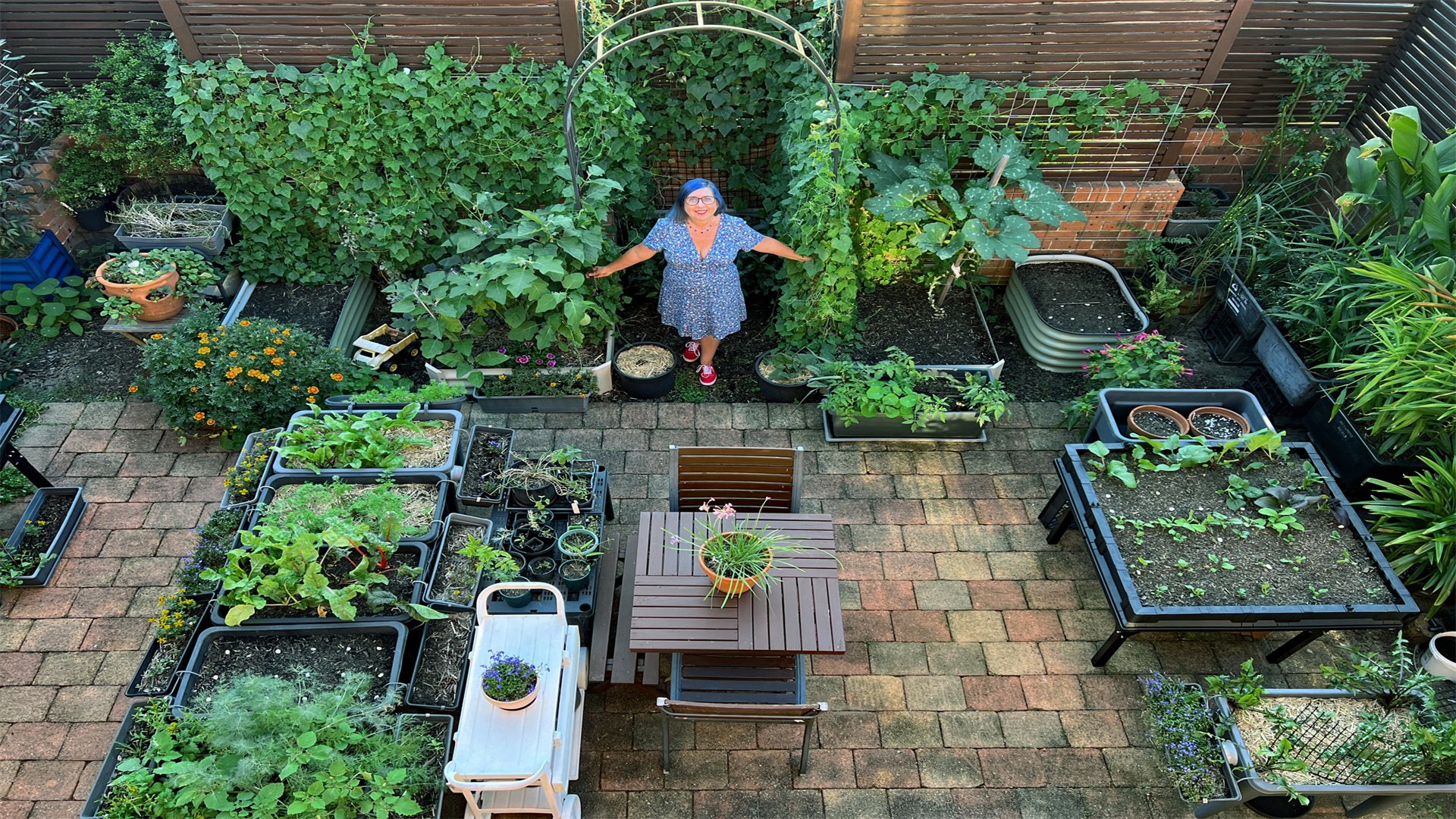
- Space Limitations: Not everyone has access to large outdoor spaces; however, container gardening and vertical techniques can overcome this hurdle.
Despite these challenges, the rewards of organic edible gardening far outweigh the drawbacks, especially with proper knowledge and preparation.
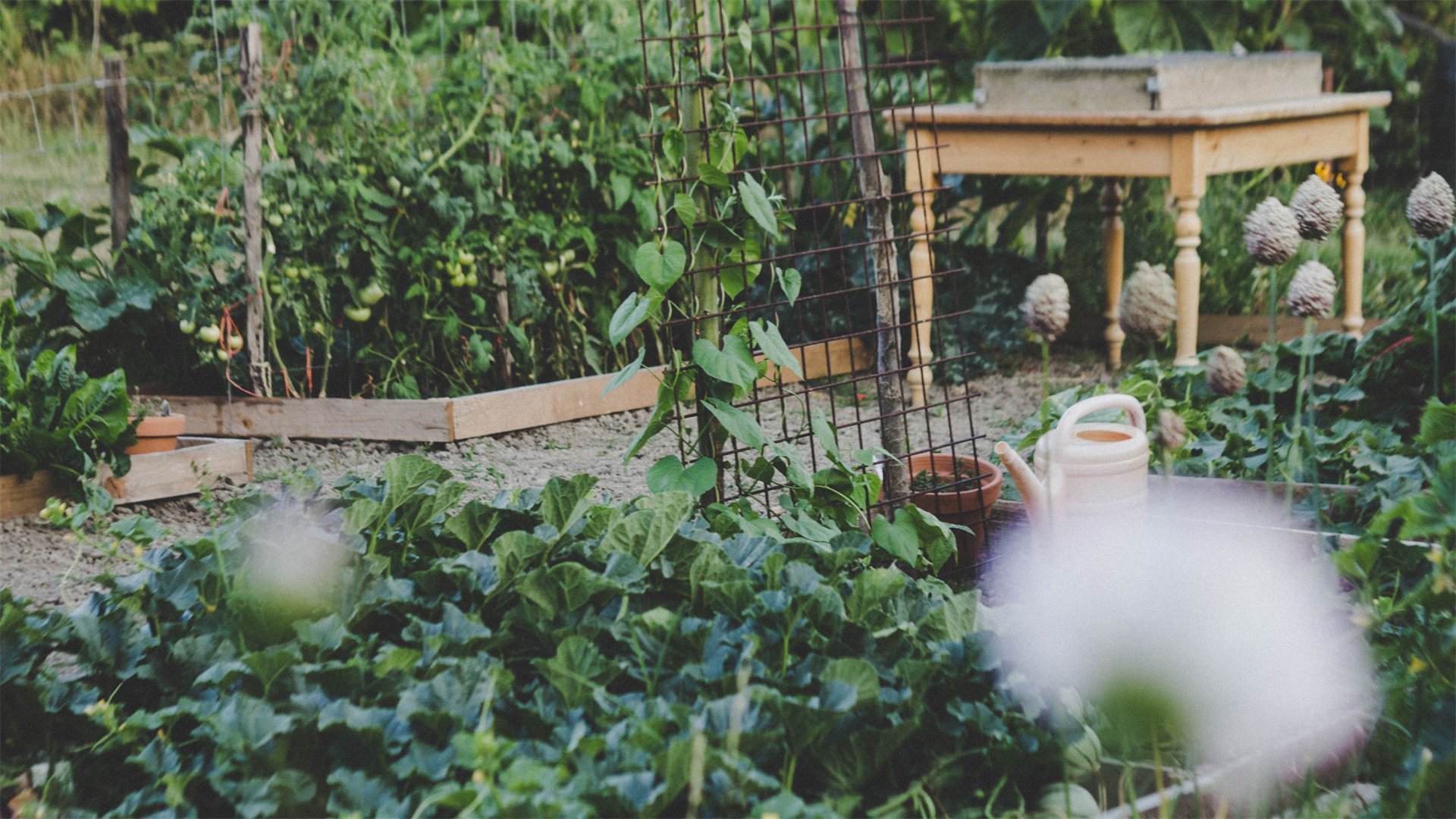
📋 Part 1: Planning Your Organic Edible Garden
Successful gardening begins with careful planning. This phase involves assessing your resources, setting goals, and designing a layout that maximizes productivity and sustainability.
How to Plan Your Garden: Step-by-Step Guide
- Assess Your Space: Determine the available area for gardening. Measure dimensions, note sunlight exposure (aim for 6-8 hours of direct sun daily), and check soil drainage. For small spaces, consider raised beds, containers, or vertical gardens.
- Define Your Goals: List what you want to grow based on your family's preferences and nutritional needs. Start with easy-to-grow crops like lettuce, tomatoes, and herbs for beginners.
- Design the Layout: Sketch a garden plan, considering plant spacing, crop rotation, and companion planting. Group plants with similar water and sunlight requirements together. Include paths for easy access and maintenance.
- Set a Budget: Estimate costs for seeds, soil amendments, tools, and irrigation systems. Prioritize essential items and consider DIY options to save money.
- Create a Timeline: Based on your climate zone, establish a planting schedule. Use resources like the USDA Plant Hardiness Zone Map to determine frost dates and optimal planting times.
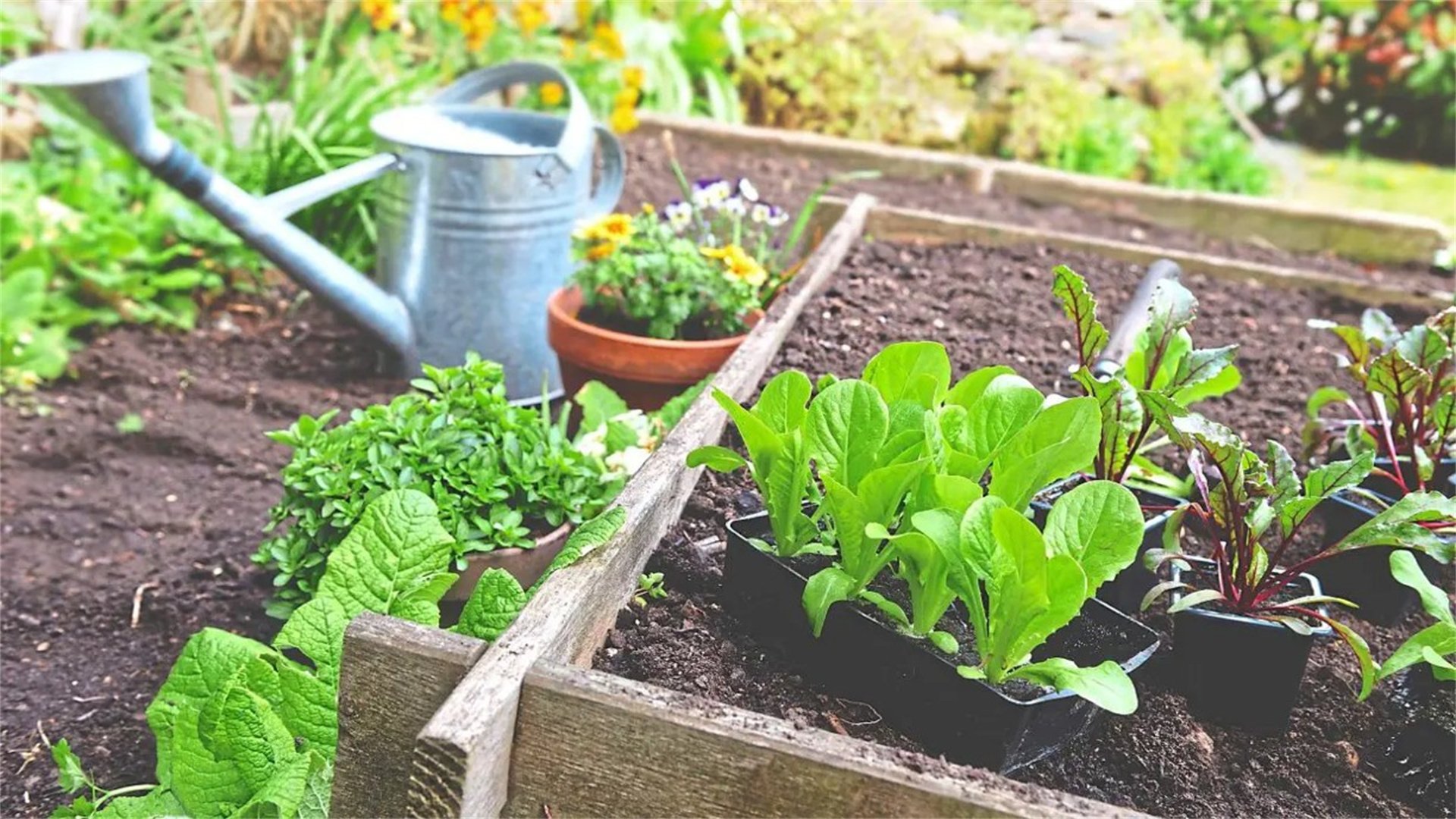
📍 Part 2: Choosing the Right Location
Location is critical for plant health and yield. An ideal spot balances sunlight, soil quality, and accessibility.
Factors to Consider When Selecting a Garden Site
- Sunlight: Most edible plants require full sun (6-8 hours daily). Observe your space throughout the day to identify sunny vs. shady areas. Leafy greens can tolerate partial shade, but fruits like tomatoes need ample sun.
- Soil Drainage: Avoid low-lying areas where water pools, as this can lead to root rot. Conduct a percolation test by digging a hole and filling it with water; if it drains within a few hours, the site is suitable.
- Wind Protection: Strong winds can damage plants and dry out soil. Use fences, hedges, or structures as windbreaks if needed.
- Proximity to Water Source: Ensure easy access to water for irrigation. Consider installing rain barrels to collect rainwater for sustainable watering.
- Soil Quality: Test the soil pH and nutrient levels. Organic gardens thrive in slightly acidic to neutral soil (pH 6.0-7.0). Amend poor soil with organic matter during preparation.
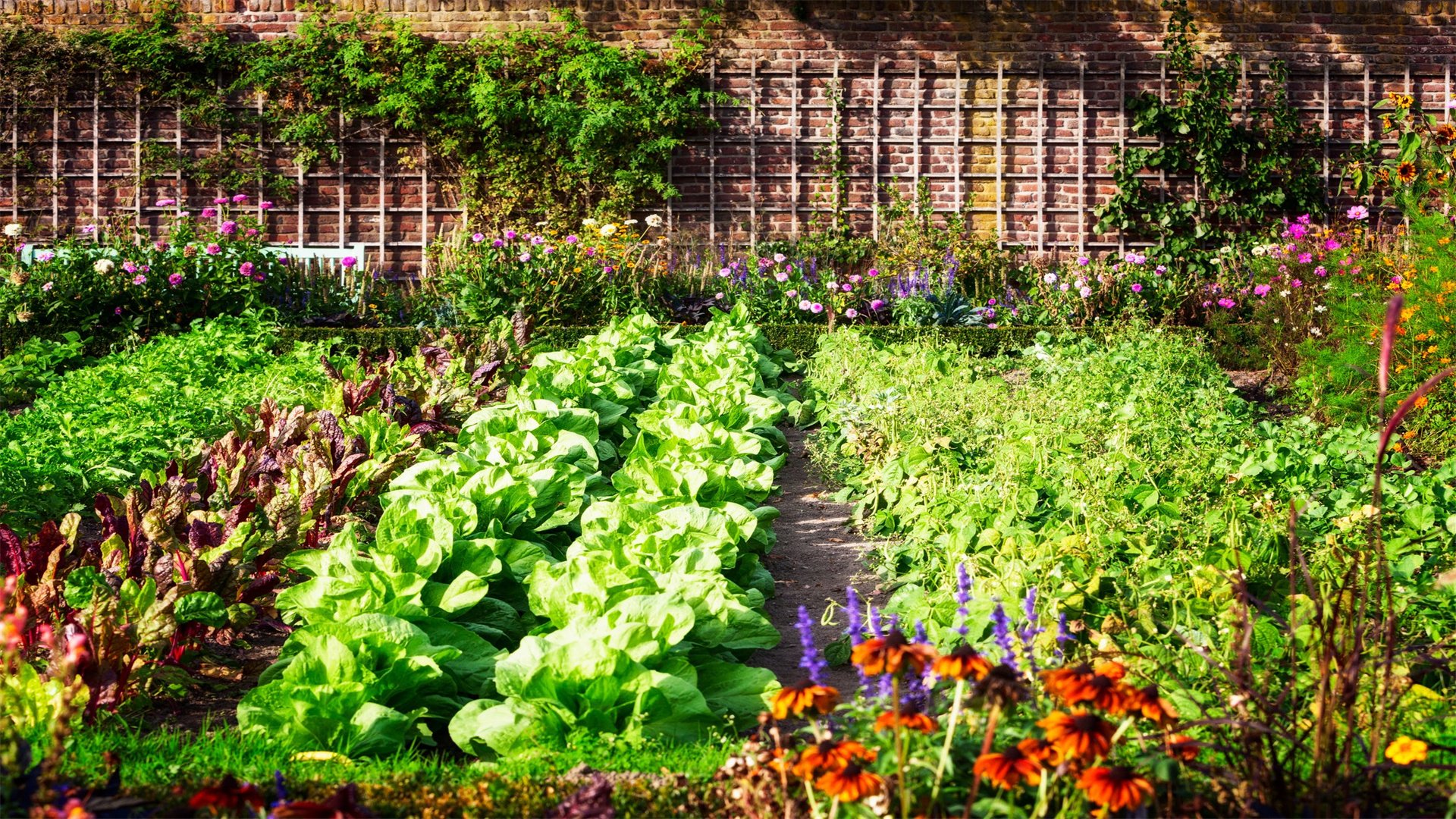
🌱 Part 3: Preparing the Soil Organically
Healthy soil is the foundation of an organic garden. It supports plant growth, retains moisture, and suppresses diseases without chemical inputs.
How to Achieve Optimal Soil Health: Detailed Methods
- Test Your Soil: Use a home testing kit or send a sample to a local extension service to analyze pH, nitrogen, phosphorus, and potassium levels. This guides amendment choices.
- Add Organic Matter: Incorporate compost, well-rotted manure, or leaf mold to improve soil structure, fertility, and microbial activity. Aim for a 2-3 inch layer mixed into the top 6-8 inches of soil.
- Use Cover Crops: Plant cover crops like clover or rye in off-seasons to prevent erosion, fix nitrogen, and add organic matter when tilled under.
- Practice No-Till Gardening: Minimize soil disturbance to preserve beneficial organisms and reduce weed growth. Use mulch to suppress weeds and retain moisture.
- Adjust pH Naturally: To raise pH (if soil is too acidic), add ground limestone. To lower pH (if too alkaline), incorporate sulfur or pine needles.
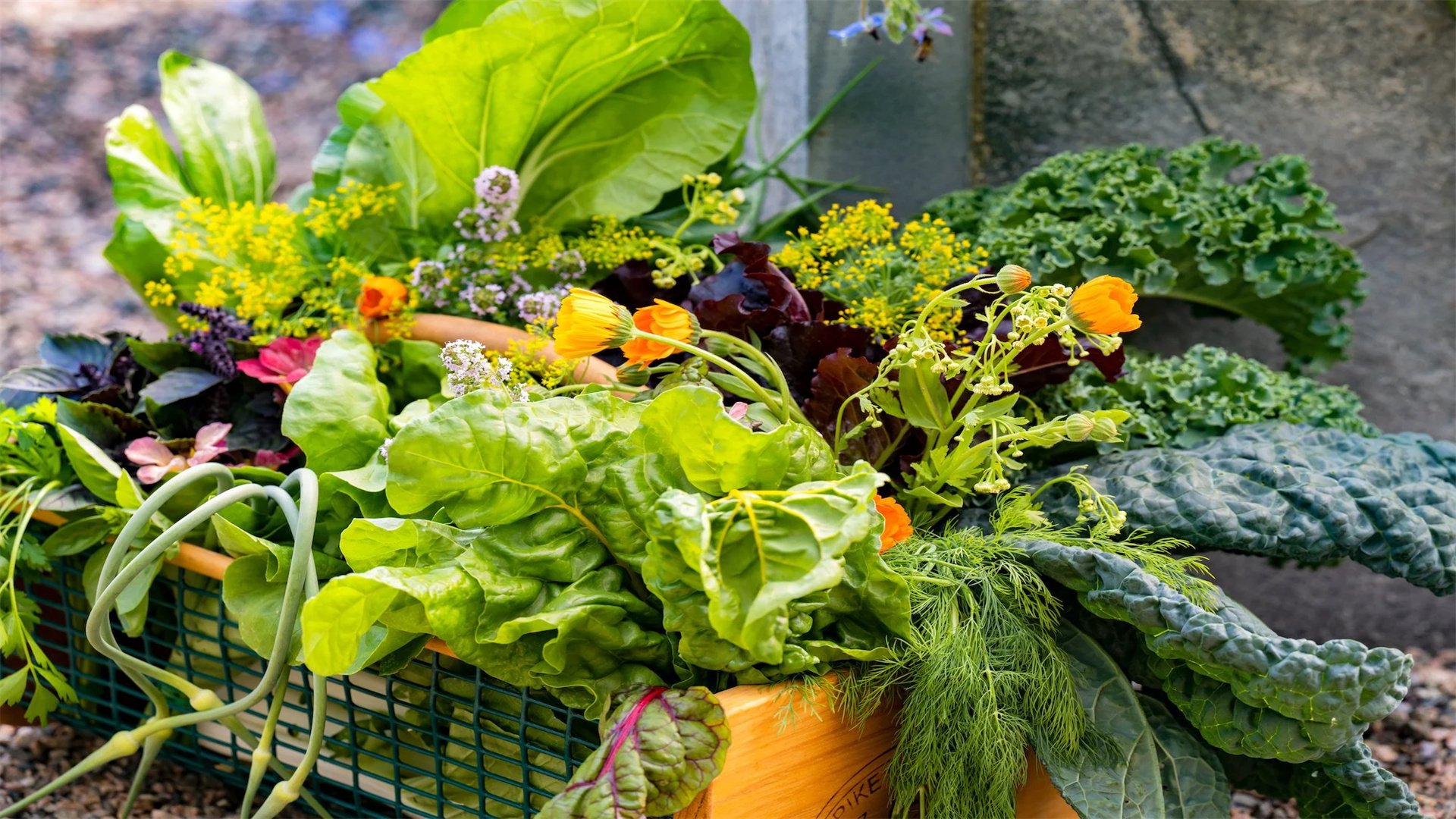
🌿 Part 4: Selecting Organic Plants and Seeds
Choosing the right plants ensures a successful harvest. Focus on organic, non-GMO seeds and seedlings adapted to your region.
Methods for Choosing and Sourcing Organic Plants
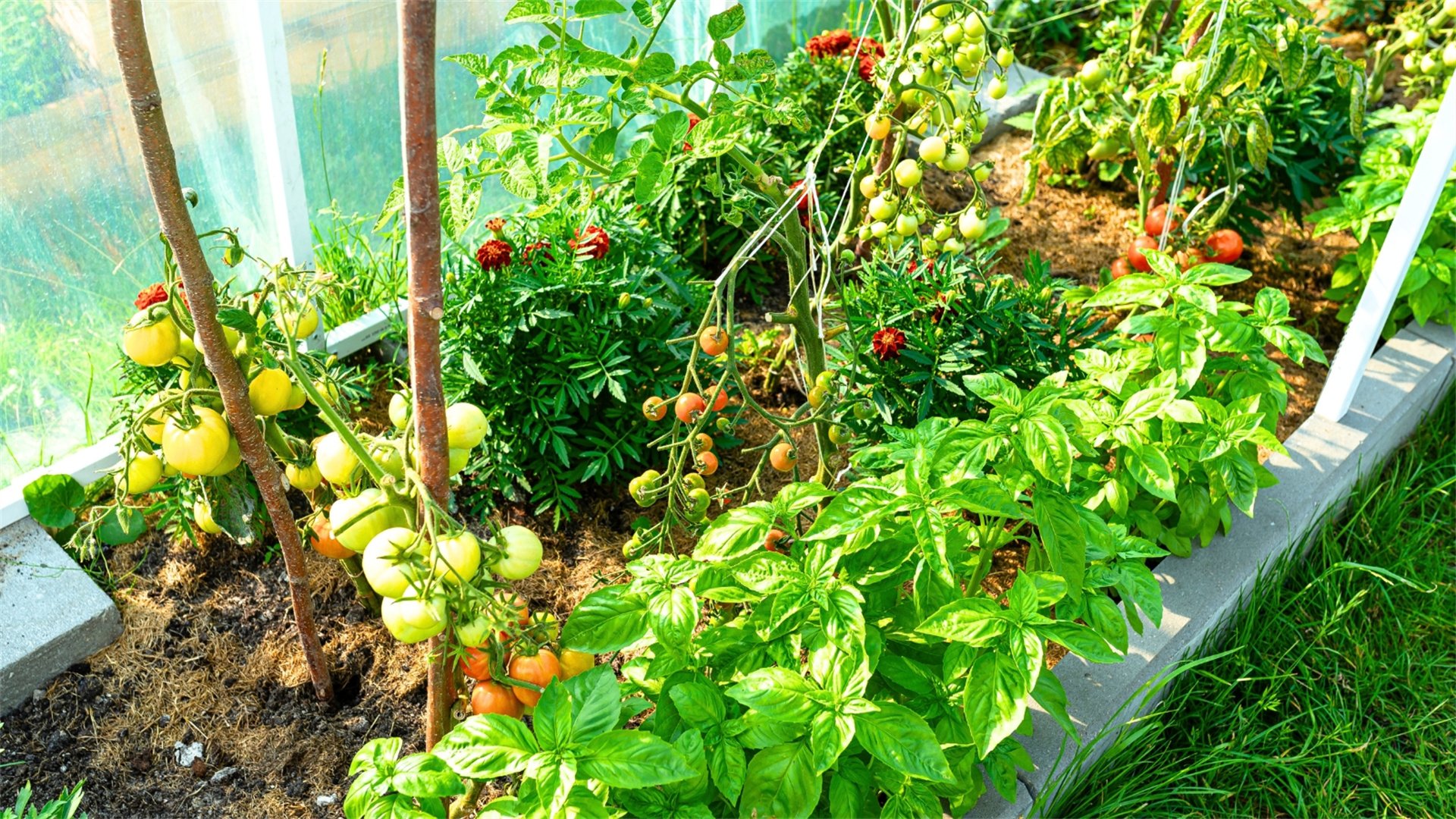
- Select Suitable Crops: Start with beginner-friendly options like radishes, beans, and zucchini. Consider perennial plants like asparagus or berries for long-term yield. Research companion planting—for example, plant basil near tomatoes to repel pests.
- Buy Organic Seeds: Purchase seeds from certified organic suppliers, such as Johnny's Selected Seeds or Baker Creek Heirloom Seeds. Look for heirloom varieties for flavor and seed-saving potential.
- Start from Seedlings: For a head start, buy organic seedlings from local nurseries. Check for healthy roots and disease-free leaves.
- Consider Climate Adaptation: Choose plants that thrive in your specific climate zone. For hot areas, opt for drought-tolerant crops like peppers; for cooler regions, try kale or peas.
- Plan for Succession Planting: Stagger plantings every few weeks to extend the harvest season. For instance, sow lettuce seeds in intervals for continuous salad greens.
🎍 Part 5: Planting Techniques for Organic Gardens
Proper planting methods set the stage for robust growth. Follow these steps to ensure your plants establish well.
Step-by-Step Planting Guide
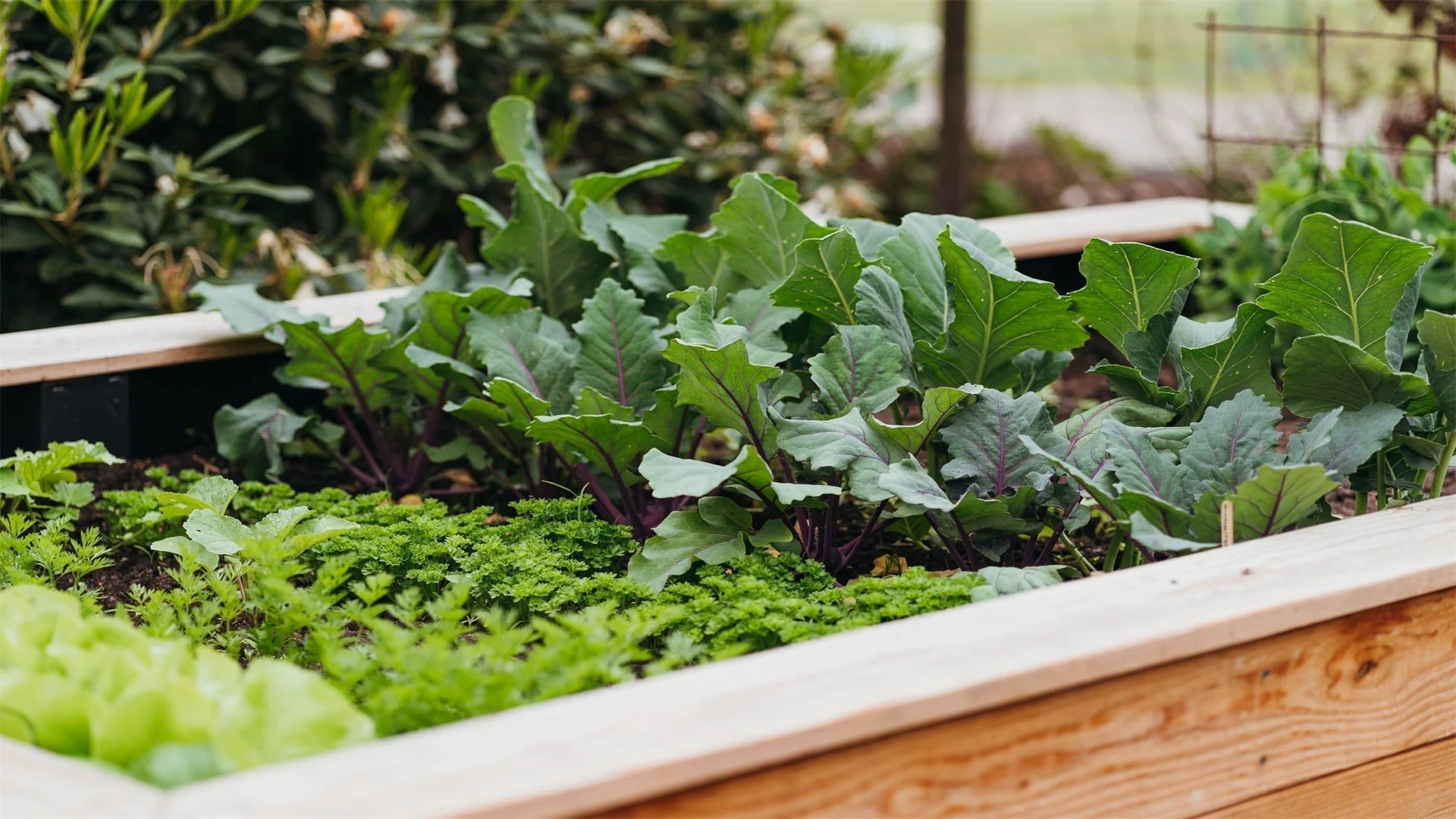
- Prepare Planting Beds: Loosen soil to a depth of 12 inches using a garden fork. Remove weeds and rocks, then rake smooth.
- Sow Seeds Directly: For root crops like carrots, sow seeds directly into the ground at the depth specified on the seed packet. Water gently to avoid displacing seeds.
- Transplant Seedlings: Harden off seedlings by gradually exposing them to outdoor conditions over a week. Dig holes twice the size of the root ball, place plants, and backfill with soil. Water thoroughly.
- Spacing and Depth: Follow spacing guidelines to prevent overcrowding, which can lead to disease. As a rule, space plants based on their mature size; for example, tomato plants need 24-36 inches apart.
- Mulch After Planting: Apply a 2-4 inch layer of organic mulch, such as straw or wood chips, around plants to conserve moisture, regulate soil temperature, and suppress weeds.
🔧 Part 6: Organic Maintenance and Care
Ongoing care is vital for a thriving garden. Organic maintenance focuses on natural solutions for watering, fertilizing, and pest control.
How to Implement Organic Maintenance Practices
- Watering Strategies:
- Water Deeply and Infrequently: Encourage deep root growth by watering at the base of plants, providing 1-2 inches per week. Use soaker hoses or drip irrigation to minimize evaporation and foliar diseases.
- Time Watering: Water early in the morning to reduce water loss and allow foliage to dry before evening, preventing fungal issues.
- Organic Fertilization:
- Use Compost Tea: Brew compost tea by steeping compost in water, then apply as a liquid fertilizer to boost nutrients and beneficial microbes.
- Apply Natural Amendments: Side-dress plants with bone meal for phosphorus, kelp meal for potassium, and blood meal for nitrogen, following package instructions.
- Pest and Disease Management:
- Encourage Beneficial Insects: Plant flowers like marigolds or dill to attract ladybugs and lacewings that prey on aphids. Install bird feeders to invite pest-eating birds.
- Use Physical Barriers: Protect plants with row covers or netting to exclude pests like cabbage moths or birds.
- Make Homemade Remedies: For common pests, spray a mixture of neem oil and water, or use diatomaceous earth for crawling insects. For fungal diseases, apply a baking soda solution (1 tablespoon per gallon of water).
- Practice Crop Rotation: Rotate plant families annually to break pest and disease cycles. For example, avoid planting tomatoes in the same spot two years in a row.
🎉 Part 7: Harvesting and Storing Your Organic Produce
Harvesting at the right time ensures peak flavor and nutrition. Proper storage extends the shelf life of your bounty.
Guidelines for Harvesting and Post-Harvest Handling
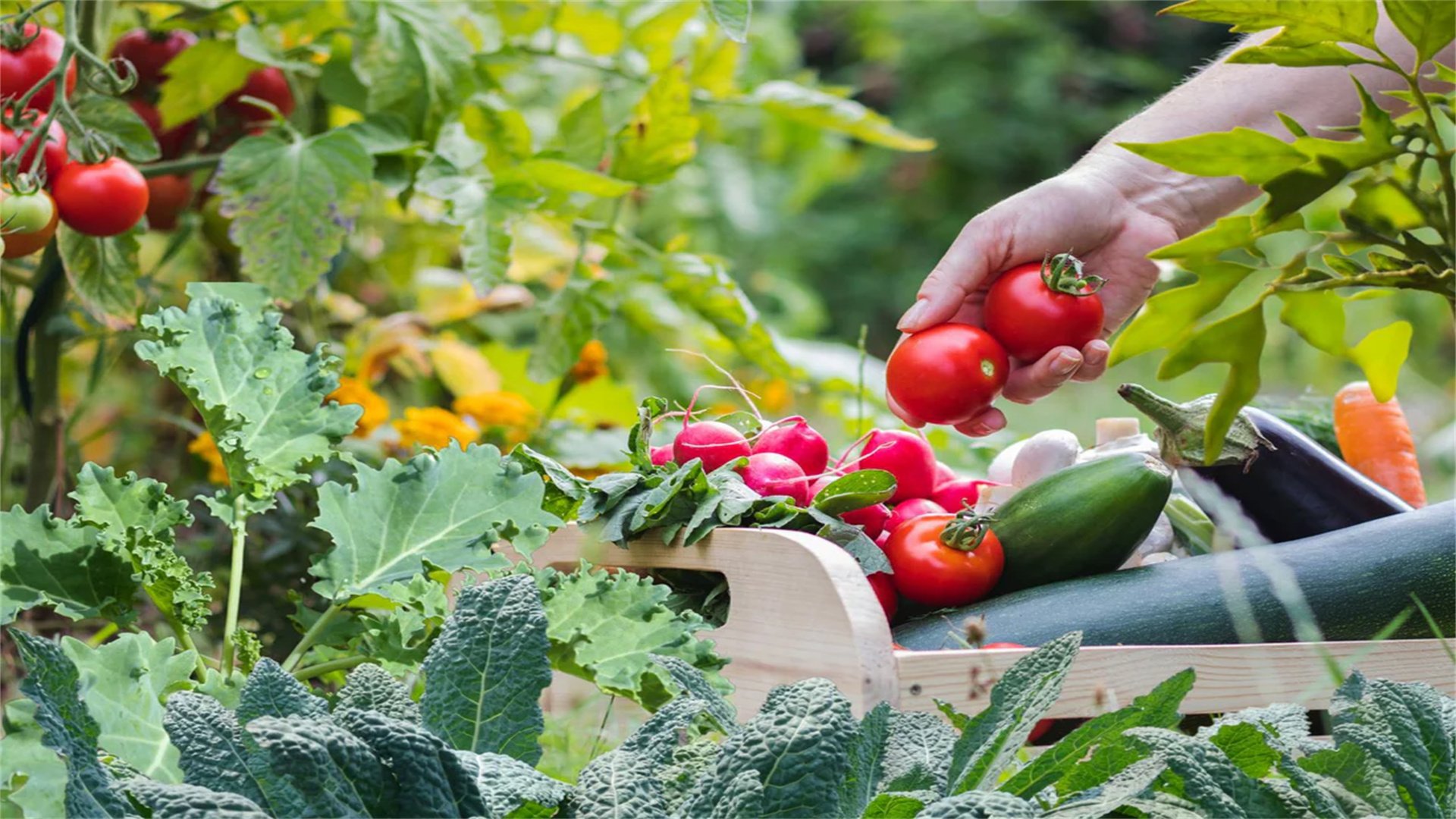
- Know When to Harvest: Harvest leafy greens when young and tender; pick tomatoes when fully colored but firm. For root vegetables, check size by gently brushing away soil.
- Use Proper Tools: Employ sharp scissors or pruning shears to avoid damaging plants. Harvest in the morning when plants are hydrated for better freshness.
- Store Correctly: Refrigerate greens in breathable bags, keep potatoes in a cool, dark place, and store onions in a dry, ventilated area. For long-term storage, consider freezing, canning, or drying surplus produce.
- Save Seeds: Select heirloom plants for seed saving. Allow fruits to fully mature, extract seeds, dry them thoroughly, and store in labeled envelopes in a cool, dry place.
⚠️ Part 8: Overcoming Common Challenges in Organic Gardening
Even with careful planning, challenges may arise. Here are solutions to typical issues faced by organic gardeners.
Common Problems and Organic Solutions
- Weed Infestation: Mulch heavily to suppress weeds. Hand-pull weeds regularly, ensuring to remove roots. Use a hoe for larger areas, but avoid disturbing soil deeply.
- Pest Outbreaks: Identify pests accurately—use online resources or local extension services. Introduce predatory insects like nematodes for soil pests. Apply insecticidal soap for soft-bodied insects.
- Nutrient Deficiencies: Yellowing leaves may indicate nitrogen deficiency; add compost or fish emulsion. Purple leaves can signal phosphorus lack; incorporate rock phosphate.
- Weather Extremes: Protect plants from frost with cloches or frost blankets. During droughts, use mulch and water-saving techniques. In heavy rain, ensure good drainage to prevent root rot.
- Soil Erosion: Plant ground covers or use terraces on slopes. Avoid over-tilling and maintain plant cover year-round.
🌟 Conclusion: Embracing the Organic Gardening Journey
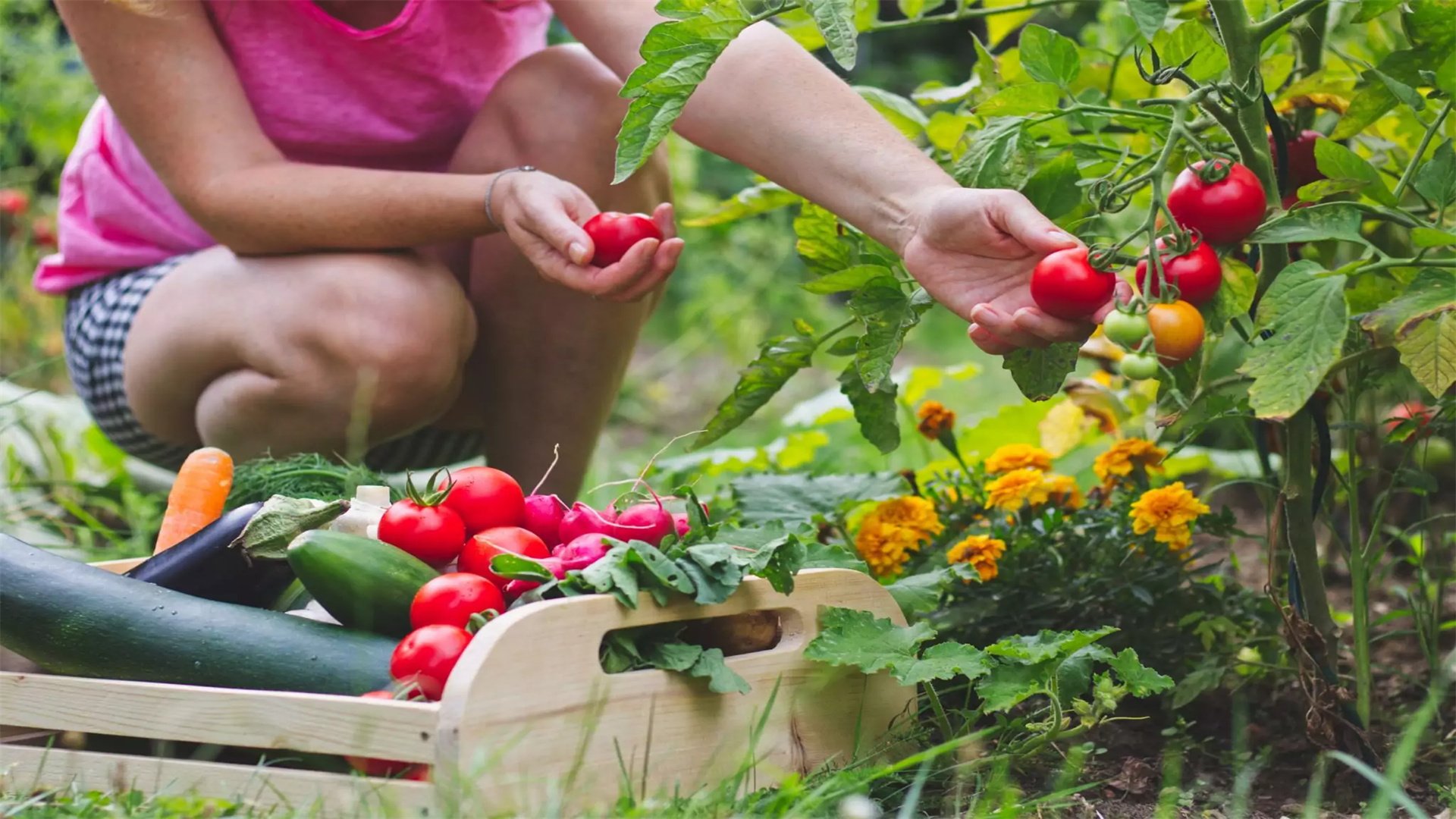
Starting an organic edible garden is a transformative endeavor that nourishes both body and soul. By following this comprehensive guide—from planning and soil preparation to planting, maintenance, and harvest—you can create a sustainable source of fresh, chemical-free food. Remember, organic gardening is a continuous learning process; each season brings new insights and rewards. Embrace the challenges as opportunities to deepen your connection with nature. Whether you're a novice or an experienced gardener, the journey towards nourishing your plate naturally is one of fulfillment and health. So, roll up your sleeves, dig in the dirt, and watch your garden flourish. Happy gardening!
For further exploration, consider joining local gardening clubs, attending workshops, or reading books like "The Organic Gardener's Handbook" by Frank Tozer. Your efforts will not only enrich your diet but also contribute to a greener, more sustainable planet.