Tips

Need to unclog a drain? This method is the simplest and most cost-effective!
 

II. Complete Step-by-Step Instructions: Follow along, and you're done in 10 minutes!

Step 1: Preparation
Tools List:
50g baking soda (about 4 tablespoons)
100ml distilled white vinegar (or regular vinegar if unavailable)
1 kettle of boiling water (about 500ml)
Measuring cup, container, rubber gloves (optional)

Note: If the drain is completely still, you may need to gently press down with a rubber plunger to partially unclog it.

Step 2: Initial Rinse
Slowly pour a small amount of hot water (do not boil) down the drain to soften any remaining grease in the pipes.

Key Tip: The hot water temperature should not be too high to avoid deforming the PVC pipes.

Step 3: Add Baking Soda
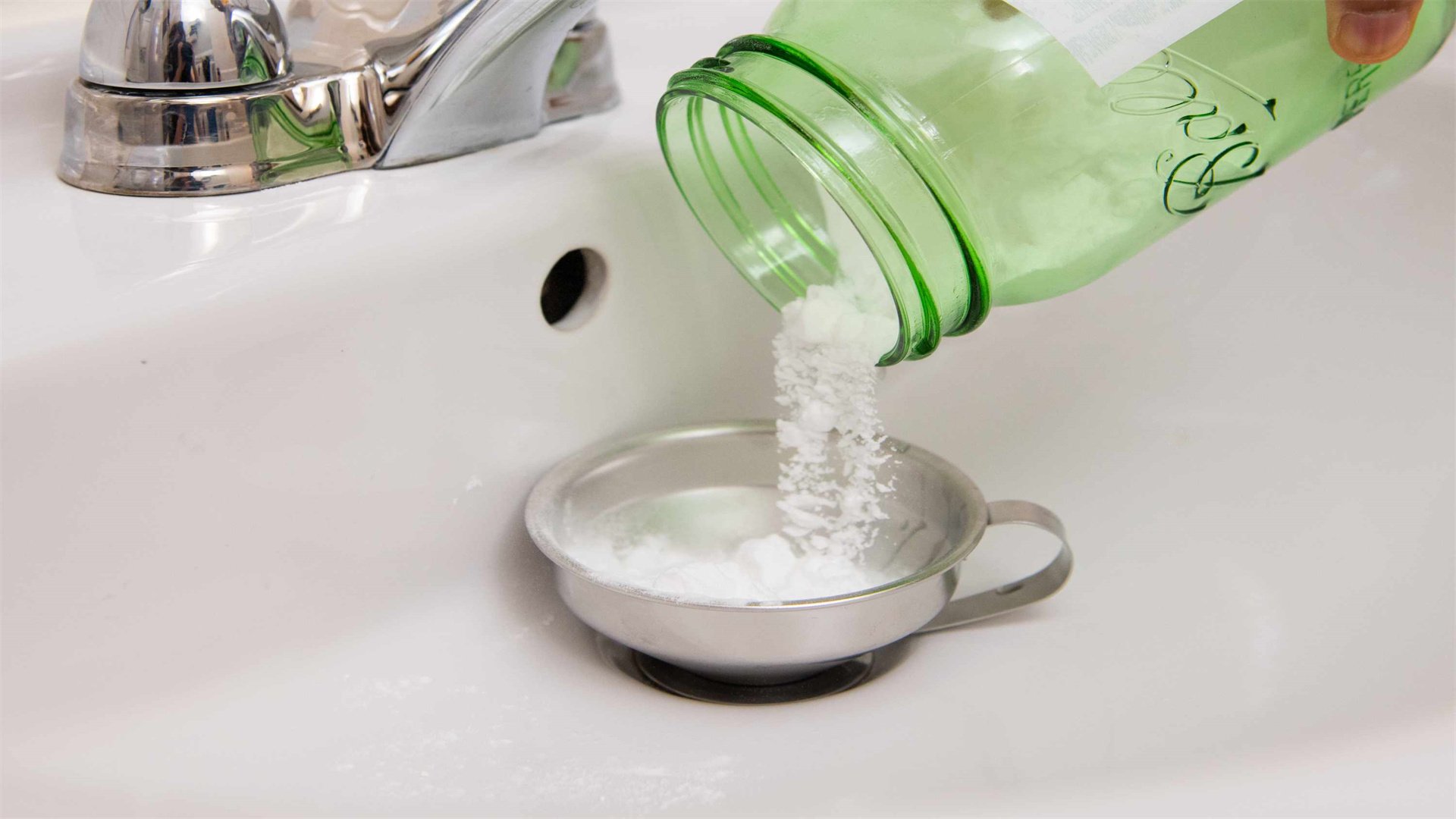
Pour 50g of baking soda directly into the drain hole and let it sit for 5 minutes to allow the powder to absorb the grease.

Step 4: Add Vinegar, Start the Reaction
Slowly pour the vinegar down the drain. Foaming and a hissing sound will immediately appear (this is a normal reaction).

Tip: You can temporarily cover the drain hole with a damp cloth to allow the air bubbles to work effectively in the pipes, enhancing cleaning power.

Step 5: Let it sit and rinse

Wait 1-2 hours to allow the acid-base reaction to completely break down the dirt.

Flush the pipes with plenty of hot water to remove any residue. If the water flow rate increases significantly, the cleaning was successful!


Advertisement
Advertisement
You May Have Missed
Removing ice cubes from the refrigerator only requires a plastic bottle.

Removing ice cubes from the refrigerator only requires a plastic bottle.

With improved living standards, almost every household now owns a refrigerator. Newer, frost-free refrigerators don't cause much of a problem with ice buildup. However, many people still use older models, which accumulate thick layers of frost over time.Once a thick layer of frost forms inside the refrigerator, it not only reduces the already limited space, but also makes vegetables and fruits more prone to rotting when placed next to the ice. Furthermore, the ice increases the refrigerator's energy consumption, thus raising electricity bills.When ice forms inside the refrigerator, many people will scrape it off with a spatula or knife. This is not only time-consuming and laborious, but it can also easily damage the coating inside the refrigerator.

Why shouldn't you rinse an iron wok with water right after cooking?

Why shouldn't you rinse an iron wok with water right after cooking?

Iron woks are a common tool for cooking in the home. Even though all kinds of pots and pans have appeared in our field of vision nowadays, iron woks are still the most popular.Because iron pots have stronger heat resistance, longer service life, and are rich in iron.While iron woks are excellent, there are many things to keep in mind when using them. We've noticed that some families maintain their iron woks exceptionally well, keeping them always shiny and lustrous.However, some families make their iron pots in a terrible state, full of rust and strange smells.

Food should be cooled down before being put in the refrigerator?

Food should be cooled down before being put in the refrigerator?

Is it better to put cold food in the refrigerator or serve it while it's still hot?In daily life, many people habitually stuff uneaten food, various fruits, and fresh produce into the refrigerator, believing it to be a safe and a surprisingly large container for food… But is that really the case? Let's find out!Leftovers are often stored in the refrigerator, a common occurrence in daily life. But should they be put in while still hot, or after they've cooled down? Most people would probably choose the latter, but I'm here to tell you: put them in while they're still hot! Below are three common misconceptions about refrigerator use; see if you have any of these little obsessions.

Microwave and Fan Troubleshooting: Quick DIY Fixes

Microwave and Fan Troubleshooting: Quick DIY Fixes

In today's fast-paced world, household appliances like microwaves and fans are essential for daily convenience. However, when these devices malfunction, it can disrupt your routine. Instead of immediately calling a professional, many common issues can be resolved with some basic DIY troubleshooting. This comprehensive guide will walk you through quick and effective fixes for both microwaves and fans, saving you time and money. We'll cover common problems, step-by-step repair methods, and safety tips to ensure you handle these appliances confidently. By following this guide, you can extend the lifespan of your devices and maintain a smoothly running home.