Mastering the Art of Homemade Soups and Stews
Homemade soups and stews are the heart of comfort food, offering warmth, nutrition, and endless versatility. Whether you're a beginner or an experienced cook, mastering these 31 simple techniques will elevate your culinary skills, allowing you to create delicious, restaurant-quality dishes in your own kitchen. This guide delves into essential methods, from building flavorful bases to perfecting textures, with detailed recipes and tips. By focusing on soups and stews, we'll explore foundational cooking principles that apply to a wide range of dishes. Let's dive in and transform your home cooking!
🥣 Making Homemade Stock: The Foundation of Flavor
Description
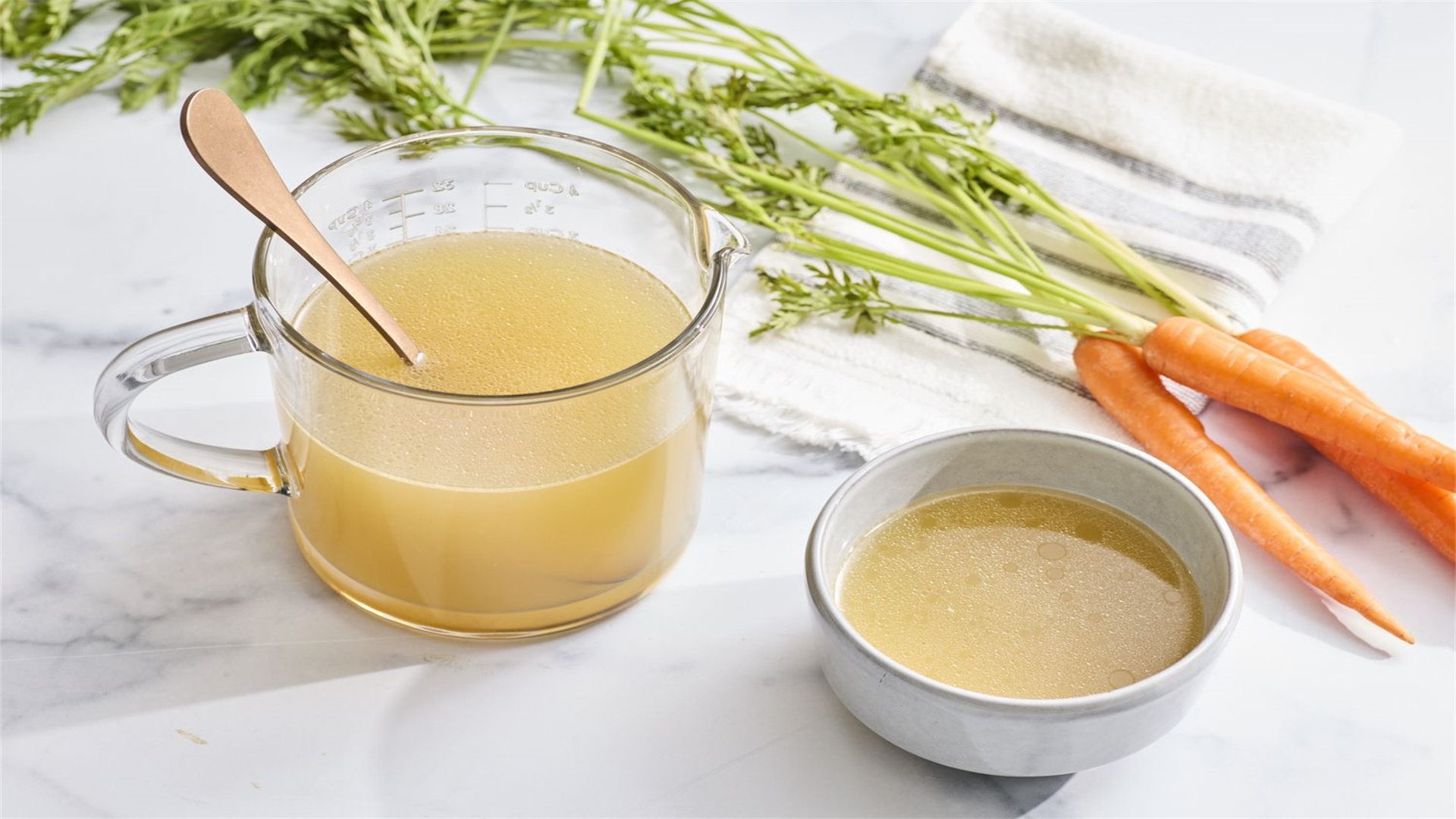
Homemade stock is the secret to rich, deep flavors in soups and stews. Unlike store-bought versions, it allows you to control ingredients and avoid additives. Start by saving vegetable trimmings, meat bones, or poultry carcasses in the freezer. For a classic chicken stock, use a whole chicken or bones, along with aromatics like onions, carrots, celery, and herbs. Simmer gently for several hours to extract maximum flavor. This technique enhances the taste of any soup base, from broths to creamy concoctions.
Example Recipe: Classic Chicken Stock
This versatile stock forms the base for countless soups, such as chicken noodle or vegetable soup. It's easy to make in large batches and freeze for later use.
Ingredients
- 2 pounds chicken bones (e.g., from a roasted chicken or raw backs and necks)
- 1 large onion, roughly chopped
- 2 carrots, peeled and chopped
- 3 celery stalks, chopped
- 4 cloves garlic, smashed
- 1 bay leaf
- 1 teaspoon black peppercorns
- 2 sprigs fresh thyme
- 10 cups cold water
- Salt to taste (added after cooking)
Steps
- Place chicken bones in a large stockpot. If using raw bones, roast them in an oven at 400°F for 30 minutes to deepen flavor.
- Add onions, carrots, celery, garlic, bay leaf, peppercorns, and thyme to the pot.
- Pour in cold water, ensuring ingredients are fully submerged.
- Bring to a gentle boil over medium-high heat, then reduce to a low simmer. Skim off any foam that rises to the surface.
- Simmer uncovered for 4-6 hours, occasionally skimming impurities. Avoid boiling vigorously to keep the stock clear.
- Strain the stock through a fine-mesh sieve into a large bowl, discarding solids. Let cool, then refrigerate. Remove solidified fat before use. Season with salt as needed.
Tip
For a vegetarian version, omit chicken and use mushrooms or extra vegetables. Simmer for 2-3 hours.

🧅 Sweating Vegetables: Building Aromatic Bases
Description
Sweating vegetables involves cooking them slowly in fat (like oil or butter) over low heat until they soften and release moisture, without browning. This technique develops sweetness and depth, forming the foundation for soups like minestrone or stews like beef bourguignon. Key vegetables include onions, carrots, and celery—often called a mirepoix. Patience is crucial; rush this step, and you'll miss out on complex flavors.
Example Recipe: French Onion Soup Base
This soup relies on perfectly sweated onions caramelized to a deep brown, creating a rich, savory broth. Mastering sweating leads to a luxurious texture.
Ingredients
- 4 large yellow onions, thinly sliced
- 3 tablespoons unsalted butter
- 1 tablespoon olive oil
- 1 teaspoon sugar
- 1 teaspoon salt
- 4 cups beef stock (homemade or store-bought)
- 1 cup dry white wine
- 2 sprigs thyme
- 1 bay leaf
- Black pepper to taste
Steps
- In a heavy-bottomed pot, melt butter and olive oil over medium-low heat.
- Add sliced onions, sugar, and salt. Stir to coat.
- Cook slowly for 40-50 minutes, stirring occasionally, until onions are soft, golden, and caramelized. Avoid high heat to prevent burning.
- Increase heat to medium, add white wine, and simmer for 5 minutes to deglaze the pot.
- Pour in beef stock, add thyme and bay leaf. Bring to a simmer and cook for 20 minutes. Season with black pepper. Serve with toasted bread and melted cheese.
Tip
Use a wide pot to ensure even cooking. For a quicker version, cook onions over medium heat, but watch closely to avoid scorching.
🥩 Browning Meat: Enhancing Depth and Color
Description
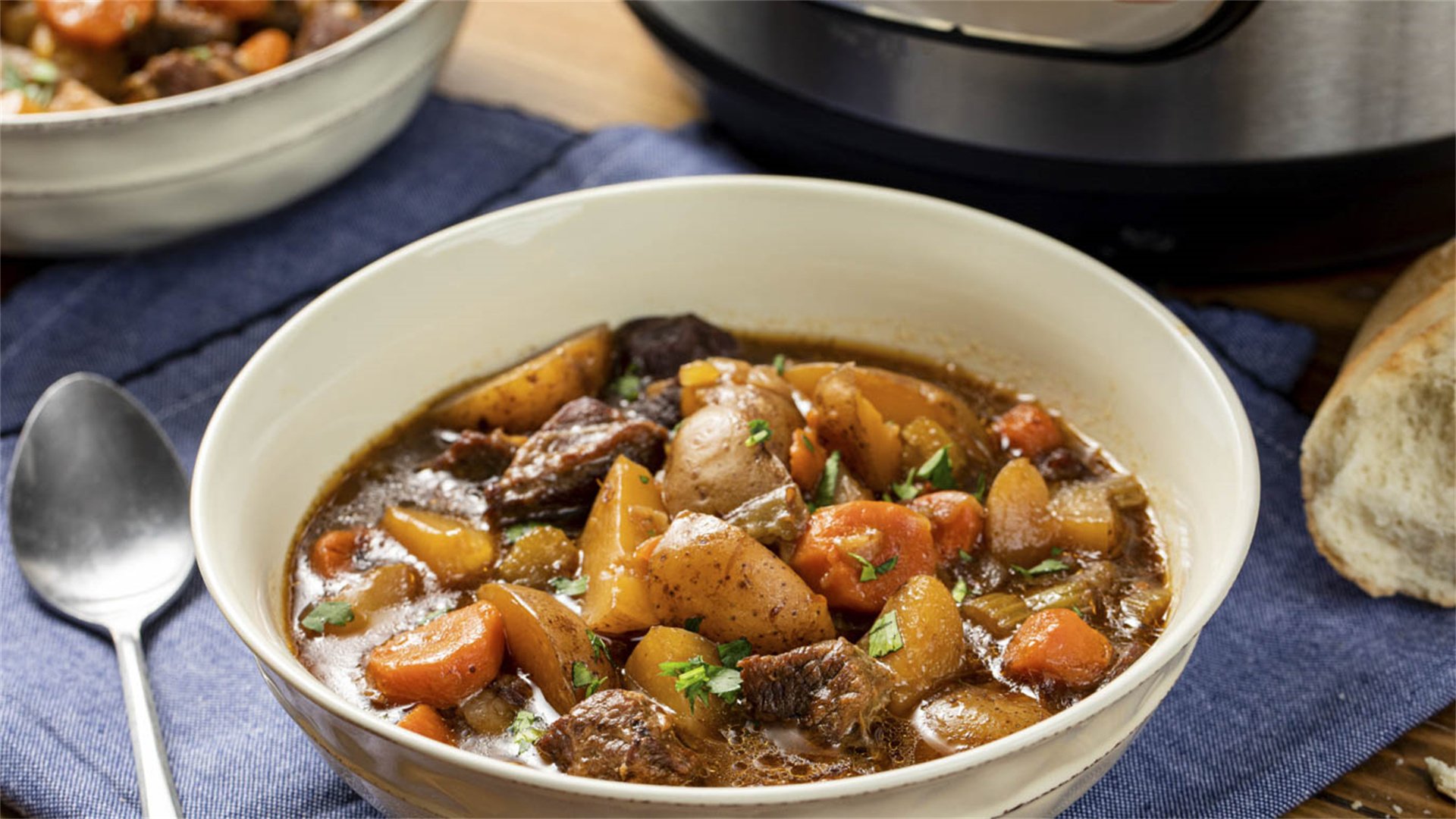
Browning meat—also known as the Maillard reaction—creates a flavorful crust that adds complexity to stews and soups. This technique involves searing meat in hot oil until browned on all sides, locking in juices and developing a rich taste. It's essential for dishes like beef stew or chili. Always pat meat dry before browning to ensure a good sear, and avoid overcrowding the pan, which can lead to steaming instead of browning.
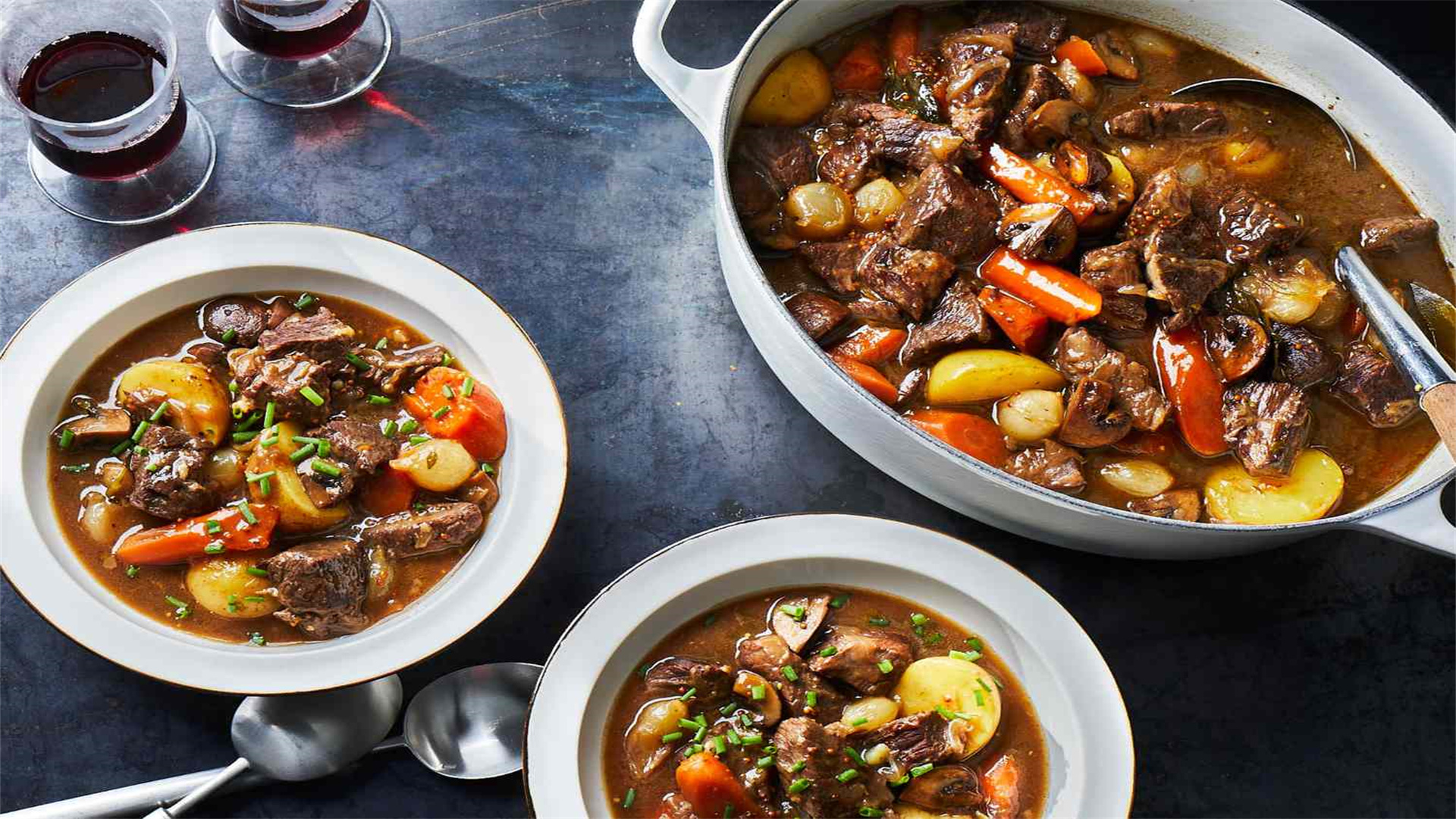
Example Recipe: Hearty Beef Stew
This classic stew features tender beef chunks browned to perfection, simmered with vegetables in a savory broth. Browning the meat first ensures a robust flavor.
Ingredients
- 2 pounds beef chuck, cut into 1-inch cubes
- 2 tablespoons all-purpose flour
- 1 teaspoon salt
- 1/2 teaspoon black pepper
- 2 tablespoons vegetable oil
- 1 onion, chopped
- 3 carrots, peeled and sliced
- 2 celery stalks, sliced
- 3 cloves garlic, minced
- 4 cups beef stock
- 1 cup red wine (optional)
- 2 potatoes, peeled and cubed
- 2 sprigs rosemary
- 2 bay leaves
Steps
- Pat beef cubes dry with paper towels. In a bowl, toss beef with flour, salt, and pepper.
- Heat oil in a large Dutch oven over medium-high heat. Add beef in batches, browning on all sides for 3-4 minutes per batch. Remove and set aside.
- In the same pot, add onion, carrots, and celery. Cook for 5-7 minutes until softened.
- Add garlic and cook for 1 minute. Pour in red wine to deglaze, scraping up browned bits.
- Return beef to the pot. Add beef stock, potatoes, rosemary, and bay leaves. Bring to a boil, then reduce to a simmer. Cover and cook for 2-3 hours until beef is tender. Adjust seasoning before serving.
Tip
For a thicker stew, mix 1 tablespoon cornstarch with 2 tablespoons water and stir in during the last 10 minutes of cooking.
🌿 Using Herbs and Spices: Layering Flavors
Description
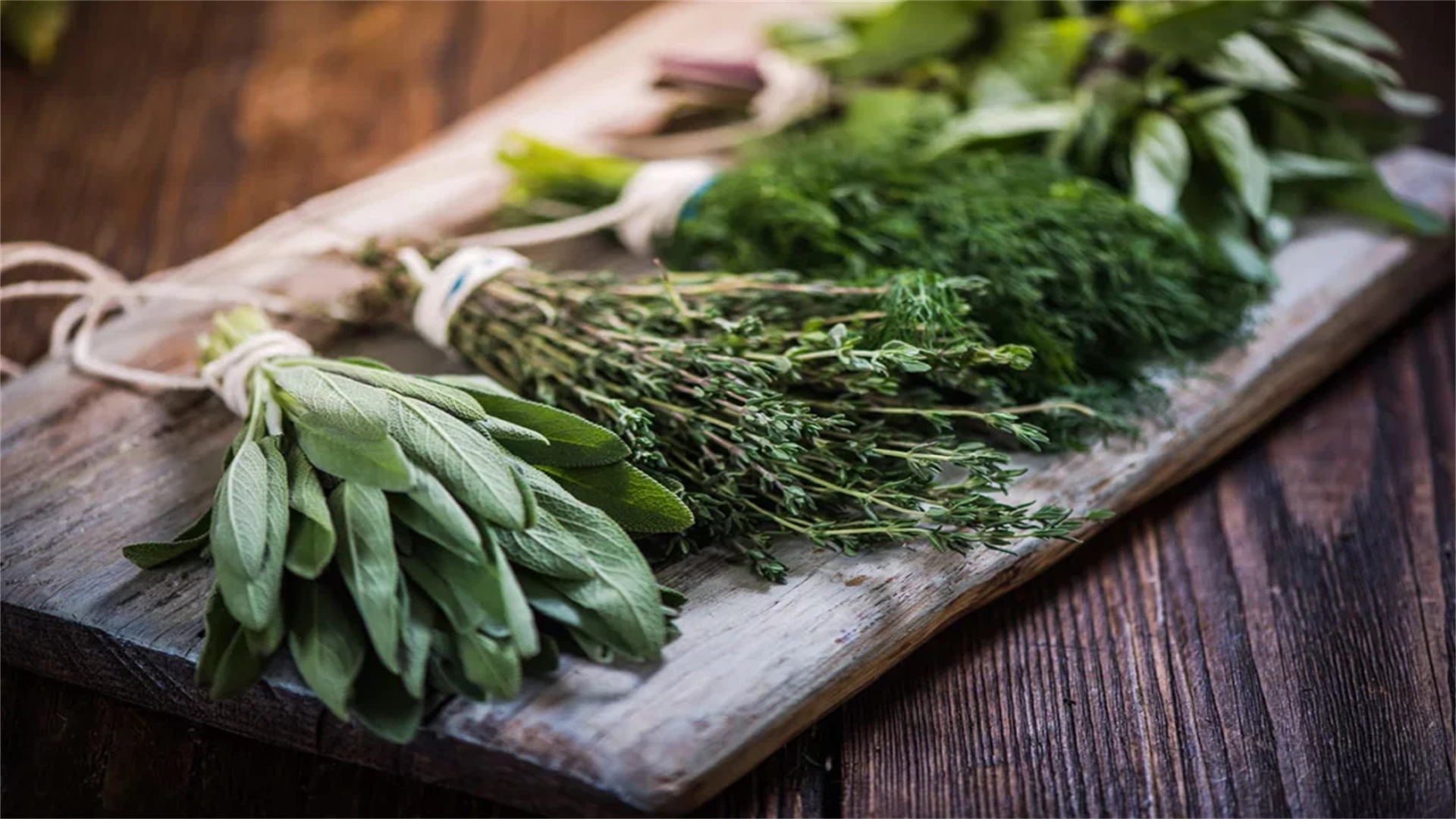
Herbs and spices transform simple soups and stews into aromatic masterpieces. Fresh herbs like thyme, rosemary, and parsley add brightness, while dried spices like cumin, paprika, or turmeric provide depth. Add hardy herbs early in cooking to infuse flavor, and delicate herbs at the end to preserve their freshness. Toasting spices before use enhances their oils and potency, as seen in curries or Moroccan stews.
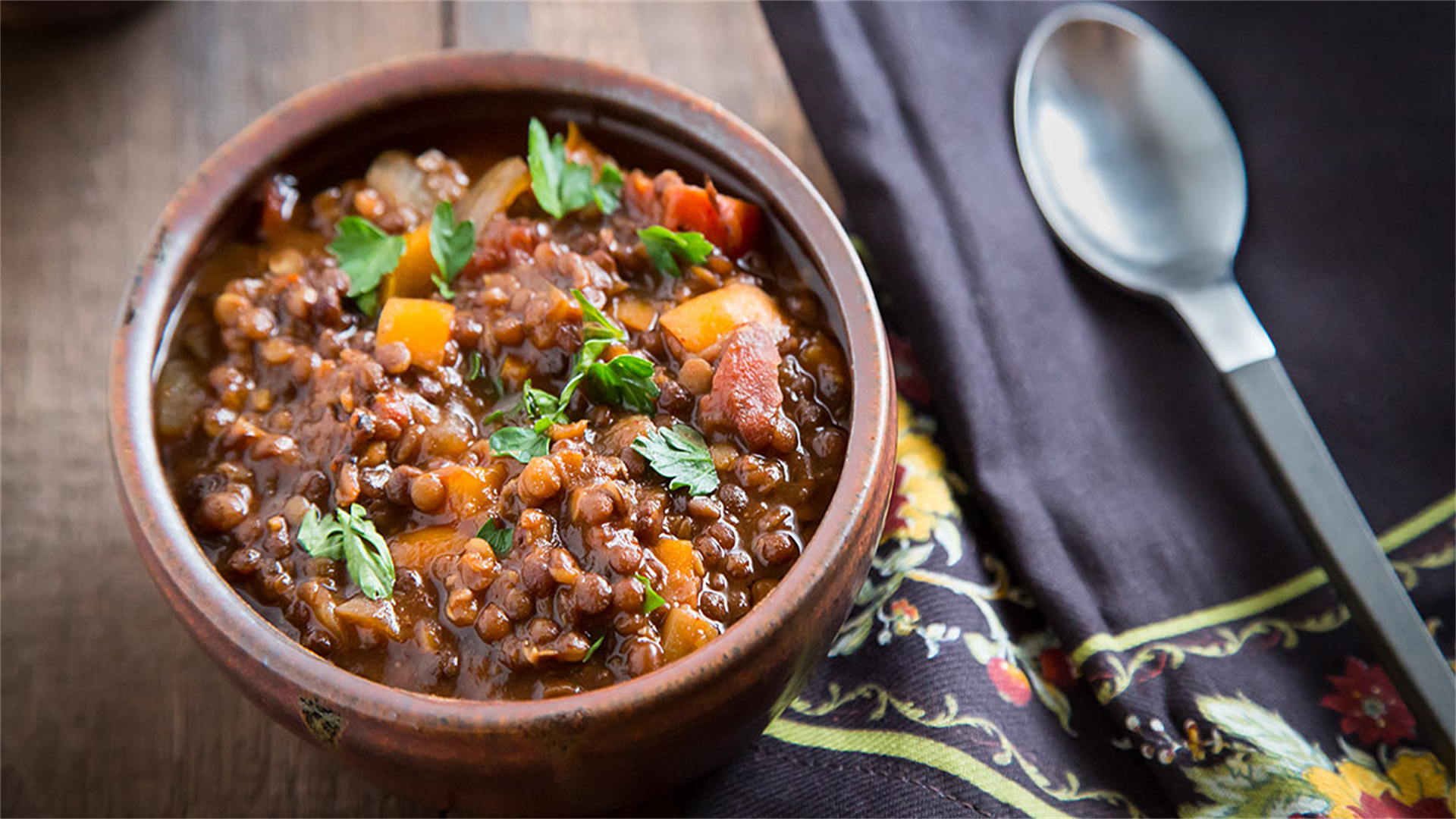
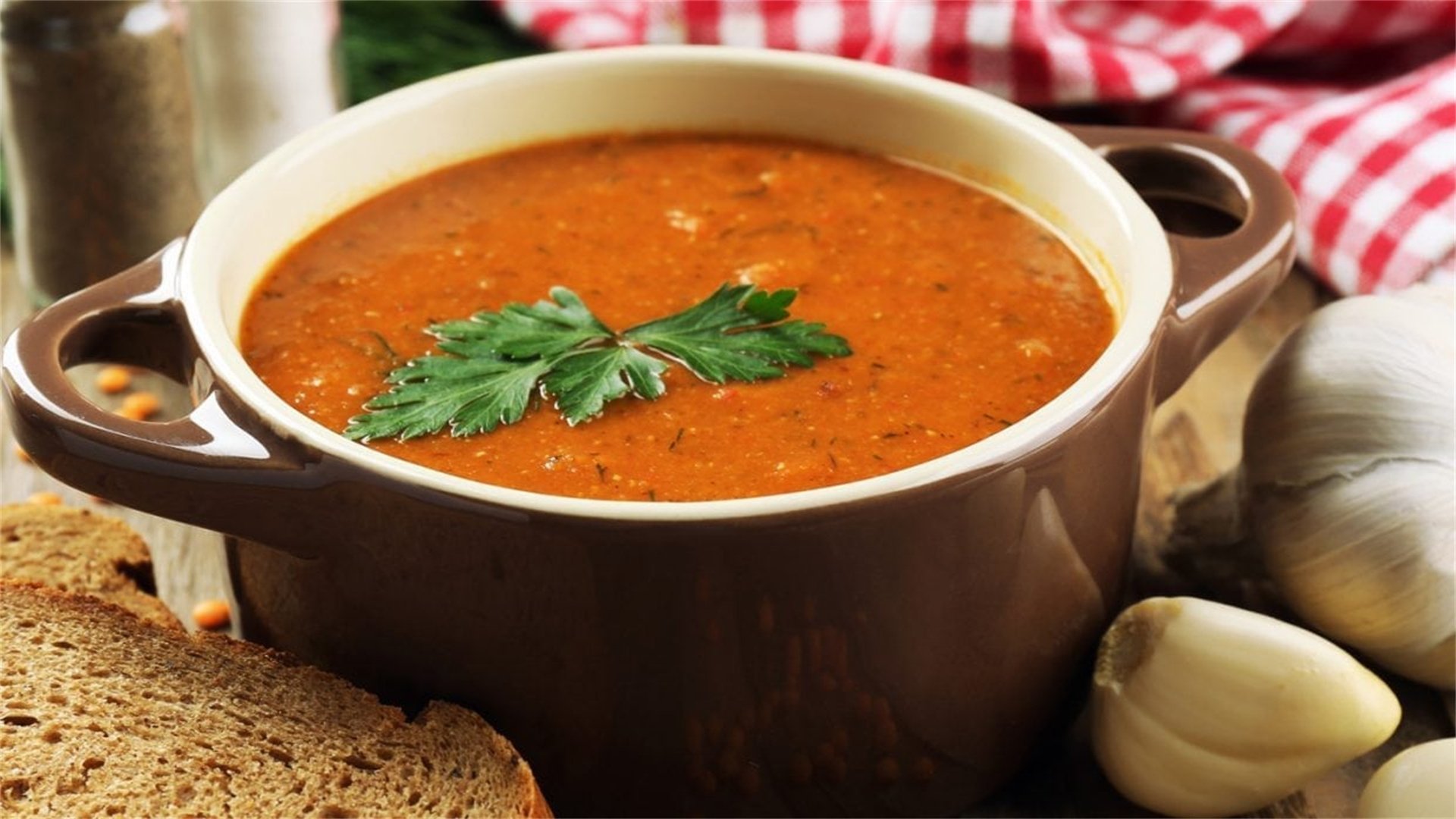
Example Recipe: Spicy Lentil Soup
This vegetarian soup uses a blend of toasted spices to create a warm, inviting dish. It's packed with protein and flavor, perfect for a healthy meal.
Ingredients
- 1 cup brown lentils, rinsed
- 1 tablespoon olive oil
- 1 onion, diced
- 2 carrots, diced
- 2 teaspoons ground cumin
- 1 teaspoon ground coriander
- 1/2 teaspoon smoked paprika
- 1/4 teaspoon cayenne pepper (adjust to taste)
- 4 cups vegetable stock
- 1 can (14 oz) diced tomatoes
- 1 teaspoon salt
- Fresh cilantro for garnish
- Lemon wedges for serving
Steps
- Heat olive oil in a large pot over medium heat. Add onion and carrots, cooking for 5-7 minutes until soft.
- Add cumin, coriander, smoked paprika, and cayenne. Toast for 1 minute until fragrant.
- Stir in lentils, vegetable stock, diced tomatoes, and salt. Bring to a boil, then reduce to a simmer.
- Cover and cook for 30-40 minutes until lentils are tender. Adjust seasoning with salt and pepper.
- Serve hot, garnished with fresh cilantro and a squeeze of lemon juice.
Tip
For a creamier texture, blend half the soup with an immersion blender before serving.

🥘 Controlling Liquid Ratios: Achieving Perfect Consistency
Description
The ratio of liquid to solids determines whether your soup is brothy or thick, or your stew is hearty or watery. For soups, a general rule is 4 cups liquid to 2 cups solids, but adjust based on ingredients like pasta or beans that absorb liquid. Stews typically have less liquid, cooked slowly to reduce and concentrate flavors. Use stock, water, or dairy, and always taste as you go to balance consistency.
Example Recipe: Creamy Potato Leek Soup
This silky soup relies on precise liquid control for a smooth, velvety texture. It's a classic French dish that highlights simple ingredients.
Ingredients
- 3 large leeks, white and light green parts only, sliced
- 2 tablespoons butter
- 4 cups potatoes, peeled and diced (about 4 medium potatoes)
- 4 cups chicken or vegetable stock
- 1 cup heavy cream
- Salt and white pepper to taste
- Chives for garnish
Steps
- Clean leeks thoroughly to remove dirt. Slice thinly.
- In a large pot, melt butter over medium heat. Add leeks and cook for 10 minutes until soft but not browned.
- Add potatoes and stock. Bring to a boil, then reduce to a simmer. Cook for 20-25 minutes until potatoes are tender.
- Use an immersion blender to puree the soup until smooth. Alternatively, blend in batches in a countertop blender.
- Stir in heavy cream and heat gently. Season with salt and white pepper. Serve hot, garnished with chives.
Tip
If the soup is too thick, add more stock. For a lighter version, substitute milk for cream.
🕰️ Slow Simmering: Developing Rich Flavors
Description
Slow simmering is a gentle cooking method that allows flavors to meld and ingredients to tenderize over time. It's ideal for tough cuts of meat or legumes in stews. Maintain a low heat where small bubbles occasionally break the surface; boiling can make meat tough and cloud broths. This technique is key for dishes like bean stews or long-cooked soups, where patience yields a deeply satisfying result.
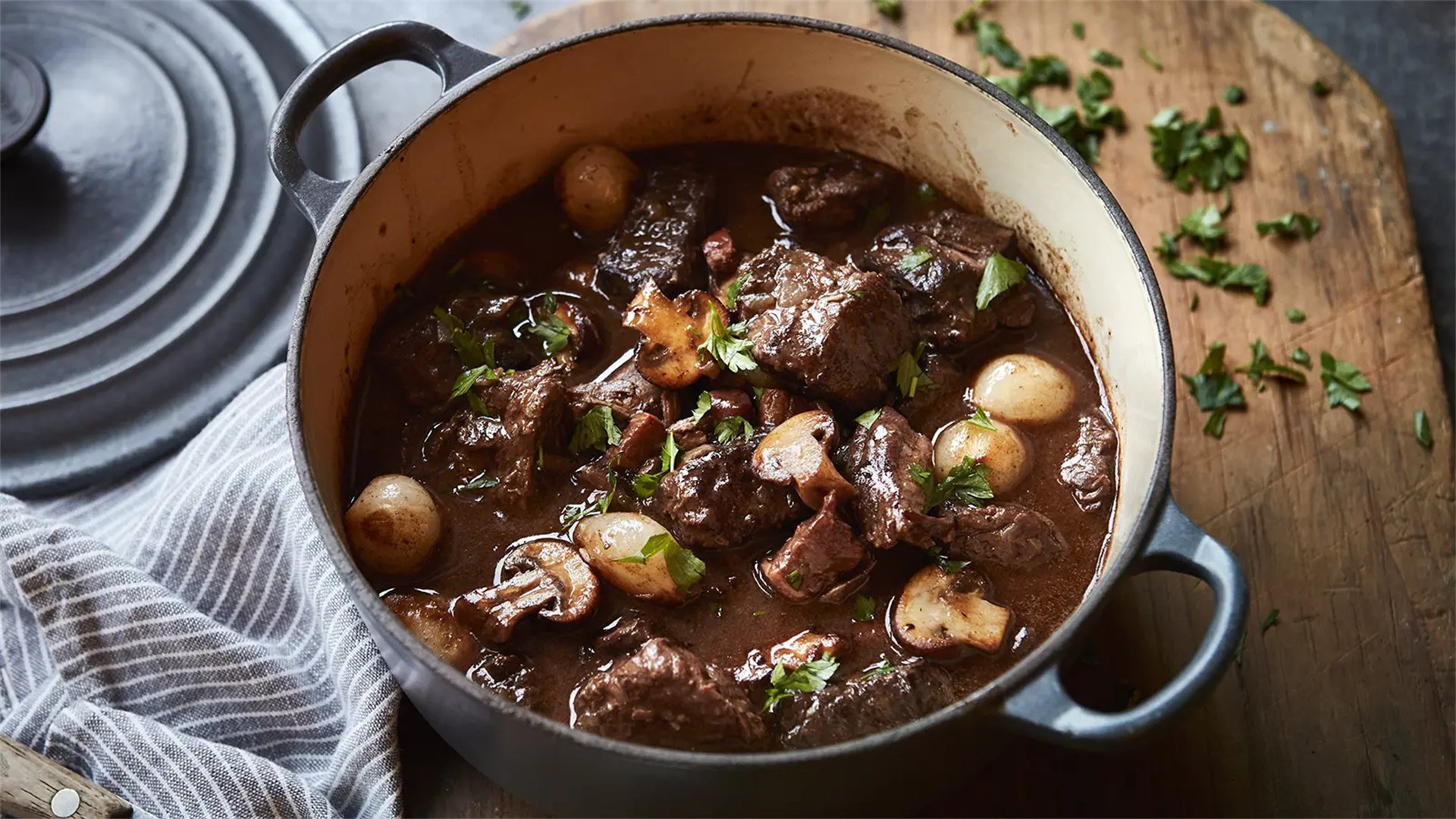
Example Recipe: Traditional Beef Bourguignon
This French stew exemplifies slow simmering, with beef braised in red wine until fall-apart tender. It's a luxurious dish perfect for special occasions.
Ingredients
- 3 pounds beef chuck, cut into 2-inch cubes
- 6 slices bacon, chopped
- 1 onion, chopped
- 2 carrots, sliced
- 3 cloves garlic, minced
- 2 tablespoons tomato paste
- 3 cups red wine (e.g., Burgundy)
- 2 cups beef stock
- 1 bouquet garni (thyme, parsley, bay leaf tied together)
- 1 pound mushrooms, quartered
- 20 pearl onions, peeled
- 2 tablespoons butter
- Salt and pepper to taste
Steps
- Preheat oven to 325°F. Pat beef dry and season with salt and pepper.
- In a large Dutch oven, cook bacon over medium heat until crispy. Remove and set aside.
- Brown beef in batches in bacon fat, removing each batch. Add onion and carrots, cooking until soft.
- Stir in garlic and tomato paste, cooking for 1 minute. Pour in red wine and beef stock, scraping up browned bits.
- Return beef and bacon to the pot. Add bouquet garni. Bring to a simmer, then cover and transfer to the oven. Cook for 3 hours until beef is tender.
- In a skillet, melt butter and sauté mushrooms and pearl onions until golden. Stir into stew before serving. Remove bouquet garni and adjust seasoning.
Tip
For best results, make this stew a day ahead to allow flavors to develop further.

⚡ Quick Boiling: Fast and Fresh Soups
Description
Quick boiling involves cooking ingredients rapidly in a flavorful broth, preserving their texture and nutrients. This technique is perfect for light soups like vegetable noodle or seafood chowder, where overcooking can ruin delicate ingredients. Use high heat and add components in stages: start with aromatics, then harder vegetables, and finally tender items like greens or seafood. It's a time-saving method for weeknight meals.
Example Recipe: Asian-Inspired Chicken Noodle Soup
This soup cooks quickly, featuring fresh vegetables, chicken, and noodles in a ginger-infused broth. It's a comforting yet speedy dish.
Ingredients
- 6 cups chicken stock
- 2 chicken breasts, sliced thinly
- 1 tablespoon soy sauce
- 1 tablespoon grated ginger
- 2 cloves garlic, minced
- 1 carrot, julienned
- 1 bell pepper, sliced
- 4 oz rice noodles
- 2 cups bok choy, chopped
- 2 green onions, sliced
- 1 lime, juiced
- Fresh cilantro for garnish
Steps
- In a large pot, bring chicken stock to a boil over high heat.
- Add chicken slices, soy sauce, ginger, and garlic. Simmer for 5 minutes until chicken is cooked through.
- Add carrot and bell pepper, cooking for 3 minutes.
- Stir in rice noodles and bok choy. Cook for 2-3 minutes until noodles are tender.
- Remove from heat. Stir in lime juice and green onions. Serve hot, garnished with cilantro.
Tip
For extra flavor, add a dash of sesame oil or chili paste before serving.

🌀 Blending Techniques: Creating Smooth Textures
Description
Blending transforms chunky soups into velvety purees, adding elegance and variety. Use an immersion blender for convenience or a countertop blender for ultra-smooth results. Always blend in batches if using a blender to avoid hot liquid explosions. This technique is essential for cream-based soups like butternut squash or tomato bisque. For a chunkier texture, blend only half the soup.
Example Recipe: Roasted Butternut Squash Soup
This autumnal soup highlights blending to achieve a creamy consistency without dairy. Roasting the squash first intensifies its sweetness.
Ingredients
- 1 large butternut squash, peeled and cubed
- 1 onion, chopped
- 2 tablespoons olive oil
- 4 cups vegetable stock
- 1 teaspoon maple syrup
- 1/2 teaspoon ground nutmeg
- Salt and pepper to taste
- Toasted pumpkin seeds for garnish
Steps
- Preheat oven to 400°F. Toss butternut squash and onion with olive oil on a baking sheet. Roast for 30 minutes until tender and caramelized.
- Transfer roasted vegetables to a large pot. Add vegetable stock, maple syrup, and nutmeg.
- Bring to a simmer and cook for 10 minutes. Use an immersion blender to puree until smooth.
- Season with salt and pepper. Serve hot, garnished with pumpkin seeds.
Tip
For a richer soup, stir in 1/2 cup coconut milk before serving.

🥣 Thickening Soups and Stews: Methods Beyond Flour
Description
Thickening adds body to soups and stews, making them more satisfying. Common methods include roux (flour and fat), cornstarch slurry, pureeing vegetables, or adding grains like rice or barley. Roux is classic for creamy soups, while cornstarch works quickly for clear broths. For healthier options, blend cooked potatoes or beans into the liquid. Always thicken gradually to avoid over-thickening.
Example Recipe: Chicken and Corn Chowder
This chowder uses a roux to create a thick, creamy base, complemented by sweet corn and tender chicken. It's a hearty one-pot meal.
Ingredients
- 4 slices bacon, chopped
- 1 onion, diced
- 2 tablespoons all-purpose flour
- 4 cups chicken stock
- 2 cups potatoes, diced
- 2 cups cooked chicken, shredded
- 2 cups corn kernels (fresh or frozen)
- 1 cup heavy cream
- Salt and pepper to taste
- Fresh parsley for garnish
Steps
- In a large pot, cook bacon over medium heat until crispy. Remove and set aside, leaving fat in the pot.
- Add onion and cook until soft. Sprinkle flour over onions and stir for 1-2 minutes to make a roux.
- Gradually whisk in chicken stock until smooth. Add potatoes and bring to a simmer. Cook for 15 minutes until potatoes are tender.
- Stir in chicken, corn, and heavy cream. Heat through without boiling. Season with salt and pepper.
- Serve hot, topped with crispy bacon and parsley.
Tip
For a lighter version, use milk instead of cream and add extra potatoes for thickness.

🌱 Lightening Soups: Reducing Calories Without Sacrificing Flavor
Description
Lightening soups involves techniques like using vegetable purees instead of cream, skimming fat from stocks, or incorporating acidic elements like lemon juice. This approach maintains richness while making dishes healthier. For example, replace heavy cream with pureed cauliflower in creamy soups, or use yogurt as a garnish. These methods are perfect for those watching calories or dietary preferences.
Example Recipe: Cauliflower "Cream" Soup
This soup mimics the texture of creamy soups using pureed cauliflower, resulting in a low-calorie, nutrient-packed dish. It's vegan-friendly and delicious.
Ingredients
- 1 head cauliflower, cut into florets
- 1 onion, chopped
- 2 cloves garlic, minced
- 4 cups vegetable stock
- 1 teaspoon turmeric
- Salt and pepper to taste
- Fresh chives for garnish
- 1 tablespoon olive oil
Steps
- Heat olive oil in a large pot over medium heat. Add onion and garlic, cooking until soft.
- Add cauliflower florets, vegetable stock, and turmeric. Bring to a boil, then reduce to a simmer. Cook for 20 minutes until cauliflower is tender.
- Use an immersion blender to puree until smooth. Season with salt and pepper.
- Serve hot, garnished with fresh chives.
Tip
For extra flavor, roast the cauliflower with olive oil and garlic before adding to the pot.
🧊 Storing and Freezing: Preserving Freshness
Description
Proper storage extends the life of soups and stews, making meal prep easier. Cool leftovers quickly to room temperature before refrigerating in airtight containers for up to 4 days. For freezing, use freezer-safe bags or containers, leaving headspace for expansion. Label with dates and contents. Thaw overnight in the refrigerator and reheat gently. This technique is ideal for batch cooking, ensuring you always have a homemade meal on hand.
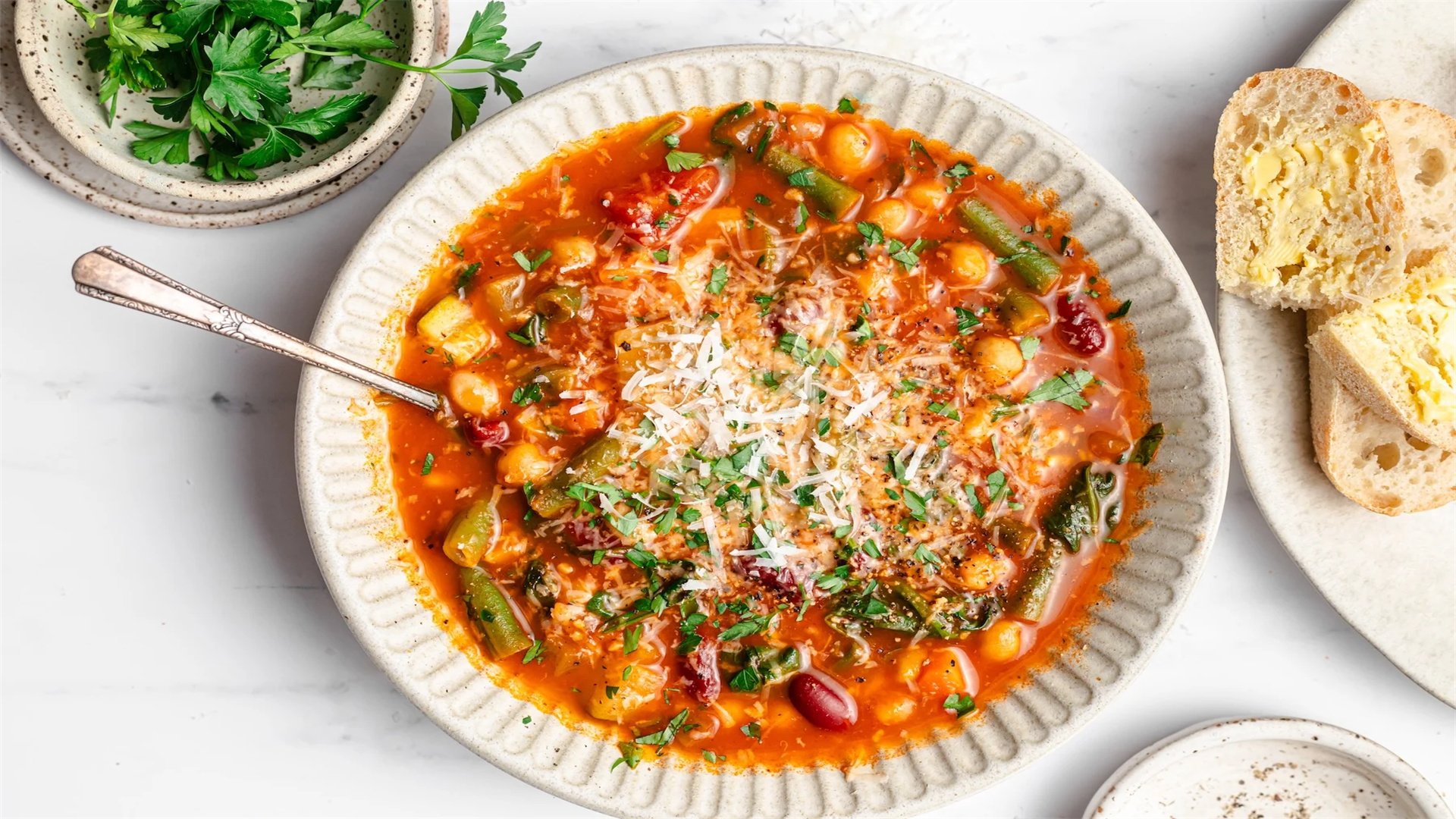
Example Recipe: Freezer-Friendly Minestrone
This vegetable-packed soup freezes beautifully, retaining its texture and flavor. It's a versatile recipe that you can customize with seasonal produce.
Ingredients
- 2 tablespoons olive oil
- 1 onion, diced
- 2 carrots, diced
- 2 celery stalks, diced
- 3 cloves garlic, minced
- 6 cups vegetable stock
- 1 can (14 oz) diced tomatoes
- 1 cup green beans, chopped
- 1 zucchini, diced
- 1 cup canned kidney beans, rinsed
- 1 cup small pasta (e.g., ditalini)
- 1 teaspoon dried oregano
- Salt and pepper to taste
- Fresh basil for garnish
Steps
- Heat olive oil in a large pot over medium heat. Add onion, carrots, and celery, cooking for 5-7 minutes until soft.
- Add garlic and cook for 1 minute. Pour in vegetable stock and diced tomatoes. Bring to a boil.
- Stir in green beans, zucchini, kidney beans, oregano, salt, and pepper. Simmer for 20 minutes.
- Add pasta and cook for 10 minutes until tender. Adjust seasoning.
- Cool completely before transferring to freezer containers. To serve, thaw and reheat on the stove, adding fresh basil.
Tip
For best freezing results, undercook the pasta slightly to prevent mushiness upon reheating.
♻️ Repurposing Leftovers: Creative Soup Transformations
Description
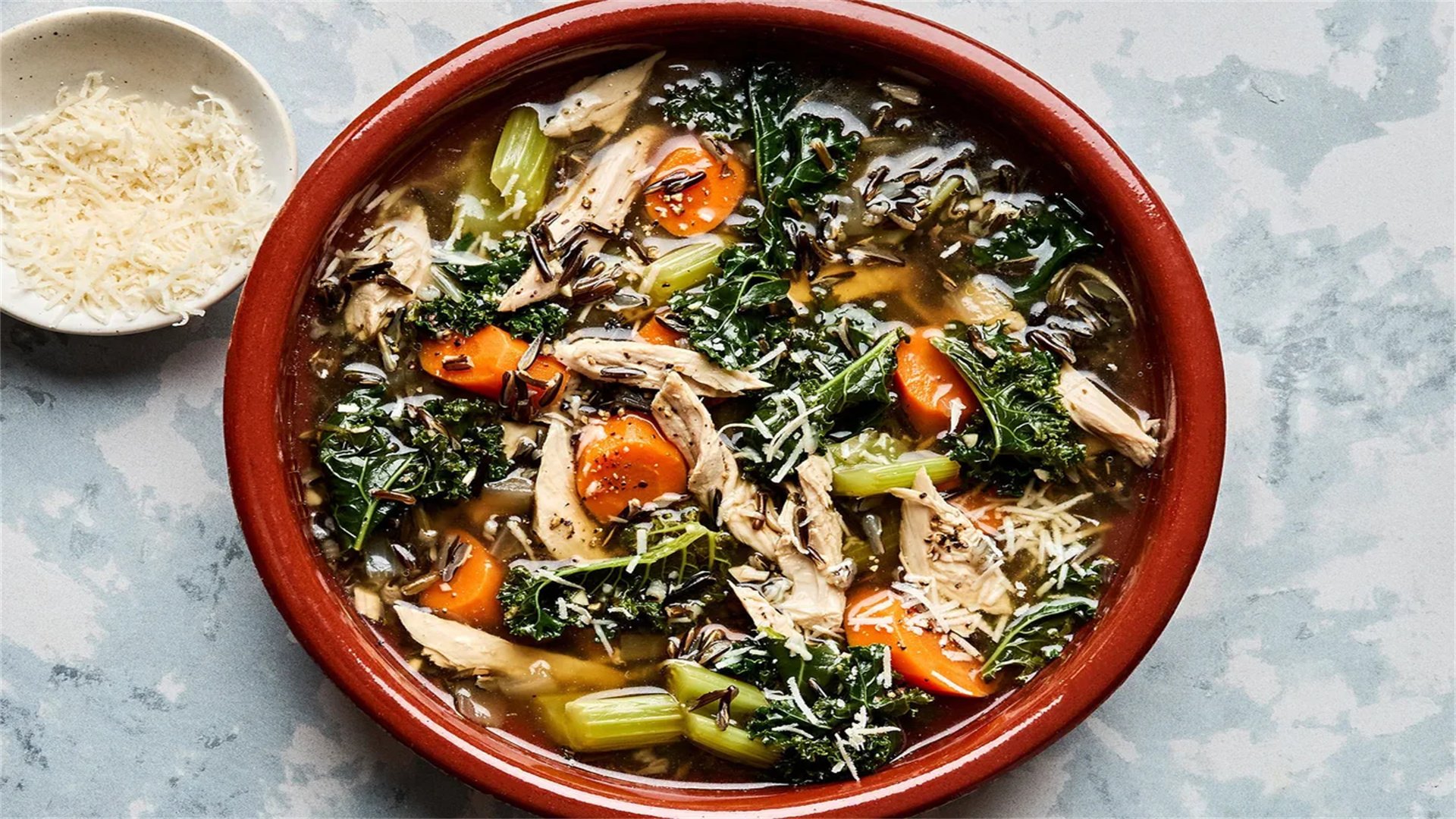
Leftovers can be transformed into new soups and stews, reducing waste and saving time. Use roasted vegetables, cooked meats, or grains as bases. For example, turn leftover roast chicken into chicken tortilla soup, or mashed potatoes into potato leek soup. Combine with broth and aromatics, and simmer until heated through. This technique encourages creativity and resourcefulness in the kitchen.
Example Recipe: Leftover Turkey and Rice Soup
After a holiday feast, this soup makes excellent use of leftover turkey and rice. It's comforting and easy to prepare with minimal effort.
Ingredients
- 2 tablespoons butter
- 1 onion, chopped
- 2 carrots, sliced
- 2 celery stalks, sliced
- 6 cups turkey or chicken stock
- 2 cups cooked turkey, shredded
- 1 cup cooked rice
- 1 teaspoon dried thyme
- Salt and pepper to taste
- Fresh parsley for garnish
Steps
- In a large pot, melt butter over medium heat. Add onion, carrots, and celery, cooking until soft.
- Pour in stock and bring to a simmer. Add turkey, rice, and thyme. Cook for 10-15 minutes until heated through.
- Season with salt and pepper. Serve hot, garnished with parsley.
Tip
Add a splash of lemon juice or hot sauce for a flavor boost.

🥛 Making Cream-Based Soups: Balancing Richness
Description
Cream-based soups, like bisques or chowders, rely on dairy for luxurious texture. Techniques include tempering cream to prevent curdling, using a roux for thickness, or adding cream at the end of cooking. For a smoother result, blend the soup before adding cream. Always use full-fat cream for best flavor, but half-and-half can be substituted for a lighter touch. This method elevates simple ingredients into indulgent dishes.
Example Recipe: Classic Tomato Bisque
This soup combines roasted tomatoes with cream for a velvety, rich flavor. It's a comforting classic that pairs perfectly with grilled cheese.
Ingredients
- 2 pounds tomatoes, halved
- 1 onion, chopped
- 4 cloves garlic, peeled
- 2 tablespoons olive oil
- 4 cups vegetable stock
- 1/2 cup heavy cream
- 1 teaspoon sugar
- Salt and pepper to taste
- Fresh basil for garnish
Steps
- Preheat oven to 400°F. Toss tomatoes, onion, and garlic with olive oil on a baking sheet. Roast for 30 minutes until caramelized.
- Transfer roasted vegetables to a pot. Add vegetable stock and sugar. Simmer for 15 minutes.
- Use an immersion blender to puree until smooth. Stir in heavy cream and heat gently without boiling.
- Season with salt and pepper. Serve hot, garnished with basil.
Tip
For a dairy-free version, use coconut milk instead of cream.
🍲 Crafting Clear Broths: Clarity and Purity
Description
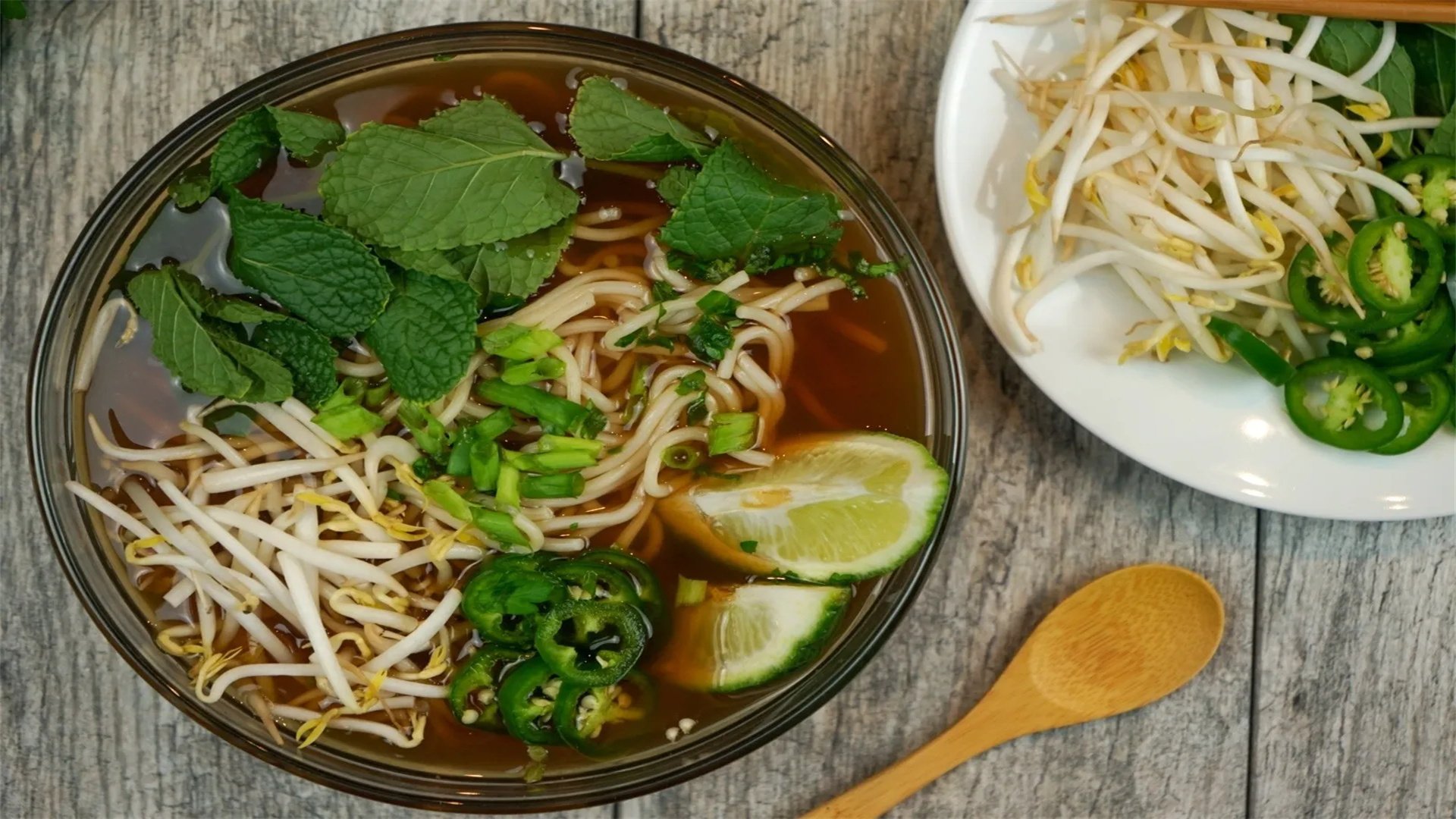
Clear broths, such as consommé or pho base, require careful techniques to remove impurities and achieve transparency. Start with a well-skimmed stock, and use egg whites or ground meat to clarify by trapping particles. Simmer gently and strain through cheesecloth. This process results in a pristine, flavorful broth that highlights delicate ingredients. It's a skill that showcases attention to detail.
Example Recipe: Vietnamese Pho Broth
This aromatic broth is the star of pho, a Vietnamese noodle soup. It involves simmering beef bones with spices for hours, then clarifying for a clear finish.
Ingredients
- 5 pounds beef bones (marrow and knuckle)
- 2 onions, halved
- 1 piece ginger, sliced
- 5 star anise pods
- 3 cinnamon sticks
- 5 cloves
- 1 tablespoon coriander seeds
- 1/4 cup fish sauce
- 1 tablespoon sugar
- Salt to taste
- Rice noodles, beef slices, and herbs for serving
Steps
- Preheat oven to 425°F. Roast beef bones, onions, and ginger on a baking sheet for 30 minutes until browned.
- Transfer bones and vegetables to a large stockpot. Add spices (star anise, cinnamon, cloves, coriander) and cover with water (about 6 quarts).
- Bring to a boil, then reduce to a low simmer. Skim off foam regularly. Simmer for 6-8 hours, adding water as needed.
- Strain broth through cheesecloth into a clean pot. Stir in fish sauce, sugar, and salt. Clarify by simmering with egg whites if desired.
- Serve hot over cooked rice noodles and thinly sliced beef, with herbs and lime on the side.
Tip
For a shortcut, use store-bought beef broth and simmer with spices for 1 hour.
🍖 Braising for Stews: Low and Slow Cooking
Description
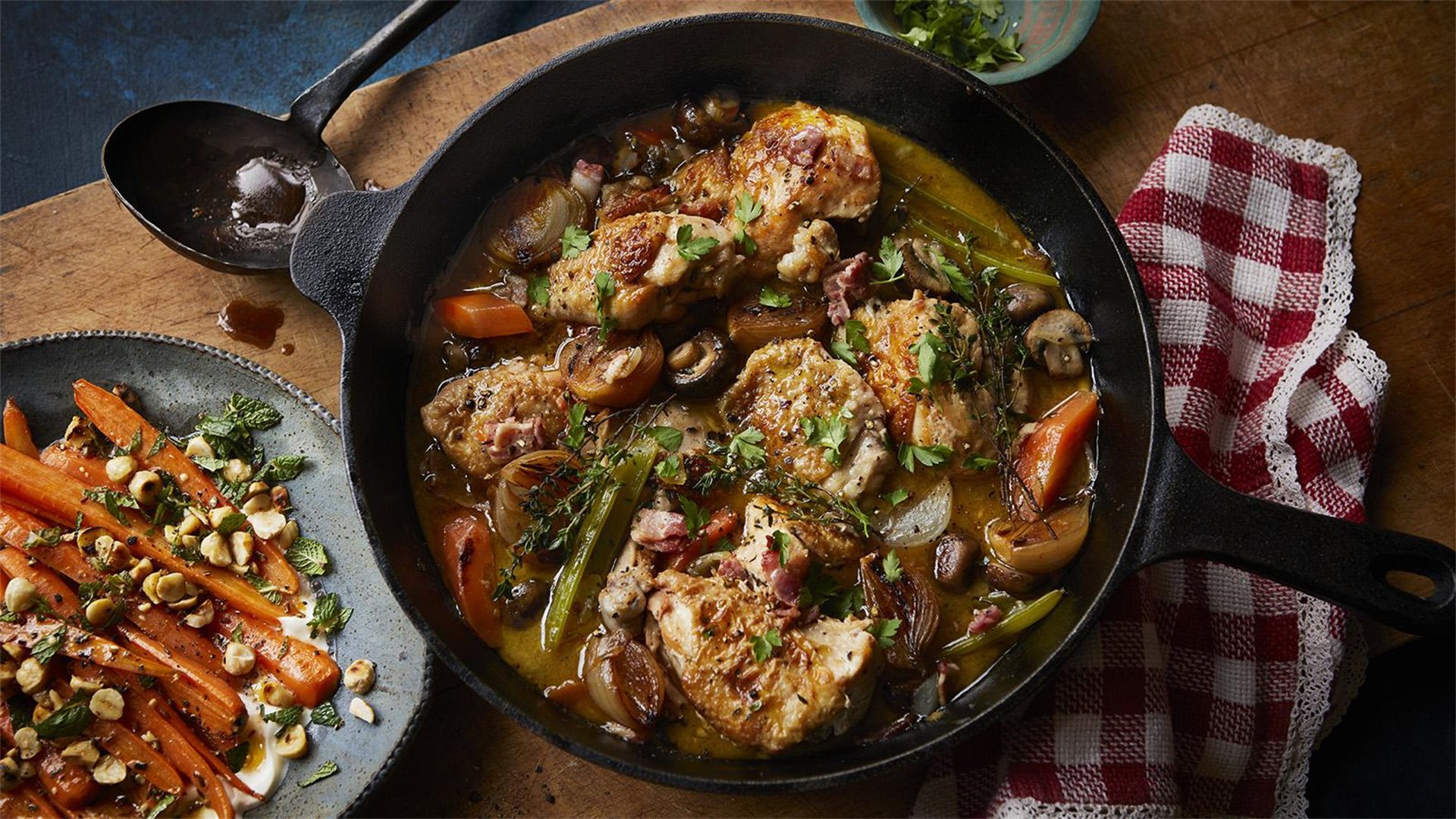
Braising involves browning meat and then cooking it slowly in a covered pot with liquid, resulting in tender, flavorful stews. This technique breaks down connective tissues in tough cuts like pork shoulder or lamb shanks. Use a Dutch oven for even heat distribution, and keep the liquid at a simmer. It's perfect for one-pot meals like coq au vin or Irish stew.
Example Recipe: Coq au Vin
This French stew braises chicken in red wine with mushrooms and bacon, creating a rich, hearty dish. It's a celebration of rustic cooking.
Ingredients
- 1 whole chicken, cut into pieces
- 6 slices bacon, chopped
- 20 pearl onions, peeled
- 1 pound mushrooms, quartered
- 3 cloves garlic, minced
- 2 tablespoons tomato paste
- 3 cups red wine
- 2 cups chicken stock
- 2 sprigs thyme
- 2 bay leaves
- Salt and pepper to taste
- Fresh parsley for garnish
Steps
- Season chicken with salt and pepper. In a Dutch oven, cook bacon over medium heat until crispy. Remove and set aside.
- Brown chicken pieces in bacon fat, removing when golden. Add pearl onions and mushrooms, cooking until browned.
- Stir in garlic and tomato paste, cooking for 1 minute. Pour in red wine and chicken stock, scraping up browned bits.
- Return chicken and bacon to the pot. Add thyme and bay leaves. Bring to a simmer, then cover and cook on low heat for 1.5 hours until chicken is tender.
- Serve hot, garnished with parsley. Pair with crusty bread or mashed potatoes.
Tip
For a thicker sauce, remove chicken and reduce the liquid over high heat for 10 minutes.
🌾 Incorporating Beans and Grains: Adding Heartiness
Description
Beans and grains like lentils, barley, or quinoa add substance and nutrition to soups and stews. Soak dried beans overnight to reduce cooking time, or use canned for convenience. Add grains towards the end of cooking to prevent mushiness. These ingredients absorb flavors beautifully, making them ideal for vegetarian dishes or meaty stews. They also increase the dish's fiber and protein content.
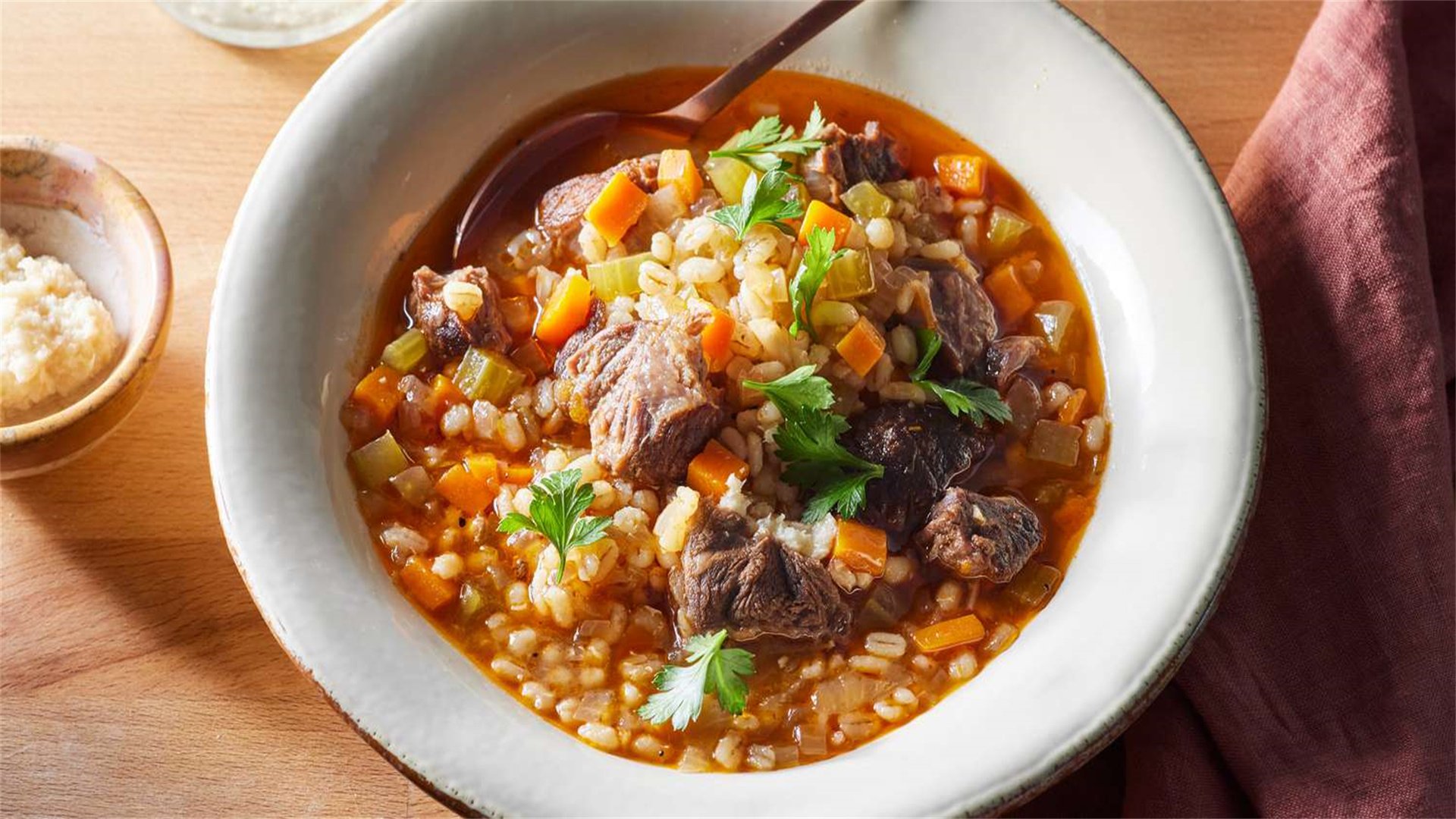
Example Recipe: Hearty Beef and Barley Stew
This stew features tender beef and chewy barley in a savory broth. It's a filling meal that's perfect for cold weather.
Ingredients
- 2 pounds beef chuck, cubed
- 2 tablespoons olive oil
- 1 onion, chopped
- 3 carrots, sliced
- 3 celery stalks, sliced
- 4 cups beef stock
- 1 cup pearl barley, rinsed
- 1 teaspoon dried thyme
- Salt and pepper to taste
- Fresh parsley for garnish
Steps
- Season beef with salt and pepper. Heat olive oil in a large pot over medium-high heat. Brown beef in batches, removing when done.
- Add onion, carrots, and celery to the pot, cooking until soft. Return beef to the pot.
- Pour in beef stock and add barley and thyme. Bring to a boil, then reduce to a simmer. Cover and cook for 1.5 hours until beef and barley are tender.
- Season with salt and pepper. Serve hot, garnished with parsley.
Tip
For a quicker version, use quick-cooking barley and reduce simmering time to 30 minutes.

🧂 Seasoning Mastery: Balancing Salt, Acid, and Sweetness
Description
Seasoning is key to elevating soups and stews. Salt enhances flavors, acid (like lemon juice or vinegar) brightens, and sweetness (from carrots or a pinch of sugar) rounds out bitterness. Season in layers: add salt early to penetrate ingredients, and adjust acid and sweetness at the end. Taste frequently and use high-quality ingredients like sea salt or fresh citrus for best results.
Example Recipe: Italian Wedding Soup
This soup balances savory meatballs, bitter greens, and a lemony broth. Proper seasoning makes each component shine.
Ingredients
- For meatballs: 1 pound ground beef, 1/2 cup breadcrumbs, 1 egg, 2 cloves garlic minced, 1/4 cup parsley chopped, salt and pepper
- 8 cups chicken stock
- 1 cup small pasta (e.g., orzo)
- 4 cups escarole or spinach, chopped
- 1 lemon, juiced
- Salt and pepper to taste
- Grated Parmesan for serving
Steps
- Mix meatball ingredients and form into small balls. Brown in a skillet over medium heat, then set aside.
- In a large pot, bring chicken stock to a boil. Add pasta and cook for 8 minutes.
- Add meatballs and escarole, simmering for 5 minutes until greens are wilted.
- Stir in lemon juice. Season with salt and pepper. Serve hot with Parmesan.
Tip
Add a pinch of red pepper flakes for a spicy kick.

🍷 Using Wine and Alcohol: Deglazing and Flavor Enhancement
Description
Wine and spirits add complexity to soups and stews by deglazing pans and infusing flavors. Red wine pairs with beef stews, white wine with chicken or seafood soups, and sherry with creamy bisques. Always cook off the alcohol to avoid harshness, simmering until reduced by half. This technique deepens the dish's aroma and taste, as seen in classics like beef bourguignon.
Example Recipe: Mushroom and Sherry Soup
This elegant soup uses sherry to enhance the earthy flavor of mushrooms. It's rich and perfect as a starter or main course.
Ingredients
- 2 pounds mushrooms (cremini or button), sliced
- 1 onion, chopped
- 4 cloves garlic, minced
- 1/4 cup dry sherry
- 4 cups vegetable stock
- 1 cup heavy cream
- 2 tablespoons butter
- Salt and pepper to taste
- Fresh thyme for garnish
Steps
- In a large pot, melt butter over medium heat. Add onions and mushrooms, cooking until softened and browned.
- Add garlic and cook for 1 minute. Pour in sherry and simmer until reduced by half.
- Add vegetable stock and bring to a simmer. Cook for 15 minutes.
- Use an immersion blender to puree half the soup for a chunky texture. Stir in cream and heat gently. Season with salt and pepper. Serve hot, garnished with thyme.
Tip
For a vegan version, omit cream and use coconut milk, and replace sherry with white wine.