Keep Wildlife Out Without Chemicals
In today's world, where environmental consciousness is on the rise, many homeowners, gardeners, and farmers are seeking ways to manage wildlife intrusions without resorting to harmful chemicals. Chemical repellents and pesticides can have detrimental effects on ecosystems, non-target species, and human health. This article delves into a wide array of non-chemical strategies to keep wildlife at bay, drawing insights from reputable sources and practices commonly discussed on international websites focused on organic living, wildlife conservation, and sustainable agriculture. We will explore each method in detail, providing clear, actionable steps to implement these solutions effectively. By the end of this guide, you will have a thorough understanding of how to protect your property while fostering a harmonious relationship with nature.
Introduction: Why Avoid Chemicals in Wildlife Management? 🧪
Chemical-based wildlife deterrents, such as rodenticides, insecticides, and synthetic repellents, are often marketed as quick fixes. However, they come with significant drawbacks. These substances can leach into soil and water, causing pollution and harming beneficial insects, birds, and pets. Moreover, they may lead to secondary poisoning when predators consume contaminated prey, disrupting local food chains. From a practical standpoint, wildlife can develop resistance to chemicals over time, rendering them ineffective. Non-chemical methods, on the other hand, offer sustainable, long-term solutions that align with ecological balance. This article will guide you through various approaches, categorized into physical barriers, natural deterrents, behavioral modifications, habitat adjustments, biological controls, and humane removal techniques. Each section is designed to be comprehensive, ensuring you have the knowledge to address specific wildlife challenges without compromising environmental integrity.
1. Physical Barriers: The First Line of Defense 🚧
Physical barriers are among the most effective ways to exclude wildlife from entering specific areas. They work by creating a tangible obstacle that animals cannot easily bypass. Here, we break down various types of barriers, their applications, and installation tips.
1.1 Fencing: Tailored Solutions for Different Species
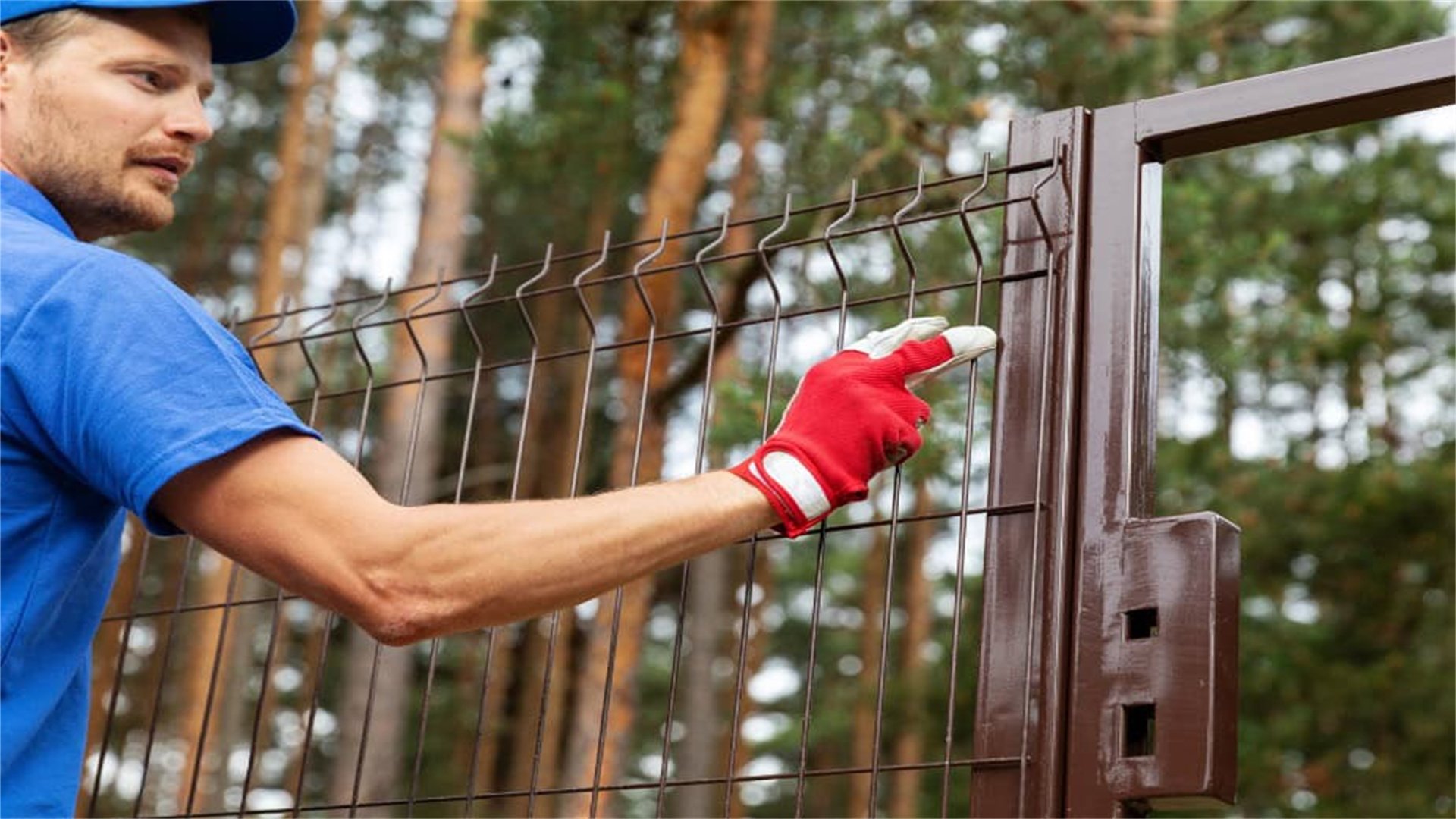
- For deer: A fence should be at least 8 feet tall. Use metal or wooden posts with wire mesh or polypropylene netting.
- Bury the bottom: At least 12 inches underground to prevent burrowing animals like rabbits or groundhogs from digging underneath.
- For smaller critters: Consider adding an outward-facing overhang at the top to discourage climbing.
- Electric fencing: Another option for larger animals like bears or wild boars; it delivers a mild shock that trains animals to avoid the area without causing permanent harm.
- Regular inspection: Ensure fences are regularly inspected for gaps or damage.
1.2 Netting and Covers: Protecting Gardens and Crops
- Bird netting: Essential for safeguarding fruit trees, berry bushes, and vegetable patches. Choose UV-resistant netting with appropriate mesh sizes.
- Row covers: Use lightweight fabric for root vegetables to keep out pests while allowing light and water.
- Hardware cloth: A sturdy wire mesh to protect compost bins or trash cans from scavengers like raccoons; secure lids with bungee cords or locks.
1.3 Sealing Entry Points: Keeping Wildlife Out of Buildings
- Conduct a thorough inspection: Identify potential entry points, such as gaps around pipes, vents, or chimneys.
- Use sealing materials: Steel wool, copper mesh, or caulk for small holes; metal flashing or plywood for larger openings.
- Ensure tight-fitting screens: On windows and doors without tears.
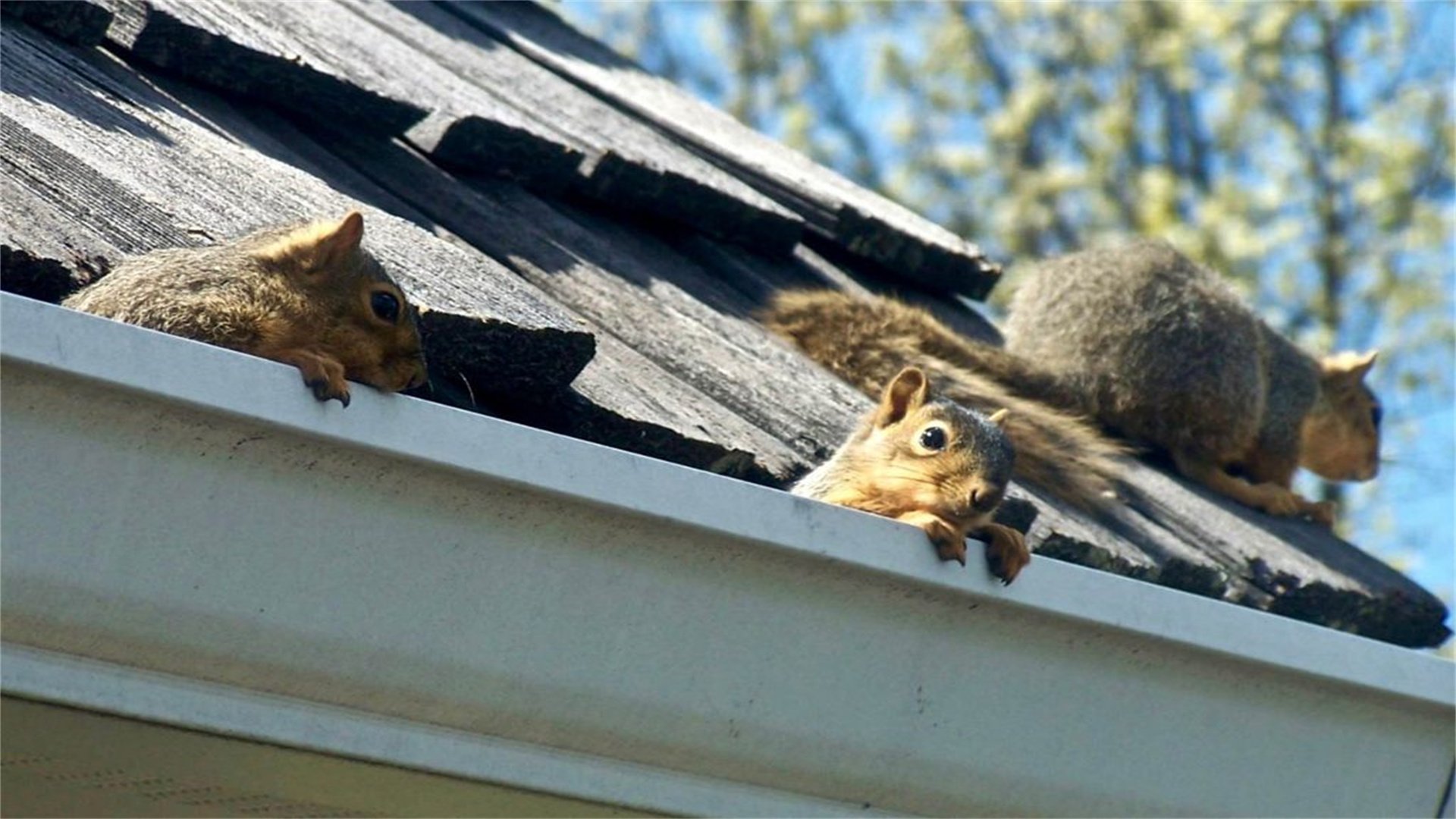
- Pay special attention: To roof eaves and soffits, where animals like squirrels or bats may enter.
1.4 Tree Guards and Trunk Protectors
- Wrap tree trunks: With plastic spiral guards or metal collars to prevent damage from deer or rodents.
- Installation height: About 3-4 feet above ground.
- Regular checks: Annually for wear.
- For young saplings: Use tubular tree shelters for additional protection against frost and wind.
2. Natural Deterrents: Using Plants, Scents, and Tastes 🌿
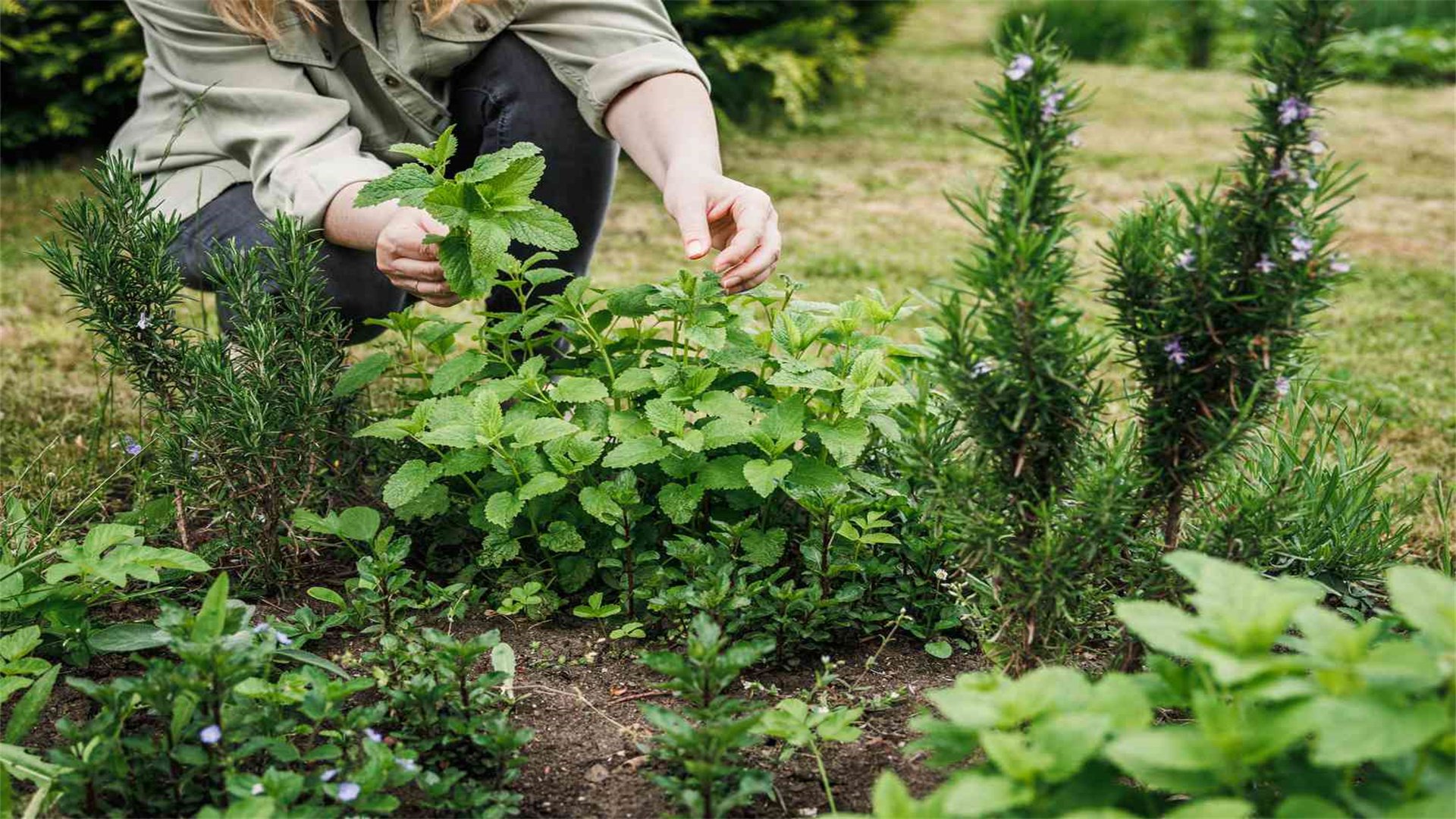
Natural deterrents leverage plants, odors, or flavors that wildlife find unappealing. These methods are safe, biodegradable, and often enhance the biodiversity of your landscape.
2.1 Repellent Plants: Incorporating Unpalatable Flora
- Aromatic herbs: Lavender, rosemary, and mint can repel deer. Plant these around garden borders.
- Marigolds: Deter nematodes and insects.
- Garlic and onions: Repel rabbits and deer.
- Companion planting: Research techniques to integrate repellent plants with crops.
- Thorny plants: Barberry or holly as physical and sensory deterrents along fence lines.
2.2 Homemade Sprays and Solutions
- Garlic-chili spray: Mix garlic cloves, chili peppers, and water; strain and spray on plants to discourage deer, rabbits, and insects. Reapply after rainfall.
- Vinegar spray: Diluted with water for deterring ants or small mammals.
- Essential oils: Peppermint, eucalyptus, or citronella diluted and sprayed around entry points. Test on a small area first to avoid plant damage.
2.3 Predator Urine and Other Scents
- Predator urine: Available from garden centers; apply around property perimeter. Frequent reapplication needed, especially after wet weather.
- Human hair clippings: From barbershops, placed in mesh bags.
- Scented soap: Strongly scented bars in mesh bags.
- Other options: Used cat litter or coffee grounds, though results vary.
2.4 Taste Aversion Techniques
- Bitter apple spray: Apply to fruit trees or vegetables to make produce less appealing.
- Combine with other deterrents: For effectiveness, as animals may adapt over time.
- Ensure food safety: If applied to edibles.
3. Behavioral Deterrents: Harnessing Sound, Light, and Motion 🔊
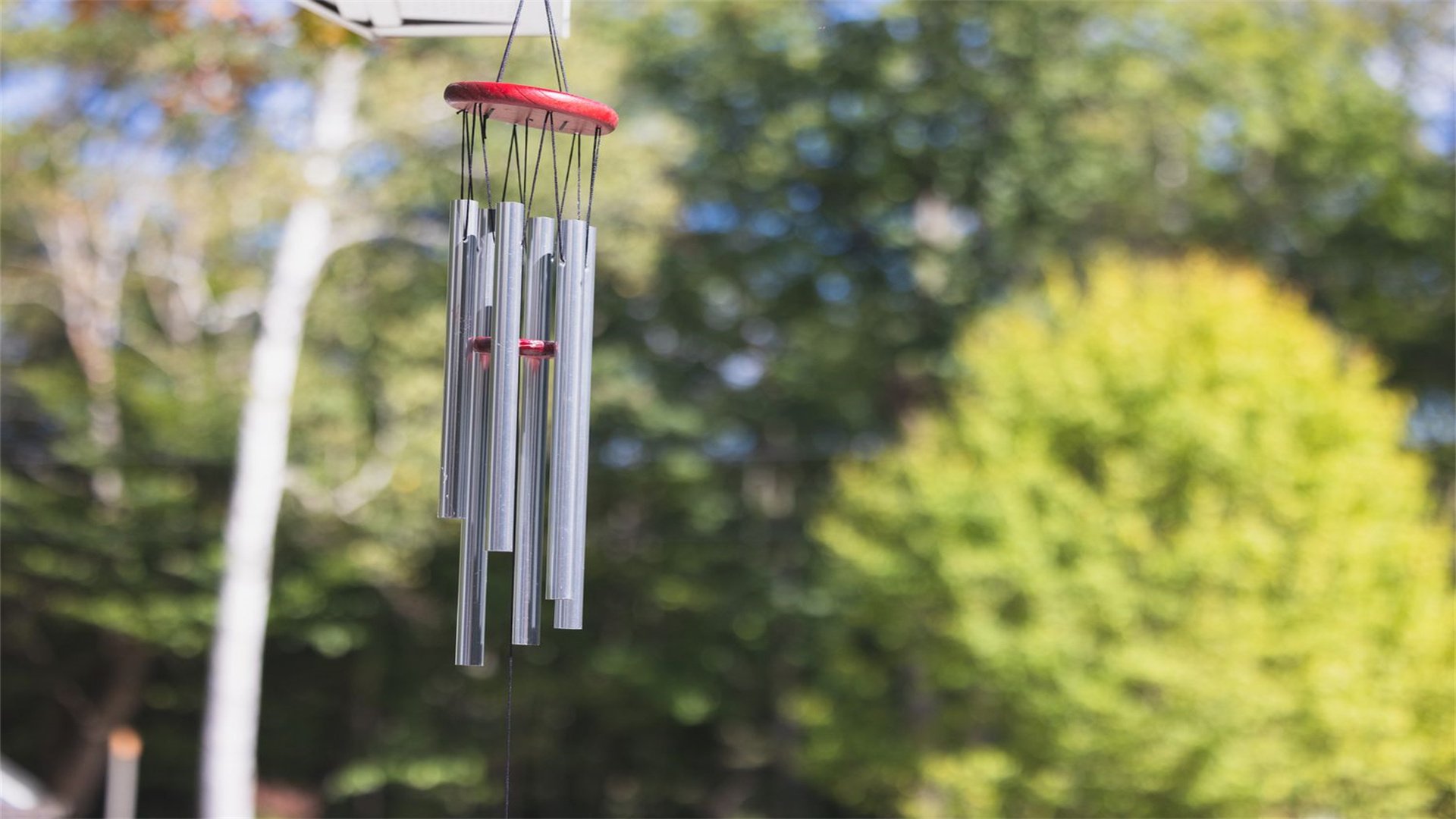
Behavioral deterrents exploit wildlife's natural instincts to avoid perceived threats. These methods often involve sensory stimuli that startle or discomfort animals without causing harm.
3.1 Auditory Devices: Noise-Based Repellents
- Ultrasonic devices: Emit high-frequency sounds unpleasant to rodents and some mammals but inaudible to humans. Place in active areas, but effectiveness may diminish with habituation.
- Wind chimes, radios, or motion-activated alarms: Produce sudden noises to scare off birds or deer.
- Recorded predator calls: Such as owl hoots for small birds, played at irregular intervals to prevent adaptation.
3.2 Visual and Light-Based Strategies
- Reflective objects: Old CDs, aluminum foil strips, or reflective tape disorient birds and deer when fluttering in the wind. Hang around gardens or orchards.
- Motion-activated lights: Startle nocturnal animals like raccoons or skunks; solar-powered LED lights are energy-efficient.
- Scarecrows or decoy predators: Plastic owls or snakes; move regularly to maintain illusion.
3.3 Water Sprayers and Sprinklers
- Motion-activated sprinkler systems: Trigger a burst of water when an animal enters sensor range; harmless but surprising. Effective for deer, cats, or birds.
- Position sprinklers: Cover vulnerable areas and adjust sensitivity to avoid false triggers.
3.4 Vibration and Ground Disturbances
- Vibrating stakes or solar-powered devices: Emit low-frequency pulses into soil to disrupt tunneling of moles or gophers.
- Unstable surfaces: Loose gravel or mulch around plants to discourage digging or nesting.
4. Habitat Modification: Making Your Property Less Inviting 🏡

By altering the environment to remove attractants, you can significantly reduce wildlife visits. This proactive approach addresses the root causes of intrusions.
4.1 Food Source Elimination
- Secure trash cans: Use animal-proof with locking lids.
- Avoid outdoor pet food: Don't leave pet food outdoors overnight.
- Clean barbecue grills: After use.
- Harvest promptly: Ripe fruits and vegetables.
- Bird feeders: Choose squirrel-resistant models and place away from structures.
- Compost bins: Enclosed and exclude meat or dairy products.
4.2 Water Management
- Standing water: Empty birdbaths daily or add agitators to prevent mosquito breeding.
- Fix leaks: Promptly repair leaky faucets.
- Water features: Install with steep sides to deter animals from drinking.
- Alternative water sources: Create away from home to divert wildlife attention.
4.3 Shelter and Nesting Site Reduction
- Trim tree branches: That overhang roofs to prevent access to attics.
- Clear dense brush, woodpiles, or debris: From around buildings.
- Seal crawl spaces and install vent covers.
- Use raised beds: In gardens to make it harder for ground-dwelling animals.
- Regularly mow lawns and maintain tidy landscapes.
4.4 Landscape Design Considerations
- Incorporate native plants: That support local ecosystems but are less palatable to invasive species.
- Use rock gardens or gravel paths: Instead of mulch, which can harbor insects and rodents.
- Create designated wildlife-friendly zones: Away from main living areas to encourage animals to stay in natural habitats.
5. Biological Control: Leveraging Natural Predators and Companions 🐾
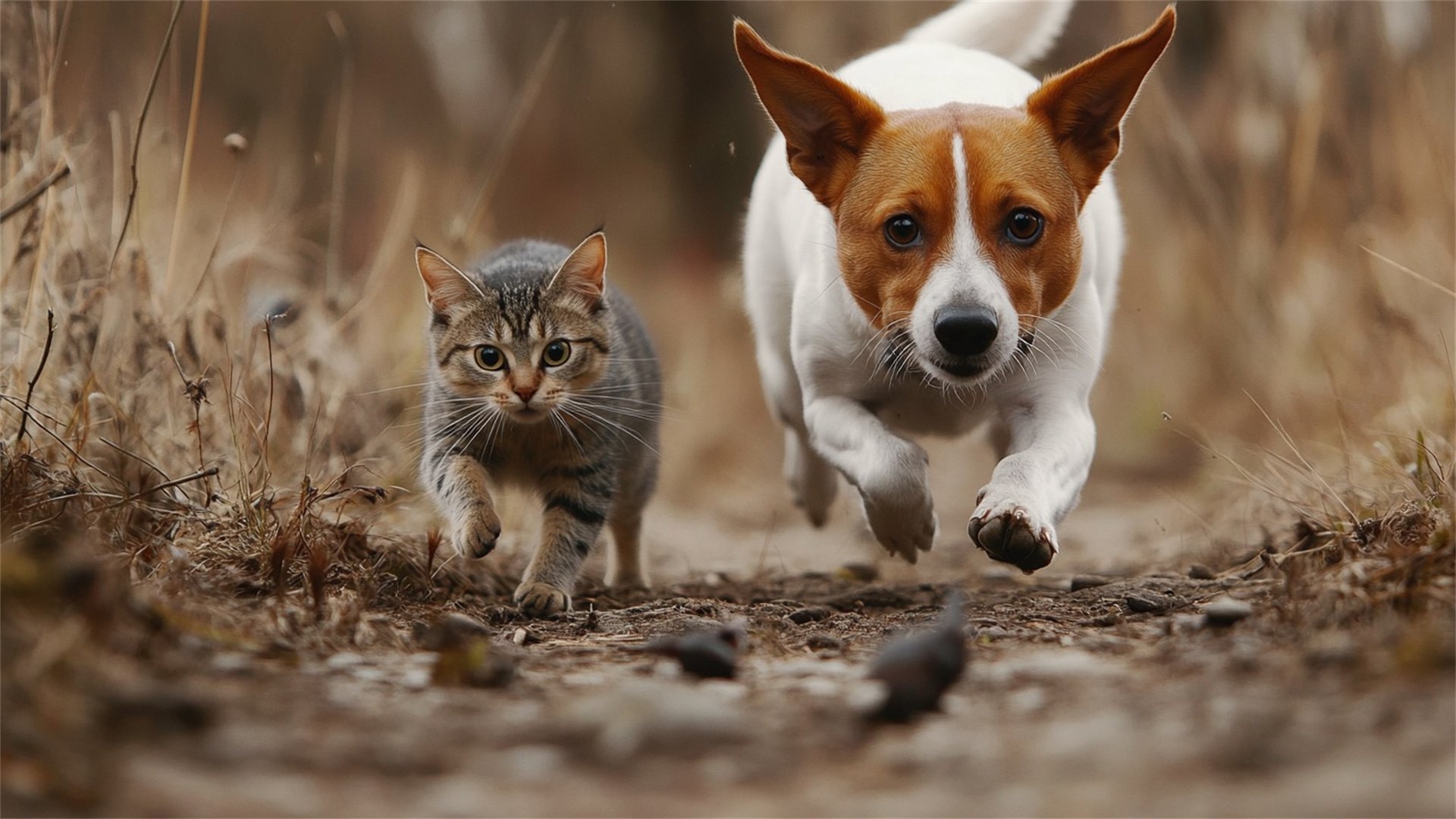
Biological control involves using other organisms to manage wildlife populations. This method works with nature's balance and can be highly effective in certain contexts.
5.1 Introducing Beneficial Animals
- Domestic animals: Dogs or cats can deter smaller pests through presence and scent. Supervise pets to avoid conflicts.
- Encourage birds: Install nest boxes for species like bluebirds or swallows that consume insects.
- Bats: Install bat houses for mosquito control.
5.2 Using Livestock Guardian Animals
- Livestock guardian dogs, llamas, or donkeys: Protect poultry or livestock from predators like coyotes or foxes. Proper training and fencing are essential.
5.3 Promoting Natural Predator Populations
- Support local predator species: Preserve habitats. Install perches or nesting platforms for owls and hawks that prey on rodents.
- Avoid poisons: That could harm beneficial predators.
- In aquatic environments: Introduce fish that eat mosquito larvae.
5.4 Microbial and Botanical Insecticides
- Natural products: Neem oil, diatomaceous earth, or Bacillus thuringiensis (Bt) can control insect pests without harming vertebrates. Use sparingly in integrated pest management.
6. Humane Trapping and Relocation: When Removal is Necessary 🧸
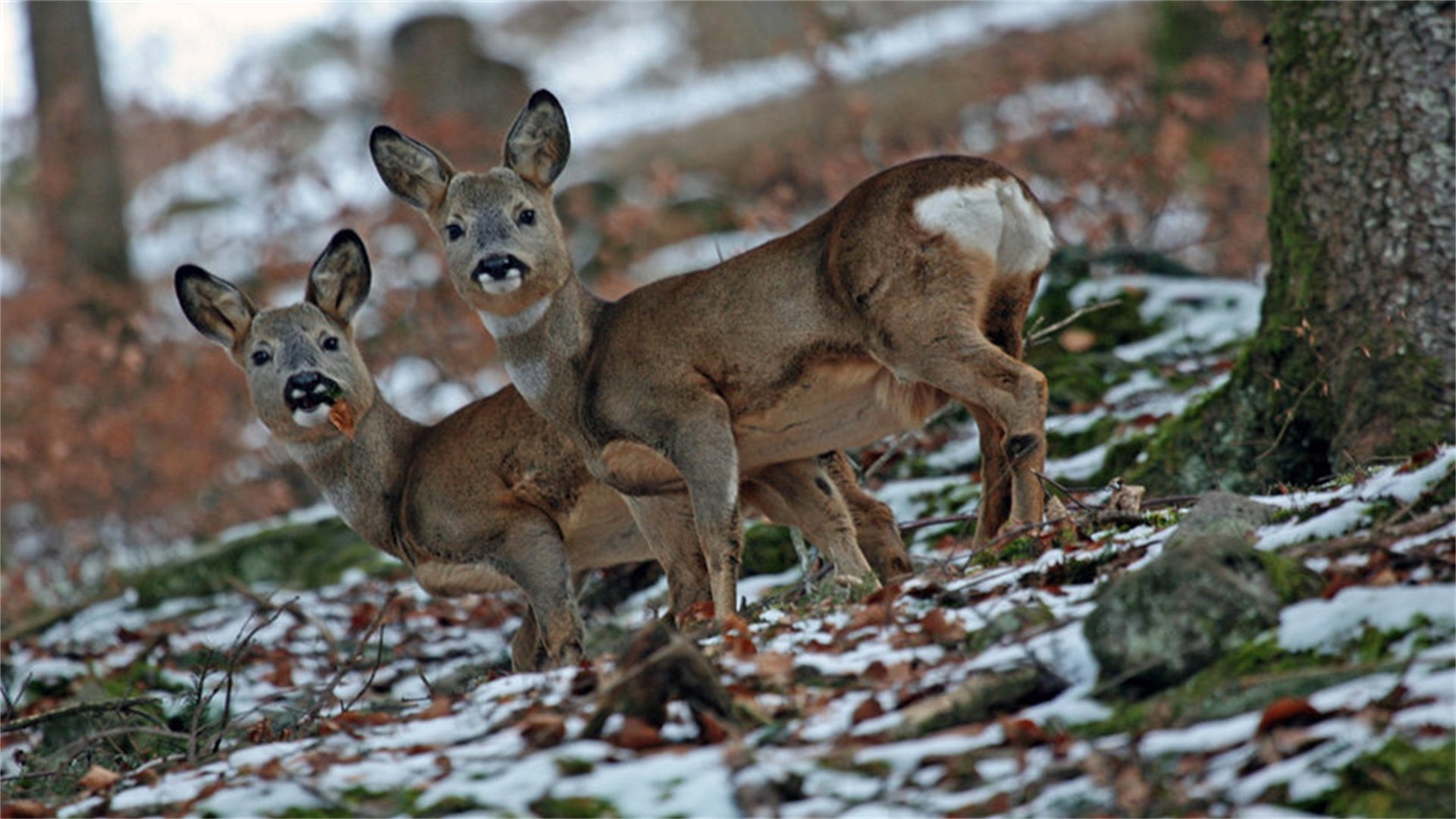
Sometimes, wildlife may already be entrenched on your property, requiring active removal. Humane trapping ensures animals are not harmed and can be relocated appropriately.
6.1 Live Trapping Techniques
- Use live traps: Designed for specific animals, like cage traps for raccoons or box traps for squirrels.
- Bait traps: With attractive foods like peanut butter or fruit; place along animal pathways.
- Check traps frequently: At least once daily to avoid stress or injury to captured animals.
- Wear gloves: When handling traps to minimize human scent.
6.2 Relocation Guidelines
- Research local regulations: Many areas have laws against moving wildlife without permits.
- Choose a suitable release site: Forested area away from residential zones.
- Release during mild weather: And provide cover nearby.
- Note: Relocation can be stressful for animals and may not always be effective.
6.3 Professional Wildlife Services
- Contact licensed professionals: For dangerous animals (e.g., snakes or bears) or large infestations.
- Ensure humane practices: And preventive advice.
6.4 Post-Removal Prevention
- Seal entry points: Immediately after removal.
- Clean the area: With enzymatic cleaners to remove scents.
- Implement deterrents: To prevent recurrence.
7. Integrated Wildlife Management: Combining Strategies for Long-Term Success 🔄
No single method is foolproof; a combination of approaches tailored to your specific situation yields the best results. Integrated Wildlife Management (IWM) involves monitoring, adapting, and using multiple tactics sustainably.
7.1 Assessment and Monitoring
- Identify wildlife species: Causing issues, their behaviors, and entry points.
- Use trail cameras or journals: To track activity.
7.2 Layered Defense Systems
- Combine physical barriers with natural deterrents and habitat modifications: For example, install a fence, plant repellent herbs, and use motion-activated sprinklers.
7.3 Seasonal Adjustments
- Spring: Focus on nesting prevention.
- Fall: Secure food sources as animals forage for winter.
- Adjust deterrents: Such as adding netting during harvest season or reinforcing barriers before cold weather.
7.4 Community Involvement
- Work with neighbors: Implement similar strategies to prevent wildlife from moving between properties.
- Community-wide efforts: Shared composting facilities or neighborhood clean-ups to reduce attractants.
7.5 Education and Continuous Learning
- Stay informed: Through reputable sources like university extension services or wildlife conservation organizations.
- Attend workshops or join online forums: To share experiences and solutions.
Conclusion: Embracing a Chemical-Free Approach to Wildlife Coexistence 🌍
Keeping wildlife out without chemicals is not only possible but also beneficial for the environment and your well-being. By employing physical barriers, natural deterrents, behavioral modifications, habitat management, biological controls, and humane removal, you can effectively protect your property while respecting nature. Remember that persistence and adaptation are key—wildlife is adaptable, so regularly reassess and tweak your strategies. Ultimately, this approach fosters a sustainable balance where humans and wildlife can thrive side by side. We hope this comprehensive guide empowers you to take action and contribute to a healthier ecosystem. For further reading, explore resources from organizations like the National Wildlife Federation or Organic Gardening magazines, which offer additional tips and case studies.