Tips
How to Make Your Home Smell Amazing with Simple Hacks
🧠 Understanding the Science of Smell and Its Impact on Your Home
Key Points
- Scent is directly linked to the limbic system, which governs emotions, memories, and behavior.
- Pleasant aromas can reduce stress, improve focus, and evoke positive memories, while unpleasant odors cause discomfort.
- Identify common odor culprits by room (e.g., kitchens for food smells, bathrooms for mildew).
- Consider factors like ventilation, humidity levels (aim for 30-50%), and home materials (e.g., fabrics absorb smells).
- Address both odor removal and fragrance addition for long-lasting freshness.
🌿 Essential Oils: The Natural Powerhouse for Home Fragrance
Choosing Essential Oils
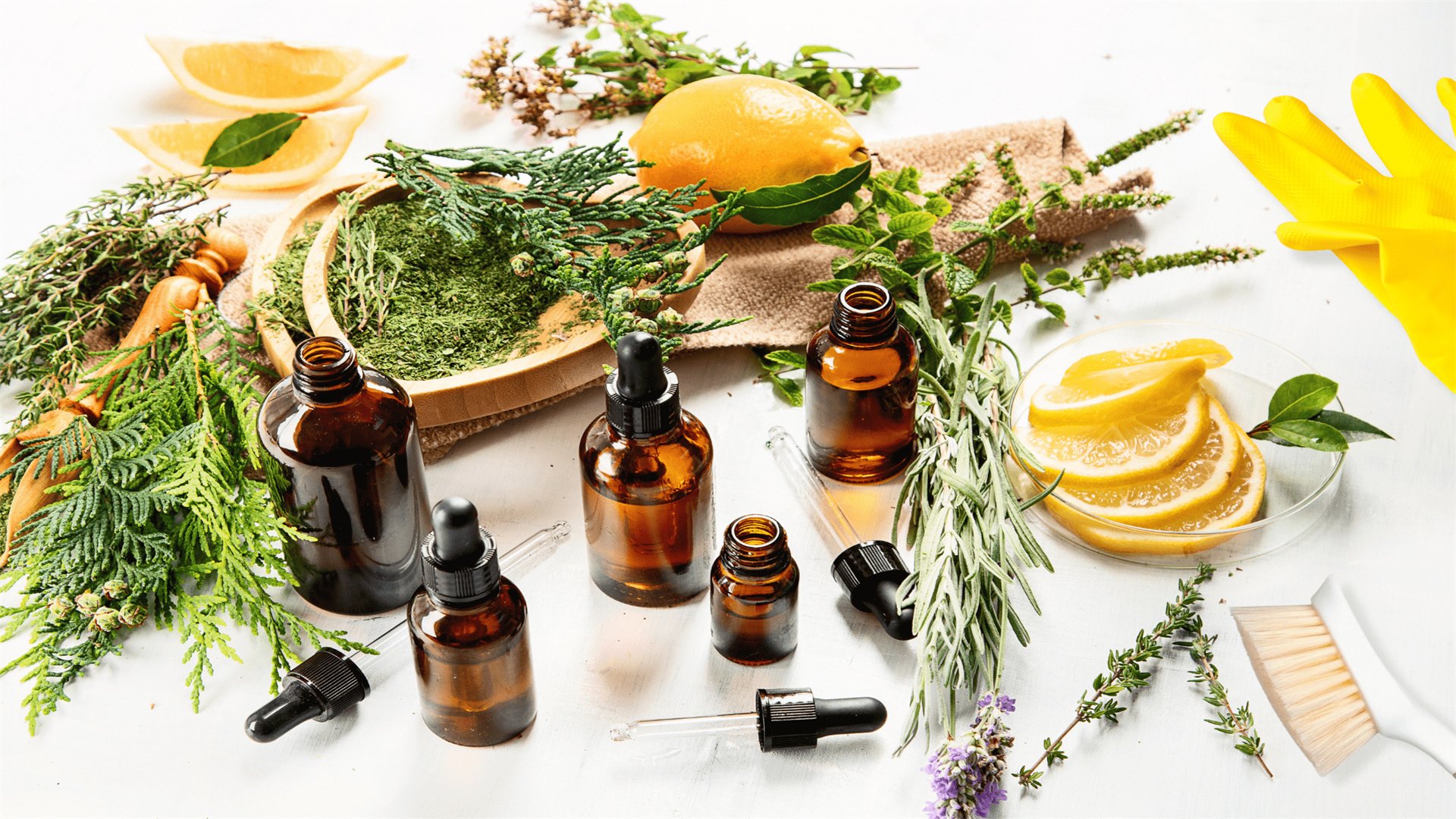
- Invest in high-quality, pure essential oils from reputable brands to avoid synthetic additives.
- Store oils in dark, cool places to preserve potency.
Diffusers
- Use ultrasonic or nebulizing diffusers to disperse oil particles into the air.
- Add 5-10 drops of essential oil to water in the diffuser tank and run for 30-60 minutes per session.
- Try blends: 3 drops peppermint and 3 drops lemon for freshness; 4 drops bergamot and 4 drops ylang-ylang for floral notes.
- Clean diffusers weekly with vinegar to prevent residue buildup.
DIY Sprays
- Mix 10-15 drops of essential oil with 1 cup of distilled water and 1 tablespoon of rubbing alcohol in a spray bottle.
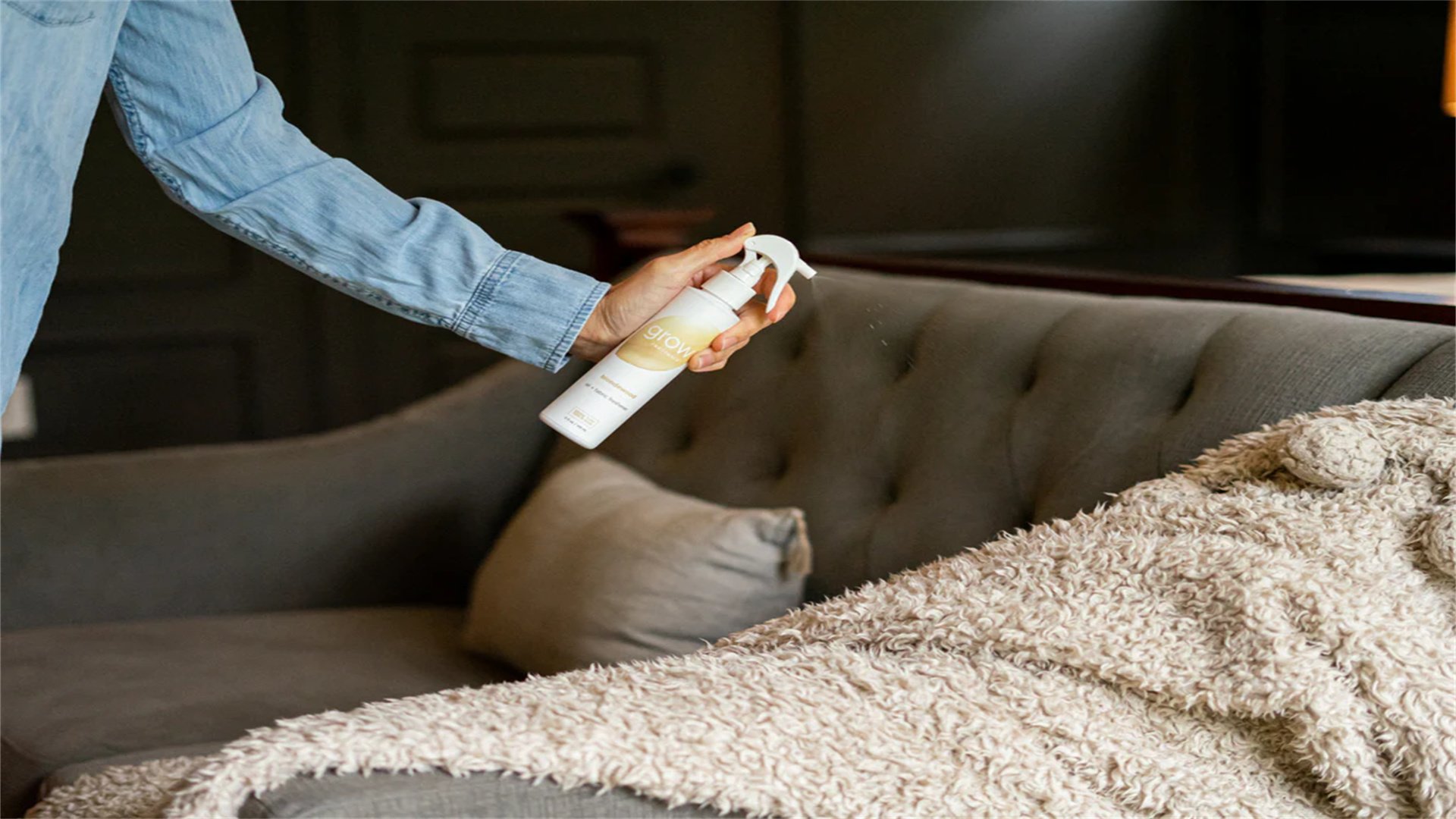
- Shake well before spritzing on upholstery, curtains, or in the air; avoid direct contact with wood surfaces.
- Recipes: calming blend (lavender and chamomile); disinfectant spray (tea tree and eucalyptus).
Cotton Ball Method
- Place a few drops of oil on cotton balls and tuck them in vents, drawers, or under furniture.
- Refresh every few days; ideal for small spaces like closets or cars.
Heating Method
- Add a few drops to a bowl of hot water or a radiator to release scent through steam.
- Use an oil burner with a tea light candle, but never leave unattended.
- Seasonal scents: winter – cinnamon and orange; spring – lemongrass and rosemary.
🌀 DIY Room Sprays and Mists: Customizable and Chemical-Free

Basic Recipe
- Combine 1 cup of distilled water, 2 tablespoons of vodka, and 20-30 drops of essential oils in a glass spray bottle.
- Shake vigorously before each use; for linen spray, add 1 tablespoon of glycerin.
- Use hydrosols (e.g., rose or lavender water) as a base for longer-lasting effect.
Targeted Recipes
- Kitchen Deodorizer: 10 drops lemon oil, 10 drops grapefruit, 5 drops peppermint; spray near trash cans or after frying.
- Bathroom Freshener: 15 drops tea tree oil, 10 drops lavender; mist after showers to combat mildew.
- Living Room Uplifter: 10 drops bergamot, 10 drops frankincense, 5 drops vanilla; spray on cushions or in the air before guests arrive.
Safety Tips
- Apply sprays lightly to avoid overwhelming or staining surfaces.
- Test on a small area first, especially for fabrics.
🍪 Baking and Cooking: Infuse Your Home with Delicious Aromas

Simmer Pots
- Fill a pot with water, add aromatic ingredients (e.g., citrus slices, herbs, spices), and simmer on low heat for 1-2 hours.
- Combinations: citrus and rosemary; apple cider with cinnamon and nutmeg for holidays.
- Never leave unattended to avoid boiling dry.
Baking Soda Absorption
- Mix 1 cup of baking soda with 10-15 drops of essential oil and place in open containers around the home.
- Neutralizes odors while adding subtle scent; use under sinks or in fridges.
Oven Baking
- Bake cookies, bread, or pies to permeate your home with aroma.
- Quick fix: sprinkle cinnamon on a baking sheet and warm at 300°F for 10 minutes.
Stovetop Potions
- Combine 2 cups of water, 1 cup of vinegar, and citrus peels; boil, then simmer for 30 minutes to neutralize strong odors.
- Ideal after cooking fish or onions.
🧹 Effective Cleaning to Eliminate Odors at the Source
Kitchen Cleaning
- Clean garbage disposals with ice cubes and citrus peels or baking soda.
- Wipe appliances with vinegar-water solution; deep-clean ovens and refrigerators monthly.
- Empty trash cans regularly and sprinkle baking soda at the bottom.
Bathroom Cleaning
- Scrub tiles with hydrogen peroxide and water to combat mildew.
- Place an open box of baking soda behind the toilet to absorb moisture and odors.
- Wash shower curtains and bath mats frequently with vinegar.
Living Areas Cleaning
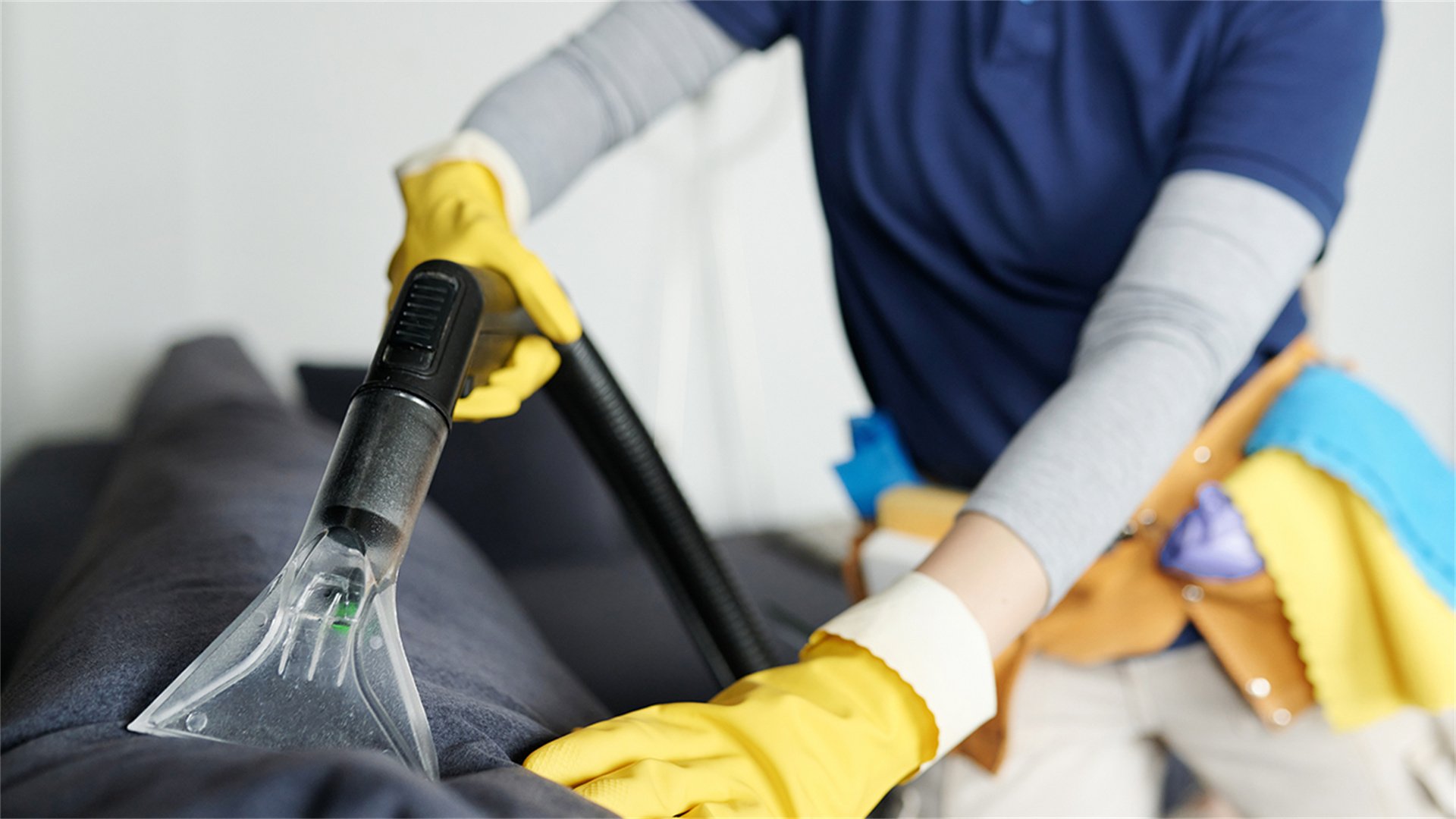
- Vacuum carpets and upholstery weekly; add essential oil to vacuum bag for fresh scent.
- Wash curtains and pillow covers seasonally; use fabric refresher (vinegar and water mix).
Pet Areas Cleaning
- Use enzymatic cleaners for pet accidents to break down bacteria.
- Wash pet bedding with vinegar; keep litter boxes clean with baking soda.
🌸 Incorporating Plants and Flowers for Natural Freshness

Fragrant Indoor Plants
- Lavender for bedrooms; jasmine for living rooms; herbs like mint or basil for kitchens.
- Crush leaves occasionally to release aroma.
Fresh Flowers
- Arrange bouquets in entryways or dining tables; change water daily and trim stems.
- Use dried flowers or potpourri for longer-lasting options.
Air-Purifying Plants
- Snake plants or peace lilies remove toxins, reducing musty smells.
- Combine with scented plants for balanced approach; ensure proper watering and light.
💨 Ventilation and Air Circulation: The Key to a Fresh Home

Open Windows
- Aim for 15-30 minutes of cross-ventilation daily to remove pollutants.
- Use screens to keep bugs out.
Use Fans
- Ceiling fans, exhaust fans, and standalone fans help circulate air.
- Set fans counterclockwise in summer for cooling, clockwise in winter for warmth.
Dehumidifiers and Air Purifiers
- Use dehumidifiers to maintain 30-50% humidity and prevent mold.
- Air purifiers with HEPA and carbon filters capture allergens and odors.
DIY Tricks
- Place bowls of activated charcoal or baking soda near vents to absorb odors.
- Keep interior doors open for better flow; in multi-story homes, open upstairs windows.
🍂 Homemade Potpourri and Sachets: Long-Lasting Scent Solutions
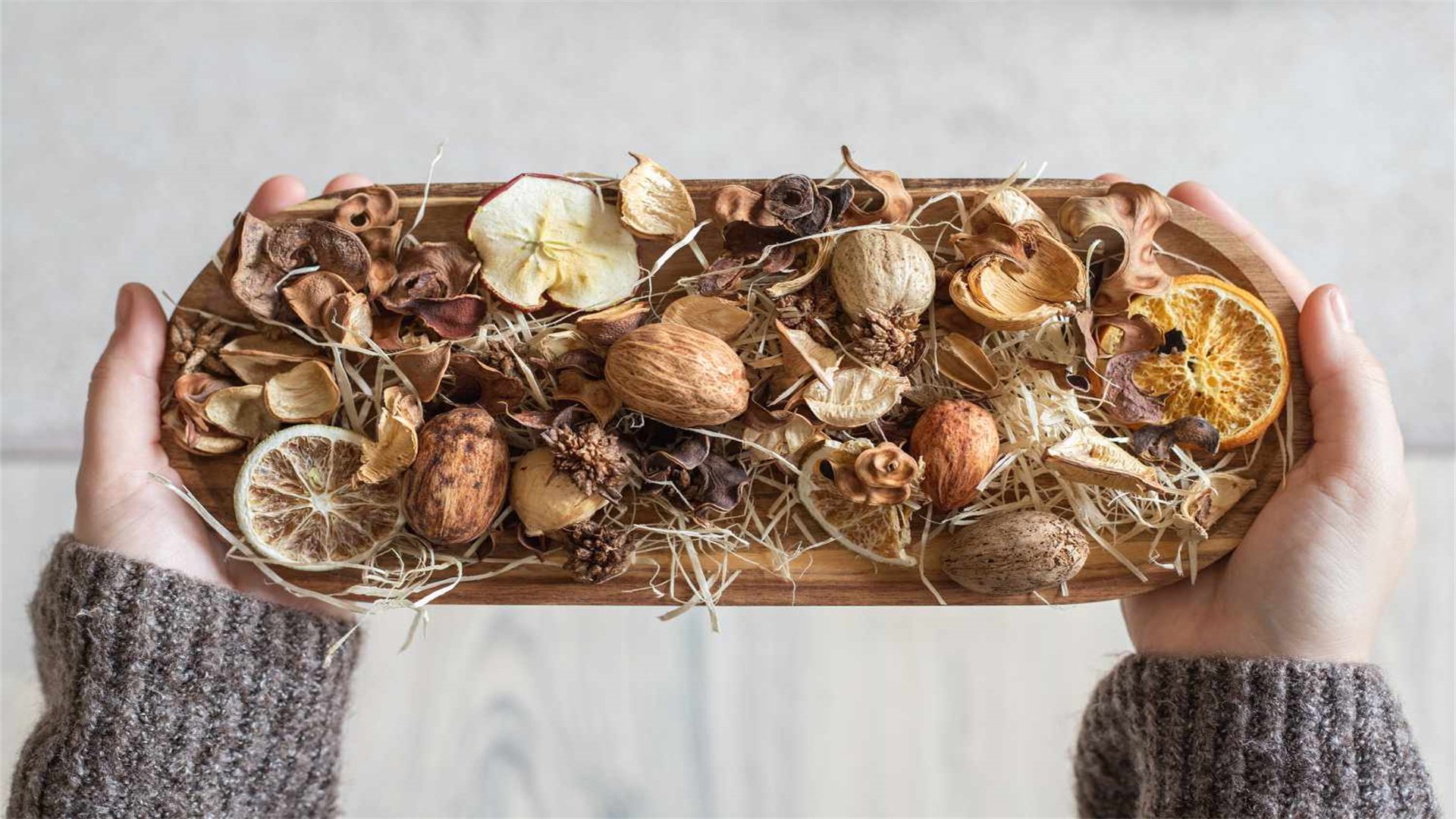
Potpourri
- Mix dried ingredients (citrus peels, cinnamon sticks, rose petals) with 20 drops of essential oil per cup.
- Cure in a sealed container for a week, then display in open bowls; refresh oil every few weeks.
Sachets
- Fill fabric bags with dried herbs (lavender, mint) and orris root powder as a fixative.
- Sew or tie closed and place in drawers, cars, or under pillows; add essential oil drops for potency.
Seasonal Variations
- Fall: dried apples and cloves; spring: lemon verbena and lilac.
- Perfect for gifting or storage areas.
🚫 Avoiding Common Odor Sources: Proactive Measures
Food Waste
- Store garbage in sealed bins and take out daily; compost scraps in airtight containers.
- Clean recycling bins regularly to prevent residue smells.
Moisture and Mold
- Fix leaks promptly; use exhaust fans and wipe wet surfaces.
- Use moisture absorbers like silica gel in basements or closets.
Smoking and Candles
- Avoid smoking indoors; choose natural beeswax or soy candles with cotton wicks.
- Trim wicks to ¼ inch to prevent smoky smells.
Pets and Shoes
- Groom pets regularly; designate shoe areas with baking soda trays.
- Wash pet toys and bedding often; conduct home audits for hidden odors.
🍁 Seasonal Scent Strategies: Adapting to Weather Changes

Spring
- Use light, floral aromas like jasmine; open windows often; employ DIY sprays.
Summer
- Opt for citrus and herbal scents (lemon-basil simmer pot); use eucalyptus in showers; reduce humidity.
Fall
- Embrace warm, spicy notes: simmer apples with cinnamon; use clove-studded oranges.
Winter
- Choose rich scents like vanilla or cedarwood in diffusers; bake frequently; use evergreen potpourri.
- Holiday blends: Christmas – peppermint and pine; Thanksgiving – nutmeg and sage.
🍲 Using Simmer Pots and Stovetop Potions: Detailed Recipes

Citrus Burst
- Combine slices of lemon, orange, lime with rosemary and cinnamon sticks; simmer for 2-3 hours.
Spiced Apple
- Chop apples with cloves, star anise, and vanilla extract; simmer for 1-2 hours.
Herbal Freshness
- Use mint leaves, cucumber slices, and ginger; simmer for 1 hour for a cooling effect.
Cleaning Potion
- After frying, add vinegar, citrus peels, and herbs to water; boil for 10 minutes to neutralize odors.
- Always use low heat and never leave unattended.
🕯️ Candles and Diffusers: Pros, Cons, and Best Practices
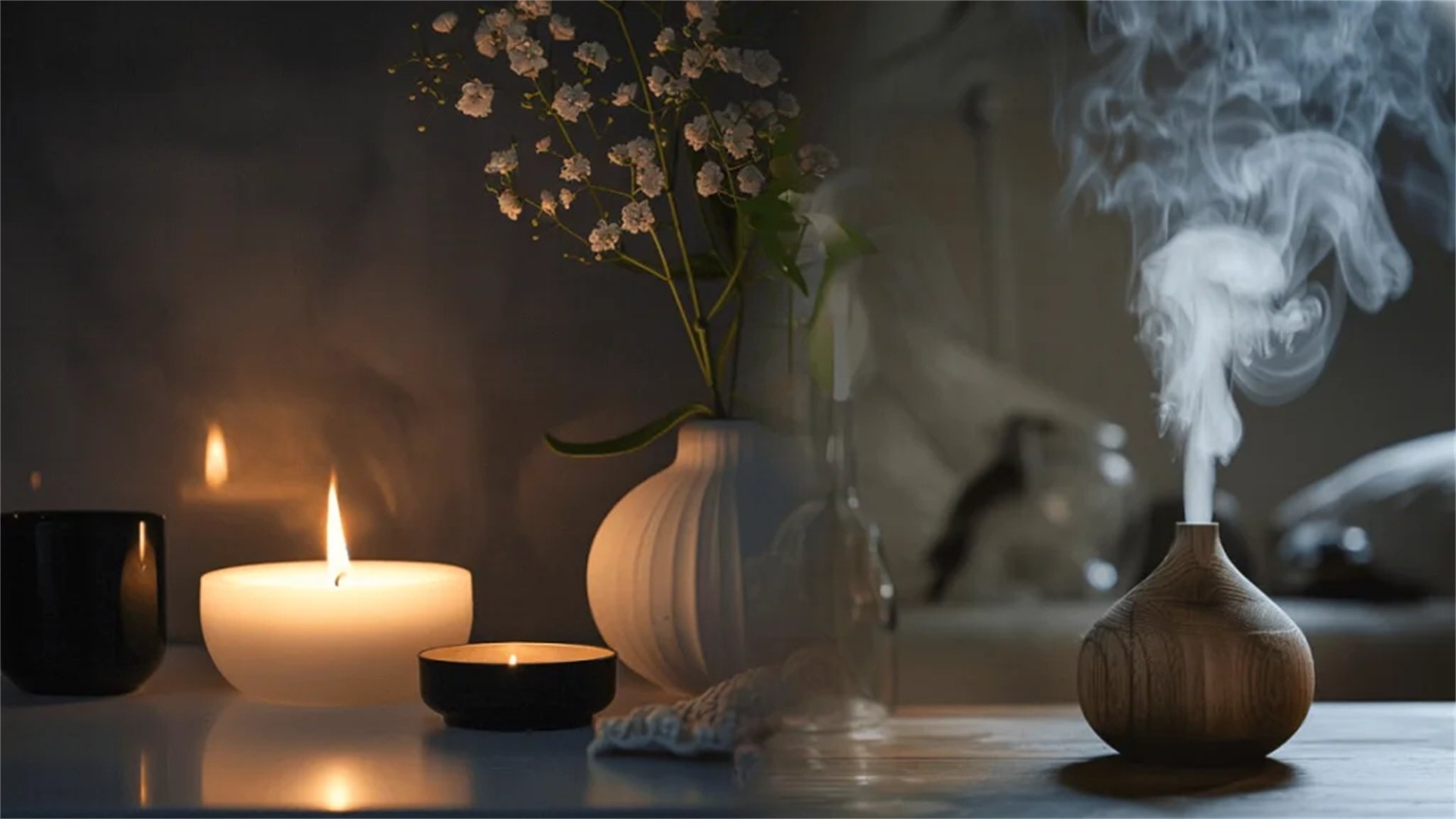
Candles
- Choose natural beeswax or soy candles with cotton wicks for cleaner burn.
- Burn for 1-2 hours at a time; trim wicks to prevent smoking; place away from drafts.
- Pros: ambiance; Cons: fire risk, require supervision.
Diffusers
- Ultrasonic diffusers are quiet and add humidity; nebulizing diffusers are stronger but noisier.
- Clean weekly with vinegar; use purified water to prevent mineral buildup.
- Pros: safer for long-term use; Cons: require electricity.
DIY Options
- Melt soy wax, add essential oils, and pour into jars with wicks for customization.
- Combine methods: use diffusers daily and candles for special occasions.
⚗️ Natural Deodorizers Like Baking Soda: Advanced Techniques
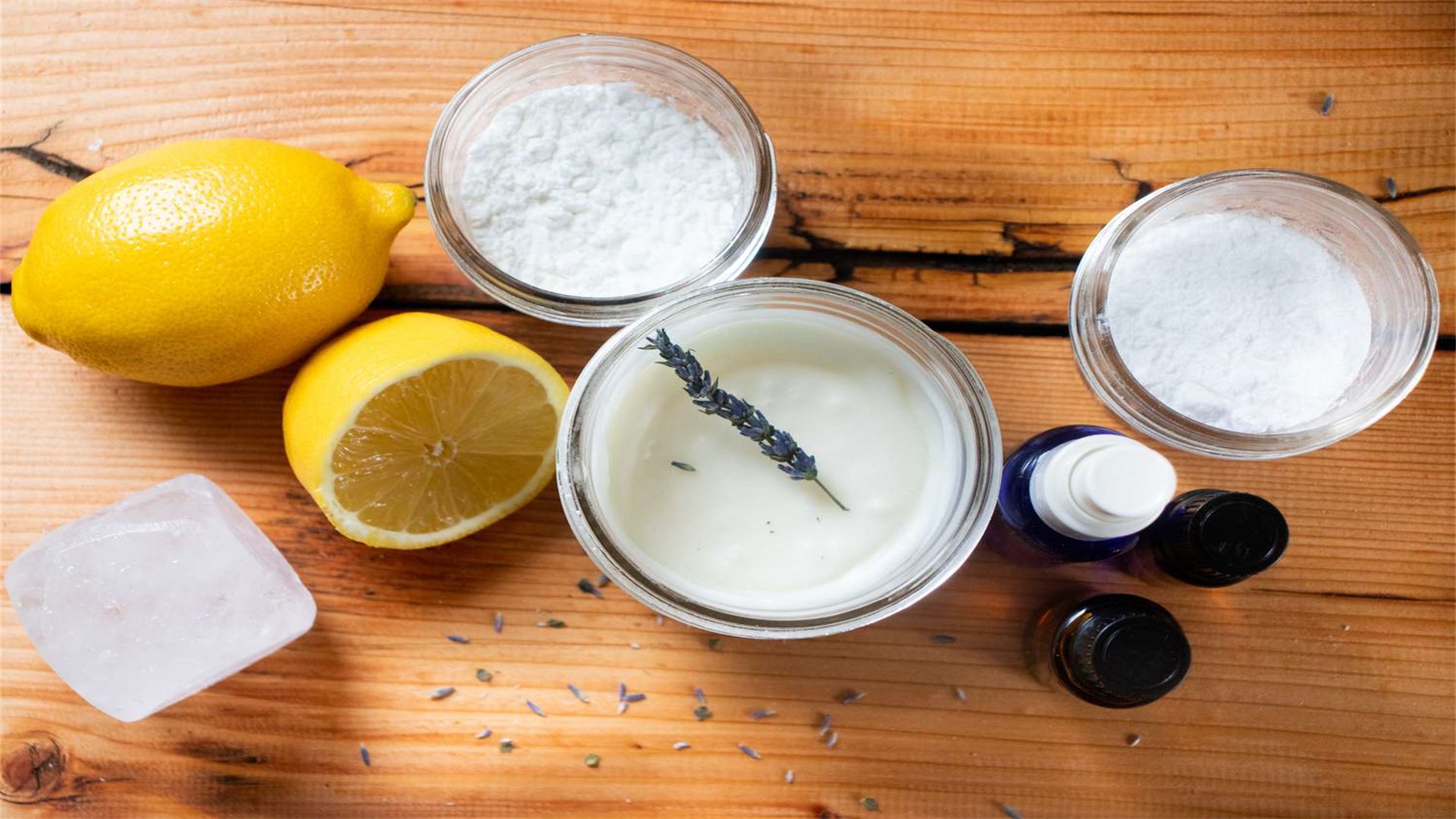
Fridge Freshener
- Place an open box of baking soda in the fridge, or make sachets with baking soda and lemon oil; change every 1-2 months.
Carpet Treatment
- Mix 1 cup baking soda with 10 drops essential oil, sprinkle on carpets, let sit, then vacuum thoroughly.
Garbage Can Liners
- Sprinkle baking soda at the bottom of cans before inserting bags to absorb leaks and smells.
Upholstery Refresh
- Lightly dust with baking soda, wait 30 minutes, then vacuum; test on hidden area first.
- Combine with vinegar or activated charcoal for enhanced odor removal.
🛋️ Fabric Refreshers for Upholstery and Curtains: Deep Cleaning
DIY Refresher Spray
- Mix 1 cup distilled water, ½ cup rubbing alcohol, and 20 drops essential oil; mist fabrics from 12 inches away and air dry.
Curtain Cleaning
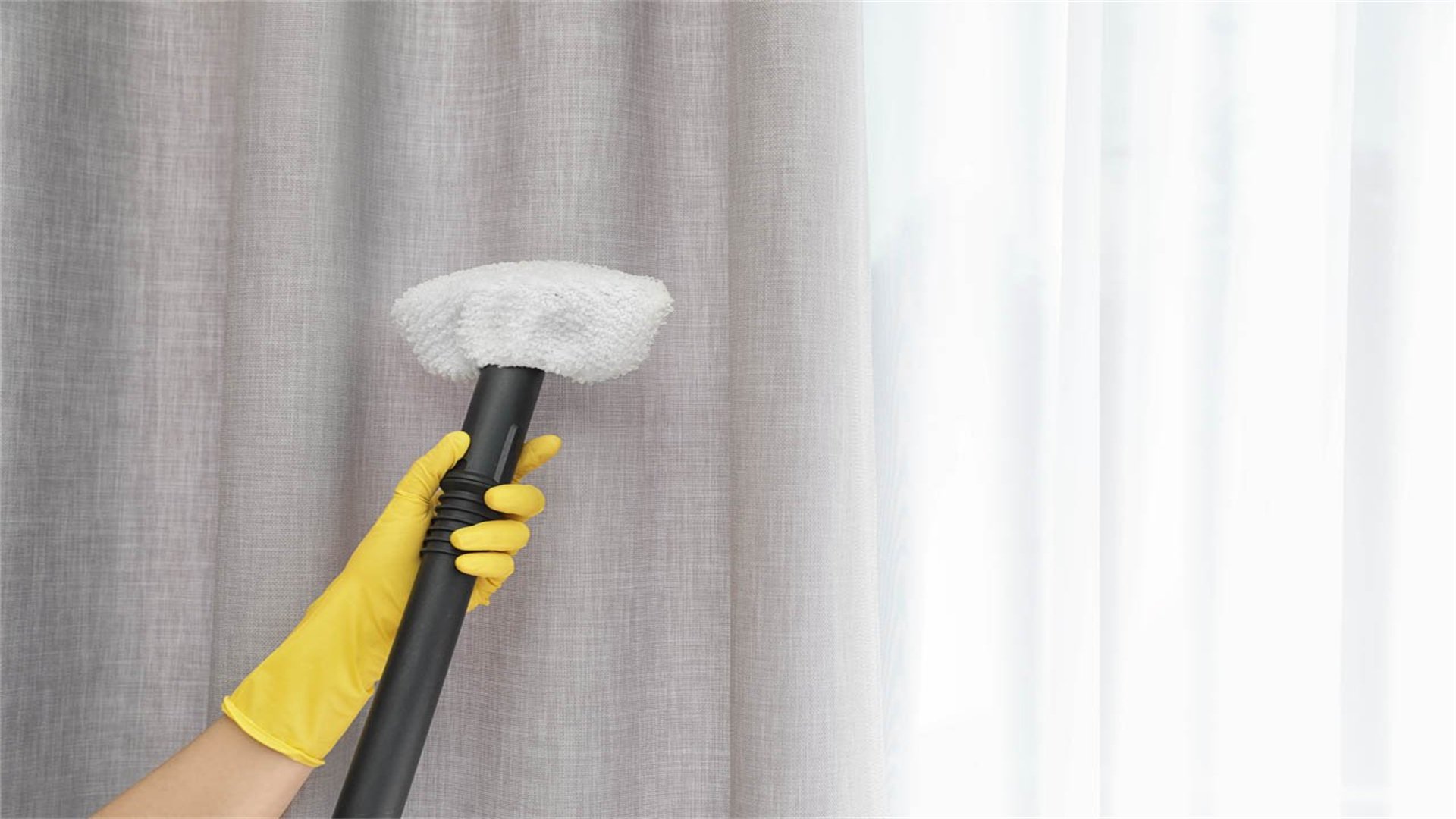
- Wash according to labels; if not washable, use a steamer with added essential oil.
Bedding and Mattresses
- Wash bedding weekly with vinegar in rinse cycle; sprinkle baking soda and lavender oil on mattresses, then vacuum.
- Use wool dryer balls with essential oils when drying laundry.
Stubborn Smells
- Sprinkle baking soda on fabrics, let sit for an hour, then vacuum; rotate cushions and mattresses seasonally.
🐾 Pet Odor Control Tips: Comprehensive Solutions

Grooming
- Bathe pets with odor-neutralizing shampoos; brush outdoors to reduce shedding; wipe paws after walks.
Accident Cleanup
- Use enzymatic cleaners immediately to break down proteins; blot, apply, and let dry completely.
- Avoid ammonia-based cleaners as they can attract pets back.
Bedding and Toys
- Wash pet bedding weekly in hot water with vinegar; soak toys in baking soda solution.
Litter Boxes
- Use unscented litter; scoop daily; add baking soda layer under litter and change weekly.
- Consider covered boxes or air purifiers nearby.
Air Quality
- Use HEPA air purifiers in pet areas; vacuum frequently with pet-hair attachment.
- Add a drop of essential oil to vacuum filters, but avoid direct contact with pets.
🚽 Bathroom and Kitchen Specific Hacks: Targeted Approaches
Bathroom Hacks
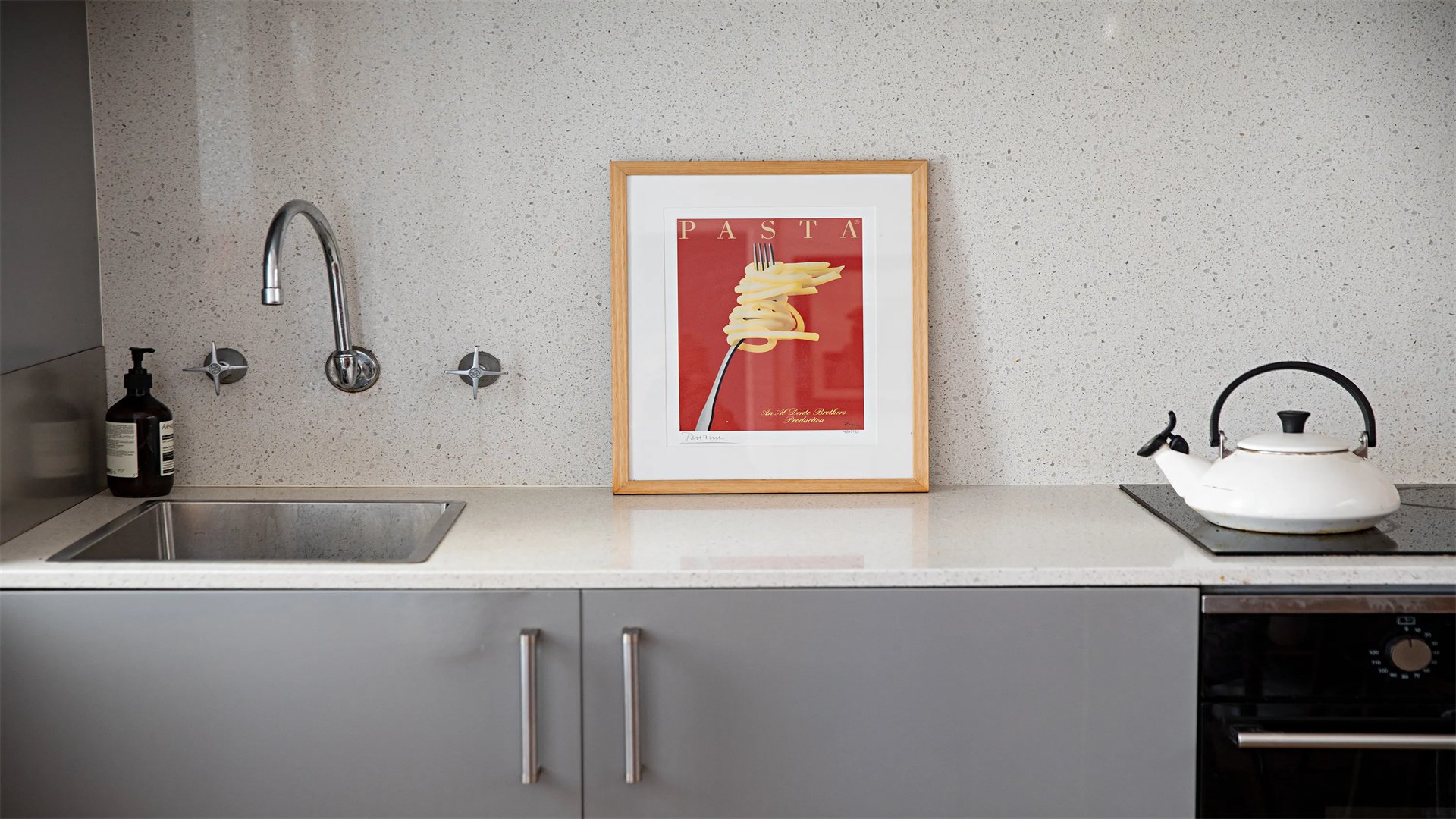
- Wipe down walls after showers to prevent mildew; place a dish of white vinegar near the toilet.
- Clean drains with baking soda and vinegar, then hot water; use toilet bowl cleaner with baking soda.
Kitchen Hacks
- Clean microwave by heating water with lemon slices, then wiping; scrub sinks with baking soda and peroxide paste.
- Store spices and onions in airtight containers; use exhaust fans while cooking.
- Place a bowl of vinegar on counter to absorb frying odors; line trash bins with newspaper and baking soda.
Deep-Cleaning
- Descale coffee makers with vinegar; run dishwasher cleaning cycles weekly.
📅 Long-Lasting Scent Solutions: Maintenance and Routine
Daily Tasks
- Open windows for ventilation; use quick sprays; take out trash.
Weekly Tasks
- Deep-clean one room; refresh potpourri; run diffusers; vacuum carpets.
Monthly Tasks
- Wash curtains; clean vents; replace baking soda deodorizers; inspect for mold.
Seasonal Tasks
- Rotate scents; incorporate seasonal hacks (e.g., simmer pots in winter, plants in spring).
- Use technology like smart diffusers with timers; involve household members in tasks.
🌈 Combining Scents for a Signature Fragrance: Art and Science

Understanding Scent Notes
- Top notes (citrus, herbs) are light and evaporate quickly.
- Middle notes (florals, spices) form the body; base notes (woods, musk) are deep and long-lasting.
Blending Tips
- Combine scents from each category for balance; start with 2 drops each and adjust.
- Example blend: lemon (top), lavender (middle), cedarwood (base) for a welcoming entryway.
Room-Specific Blends
- Bedrooms: calming blends like chamomile and sandalwood.
- Home offices: focus blends like peppermint and rosemary.
- Use same blend across methods (sprays, sachets) for cohesion; avoid overwhelming with 2-3 scents per space.
⚠️ Safety Tips for Home Fragrancing: Avoiding Risks
Essential Oil Safety
- Always dilute oils before skin contact or use in diffusers; keep away from pets and children.
- Some oils (e.g., tea tree, eucalyptus) are toxic to cats and dogs; store in locked cabinets.
Candle Safety
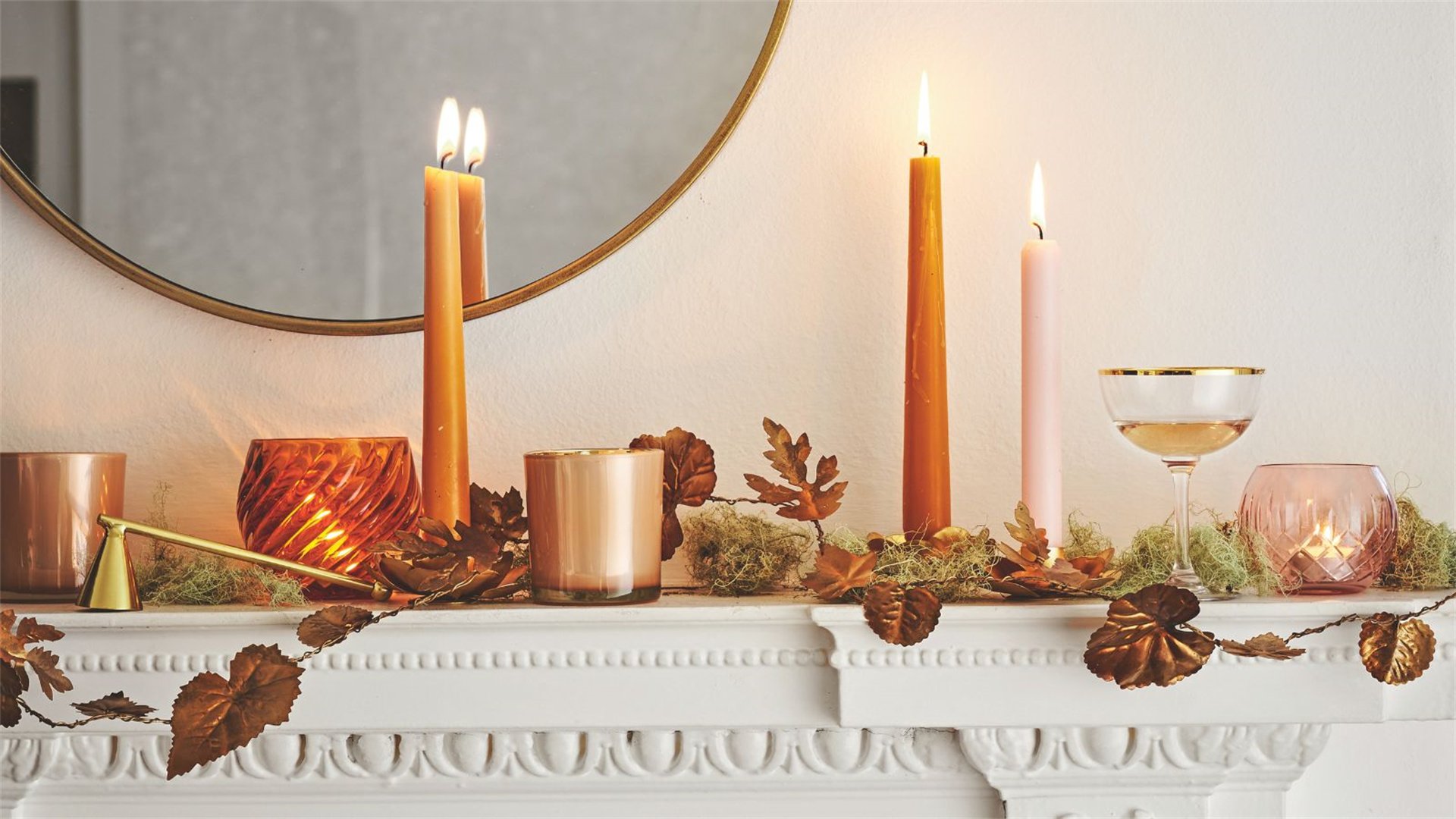
- Never leave burning candles unattended; keep away from flammable materials; extinguish before leaving room.
Diffuser Safety
- Use purified water to prevent mineral buildup; clean regularly to avoid mold growth.
Simmer Pot Safety
- Use low heat and set timers to prevent boiling dry; avoid harsh chemical mixes (e.g., bleach with vinegar).
General Tips
- Ensure good ventilation when using strong scents to prevent headaches; test sprays on hidden fabric areas.
- Choose natural ingredients in plug-in fresheners and replace as directed.
✨ Conclusion and Final Thoughts: Embracing a Fresh Home Lifestyle
Key Takeaways
- Transform your home with simple, affordable hacks like essential oils, DIY sprays, and deep cleaning.
- Consistency is key—small, regular efforts yield lasting results.
- Start with a few methods (e.g., simmer pots or diffuser routines) and gradually incorporate more.
Personalization
- Pay attention to how scents affect your mood and adjust accordingly; involve family or roommates.
- Experiment and enjoy the process to create a sanctuary that smells incredible daily.
Final Encouragement
- A fresh-smelling home enhances well-being; embrace these practices for a cozy, inviting environment.
Advertisement