How to Decorate Your Bedroom for a Calm and Relaxing Atmosphere
Creating a calm and relaxing bedroom is essential for promoting restful sleep, reducing stress, and enhancing overall well-being. In today's fast-paced world, the bedroom should serve as a personal sanctuary—a place where you can unwind, recharge, and escape from daily pressures. This comprehensive guide will walk you through various methods to transform your bedroom into a serene oasis, drawing inspiration from interior design trends and expert tips from international home decor websites. Each method is broken down into detailed steps, advantages and disadvantages, and practical implementation strategies. By the end of this article, you'll have a clear roadmap to achieve a peaceful atmosphere tailored to your preferences.
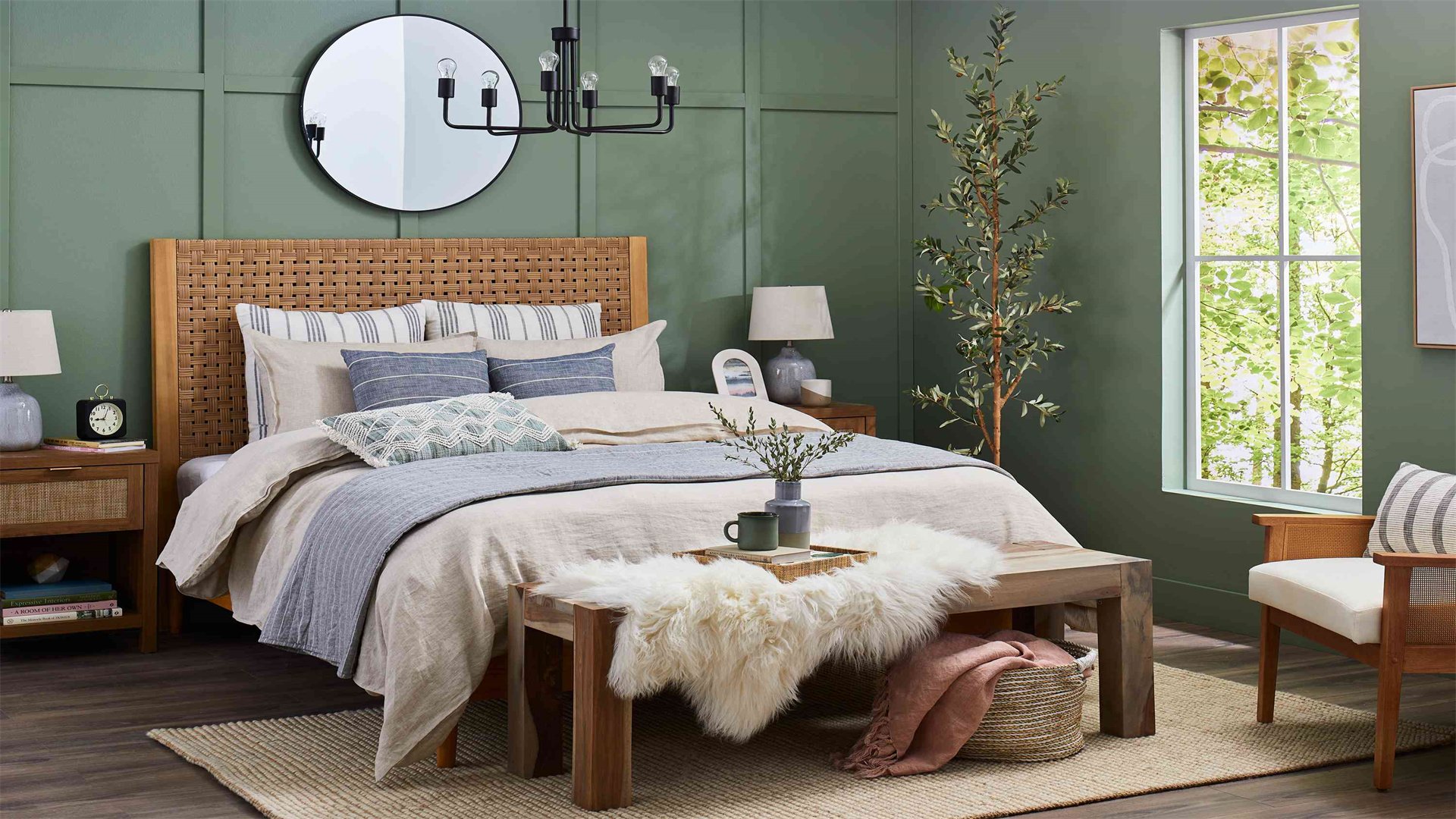
🎨 Method 1: Choose Calming Colors
Color psychology plays a pivotal role in setting the mood of a room. For a calm bedroom, selecting the right hues can instantly evoke feelings of tranquility and relaxation. This method focuses on using soft, muted tones that soothe the mind and eyes, rather than bold or vibrant shades that may stimulate energy and anxiety.
Advantages and Disadvantages
Advantages:
- Calming colors like soft blues, gentle greens, and neutral grays can lower heart rates, reduce stress hormones, and promote better sleep.
- They create a visually cohesive space that feels expansive and airy, making the room appear larger.
- Additionally, these colors are versatile and easy to pair with various decor elements.
Disadvantages:
- Overuse of muted tones might lead to a monotonous or bland look if not balanced with textures or accents.
- Some shades, like cool grays, can feel cold in rooms with limited natural light, potentially making the space less inviting.
- Moreover, personal color preferences vary, so what calms one person might not work for another.
How to Implement
- Select Soft, Muted Tones: Opt for colors like pale blue, lavender, sage green, beige, or light gray. These shades are derived from nature and have a calming effect. For example, pale blue mimics the sky and water, inducing a sense of peace. Avoid bright reds, oranges, or yellows, as they are energizing and can disrupt relaxation.
- Use a Neutral Base: Start with neutral walls and large furniture pieces in colors like white, cream, or taupe. This creates a blank canvas that allows you to layer in calming accents. Neutrals also reflect light well, enhancing the room's brightness and serenity.
- Incorporate Accent Colors Wisely: Add subtle pops of color through accessories like throw pillows, artwork, or rugs. Stick to a cohesive palette—for instance, pair soft blue walls with gray bedding and green plants. This adds depth without overwhelming the senses. Consider using a 60-30-10 rule: 60% dominant color (walls), 30% secondary color (furniture), and 10% accent color (decor).
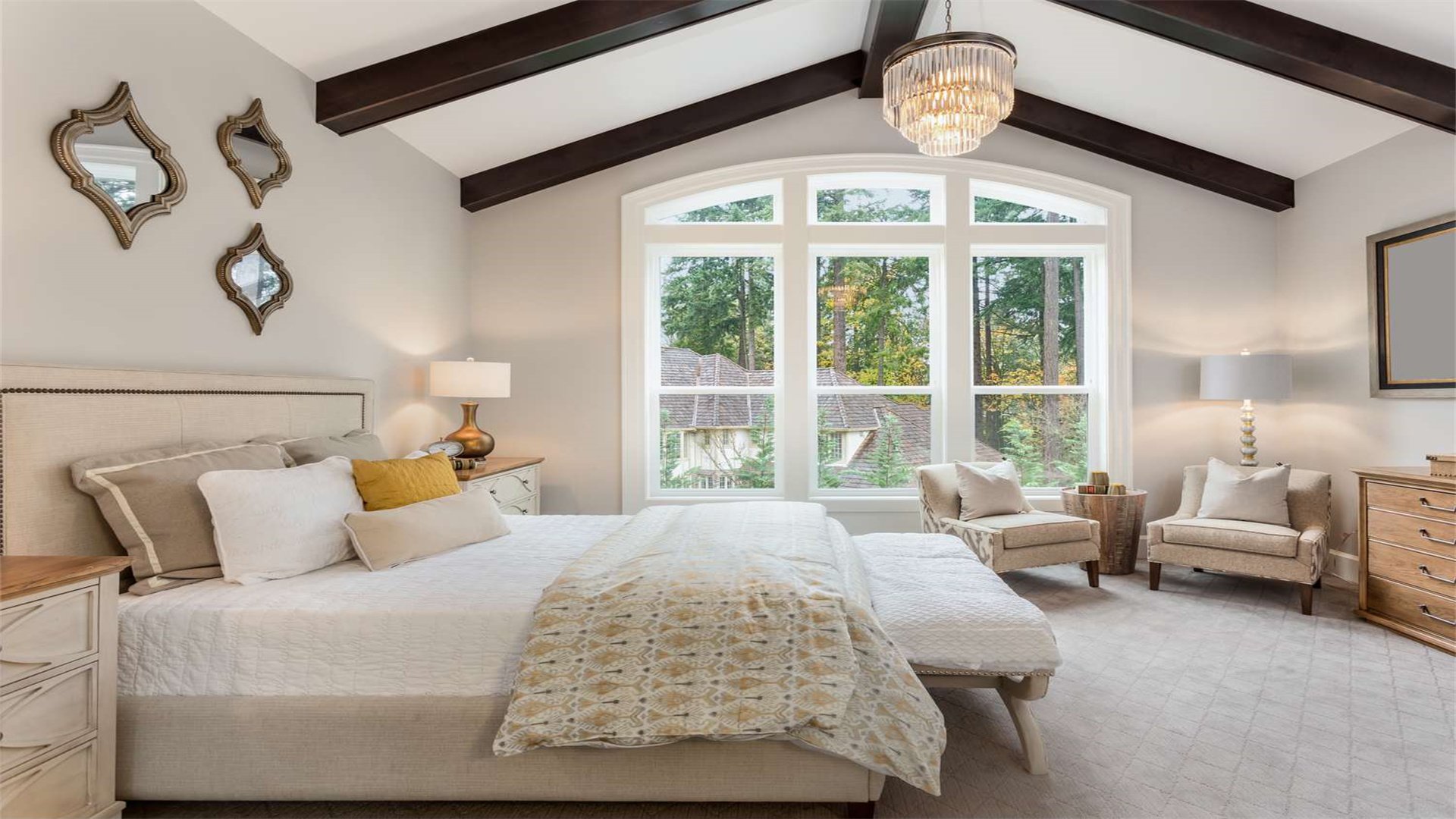
💡 Method 2: Optimize Lighting
Lighting is a crucial element in creating a relaxing atmosphere. The right lighting can soften the room's ambiance, reduce eye strain, and signal to your body that it's time to wind down. This method involves layering different light sources to achieve a balanced, soothing glow.
Advantages and Disadvantages
Advantages:
- Proper lighting enhances mood and functionality—soft, warm lights can mimic sunset, encouraging melatonin production for better sleep.
- Dimmable fixtures offer flexibility, allowing you to adjust brightness based on time of day.
- Natural light exposure during the day boosts vitamin D and improves circadian rhythms.
Disadvantages:
- Poor lighting choices, such as harsh overhead lights or cool-toned LEDs, can cause glare and disrupt sleep patterns.
- Installing multiple light sources may require initial investment and electrical work.
- Additionally, over-reliance on artificial light in windowless rooms can make the space feel less connected to nature.
How to Implement
- Maximize Natural Light: Use sheer curtains or blinds that allow sunlight to filter in softly during the day. Position mirrors opposite windows to reflect light and brighten dark corners. If possible, choose a bedroom with east-facing windows for gentle morning light.
- Install Dimmable Fixtures: Replace standard switches with dimmers for overhead lights and bedside lamps. This lets you lower brightness in the evening to create a cozy atmosphere. Opt for fixtures with warm white bulbs (2700K to 3000K color temperature) to avoid blue light that interferes with sleep.
- Use Ambient and Task Lighting: Combine ambient lighting (e.g., ceiling fixtures) with task lighting (e.g., reading lamps) and accent lighting (e.g., string lights or wall sconces). Place lamps at bedside tables for convenience, and consider LED strips under beds or behind headboards for a soft, indirect glow.
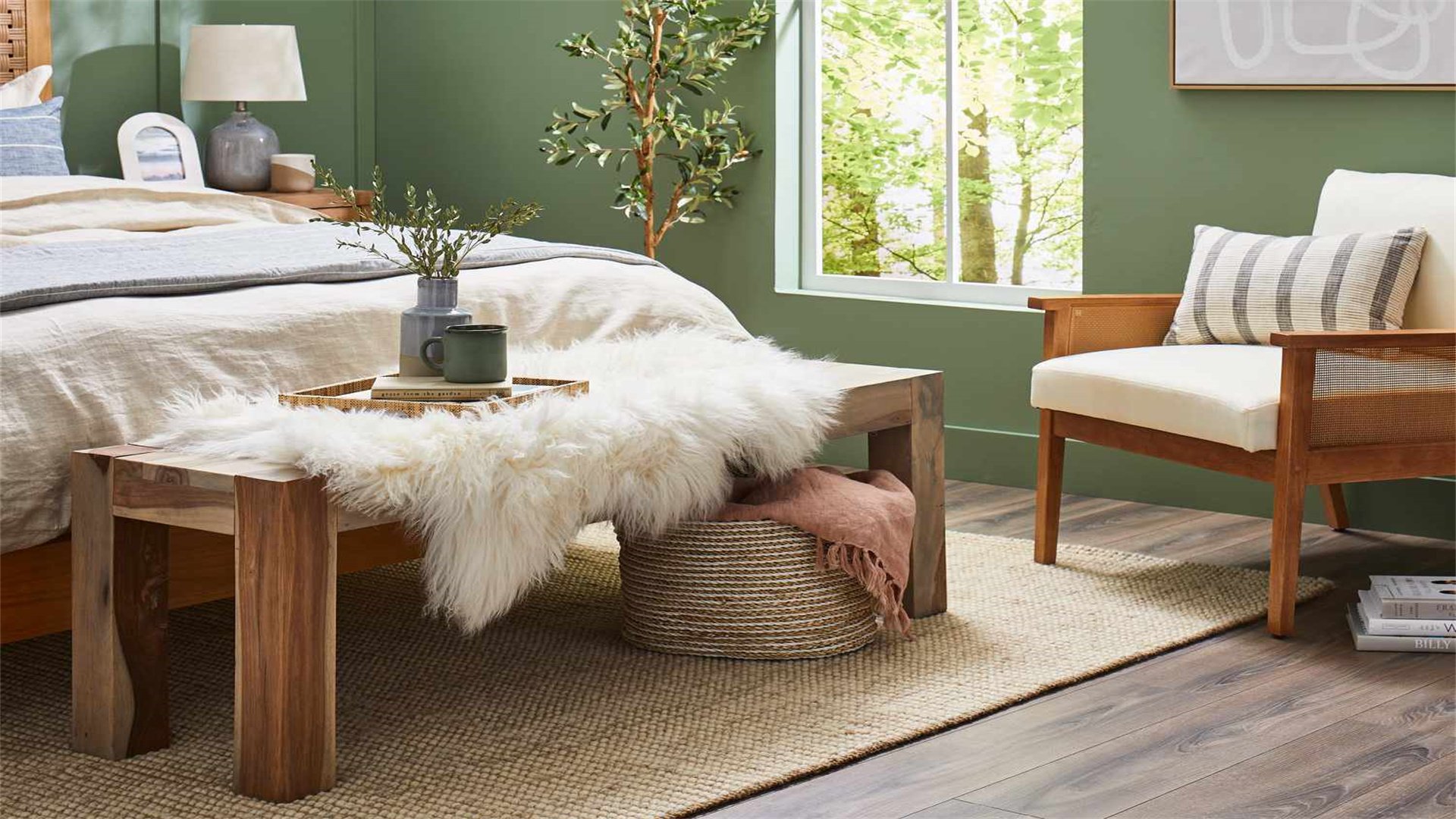
🛋️ Method 3: Arrange Furniture for Relaxation
Furniture arrangement impacts both the functionality and flow of a bedroom. A well-organized layout promotes ease of movement and a sense of order, which are key to a calming environment. This method focuses on prioritizing comfort and minimizing clutter through strategic placement.
Advantages and Disadvantages
Advantages:
- A thoughtful furniture arrangement can make the room feel more spacious and inviting.
- It enhances safety by reducing tripping hazards and improves accessibility for daily routines.
- By centering the bed as the focal point, you reinforce the room's purpose for rest.
Disadvantages:
- Rearranging furniture may require physical effort and trial-and-error to find the optimal setup.
- In small bedrooms, it can be challenging to balance aesthetics with practicality.
- Over-furnishing can lead to a cramped feel, defeating the goal of relaxation.
How to Implement
- Prioritize the Bed: Position the bed against a solid wall, preferably opposite the door, to create a sense of security and command. Ensure it's easily accessible from both sides if shared. Choose a comfortable mattress and supportive headboard to enhance relaxation.
- Create a Clear Flow: Leave ample walking space around the bed—aim for at least 2 feet on each side. Arrange other furniture, like dressers or nightstands, along walls to open up the center. Avoid blocking windows or doors to maintain natural light and ventilation.
- Minimize Furniture Pieces: Adopt a minimalist approach by keeping only essential items. For example, opt for a bed frame with built-in storage to reduce the need for extra cabinets. If space allows, add a cozy chair or bench for seating, but ensure it doesn't overcrowd the room.
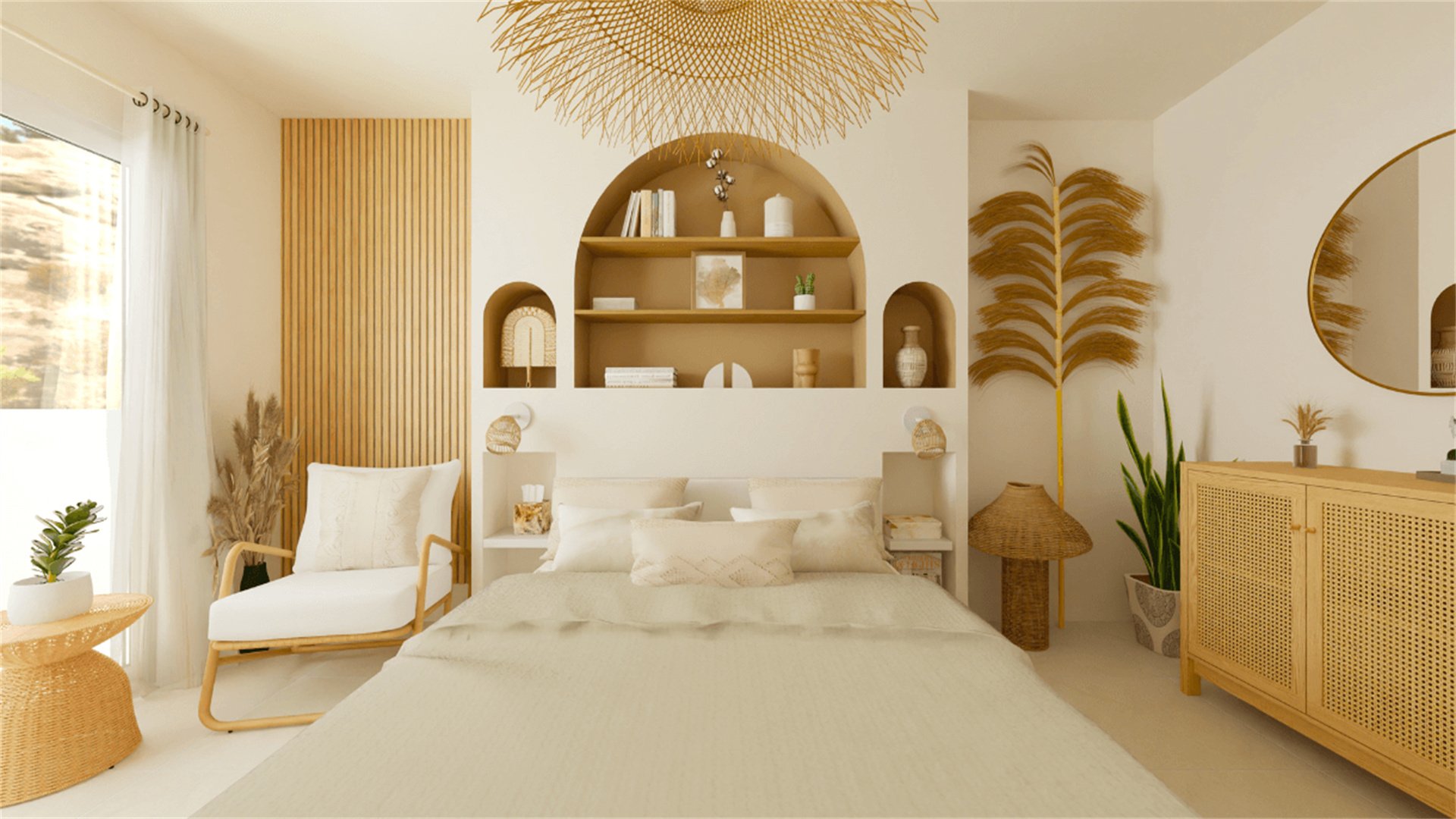
🌿 Method 4: Incorporate Natural Elements
Bringing nature indoors has been proven to reduce stress and boost mood. Natural elements like plants, wood, and stone add texture, warmth, and a connection to the outdoors, fostering a serene bedroom environment. This method explores how to integrate these elements seamlessly.
Advantages and Disadvantages
Advantages:
- Plants improve air quality by filtering toxins and increasing oxygen levels.
- Natural materials like wood and stone have tactile appeal, adding authenticity and grounding energy.
- They also promote biophilic design, which enhances mental well-being by linking humans to nature.
Disadvantages:
- Plants require maintenance, such as watering and sunlight, which may be challenging in low-light bedrooms.
- Some natural materials, like real stone, can be expensive and heavy.
- Overuse might make the room feel rustic or mismatched if not balanced with modern touches.
How to Implement
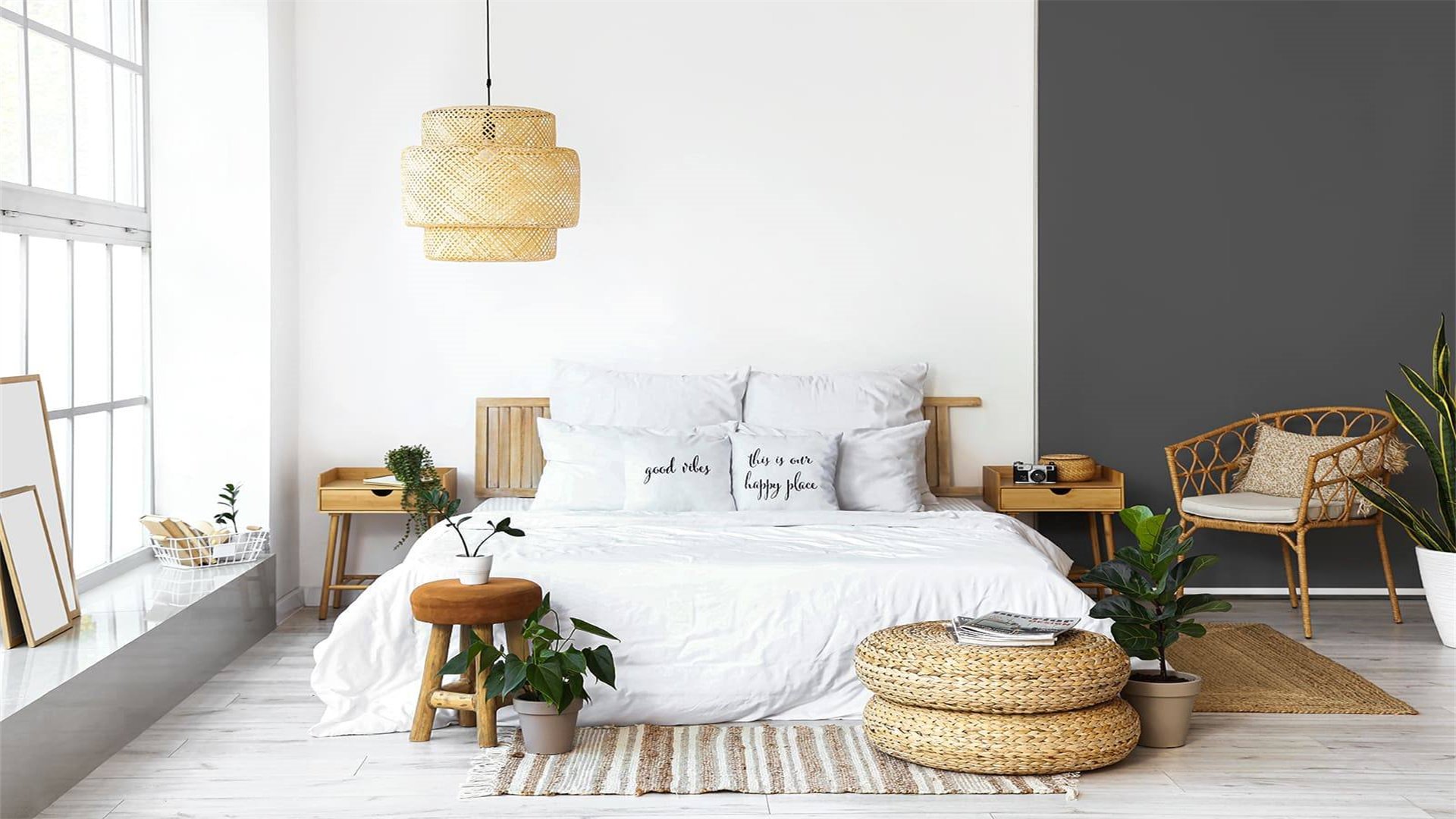
- Add Indoor Plants: Choose low-maintenance varieties like snake plants, pothos, or peace lilies that thrive in indirect light. Place them on nightstands, shelves, or in hanging planters to add vertical interest. Avoid overcrowding—a few well-placed plants can have a big impact.
- Use Natural Materials Like Wood and Stone: Opt for furniture made from solid wood, bamboo, or rattan for a warm, organic feel. Incorporate stone accents through decor items like coasters or a small fountain. For flooring, consider hardwood or natural fiber rugs like jute or sisal.
- Introduce Organic Textures: Mix materials such as linen, cotton, and wool in bedding and curtains. Add wooden wall art or stone sculptures to create focal points. Use a color palette inspired by nature, like earth tones, to tie everything together.
🧵 Method 5: Enhance with Textures and Fabrics
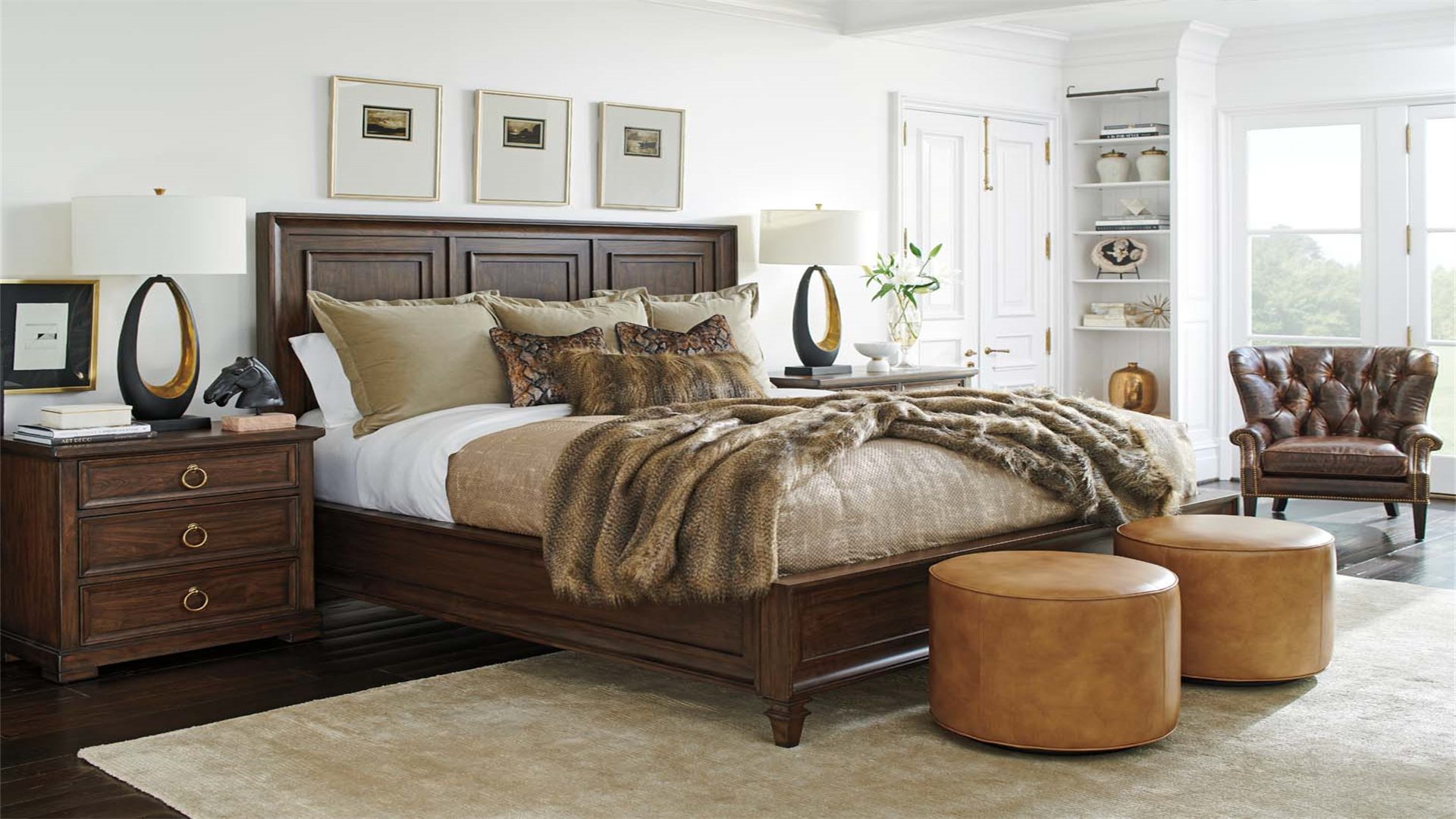
Textures and fabrics play a vital role in creating a cozy, inviting bedroom. Layering different materials adds depth and tactile comfort, encouraging relaxation through touch. This method focuses on selecting soft, breathable fabrics that enhance the sensory experience.
Advantages and Disadvantages
Advantages:
- High-quality fabrics like cotton, linen, and silk are breathable and gentle on the skin, promoting better sleep.
- Textural variety prevents the room from feeling flat and adds visual interest without relying on color.
- Layering blankets and pillows also allows for customizable comfort based on season or mood.
Disadvantages:
- Some fabrics, such as velvet or synthetic blends, may trap heat or cause allergies.
- Over-layering can lead to a cluttered appearance if not coordinated well.
- Additionally, premium fabrics can be costly and require special care, like dry cleaning or gentle washing.
How to Implement
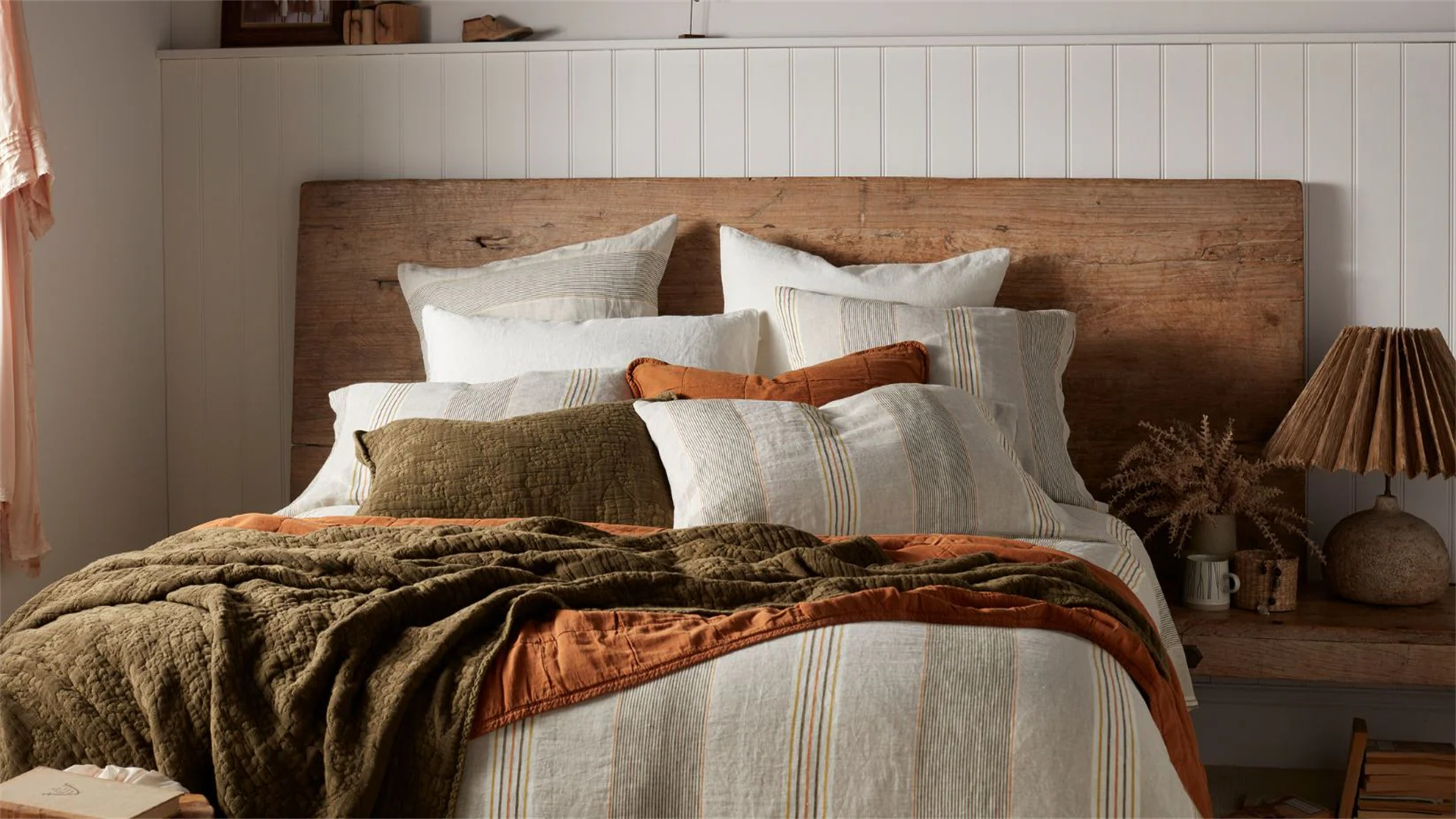
- Layer Bedding and Throws: Start with a comfortable mattress topper and high-thread-count sheets in natural fibers. Add a duvet or quilt, then top with a lightweight blanket or throw for extra coziness. Use pillows of varying sizes and textures—for example, mix linen shams with velvet cushions.
- Choose Breathable Fabrics: Select curtains made from linen or cotton that allow air circulation and soft light filtration. For rugs, opt for wool or bamboo blends that feel soft underfoot. Avoid heavy, dark fabrics that can make the room feel stuffy.
- Mix Textures for Depth: Combine smooth surfaces like silk pillows with rougher textures like a chunky knit blanket. Incorporate woven baskets for storage or a macramé wall hanging for artisanal appeal. Ensure a balanced look by sticking to a cohesive color scheme, such as neutrals with subtle pattern variations.
🗃️ Method 6: Minimize Clutter and Organize
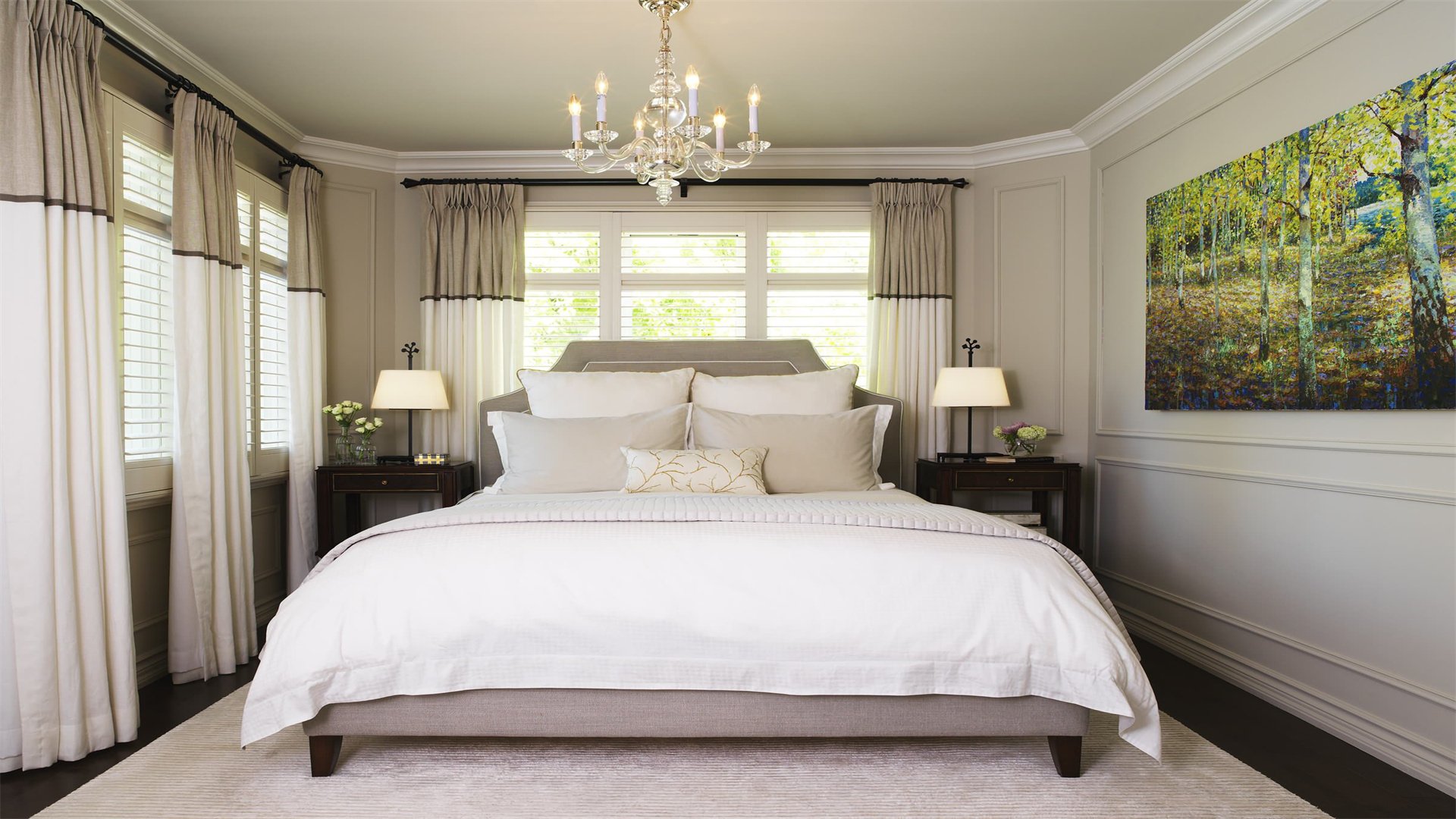
Clutter is a major source of visual and mental stress. A tidy, organized bedroom promotes clarity and peace, making it easier to relax. This method emphasizes practical storage solutions and decluttering techniques to maintain a serene space.
Advantages and Disadvantages
Advantages:
- An organized room reduces anxiety by eliminating distractions and making it easier to find items.
- It enhances safety by clearing walkways and improves air quality by reducing dust accumulation.
- Regular decluttering can also foster mindful habits and a sense of accomplishment.
Disadvantages:
- Decluttering requires time and effort, especially if you have accumulated many belongings.
- Storage solutions may involve upfront costs for furniture or organizers.
- In shared bedrooms, maintaining organization can be challenging if not everyone is on board.
How to Implement
- Implement Storage Solutions: Use under-bed storage boxes for off-season clothing or extra bedding. Install floating shelves or wall-mounted cabinets to free up floor space. Choose multi-functional furniture, like an ottoman with hidden storage, to keep items out of sight.
- Declutter Regularly: Adopt the KonMari method or a similar system to assess what sparks joy and discard unused items. Sort belongings into categories (e.g., clothes, books) and donate or recycle what you no longer need. Set a monthly routine to prevent clutter from building up.
- Hide Electronics and Cables: Tuck away chargers, cords, and devices in drawers or use cable management clips. Avoid placing TVs or work desks in the bedroom if possible, as they can disrupt the relaxation zone. If you must have electronics, use a stylish box or cover to conceal them when not in use.
🕊️ Method 7: Add Personal Touches for Serenity
Personal touches make a bedroom feel uniquely yours, but they should contribute to calmness rather than chaos. This method involves curating items that evoke positive emotions, such as calming art, soothing scents, and gentle sounds, to enhance the serene atmosphere.
Advantages and Disadvantages
Advantages:
- Personal elements like family photos or favorite artworks can reduce stress by fostering a sense of belonging.
- Aromatherapy with essential oils like lavender can promote relaxation and better sleep.
- Soothing sounds, such as white noise or nature tracks, mask disruptive noises and aid meditation.
Disadvantages:
- Over-personalization with too many trinkets or bold decor can create visual noise and distract from relaxation.
- Some scents or sounds might be irritating to sensitive individuals or partners.
- Additionally, investing in high-quality items like diffusers or sound machines can add expense.
How to Implement
- Display Calming Art and Photos: Choose artwork with serene subjects, like landscapes, abstract waves, or muted colors. Frame personal photos in simple, cohesive styles and group them on a gallery wall for impact. Avoid cluttering walls—leave negative space to maintain a peaceful vibe.
- Use Aromatherapy with Essential Oils: Invest in a diffuser and use calming scents like lavender, chamomile, or sandalwood in the evening. Alternatively, use linen sprays or scented candles (with caution) to infuse the room with fragrance. Ensure the scents are subtle and not overwhelming.
- Incorporate Soothing Sounds: Set up a small speaker or sound machine to play gentle music, nature sounds, or white noise. Create a bedtime playlist with slow-tempo songs or guided meditations. Keep volume low to avoid disruption, and consider using a timer to automatically turn off sounds after you fall asleep.
Transforming your bedroom into a calm and relaxing atmosphere is a rewarding endeavor that significantly impacts your quality of life. By methodically applying these seven strategies—choosing calming colors, optimizing lighting, arranging furniture for relaxation, incorporating natural elements, enhancing with textures and fabrics, minimizing clutter, and adding personal touches—you can create a personalized sanctuary that promotes rest and rejuvenation. Remember, the key is to balance aesthetics with functionality, tailoring each element to your preferences and lifestyle. Start with small changes, such as adjusting your color palette or decluttering, and gradually incorporate more methods as you see fit. With patience and creativity, you'll achieve a bedroom that not only looks serene but also feels like a true retreat from the outside world. Embrace the process, and enjoy the peaceful haven you've created for yourself.