How to Cook Fresh Vegetables to Preserve Flavor and Nutrients
Cooking vegetables is an art that balances taste, texture, and nutrition. Many home chefs struggle with methods that strip away essential vitamins or dull natural flavors. In this comprehensive guide, we explore simple yet effective cooking techniques designed to help you master the craft of preparing fresh vegetables. Each technique is explained in detail, with a focus on preserving flavor and nutrients, and includes a recipe-style example to illustrate practical application. From steaming to fermenting, these methods will transform your kitchen routine, ensuring every dish is vibrant, healthy, and delicious. Whether you're a beginner or an experienced cook, this article will equip you with the skills to elevate your vegetable dishes to a new level.
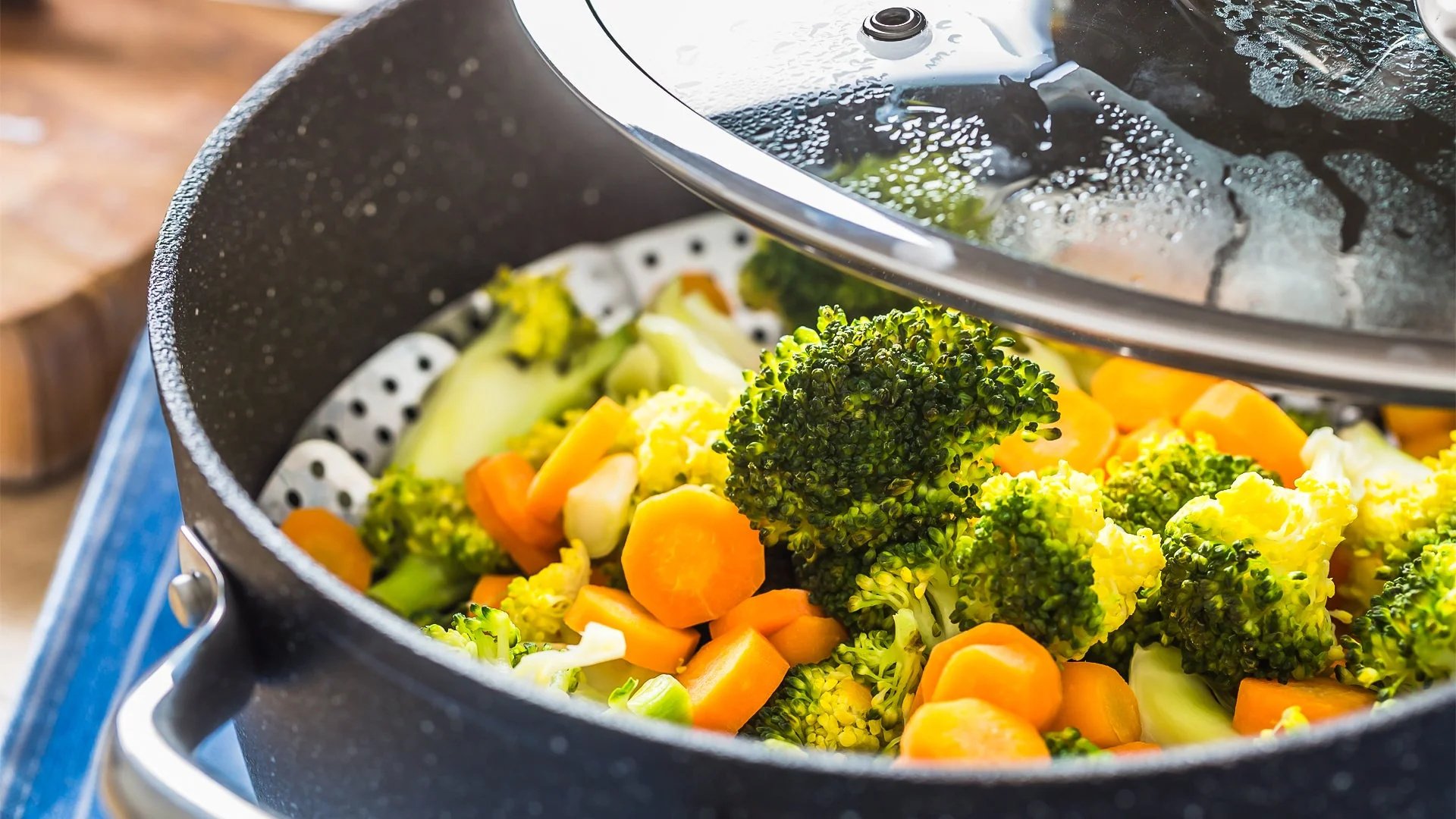
🥬 1. Steaming Vegetables
Steaming is a gentle cooking method that uses hot vapor to cook vegetables, minimizing nutrient loss and retaining their natural color and crunch.
Advantages and Disadvantages
Advantages:
- Preserves water-soluble vitamins (e.g., Vitamin C, B vitamins).
- Retains natural color and crisp texture.
- Requires minimal to no added fat.
Disadvantages:
- Can sometimes result in bland flavor if not seasoned properly.
- Not suitable for all vegetable types (e.g., dense root vegetables may require longer steaming).
- Requires specific equipment (steamer basket).
Example Recipe: Steamed Broccoli with Lemon and Garlic
This recipe showcases how steaming can transform simple ingredients into a flavorful side dish.
Ingredients:
- 1 head of broccoli, cut into florets (approximately 500 grams)
- 2 cloves of garlic, minced
- 1 lemon, juiced and zested
- 2 tablespoons of olive oil
- Salt and black pepper to taste
- Optional: red pepper flakes for a spicy kick
Steps:
- Fill a pot with about 2 inches of water and bring to a boil. Place a steamer basket inside.
- Add broccoli florets to the basket in a single layer. Cover and steam for 5-7 minutes.
- While steaming, prepare dressing: whisk garlic, lemon juice, zest, olive oil, salt, and pepper.
- Transfer cooked broccoli to a bowl and immediately drizzle with dressing. Toss to coat.
- Serve immediately as a side dish or over quinoa.
Tips: Avoid over-steaming. For variation, add toasted almonds or sesame seeds.
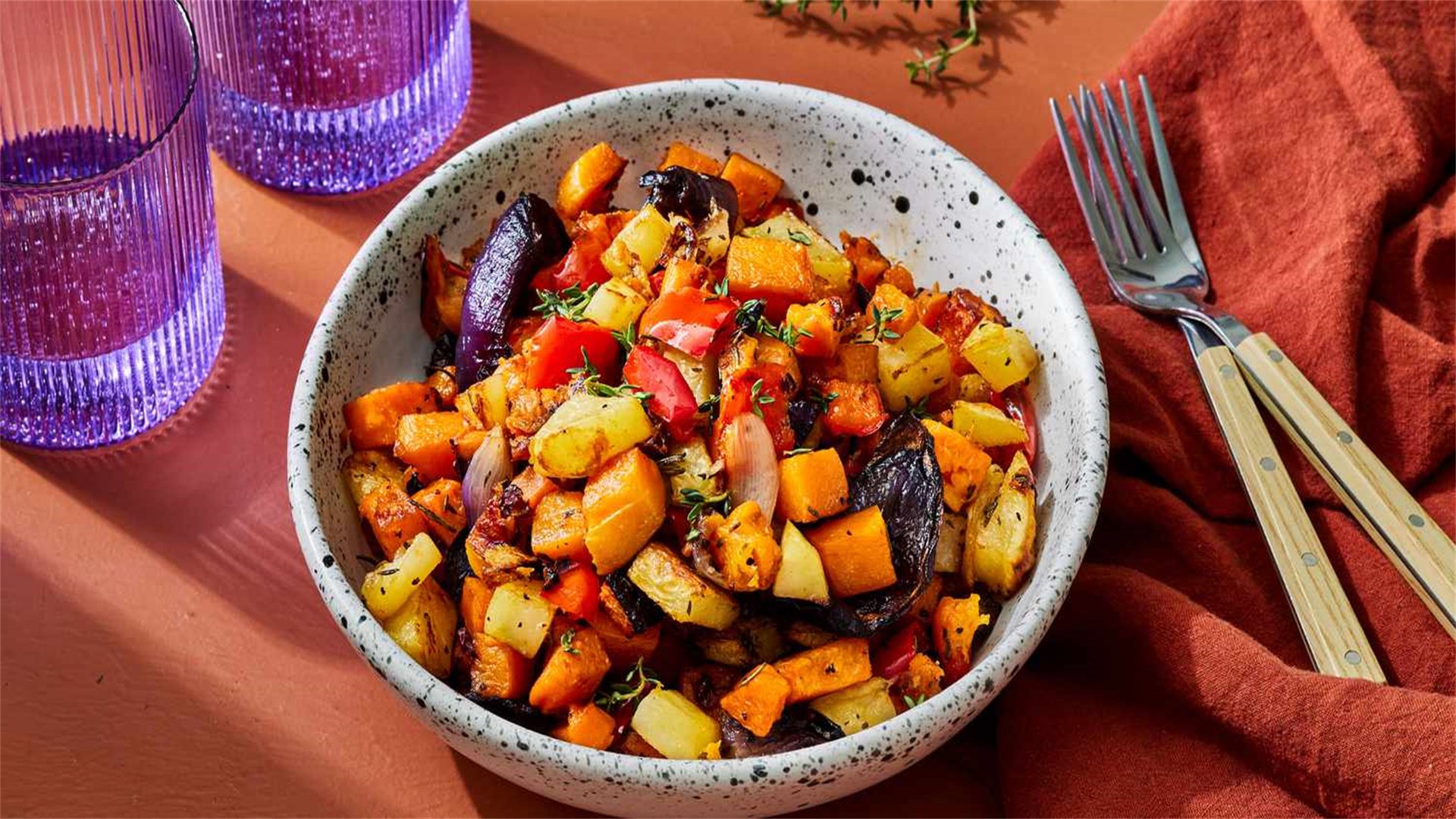
🔥 2. Roasting Vegetables
Roasting involves cooking vegetables in an oven at high heat, which caramelizes their natural sugars and enhances depth of flavor.
Advantages and Disadvantages
Advantages:
- Enhances natural sweetness and creates rich, caramelized flavors.
- Concentrates nutrients and textures.
- Requires minimal oil compared to frying.
Disadvantages:
- Longer cooking time than some methods.
- High heat can degrade some heat-sensitive nutrients if overcooked.
- Can dry out vegetables if not monitored.
Example Recipe: Roasted Root Vegetables with Thyme and Honey
This recipe highlights how roasting can transform humble root vegetables.
Ingredients:
- 2 large carrots, peeled and cut into chunks
- 2 parsnips, peeled and cut into chunks
- 1 sweet potato, peeled and cubed
- 1 red onion, cut into wedges
- 3 tablespoons olive oil
- 2 tablespoons honey
- 1 tablespoon fresh thyme leaves
- Salt and black pepper to taste
Steps:
- Preheat oven to 425°F (220°C). Line a baking sheet.
- In a bowl, combine vegetables with oil, honey, thyme, salt, and pepper. Toss to coat.
- Spread in a single layer on the baking sheet.
- Roast for 25-30 minutes, stirring halfway, until tender and caramelized.
- Remove and let cool slightly before serving.
Tips: For added crunch, sprinkle with chopped nuts before serving.
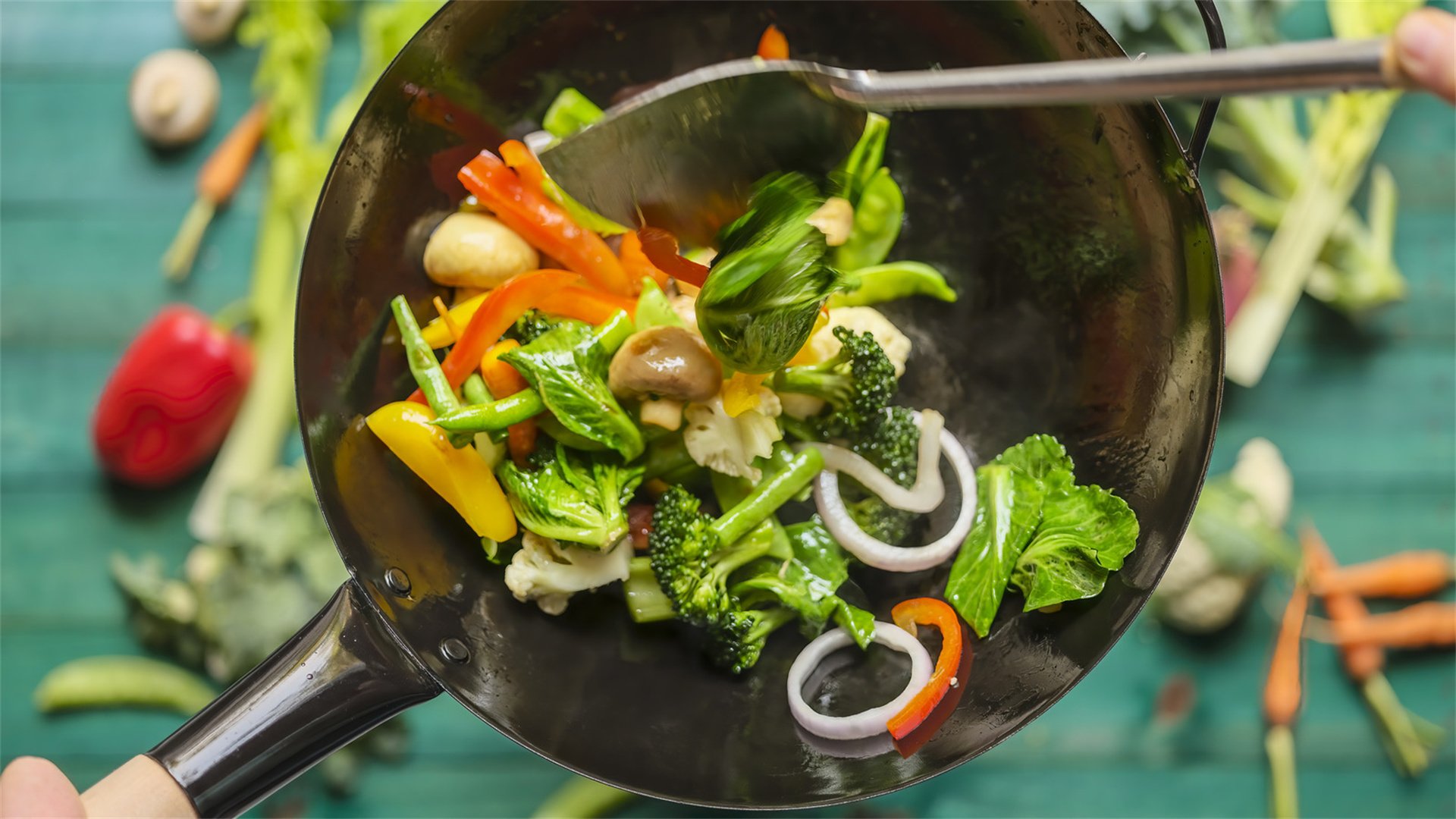
🍳 3. Sautéing Vegetables
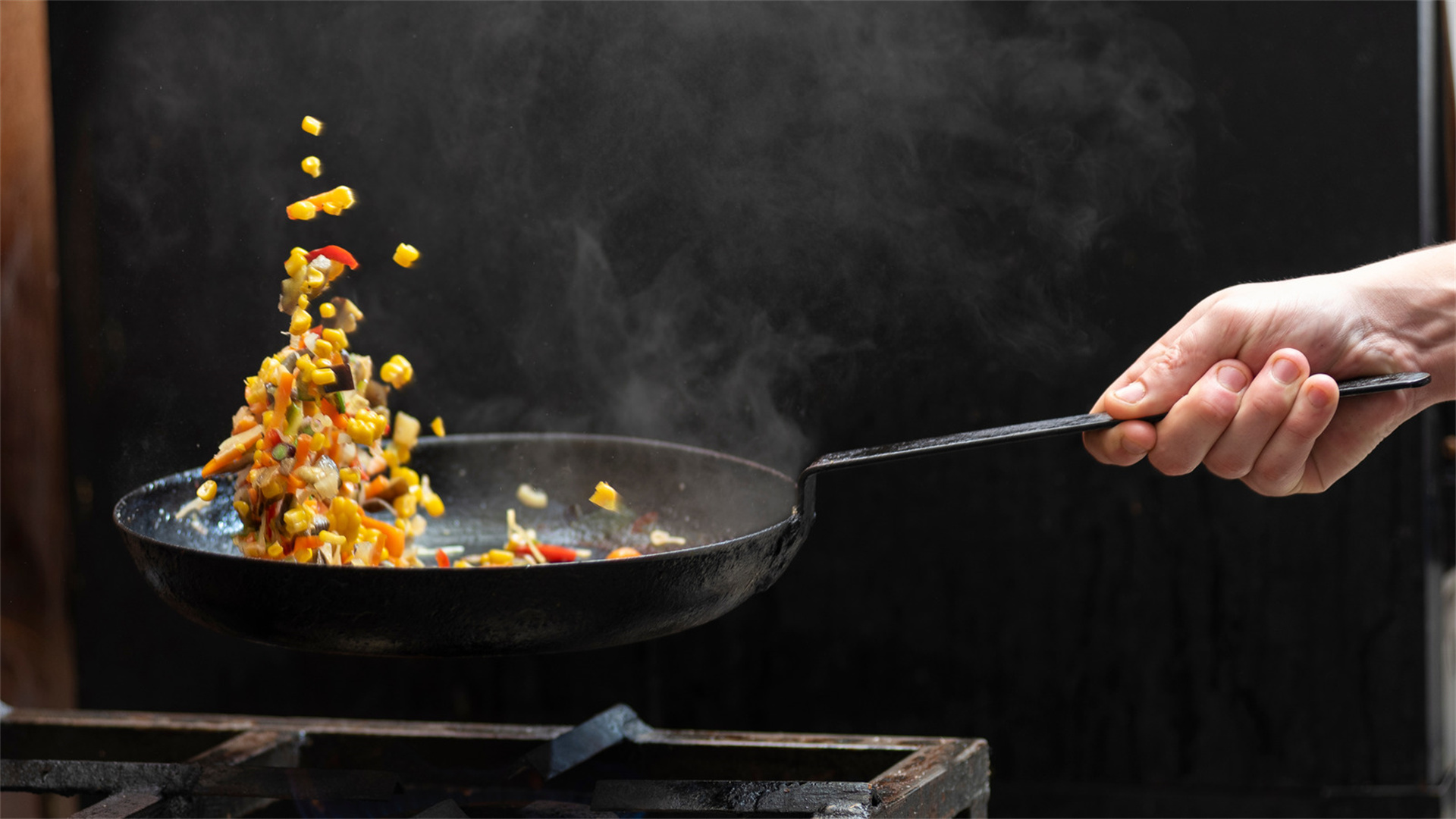
Sautéing is a quick-cooking method that uses a small amount of oil in a hot pan to cook vegetables over high heat.
Advantages and Disadvantages
Advantages:
- Quick cooking preserves texture and heat-sensitive nutrients.
- Evaporates excess moisture, concentrating flavor.
- Versatile and ideal for weeknight meals.
Disadvantages:
- Requires constant attention to prevent burning.
- Can use more oil than steaming or microwaving.
- Not ideal for large batches without overcrowding the pan.
Example Recipe: Sautéed Bell Peppers and Onions with Basil
This recipe demonstrates how sautéing creates a vibrant, colorful dish.
Ingredients:
- 2 bell peppers (red and yellow), sliced
- 1 large onion, sliced
- 2 tablespoons olive oil
- 2 cloves garlic, minced
- 1/4 cup fresh basil, chopped
- Salt and black pepper to taste
Steps:
- Heat oil in a large skillet over medium-high heat.
- Sauté onions for 3-4 minutes until translucent.
- Add bell peppers and sauté for 5-7 minutes until tender-crisp.
- Stir in garlic and cook for 1 more minute.
- Remove from heat, season, and fold in basil.
Tips: Ensure pan is hot and not overcrowded to avoid soggy vegetables.
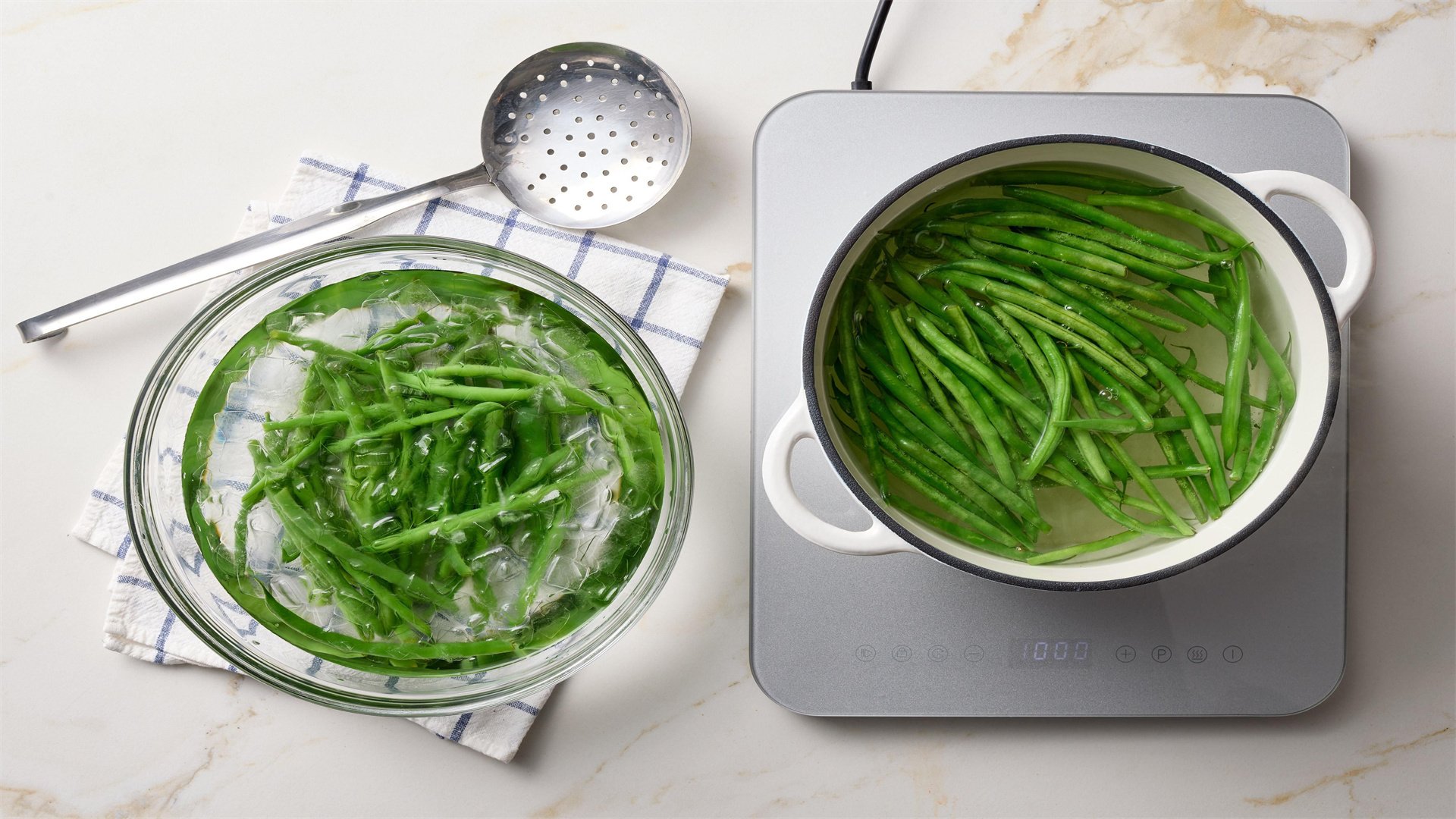
🧊 4. Blanching Vegetables
Blanching is a two-step process: briefly boiling vegetables, then plunging them into ice water.
Advantages and Disadvantages
Advantages:
- Preserves vibrant color, texture, and nutrients.
- Deactivates enzymes that cause spoilage.
- Softens vegetables slightly for easier digestion or further cooking.
Disadvantages:
- Adds an extra step (preparing ice bath).
- Can lead to nutrient loss if boiled for too long.
- Not a complete cooking method on its own for many dishes.
Example Recipe: Blanched Green Beans with Almonds and Lemon Zest
This recipe shows how blanching elevates simple green beans.
Ingredients:
- 500 grams fresh green beans, trimmed
- 1/4 cup sliced almonds
- 1 lemon, zested and juiced
- 2 tablespoons olive oil
- Salt and black pepper to taste
Steps:
- Prepare an ice bath. Bring a large pot of salted water to a boil.
- Blanch green beans for 2-3 minutes until bright green and firm.
- Immediately transfer to ice bath for 2-3 minutes, then drain and pat dry.
- Toast almonds in a dry skillet until golden.
- Combine beans, almonds, lemon zest, juice, oil, salt, and pepper in a bowl.
Tips: Blanching time varies by vegetable size. Use very cold ice water.
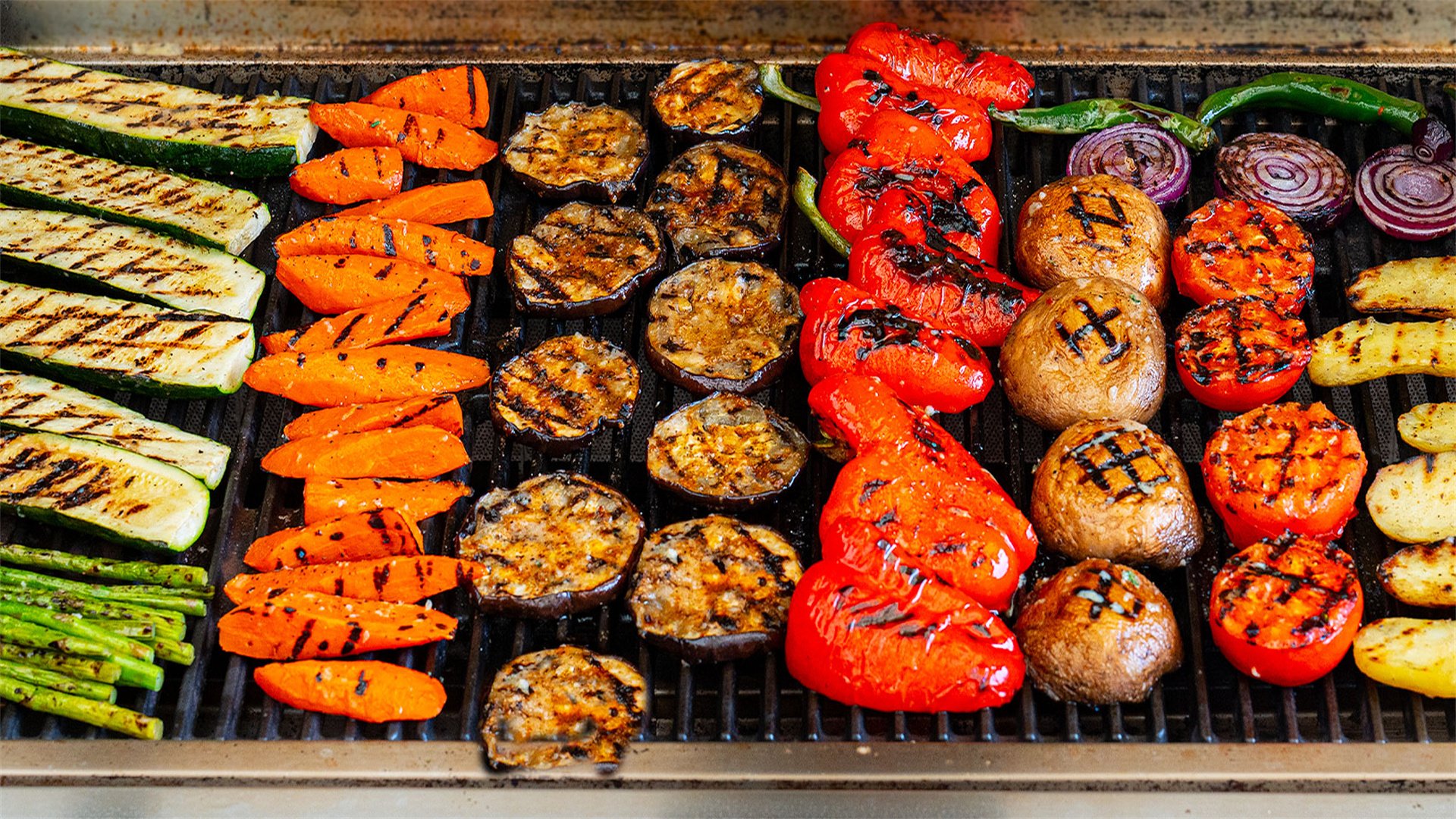
🍆 5. Grilling Vegetables
Grilling is a high-heat method that imparts a smoky flavor and charred texture.
Advantages and Disadvantages
Advantages:
- Adds smoky, caramelized flavors without excessive oil.
- Quick cooking helps retain vitamins and antioxidants.
- Excellent for sturdy vegetables, enhancing their meaty texture.
Disadvantages:
- Requires specific equipment (grill).
- Can cause vegetables to dry out or burn if not watched carefully.
- Weather-dependent for outdoor grilling.
Example Recipe: Grilled Eggplant with Balsamic Glaze and Herbs
This recipe illustrates how grilling transforms eggplant.
Ingredients:
- 2 medium eggplants, sliced into rounds
- 3 tablespoons olive oil
- 2 tablespoons balsamic vinegar
- 1 tablespoon honey
- 1 teaspoon dried oregano
- Salt and black pepper to taste
Steps:
- Preheat grill to medium-high heat.
- Whisk oil, vinegar, honey, oregano, salt, and pepper for marinade.
- Brush eggplant with marinade and let sit 10 minutes.
- Grill for 4-5 minutes per side until tender and marked.
- Heat reserved marinade into a glaze and drizzle over grilled eggplant.
Tips: Ensure grill grates are clean and oiled to prevent sticking.
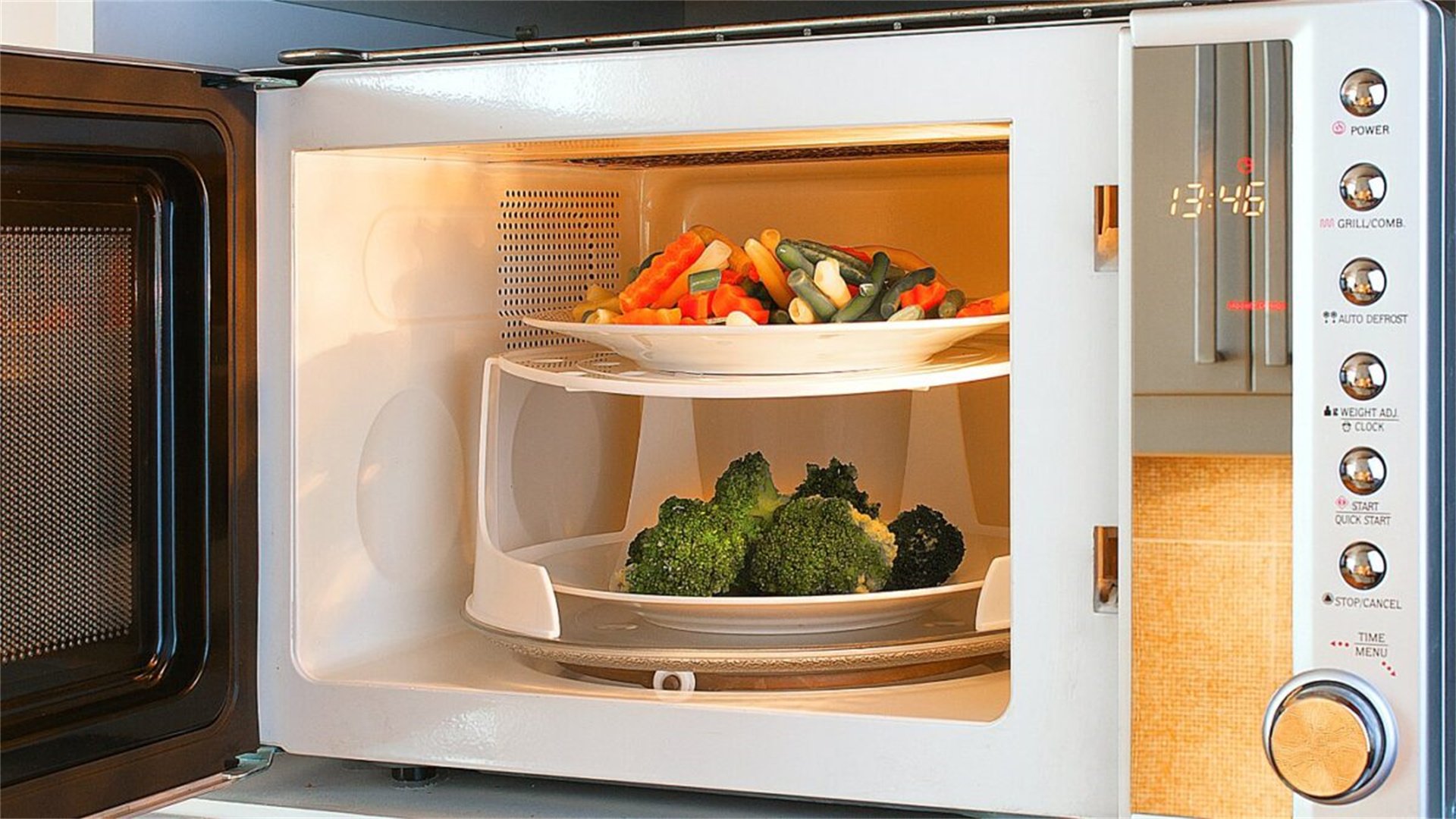
⚡ 6. Microwaving Vegetables
Microwaving uses electromagnetic waves to heat vegetables quickly, preserving nutrients.
Advantages and Disadvantages
Advantages:
- Very fast and convenient.
- Minimal water use preserves water-soluble vitamins.
- Requires little to no added fat.
Disadvantages:
- Can lead to uneven cooking if not stirred.
- May result in a soggy texture if overcooked.
- Limited capacity for browning or caramelization.
Example Recipe: Microwaved Spinach with Garlic and Pine Nuts
This recipe demonstrates quick wilting while keeping spinach nutrient-rich.
Ingredients:
- 300 grams fresh spinach
- 2 cloves garlic, minced
- 2 tablespoons pine nuts
- 1 tablespoon olive oil
- Salt and black pepper to taste
Steps:
- Combine spinach, garlic, and oil in a microwave-safe dish. Cover.
- Microwave on high for 2-3 minutes, stirring halfway.
- Toast pine nuts in a dry skillet until golden.
- Season spinach with salt and pepper.
- Transfer to bowl and top with toasted pine nuts.
Tips: Use fresh spinach for best texture. Adjust time based on microwave wattage.
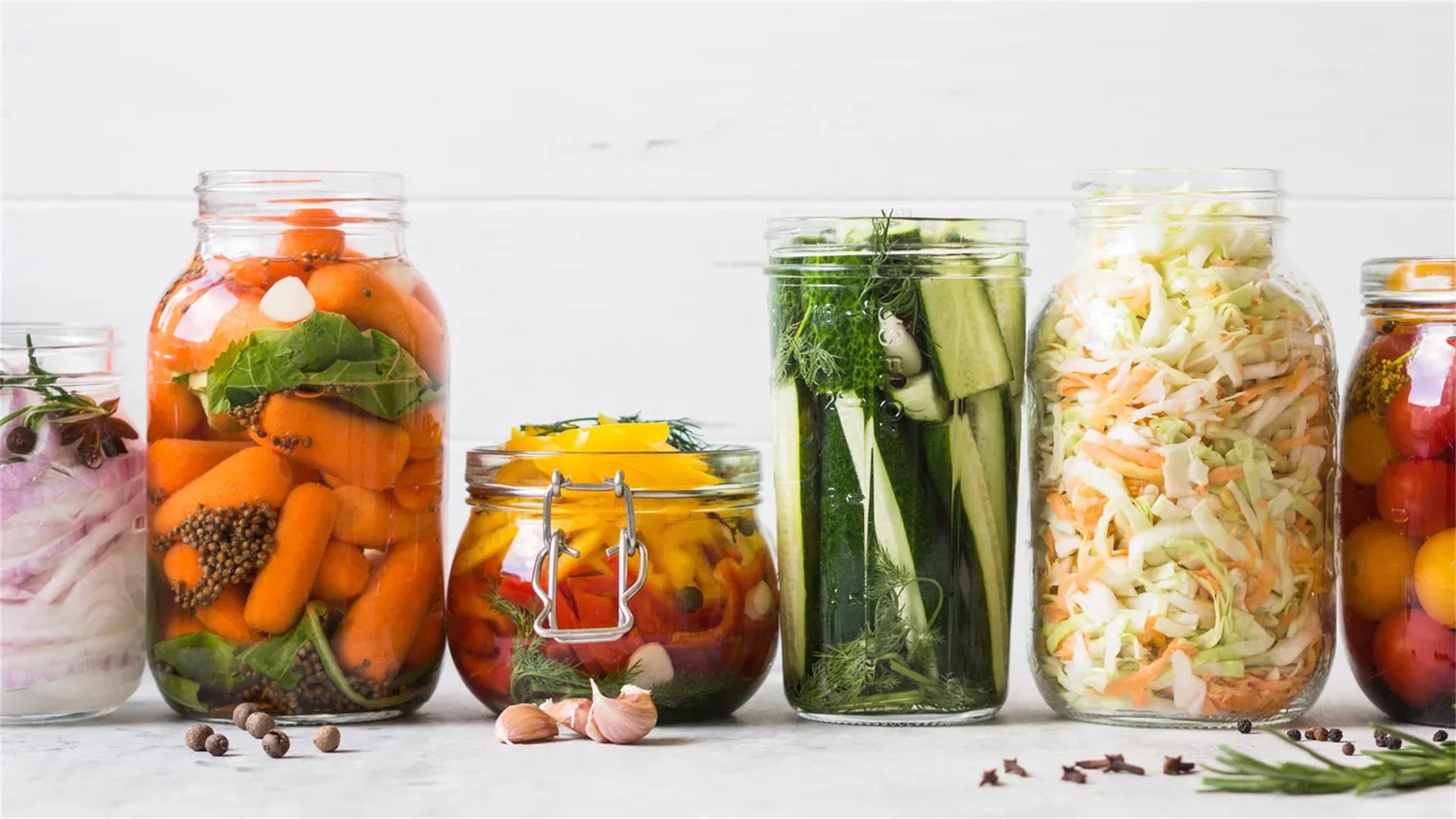
🦠 7. Fermenting Vegetables
Fermenting uses beneficial bacteria to break down sugars, creating probiotics and enhancing nutrients.
Advantages and Disadvantages
Advantages:
- Boosts probiotic content and nutrient bioavailability.
- Extends shelf life significantly.
- Adds complex, tangy flavors.
Disadvantages:
- Requires time and patience (days to weeks).
- Needs careful hygiene to prevent mold.
- Results can be unpredictable for beginners.
Example Recipe: Fermented Carrot Sticks with Ginger and Turmeric
This recipe shows how fermenting transforms carrots into a probiotic-rich snack.
Ingredients:
- 500 grams carrots, peeled and cut into sticks
- 1 tablespoon fresh ginger, grated
- 1 teaspoon ground turmeric
- 2 teaspoons sea salt
- 4 cups filtered water
Steps:
- Sterilize a quart-sized glass jar.
- Dissolve salt in water to create brine.
- Pack carrot sticks into jar with ginger and turmeric.
- Pour brine over, ensuring carrots are submerged.
- Seal loosely and ferment at room temperature for 5-7 days.
- Once fermented, store in refrigerator.
Tips: Use organic vegetables and clean utensils. Taste during fermentation.
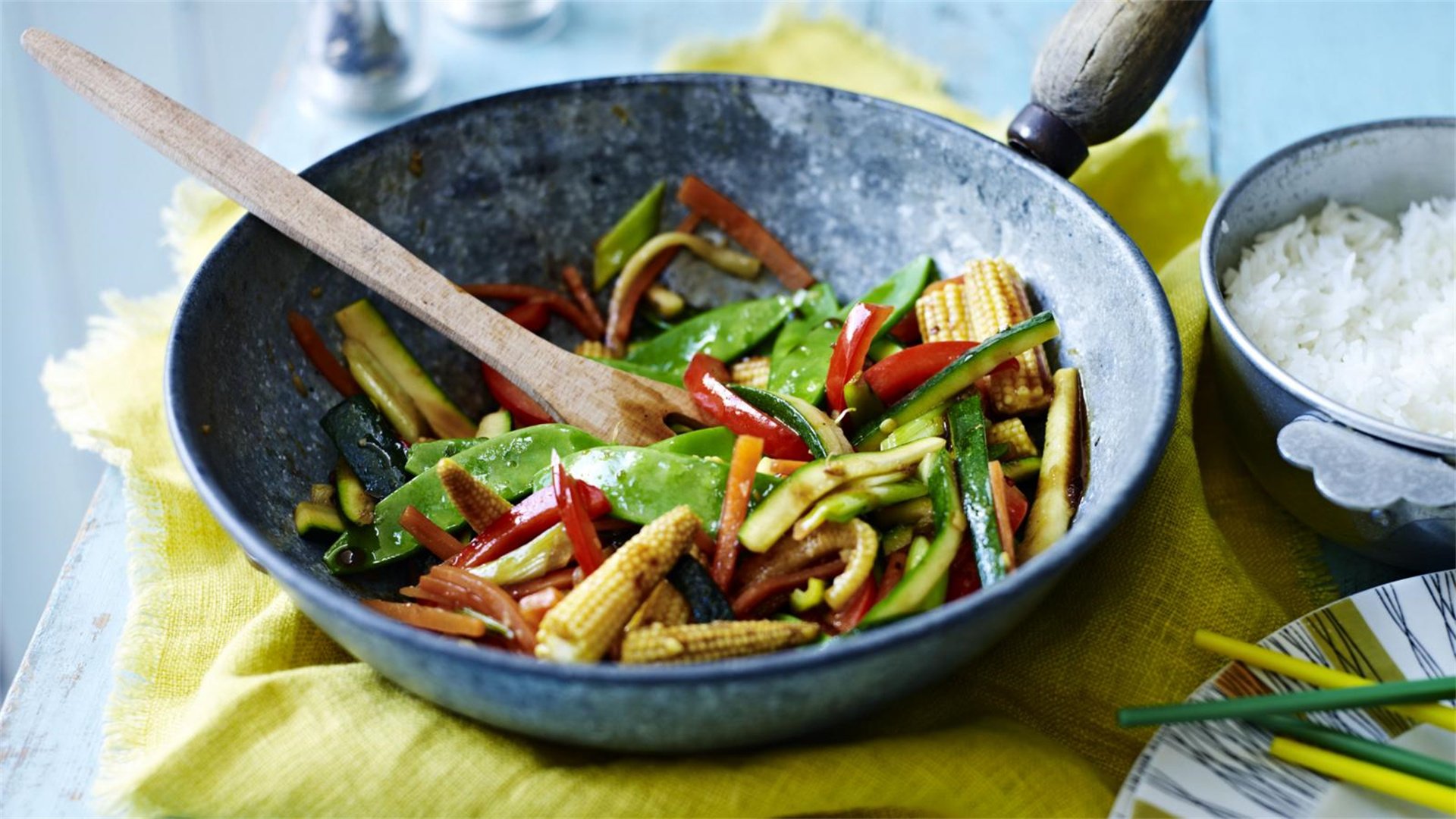
🥢 8. Stir-Frying Vegetables
Stir-frying is a high-heat, quick-cooking method involving constant stirring in a wok or skillet.
Advantages and Disadvantages
Advantages:
- Very fast, preserving crunch and heat-sensitive nutrients.
- Uses minimal oil.
- Allows for great flavor infusion from sauces and aromatics.
Disadvantages:
- Requires high heat and constant attention.
- Can easily burn if not stirred continuously.
- Needs all ingredients prepped beforehand due to speed.
Example Recipe: Stir-Fried Mixed Vegetables with Ginger and Soy Sauce
This recipe highlights a colorful, nutrient-packed stir-fry.
Ingredients:
- 200 grams broccoli florets
- 1 carrot, sliced
- 1 red bell pepper, sliced
- 100 grams snow peas
- 2 tablespoons peanut oil
- 1 tablespoon fresh ginger, minced
- 2 cloves garlic, minced
- 2 tablespoons soy sauce
Steps:
- Heat wok over high heat until very hot. Add oil.
- Stir-fry ginger and garlic for 30 seconds.
- Add carrots, then broccoli, cooking for 2-3 minutes each.
- Add bell pepper and snow peas, stir-fry for 2-3 minutes more.
- Reduce heat, add soy sauce, toss to coat, and cook for 1 minute.
Tips: Avoid overcrowding the wok. Have all ingredients prepped before starting.
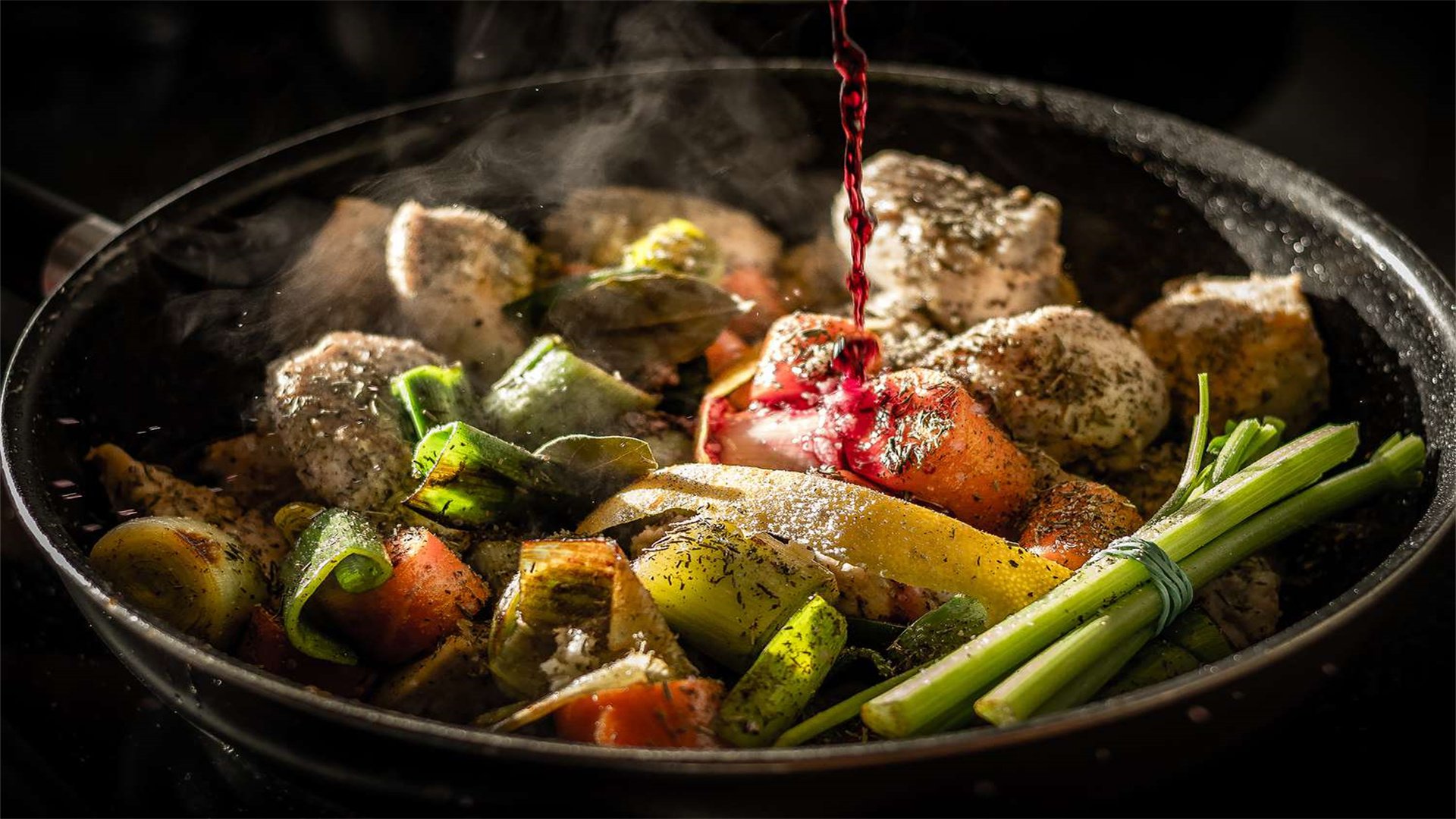
🍲 9. Braising Vegetables
Braising involves searing vegetables, then simmering them in liquid at low heat until tender.
Advantages and Disadvantages
Advantages:
- Breaks down tough fibers, creating melt-in-your-mouth textures.
- Infuses deep flavors and creates nutrient-rich sauces.
- Retains water-soluble vitamins through slow cooking with liquid.
Disadvantages:
- Time-consuming process.
- Requires more attention than some methods.
- Not suitable for delicate vegetables that might fall apart.
Example Recipe: Braised Fennel with White Wine and Herbs
This recipe showcases how braising transforms fennel.
Ingredients:
- 2 large fennel bulbs, cut into wedges
- 2 tablespoons olive oil
- 1 onion, sliced
- 2 cloves garlic, minced
- 1/2 cup white wine
- 1 cup vegetable broth
- Salt and black pepper to taste
Steps:
- Heat oil in a large pot over medium-high heat. Brown fennel wedges.
- Remove fennel. Add onion and garlic to pot, cook until soft.
- Return fennel to pot. Add white wine, bring to a simmer.
- Add vegetable broth. Cover, reduce heat, and simmer for 20-25 minutes until fennel is tender.
- Season with salt and pepper. Serve with the reduced cooking liquid as a sauce.
Tips: Use a heavy-bottomed pot for even heat. The liquid should halfway cover the vegetables.