How to Clean and Maintain Your Air Conditioner Without a Pro
📖 Introduction to DIY Air Conditioner Maintenance
Maintaining your air conditioner is crucial for ensuring optimal performance, energy efficiency, and longevity. While many people rely on professional services, you can save money and extend the life of your unit by learning how to clean and maintain it yourself. This comprehensive guide will walk you through every step, from safety precautions to detailed cleaning techniques, based on best practices from reputable international sources. By following these instructions, you can keep your air conditioner running smoothly without the need for a professional.
Air conditioners are complex systems that require regular upkeep to function efficiently. Neglecting maintenance can lead to reduced cooling capacity, higher energy bills, and even system failures. According to studies from organizations like the U.S. Department of Energy, proper maintenance can improve efficiency by up to 15%. This article covers all aspects of cleaning and maintaining both window units and split-system air conditioners, with a focus on safety, practicality, and cost-effectiveness. We'll break down the process into manageable points, ensuring you have a clear, step-by-step roadmap.
⚠️ Safety Precautions: The First Step
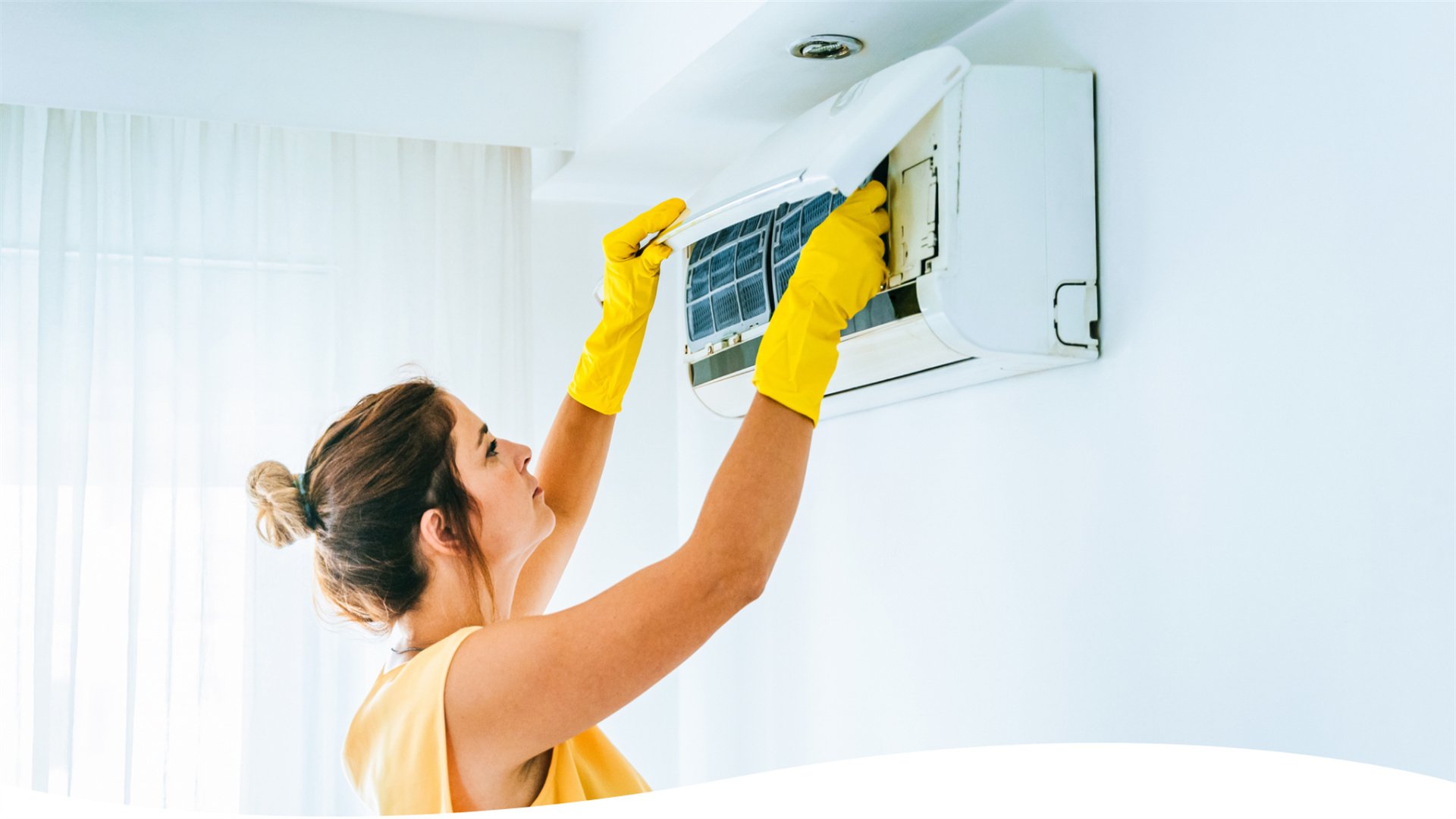
Before starting any work on your air conditioner, safety must be your top priority. Air conditioners involve electrical components, refrigerants, and moving parts that can pose risks if handled improperly. Here are essential safety measures to follow:
Turn Off Power
Always disconnect the air conditioner from the power source. For central systems, switch off the circuit breaker at the main electrical panel. For window units, unplug them from the outlet. This prevents electrical shocks.
Wear Protective Gear
Use gloves to protect your hands from sharp edges and chemicals. Safety goggles are recommended to shield your eyes from dust and debris. A mask can help avoid inhaling allergens or mold spores.
Work in a Well-Ventilated Area
When cleaning indoor units, open windows or use fans to ensure proper airflow, especially if using cleaning agents that emit fumes.
Avoid Refrigerant Handling
Do not attempt to open refrigerant lines or recharge the system yourself. Refrigerants are hazardous and require licensed professionals. Focus only on cleaning and mechanical maintenance.
Use Stable Ladders
For outdoor units, ensure ladders are secure and placed on level ground to prevent falls.
By adhering to these precautions, you minimize risks and create a safe working environment for DIY maintenance.
🛠️ Tools and Materials You'll Need
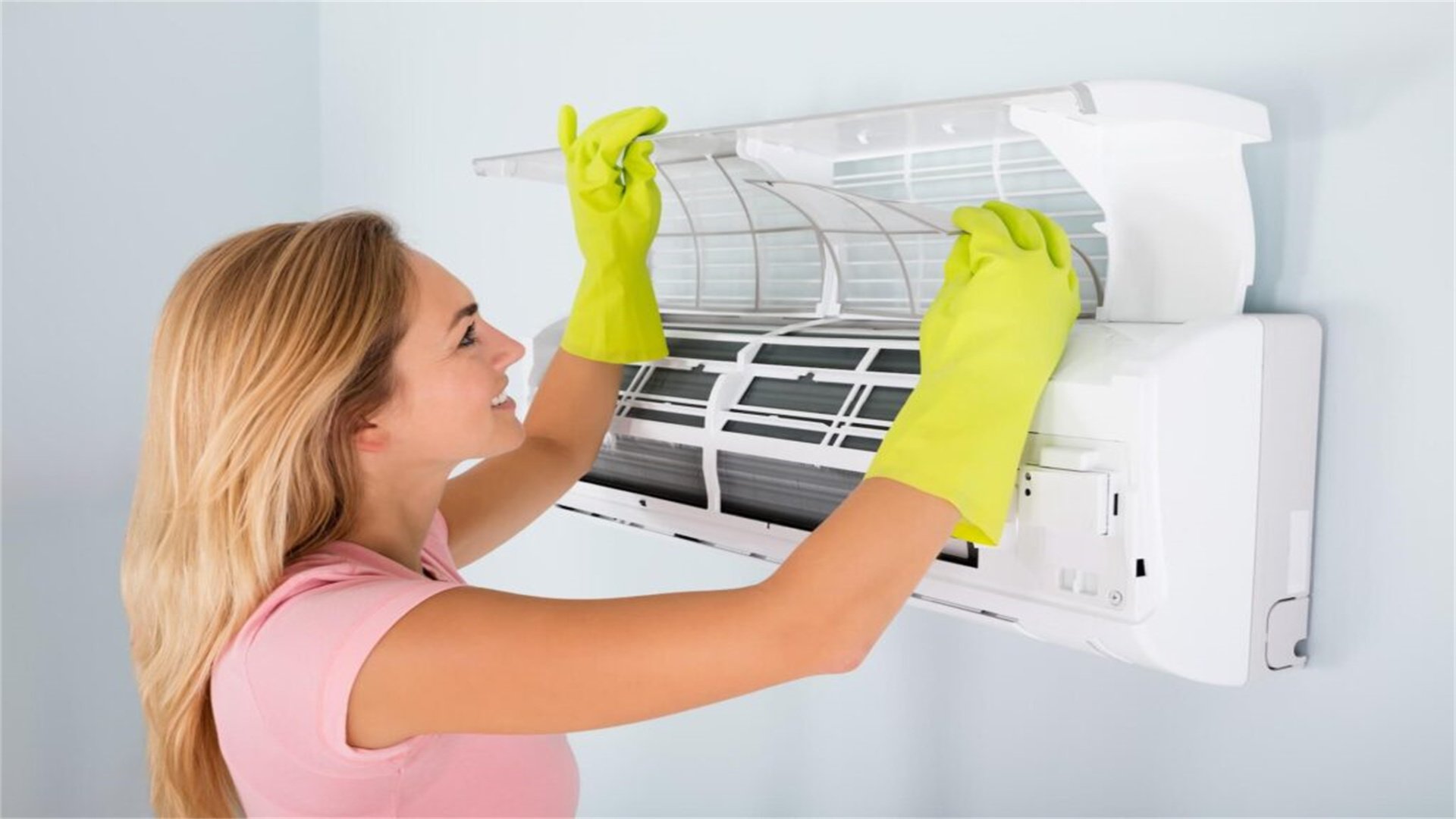
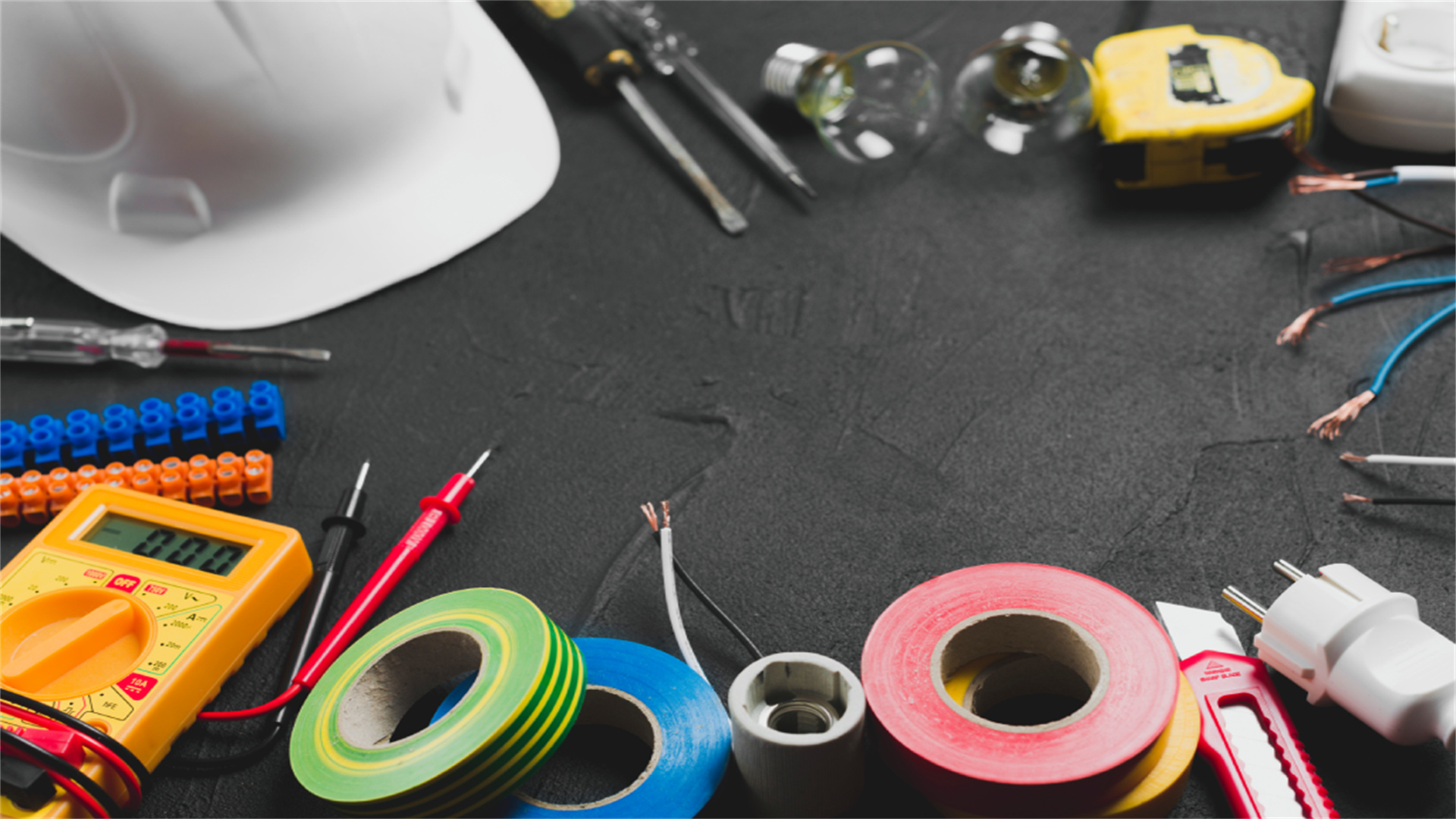
Gathering the right tools and materials beforehand streamlines the cleaning process. Based on recommendations from DIY websites like Family Handyman and This Old House, here's a comprehensive list:
Basic Tools
- Screwdrivers (Phillips and flathead)
- Pliers
- A soft brush
- A vacuum cleaner with a brush attachment
Cleaning Supplies
- Mild detergent or coil cleaner
- White vinegar
- Baking soda
- A spray bottle
- Microfiber cloths
- A hose with a spray nozzle for outdoor units
Specialized Items
- Fin comb (for straightening bent coils)
- Lubricant for fan motors (if applicable)
- A wet/dry vacuum for draining water
Safety Equipment
- Gloves
- Goggles
- A mask as mentioned earlier
Optional
- A multimeter to check electrical connections, but this is advanced and should only be used if you're experienced.
Having these items on hand ensures you can tackle all cleaning tasks without interruptions.
🔍 Understanding Your Air Conditioner Type
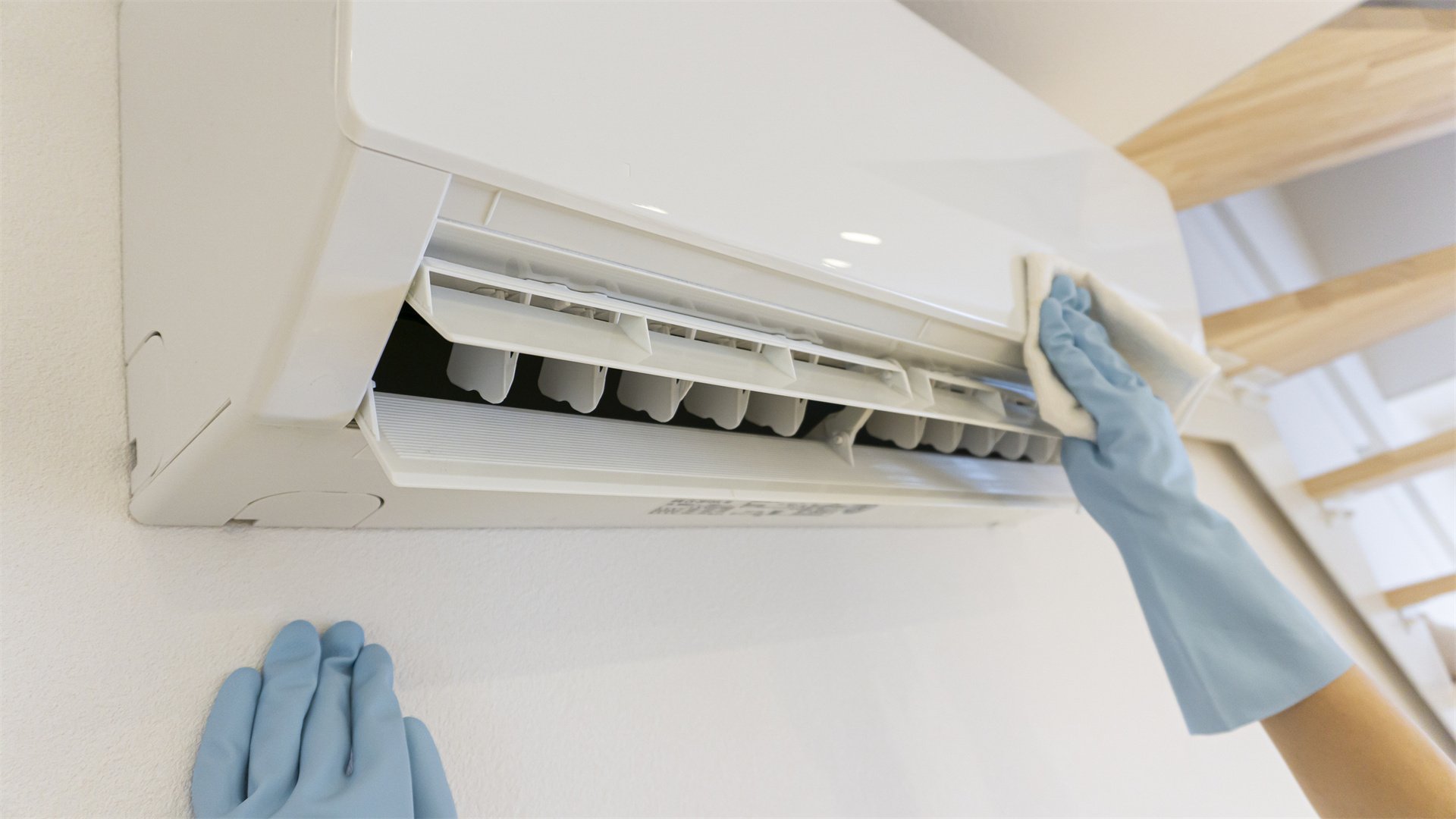
Air conditioners come in various types, and maintenance steps differ slightly. The most common DIY-friendly types are window units and split-system units (with indoor and outdoor components). Central air conditioners share similarities with split systems but may have additional complexities. This guide focuses on window and split systems, as they are prevalent in homes. Identify your unit type by examining its structure: window units are self-contained and fit into windows, while split systems have an indoor evaporator unit and an outdoor condenser unit. Knowing this helps tailor your approach.
🏠 Cleaning the Indoor Unit (Evaporator Coil and Filters)
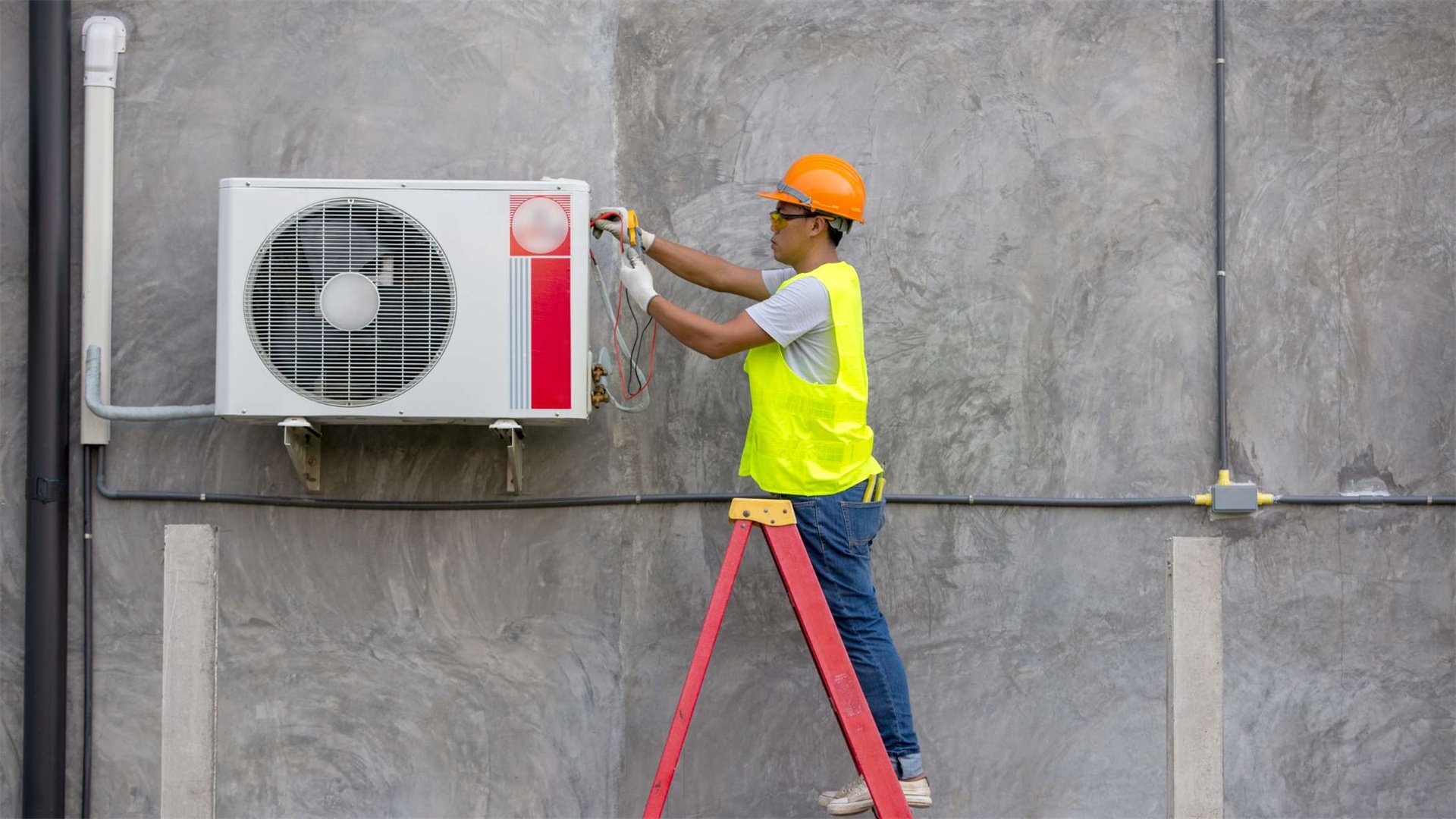
The indoor unit, often part of a split system or window air conditioner, is where cooling occurs. Dirt buildup here reduces airflow and efficiency. Follow these detailed steps:
Step 1: Power Down and Access the Unit
Turn off the power and remove the front cover or panel. For window units, this typically involves unscrewing the casing. For split systems, you may need to remove screws from the indoor unit's cover. Refer to your manufacturer's manual for specific instructions, as designs vary.
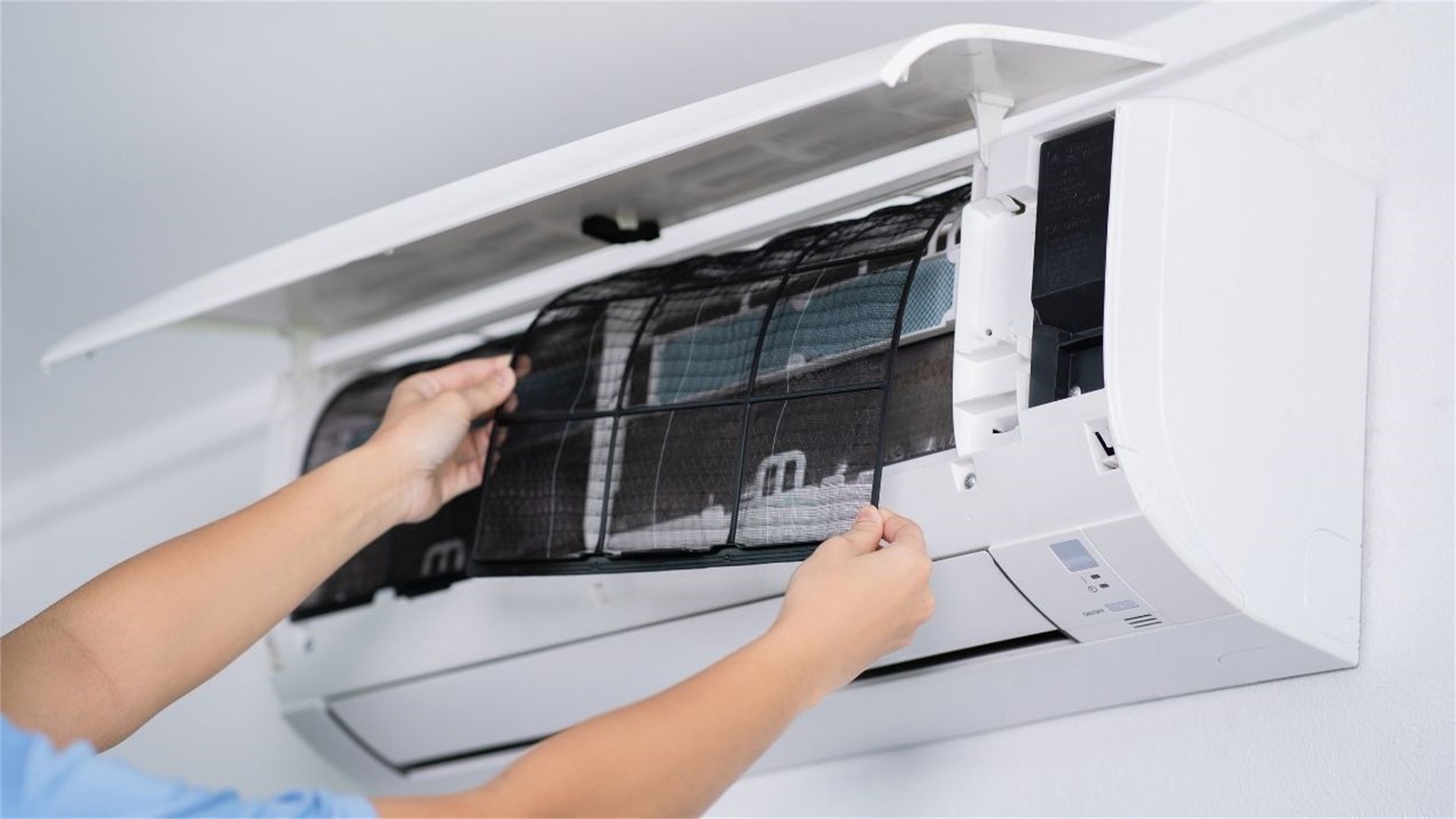
Step 2: Clean or Replace the Air Filter
The air filter is the first line of defense against dust. Remove it gently—most filters are reusable or disposable.
- If reusable, wash it with warm water and mild detergent, then let it dry completely before reinstalling.
- For disposable filters, replace them every 1-3 months.
According to ENERGY STAR, dirty filters can increase energy consumption by 5-15%. Make this a regular habit, checking filters monthly during peak usage seasons.
Step 3: Clean the Evaporator Coils
Evaporator coils are metal fins that absorb heat. Over time, they collect dirt and mold.
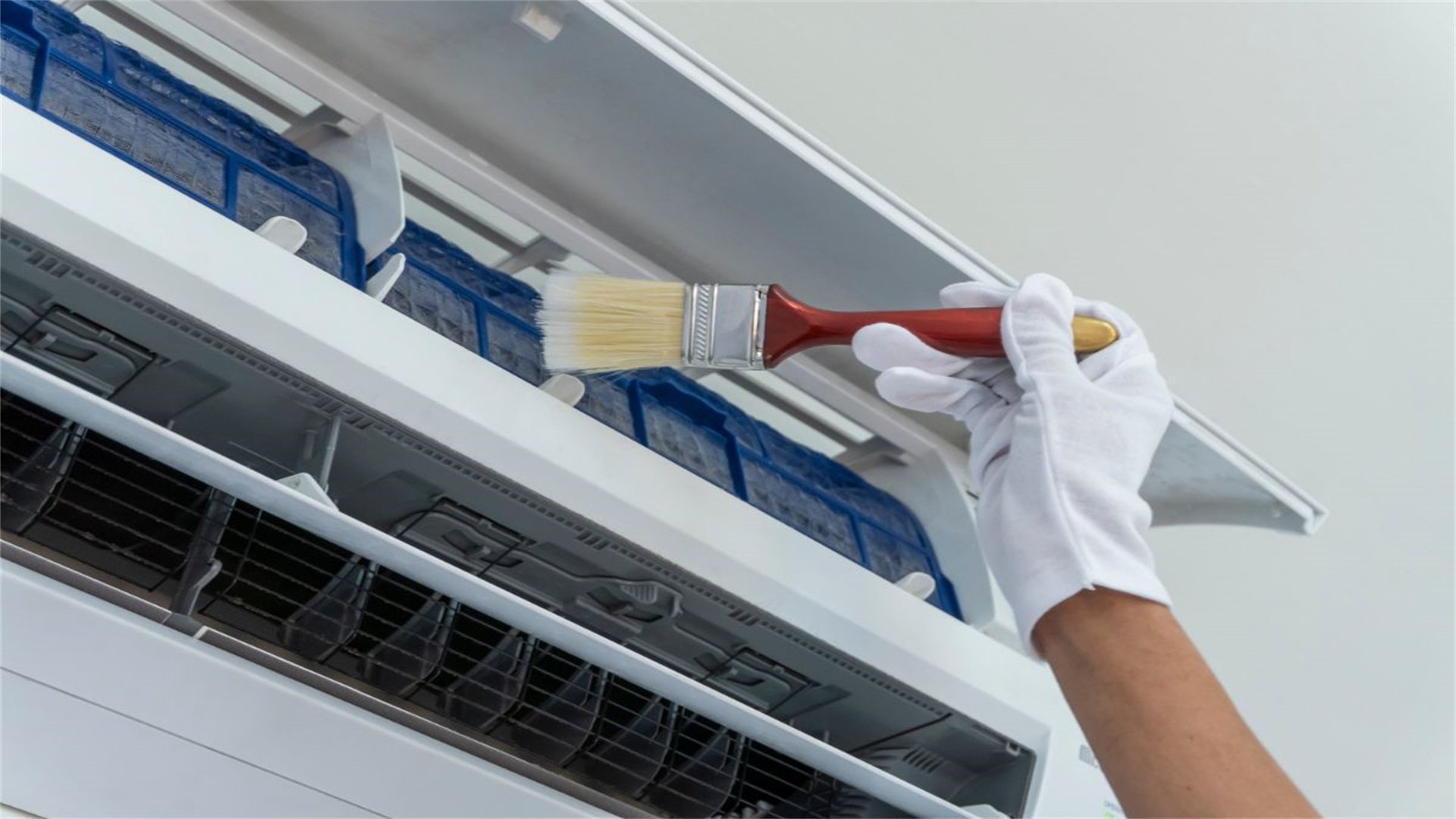
- Use a soft brush to remove loose debris.
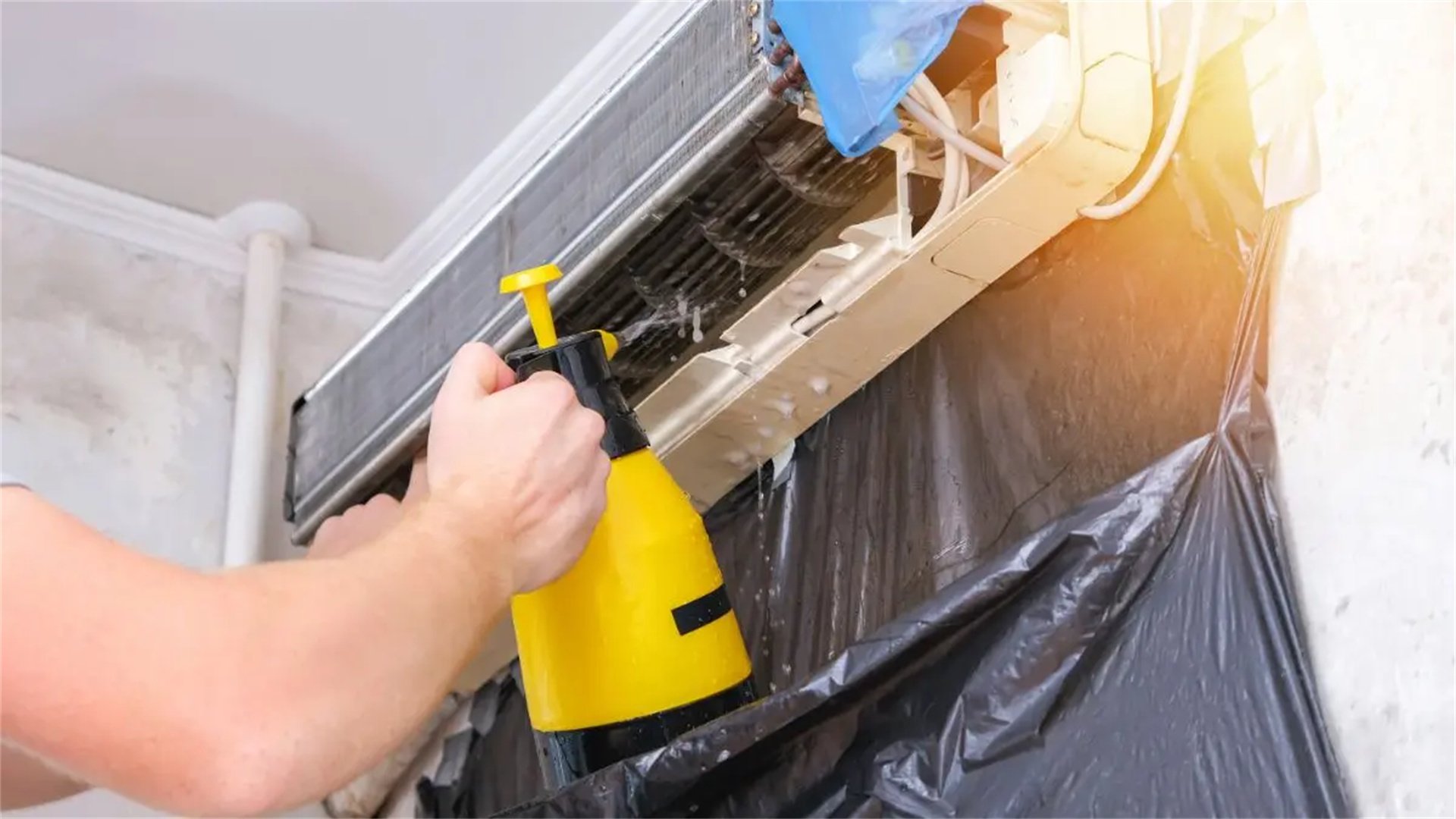
- Apply a commercial coil cleaner or a solution of equal parts water and white vinegar.
- Spray lightly and let it sit for 10-15 minutes.
- Wipe away residue with a cloth.
Avoid using excessive water, as it can damage electrical components. For stubborn grime, a fin comb can straighten bent fins and improve airflow.
Step 4: Clean the Drain Pan and Drain Line
The drain pan collects condensation, and the drain line removes it. Clogs here cause water leaks and mold growth.
- Locate the drain pan (usually under the coils) and empty any standing water.
- Use a wet/dry vacuum to suction out debris from the drain line.
- Pour a mixture of baking soda and vinegar down the line to dissolve algae, then flush with warm water.
This prevents blockages and odors.
Step 5: Reassemble and Test
- Once everything is dry, reassemble the unit and restore power.
- Turn on the air conditioner and check for proper operation.
- Listen for unusual noises and ensure cool air is blowing steadily.
🌳 Cleaning the Outdoor Unit (Condenser Coil and Components)
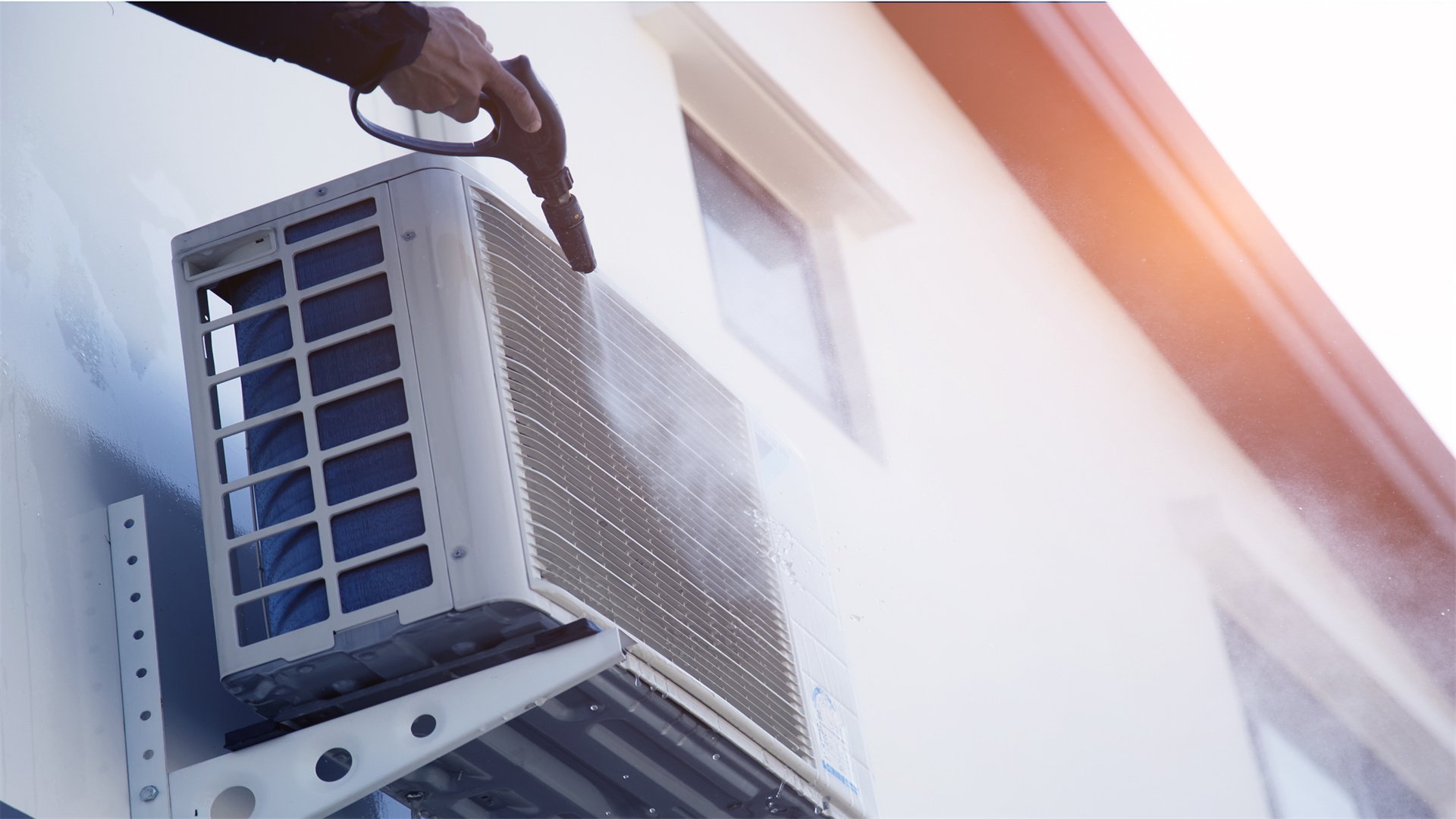
The outdoor unit, or condenser, releases heat to the outside. It's exposed to weather and debris, making regular cleaning essential. Here's how to do it thoroughly:
Step 1: Safety and Preparation
- Turn off the power at the circuit breaker.
- Clear any vegetation, leaves, or debris from around the unit—maintain at least two feet of clearance for airflow.
- Remove the outer grille or cover by unscrewing it, but be cautious of fan blades inside.
Step 2: Clean the Condenser Coils
Condenser coils are similar to evaporator coils but located outside.
- Use a garden hose with a spray nozzle to gently rinse dirt from the fins.
- Start from the inside out to avoid pushing debris deeper.
- For heavy dirt, apply a coil cleaner according to product instructions.
Avoid high-pressure washers, as they can bend the fins. After rinsing, let the unit dry completely.
Step 3: Inspect and Clean the Fan
- Check for damage or wear on the blades.
- Wipe them with a damp cloth to remove dust.
- If your unit has a fan motor with oil ports, lubricate it with a few drops of electric motor oil—consult the manual for specifics. Do not over-lubricate.
Step 4: Check Electrical Connections
- Inspect wiring for signs of corrosion or loose connections.
- If you're experienced, use a multimeter to test voltage, but otherwise, avoid touching electrical parts.
- Tighten any visible screws on terminal connections, but ensure power is off before doing so.
Step 5: Reassemble and Power On
- Replace the cover and restore power.
- Run the air conditioner to verify it's working correctly.
- Observe the outdoor unit for unusual vibrations or sounds.
📅 Seasonal Maintenance Schedule
To keep your air conditioner in top shape, adopt a seasonal maintenance routine. Based on guidelines from sources like the Air Conditioning Contractors of America (ACCA), here's a suggested schedule:
Spring (Before Cooling Season)
- Clean indoor and outdoor units thoroughly.
- Replace filters.
- Check refrigerant lines for leaks (visually, without handling).
- Test the system to ensure it starts smoothly.
Summer (During Peak Use)
- Clean filters monthly.
- Inspect for ice buildup on coils.
- Ensure drainage is clear.
- Keep the area around the outdoor unit free of obstructions.
Fall (After Cooling Season)
- Give the unit a final clean.
- Cover the outdoor unit with a breathable cover to protect from debris.
- Consider a professional inspection if needed.
Winter (For Systems Not in Use)
- Store window units indoors if possible.
- For split systems, run the fan occasionally to prevent stagnation.
This proactive approach prevents major issues and extends the unit's lifespan.
⚙️ Advanced Maintenance Tips for Enthusiasts
If you're comfortable with more technical tasks, these advanced tips can further enhance performance:
Straightening Bent Fins
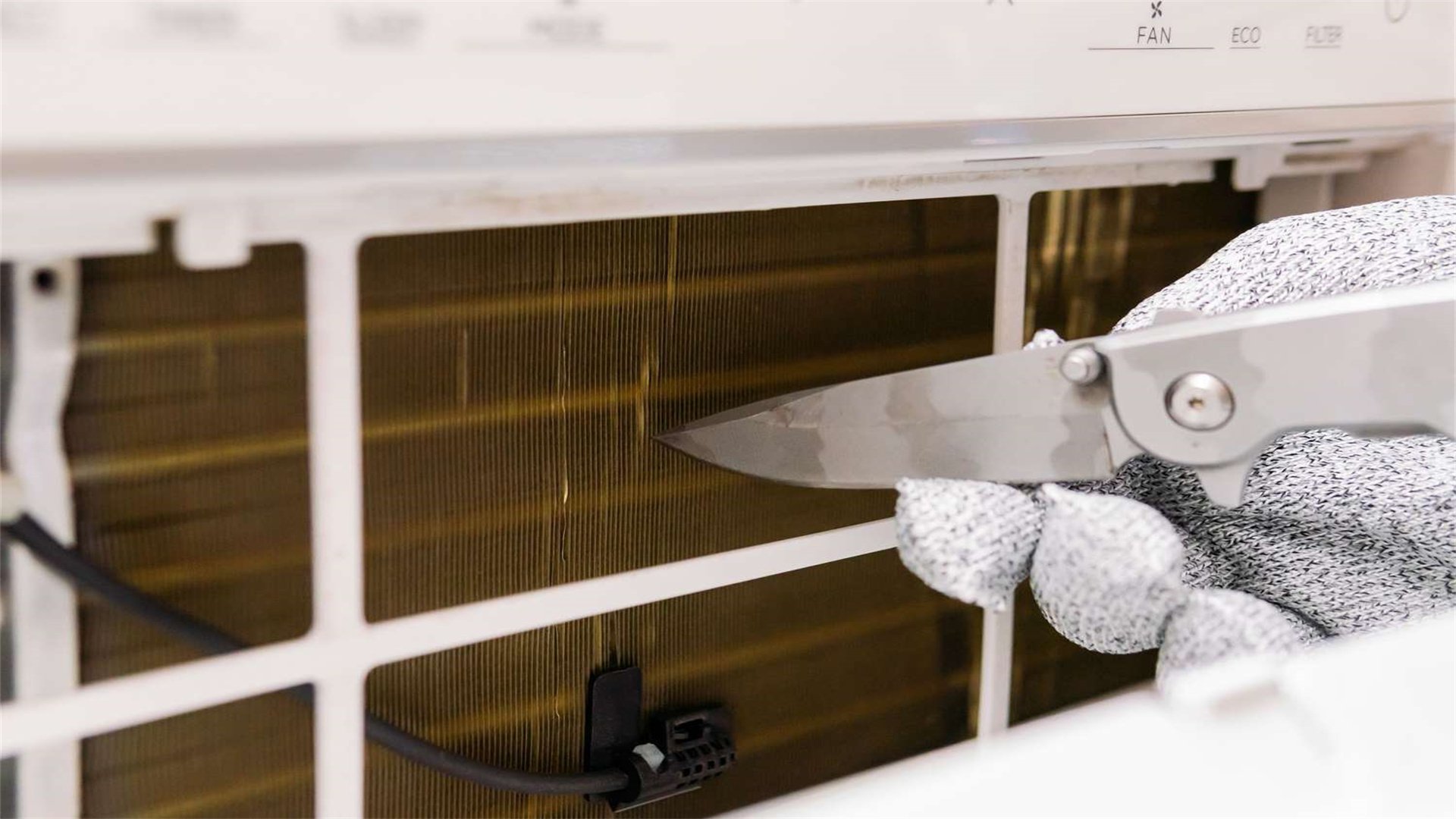
- Use a fin comb to carefully align bent fins on coils.
- Work gently to avoid breaking the fins.
- This improves airflow and efficiency.
Checking Insulation
- Inspect insulation on refrigerant lines for wear or damage.
- Replace if necessary to prevent energy loss.
Calibrating Thermostat
- Ensure your thermostat is accurate by comparing it with a separate thermometer.
- Adjust settings or replace batteries as needed.
Monitoring Refrigerant Levels
- While you shouldn't handle refrigerant, watch for signs of low levels, such as reduced cooling or ice on coils.
- If suspected, call a professional for a recharge.
These steps require caution but can save on repair costs if done correctly.
🔧 Troubleshooting Common Problems
Even with regular maintenance, issues may arise. Here’s how to diagnose and fix common problems without a pro:
Air Conditioner Not Cooling
- Check if the filter is dirty.
- Clean coils if needed.
- Ensure the thermostat is set correctly.
- Verify the outdoor unit isn't blocked by debris.
Water Leaks Indoors
- This often indicates a clogged drain line. Clean it as described earlier.
- If leaks persist, check the drain pan for cracks.
Unusual Noises
- Rattling may mean loose parts; tighten screws.
- Squealing could point to a worn fan belt or motor issue—lubricate or consider replacement.
Foul Odors
- Usually caused by mold in the drain pan or ducts.
- Clean with a vinegar solution and ensure proper drainage.
System Cycling On and Off Frequently
- This could be due to a dirty air filter.
- Check for low refrigerant.
- Consider if the unit is oversized.
If problems persist after troubleshooting, consult a professional to avoid further damage.
💰 Energy Efficiency and Cost Savings
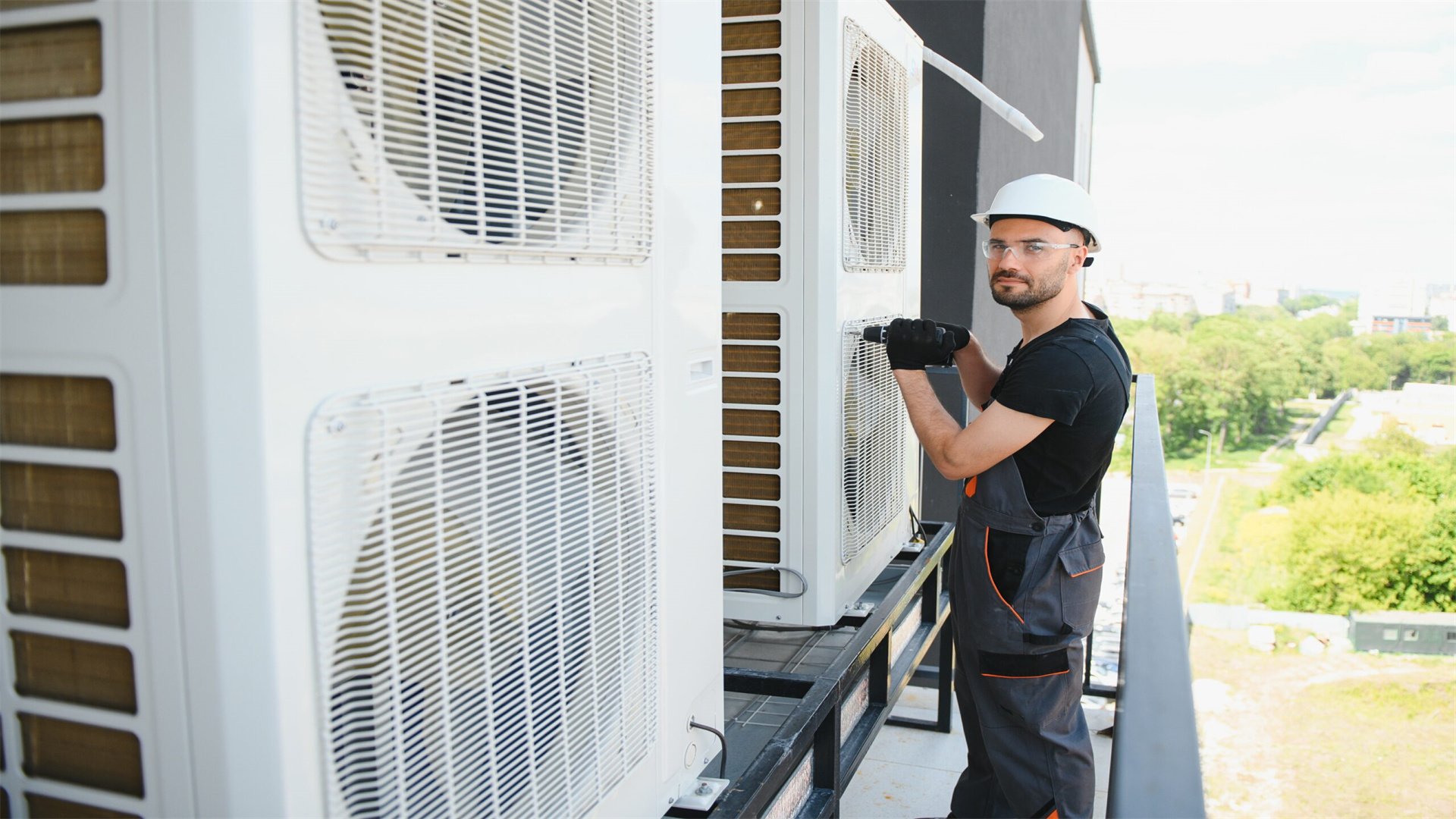
Regular maintenance directly impacts energy efficiency. According to the U.S. Environmental Protection Agency, a well-maintained air conditioner uses 10-30% less energy. This translates to lower utility bills and a reduced carbon footprint.
- By cleaning coils and filters, you ensure optimal airflow, reducing the workload on the compressor.
- Extending the unit's life delays replacement costs.
- Implement habits like setting the thermostat to 78°F (25°C) when home and using fans to circulate air, complementing your maintenance efforts.
🎯 Conclusion: Empowering Yourself with DIY Skills
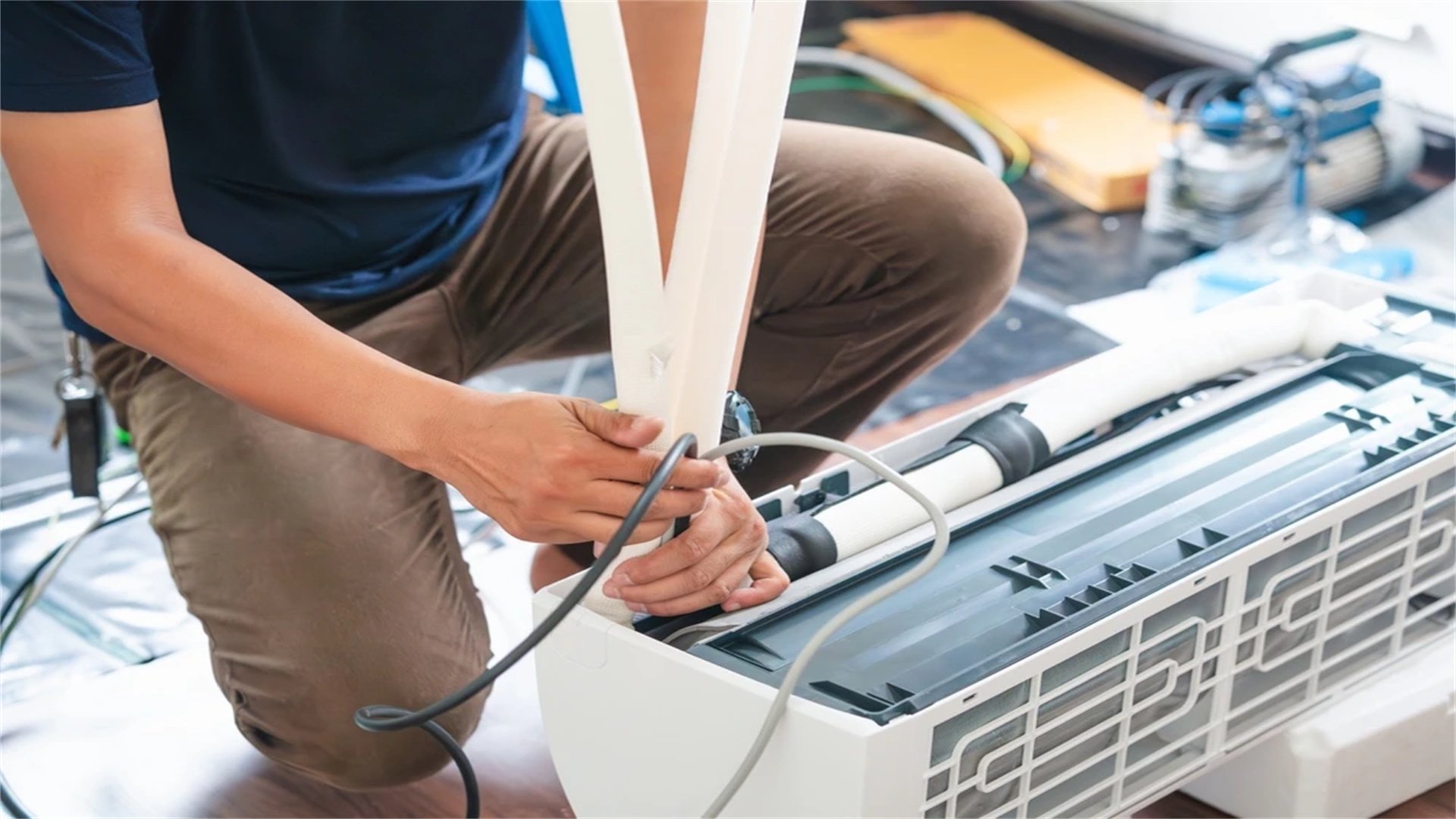
Cleaning and maintaining your air conditioner without a pro is a rewarding task that enhances comfort, saves money, and promotes sustainability. By following this detailed guide—from safety steps to seasonal routines—you can tackle most maintenance needs confidently. Remember, consistency is key: regular checks prevent major repairs. While some issues require professional expertise, the majority of upkeep is within your reach. Start today by inspecting your unit, and enjoy the benefits of a efficiently running air conditioner for years to come.
For further reference, consult manufacturer manuals or reputable online resources like ENERGY STAR or DIY forums. Always prioritize safety and don't hesitate to seek help for complex problems. Happy cleaning!