How to Choose the Perfect Area Rugs for Your Home
Part 1: Assessing Your Room and Personal Needs 🏠
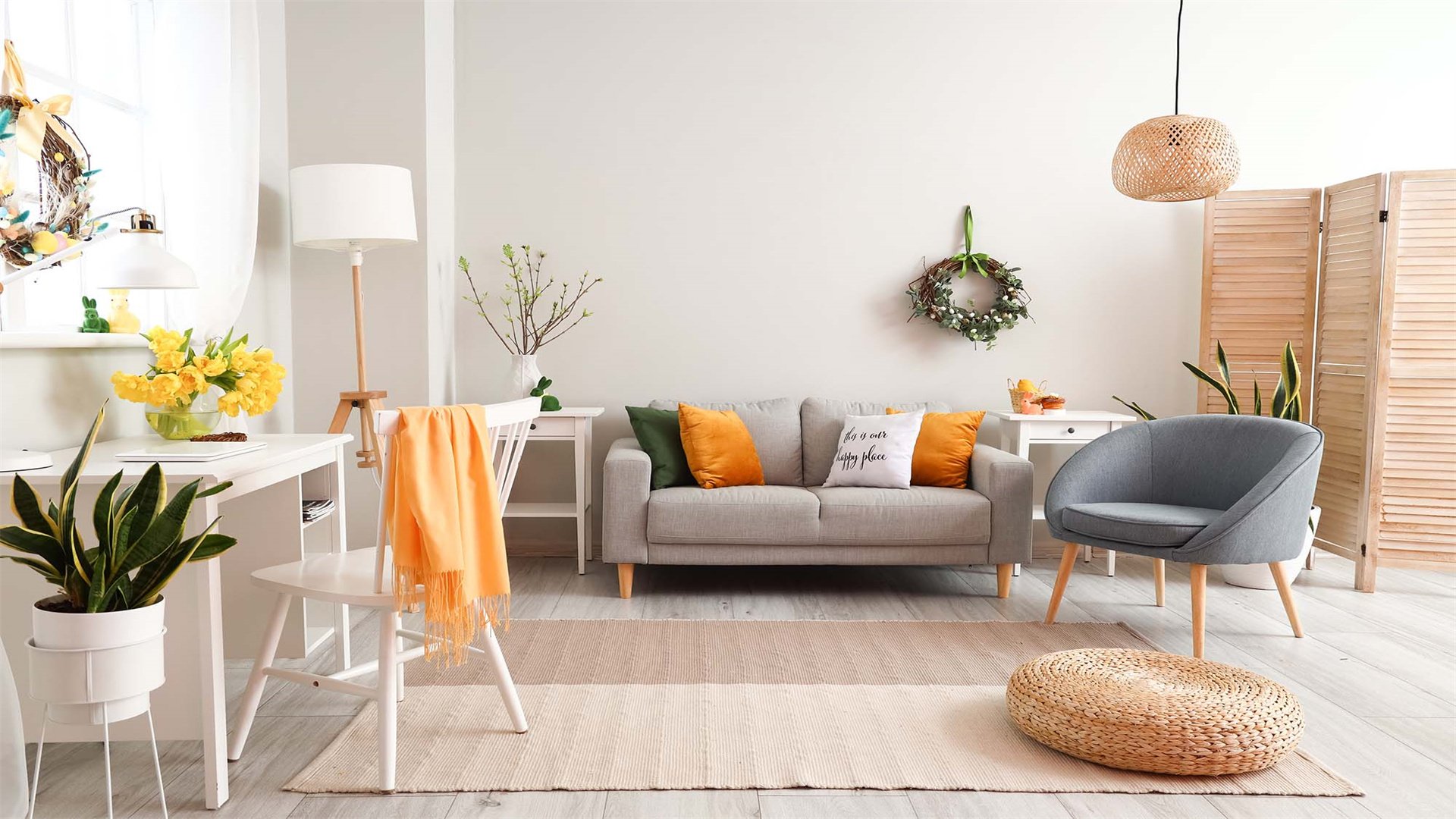
Before diving into rug specifics, it's essential to evaluate the room where the rug will be placed and your personal requirements. This foundational step ensures that your selection aligns with practical and aesthetic goals.
Advantages
- This approach prevents costly mistakes, such as buying a rug that doesn't fit or suit the room's function.
- It helps prioritize factors like durability for high-traffic areas or softness for bedrooms, leading to a more satisfying purchase.
Disadvantages
- It can be time-consuming.
- Some might overlook this step in favor of visual appeal alone, resulting in a rug that wears quickly or clashes with daily activities.
How to Implement This Assessment
- Measure the Room Dimensions: Use a tape measure to record the length and width of the room. Note architectural features like doors, windows, and fireplaces that might affect rug placement. For open-plan spaces, decide on zone boundaries, such as separating a living area from a dining space.
- Analyze Furniture Layout: Sketch a floor plan or take photos to visualize how furniture is arranged. Determine if you want the rug to sit under all furniture legs (creating a unified look) or just front legs (for a more casual feel). Consider traffic flow paths to avoid placing rugs in high-wear spots without proper material selection.
- Identify Functional Needs: Ask yourself questions: Is this a formal living room or a kid-friendly play area? Do you need sound insulation or warmth? For example, a bedroom rug should feel soft underfoot, while an entryway rug must be durable and easy to clean. Also, factor in allergies—opt for hypoallergenic materials if family members have sensitivities.
- Consider Existing Decor Style: Take stock of your current color palette, furniture styles, and overall theme (e.g., modern, bohemian, traditional). This will guide rug choices that harmonize rather than clash. Snap pictures of the room to reference when shopping, especially for color matching.
Part 2: Choosing the Right Size and Shape 📐
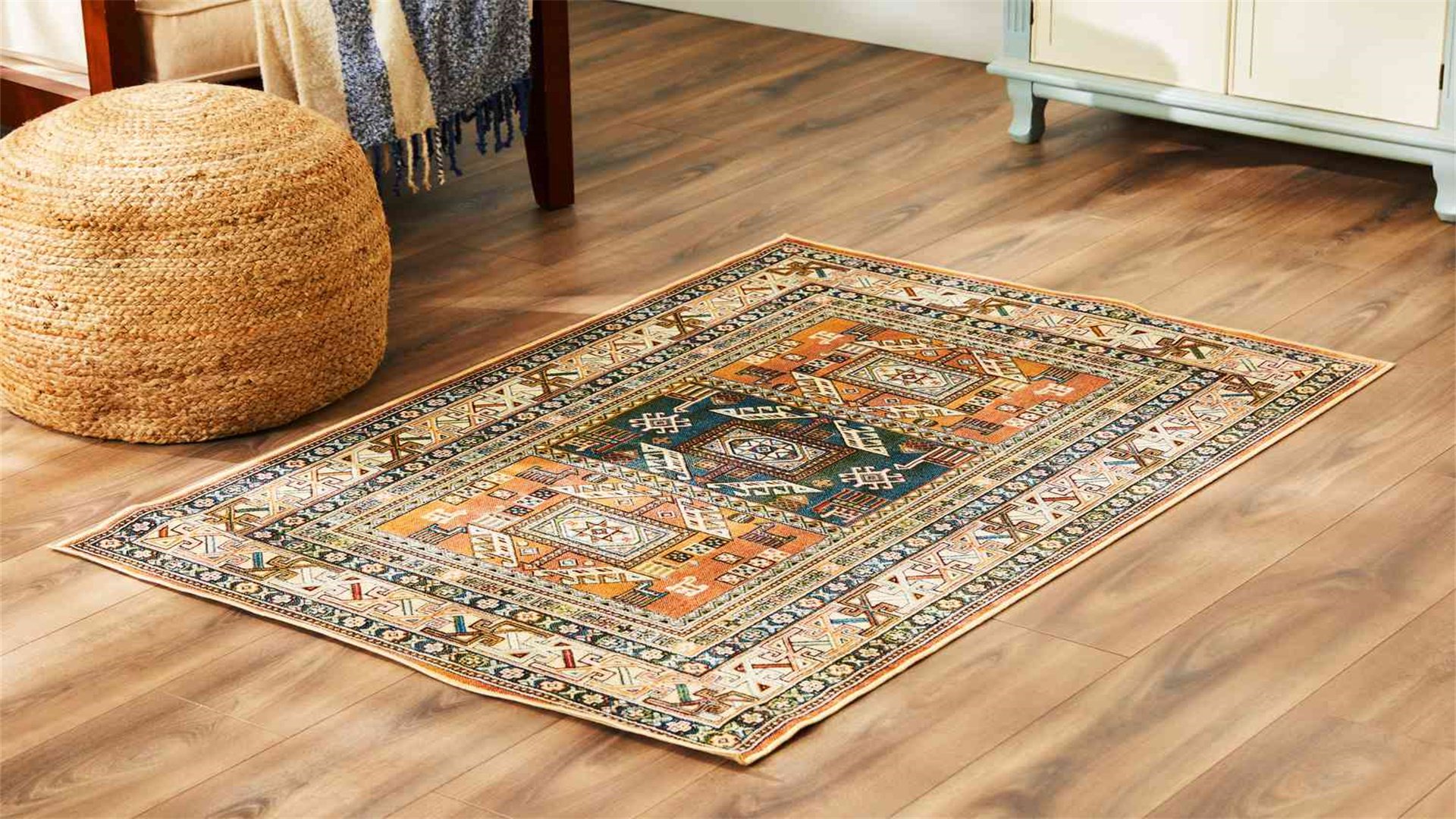
Size and shape are perhaps the most critical aspects of rug selection, as they directly impact the room's proportion and visual balance. A rug that's too small can make a space feel disjointed, while the right size can tie everything together seamlessly.
Advantages
- Proper sizing enhances the room's scale, defines functional zones, and creates a cohesive look.
- It also ensures furniture stability and comfort underfoot. The right shape can accentuate architectural features or soften angular rooms.
Disadvantages
- Errors here are costly—custom sizes can be expensive, and off-the-shelf options might not fit perfectly.
- Additionally, unusual shapes may limit furniture arrangements or require professional cleaning services.
How to Implement Size and Shape Selection
- Follow Standard Size Guidelines: For living rooms, aim for a rug that allows all furniture legs to rest on it, or at least the front legs. Common sizes include 8x10 feet or 9x12 feet. In dining rooms, ensure the rug extends at least 24 inches beyond the table on all sides to accommodate chairs. Bedroom rugs should extend 18-24 inches around the bed for a plush feel. Use online calculators or consult size charts from retailers to refine choices.
- Use Measurement Techniques: Mark the proposed rug area with painter's tape or newspaper on the floor to visualize coverage. For irregular rooms, consider custom-cut rugs or layering multiple rugs. Always account for rug pads, which add slight height and prevent slipping.
- Select Shapes Based on Room Layout: Rectangular rugs are versatile and suit most spaces, especially living and dining rooms. Round rugs work well in square rooms, under circular tables, or in entryways to soften angles. Runner rugs are ideal for hallways and kitchens. For creative flair, try hexagonal or animal-shaped rugs in kids' rooms or eclectic settings. Consider the room's shape—a round rug can balance a long, narrow room, while a rectangular rug reinforces symmetry in a square space.
- Adjust for Furniture Groupings: In sectional sofas, choose a large rug that encompasses the entire seating area. For multiple seating zones, use separate rugs to define each area. Avoid placing rugs too close to walls—leave 12-18 inches of bare floor to frame the space nicely.
Part 3: Selecting the Ideal Material 🧵
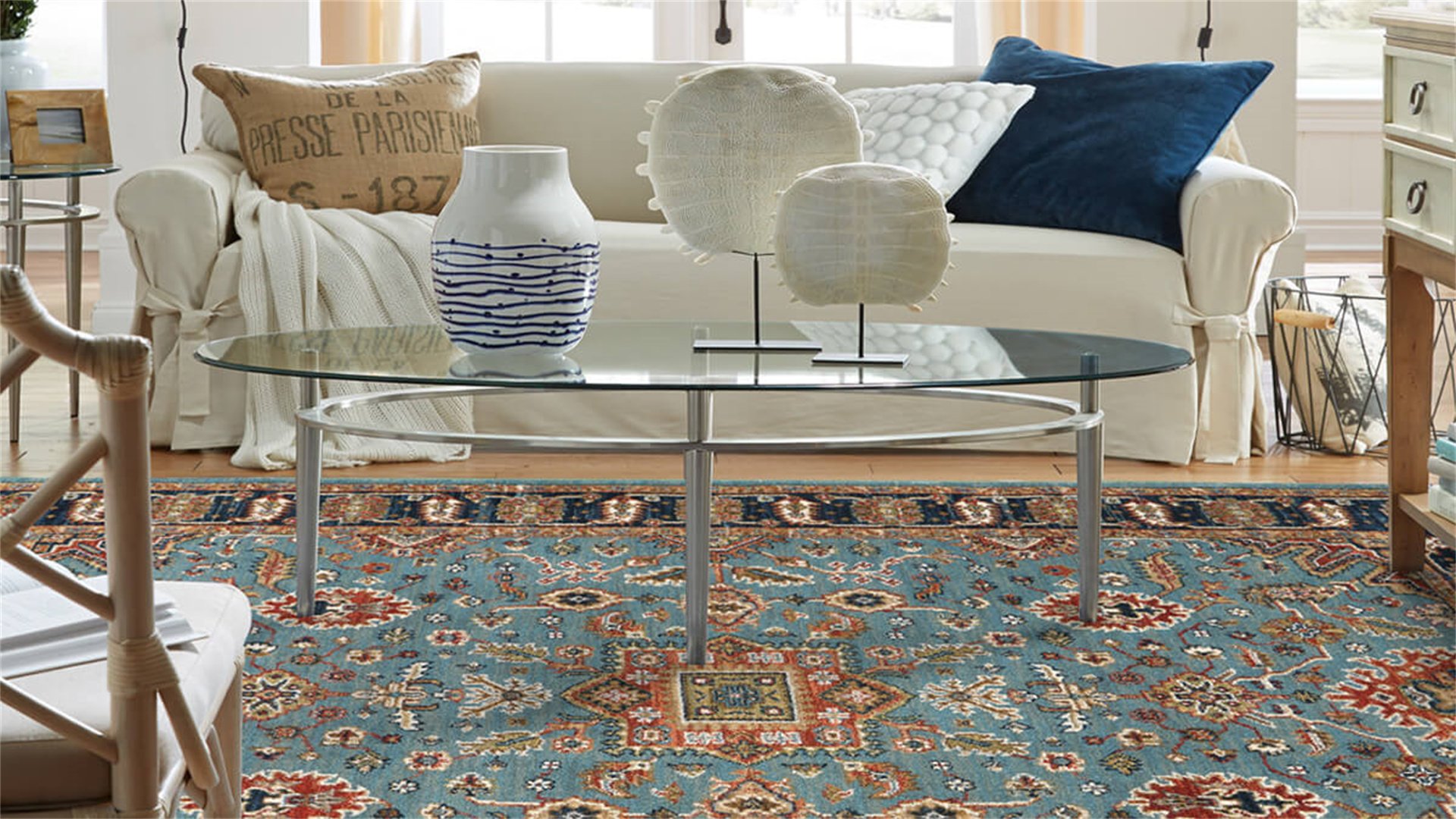
The material of an area rug affects its feel, durability, maintenance, and overall suitability for different rooms. From natural fibers to synthetic blends, each type offers unique benefits and drawbacks.
Advantages
- Choosing the right material ensures comfort, longevity, and ease of care. For instance, wool is naturally resilient and stain-resistant, while polypropylene is budget-friendly and moisture-resistant.
- Materials also influence health aspects, such as being hypoallergenic or eco-friendly.
Disadvantages
- High-quality materials like silk or hand-knotted wool can be expensive.
- Some materials may shed, fade, or require professional cleaning. Additionally, certain fibers might not hold up well in humid or high-traffic environments.
How to Implement Material Choice
- Evaluate Natural Fibers: Wool is a top choice for its softness, durability, and natural stain resistance—ideal for living rooms and bedrooms. Cotton rugs are lightweight, washable, and affordable, perfect for casual spaces like kitchens or kids' rooms. Jute and sisal offer a textured, earthy look but can be rough underfoot and prone to staining; use them in low-traffic areas like home offices. Silk adds luxury and sheen but is delicate and best for formal settings with minimal foot traffic.
- Consider Synthetic Fibers: Nylon is highly durable, fade-resistant, and easy to clean, making it excellent for entryways and family rooms. Polypropylene (olefin) mimics natural fibers, is moisture-resistant, and budget-friendly, suitable for bathrooms and outdoor spaces. Polyester is soft and stain-resistant but may flatten over time; it works well in bedrooms. Acrylic is wool-like and fade-resistant, often used in high-pile rugs for comfort.
- Explore Blended and Specialty Materials: Blends like wool-nylon combine softness with durability for versatile use. Bamboo or seagrass rugs are sustainable options with a natural aesthetic, though they can be stiff. For eco-conscious buyers, look for recycled materials or certifications like OEKO-TEX for low chemical emissions. Always check the pile height—low-pile rugs are easier to clean and better for high traffic, while high-pile adds coziness but traps more dirt.
- Assess Maintenance Requirements: Factor in cleaning needs: wool may need professional cleaning, while cotton can be machine-washed. For pet owners, choose materials that resist stains and odors, such as polypropylene. In sunny rooms, opt for fade-resistant fibers like nylon or treated wool. Read care labels and consider applying a stain protector upon purchase.
Part 4: Deciding on Color and Pattern 🎨
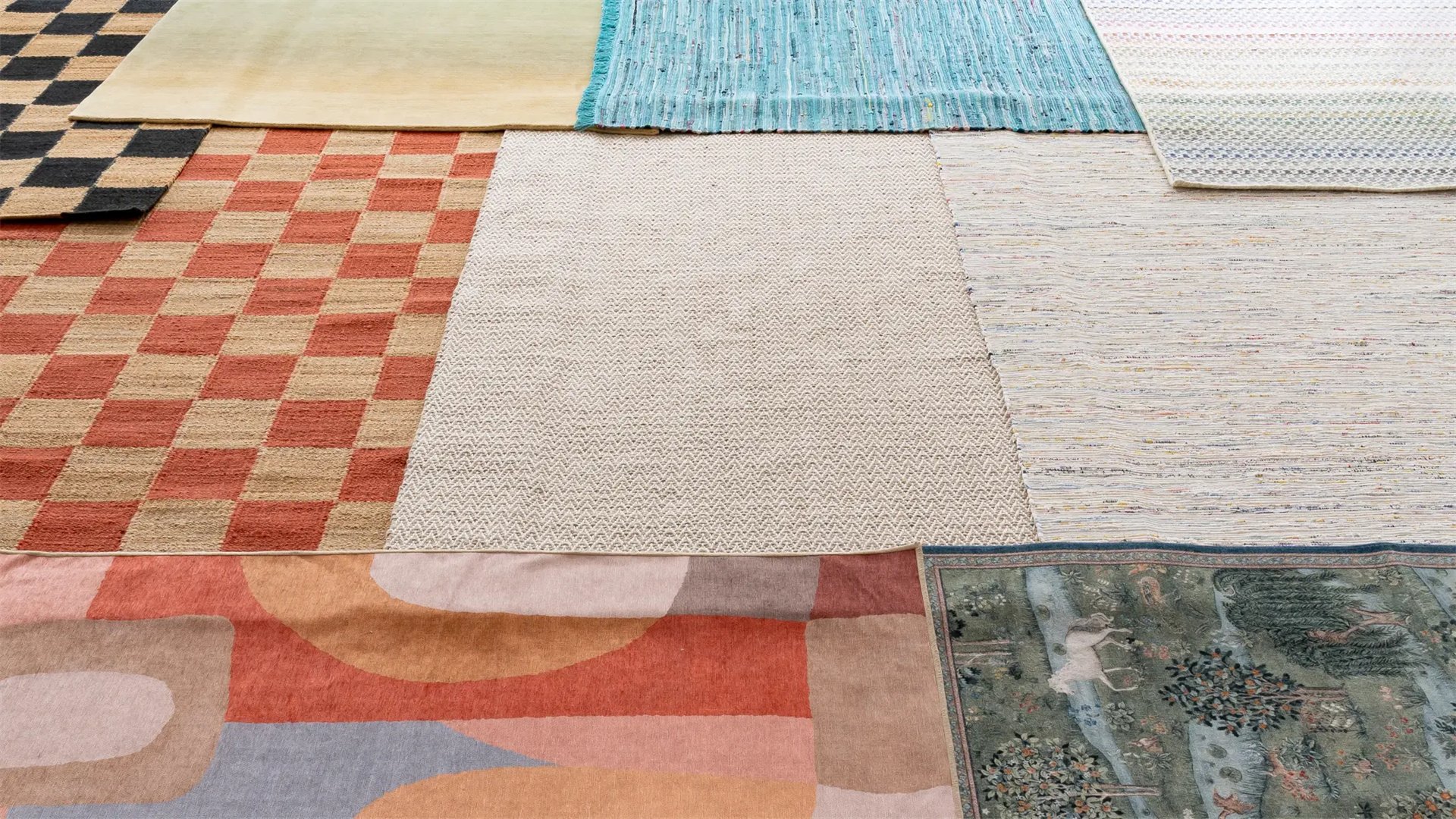
Color and pattern play a pivotal role in setting the mood of a room, hiding dirt, and tying together decor elements. The right choice can make a space feel larger, cozier, or more vibrant.
Advantages
- A well-chosen color or pattern can camouflage spills and wear, making maintenance easier.
- It also allows for creative expression—bold patterns can become a focal point, while neutral tones provide flexibility for future decor changes. Colors influence psychology; for example, blues promote calmness, and reds add energy.
Disadvantages
- Trends change, so a highly patterned or bright rug might date quickly.
- Dark colors can show lint and light debris, while light colors may stain easily. Complex patterns might clash with existing furniture or make a room feel busy if not balanced properly.
How to Implement Color and Pattern Selection
- Match or Contrast with Existing Decor: Start by pulling colors from your room's dominant hues, such as wall paint, upholstery, or artwork. For a harmonious look, choose a rug that repeats these colors. To create contrast, select complementary colors—for instance, a blue rug in a room with orange accents. Use color wheels or online tools to visualize combinations. Neutral rugs (beige, gray, ivory) offer versatility and make spaces feel larger, while bold colors (red, emerald) add drama.
- Choose Patterns Based on Room Style: Geometric patterns suit modern and contemporary spaces, adding visual interest. Traditional patterns like florals or Oriental designs work in classic or eclectic rooms. Abstract or bohemian patterns can inject personality into casual settings. For small rooms, opt for smaller-scale patterns to avoid overwhelming the space. Striped rugs can elongate a room, while circular patterns soften angular furniture.
- Consider Practical Aspects: In high-traffic areas like hallways or entryways, choose patterns or multicolored rugs that hide dirt and footprints. For dining rooms, avoid light solids that show food spills easily. If you have pets, select colors that blend with fur to reduce visible shedding. Test samples in your home lighting—colors can look different under natural vs. artificial light.
- Layer for Depth and Texture: Don't shy away from layering rugs—place a patterned rug over a larger neutral one for added dimension. This technique allows you to experiment with color without commitment. Ensure the top rug is non-slip and proportionally smaller to create a curated look. For seasonal updates, switch out lightweight rugs in vibrant colors or patterns.
Part 5: Budgeting and Purchasing Channels 💰
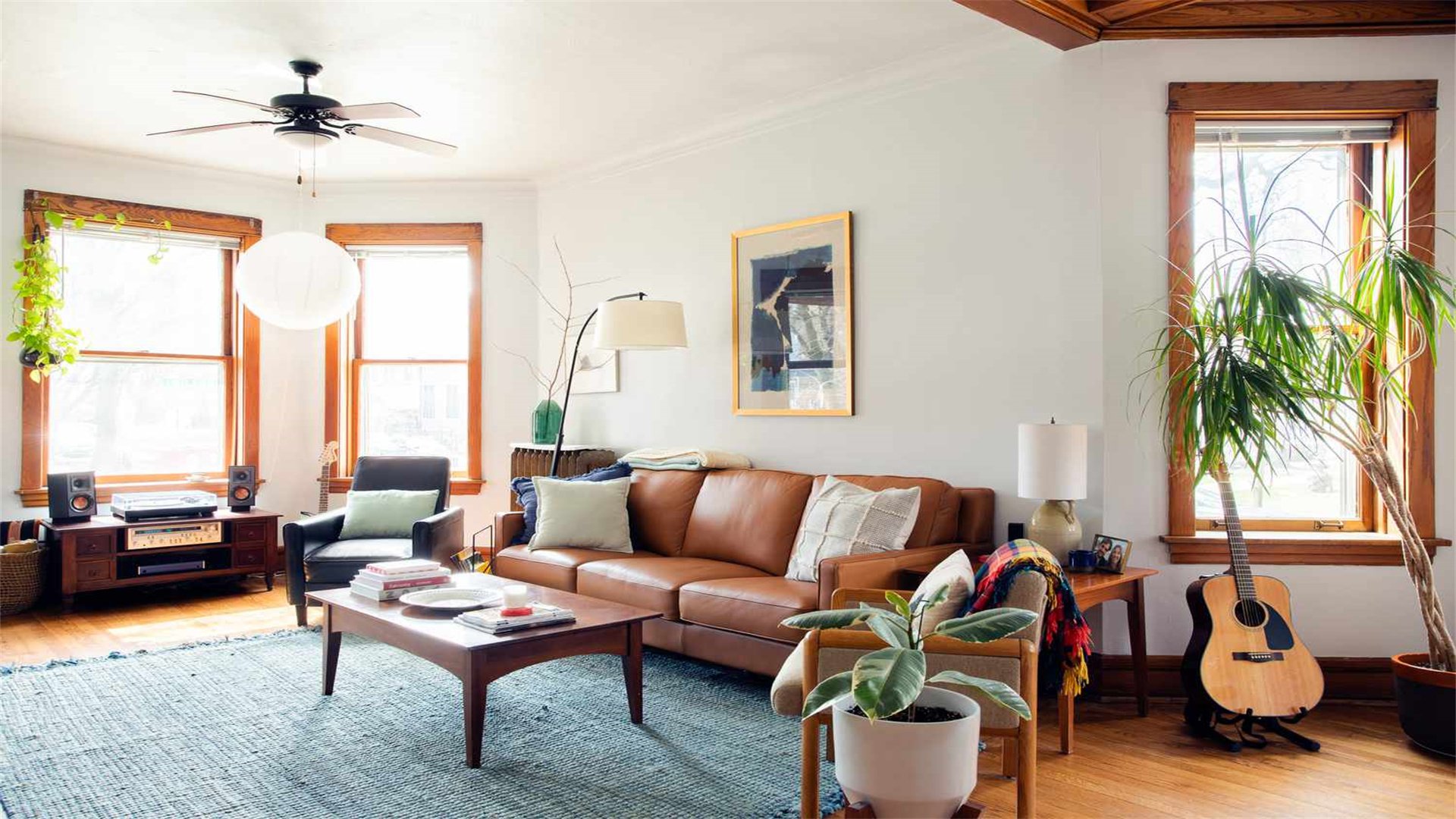
Setting a realistic budget and knowing where to buy are essential steps to avoid overspending and ensure value for money. Area rugs range from affordable machine-made options to luxury hand-knotted pieces, so planning ahead is key.
Advantages
- A clear budget helps narrow choices and prevents impulse buys.
- Exploring various purchasing channels—online, in-store, or custom orders—can yield better deals and unique finds. It also allows for investment in quality where it matters most, such as durable materials for busy areas.
Disadvantages
- Sticking to a tight budget might limit material or size options, leading to compromises on quality.
- Online purchases carry risks like inaccurate color representation or delayed shipping, while in-store shopping may have limited selection or higher prices.
How to Implement Budgeting and Purchasing
- Set a Budget Range: Determine how much you're willing to spend based on rug size and material. For example, a large wool rug may cost $500-$2000, while a synthetic one might be $100-$500. Allocate extra funds for a rug pad (typically 10-20% of the rug cost) and potential cleaning services. Consider the rug's lifespan—investing more in high-traffic areas can save money long-term.
- Compare Prices Across Retailers: Check department stores (e.g., Macy's, IKEA), specialty rug shops, online marketplaces (e.g., Wayfair, Amazon), and direct-from-manufacturer sites. Look for sales during holidays like Black Friday or clearance events. Read reviews to gauge quality and customer service. For custom rugs, get quotes from multiple artisans or companies.
- Evaluate Online vs. In-Store Shopping: Online shopping offers convenience, wider selection, and often lower prices. Use augmented reality tools to visualize rugs in your space, and order samples to feel materials. Check return policies and shipping costs. In-store shopping allows you to see and touch rugs firsthand, assess color accuracy, and get expert advice. Visit showrooms or home decor stores for inspiration.
- Consider Secondhand or DIY Options: For budget-friendly finds, explore thrift stores, auction sites, or Facebook Marketplace for vintage rugs that add character. Ensure they're clean and free of damage. As a DIY project, you can paint or stencil plain rugs for a custom look, though this may not suit high-traffic areas. Always factor in restoration costs for used rugs.
Part 6: Maintenance and Care Strategies 🧼
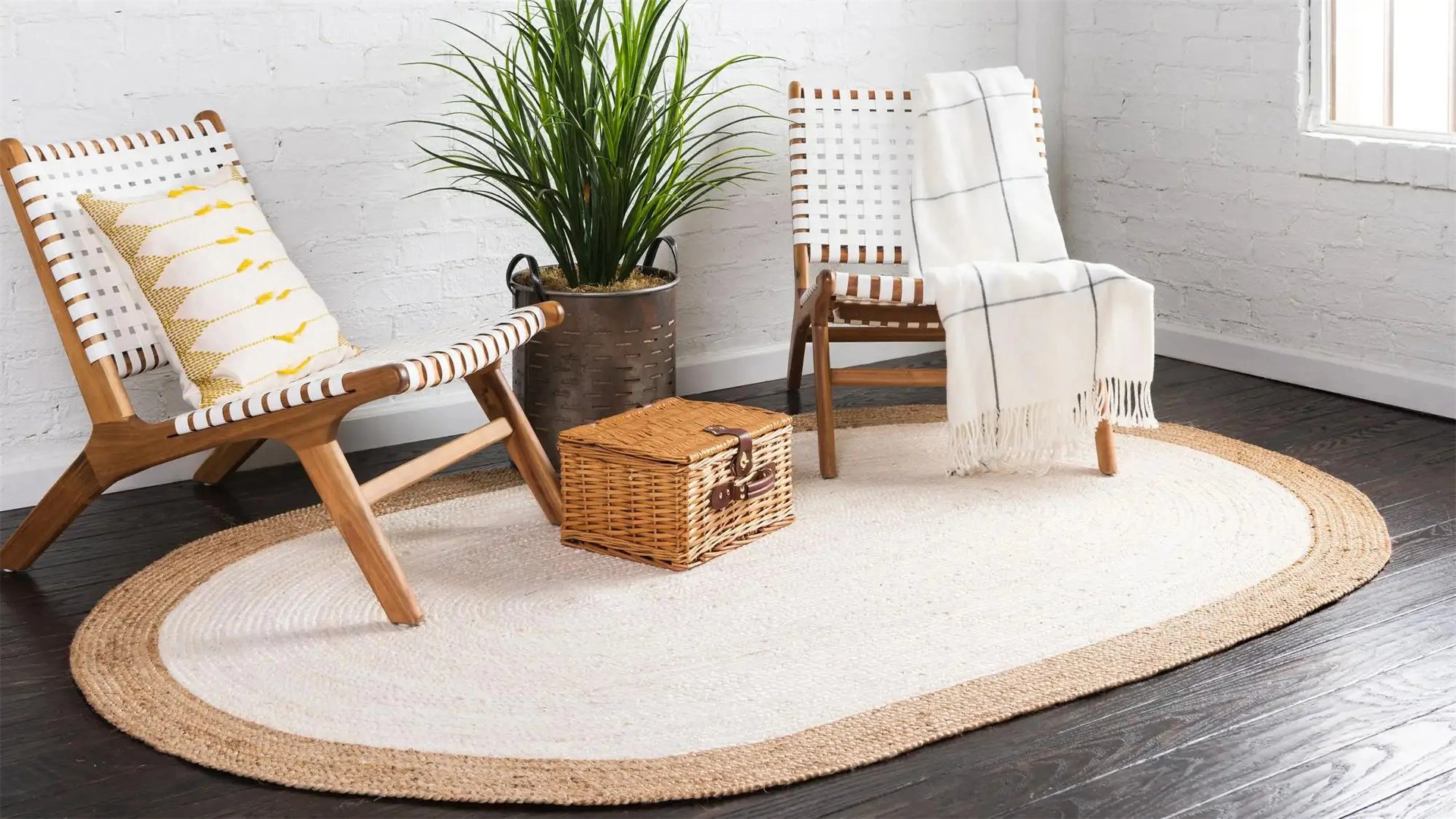
Proper maintenance extends the life of your area rug, keeping it looking fresh and functional. Different materials require specific care routines, so planning ahead can prevent damage and reduce long-term costs.
Advantages
- Regular care minimizes wear, stains, and allergens, preserving the rug's appearance and hygiene.
- It also protects your investment, especially for expensive rugs. Simple habits like vacuuming can prevent dirt buildup that damages fibers over time.
Disadvantages
- Maintenance can be time-consuming and may involve additional expenses for cleaning products or services.
- Neglect can lead to irreversible damage, such as mold growth or permanent stains, necessitating premature replacement.
How to Implement Maintenance Practices
- Establish a Cleaning Routine: Vacuum weekly with a brushless suction head to remove surface dirt—more often in high-traffic areas. For deep cleaning, follow material-specific guidelines: wool rugs may need professional steam cleaning every 12-18 months, while cotton rugs can be spot-cleaned with mild detergent. Immediately blot spills with a clean cloth; avoid rubbing, which spreads stains. Use rug pads to prevent slipping and reduce friction that causes backing wear.
- Rotate and Protect the Rug: Rotate the rug 180 degrees every 6-12 months to ensure even wear, especially in sunny spots where fading occurs. Use furniture coasters under heavy pieces to prevent indentations. In entryways, place a durable mat outside to reduce tracked-in dirt. Apply fabric protectors for stain resistance, but test on a small area first.
- Address Specific Issues: For pet accidents, use enzyme cleaners to neutralize odors. If mold or mildew appears due to moisture, dry the rug thoroughly and consult a professional. To reduce shedding in new rugs, vacuum frequently initially. For fringe maintenance, avoid vacuuming directly over fringes to prevent unraveling; instead, use a gentle attachment.
- Seasonal and Storage Care: In humid climates, use dehumidifiers to prevent mold. For seasonal rugs, clean thoroughly before storing in a cool, dry place, rolled with the pile facing inward (never fold, as this can crease fibers). Cover with breathable fabric to deter pests. Inspect periodically for signs of damage or pests like moths.
Part 7: Avoiding Common Mistakes ⚠️
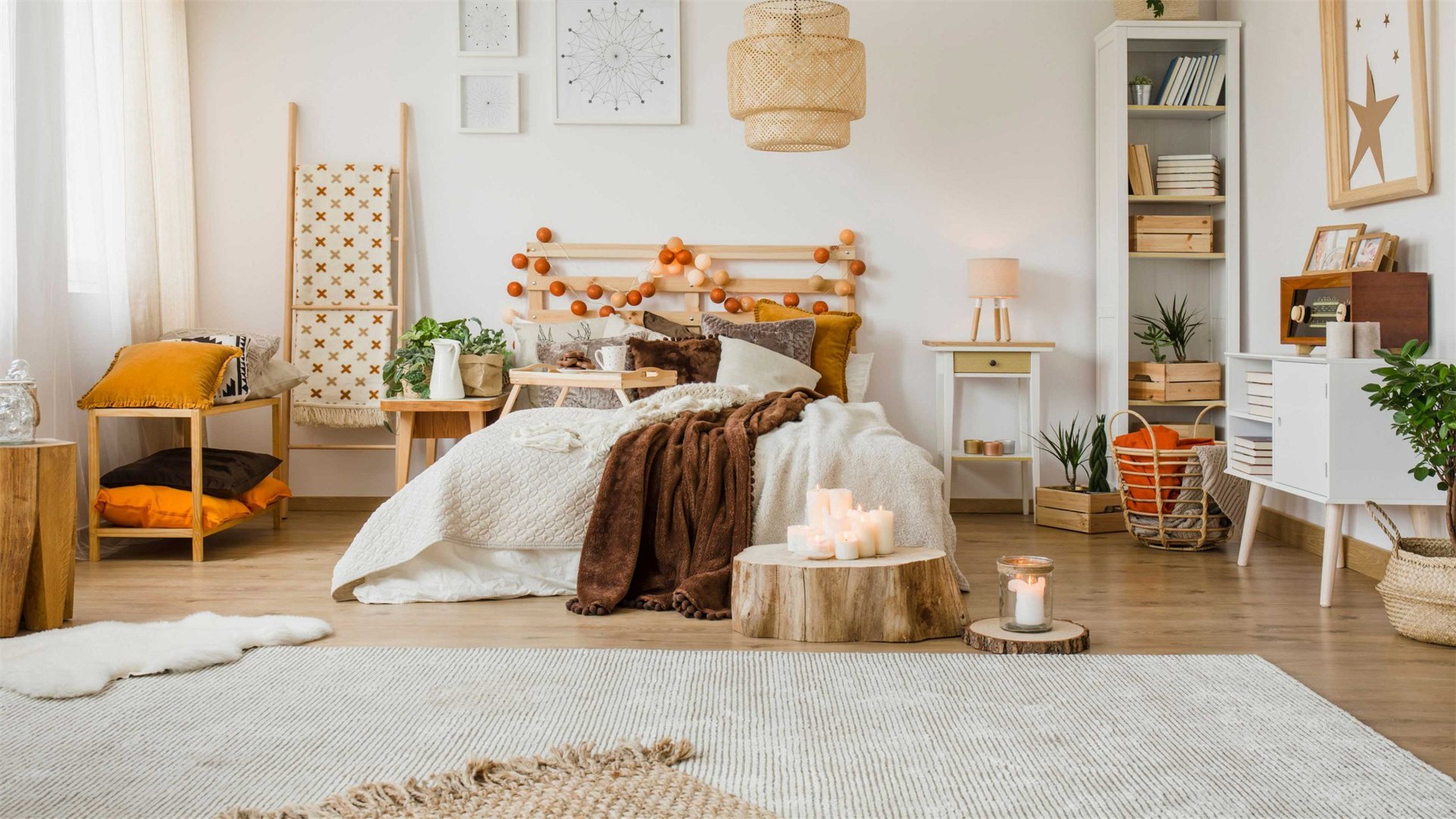
Even with careful planning, many people fall into pitfalls when choosing area rugs. Being aware of these errors can save you from regret and ensure a seamless integration into your home.
Advantages
- Learning from common mistakes helps you make proactive choices, such as prioritizing size over pattern or testing samples before buying.
- It reduces the likelihood of returns or dissatisfaction, saving time and money.
Disadvantages
- Overthinking can lead to decision paralysis, delaying the purchase.
- Also, avoiding all mistakes might mean missing out on creative risks that could enhance your space.
How to Implement Mistake Avoidance
- Steer Clear of Size Errors: The most frequent mistake is choosing a rug that's too small, making furniture look floating and disjointed. Always measure and use visualization techniques. Conversely, oversized rugs can overwhelm a room—ensure there's enough bare floor space around edges. For open-plan areas, use multiple rugs to define zones rather than one giant rug that looks awkward.
- Balance Style with Practicality: Don't sacrifice function for fashion—for instance, a white silk rug in a busy family room will quickly show stains. Choose materials and colors that suit the room's use. Avoid overly trendy patterns that may feel outdated in a few years; instead, opt for timeless designs or layer with removable accents.
- Test Before Committing: Never buy a rug without seeing a sample or checking return policies. Colors can look different online, and textures might not feel as expected. If shopping in-store, take home a swatch to view in your lighting. For custom rugs, request a digital mockup or small sample.
- Consider Long-Term Needs: Think beyond immediate decor—will this rug work if you rearrange furniture or move homes? Neutral bases with interchangeable layers offer flexibility. Also, factor in lifecycle costs: a cheap rug might need replacing sooner, while a quality one could last decades with proper care.
Conclusion ✨
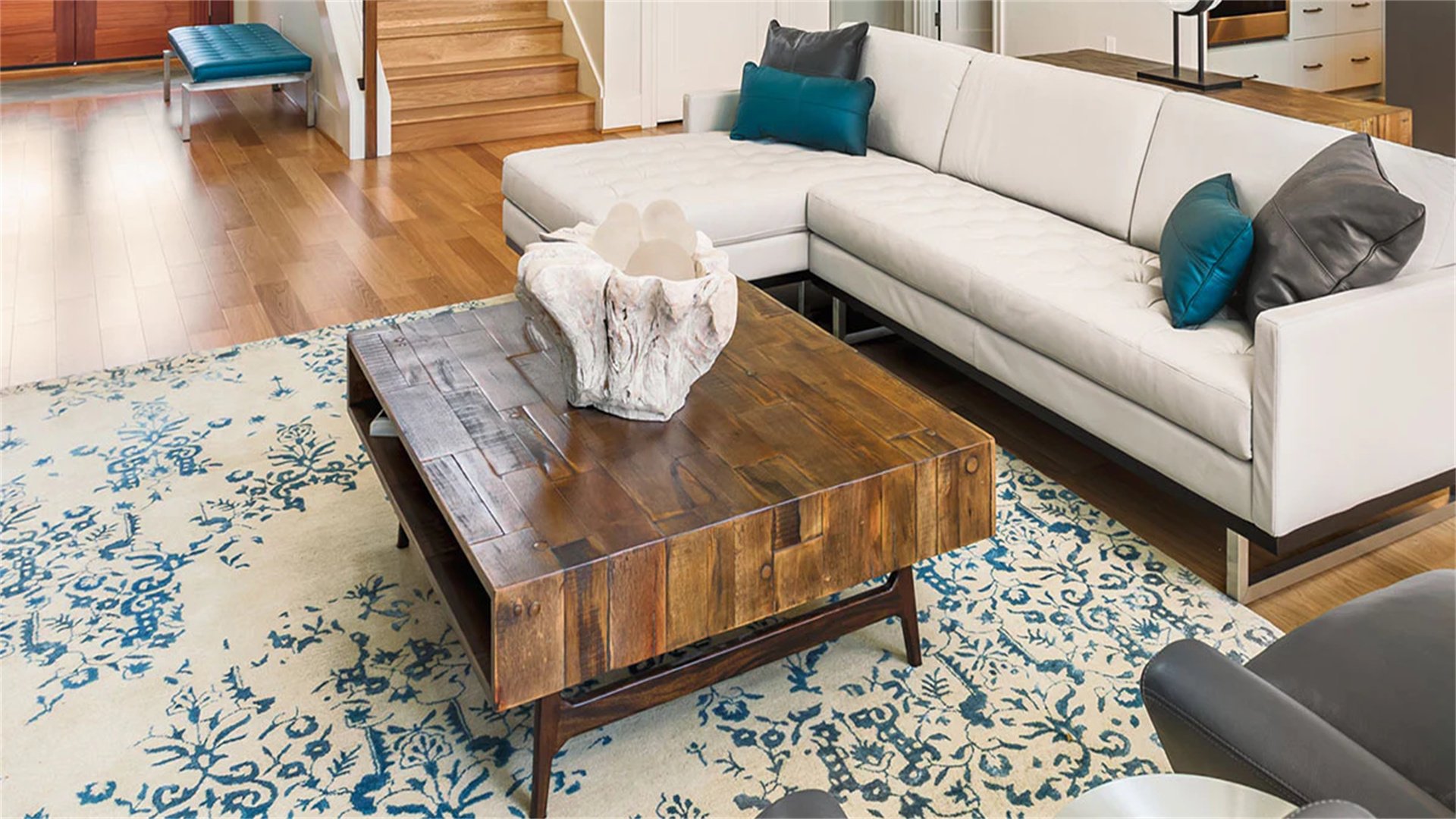
Choosing the perfect area rug for your home is a multifaceted process that blends practicality with personal style. By methodically assessing your room, selecting the right size, shape, material, color, and pattern, setting a budget, and planning for maintenance, you can find a rug that enhances comfort, aesthetics, and functionality. Remember to avoid common pitfalls like undersizing or neglecting material durability. Whether you opt for a plush wool rug in the living room, a durable polypropylene runner in the hallway, or a vibrant patterned piece in the bedroom, your choice should reflect your lifestyle and bring joy to your space. Take your time, explore options, and don't hesitate to seek expert advice. With this comprehensive guide, you're now equipped to make an informed decision that will anchor your home decor beautifully for years to come.