How to Build a Fireproof Outdoor Storage Shed
Building a fireproof outdoor storage shed is a crucial project for homeowners seeking to protect valuable tools, equipment, and belongings from the devastating effects of wildfires or accidental fires. With climate change increasing the frequency and intensity of wildfires in many regions, constructing a shed that can resist flames and heat is not just a luxury but a necessity. This comprehensive guide will walk you through every step of creating a durable, fire-resistant storage shed, drawing insights from reputable DIY and construction websites, as well as fire safety standards. By the end, you'll have a detailed roadmap to ensure your shed is built to last and safeguard your possessions.
The concept of a fireproof shed doesn't mean it's entirely impervious to fire—rather, it's designed to withstand high temperatures and slow the spread of flames, giving firefighters time to respond and minimizing damage. This involves selecting non-combustible materials, implementing smart design features, and adhering to local building codes. Whether you're a seasoned DIY enthusiast or a beginner, this guide breaks down the process into manageable steps, complete with scientific explanations and practical tips. We'll cover everything from initial planning to final maintenance, ensuring your shed is both functional and safe.
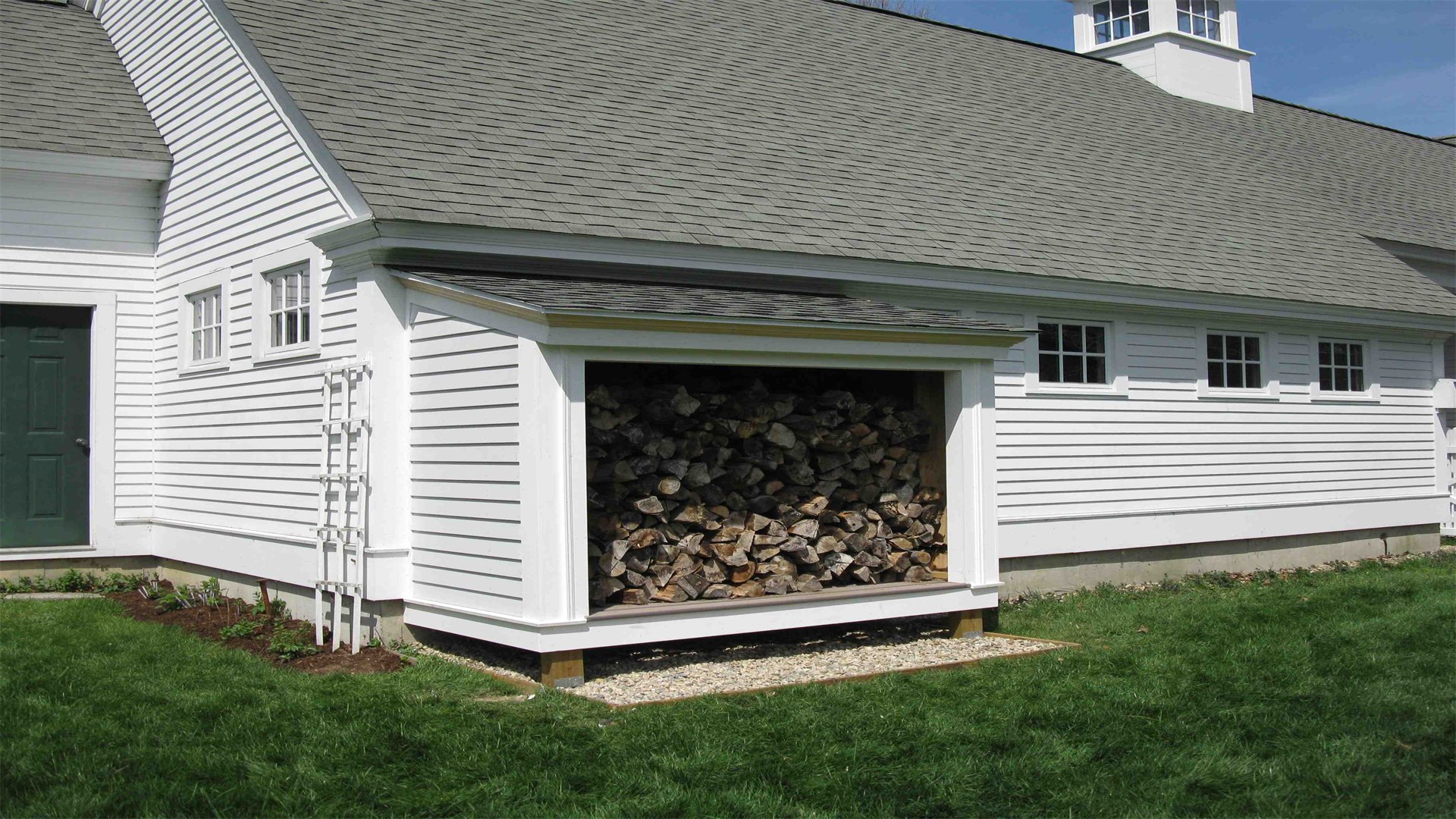
📋 Method One: Planning and Design for Fire Resistance
1. Research Local Fire Codes and Regulations
Start by consulting your local building department to understand regulations regarding outdoor structures in wildfire-prone areas—many regions have specific requirements for setbacks, materials, and ventilation. For instance, in California, Title 24 building standards mandate fire-resistant construction in high-risk zones. Use online resources from sites like Fine Homebuilding or DIY Network to gather design ideas, but always prioritize safety over aesthetics.
2. Choose a Fire-Safe Location
- Avoid placing the shed near flammable vegetation like dry grass or overhanging trees.
- Opt for a cleared area with at least 30 feet of defensible space, as recommended by fire safety experts.
- Consider the shed's orientation: position it with the door facing away from prevailing winds to reduce ember intrusion during wildfires.
3. Incorporate Fire-Resistant Design Features
- Sketch plans that include non-combustible siding, a sealed roof, and minimal eaves to prevent debris accumulation.
- Factor in climate considerations: in arid regions, use designs that emphasize ventilation without compromising fire barriers—for example, install ember-resistant vents.
- Use tools like CAD software or hand-drawn diagrams to visualize the shed, and review plans with a professional if needed.
🛡️ Method Two: Selecting Fire-Resistant Materials
1. Choose Fire-Resistant Framing Materials
- Use steel studs or fire-retardant-treated wood (FRTW) instead of standard lumber. Steel is inherently non-combustible and durable, while FRTW is wood infused with chemicals that slow ignition.
- Research products from manufacturers like Hoover Treated Wood Products to ensure they meet ASTM fire standards.
2. Select Non-Combustible Siding and Roofing
- Opt for metal panels, fiber cement boards (e.g., HardiePlank), or stucco for siding and roofing. Metal roofing, such as galvanized steel or aluminum, reflects heat and resists ember penetration.
- Avoid materials like vinyl or untreated wood, which can melt or ignite easily.
3. Use Fire-Rated Interior Components
- In walls, use fire-rated gypsum board (Type X) as an interior lining; it contains glass fibers that enhance fire resistance.
- For insulation, choose mineral wool or fiberglass batts, which are less flammable than foam boards.
- Install fire-rated doors with a minimum 20-minute rating and tempered glass windows, and seal gaps with fire-resistant caulking like intumescent sealants.
🏗️ Method Three: Building a Fire-Resistant Foundation
1. Prepare the Site and Choose Foundation Type
- Clear all vegetation and debris, and level the ground.
- Use concrete slabs or piers, as they are non-combustible and provide a barrier against heat. Pour a 4-inch thick slab reinforced with rebar for flat areas.
- If using pier foundations, elevate them above the ground with concrete blocks or poured concrete piers.
2. Implement Fire-Stopping Measures
- Treat any wooden components in contact with the ground with fire-retardant coatings.
- Install a gravel perimeter around the foundation—gravel acts as a firebreak by reducing fuel for flames.
- Embed metal flashing between the foundation and walls to block flame pathways, and use fire-resistant sealants at joints.
3. Ensure Compliance with Local Codes
Follow local codes for frost lines and drainage to prevent shifting or water damage. Consult DIY forums like Instructables for foundation tutorials, but prioritize professional advice if unsure.
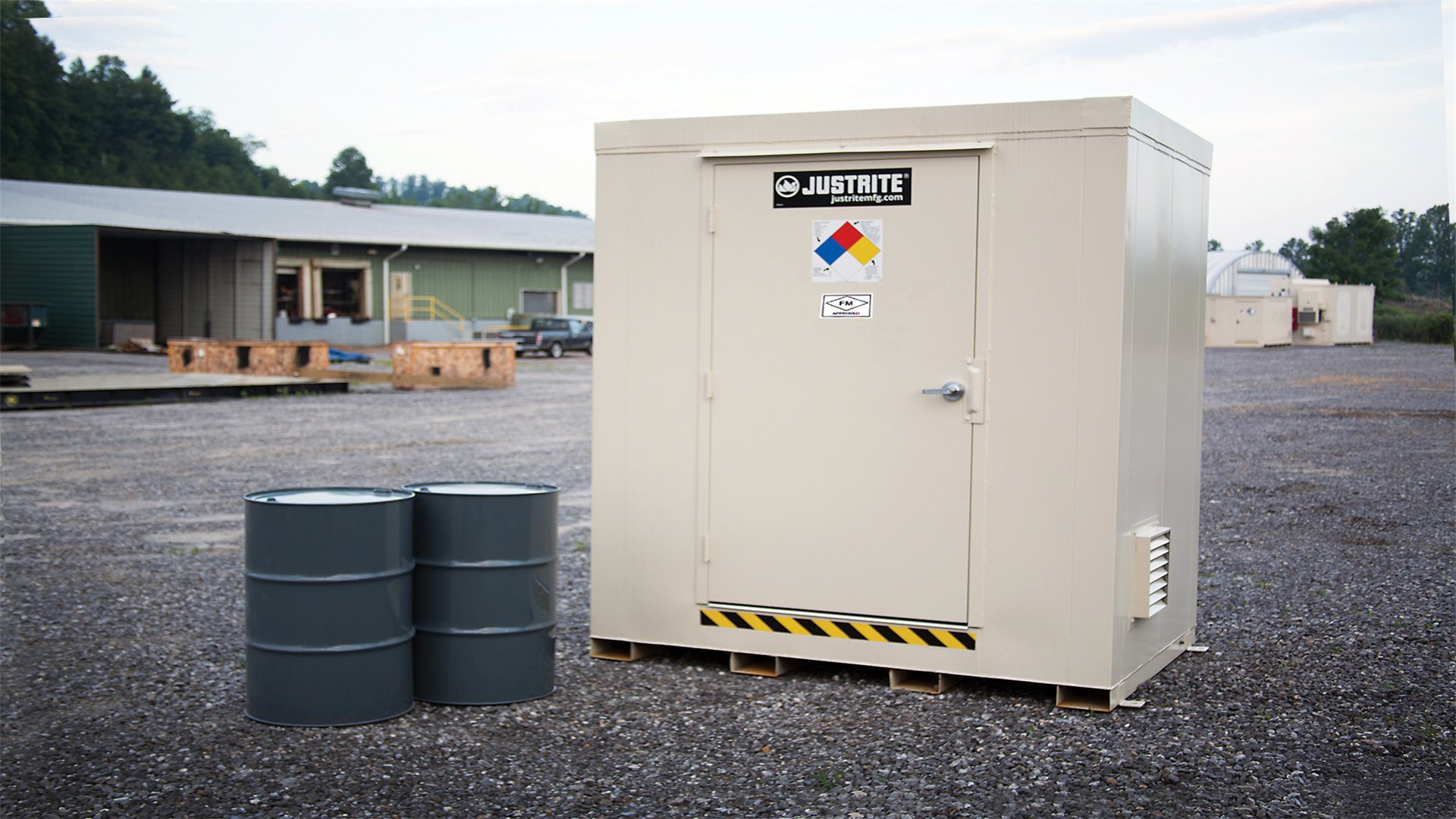
🔨 Method Four: Constructing the Frame with Fire Safety in Mind
1. Assemble the Frame with Fire-Resistant Materials
- Use steel studs or FRTW for the frame. Steel studs require cutting with metal shears and securing with self-tapping screws, while FRTW should be certified for outdoor use.
- Space studs 16 or 24 inches on center for stability and proper insulation installation.
2. Integrate Fire-Blocking Techniques
- Install horizontal blocking between studs at mid-height and at ceiling levels to slow vertical flame spread, using the same fire-resistant materials as the frame.
- For roof framing, use trusses or rafters made of steel or FRTW, and design a low-pitch roof to minimize ember accumulation.
3. Secure Connections and Plan for Utilities
- Secure all connections with metal brackets and screws, avoiding nails that might loosen over time.
- Plan electrical chases for wiring to prevent later drilling that could compromise fire barriers, and use fire-rated spray foam around penetrations to seal gaps.
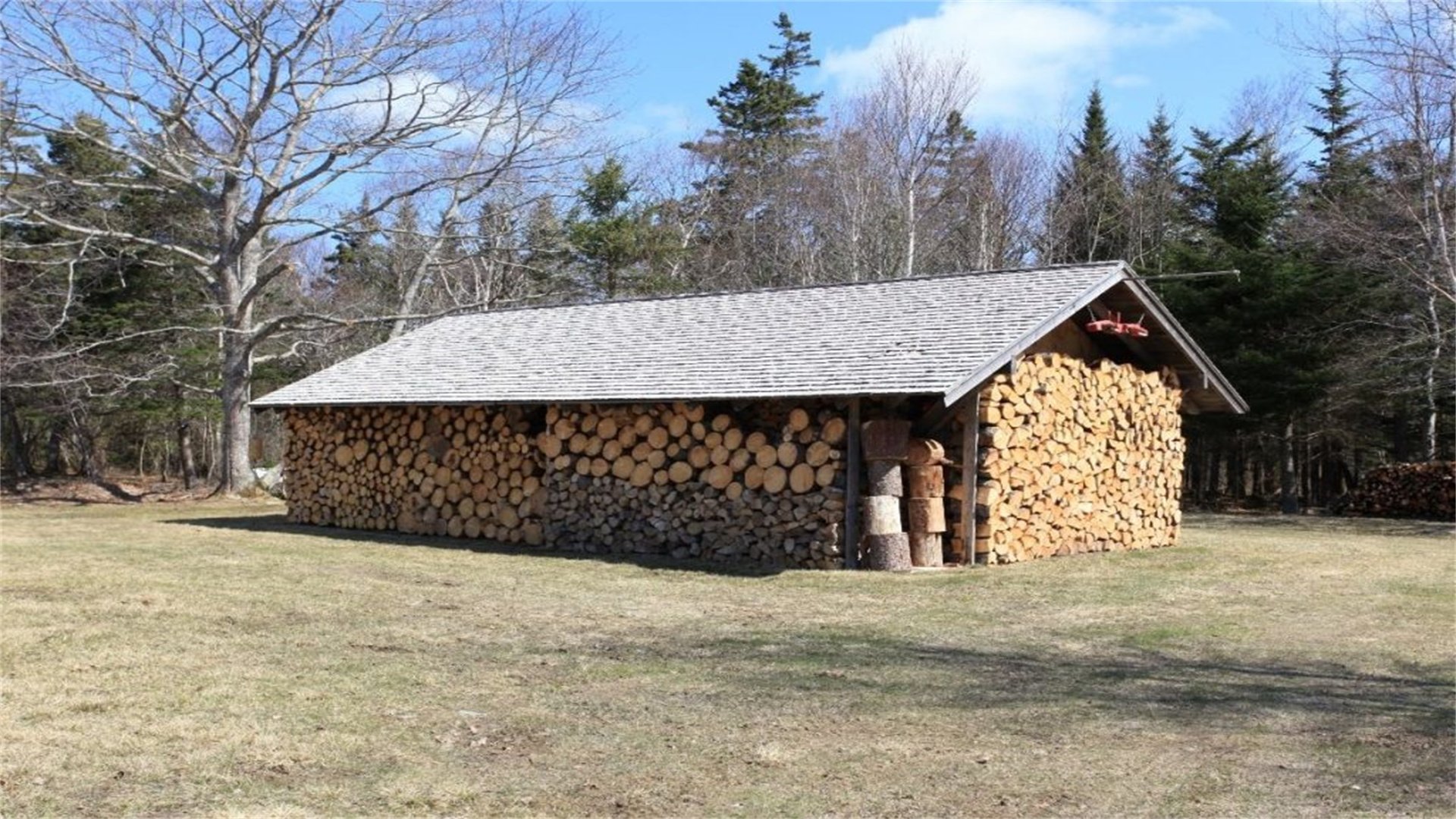
🧱 Method Five: Installing Fire-Resistant Walls and Roof
1. Install Fire-Resistant Wall Systems
- Sheath the exterior with fire-resistant materials like fiber cement boards or metal panels, using corrosion-resistant fasteners and tight seams covered with metal flashing.
- Add a layer of fire-rated gypsum board on the interior side of walls as a thermal barrier, and consider double-layering in high-risk areas.
2. Insulate with Non-Combustible Materials
- Fill wall cavities with mineral wool batts, which are non-combustible and provide excellent insulation. Avoid foam boards unless fire-rated.
- Cover interior walls with fire-rated gypsum board, taping and mudding joints for a seamless barrier, and use fire-resistant paint or coatings.
3. Construct a Fire-Resistant Roof
- Install a Class A fire-rated roofing material, such as metal, clay tiles, or treated asphalt shingles. Metal roofing is highly recommended for ember resistance.
- Underlay the roof with fire-resistant felt or synthetic membranes, and ensure proper ventilation via soffit and ridge vents covered with ember-resistant mesh. Seal all roof penetrations with fire-rated collars and sealants.
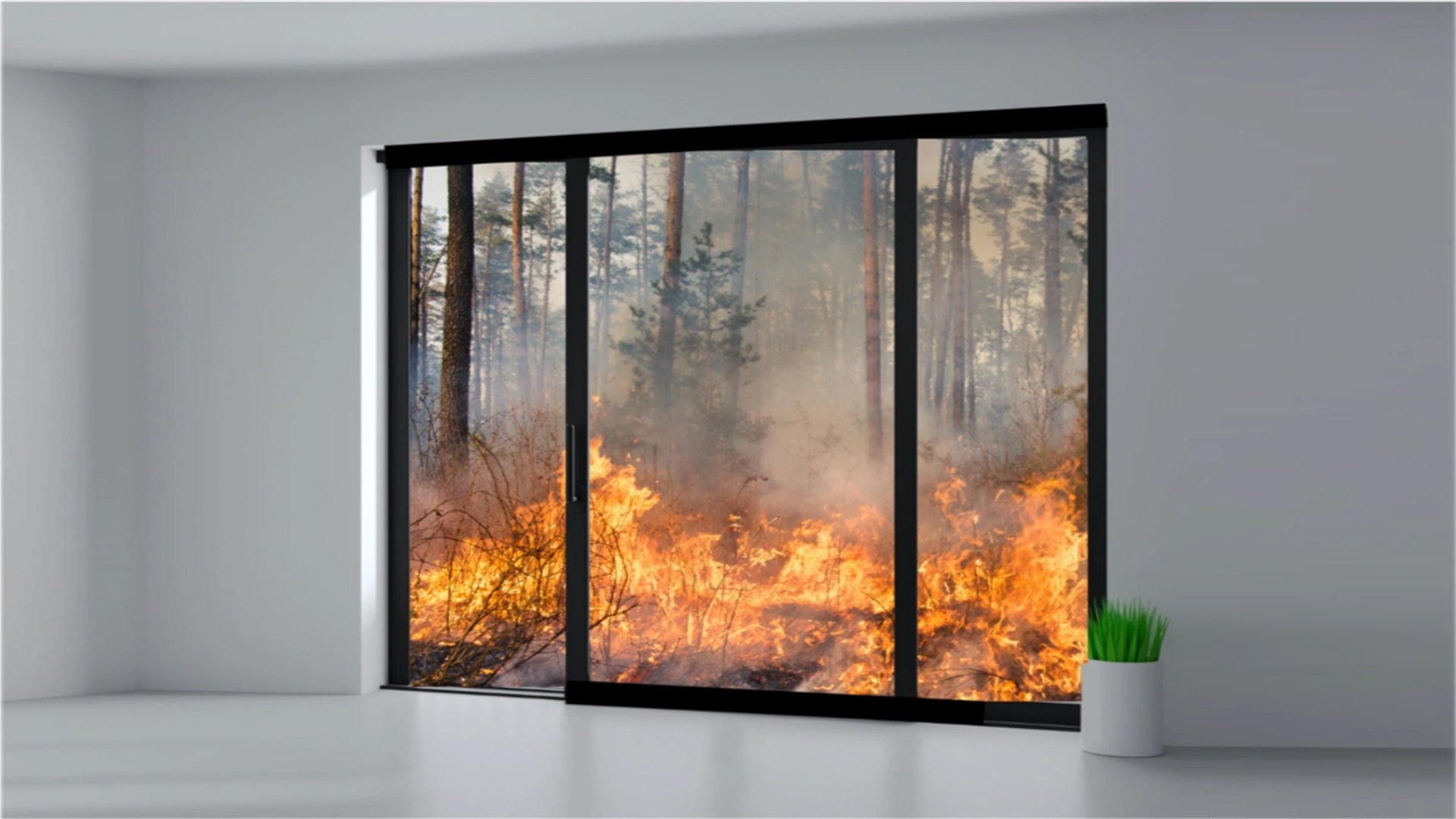
🚪 Method Six: Fire-Rated Doors and Windows Installation
1. Select and Install Fire-Rated Doors
- Choose a solid-core metal door with a fire rating of at least 20 minutes, tested to withstand heat and prevent flame passage. Avoid wooden doors unless treated with fire-retardant coatings.
- Install the door in a steel frame with fire-rated hinges and a self-closing mechanism to ensure automatic shut in case of fire.
2. Install Fire-Resistant Windows
- Use tempered glass or multi-pane units with fire-resistant frames, such as aluminum or steel. Tempered glass handles thermal stress better than regular glass.
- Limit window size to reduce breakage risk, and position windows high on walls to minimize exposure to ground fires.
3. Seal Openings and Add Ventilation
- Seal around doors and windows with intumescent sealant, which expands when heated to fill gaps. Add weather stripping for energy efficiency without compromising fire safety.
- Consider fire-rated roll-up doors for larger access, and use ember-resistant vents in doors or walls for ventilation. Test all openings for tight seals after installation.
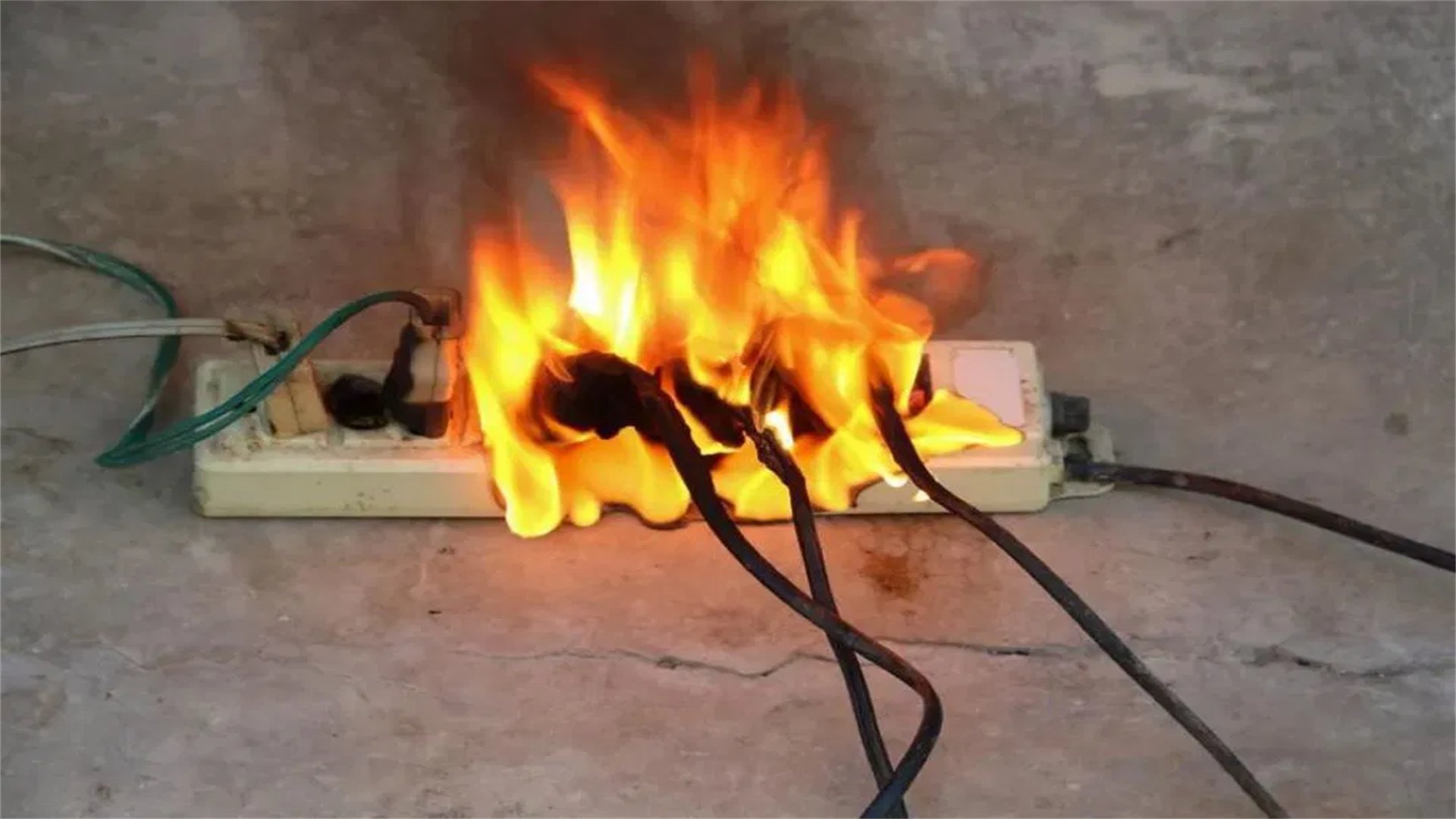
⚡ Method Seven: Electrical Installations for Fire Prevention
1. Plan and Install Safe Electrical Systems
- Hire a licensed electrician if not experienced, as improper wiring can lead to short circuits and sparks. Plan the layout to minimize outlets and lights, reducing ignition sources.
- Use conduit wiring—metal conduit (EMT) or PVC rated for fire resistance—to protect wires from damage and heat, running them along the frame and avoiding moisture exposure.
2. Use Protective Electrical Components
- Install GFCI (Ground Fault Circuit Interrupter) outlets outdoors with weatherproof covers to prevent shocks and reduce fire risk from faults.
- Choose LED fixtures for lighting, as they generate less heat than incandescent bulbs, and include a dedicated circuit breaker with arc-fault protection for quick power cut-off.
3. Ensure Compliance and Maintenance
- Avoid installing electrical components near flammable items like gasoline or paint. Place outlets and switches in well-ventilated spots, and label all circuits clearly.
- Have the system inspected by a local authority to ensure compliance with the National Electrical Code (NEC), and prioritize electrical safety to mitigate shed fire risks.
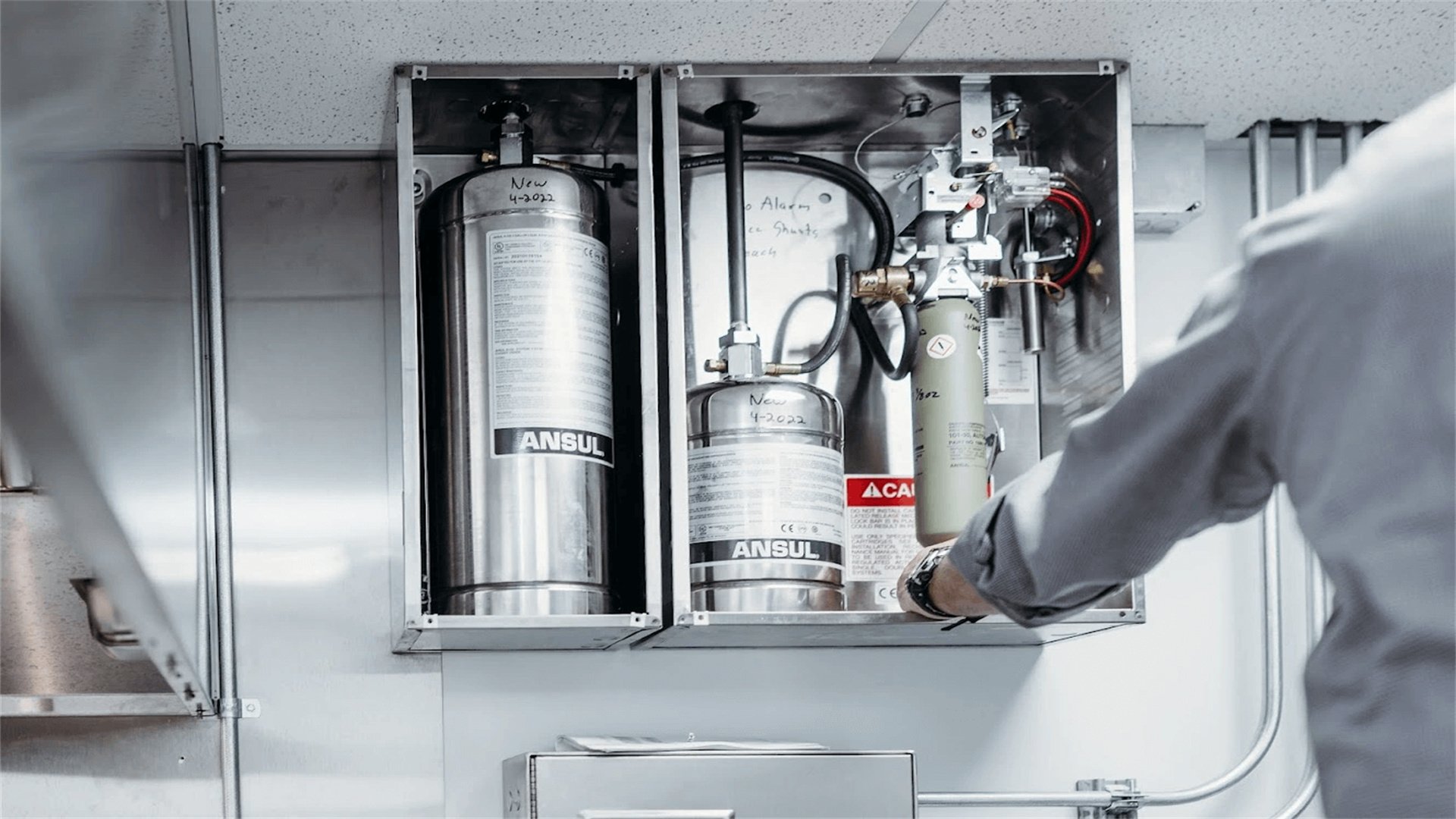
🌬️ Method Eight: Ventilation and Fire Suppression Systems
1. Design Ember-Resistant Ventilation
- Install soffit and ridge vents with 1/8-inch mesh screens to block debris while allowing air circulation. In wildfire-prone areas, use vent covers that automatically close when exposed to heat, such as those with fusible links.
- Avoid gable vents, as they can trap embers, and position vents high on walls made of non-combustible materials like metal.
2. Integrate Fire Suppression Measures
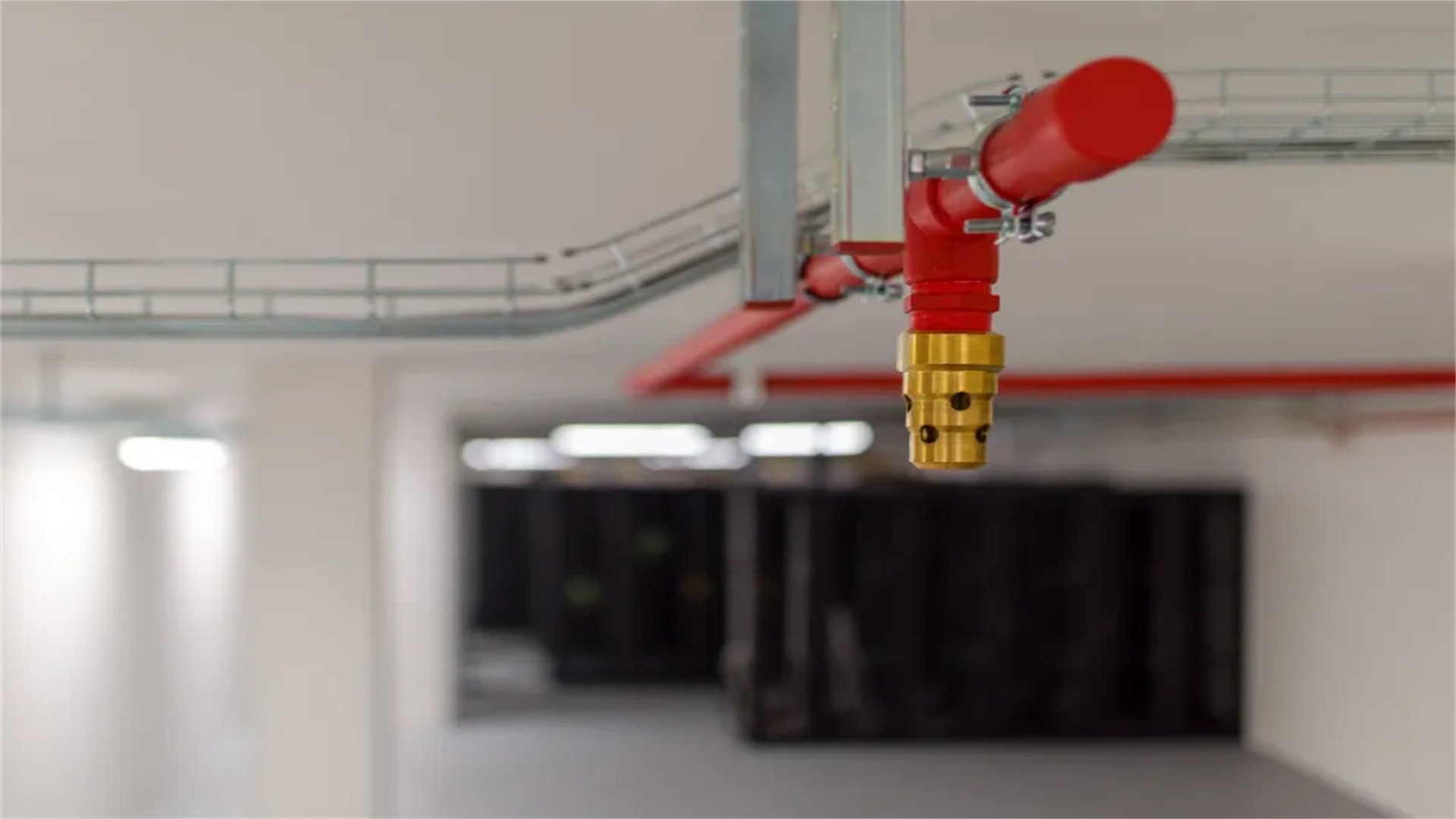
- Consider installing a simple sprinkler head connected to a water supply or using fire extinguisher balls that activate when heated. For sheds near homes, extend a home sprinkler system if possible.
- Keep a Class A fire extinguisher mounted inside the shed, ensure it's accessible, and educate yourself on its use through resources like the NFPA website.
3. Maintain Ventilation and Systems
Regularly clean vents of leaves and dust to prevent overheating and fire risk. Combine smart ventilation with suppression measures for a proactive defense against fire.
🔍 Method Nine: Final Inspections and Ongoing Maintenance
1. Conduct Thorough Inspections
- Perform a visual check for gaps in seals, damaged materials, or loose fasteners. Test doors and windows for proper closure, and verify electrical system safety.
- Hire a professional inspector familiar with fire-resistant construction to assess the shed against local codes, identifying weaknesses like inadequate fire-blocking.
2. Establish a Maintenance Schedule
- Monthly: Clear the perimeter of flammable debris like leaves and branches.
- Quarterly: Inspect roofing and siding for damage, and reapply fire-resistant coatings if needed.
- Annually: Check seals around doors and windows, test fire extinguishers, and replace worn components promptly.
3. Stay Informed and Update as Needed
Keep an inventory of stored items, avoiding hazardous materials unless in approved containers. Follow organizations like the NFPA or local fire departments for evolving fire safety standards, and update the shed with new technologies like improved fire-resistant materials.
✅ Conclusion: Ensuring Long-Term Fire Safety
Building a fireproof outdoor storage shed is a meticulous process that pays off in enhanced protection and peace of mind. By following the methods outlined—from careful planning and material selection to robust construction and maintenance—you create a structure that significantly reduces fire risk. This guide has provided detailed, actionable steps, avoiding vague advice in favor of specific strategies like using steel studs, fire-rated gypsum board, and ember-resistant vents. We've drawn on insights from reputable sources to ensure accuracy and practicality.
In summary, start with a solid plan tailored to local fire codes, choose non-combustible materials, and build with fire-blocking techniques. Pay special attention to vulnerable areas like doors, windows, and electrical systems. Regular maintenance is crucial to sustain fire resistance over time. While no shed can be completely fireproof, these measures will greatly increase its resilience, protecting your belongings and potentially slowing fire spread to your main home.
As climate-related fire risks grow, taking proactive steps like this becomes increasingly important. Share this knowledge with neighbors and community members to promote broader safety. For further reading, explore resources from sites like Firewise USA or DIY building forums. With dedication and attention to detail, you can construct a shed that stands as a testament to smart, safe building practices. Stay safe, and happy building!