Tips

How dirty are socks? Can they be washed with underwear?
Cleaning the washing machine

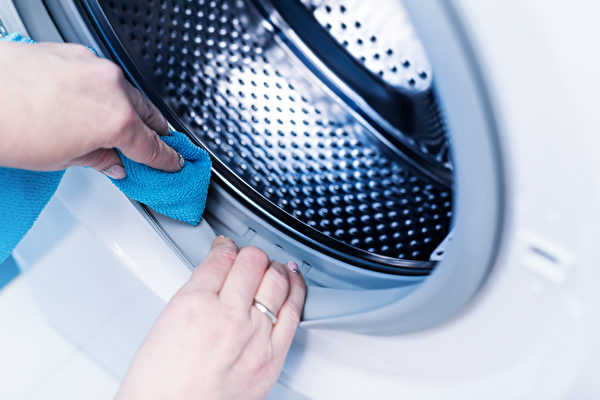
Washing machines easily accumulate dirt and grime. Impurities such as limescale, detergent residue, clothing fibers, and human organic matter can stick between the washing machine tub and inner drum. If not cleaned for a long time, bacteria can easily grow. It is recommended to clean it every 2 to 3 months. You can ask a washing machine repairman to disassemble and clean it, or you can use a tub cleaner.

Dirty clothes should not be left overnight.

Wash dirty clothes as soon as possible after changing them, and it is best not to leave them overnight to prevent bacteria from increasing or dirt from hardening.

Use disinfectant in appropriate amounts
Most detergents are alkylbenzene compounds. Excessive use or insufficient rinsing time can lead to residue, skin irritation, and health problems. To achieve optimal disinfection, use a suitable amount of disinfectant and rinse thoroughly.

Sun drying and sterilization

Ultraviolet rays can kill bacteria, so clothes must be thoroughly dried after washing.

Drying and sterilization

If you encounter humid or rainy weather, those who have the means can wash their clothes with hot water and then dry them in a dryer. Hot water itself can kill bacteria, and drying can thoroughly disinfect the clothes.

Advertisement
Advertisement
You May Have Missed
9 Practical DIY Solutions for Routine Home Maintenance with Simple Tools

9 Practical DIY Solutions for Routine Home Maintenance with Simple Tools

Home maintenance is an essential aspect of preserving the value, safety, and comfort of your living space. While professional services can be costly, many routine tasks can be efficiently handled through do-it-yourself (DIY) approaches using simple tools. This article delves into nine practical DIY solutions that empower homeowners to tackle common household issues without extensive expertise or expensive equipment. By focusing on clear, step-by-step instructions and emphasizing the use of basic tools like screwdrivers, pliers, wrenches, and cleaning supplies, we aim to provide a comprehensive guide that saves time and money. Whether you're a novice or a seasoned DIY enthusiast, these solutions will help you maintain your home proactively, ensuring it remains in top condition year-round. We'll explore each solution in detail, covering tools needed, procedures, tips, and potential pitfalls to avoid, so you can approach each task with confidence.

How to Repair Broken Locks Without a Locksmith

How to Repair Broken Locks Without a Locksmith

Locks are essential security features in our homes, vehicles, and personal belongings, but they can break due to wear and tear, misuse, or environmental factors. Calling a locksmith can be expensive and time-consuming, often costing between $50 to $200 or more per service. However, many lock issues can be repaired by yourself with the right knowledge, tools, and patience. This comprehensive guide will walk you through the process of repairing broken locks without professional help, covering various lock types, diagnostic techniques, step-by-step repair methods, and safety tips. By the end, you'll be equipped to handle common lock problems, save money, and enhance your DIY skills. Remember, while DIY repairs can be effective, always prioritize safety and consult a professional if you're unsure or dealing with high-security locks.

Throw away these 6 things as soon as they spoil!

Throw away these 6 things as soon as they spoil!

In daily life, many of us have this misconception: that as long as something is still within its shelf life, it is safe to use. However, the "shelf life" is not entirely the same as the usage date. Many things, even if they are still within their shelf life, may spoil or become unsuitable for use due to various reasons. Today, we'll discuss in detail six of these items that you should throw away immediately if certain conditions arise, as they relate to your health and quality of life.

Keep Wildlife Out Without Chemicals

Keep Wildlife Out Without Chemicals

In today's world, where environmental consciousness is on the rise, many homeowners, gardeners, and farmers are seeking ways to manage wildlife intrusions without resorting to harmful chemicals. Chemical repellents and pesticides can have detrimental effects on ecosystems, non-target species, and human health. This article delves into a wide array of non-chemical strategies to keep wildlife at bay, drawing insights from reputable sources and practices commonly discussed on international websites focused on organic living, wildlife conservation, and sustainable agriculture. We will explore each method in detail, providing clear, actionable steps to implement these solutions effectively. By the end of this guide, you will have a thorough understanding of how to protect your property while fostering a harmonious relationship with nature.