Tips

How dirty are socks? Can they be washed with underwear?

Is there a risk of cross-infection?

Generally, washing socks and underwear together will not cause cross-infection. There are three main reasons for this:

Most bacteria on socks are common skin-degrading bacteria that also exist on other parts of the body. Even if they are transferred, they don't have a significant impact. Furthermore, these bacteria require a closed, moist environment to survive after being transferred, and generally cannot multiply in large numbers on other parts of the body.

If you use a washing machine, the vast majority of microorganisms will be shed from your clothes. Research from the University of Bonn in Germany found that washing clothes in 20.5°C water for 15 minutes can remove more than 95% of microorganisms. Furthermore, drying clothes in the sun or tumble dry after washing further eliminates microorganisms.

Even if a small number of microorganisms survive, our skin will act as a barrier to prevent their invasion.

Therefore, washing underwear and socks together is generally not a big problem.

However, in two special circumstances, it is still recommended to wash them separately!
Advertisement
Advertisement
You May Have Missed
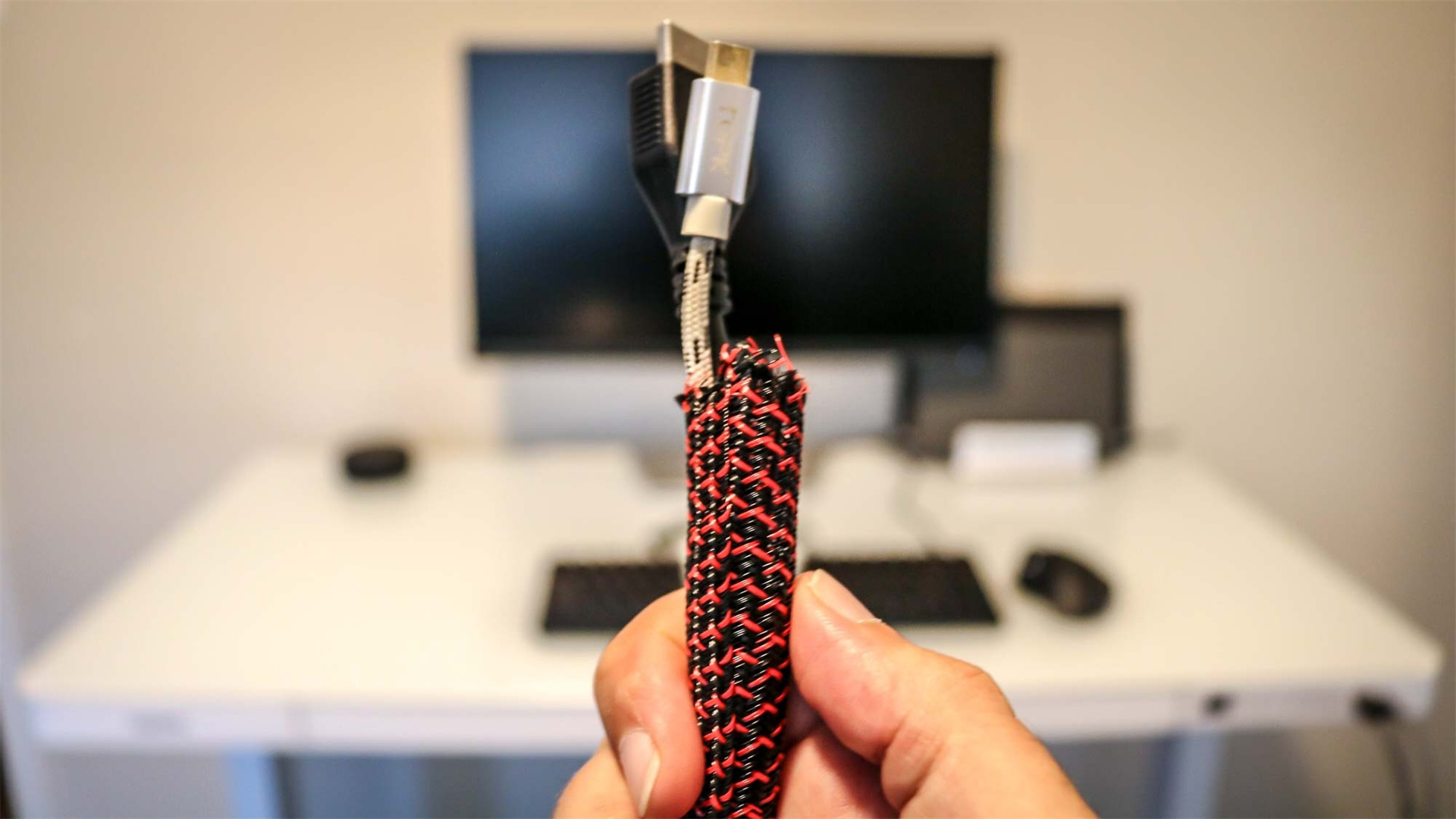
Easy Tricks to Organize and Hide Unsightly Wires at Home

Easy Tricks to Organize and Hide Unsightly Wires at Home

In today's digital age, our homes are filled with electronic devices—from televisions and computers to gaming consoles and smart home systems. While these gadgets bring convenience and entertainment, they often come with a tangled mess of wires that can create an unsightly and hazardous environment. Unsightly wires not only detract from your home's aesthetics but can also pose tripping hazards and make cleaning difficult. Fortunately, organizing and hiding wires doesn't require professional help or expensive solutions.

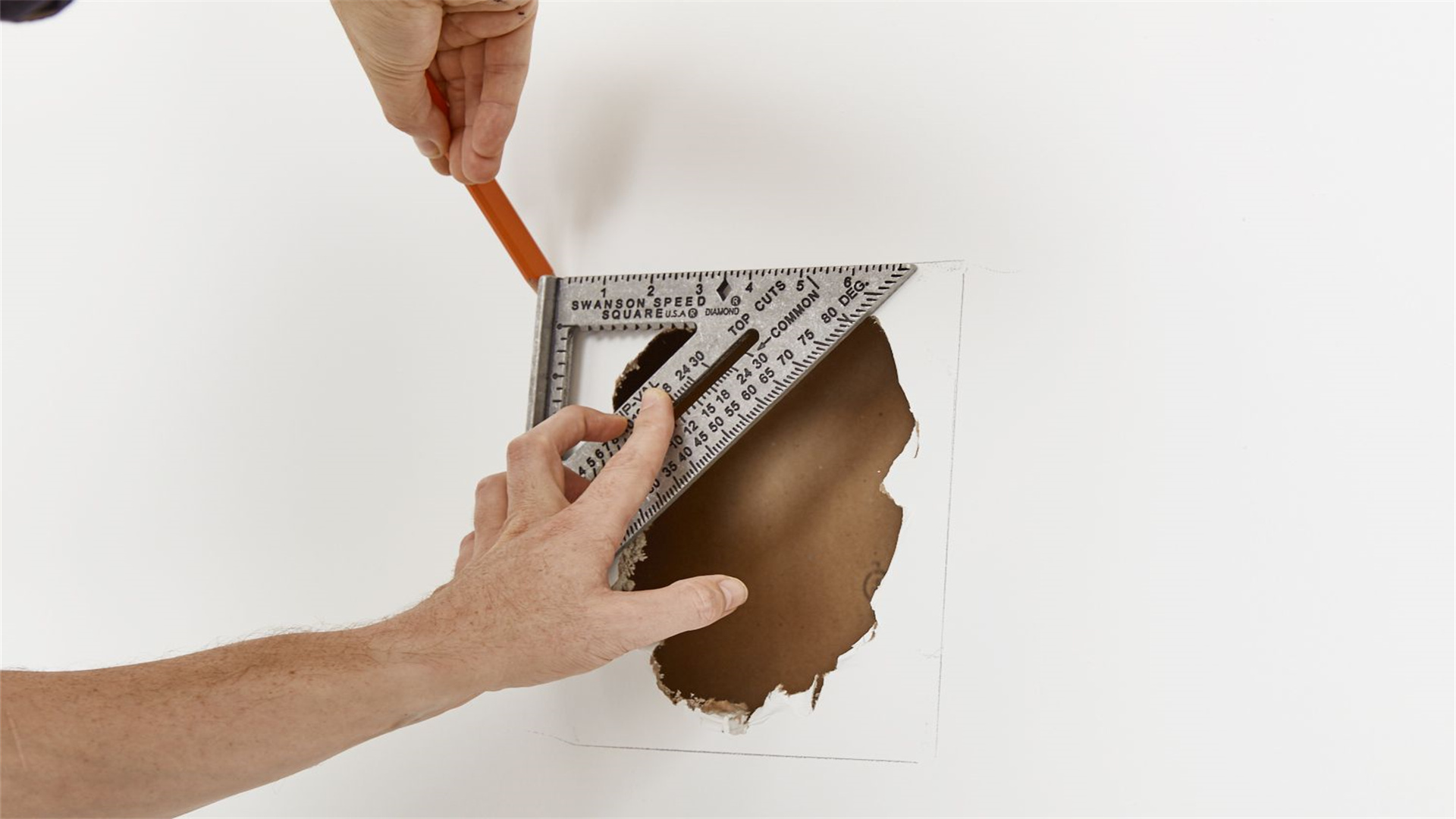
Easy DIY Wall Repairs: Patch Cracks and Holes Like a Pro

Easy DIY Wall Repairs: Patch Cracks and Holes Like a Pro

Wall repairs are a common household task that many people dread, but with the right knowledge and tools, you can tackle cracks and holes like a professional. This comprehensive guide will walk you through every step of the process, ensuring you achieve a flawless finish without hiring an expensive contractor. Whether you're dealing with small nail holes, unsightly cracks, or larger damage, this article covers it all in detail. By following these instructions, you'll save money, gain valuable skills, and maintain the beauty of your home. Let's dive into the world of DIY wall repairs and transform your space with confidence.

Throw away these 6 things as soon as they spoil!

Throw away these 6 things as soon as they spoil!

In daily life, many of us have this misconception: that as long as something is still within its shelf life, it is safe to use. However, the "shelf life" is not entirely the same as the usage date. Many things, even if they are still within their shelf life, may spoil or become unsuitable for use due to various reasons. Today, we'll discuss in detail six of these items that you should throw away immediately if certain conditions arise, as they relate to your health and quality of life.

Removing ice cubes from the refrigerator only requires a plastic bottle.

Removing ice cubes from the refrigerator only requires a plastic bottle.

With improved living standards, almost every household now owns a refrigerator. Newer, frost-free refrigerators don't cause much of a problem with ice buildup. However, many people still use older models, which accumulate thick layers of frost over time.Once a thick layer of frost forms inside the refrigerator, it not only reduces the already limited space, but also makes vegetables and fruits more prone to rotting when placed next to the ice. Furthermore, the ice increases the refrigerator's energy consumption, thus raising electricity bills.When ice forms inside the refrigerator, many people will scrape it off with a spatula or knife. This is not only time-consuming and laborious, but it can also easily damage the coating inside the refrigerator.