Tips

How dirty are socks? Can they be washed with underwear?

Is there a risk of cross-infection?

Generally, washing socks and underwear together will not cause cross-infection. There are three main reasons for this:

Most bacteria on socks are common skin-degrading bacteria that also exist on other parts of the body. Even if they are transferred, they don't have a significant impact. Furthermore, these bacteria require a closed, moist environment to survive after being transferred, and generally cannot multiply in large numbers on other parts of the body.

If you use a washing machine, the vast majority of microorganisms will be shed from your clothes. Research from the University of Bonn in Germany found that washing clothes in 20.5°C water for 15 minutes can remove more than 95% of microorganisms. Furthermore, drying clothes in the sun or tumble dry after washing further eliminates microorganisms.

Even if a small number of microorganisms survive, our skin will act as a barrier to prevent their invasion.

Therefore, washing underwear and socks together is generally not a big problem.

However, in two special circumstances, it is still recommended to wash them separately!
Advertisement
Advertisement
You May Have Missed
DIY Guide to Replacing Broken Switches and Outlets Safely

DIY Guide to Replacing Broken Switches and Outlets Safely

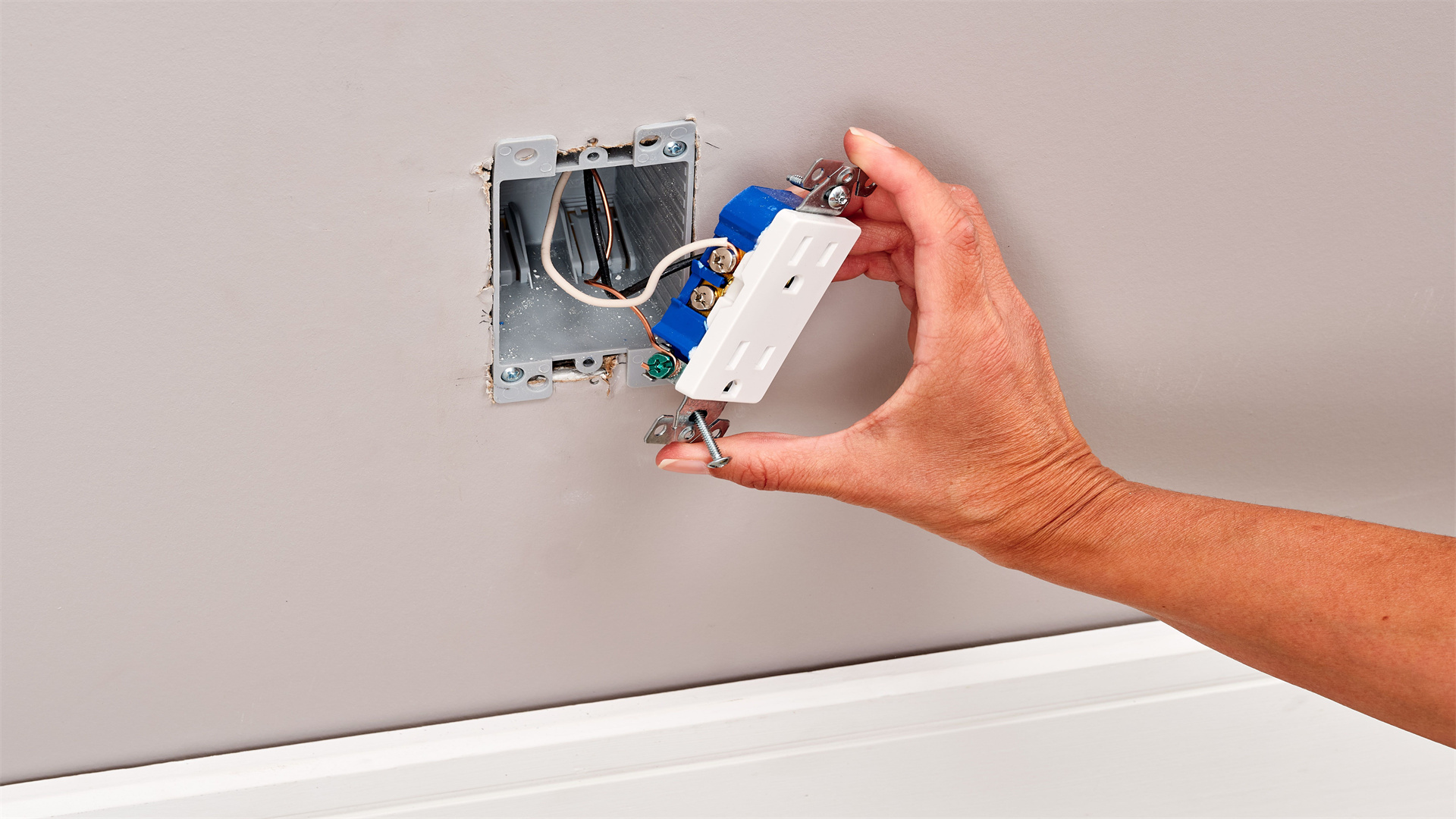
Replacing broken switches and outlets is a common home improvement task that can enhance safety, functionality, and aesthetics. However, working with electrical systems requires caution and knowledge to prevent hazards like electric shocks, fires, or damage to your home's wiring. This comprehensive guide provides step-by-step instructions, safety protocols, and detailed explanations to help you tackle this project confidently. Drawing from reputable DIY resources and electrical standards, we'll cover everything from tools and preparation to installation and testing. Whether you're a beginner or an experienced DIYer, this guide ensures you approach the task with clarity and safety in mind.

10 Clever Ways to Organize Your Closet and Maximize Space

10 Clever Ways to Organize Your Closet and Maximize Space

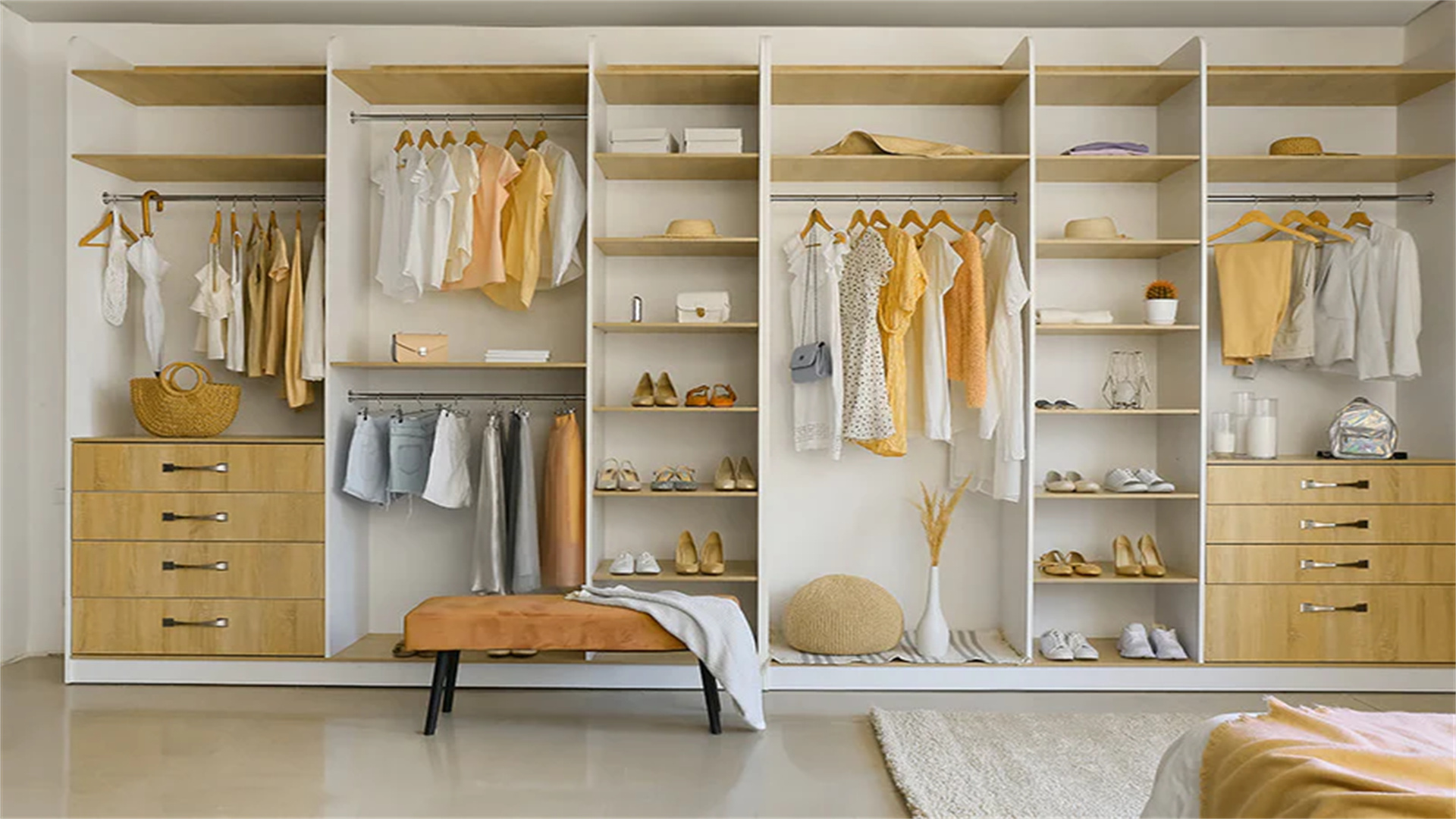
Do you feel a contradictory sense of exhaustion facing the daily reality of always needing one more outfit, yet constantly confronted with a perpetually overcrowded wardrobe? This isn't just a matter of insufficient space; it's a microcosm of our chaotic lives. In reality, a well-organized and easily accessible dream wardrobe isn't out of reach. The key lies in employing clever strategies to make the most of every inch of space. Are you ready to embrace a refreshed wardrobe that can boost your daily efficiency and mood? Let's begin this transformation from chaos to order.

Keep Wildlife Out Without Chemicals

Keep Wildlife Out Without Chemicals

In today's world, where environmental consciousness is on the rise, many homeowners, gardeners, and farmers are seeking ways to manage wildlife intrusions without resorting to harmful chemicals. Chemical repellents and pesticides can have detrimental effects on ecosystems, non-target species, and human health. This article delves into a wide array of non-chemical strategies to keep wildlife at bay, drawing insights from reputable sources and practices commonly discussed on international websites focused on organic living, wildlife conservation, and sustainable agriculture. We will explore each method in detail, providing clear, actionable steps to implement these solutions effectively. By the end of this guide, you will have a thorough understanding of how to protect your property while fostering a harmonious relationship with nature.

How to Repair Broken Locks Without a Locksmith

How to Repair Broken Locks Without a Locksmith

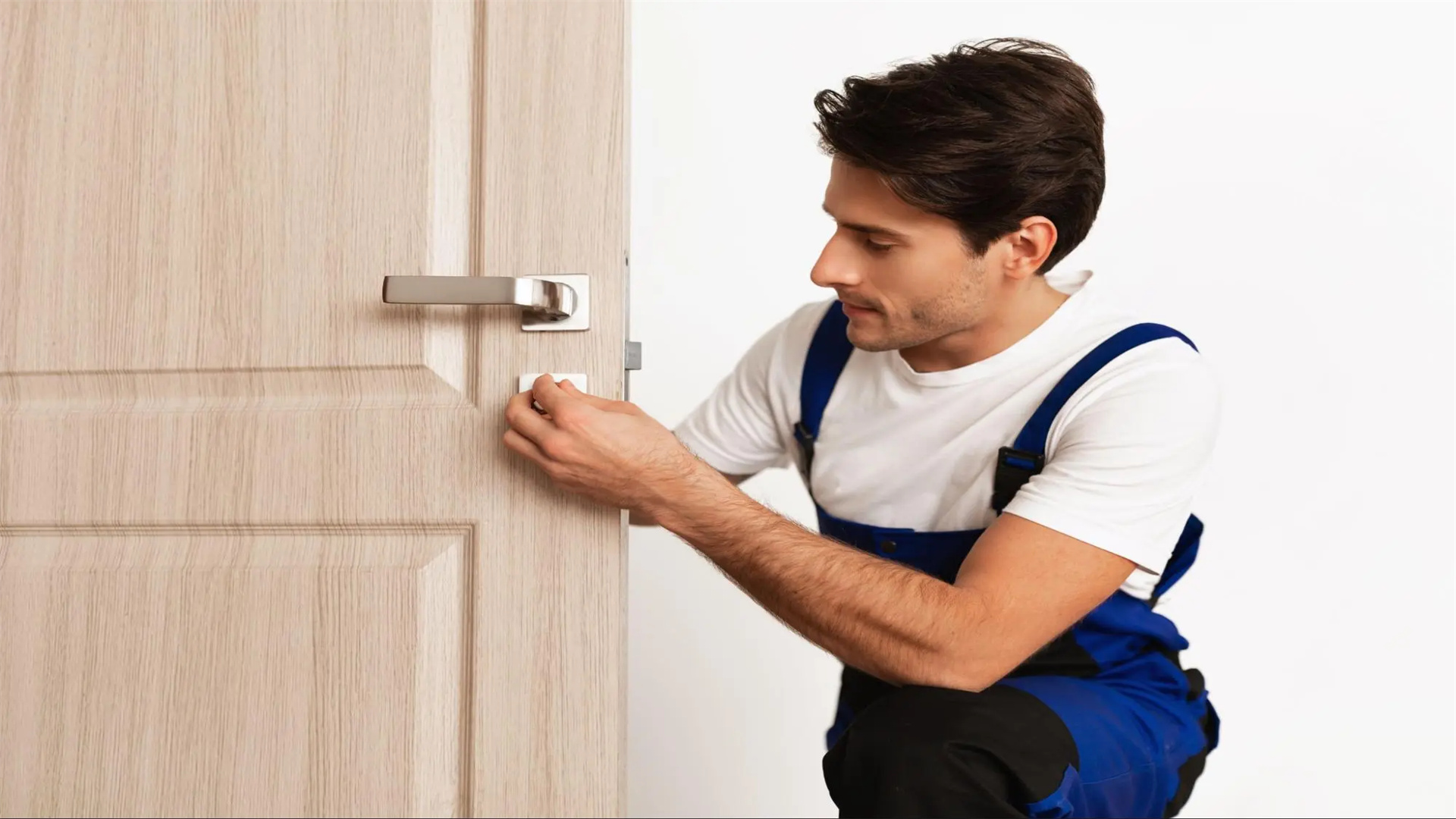
Locks are essential security features in our homes, vehicles, and personal belongings, but they can break due to wear and tear, misuse, or environmental factors. Calling a locksmith can be expensive and time-consuming, often costing between $50 to $200 or more per service. However, many lock issues can be repaired by yourself with the right knowledge, tools, and patience. This comprehensive guide will walk you through the process of repairing broken locks without professional help, covering various lock types, diagnostic techniques, step-by-step repair methods, and safety tips. By the end, you'll be equipped to handle common lock problems, save money, and enhance your DIY skills. Remember, while DIY repairs can be effective, always prioritize safety and consult a professional if you're unsure or dealing with high-security locks.