Harvest More with Less Space: A Novice-Friendly Edible Container Gardening Manual
🌱 Introduction to Edible Container Gardening
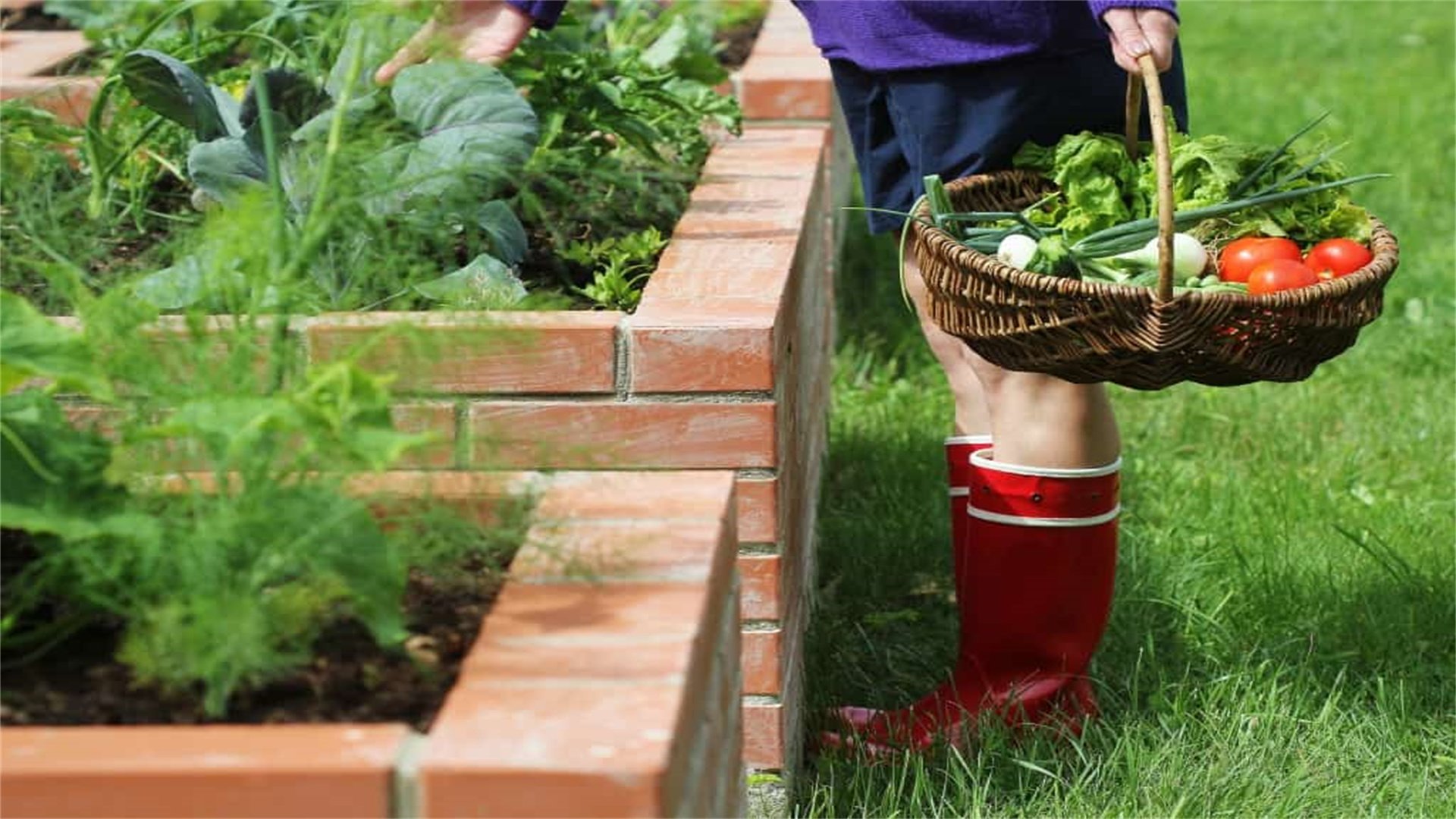
In today's urbanized world, where space is often limited, edible container gardening has emerged as a revolutionary solution for growing fresh, nutritious food right at home. This manual is designed specifically for beginners, guiding you through every step to maximize harvests in minimal spaces, such as balconies, patios, windowsills, or even small yards. Container gardening isn't just about saving space—it's about empowering you to cultivate a sustainable, rewarding hobby that yields delicious results. By following this comprehensive guide, you'll learn how to select the right containers, choose suitable plants, and master essential care techniques, all tailored for novices. Whether you're a city dweller or someone with limited gardening experience, this manual will help you transform any nook into a productive edible oasis. Let's dive into the world of container gardening and start harvesting more with less!
Edible container gardening involves growing fruits, vegetables, herbs, and other edible plants in pots, boxes, or other containers rather than directly in the ground. This approach is ideal for those with spatial constraints, as it allows for flexibility in placement and design. For beginners, it offers a controlled environment that reduces common gardening challenges like weeds and soil-borne diseases. The benefits are manifold: you can enjoy fresh, organic produce year-round, reduce your carbon footprint, and even enhance mental well-being through hands-on engagement with nature. This manual will break down the process into manageable sections, ensuring you gain confidence and success from the start.
🏺 Part 1: Choosing the Right Containers
Containers are the foundation of your garden, and selecting appropriate ones is crucial for plant health and productivity. Here, we'll explore various container types, their advantages and disadvantages, and how to make the best choice based on your needs.
Method 1: Types of Containers
Containers come in diverse materials, each with unique properties. Consider the following options:
- Plastic Pots: Lightweight, affordable, and widely available. They retain moisture well but may degrade in sunlight over time. Ideal for beginners due to their ease of handling.
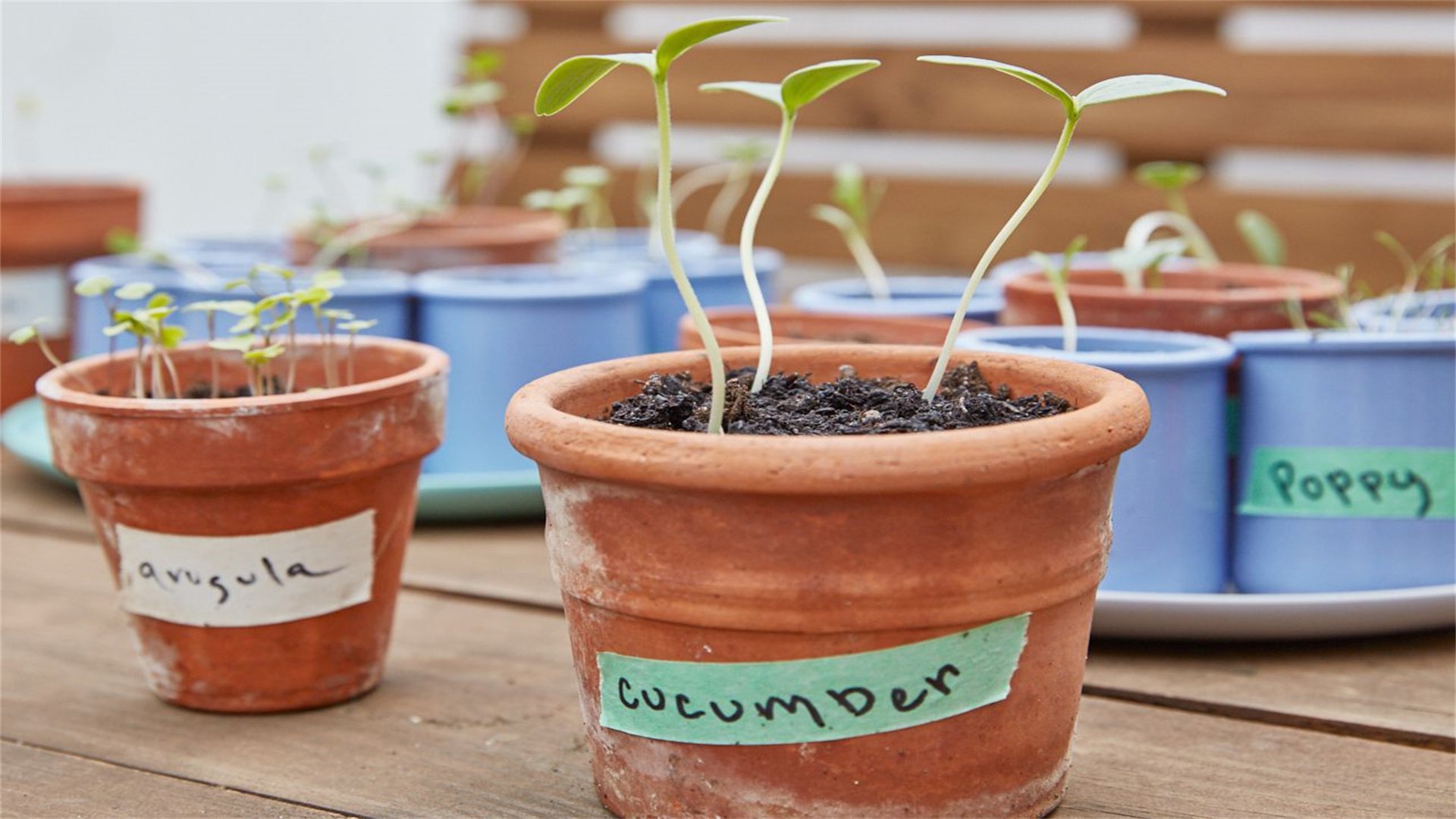
- Terracotta or Clay Pots: Porous and breathable, promoting good aeration for roots. However, they dry out quickly and can be heavy. Best for plants that prefer drier conditions, like herbs.
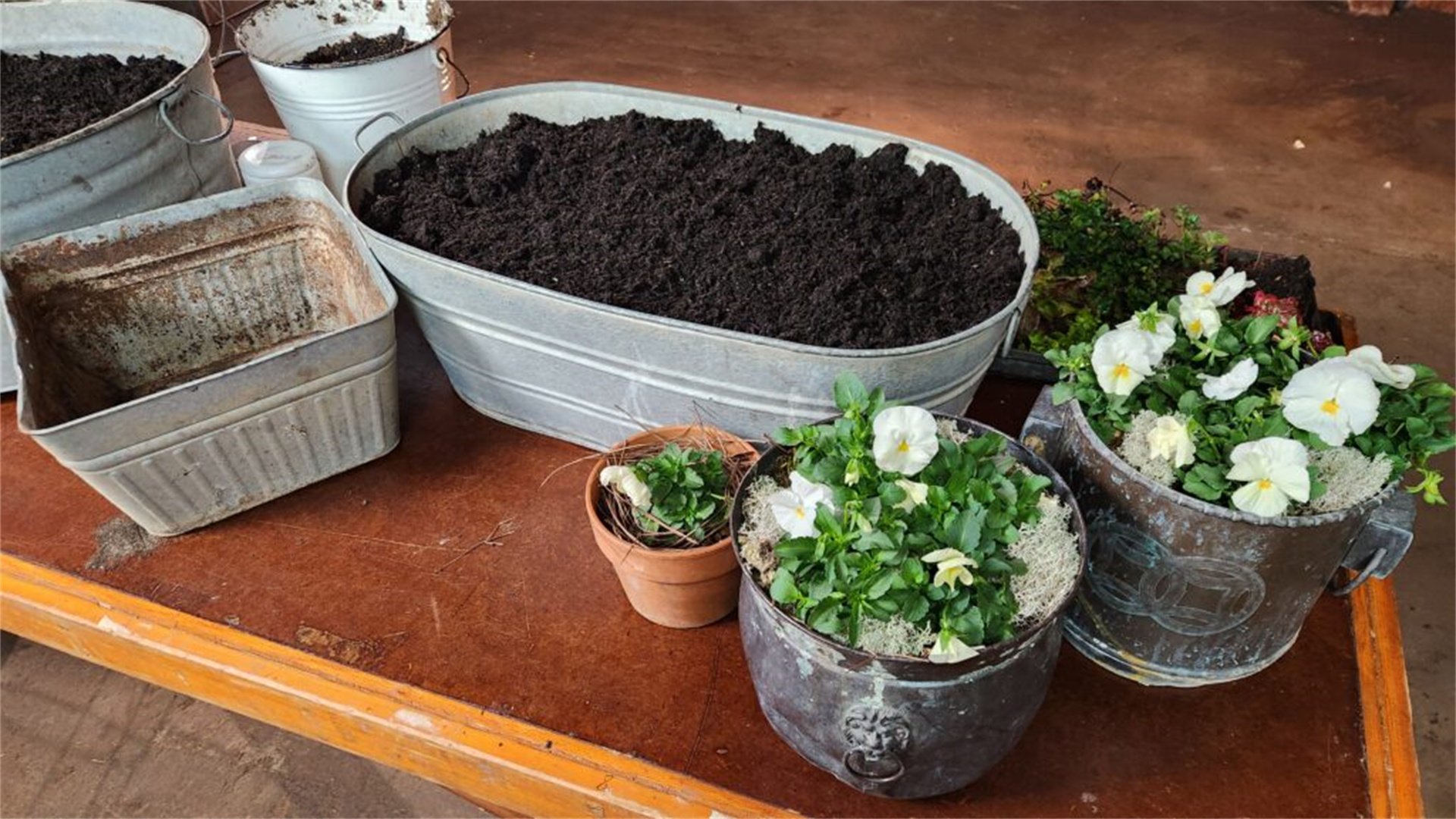
- Wooden Containers: Such as raised beds or window boxes. They offer excellent insulation and aesthetics but require treatment to prevent rot. Cedar and redwood are naturally rot-resistant.
- Fabric Pots: Made from breathable fabric, they prevent overwatering and encourage air pruning of roots. Lightweight and foldable, but may need frequent watering. Great for root vegetables like carrots.
- Self-Watering Containers: Feature a reservoir that waters plants automatically, reducing maintenance. Slightly more expensive but perfect for busy beginners or thirsty plants like tomatoes.
Method 2: Size and Depth Considerations
The container size directly impacts plant growth. As a rule of thumb, larger containers hold more soil, retain moisture better, and support bigger root systems. Here's how to determine size:
- For shallow-rooted plants like lettuce or herbs, choose containers at least 6-8 inches deep.
- For medium-rooted plants such as peppers or beans, opt for depths of 12-18 inches.
- For deep-rooted crops like tomatoes or potatoes, select containers that are 18-24 inches deep or more.
Always ensure containers have adequate drainage holes to prevent waterlogging. If not, drill holes yourself.
Advantages and Disadvantages of Container Gardening
Advantages:
- Portability for optimizing sunlight
- Reduced pest and weed issues
- Ability to garden in non-traditional spaces
- Easier soil control
Disadvantages:
- Containers can dry out faster
- May require more frequent watering and fertilizing
- Have limited root space for some plants
🌱 Part 2: Soil and Growing Medium
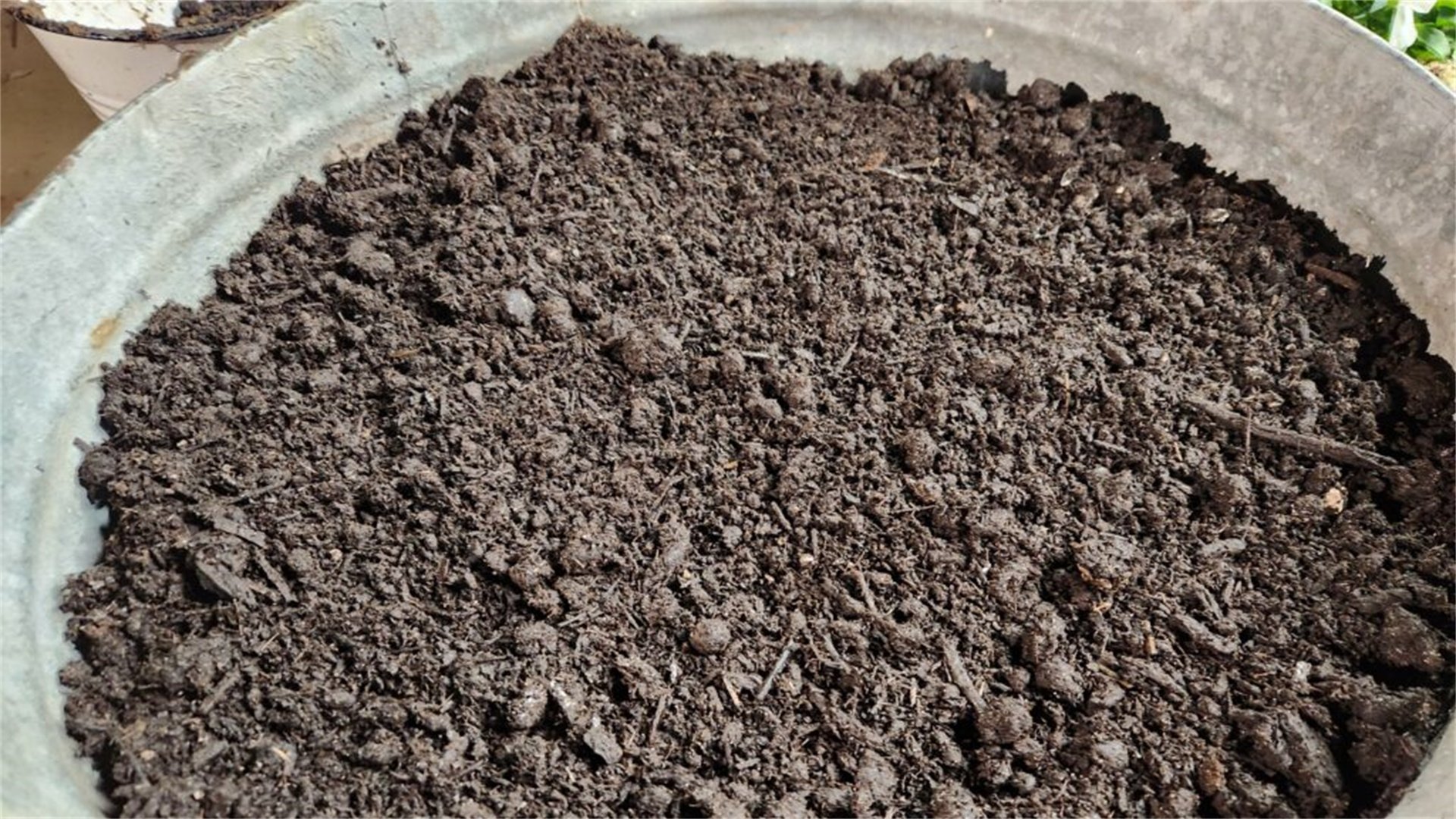
Using the right soil is essential for container success. Garden soil is not recommended, as it can compact and harbor pathogens. Instead, use a high-quality potting mix designed for containers.
How to Create the Perfect Potting Mix
Here are the key components:
- Base Component: Use a soilless mix of peat moss, coco coir, or compost for aeration and moisture retention. A common ratio is 60% soilless medium.
- Drainage Enhancer: Add perlite or vermiculite (20%) to improve drainage and prevent compaction.
- Nutrient Source: Incorporate compost or well-rotted manure (20%) for organic matter and slow-release nutrients. You can also add a balanced organic fertilizer.
For specific plants, customize the mix: for example, succulents need more sand, while leafy greens thrive in richer compost blends.
🥬 Part 3: Selecting Edible Plants for Containers
Not all plants are suited for containers, but many adapt well. Choose varieties labeled as "compact," "dwarf," or "bush" for best results. Here’s a breakdown by category.
Method 1: Herbs – Ideal for Beginners
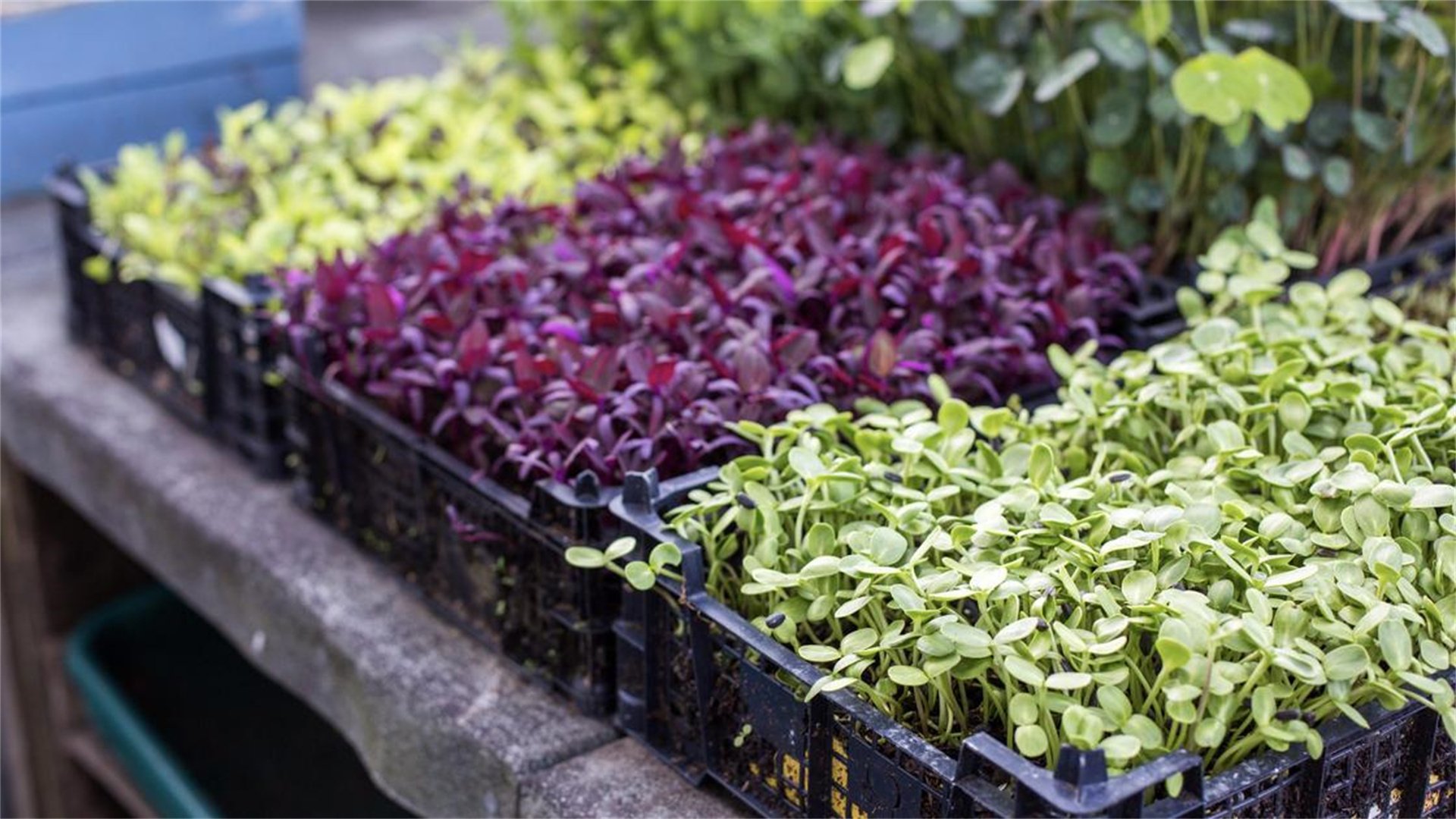
Herbs are low-maintenance and perfect for small spaces. Examples include basil, mint, parsley, and thyme. They can be grown in small pots on windowsills.
Advantages:
- Fast-growing
- Frequent harvests
- Pest-repellent properties
How to Implement:
- Start from seeds or seedlings
- Place in sunny spots
- Water when soil feels dry
Method 2: Vegetables – High-Yield Choices
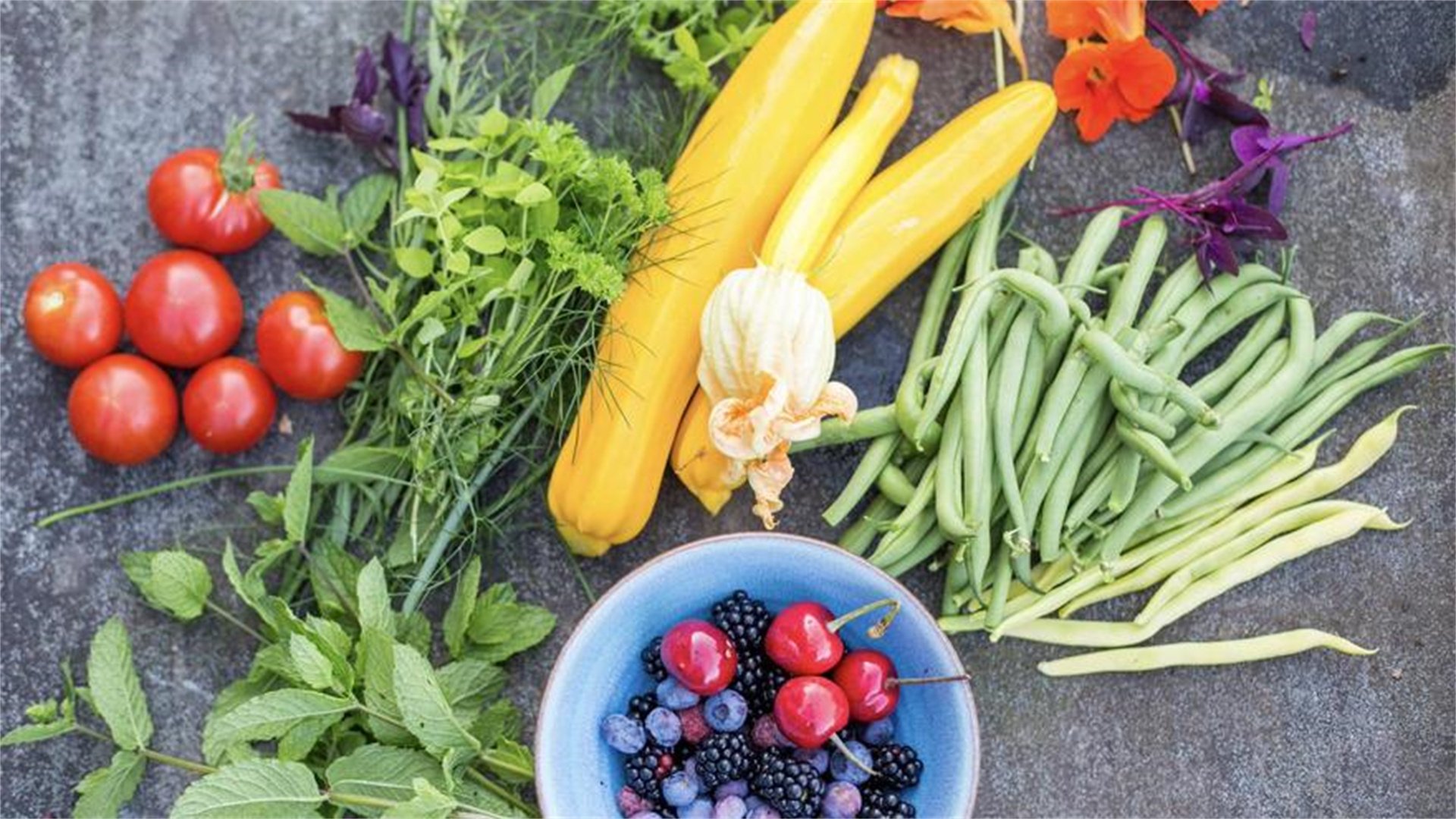
Many vegetables thrive in containers. Focus on these beginner-friendly options:
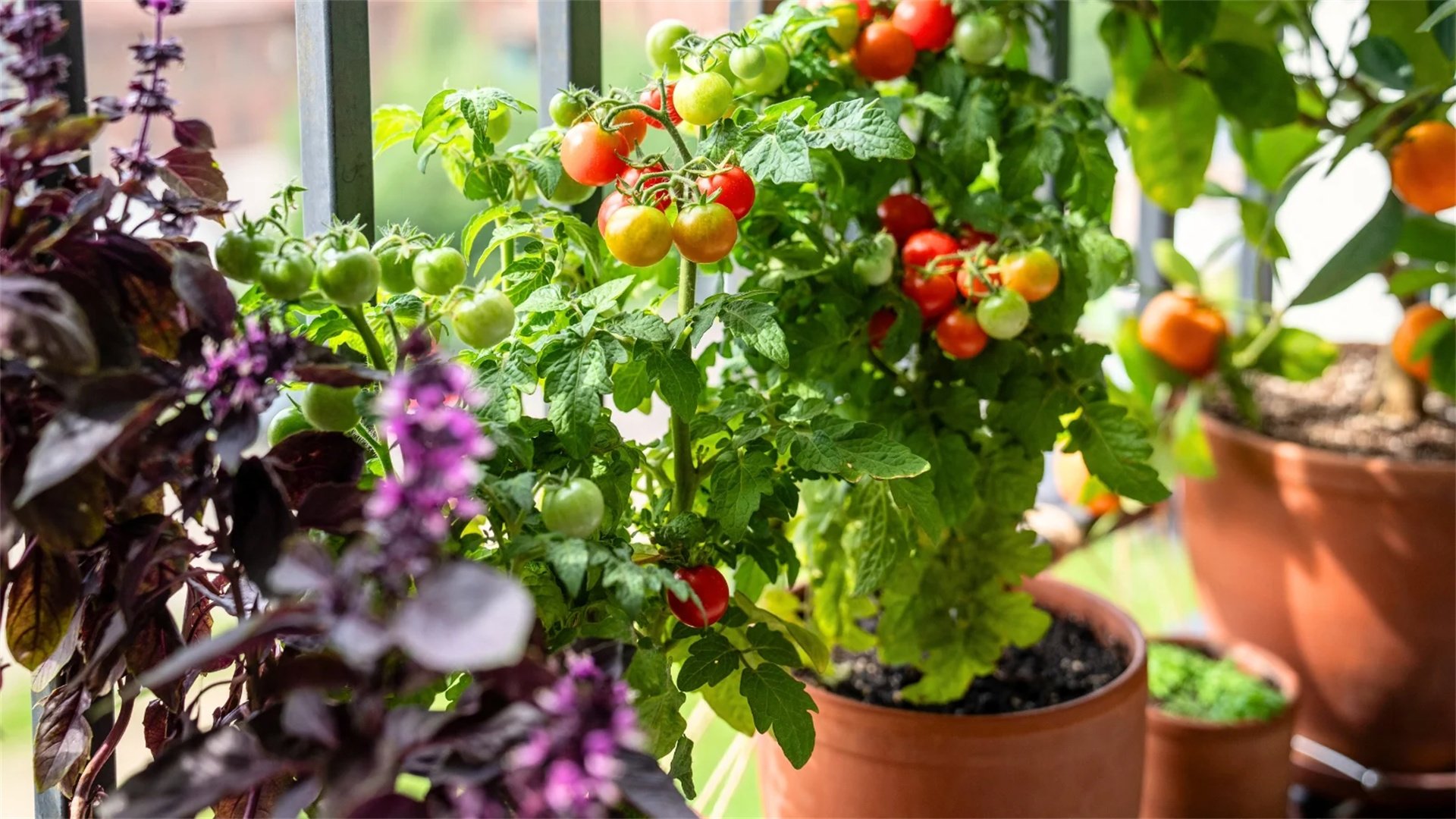
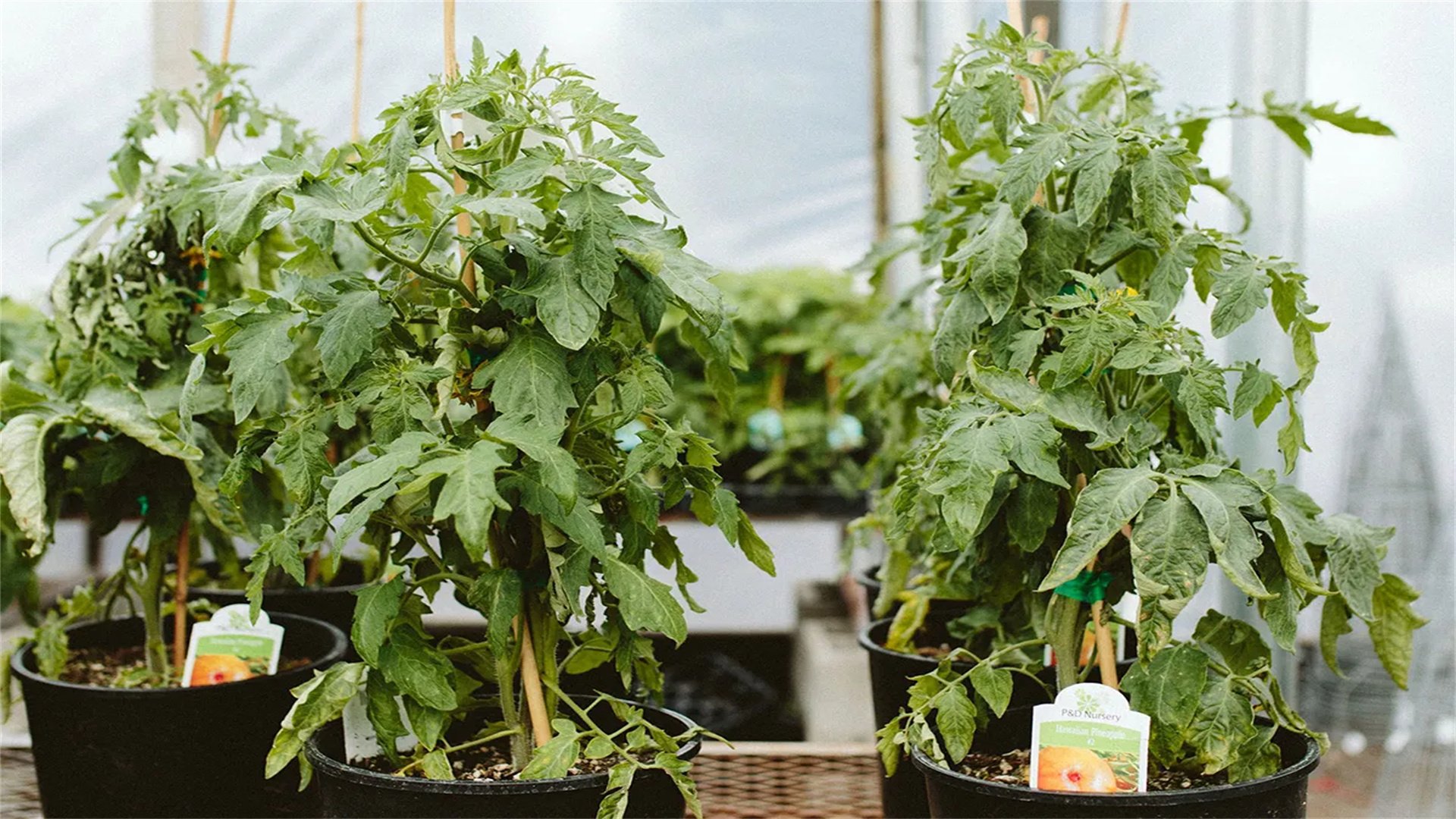
- Tomatoes: Use determinate (bush) varieties in large pots (at least 5 gallons). Provide stakes for support.
- Leafy Greens: Such as spinach, kale, and Swiss chard. They grow quickly and tolerate partial shade.
- Root Vegetables: Like radishes and carrots, which need deep containers. Choose shorter varieties for easier growth.
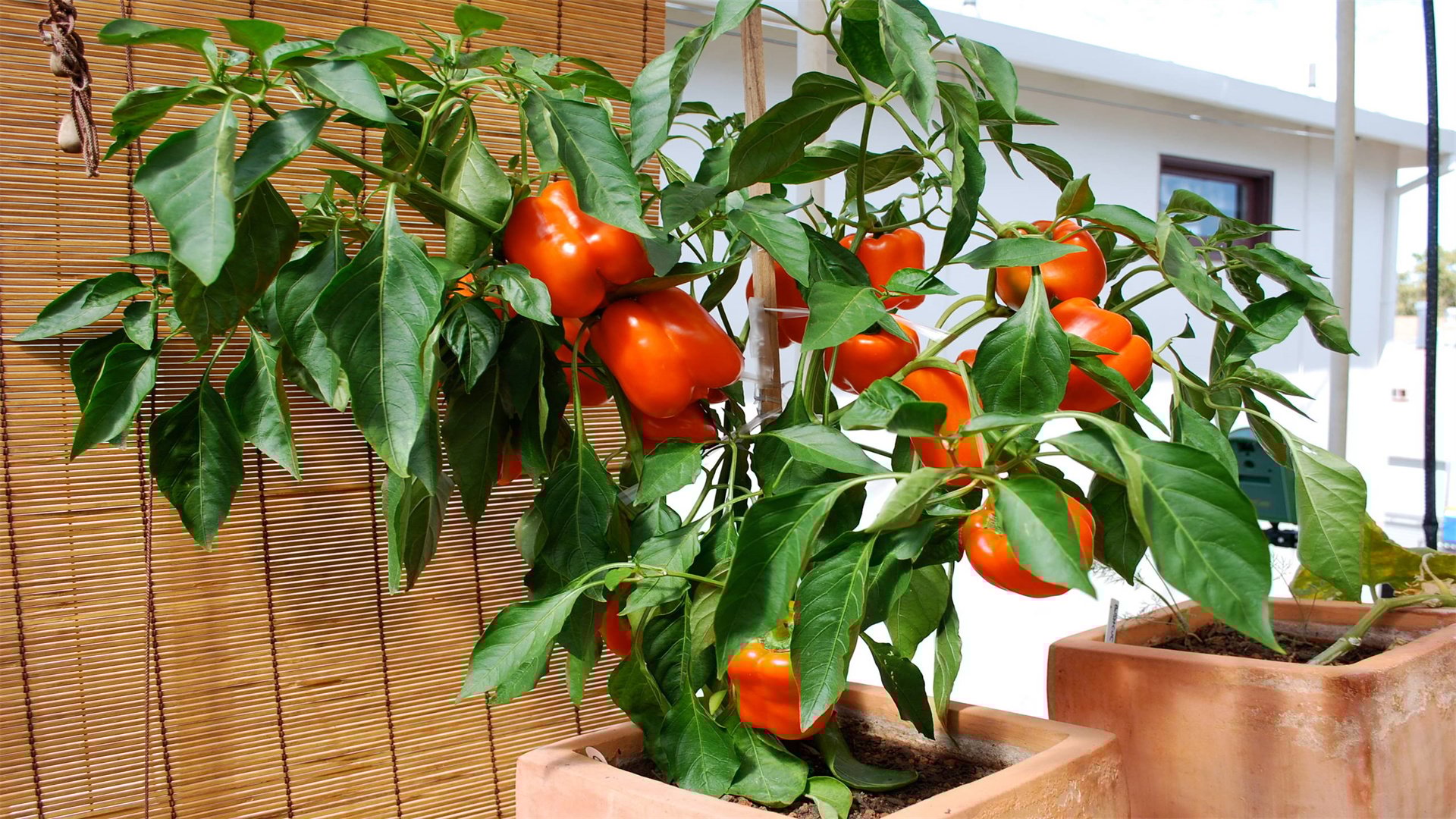
- Peppers and Eggplants: Compact varieties do well in medium-sized containers with full sun.
Method 3: Fruits and Berries
Some fruits can be grown in containers, such as strawberries, dwarf citrus trees, and blueberries. Ensure acidic soil for blueberries and large pots for trees.
🛠️ Part 4: Planting Techniques and Steps
Proper planting sets the stage for healthy growth. Follow these steps for success.
How to Plant Seeds and Seedlings
- Preparing Containers: Fill containers with moist potting mix, leaving an inch from the top for watering.
- Sowing Seeds: Plant seeds at the depth recommended on the packet. Cover lightly with soil and water gently.
- Transplanting Seedlings: Harden off seedlings by gradually exposing them outdoors. Dig a hole in the container, place the seedling, and firm soil around it. Water thoroughly.
Spacing and Companion Planting
Even in containers, spacing matters. Avoid overcrowding to prevent competition for resources. Consider companion planting—for instance, grow basil with tomatoes to repel pests. Use larger containers for multiple plants, ensuring each has enough room.
💧 Part 5: Ongoing Care and Maintenance
Regular care is key to a bountiful harvest. This includes watering, fertilizing, and providing adequate light.
Method 1: Watering Strategies
Containers dry out faster than ground soil, so consistent watering is vital.
Best Practices:
- Water deeply until it drains out the bottom, usually once a day in hot weather.
- Use a moisture meter or finger test to check soil moisture.
Automation Tips:
- Install drip irrigation or self-watering systems for convenience.
- Mulch the soil surface with straw or wood chips to retain moisture.
Method 2: Fertilizing for Optimal Growth
Key points for fertilizing:
- Fertilize regularly with a balanced, water-soluble fertilizer every 2-4 weeks.
- Use organic options like fish emulsion or compost tea for edible plants.
- Follow package instructions to avoid over-fertilization.
Method 3: Sunlight and Temperature Management
- Most edible plants need 6-8 hours of direct sunlight daily.
- Position containers in south-facing areas for maximum sun.
- In extreme heat, provide shade with cloths or move containers to cooler spots.
- For cold climates, use frost blankets or bring containers indoors.
🐛 Part 6: Pest and Disease Control
Container gardens are less prone to pests, but issues can arise. Use organic methods to keep plants healthy.
Preventive Measures
- Cleanliness: Remove dead leaves and debris to prevent fungal diseases.
- Healthy Soil: Use sterile potting mix to avoid soil-borne pathogens.
- Barrier Methods: Install netting or row covers to keep insects away.
Organic Treatment Options
- For Aphids and Mites: Spray with a mixture of water and mild soap or neem oil.
- For Fungal Diseases: Apply copper fungicide or baking soda solutions. Ensure good air circulation by spacing plants properly.
🍅 Part 7: Harvesting and Storing Your Produce
Harvesting at the right time ensures peak flavor and nutrition.
How to Harvest Different Crops
- Leafy Greens: Pick outer leaves first, allowing the center to continue growing. Harvest in the morning for best crispness.
- Tomatoes and Peppers: Harvest when fully colored and slightly firm. Use pruning shears to avoid damaging plants.
- Herbs: Snip stems regularly to encourage bushy growth. Avoid harvesting more than one-third of the plant at once.
Storage Tips
- Store harvested produce in cool, dry places.
- Leafy greens can be refrigerated in plastic bags, while tomatoes are best kept at room temperature.
- Preserve excess by freezing, drying, or canning.
✅ Conclusion
Edible container gardening is a transformative practice that enables anyone, regardless of space or experience, to grow abundant food. By following this manual—from selecting containers and soil to mastering care and harvest techniques—you'll unlock the joys of homegrown produce. Remember, gardening is a journey of learning and adaptation; start small, experiment, and enjoy the process. With patience and dedication, you'll soon be harvesting more with less space, savoring the fruits of your labor in every meal. Embrace this novice-friendly approach and join the growing community of container gardeners today!