Tips

Food should be cooled down before being put in the refrigerator?
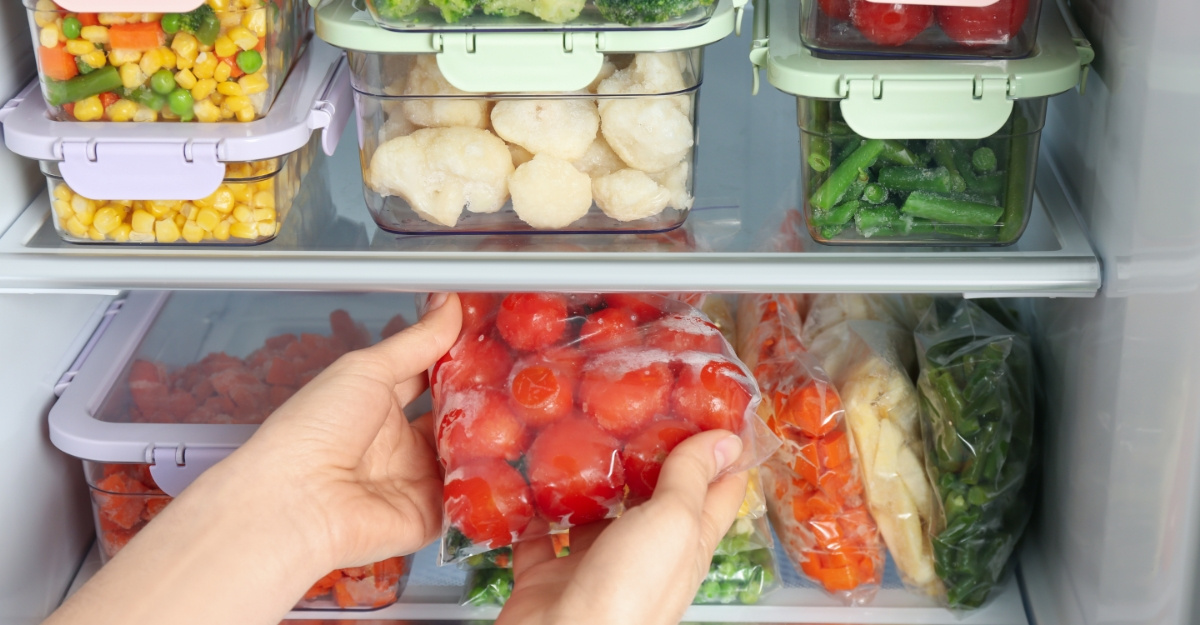
Myth 1: Food should only be put in the refrigerator when it's cold.

Many people believe that putting hot food directly into the refrigerator puts a heavy burden on the refrigerator and consumes a lot of electricity, so in order to save electricity, they always wait until the food is cold before putting it in.

However, the process of cooling food provides a great opportunity for bacterial growth. Bacteria grow faster in the range of 4℃-60℃, which is also known as the "danger temperature zone" for food.

Tips: Therefore, the most effective strategy to slow down the growth of bacteria in food is to minimize the time spent in the "danger temperature zone." Even if it's a plate of hot, freshly cooked food, if you don't plan to eat it immediately, you can put it in a sealed container with a lid and put it in the refrigerator.
Advertisement
Advertisement
You May Have Missed
Simple Steps to Defrost and Maintain Your Refrigerator

Simple Steps to Defrost and Maintain Your Refrigerator

The refrigerator runs tirelessly day and night, the most loyal "food guardian" in your home. However, have you noticed it gradually becoming less efficient—energy consumption quietly increases, thick frost builds up inside, cooling effect diminishes, or even it makes unusual noises? These signs are often not malfunctions, but rather reminders that it's time for a thorough defrosting and system maintenance. Let's start today and give our family's "big eater" a complete refresh.

What to do if the bottom of the pot is burnt?

What to do if the bottom of the pot is burnt?

In daily life, we often encounter various small problems, among which the most troublesome is the burning of the bottom of the pot.The bottom of the pot was burntBurnt pot bottoms not only affect the cleanliness and appearance of the kitchen, but more importantly, they may release harmful substances that threaten our health. Many people choose to use steel wool to scrub them, but this method is often laborious and the results are not always satisfactory.Today, I'm going to teach you some simple tricks to easily solve the problem of burnt food in the pot, making your life more convenient!

If you don't blanch these 6 types of food, you could be in danger!

If you don't blanch these 6 types of food, you could be in danger!

In our daily diet, most of us are used to putting ingredients into a pot to cook, thinking that as long as they are cooked through, there is no problem.In fact, this practice may cause you to miss out on the nutrients in food and may even lead to health risks.Many vegetables and ingredients, if not properly processed, can release harmful substances that can harm the body or even cause poisoning.Some foods contain natural toxins or harmful components, which may harm the human body if they are not thoroughly blanched.Blanching not only removes these harmful components but also preserves the nutritional value of food, making it safer.Therefore, knowing which ingredients need to be blanched is crucial for maintaining health in daily cooking.Today, we will introduce six common ingredients that may pose a potential health threat if not blanched.These ingredients may seem ordinary, but if not properly prepared, they can become hidden health hazards. Let's learn about these foods one by one and why blanching is so important.

Tighten Loose Chairs and Tables in Minutes

Tighten Loose Chairs and Tables in Minutes

Repairing loose tables and chairs is a simple and practical DIY skill. Simply prepare basic tools (such as screwdrivers, glue, and clamps), identify the cause of the loosening (such as daily wear and tear or environmental changes), and follow the steps to tighten and reinforce the furniture according to its material and structure. This will quickly restore the furniture's stability and effectively extend its lifespan.