Cooking
15 Flavorful Ways To Cook Meat Fish And Vegetables
Welcome, home chefs! Mastering fundamental techniques and crafting your own flavor profiles can elevate your cooking. This guide covers 19 essential cooking techniques and DIY spice blends that will transform your dishes. Let's begin!
👨🍳 Part 1: 15 Cooking Techniques
Master these building blocks of cooking to boost confidence and creativity.
1. Sautéing
- Description: Quick-cooking food in a small amount of oil over medium-high heat, ideal for vegetables and thin proteins.
- Key Steps: Preheat pan, add oil, cook aromatics briefly, add main ingredients in single layer, toss frequently until browned.
- Pitfalls: Too low heat causes soggy food; overcrowding leads to steaming.
- Practice: Garlic sautéed green beans or lemon herb chicken.
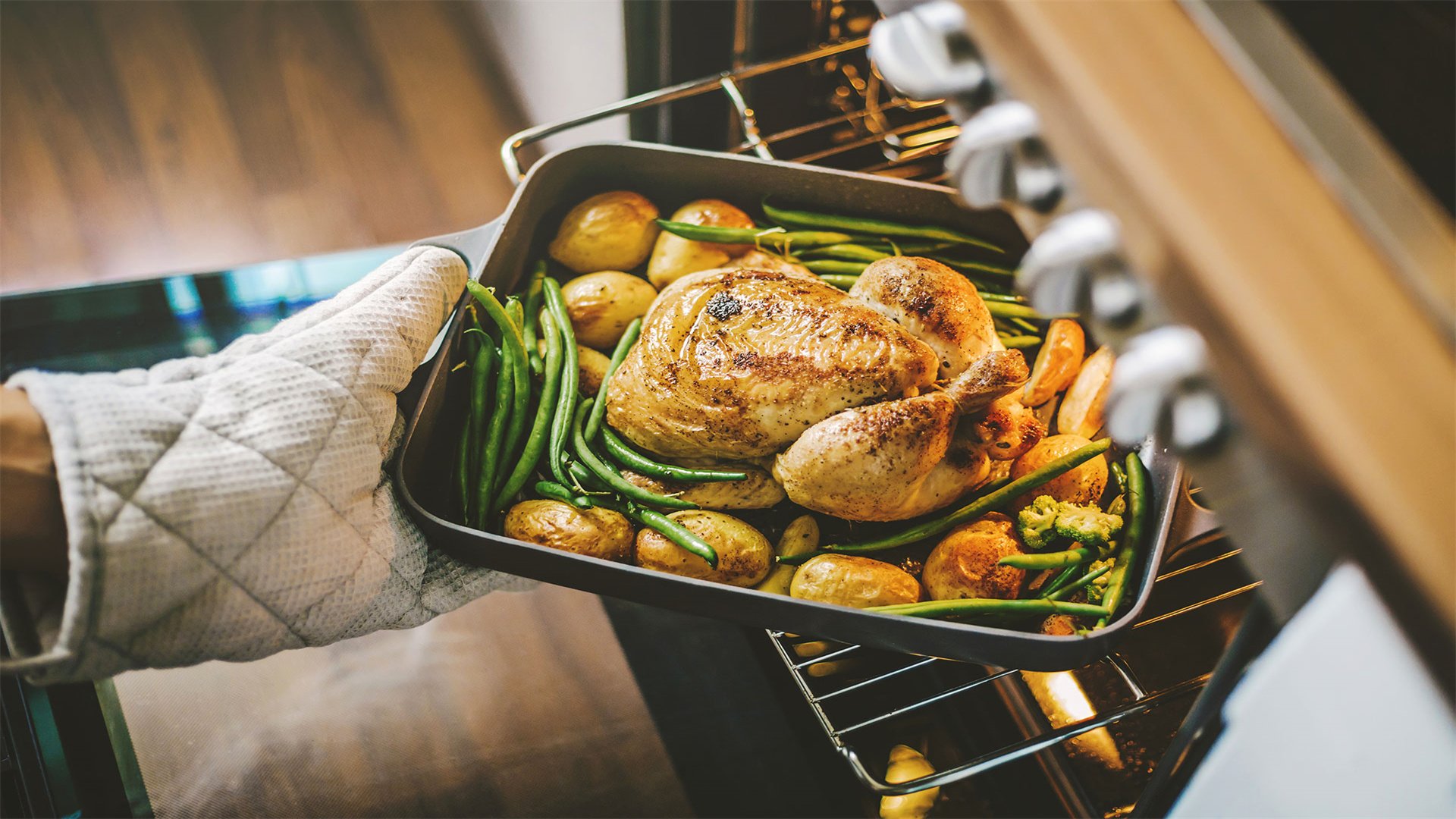
2. Roasting
- Description: Dry-heat oven cooking that concentrates flavors through caramelization.
- Key Steps: Preheat oven to 400°F for vegetables/350°F for meats, cut uniformly, toss with oil and seasonings, roast single layer until browned.
- Pitfalls: Covering pan traps steam; uneven cutting causes uneven cooking.
- Practice: Honey-thyme roasted carrots.
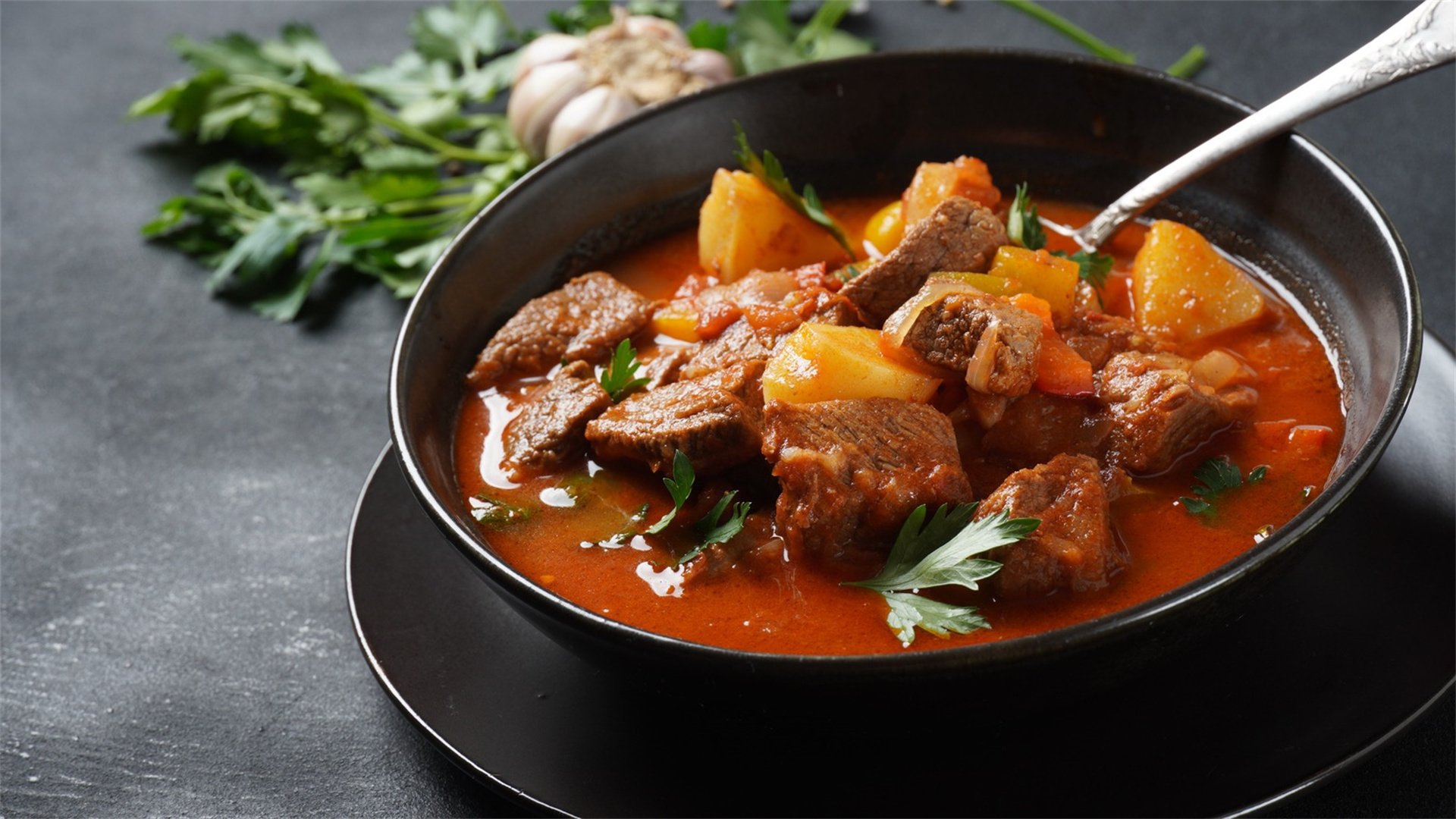
3. Braising
- Description: Combines searing with slow simmering in liquid for tough cuts.
- Key Steps: Season meat, sear until browned, remove, cook aromatics, deglaze with liquid, return meat, add liquid to partially cover, cover and simmer 1.5-3 hours.
- Pitfalls: Rushing searing reduces flavor; loose lid loses moisture.
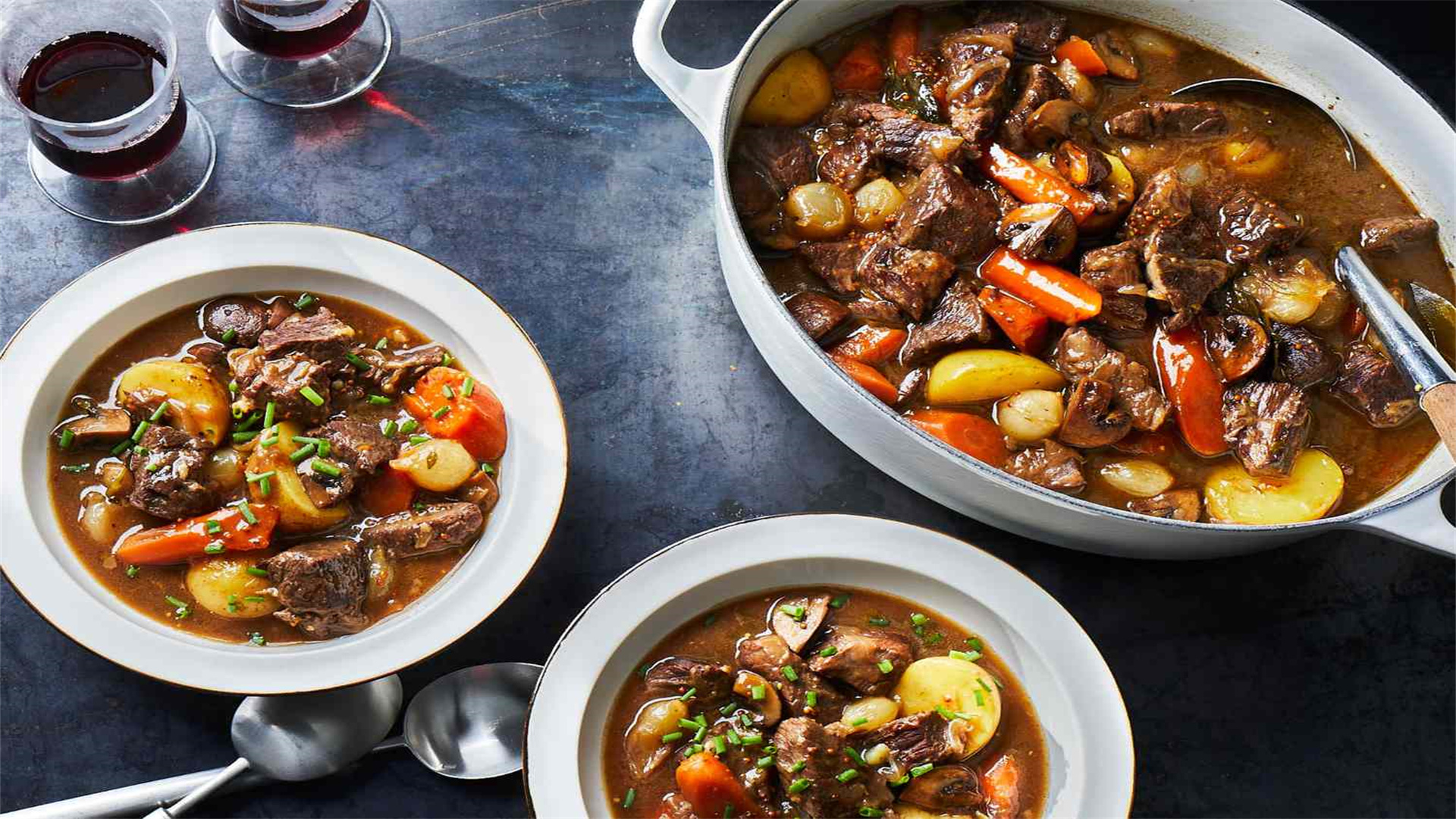
- Practice: Beef bourguignon.
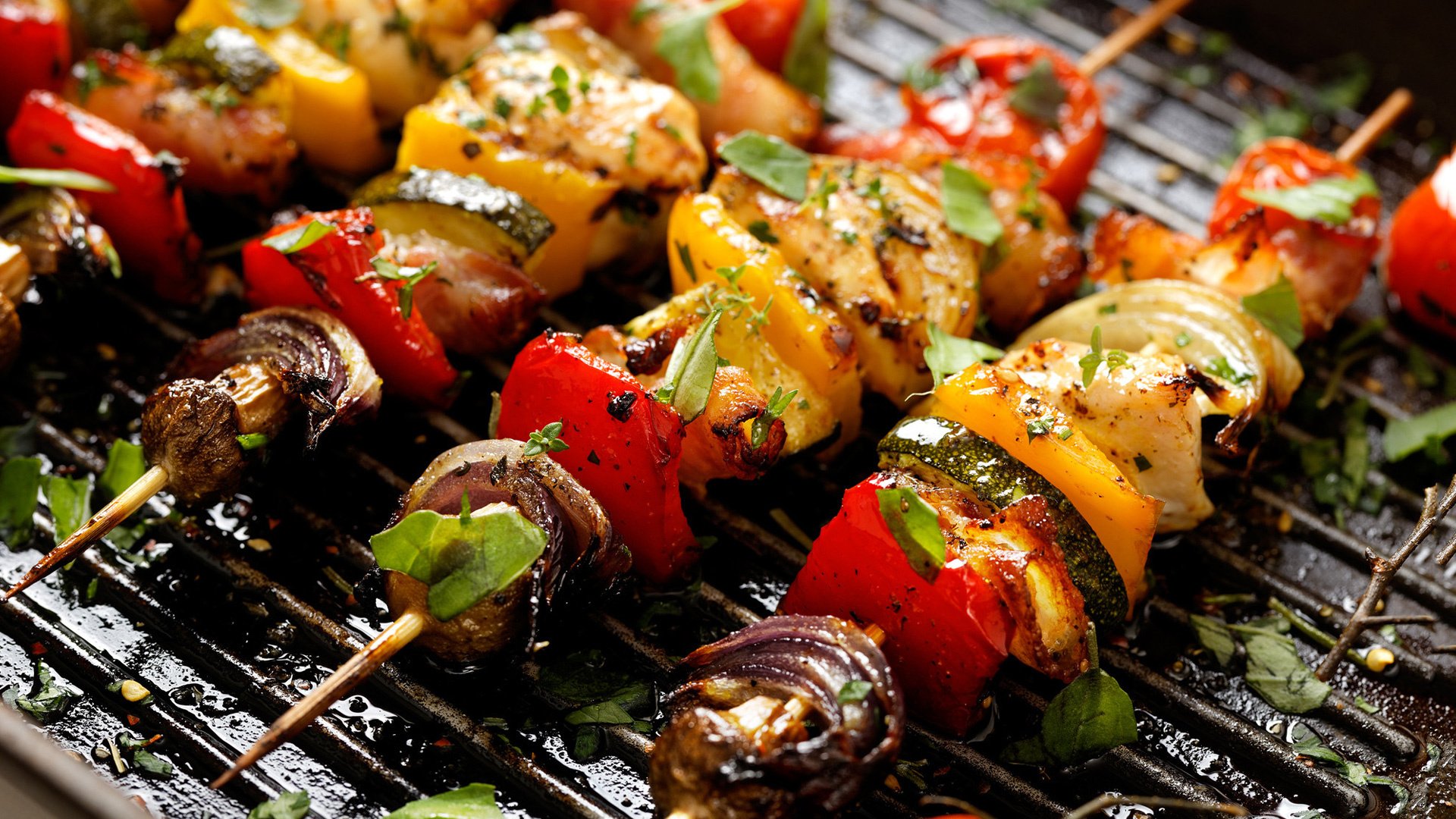
4. Grilling
- Description: High-heat cooking over direct flame for smoky flavor and grill marks.
- Key Steps: Preheat grill to 400-450°F, clean grates, pat food dry, place at 45° angle, cook without moving until marked, flip.
- Pitfalls: Flipping too often prevents searing; too high heat causes burning.
- Practice: Grilled asparagus or skewers.
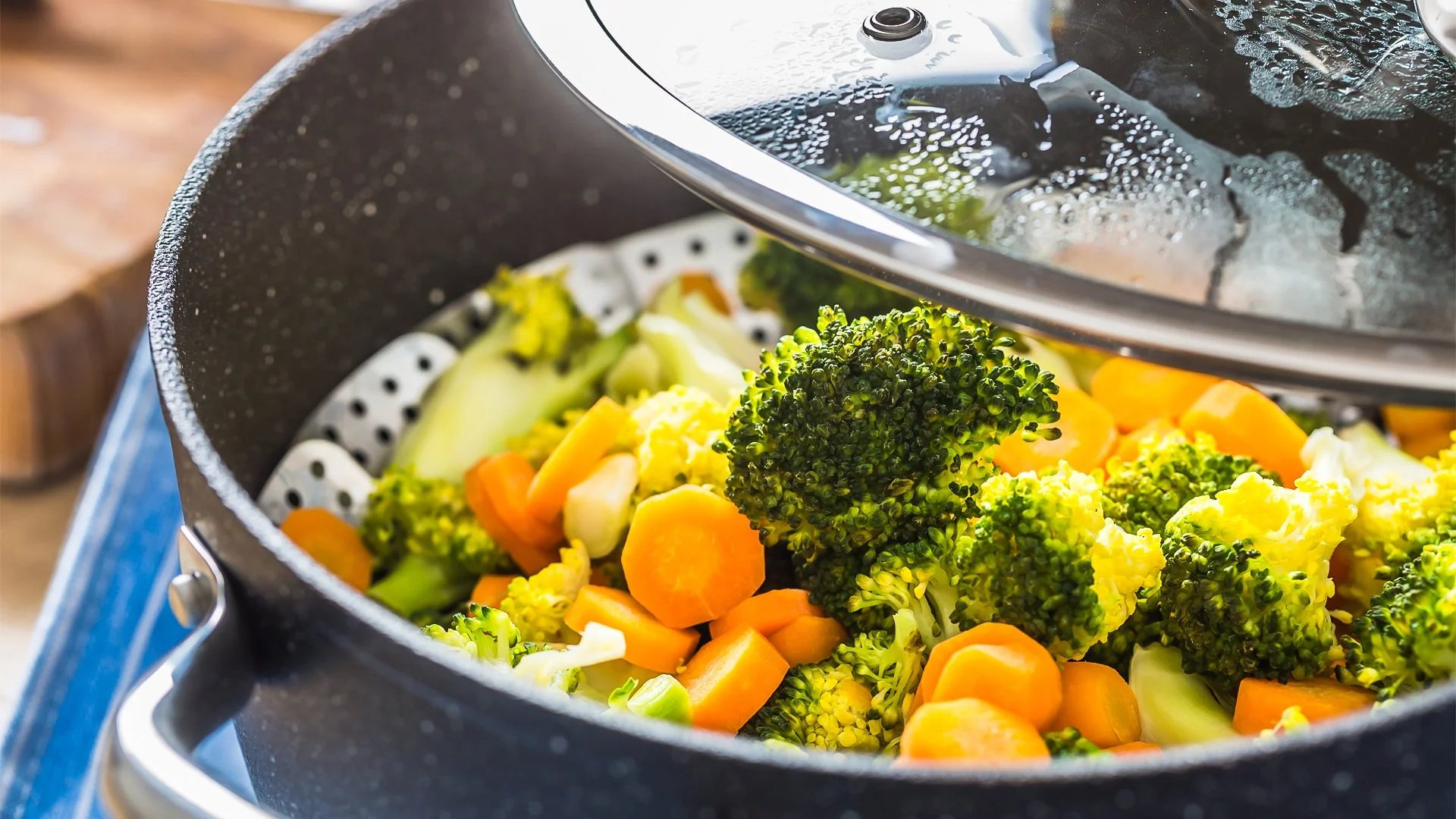
5. Steaming
- Description: Cooking with vapor to preserve nutrients without added fat.
- Key Steps: Boil 1-2 inches water, place steamer above (not touching), arrange food single layer, cover, steam until cooked (broccoli 5-7 min, salmon 8-10 min).
- Pitfalls: Overcooking creates mush; letting water dry causes burning.
- Practice: Steamed vegetables for salads or fish for dinner.
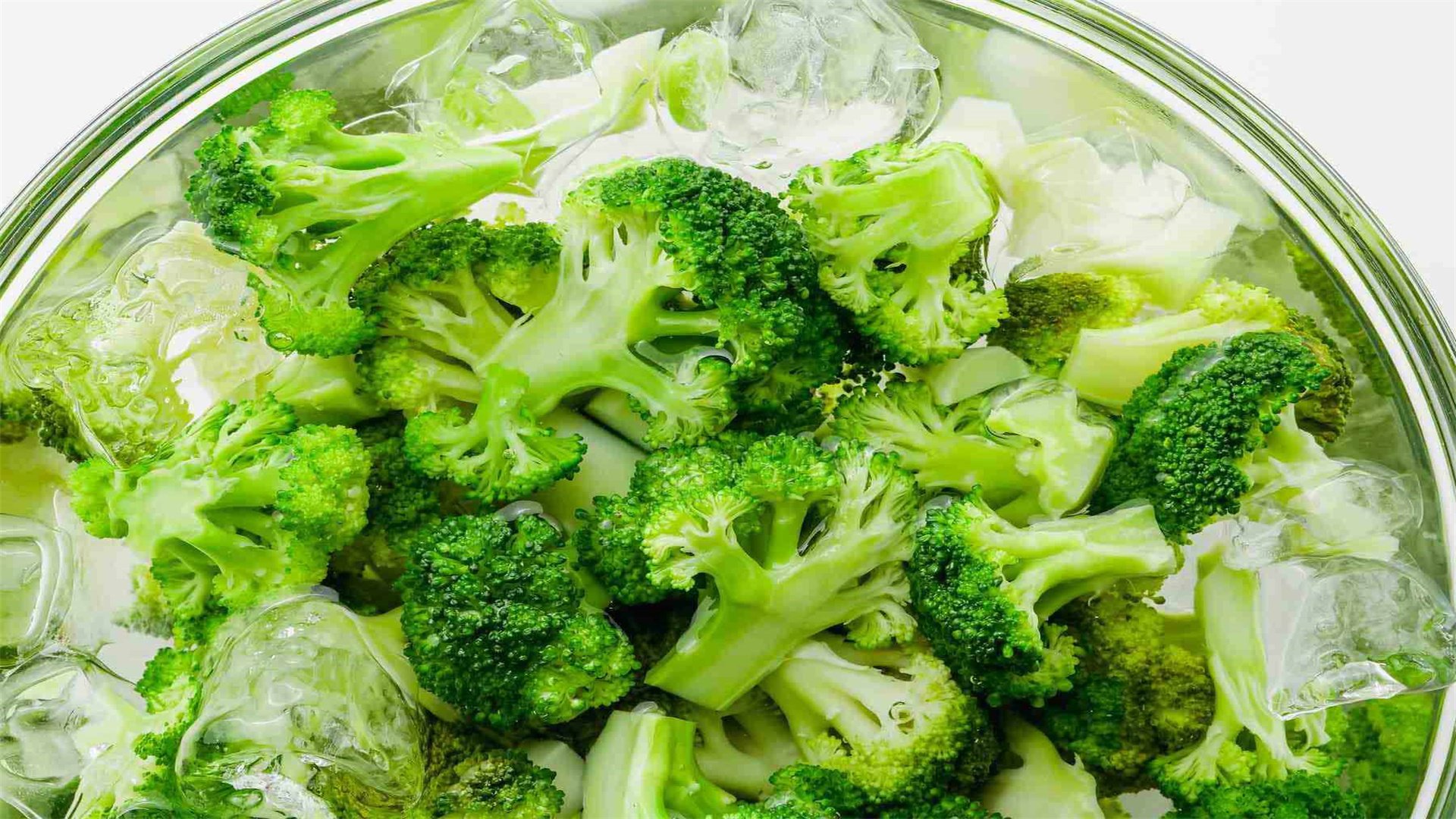
6. Blanching and Shocking
- Description: Briefly boiling then ice-water plunge to set color and preserve crunch.
- Key Steps: Boil salted water, prepare ice bath, add food 1-3 minutes until bright, immediately transfer to ice bath, drain.
- Pitfalls: Under-blanching leaves food raw; over-blanching makes soggy.
- Practice: Prepping vegetables for salads or freezing.
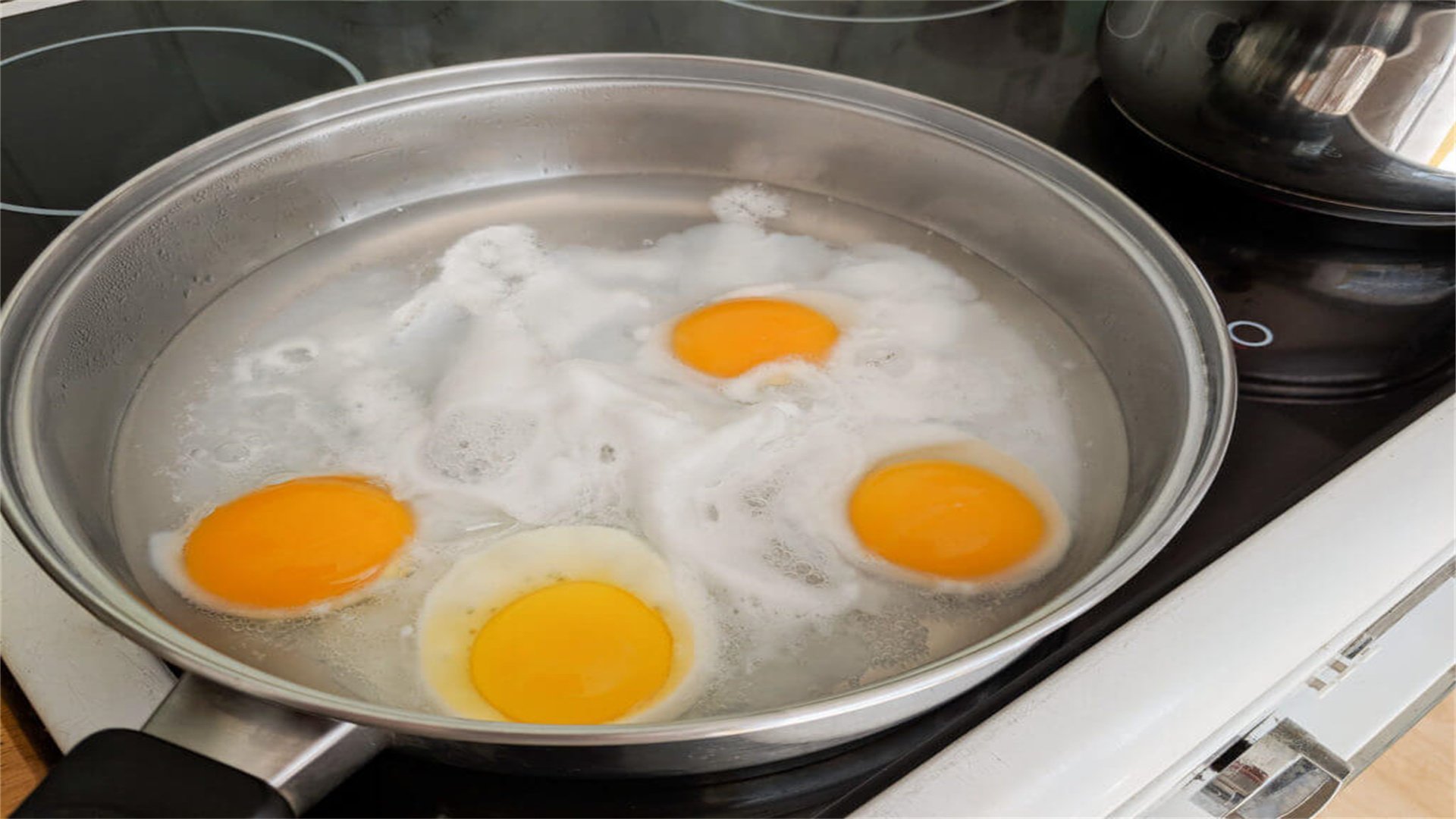
7. Poaching
- Description: Gentle cooking in liquid just below boiling for delicate foods.
- Key Steps: Heat liquid to gentle simmer, add aromatics/acid, add food (eggs 3-4 min, fish 8-10 min), remove with slotted spoon.
- Pitfalls: Boiling toughens food; insufficient acid disperses egg whites.
- Practice: Poached pears in wine or salmon with dill sauce.
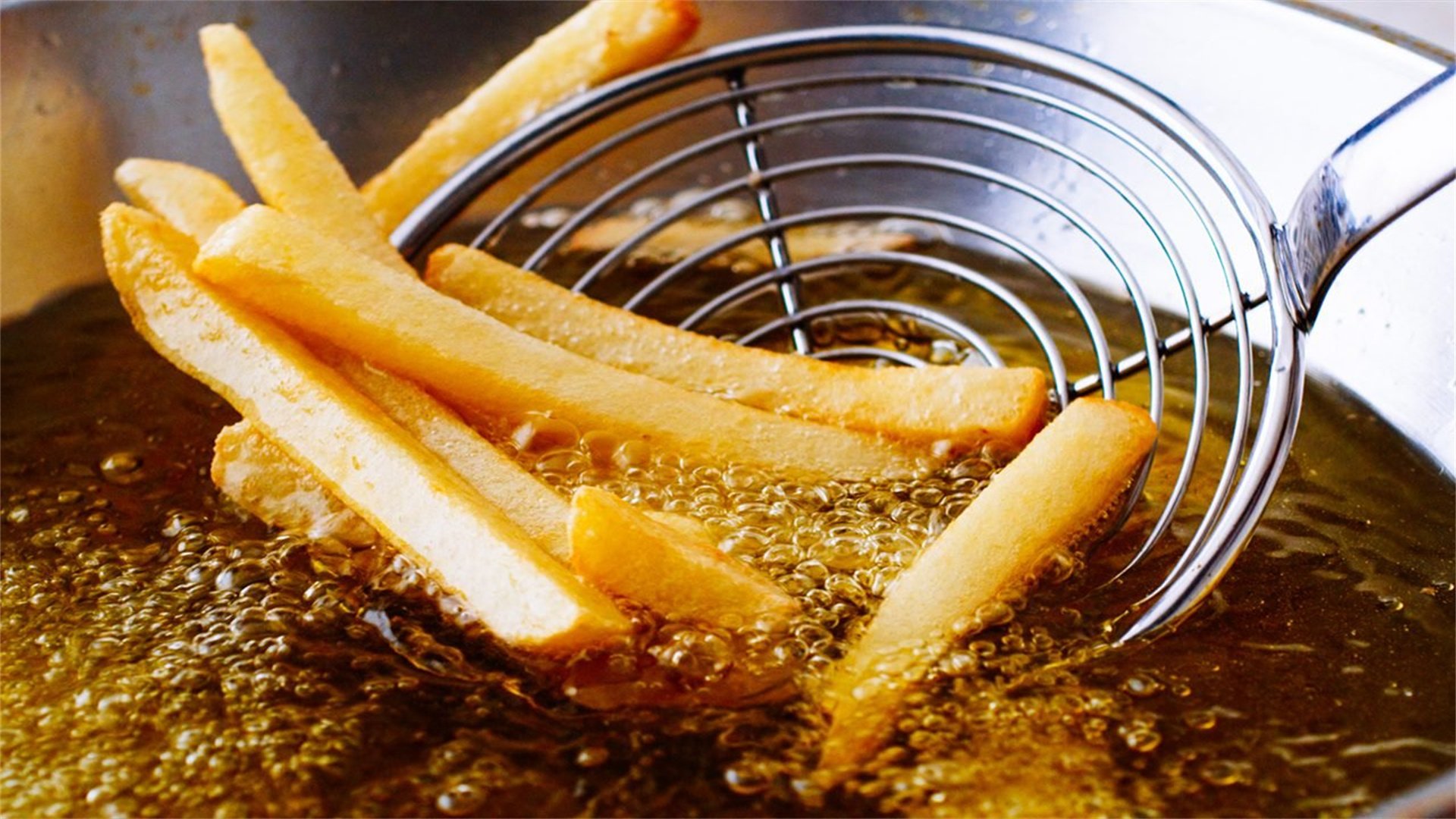
8. Frying
- Description: Submerging food in hot oil for crispy exterior.
- Key Steps: Heat oil to 350-375°F, pat food dry, coat in batter/breading, lower carefully without crowding, fry until golden, drain.
- Pitfalls: Oil too low causes greasiness; too high causes burning; overcrowding drops temperature.
- Practice: Chicken wings (10-12 min) or potato pancakes.
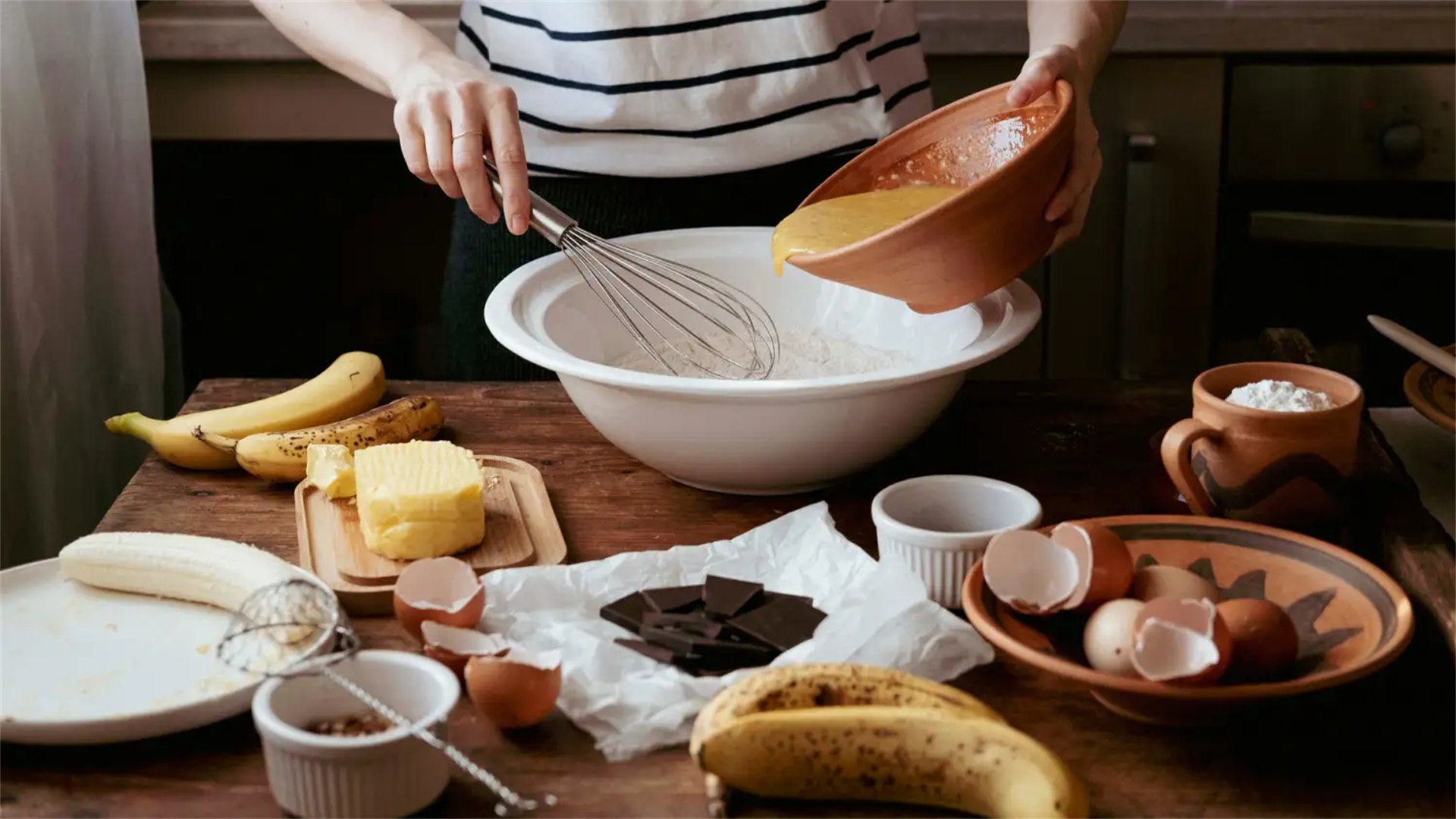
9. Baking
- Description: Dry-heat oven cooking relying on precise measurements.
- Key Steps: Preheat to recipe temperature, measure accurately, mix as directed, pour into pans, bake until toothpick clean.
- Pitfalls: Opening door causes temp fluctuations; overmixing creates dense results; inaccurate oven temperature.
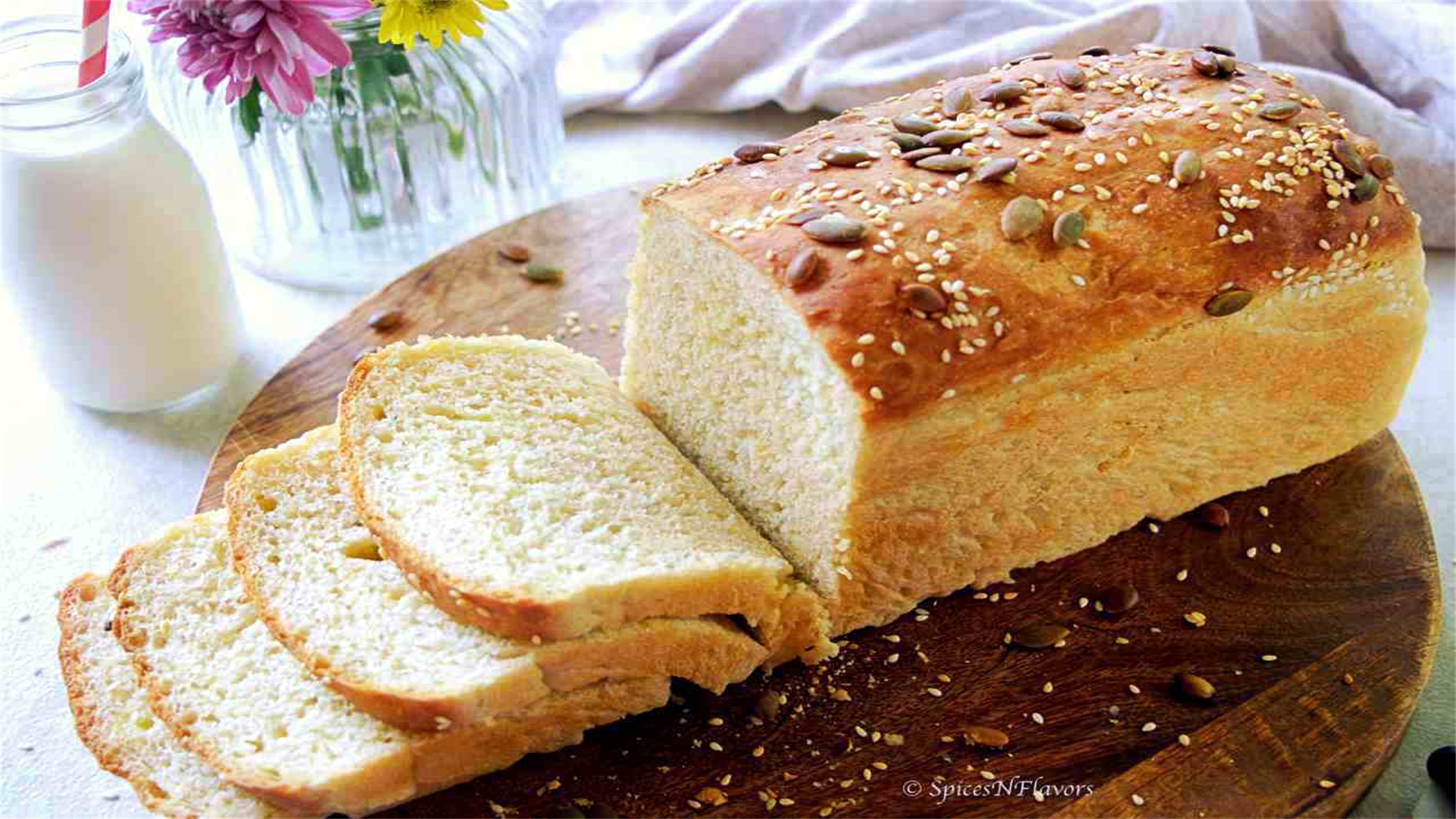
- Practice: Banana bread or focaccia.
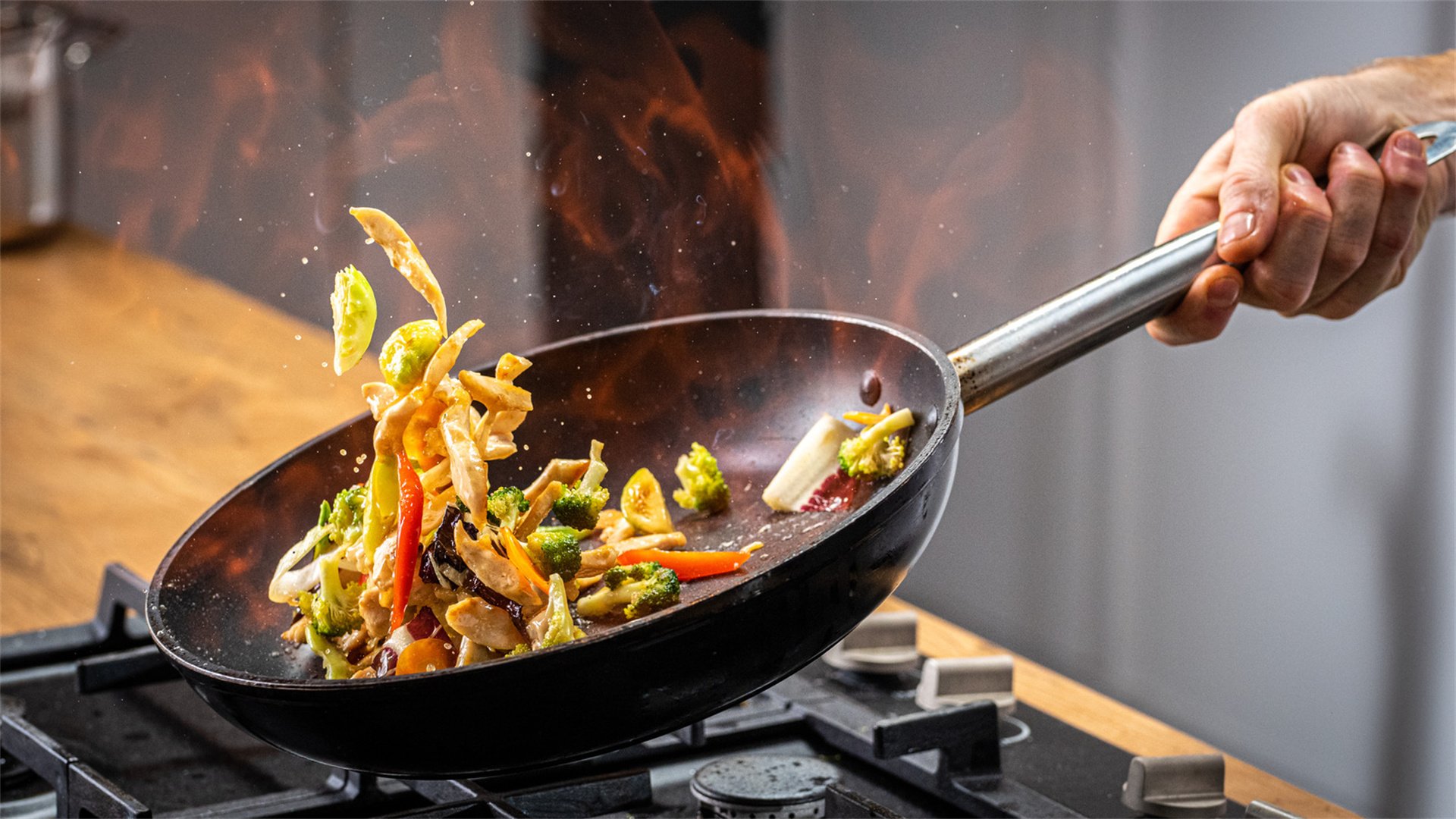
10. Stir-Frying
- Description: High-heat quick cooking with constant stirring in wok.
- Key Steps: Prep all ingredients first, heat wok until smoking, add oil, cook aromatics 30 sec, add proteins until browned, add vegetables by density, toss constantly, add sauces, serve over rice.
- Pitfalls: Overcrowding lowers temperature; unprepared ingredients cause delays.
- Practice: Beef and broccoli stir-fry.
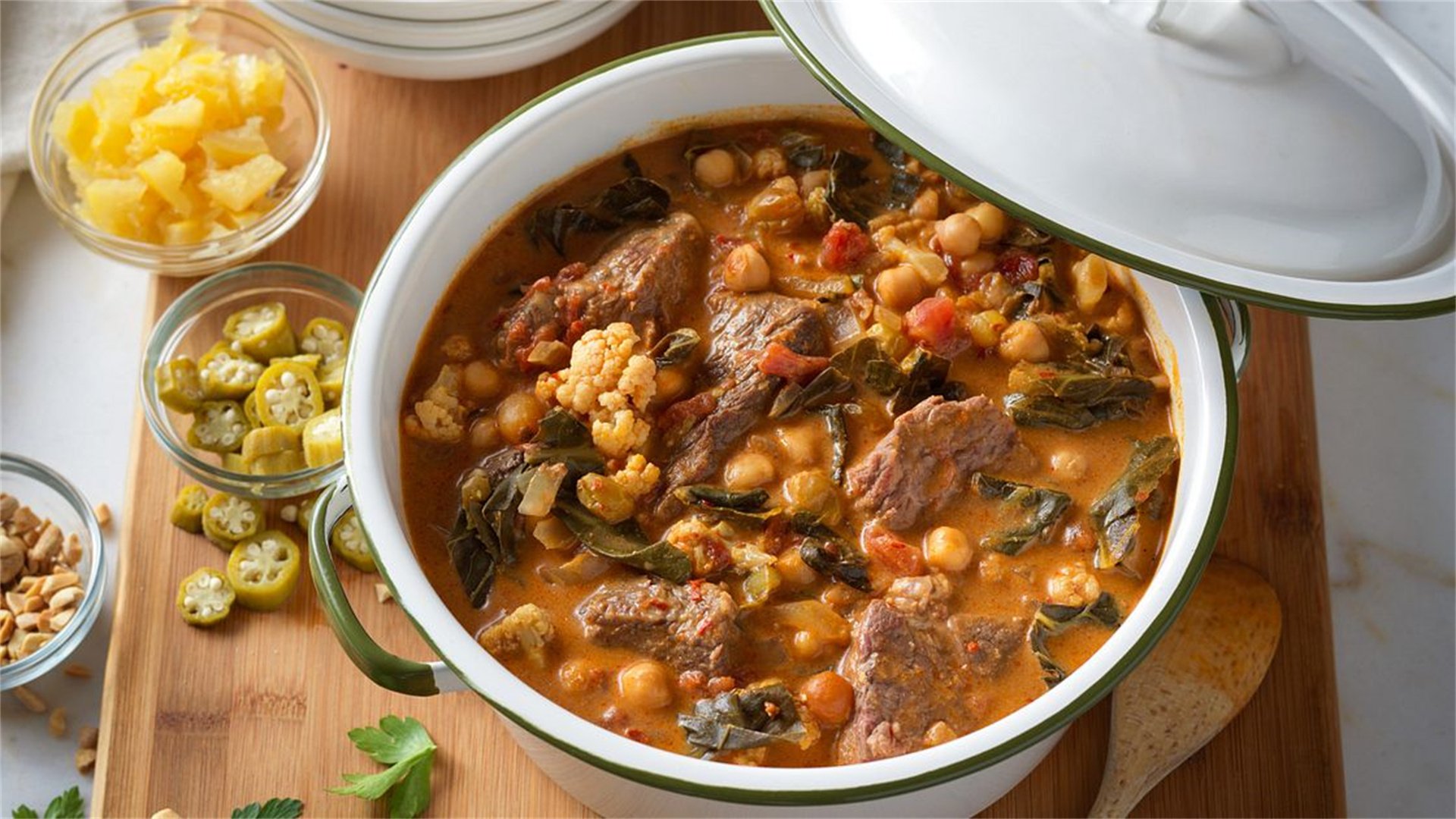
11. Simmering
- Description: Cooking in liquid just below boiling for soups and stews.
- Key Steps: Bring liquid to boil then reduce to low bubbles, add ingredients, cook covered/uncovered as recipe directs, stir occasionally.
- Pitfalls: Boiling breaks down ingredients; insufficient time prevents flavor melding.
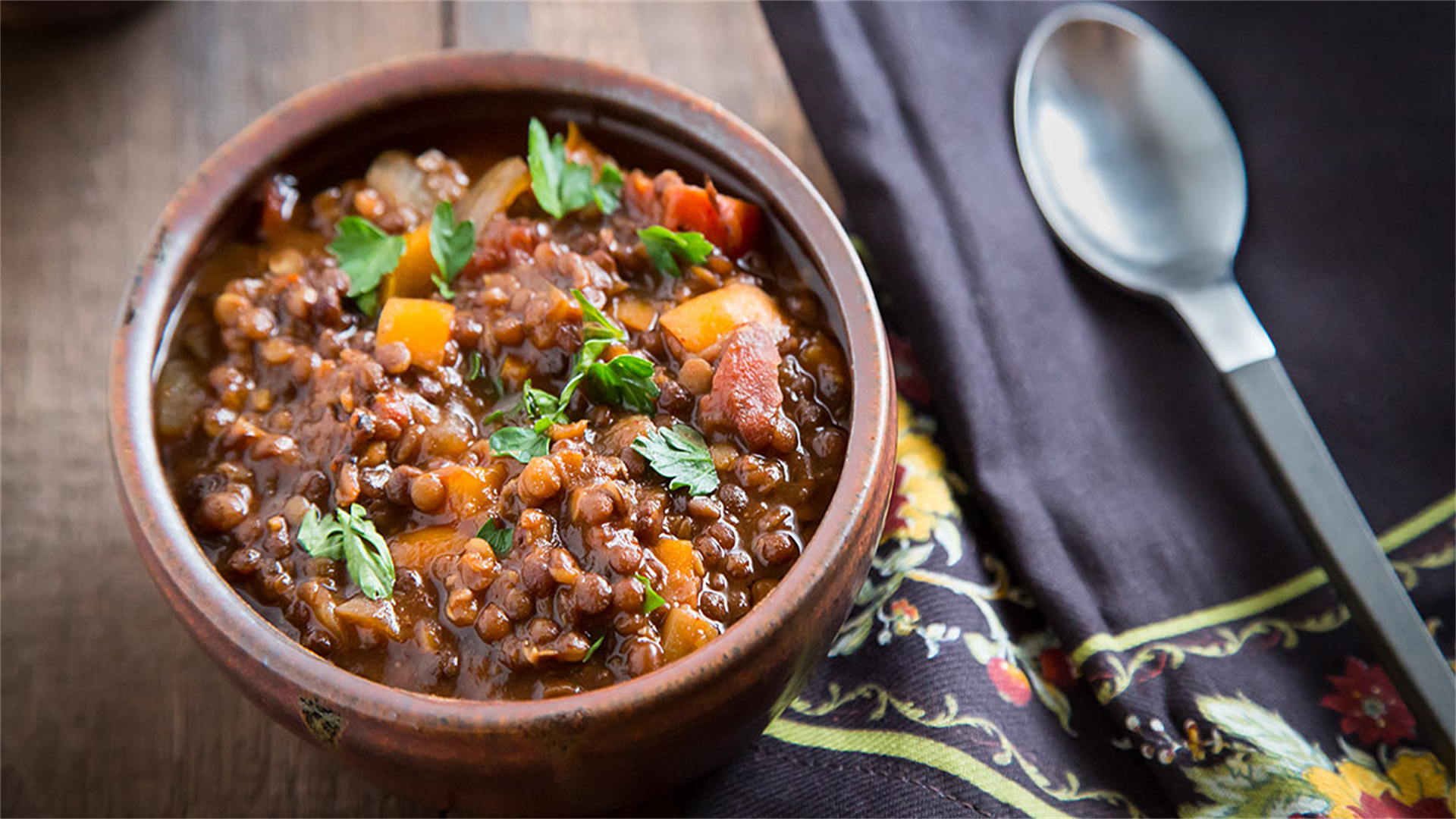
- Practice: Chicken soup or chili.
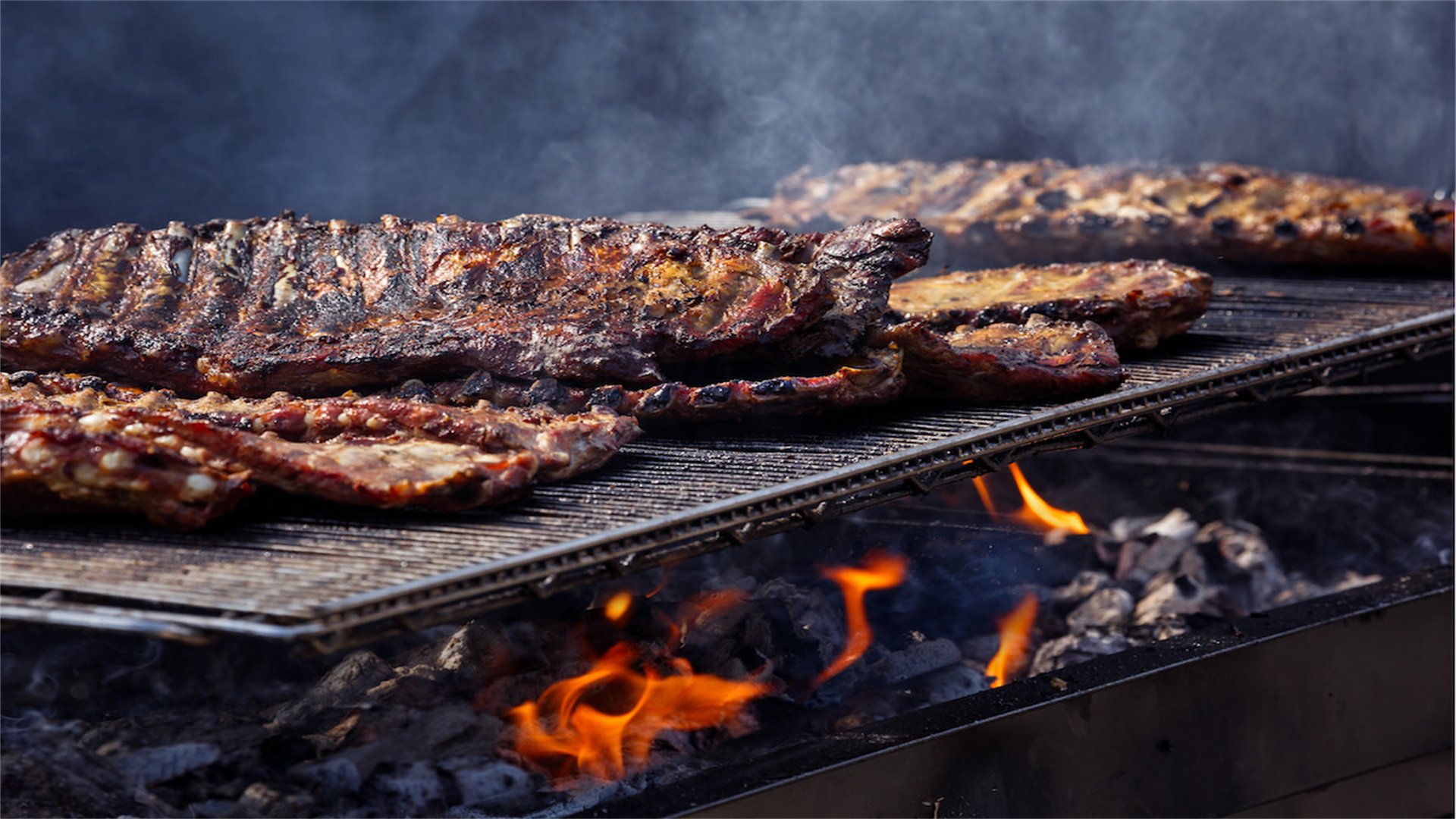
12. Broiling
- Description: Direct high heat from above for quick browning.
- Key Steps: Preheat broiler high, adjust rack 4-6 inches from heat, place food on foil-lined sheet, brush with oil, broil until browned watching closely, flip halfway if needed.
- Pitfalls: Inattention causes overcooking; too close to heat burns.
- Practice: Broiled grapefruit with sugar or asparagus with Parmesan.
13. Sous Vide
- Description: Precision cooking in vacuum-sealed bag in water bath.
- Key Steps: Set water bath to desired temperature (130°F for medium-rare steak), season food, vacuum seal removing air, submerge and cook (1 hour steak to 24 hours tough cuts), pat dry, sear briefly if desired.
- Pitfalls: Air in bag affects heat transfer; too high temperature overcooks.
- Practice: Custard-like eggs or tender chicken breast.
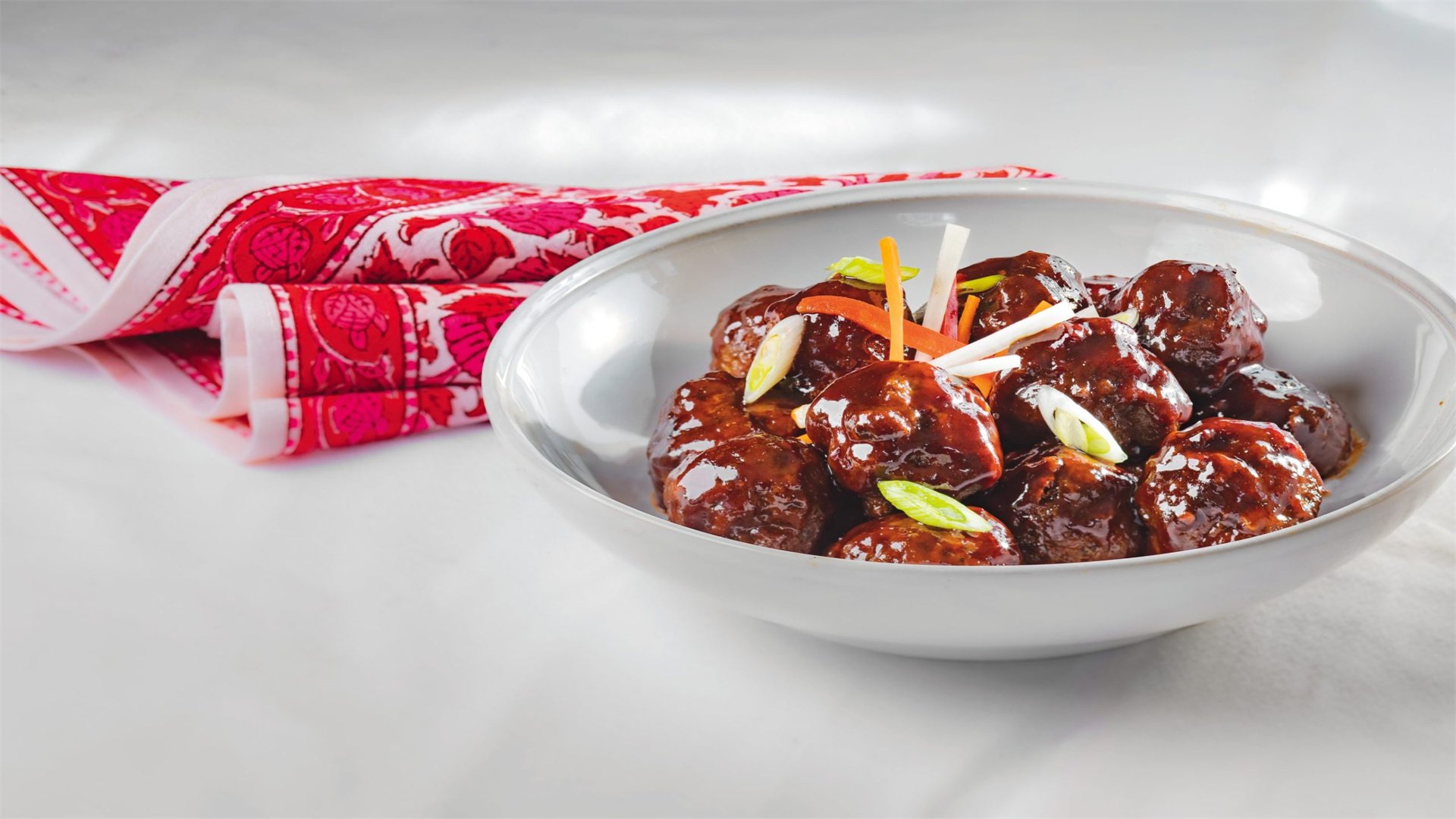
14. Deglazing
- Description: Adding liquid to hot pan to dissolve browned bits for sauces.
- Key Steps: Remove cooked food, add small amount liquid (wine) to hot pan, scrape browned bits, reduce by half, add aromatics/herbs/cream if desired, simmer until thickened, return food or pour over.
- Pitfalls: Too much liquid dilutes flavor; insufficient scraping leaves fond.
- Practice: Red wine pan sauce for steak.
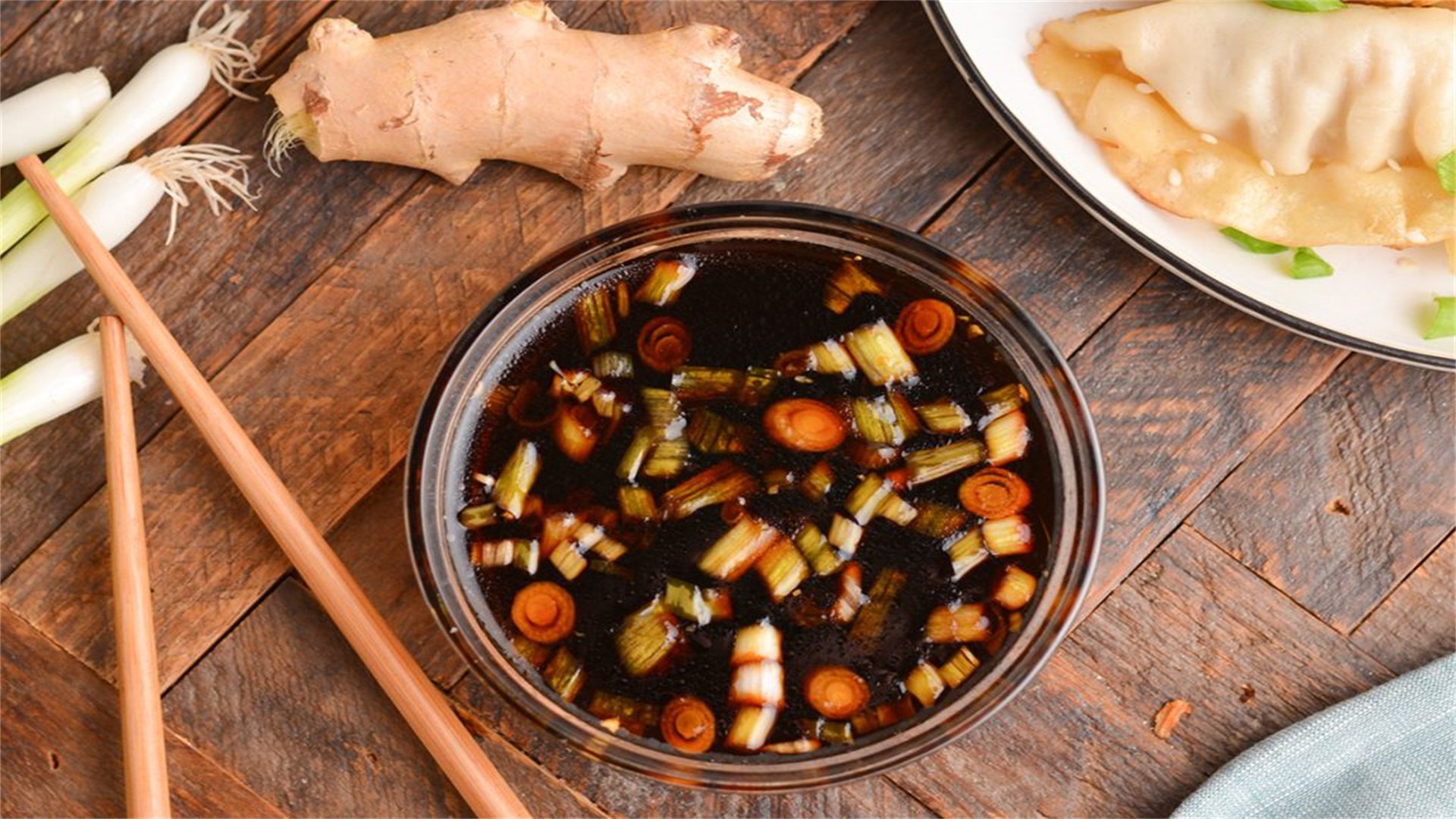
15. Emulsifying
- Description: Combining oil and acid into stable mixture like mayonnaise.
- Key Steps: Start with emulsifier (egg yolk/mustard), whisk continuously while slowly drizzling oil drop then stream, until thickened and homogeneous.
- Pitfalls: Adding oil too quickly breaks emulsion; inconsistent whisking causes separation.
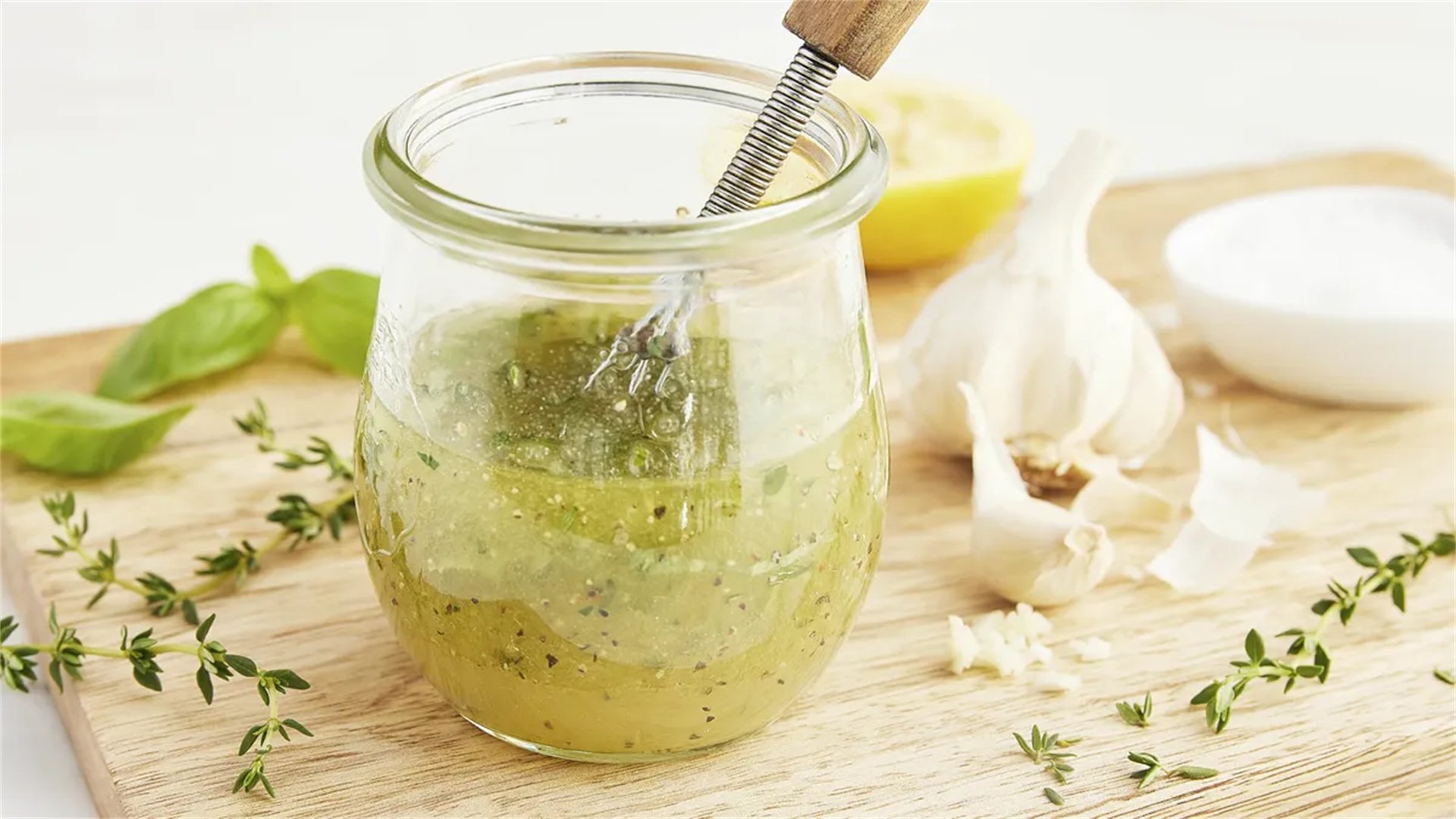
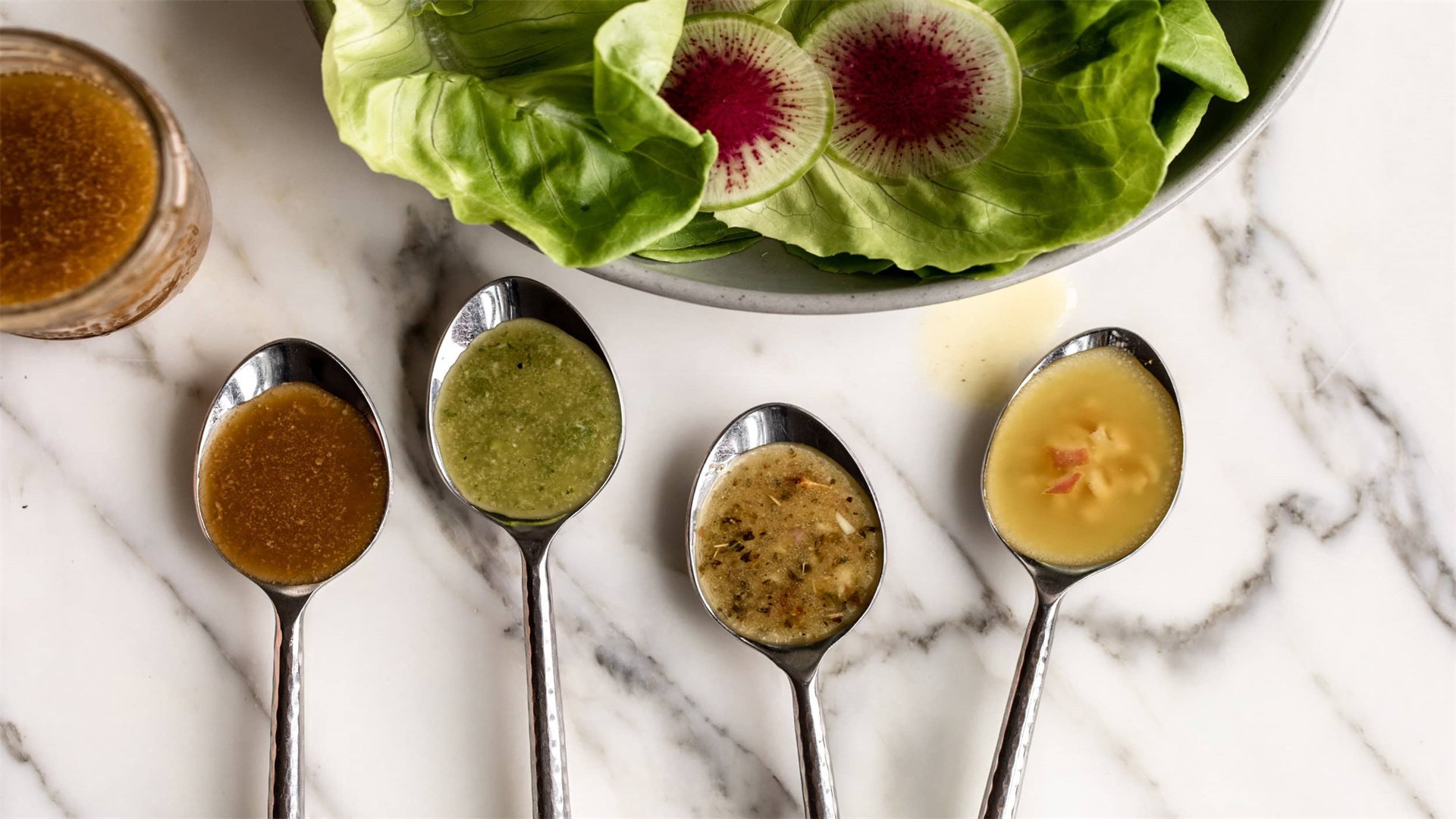
- Practice: Homemade mayonnaise or basil vinaigrette.
🌶️ Part 2: DIY Spice Blends
Create these blends to control flavors and avoid additives.
1. All-Purpose Seasoning Salt
- Ingredients: 1/2 cup sea salt, 2 tbsp black pepper, 2 tbsp garlic powder, 2 tbsp onion powder, 1 tbsp smoked paprika, 1 tbsp thyme, 1 tbsp oregano, 1 tsp cayenne (optional).
- Instructions: Combine all, break clumps, store airtight cool dark up to 6 months.
- Uses: Meat rubs, vegetable seasoning, burger mixes.
- Tip: Adjust salt level; add lemon zest or celery salt for variation.
2. Italian Herb Blend
- Ingredients: 3 tbsp oregano, 3 tbsp basil, 2 tbsp rosemary (crushed), 2 tbsp thyme, 1 tbsp marjoram, 1 tbsp sage, 2 tsp garlic powder, 1 tsp red pepper flakes (optional).
- Instructions: Combine, lightly crush, store airtight up to 4 months.
- Uses: Pasta sauces, pizza seasoning, bread dips.
- Tip: Substitute half with fresh herbs when using immediately; add fennel seeds.
3. Cajun Spice Mix
- Ingredients: 3 tbsp paprika, 2 tbsp garlic powder, 2 tbsp onion powder, 1 tbsp oregano, 1 tbsp thyme, 1 tbsp black pepper, 1 tbsp cayenne (adjust), 1 tbsp white pepper, 2 tsp salt.
- Instructions: Whisk all, store jar airtight up to 5 months.
- Uses: Blackened proteins, gumbo, roasted vegetables.
- Tip: Use smoked paprika for smokiness; adjust cayenne for heat preference.
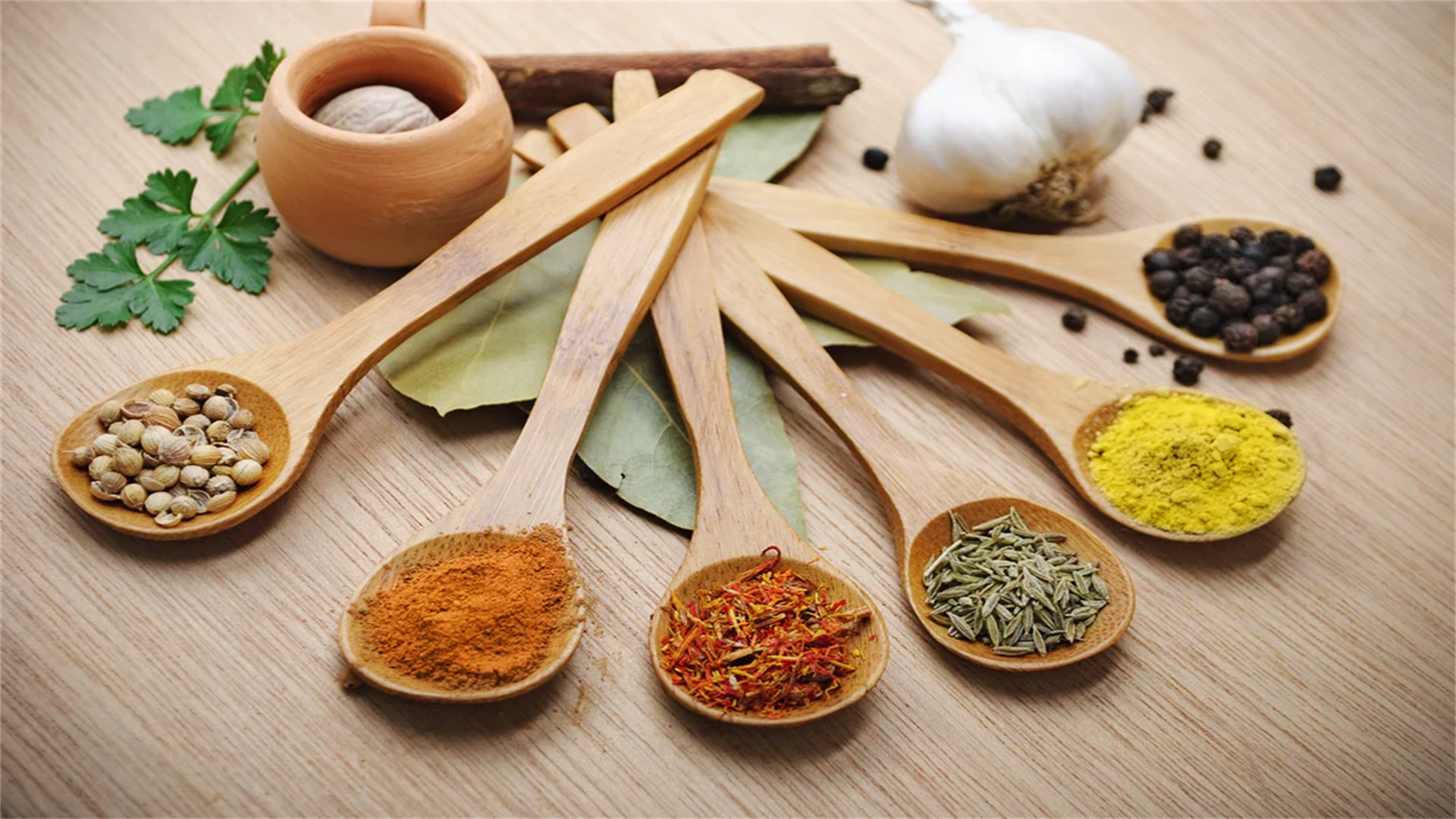
4. Garam Masala
- Ingredients: 3 tbsp coriander seeds, 2 tbsp cumin seeds, 2 tbsp cardamom pods (seeds), 1 tbsp black peppercorns, 1 tbsp cloves, 2 tsp cinnamon chips, 1 tsp nutmeg, 1 bay leaf.
- Instructions: Toast spices 2-3 minutes, cool, grind with nutmeg/bay leaf to fine powder, sift, store airtight up to 3 months.
- Uses: Curries, meat marinades, roasted vegetables.
- Tip: Grind fresh as needed; add fennel or mace.
Conclusion
Mastering these techniques and blends empowers you to create delicious, unique dishes. Techniques provide the "how" while blends offer the "what" to flavor. Practice one technique and blend weekly, noting transformations. With experience, you'll gain confidence to innovate, turning your kitchen into a flavorful home. Happy cooking!
Advertisement