7 Flavor-Boosting Secrets to Transform Everyday Meals
Welcome to a comprehensive guide designed to elevate your home cooking skills. Whether you're a beginner or an experienced cook, mastering these 11 simple techniques will transform your approach in the kitchen, leading to more delicious and consistent results. We'll explore each method in detail, including practical examples with recipes that showcase their application. By the end of this section, you'll have a toolkit of essential skills to tackle any culinary challenge with confidence.
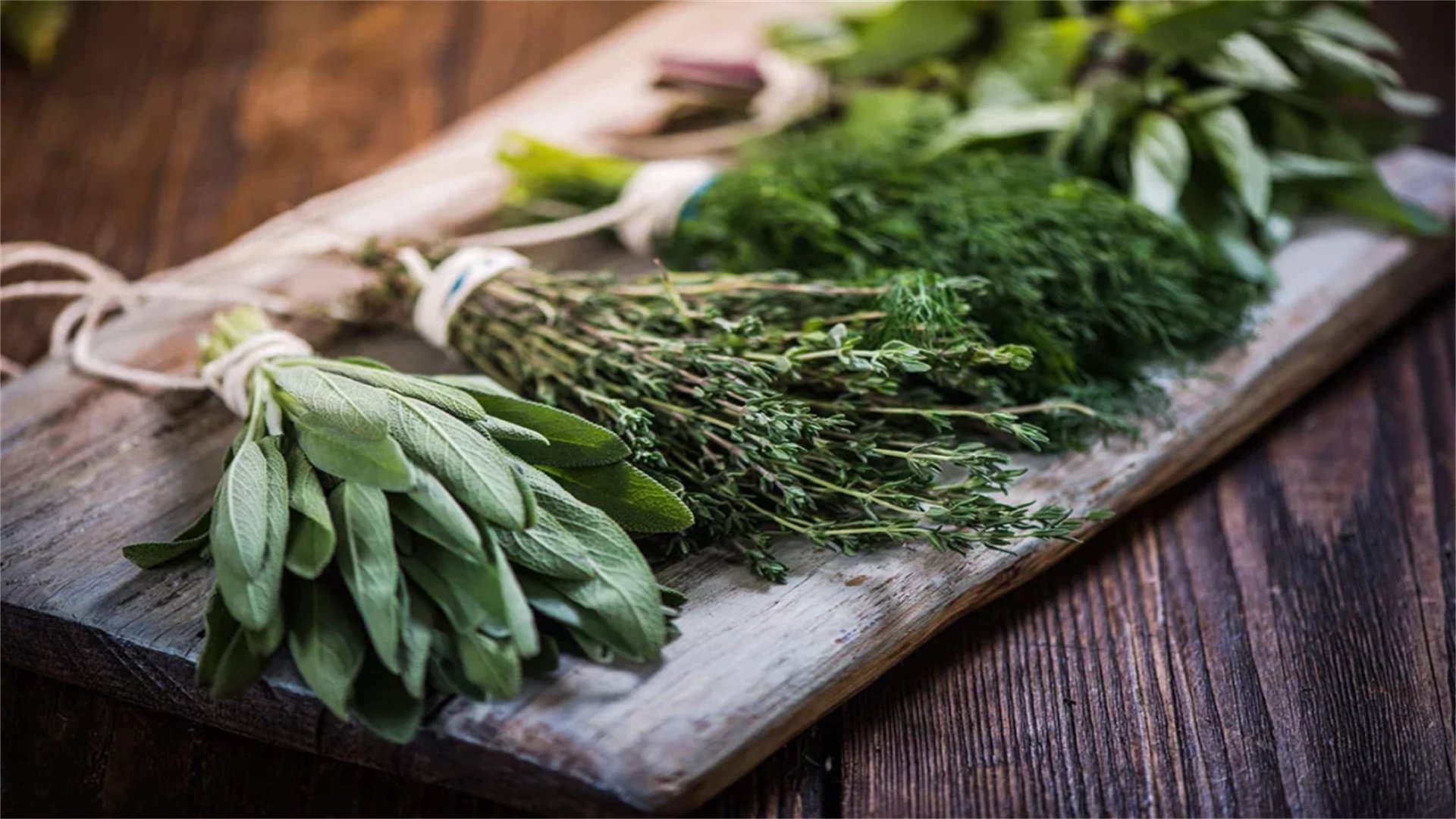
🌿 Use Fresh Herbs: Brightening Dishes Naturally
Fresh herbs like basil, cilantro, mint, and parsley provide vibrant, aromatic flavors that dried herbs cannot match. They add brightness and complexity when added at the right time—delicate herbs like basil are best added at the end of cooking, while sturdy ones like rosemary can be used early. Growing your own herbs or buying them fresh ensures maximum impact. Chop them just before use to preserve oils, and use stems for stocks or infusions. This secret instantly lifts salads, sauces, and main courses.
Advantages
- Provides vibrant, aromatic flavors unmatched by dried herbs.
- Adds brightness and complexity to dishes.
- Versatile for use in salads, sauces, and main courses.
Disadvantages
- Fresh herbs can be perishable and require proper storage.
- More expensive than dried herbs.
- Timing of addition is crucial for optimal flavor.
Example Recipe: Fresh Herb Pesto Pasta
Ingredients
- 2 cups fresh basil leaves
- 1/2 cup fresh parsley leaves
- 1/2 cup grated Parmesan cheese
- 1/3 cup pine nuts, toasted
- 2 cloves garlic
- 1/2 cup extra-virgin olive oil
- Salt and pepper to taste
- 1 pound pasta (such as spaghetti or penne)
Steps
- Cook pasta according to package instructions. Reserve 1/2 cup pasta water before draining.
- In a food processor, combine basil, parsley, Parmesan, pine nuts, and garlic. Pulse until coarsely chopped.
- With processor running, slowly drizzle in olive oil until smooth. Season with salt and pepper.
- Toss hot pasta with pesto, adding reserved pasta water as needed to create a creamy sauce. Serve immediately.
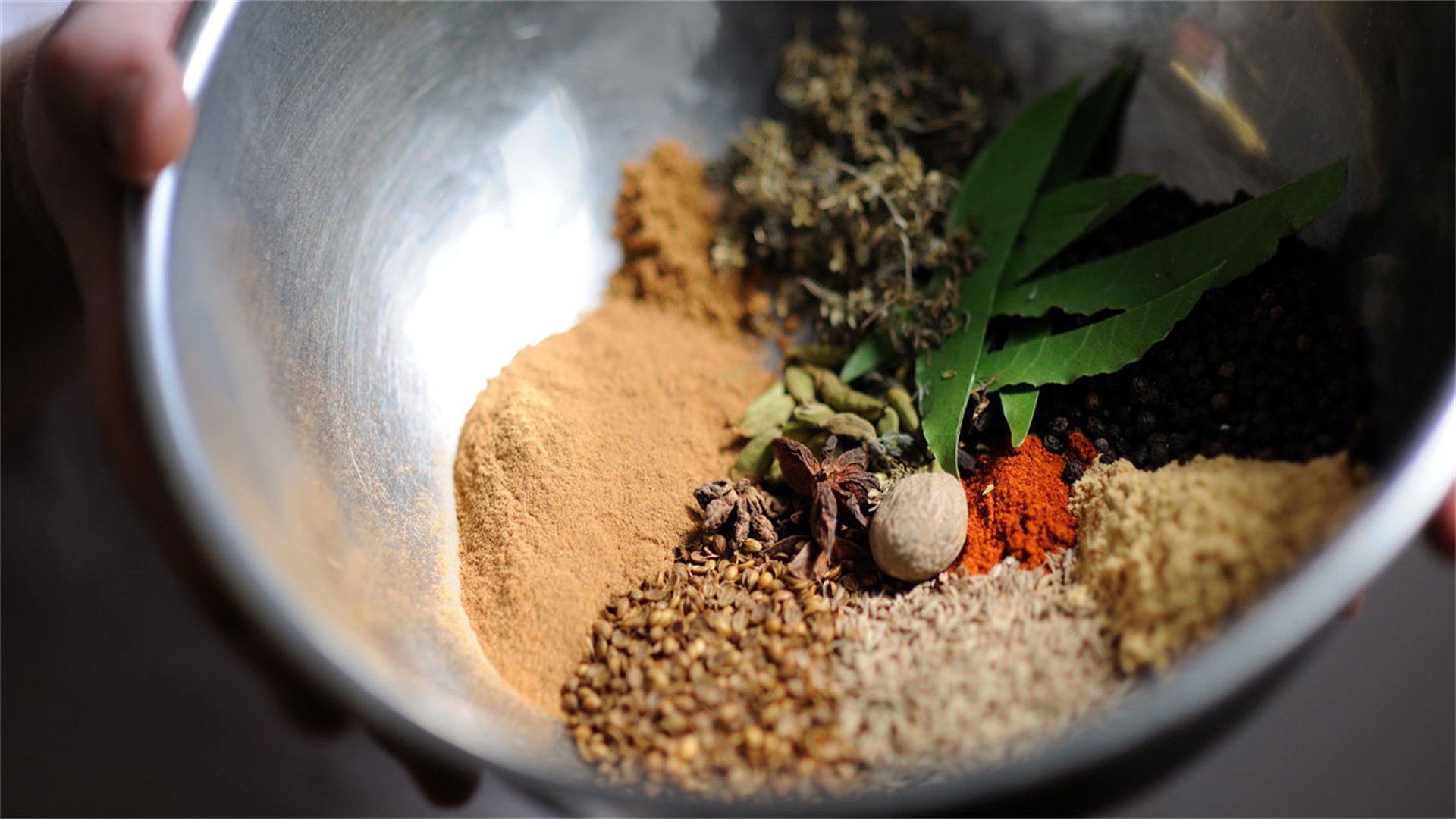
🌰 Toast Spices: Unlocking Aromatic Oils
Toasting whole spices in a dry skillet over medium heat releases their essential oils, intensifying aroma and flavor. This process transforms spices like cumin, coriander, and fennel seeds from raw to rich and nutty. Toast until fragrant, about 1-2 minutes, then grind them for use in rubs, curries, or marinades. Toasted spices add depth to dishes and can be stored in airtight containers for future use. This secret is key in global cuisines, from Indian to Mexican, enhancing both savory and sweet recipes.
Advantages
- Intensifies aroma and flavor of spices.
- Adds depth and richness to dishes.
- Versatile for use in rubs, curries, and marinades.
Disadvantages
- Requires extra step of toasting and grinding.
- Can burn easily if not monitored closely.
- May lose potency if stored for too long.
Example Recipe: Toasted Spice-Rubbed Pork Chops
Ingredients
- 4 bone-in pork chops
- 1 tablespoon cumin seeds
- 1 tablespoon coriander seeds
- 1 teaspoon black peppercorns
- 1 teaspoon fennel seeds
- 2 teaspoons brown sugar
- 1 teaspoon salt
- 2 tablespoons olive oil
Steps
- Toast cumin, coriander, peppercorns, and fennel seeds in a dry skillet over medium heat until fragrant, 2-3 minutes. Let cool.
- Grind toasted spices in a spice grinder or mortar and pestle. Mix with brown sugar and salt.
- Rub spice mixture onto pork chops and let marinate for 30 minutes at room temperature.
- Heat olive oil in a skillet over medium-high heat. Cook pork chops for 5-6 minutes per side until cooked through. Serve with a side of roasted vegetables.
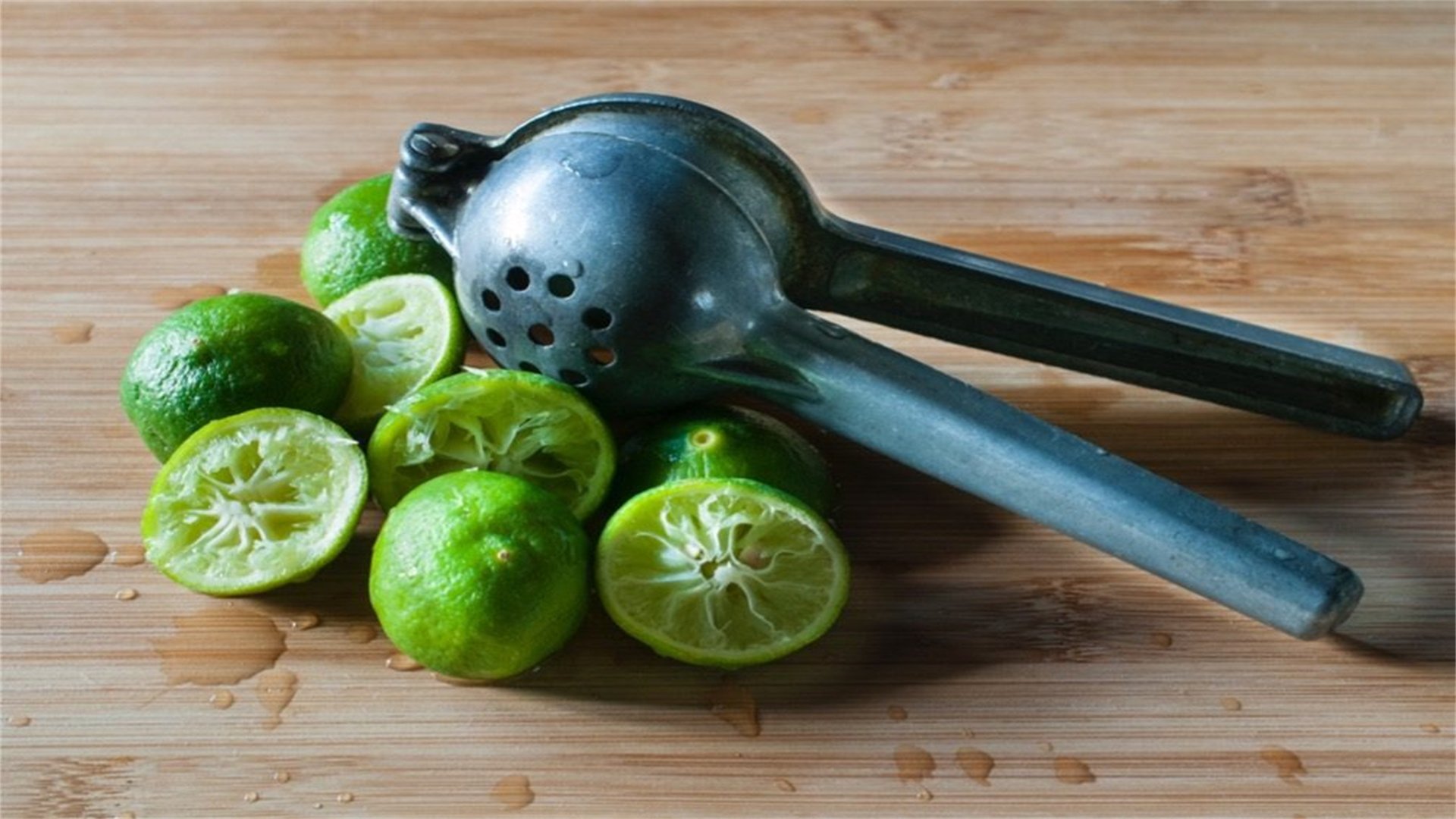
🍋 Acid Balance: Adding Brightness and Contrast
Acidic ingredients like lemon juice, vinegar, or wine cut through richness and balance flavors in a dish. They add brightness, enhance other tastes, and can even tenderize proteins. Use acid at the end of cooking to preserve its fresh character, or incorporate it early for subtle integration. A splash of vinegar in soups or a squeeze of lemon on grilled fish can transform a meal. Experiment with different acids—balsamic for sweetness, rice vinegar for mildness—to find the right balance for each dish.
Advantages
- Cuts through richness and balances flavors.
- Adds brightness and enhances other tastes.
- Can tenderize proteins and brighten dishes.
Disadvantages
- Overuse can make dishes too sour or acidic.
- Timing is crucial to preserve fresh character.
- May not suit all palates or dishes.
Example Recipe: Lemon-Herb Grilled Chicken
Ingredients
- 4 chicken thighs, bone-in and skin-on
- 1/4 cup fresh lemon juice
- 2 tablespoons olive oil
- 3 cloves garlic, minced
- 1 tablespoon fresh oregano, chopped
- 1 teaspoon lemon zest
- Salt and pepper to taste
Steps
- In a bowl, whisk together lemon juice, olive oil, garlic, oregano, lemon zest, salt, and pepper.
- Place chicken thighs in a resealable bag and pour marinade over them. Marinate in refrigerator for at least 2 hours or overnight.
- Preheat grill to medium-high heat. Remove chicken from marinade and grill for 6-8 minutes per side, until internal temperature reaches 165°F (74°C).
- Let rest for 5 minutes before serving. Drizzle with extra lemon juice if desired.
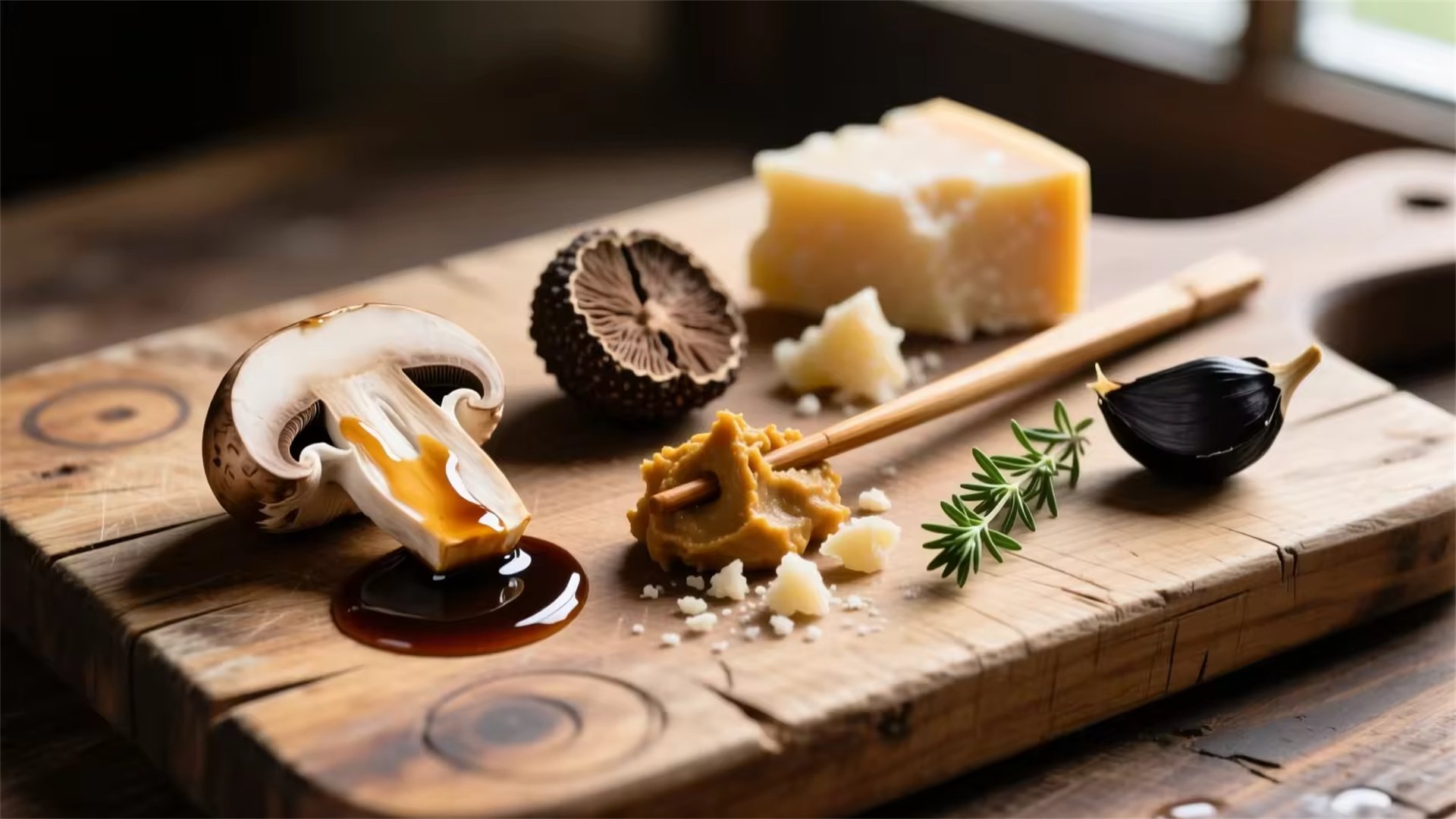
🍄 Umami Boosters: Enhancing Savory Depth
Umami, the fifth taste, adds savory depth and richness to dishes. Boost it with ingredients like soy sauce, mushrooms, tomatoes, Parmesan cheese, or anchovies. These items contain glutamate, which enhances overall flavor. Incorporate them into sauces, stews, or even vegetarian meals for a meaty taste without meat. For example, a dash of soy sauce in a vegetable stir-fry or dried mushrooms in a broth can elevate simplicity to complexity. This secret is especially useful for making plant-based dishes more satisfying.
Advantages
- Adds savory depth and richness to dishes.
- Enhances overall flavor with glutamate-rich ingredients.
- Useful for vegetarian and plant-based cooking.
Disadvantages
- Some umami boosters like soy sauce are high in sodium.
- Can overpower other flavors if used excessively.
- May not be suitable for all dietary restrictions.
Example Recipe: Umami-Rich Mushroom Risotto
Ingredients
- 1 ounce dried porcini mushrooms
- 4 cups vegetable broth
- 2 tablespoons olive oil
- 1 onion, finely chopped
- 2 cups Arborio rice
- 1/2 cup dry white wine
- 8 ounces fresh cremini mushrooms, sliced
- 1/2 cup grated Parmesan cheese
- 2 tablespoons butter
- Salt and pepper to taste
- Fresh parsley for garnish
Steps
- Soak dried porcini mushrooms in hot water for 20 minutes. Drain, reserving liquid, and chop mushrooms. Combine broth and reserved liquid in a pot and keep warm.
- Heat olive oil in a large pan over medium heat. Sauté onion until soft, then add fresh mushrooms and cook until browned.
- Add Arborio rice, stirring to coat. Pour in white wine and cook until absorbed.
- Add warm broth one ladle at a time, stirring until absorbed before adding more. Continue until rice is creamy and tender, about 20 minutes.
- Stir in chopped porcini mushrooms, Parmesan, and butter. Season with salt and pepper. Garnish with parsley before serving.

🔥 Brown Your Ingredients: Developing Caramelization
Browning ingredients through searing, roasting, or sautéing creates caramelization, which adds sweet, nutty flavors via the Maillard reaction. This secret applies to meats, vegetables, and even grains. Take time to achieve a golden-brown color without burning—it builds a flavor foundation for dishes. For example, browned onions form the base of many soups, while caramelized carrots enhance roasted dishes. Pat ingredients dry and use adequate heat to promote browning, avoiding overcrowding the pan for best results.
Advantages
- Adds sweet, nutty flavors through caramelization.
- Builds a flavor foundation for dishes.
- Enhances texture and appearance.
Disadvantages
- Requires patience and careful heat control.
- Can burn easily if not monitored.
- May add extra cooking time.
Example Recipe: Caramelized Onion and Goat Cheese Tart
Ingredients
- 1 sheet puff pastry, thawed
- 3 large yellow onions, thinly sliced
- 2 tablespoons butter
- 1 tablespoon olive oil
- 1 teaspoon sugar
- 4 ounces goat cheese, crumbled
- 1 teaspoon fresh thyme leaves
- Salt and pepper to taste
Steps
- Preheat oven to 400°F (200°C). Roll out puff pastry on a baking sheet and prick all over with a fork. Fold over the edges about 1/2 inch to create a border.
- In a large skillet, heat butter and olive oil over medium-low heat. Add onions and cook slowly, stirring occasionally, until they are soft and golden brown, about 30-40 minutes. Stir in sugar and season with salt and pepper.
- Spread the caramelized onions evenly over the puff pastry, leaving the border. Sprinkle with crumbled goat cheese and thyme.
- Bake for 20-25 minutes, until the pastry is golden brown and puffed.
- Let cool for 5 minutes before slicing and serving. Can be served warm or at room temperature.
🧂 Season in Layers: Building Depth Throughout Cooking
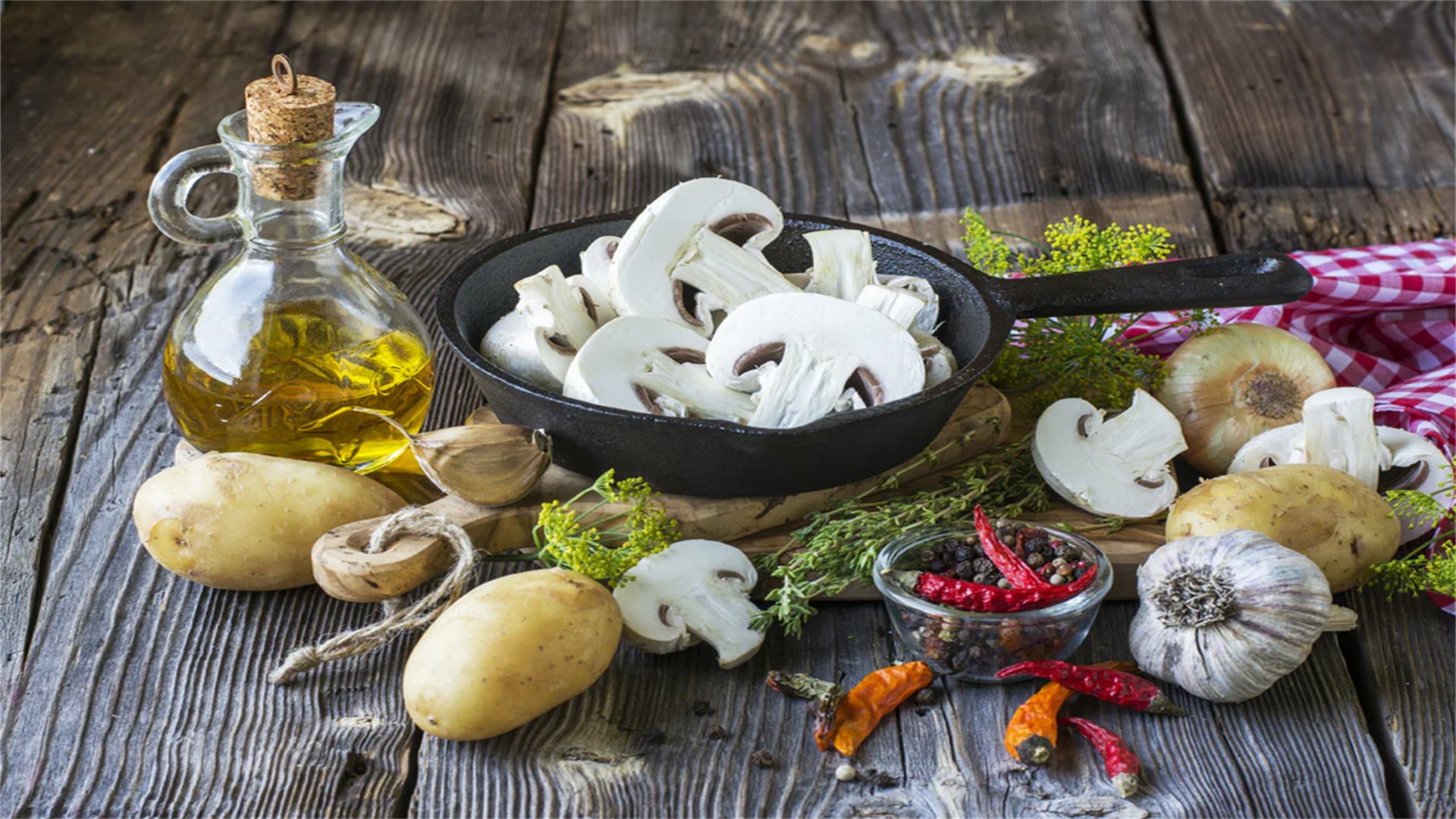
Instead of adding all seasoning at the end, season in layers throughout the cooking process. This means adding salt and other seasonings at key stages—such as when sautéing aromatics, browning meat, or reducing sauces. Each layer allows the salt to penetrate and enhance the ingredients' natural flavors, resulting in a more complex and well-rounded final dish. This technique ensures that every component contributes to the overall taste, preventing a one-dimensional or overly salty result.
Advantages
- Creates more complex and well-rounded flavors.
- Prevents dishes from tasting one-dimensional or overly salty.
- Allows seasoning to penetrate ingredients more deeply.
Disadvantages
- Requires more attention and planning during cooking.
- Risk of over-seasoning if not careful with cumulative amounts.
- May be less intuitive for beginners.
Example Recipe: Layered-Seasoning Classic Beef Stew
Ingredients
- 2 pounds beef chuck, cut into 1-inch cubes
- Salt and pepper
- 2 tablespoons olive oil
- 1 onion, chopped
- 3 carrots, sliced
- 3 cloves garlic, minced
- 2 tablespoons tomato paste
- 1/4 cup all-purpose flour
- 1 cup red wine
- 4 cups beef broth
- 2 bay leaves
- 1 teaspoon dried thyme
- 1 pound potatoes, cut into chunks
Steps
- Season beef cubes generously with salt and pepper. Heat olive oil in a large Dutch oven over medium-high heat. Brown beef in batches, transferring to a plate.
- In the same pot, add onion and carrots. Season with a pinch of salt. Cook until softened, about 5 minutes. Add garlic and tomato paste, cook for 1 minute.
- Sprinkle flour over vegetables and stir to coat. Cook for 2 minutes.
- Pour in red wine, scraping up browned bits. Add beef broth, bay leaves, thyme, and another pinch of salt and pepper. Return beef to the pot.
- Bring to a simmer, then cover and cook on low heat for 1.5 hours. Add potatoes and continue cooking for 30-45 minutes until beef and potatoes are tender.
- Taste and adjust seasoning with additional salt and pepper if needed before serving.
🧄 Aromatics First: Creating a Flavor Base
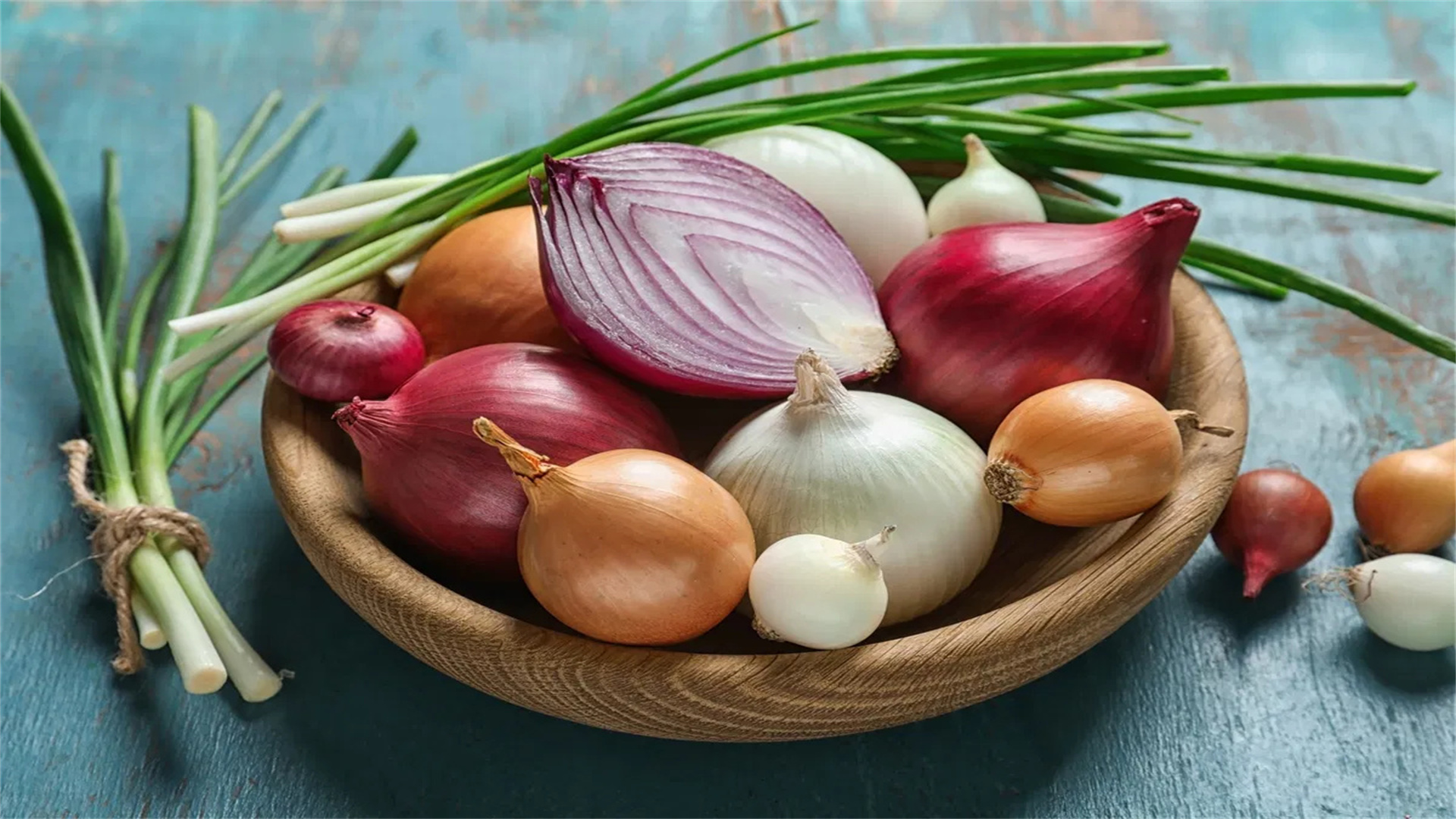
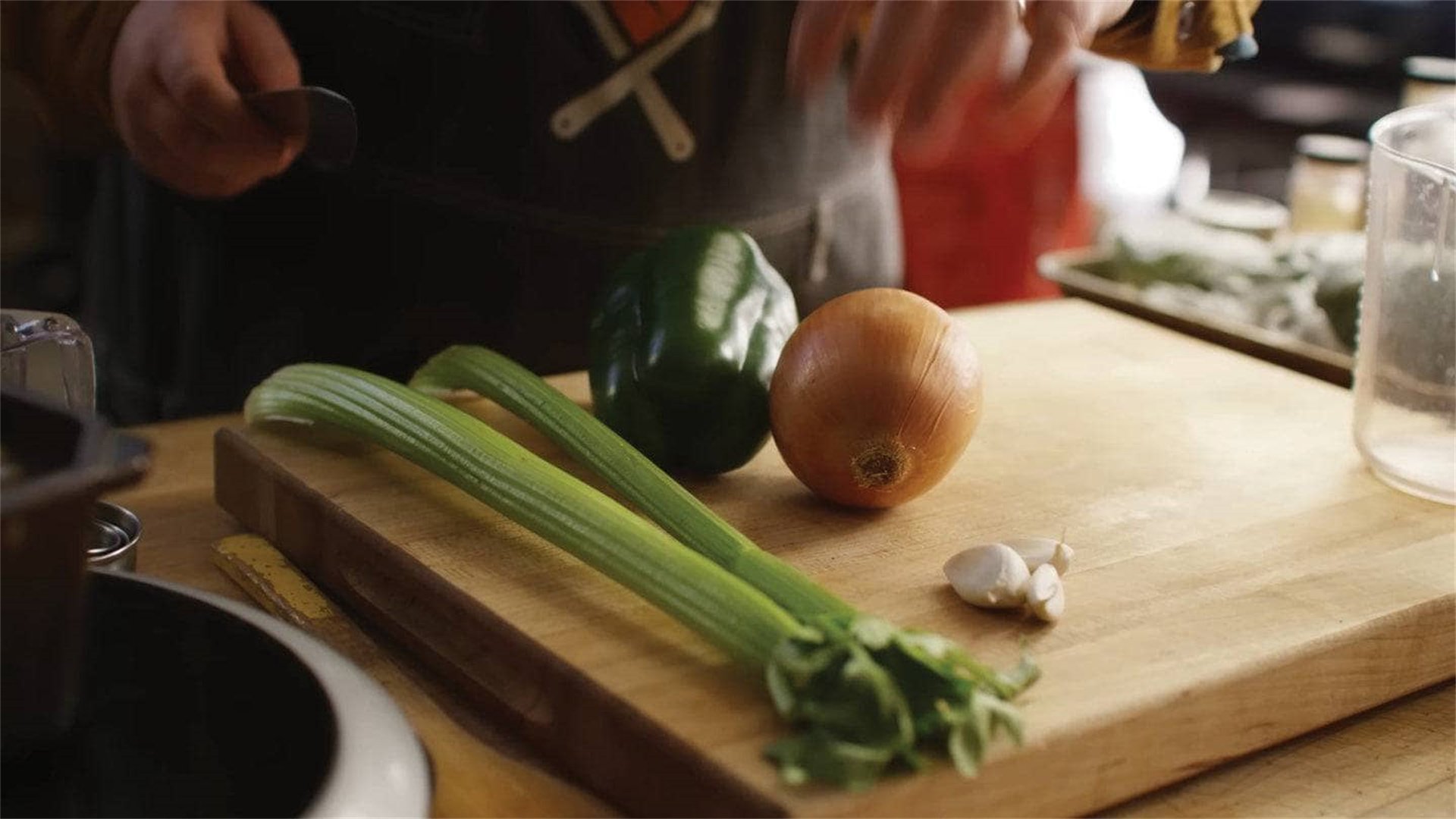
Starting a dish by cooking aromatics like onions, garlic, ginger, or celery in fat (such as oil or butter) releases their flavors and forms the foundational taste for the entire meal. This technique, often called "sweating" or "sautéing," should be done over gentle heat to soften without browning, unless a recipe specifically calls for caramelization. A well-prepared aromatic base infuses the cooking fat and subsequent ingredients, providing depth and complexity to soups, stews, sauces, and stir-fries.
Advantages
- Creates a deep, foundational flavor for the entire dish.
- Infuses cooking fat with aromatic flavors.
- Simple technique that greatly enhances overall taste.
Disadvantages
- Requires extra time at the beginning of cooking.
- Can burn easily if heat is too high.
- May not be suitable for all cooking methods (e.g., steaming).
Example Recipe: Aromatic Base Vegetable Curry
Ingredients
- 2 tablespoons coconut oil
- 1 onion, finely chopped
- 3 cloves garlic, minced
- 1 tablespoon fresh ginger, grated
- 1 red chili, finely chopped (optional)
- 2 teaspoons curry powder
- 1 teaspoon ground cumin
- 1 can (14 oz) coconut milk
- 3 cups mixed vegetables (e.g., cauliflower, bell peppers, peas)
- Salt to taste
- Fresh cilantro for garnish
Steps
- Heat coconut oil in a large pot over medium heat. Add onion and a pinch of salt. Cook until soft and translucent, about 5 minutes.
- Add garlic, ginger, and chili (if using). Cook for 1-2 minutes until fragrant.
- Stir in curry powder and cumin, cooking for 30 seconds to toast the spices.
- Add coconut milk and mixed vegetables. Bring to a simmer and cook for 15-20 minutes until vegetables are tender.
- Season with salt to taste. Garnish with fresh cilantro before serving over rice.
Conclusion: Mastering the Art of Flavor
By incorporating these seven flavor-boosting secrets—using fresh herbs, toasting spices, balancing acid, boosting umami, browning ingredients, seasoning in layers, and starting with aromatics—you can dramatically transform everyday meals into gourmet experiences. Each principle offers a simple yet powerful way to enhance taste, texture, and aroma. Remember that great cooking is as much about technique as it is about intuition. Practice these secrets regularly, adapt them to your personal taste, and don't be afraid to experiment. Over time, you'll develop a deeper understanding of flavor dynamics and the confidence to create delicious, restaurant-quality dishes right in your own kitchen.