11 Expert Secrets to Maintain a Healthy and Neat Lawn
Maintaining a lush, green lawn is a dream for many homeowners, but it often feels like a daunting task filled with trial and error. A healthy and neat lawn not only enhances your home's curb appeal but also provides a space for relaxation and play. However, achieving that perfect turf requires more than just occasional mowing and watering. It demands expert knowledge and consistent care. In this comprehensive guide, we unveil 11 expert secrets that will transform your lawn into a vibrant, well-kept oasis. Drawing insights from top horticulturists and landscape professionals, these secrets cover everything from soil health to seasonal maintenance. Whether you're a novice or a seasoned gardener, this article will equip you with actionable strategies to elevate your lawn care routine. Let's dive into the details and unlock the keys to a lawn that impresses year-round.
A well-maintained lawn is a result of understanding the science behind grass growth and ecosystem balance. Experts emphasize that lawn care is not a one-size-fits-all approach; it varies based on grass type, climate, and soil conditions. By adopting these proven secrets, you can avoid common pitfalls like overwatering, weed invasions, and patchy growth. We'll explore each secret in depth, discussing their advantages, potential drawbacks, and step-by-step implementation methods. From proper watering techniques to advanced aeration practices, this guide ensures you have a holistic plan. So, grab your gardening gloves and get ready to learn how to nurture a lawn that's both healthy and aesthetically pleasing.

💧 Secret 1: Water Deeply and Infrequently for Root Development
Watering is fundamental to lawn health, but most people do it wrong. Experts recommend deep, infrequent watering instead of shallow daily sprinkles. This method encourages grass roots to grow deeper into the soil, making them more resilient to drought and stress. Deep watering ensures that moisture reaches the root zone, typically 6-8 inches below the surface, promoting stronger turf. In contrast, frequent light watering leads to shallow roots, making lawns susceptible to heat and disease. This secret is backed by agronomic studies showing that deep-rooted grass can access nutrients and water more efficiently, resulting in a thicker, greener lawn.
Advantages
- Promotes deep root growth, enhancing drought tolerance.
- Reduces water evaporation and runoff, conserving resources.
- Minimizes fungal diseases by keeping foliage dry for longer periods.
- Improves soil structure by encouraging deeper penetration of water and air.
Disadvantages
- Requires careful timing to avoid overwatering, which can lead to root rot.
- May not be suitable for sandy soils that drain too quickly, necessitating adjustments.
- Can be challenging to implement in areas with water restrictions or irregular rainfall.
How to Implement
- Determine Watering Needs: Use a soil probe or screwdriver to check moisture depth. Water when the top 2-3 inches of soil are dry.
- Set a Schedule: Water early in the morning (between 4 AM and 10 AM) to reduce evaporation and wind interference. Aim for 1-1.5 inches of water per week, including rainfall.
- Use Proper Equipment: Install a rain gauge or smart irrigation system to measure water output. Adjust sprinklers to ensure even coverage without puddling.
- Monitor and Adjust: Observe lawn response after watering. If water runs off, split sessions into two cycles to allow absorption. In hot climates, increase frequency slightly but maintain depth.
- Test Soil Type: For clay soils, water slower to prevent runoff; for sandy soils, water more frequently but shallowly to compensate for fast drainage.
✂️ Secret 2: Mow at the Correct Height and Frequency
Mowing is more than just cutting grass; it's a strategic practice that impacts lawn health. Experts stress mowing at the right height—usually the highest setting for your grass type—to encourage photosynthesis and shade out weeds. For most cool-season grasses like Kentucky bluegrass, a height of 2.5-3.5 inches is ideal, while warm-season grasses like Bermuda grass thrive at 1-2 inches. Frequent mowing with sharp blades prevents tearing, which can invite diseases. This secret helps maintain a neat appearance while fostering robust growth, as taller grass develops deeper roots and better competes with weeds.
Advantages
- Enhances grass density by allowing blades to capture more sunlight.
- Reduces weed germination by blocking sunlight to soil surface.
- Prevents scalping, which weakens grass and exposes soil to erosion.
- Improves lawn resilience against pests and weather extremes.
Disadvantages
- Requires regular maintenance, such as blade sharpening, to avoid damage.
- Can be time-consuming during peak growing seasons.
- If done incorrectly, may spread weed seeds or diseases across the lawn.
How to Implement
- Identify Grass Type: Research your lawn's grass species to determine optimal mowing height. Consult local extension services for recommendations.
- Follow the One-Third Rule: Never remove more than one-third of the grass blade in a single mowing. For example, if your target height is 3 inches, mow when grass reaches 4.5 inches.
- Sharpen Mower Blades: Sharpen blades at least once a season or after every 10-12 hours of use. Dull blades tear grass, causing brown tips and vulnerability to disease.
- Vary Mowing Patterns: Change direction each time you mow to prevent soil compaction and encourage upright growth.
- Leave Clippings: Use a mulching mower to leave clippings on the lawn; they decompose and return nutrients, reducing fertilizer needs.

🌱 Secret 3: Implement a Smart Fertilization Plan
Fertilization provides essential nutrients for grass growth, but over- or under-fertilizing can harm your lawn. Experts advocate for a tailored fertilization plan based on soil tests and grass needs. Typically, lawns require nitrogen, phosphorus, and potassium in balanced ratios. Slow-release fertilizers are preferred as they feed grass gradually, minimizing burn and runoff. This secret ensures your lawn gets the right nutrients at the right time, promoting steady growth without excessive thatch or pollution. By understanding nutrient cycles, you can avoid common mistakes like applying fertilizer during drought or before heavy rain.
Advantages
- Boosts color and density by supplying key nutrients.
- Enhances root development and stress tolerance.
- Reduces environmental impact through controlled release formulas.
- Prevents nutrient deficiencies that lead to yellowing or weak growth.
Disadvantages
- Can be costly if using premium organic or slow-release products.
- Requires precise application to avoid burning grass or contaminating waterways.
- May encourage weed growth if overused, as weeds thrive on excess nutrients.
How to Implement
- Conduct a Soil Test: Test soil every 2-3 years to determine pH and nutrient levels. Kits are available at garden centers or through local agencies.
- Choose the Right Fertilizer: Select a blend matching your soil test results. For example, use a high-nitrogen fertilizer for green growth, but ensure it includes micronutrients like iron.
- Schedule Applications: Fertilize cool-season grasses in early fall and spring, and warm-season grasses in late spring and summer. Avoid fertilizing during heatwaves or dormancy.
- Apply Evenly: Use a broadcast or drop spreader calibrated to the recommended rate. Overlap slightly to prevent streaks, and water lightly after application.
- Monitor Results: Observe lawn response over weeks. If grass shows signs of burn (brown patches), reduce dosage. Adjust based on weather and growth patterns.
🚫 Secret 4: Control Weeds with Integrated Management
Weeds are a common lawn nuisance, but experts recommend an integrated approach combining prevention, mechanical removal, and targeted herbicides. Rather than relying solely on chemicals, focus on creating a dense turf that outcompetes weeds. This secret involves identifying weed types—broadleaf like dandelions or grassy like crabgrass—and addressing underlying issues like soil compaction or poor drainage. By using pre-emergent and post-emergent herbicides judiciously, along with cultural practices, you can minimize weed infestations without harming the environment. Integrated weed management promotes long-term lawn health and reduces chemical dependency.
Advantages
- Reduces weed populations sustainably by tackling root causes.
- Minimizes herbicide use, protecting beneficial insects and soil health.
- Improves lawn appearance by eliminating unsightly patches.
- Prevents weed seeds from spreading and establishing in bare spots.
Disadvantages
- Can be labor-intensive, requiring regular monitoring and hand-pulling.
- Herbicides may harm desirable plants if misapplied.
- Some weeds develop resistance to common herbicides, necessitating rotation.
How to Implement
- Prevent Weeds Proactively: Maintain thick grass through proper mowing, watering, and fertilization. Apply pre-emergent herbicides in early spring to stop weed seeds from germinating.
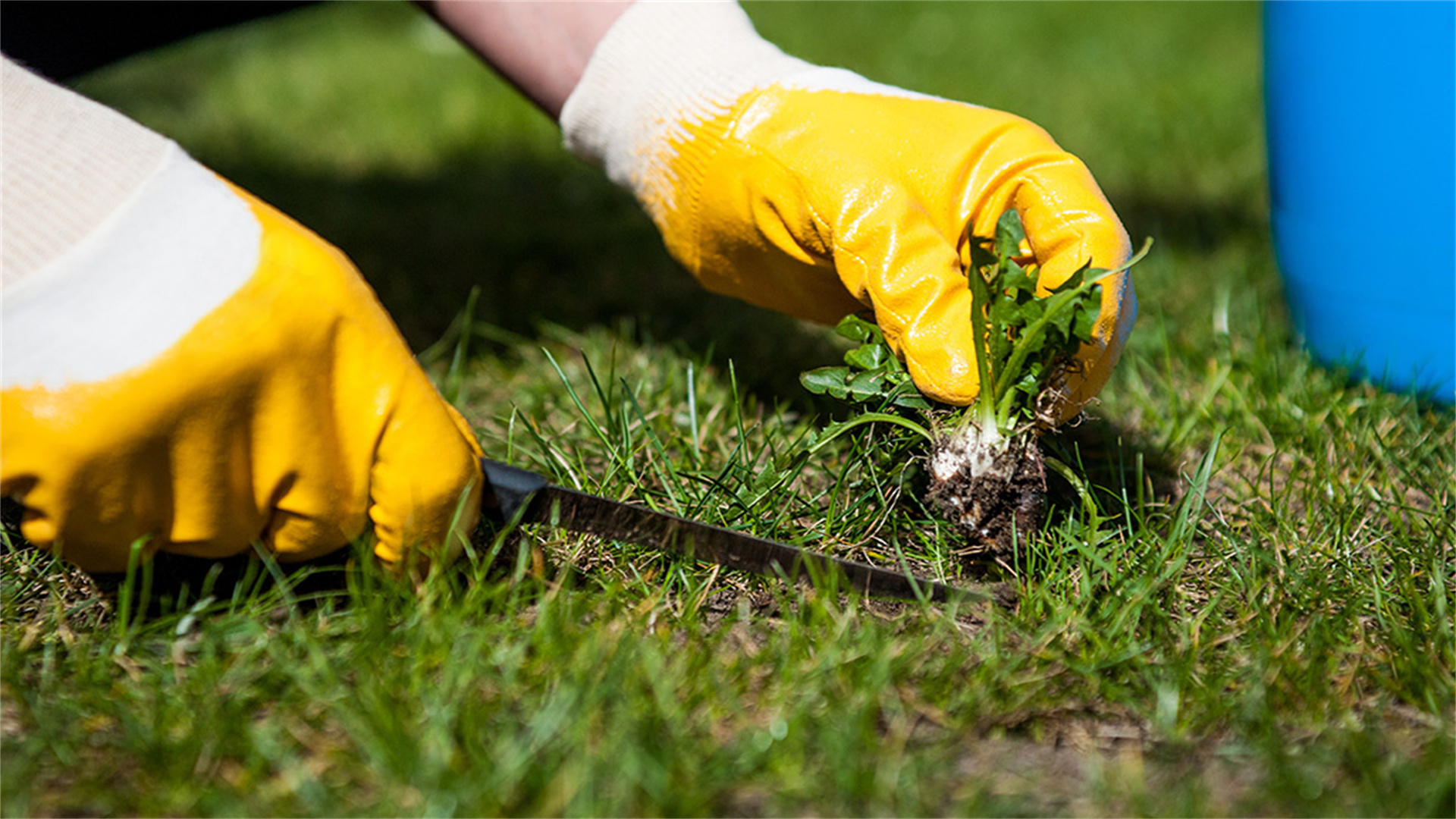
- Identify and Remove Manually: Use a weeding tool to dig out weeds like dandelions, ensuring you remove the entire root. Do this when soil is moist for easier extraction.
- Spot-Treat with Herbicides: For persistent weeds, apply post-emergent herbicides directly to weeds, not the entire lawn. Choose selective herbicides that target specific weeds without damaging grass.
- Improve Lawn Density: Overseed bare areas in fall or spring to fill gaps where weeds might invade. Use grass varieties resistant to local weeds.
- Monitor and Adapt: Regularly inspect the lawn for new weeds. Keep records of weed types and treatment effectiveness to adjust strategies seasonally.

🐛 Secret 5: Manage Pests and Diseases Proactively
Lawn pests and diseases can quickly ruin a healthy turf if left unchecked. Experts advise proactive monitoring and eco-friendly control measures. Common pests include grubs, chinch bugs, and armyworms, while diseases like brown patch or dollar spot thrive in humid conditions. This secret involves identifying symptoms early—such as discolored patches or thinning grass—and using integrated pest management (IPM) techniques. By promoting a balanced ecosystem with beneficial organisms and resistant grass varieties, you can reduce outbreaks without excessive pesticides. Regular aeration and proper watering also discourage pests and pathogens by improving soil health.
Advantages
- Prevents severe damage that requires costly lawn renovation.
- Reduces chemical inputs, safeguarding pollinators and water quality.
- Enhances lawn longevity by addressing issues before they spread.
- Supports biodiversity by encouraging natural predators like birds and insects.
Disadvantages
- Requires knowledge to accurately diagnose pests and diseases.
- Organic treatments may be slower acting than synthetic pesticides.
- Can be challenging in regions with high pest pressure or monoculture lawns.
How to Implement
- Regular Inspection: Walk your lawn weekly, looking for signs like chewed blades, holes, or fungal growth. Use a magnifying glass for small pests.
- Identify the Culprit: Consult online resources or local experts to pinpoint pests or diseases. For example, grubs cause spongy turf, while brown patch appears as circular dead areas.
- Use Cultural Controls: Adjust watering to avoid excess moisture that fosters fungi. Mow at recommended heights to reduce stress. Remove thatch to eliminate pest habitats.
- Apply Targeted Treatments: For pests, use biological controls like nematodes for grubs. For diseases, apply fungicides only when necessary, opting for organic options like neem oil.
- Promote Resilience: Overseed with disease-resistant grass blends. Encourage beneficial insects by planting companion plants like clover, which also fixes nitrogen.
🧪 Secret 6: Conduct Soil Testing and Amendment
Healthy soil is the foundation of a great lawn, yet many overlook its importance. Experts insist on regular soil testing to assess pH, texture, and nutrient levels. Most grasses prefer slightly acidic soil with a pH of 6.0-7.0. If soil is too acidic or alkaline, nutrients become unavailable, leading to poor growth. This secret involves amending soil based on test results—using lime to raise pH or sulfur to lower it, and adding organic matter like compost to improve structure. By nurturing the soil, you enhance water retention, aeration, and microbial activity, creating an ideal environment for grass roots.
Advantages
- Optimizes nutrient uptake, reducing fertilizer needs.
- Improves soil drainage and reduces compaction.
- Enhances root penetration and overall lawn vitality.
- Prevents problems like moss or weed invasions linked to poor soil.
Disadvantages
- Soil testing requires time and sometimes fees for lab analysis.
- Amendments like lime can take months to show effects.
- Over-application of amendments may harm soil balance.
How to Implement
- Collect Soil Samples: Use a soil probe to take samples from multiple lawn areas, 4-6 inches deep. Mix them in a clean bucket for a composite sample.
- Send for Testing: Submit samples to a local cooperative extension or private lab. Request analysis for pH, nutrient levels, and organic matter content.
- Interpret Results: Review the report; if pH is below 6.0, apply lime at recommended rates. If above 7.0, use elemental sulfur. For nutrient deficiencies, choose fertilizers accordingly.
- Apply Amendments: Spread lime or sulfur evenly with a spreader, preferably in fall or spring. Water thoroughly to help incorporation. Add compost topdressing (¼ inch layer) annually to boost organic matter.
- Re-test Periodically: Test soil every 2-3 years to monitor changes and adjust amendments. Keep records to track progress over time.
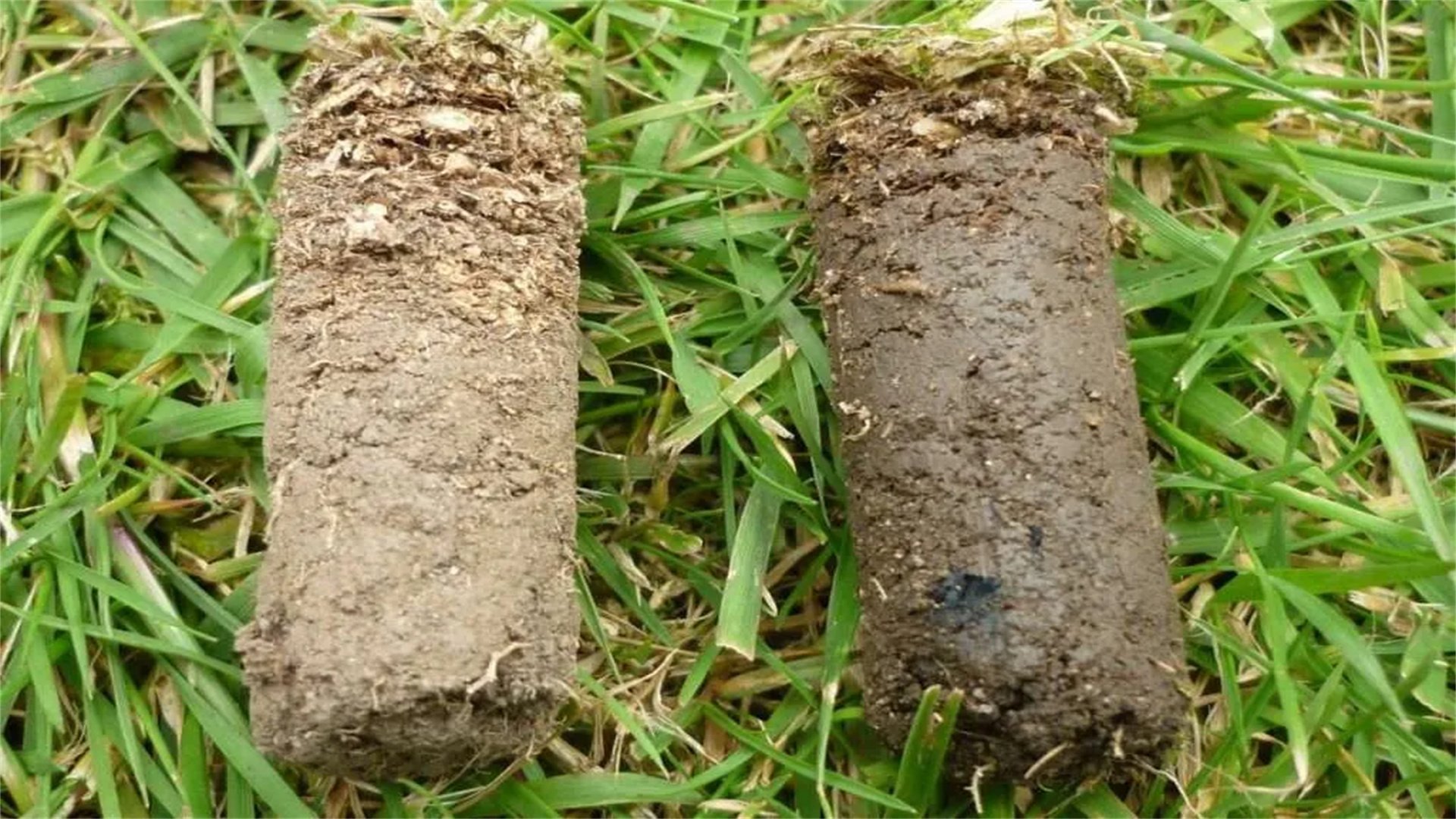
⬇️ Secret 7: Aerate to Alleviate Compaction
Soil compaction is a silent lawn killer, restricting root growth and water infiltration. Experts recommend core aeration—removing small plugs of soil—to relieve compaction and improve air exchange. This secret is especially crucial for high-traffic lawns or those with clay soil. Aeration creates channels for water, nutrients, and oxygen to reach roots, promoting deeper growth and reducing thatch. It's best done during the growing season when grass can recover quickly. For cool-season grasses, aerate in fall; for warm-season, in late spring. Regular aeration, once or twice a year, can transform a struggling lawn into a thriving one.
Advantages
- Enhances root development by reducing soil density.
- Improves water absorption, reducing runoff and puddling.
- Breaks down thatch by encouraging microbial decomposition.
- Boosts fertilizer efficiency by allowing nutrients to penetrate deeper.
Disadvantages
- Requires renting or buying an aerator, which can be costly.
- Temporary mess from soil plugs on the lawn surface.
- Not needed for sandy soils that rarely compact.
How to Implement
- Assess Compaction: Test by pushing a screwdriver into the soil; if it's hard to penetrate, aeration is needed. Also, look for water pooling or thin grass.
- Choose the Right Time: Aerate when soil is moist but not soggy—usually after a light rain or watering. Avoid during drought or extreme heat.
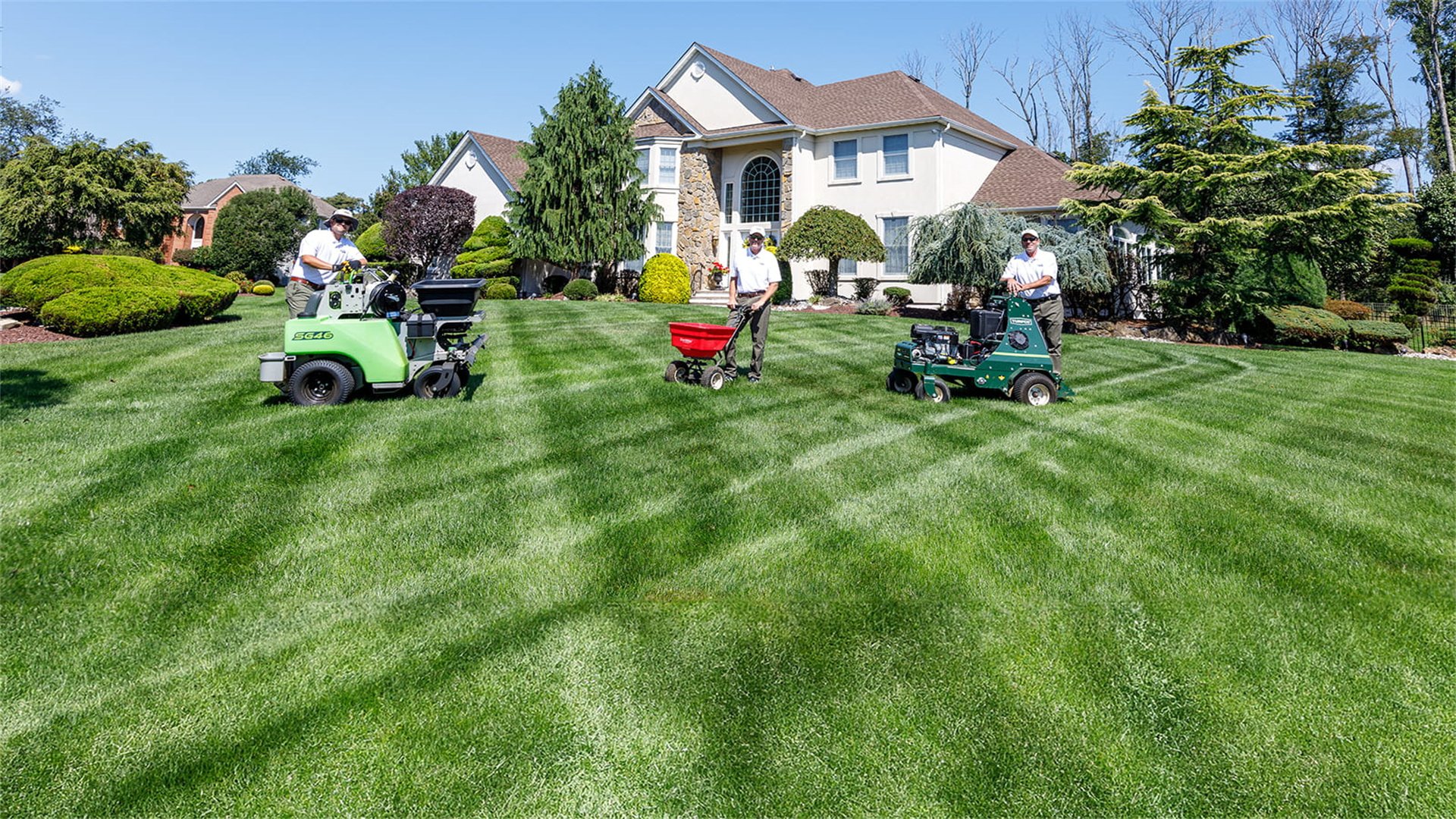
- Use a Core Aerator: Rent a machine from a garden center. Make multiple passes in different directions to ensure thorough coverage. Leave plugs on the lawn; they'll break down naturally.
- Follow Up with Care: After aeration, overseed and fertilize to fill holes with new grass. Water deeply to help recovery.
- Schedule Regularly: For heavy clay or high-use lawns, aerate annually. For lighter soils, every 2-3 years may suffice. Monitor compaction signs to adjust frequency.
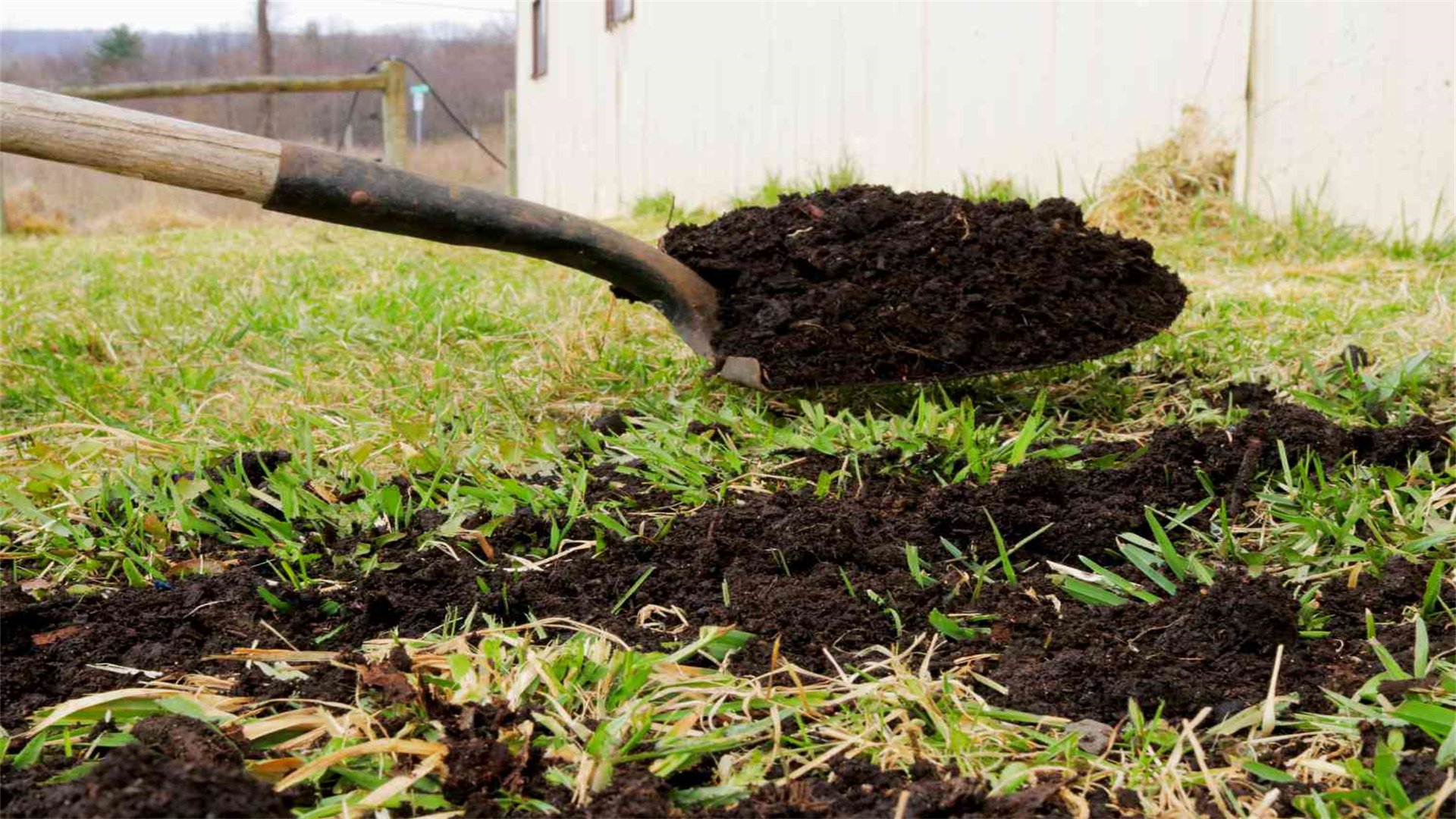
🏗️ Secret 8: Topdress with Compost or Sand
Topdressing involves applying a thin layer of material—such as compost, sand, or a mix—over the lawn surface. Experts use this secret to level the lawn, improve soil structure, and reduce thatch. Compost topdressing adds organic matter and nutrients, while sand helps with drainage in clay soils. This practice is often combined with aeration and overseeding for maximum effect. By topdressing annually or biannually, you can gradually build a healthier soil profile without major renovation. It's a subtle but powerful technique endorsed by golf course superintendents for maintaining pristine turf.
Advantages
- Enriches soil with organic matter, boosting microbial activity.
- Smooths out bumps and depressions for a neater appearance.
- Enhances moisture retention in sandy soils or drainage in clay soils.
- Suppresses thatch buildup by encouraging decomposition.
Disadvantages
- Can be labor-intensive to spread evenly without smothering grass.
- Using the wrong material (e.g., pure sand on clay) may worsen problems.
- May introduce weed seeds if compost is not properly sourced or sterilized.
How to Implement
- Prepare the Lawn: Mow grass short and remove debris. Aerate if compaction is present to improve incorporation.
- Choose Topdressing Material: For most lawns, use screened compost or a mix of 70% sand and 30% compost. Ensure it's free of weeds and pathogens.
- Apply Evenly: Spread a ¼ to ½ inch layer using a shovel and rake, or rent a topdressing spreader. Avoid covering grass blades completely.
- Work into Soil: Use a broom or drag mat to brush material into aeration holes and soil surface. Water lightly to settle the layer.
- Monitor Growth: Allow grass to grow through the topdressing. Repeat annually in fall or spring, adjusting thickness based on lawn needs.
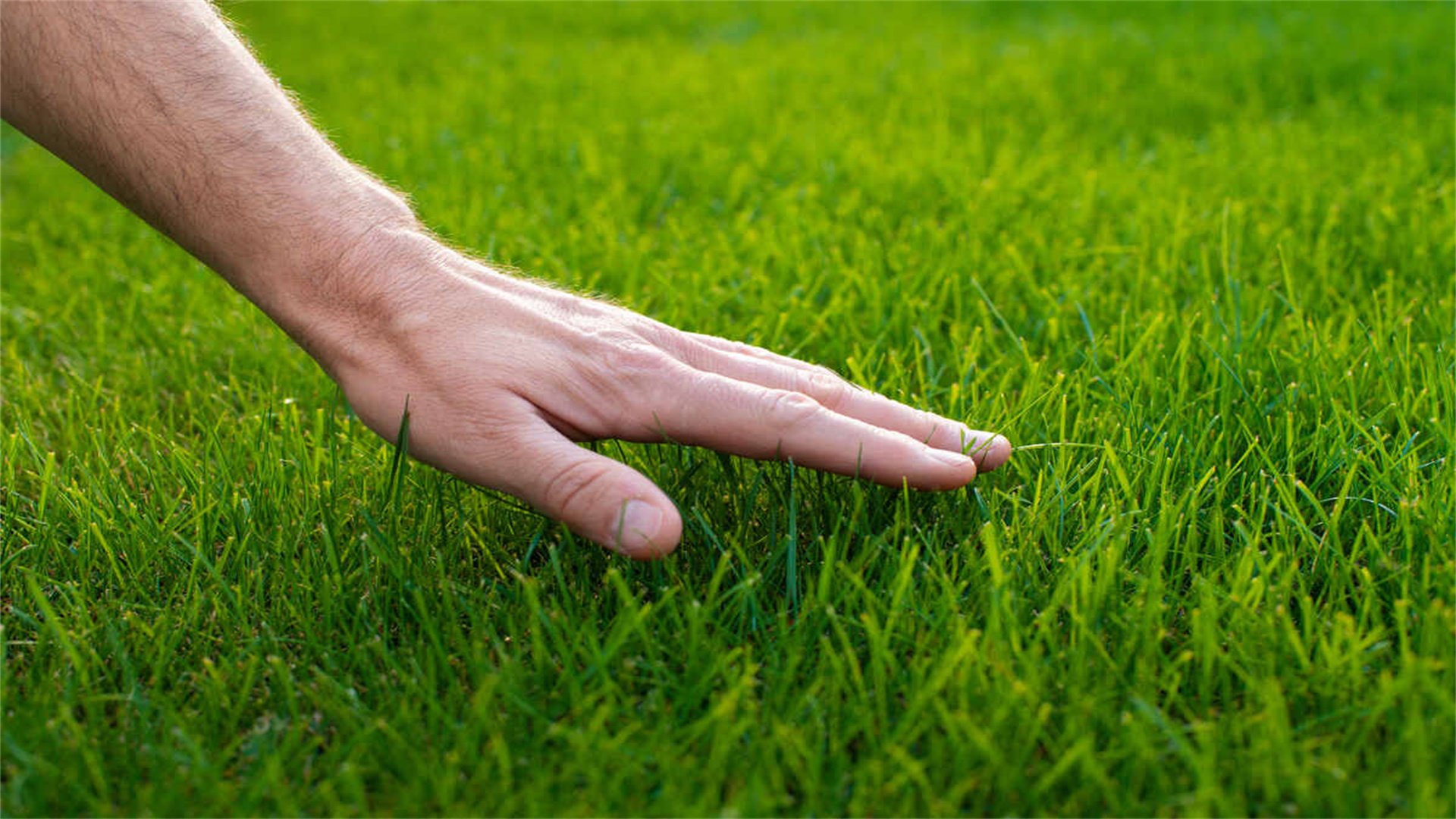
🌾 Secret 9: Select the Right Grass Variety for Your Region
Not all grasses are created equal; choosing the right variety for your climate and soil is critical. Experts emphasize selecting grass species that match local conditions—cool-season grasses for northern regions and warm-season for southern areas. Within these categories, consider factors like shade tolerance, traffic resistance, and maintenance needs. This secret involves researching and planting blends that thrive naturally, reducing water, fertilizer, and pest control requirements. By investing in appropriate grass seed, you set the stage for a low-maintenance, healthy lawn that looks good year-round.
Advantages
- Reduces maintenance efforts by leveraging natural adaptability.
- Improves lawn durability against local pests and diseases.
- Enhances aesthetic appeal with consistent color and texture.
- Conserves resources like water and chemicals due to innate resilience.
Disadvantages
- May require overseeding or sodding if changing grass types, which can be expensive.
- Some desirable varieties may be less available or more costly.
- Transition periods can be slow, requiring patience for full establishment.
How to Implement
- Research Climate Zones: Determine your USDA hardiness zone or consult local nurseries for grass recommendations. For example, use tall fescue in transitional zones with variable weather.
- Assess Lawn Conditions: Evaluate sun exposure, soil type, and usage. For shady areas, choose fine fescues; for high traffic, Kentucky bluegrass or Bermuda grass.
- Purchase Quality Seed: Buy certified seed with high germination rates and low weed content. Opt for blends that combine multiple varieties for better resilience.
- Plant Correctly: Overseed in fall for cool-season grasses or late spring for warm-season. Prepare soil by raking, apply seed evenly, and keep moist until germination.
- Maintain Appropriately: Adjust watering, mowing, and fertilization based on the grass type's specific needs. Monitor performance and adapt as needed.
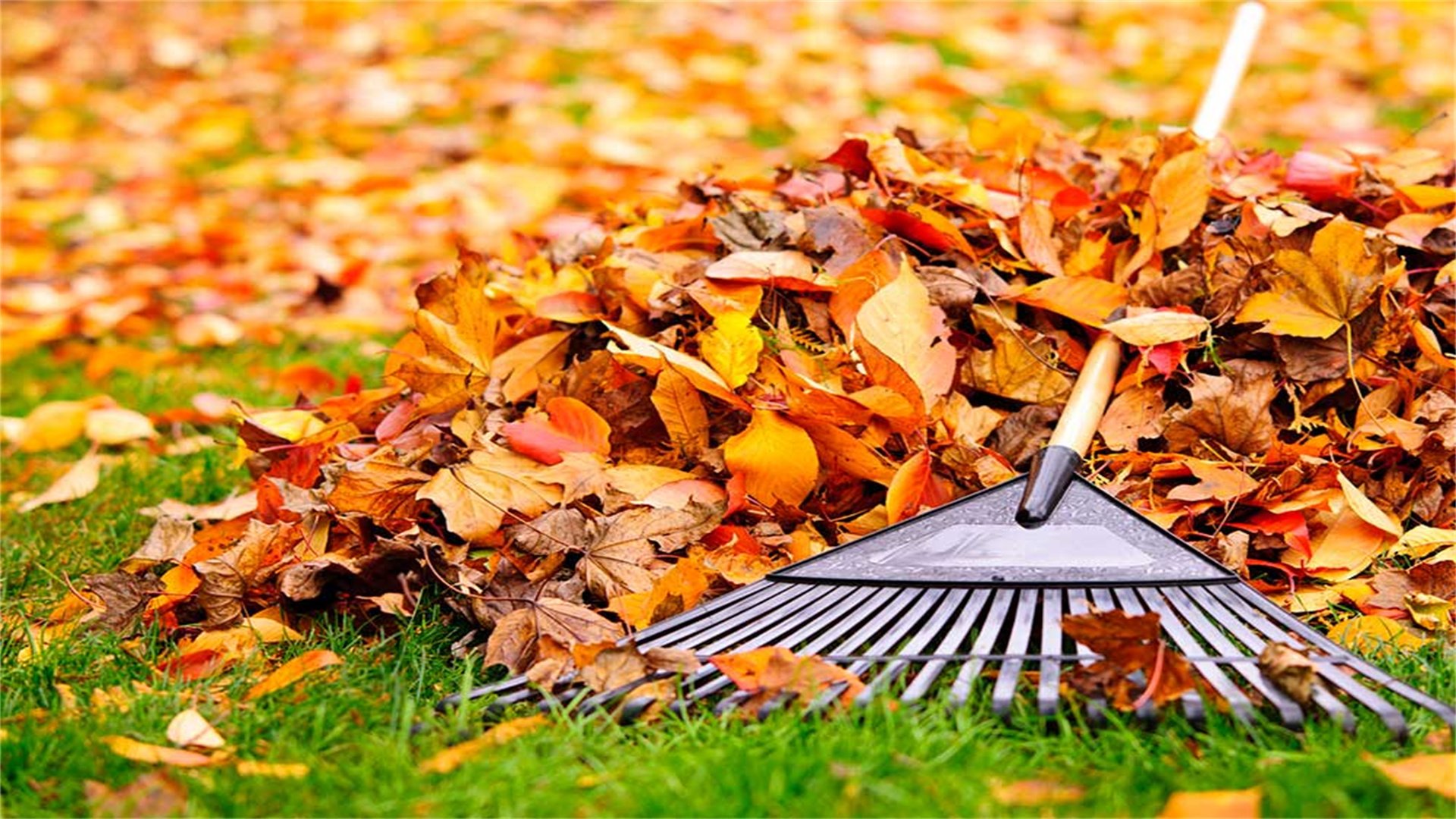
🍂 Secret 10: Adopt Seasonal Lawn Care Practices
Lawn care isn't static; it changes with the seasons. Experts recommend tailoring practices to seasonal needs for optimal results. In spring, focus on cleanup, aeration, and fertilization; in summer, emphasize watering and pest control; in fall, prioritize overseeding and soil amendments; and in winter, practice minimal disturbance. This secret ensures your lawn receives appropriate care throughout the year, preventing stress and promoting steady growth. By following a seasonal calendar, you can address issues proactively and enjoy a lawn that looks great in every season.
Advantages
- Maximizes growth potential by aligning care with natural cycles.
- Prevents problems like winter kill or summer drought damage.
- Distributes maintenance tasks evenly, avoiding overwhelming workloads.
- Enhances lawn recovery after stressful periods like extreme weather.
Disadvantages
- Requires planning and consistency, which can be time-consuming.
- Weather unpredictability may necessitate adjustments to the schedule.
- Some tasks, like fall overseeding, must be timed precisely for success.
How to Implement
- Spring (March-May): Rake to remove thatch and debris. Apply pre-emergent herbicide for weeds. Fertilize with slow-release nitrogen. Aerate if soil is compacted. Mow as growth resumes, gradually lowering height.
- Summer (June-August): Water deeply during early morning. Raise mower height to reduce heat stress. Monitor for pests and diseases, treating as needed. Avoid heavy fertilization to prevent burn.
- Fall (September-November): Aerate and overseed bare spots. Apply fertilizer to strengthen roots for winter. Rake leaves promptly to prevent smothering. Test soil and amend if necessary.
- Winter (December-February): Minimize foot traffic on frozen grass. Keep debris clear to avoid mold. Plan for next season by servicing equipment and ordering seeds.
- Adapt Locally: Adjust timing based on regional climate—for example, in warm climates, summer may be the primary growing season for warm-season grasses.
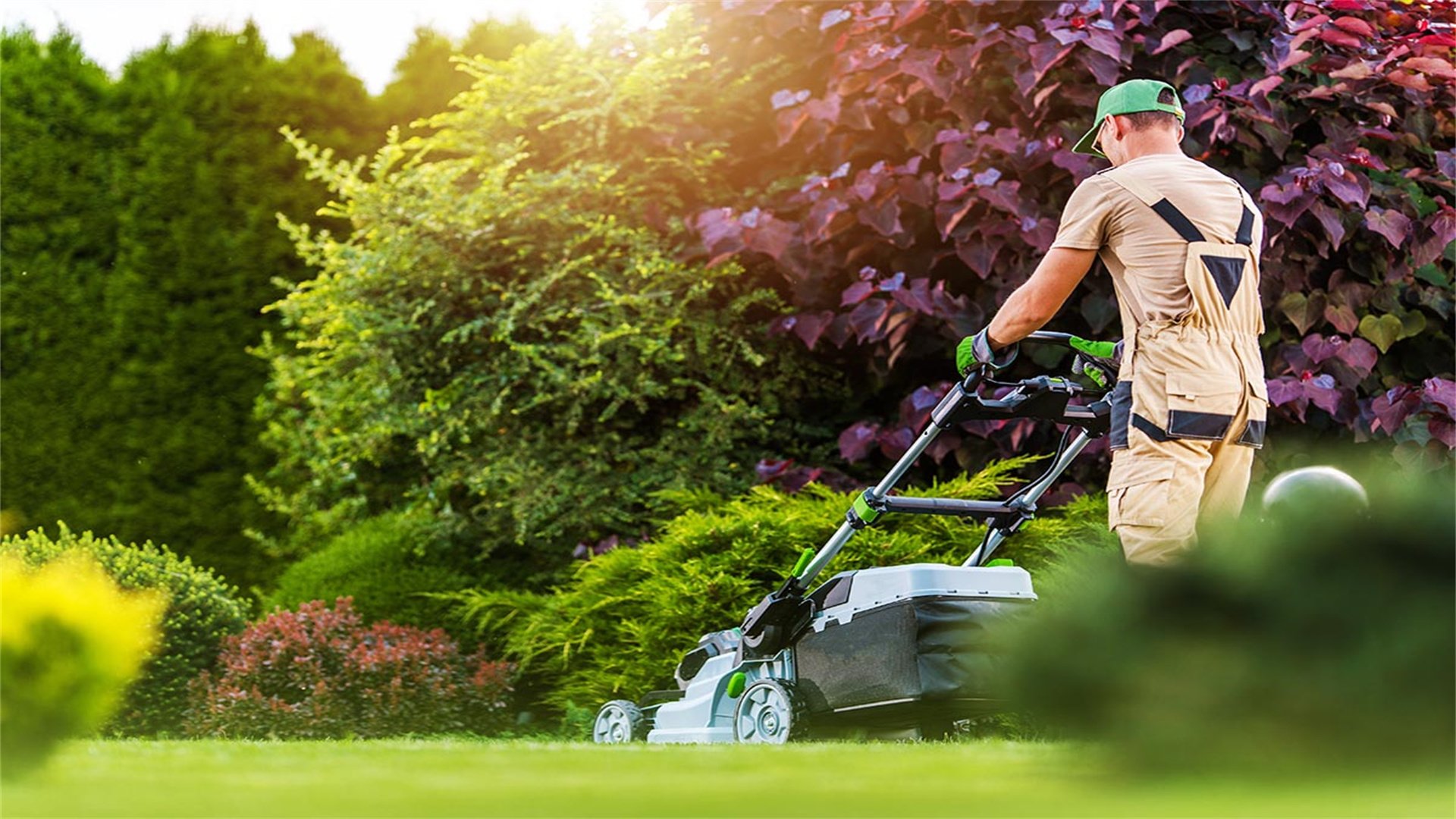
🛠️ Secret 11: Utilize Professional Tools and Technology
Modern tools and technology can elevate your lawn care from guesswork to precision. Experts advocate investing in quality equipment like sharp mowers, soil moisture sensors, and smart irrigation systems. These tools help optimize water usage, ensure even cuts, and provide data-driven insights. This secret involves selecting tools that match your lawn's size and needs, and using apps or devices to monitor conditions. By leveraging technology, you can save time, reduce waste, and achieve professional-level results without constant manual effort.
Advantages
- Improves efficiency and accuracy in lawn maintenance tasks.
- Reduces resource consumption through automated controls.
- Provides real-time data on soil moisture, weather, and growth patterns.
- Enhances lawn health by enabling timely interventions.
Disadvantages
- Initial costs can be high for advanced tools like robotic mowers.
- Requires learning to use technology effectively.
- May need maintenance or updates, adding to long-term expenses.
How to Implement
- Assess Your Needs: For small lawns, a reel mower may suffice; for large areas, consider riding mowers or robots. Identify pain points like uneven watering to guide tool selection.
- Invest in Core Tools: Buy a mower with sharp blades and adjustable height. Get a spreader for even fertilizer application. Consider a soil aerator for periodic use.
- Adopt Smart Technology: Install a smart irrigation controller that adjusts based on weather forecasts. Use soil sensors to monitor moisture and nutrient levels remotely.
- Use Lawn Care Apps: Download apps that provide reminders for tasks, pest alerts, or seasonal tips. Some apps allow you to track lawn progress with photos.
- Maintain Equipment: Clean and store tools properly after use. Sharpen blades regularly, and update software for smart devices. Rent specialized tools like dethatchers if needed occasionally.
Maintaining a healthy and neat lawn is an achievable goal when you apply these 11 expert secrets. From watering deeply to leveraging seasonal strategies, each secret builds upon the others to create a comprehensive care plan. Remember, lawn care is a marathon, not a sprint; consistency is key. By understanding your lawn's unique needs—whether it's soil type, grass variety, or local climate—you can tailor these secrets for optimal results. Start with one or two secrets, such as proper mowing or soil testing, and gradually incorporate more as you gain confidence. Over time, you'll notice a transformation: a lush, green turf that resists weeds, thrives under stress, and becomes the envy of the neighborhood. So, take action today, and enjoy the rewards of a beautiful lawn that enhances your home and well-being for years to come.
In summary, these expert secrets demystify lawn care, offering practical steps backed by science. By integrating them into your routine, you'll not only save money on repairs and chemicals but also contribute to a healthier environment. A well-maintained lawn is more than just aesthetics; it's a living ecosystem that supports biodiversity and improves air quality. So, embrace these secrets, stay patient, and watch your lawn flourish. Happy gardening!