Essential Tips for Preventing Dampness in Your Wooden Cabin
Dampness in a wooden cabin is a pervasive issue that can lead to structural damage, mold growth, and health problems. Wood is a hygroscopic material, meaning it absorbs moisture from the environment, making it susceptible to swelling, rotting, and decay. Preventing dampness is crucial for maintaining the longevity, safety, and comfort of your cabin. This comprehensive guide provides detailed, actionable tips based on expert advice from international sources, such as home improvement websites, forestry services, and construction manuals. Each tip is expanded with step-by-step instructions, scientific explanations, and practical examples to ensure clarity and effectiveness. By following these strategies, you can protect your wooden cabin from moisture-related issues and enjoy a dry, healthy living space for years to come.
🔍 Understand the Causes and Effects of Dampness
Causes of Dampness
- Condensation: Occurs when warm, moist air contacts cold surfaces, leading to water droplets.
- Rising Damp: Happens when groundwater seeps up through foundations.
- Penetrating Damp: Results from water ingress through walls or roofs.
- Leaks: From plumbing or roofing are also common culprits.
Effects of Dampness
- Wood Rot: Compromises structural integrity.
- Mold and Mildew Growth: Can cause respiratory issues.
- Insect Infestations: Like termites.
- Reduced Thermal Insulation: Leading to higher energy costs.
By identifying the root causes, you can tailor prevention methods effectively. For instance, in humid climates, condensation might be the primary concern, while in rainy areas, penetrating damp may dominate. Regularly monitor your cabin for signs such as musty odors, discoloration on walls, or soft spots in wood, and address them promptly to avoid escalation.
💨 Ensure Proper Ventilation Throughout the Cabin
Natural Ventilation Methods
- Install vents in key areas like the attic, crawl spaces, and basement.
- Use ridge vents along the roof peak and soffit vents under eaves for passive airflow.
- Open windows on opposite sides for cross-ventilation to encourage air movement.
Mechanical Ventilation Systems
- In bathrooms and kitchens, use exhaust fans rated for at least 100 CFM (cubic feet per minute).
- Run fans during and after activities like showering or cooking.
- For enclosed spaces, such as closets, use louvered doors or small fans to prevent stagnation.
Advanced Ventilation Solutions
- In colder climates, use heat recovery ventilators (HRVs) or energy recovery ventilators (ERVs) to exchange air while retaining warmth.
- Regularly clean vents and fans to maintain efficiency.
- Inspect systems annually for blockages or damage.
A well-ventilated cabin can reduce indoor humidity levels by up to 30%, significantly lowering dampness risks.
💧 Control Indoor Humidity Levels with Precision
Monitoring Humidity
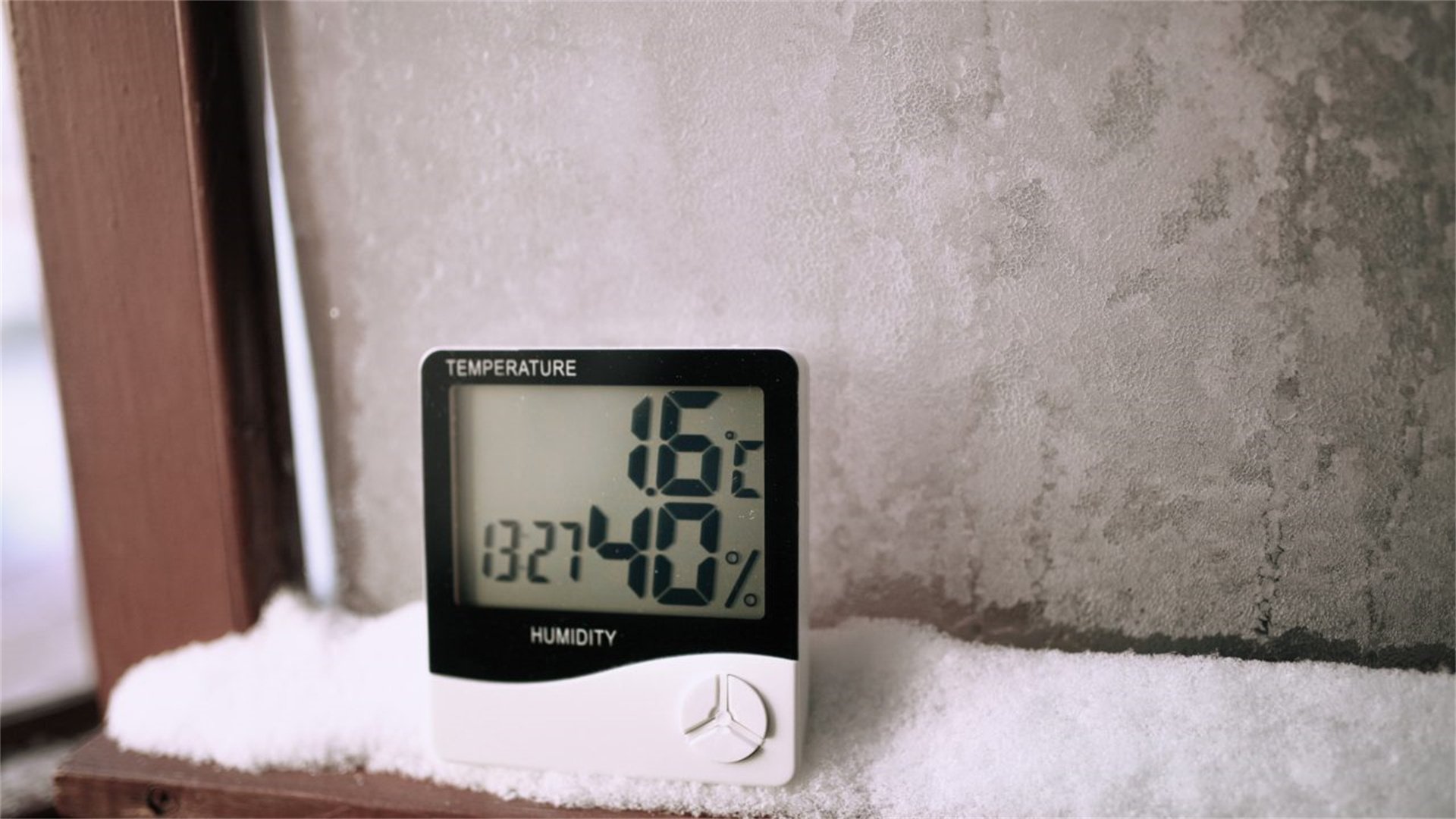
- Use hygrometers to monitor humidity in different rooms, placing them away from direct moisture sources.
- Maintain indoor humidity between 30% and 50% to prevent mold growth.
Reducing Humidity
- Employ dehumidifiers in damp-prone areas like basements; choose a capacity suited to your cabin's size (e.g., 50-pint unit for spaces up to 2,000 square feet).
- Integrate habits like drying clothes outside, using lids on pots while cooking, and taking shorter showers.
- In winter, avoid over-humidifying from heating systems; use a humidifier with a built-in hygrostat.
Long-Term Control Systems
- Consider installing a whole-house dehumidification system integrated with your HVAC system.
- Program systems based on outdoor weather conditions, especially in humid regions.
By keeping humidity in check, you not only prevent dampness but also improve air quality and comfort.
🛡️ Waterproof and Seal All Wooden Surfaces and Joints
Exterior Waterproofing
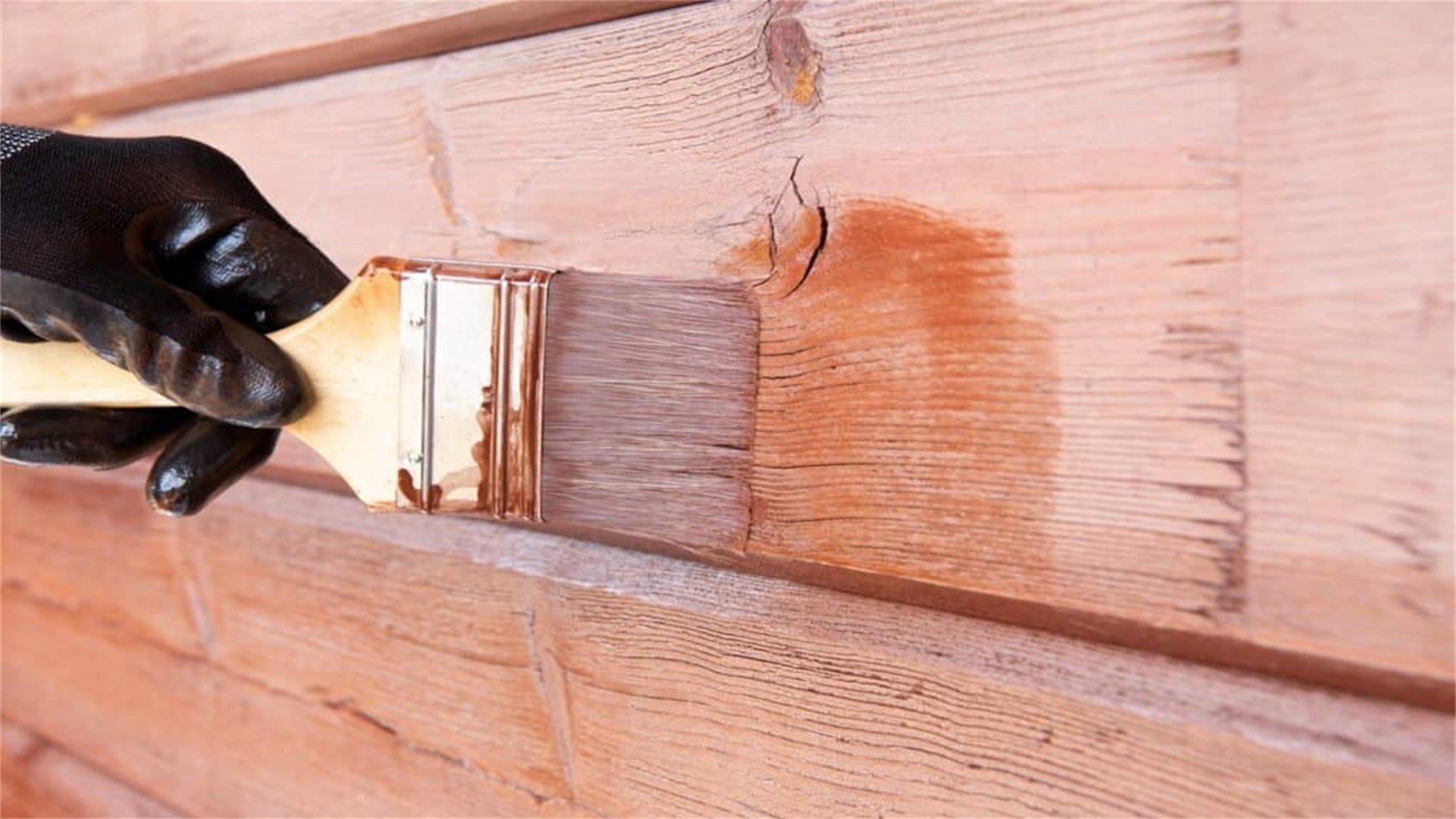
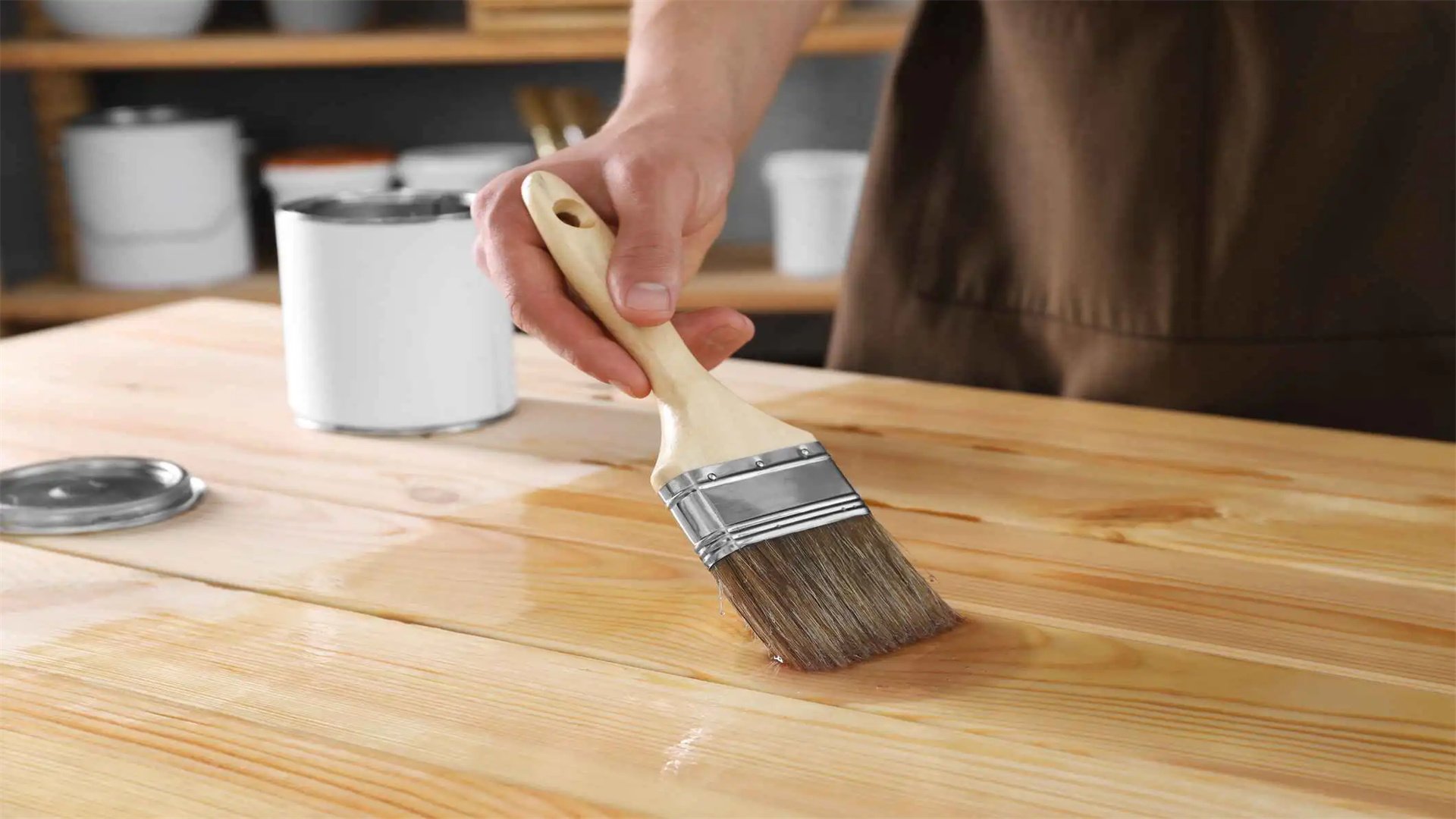
- Apply high-quality sealants like acrylic-based or oil-based products to exterior wood surfaces (siding, decks, window frames).
- Clean surfaces thoroughly and allow them to dry before application; apply two coats and reapply every 2-3 years.
- Seal joints, cracks, and seams with silicone or polyurethane caulking around windows, doors, and foundations.
Interior Sealing
- Seal wooden floors and walls with moisture-resistant finishes like polyurethane varnish or epoxy coatings.
- Use waterproof membranes behind walls or under floors during construction to act as vapor barriers.
Special Considerations
- In flood-prone areas, elevate the structure and use pressure-treated wood that resists rot and insects.
- Regularly inspect seals and reapplications to ensure integrity over time.
🌧️ Implement Proper Drainage and Gutter Maintenance
Land Grading and Drainage
- Grade the land around your cabin to slope away from the building at a minimum gradient of 6 inches over 10 feet.
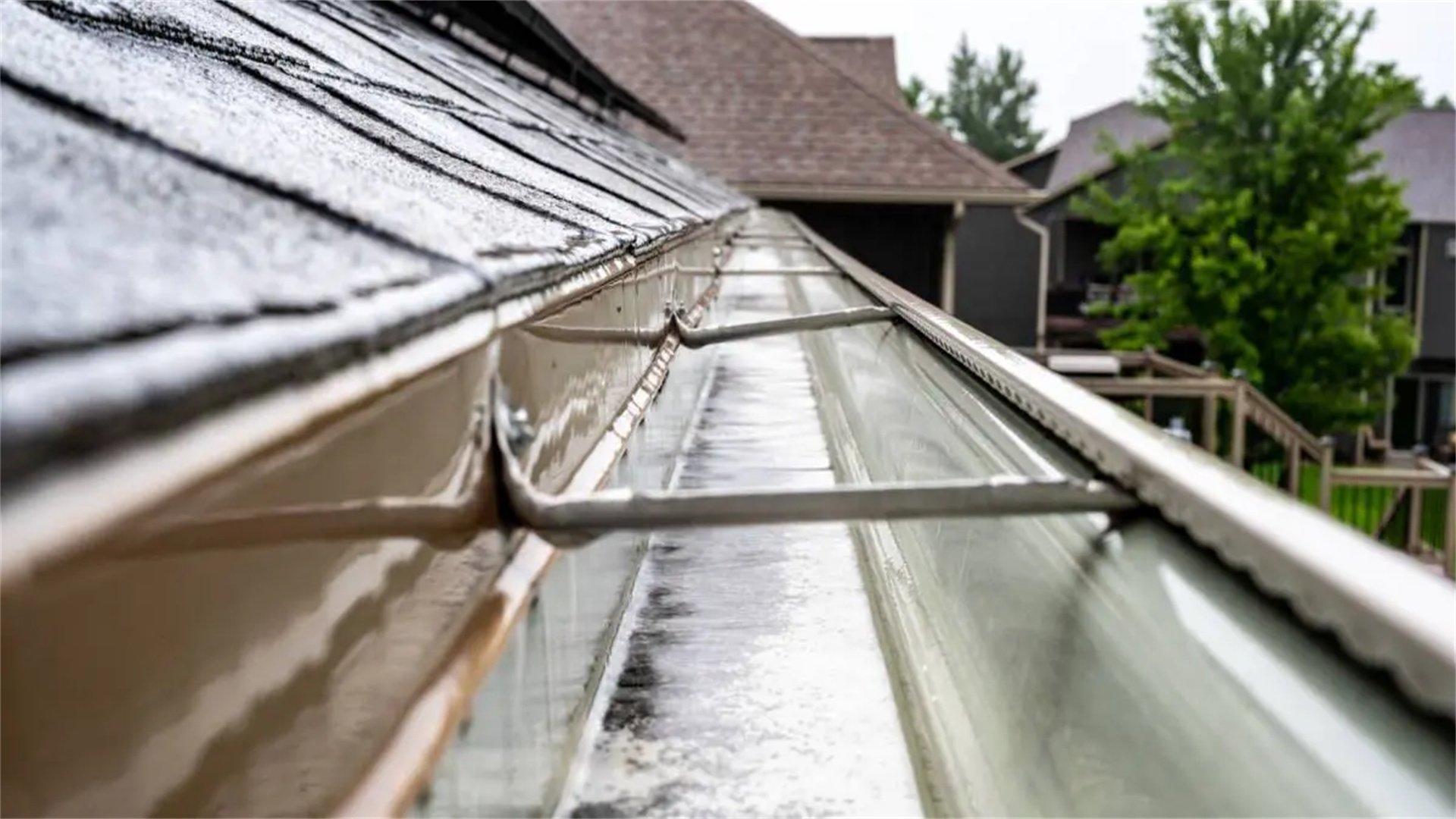
- Install gutters and downspouts; ensure gutters are at least 5 inches wide and downspouts extend 5 feet from the foundation.
- Use gutter guards to prevent clogs from leaves and debris.
Maintenance Routines
- Clean gutters twice a year—in spring and fall—or more frequently if surrounded by trees.
- Add splash blocks or drainage pipes at downspout ends to divert water.
- For heavy rainfall areas, incorporate French drains or dry wells to manage subsurface water.
Inspection and Repair
- Regularly inspect drainage systems after storms for blockages or damage.
- Repair any cracks in gutters promptly and ensure irrigation systems don't spray water onto wooden surfaces.
Effective drainage reduces moisture exposure by up to 50%, safeguarding your cabin's foundation and walls.
⚙️ Utilize Dehumidifiers and Moisture Absorbers Strategically

For Large Spaces
- Use electric dehumidifiers with features like automatic shut-off, humidistats, and continuous drainage.
- Size the dehumidifier based on square footage and humidity level (e.g., 70-pint unit for very damp areas up to 2,500 square feet).
- Place it centrally, away from walls, and run it consistently during humid seasons.
For Small or Enclosed Spaces
- Use moisture absorbers like silica gel packs, calcium chloride-based products, or desiccant bags in closets or cabinets.
- Replace absorbers every few months; consider natural options like charcoal briquettes or rock salt.
Smart Integration
- Integrate smart dehumidifiers that connect to Wi-Fi for remote monitoring and control via smartphone apps.
- Empty water reservoirs regularly to prevent overflow and mold growth within the unit.
🔧 Conduct Regular Inspection and Maintenance Routines
Quarterly Inspection Checklist
- Check the roof for missing shingles, cracks in flashing, and attic leaks.
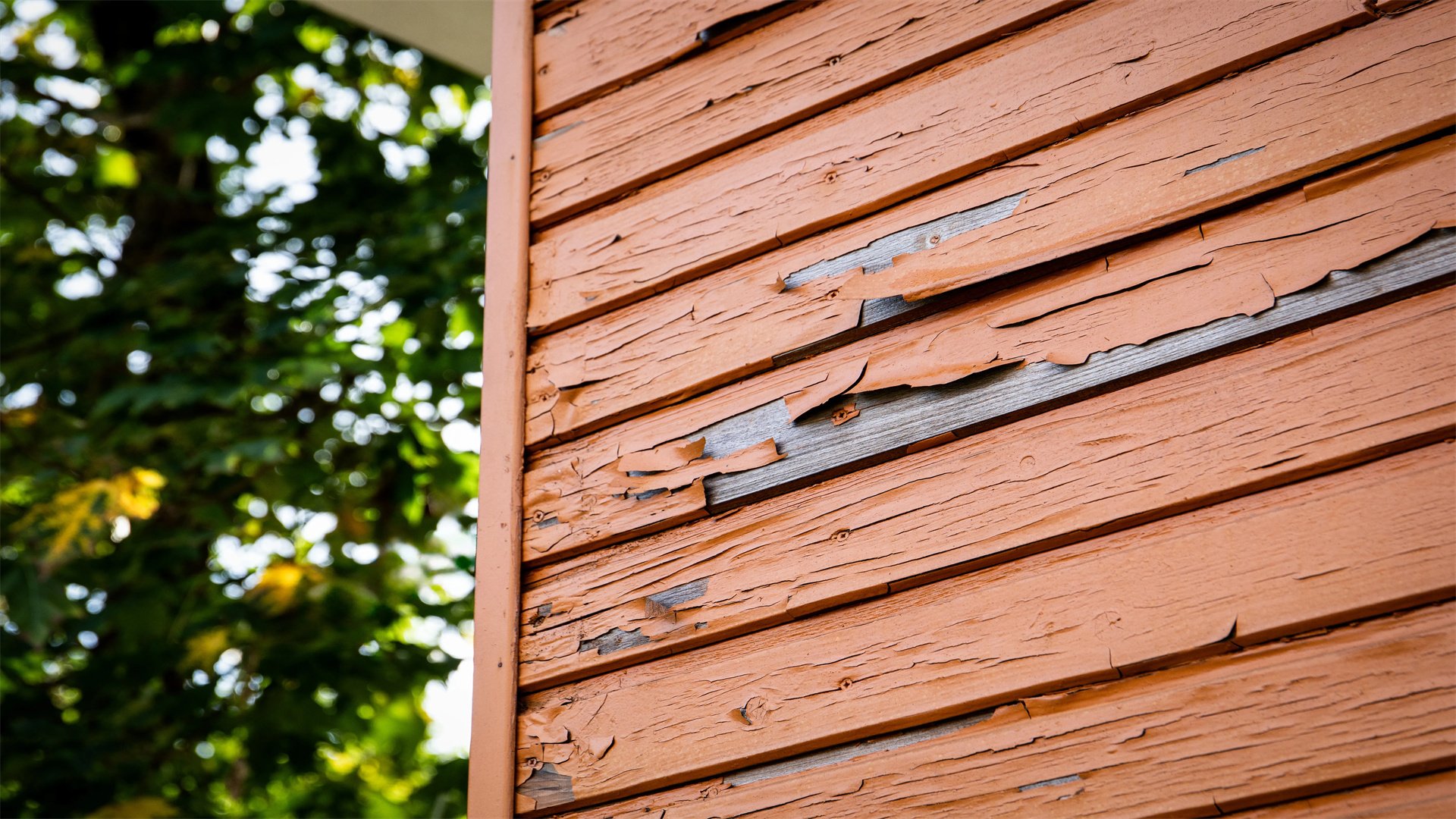
- Examine walls for stains, peeling paint, or soft spots indicating moisture penetration.
- Inspect plumbing fixtures, pipes, and appliances for leaks; test sump pumps if installed.
- Pay attention to windows and doors for condensation or drafts signaling seal failures.
Measurement and Documentation
- Use a moisture meter to measure wood moisture content; ideal levels are below 15%, while above 20% indicates risk.
- Document findings and address problems immediately, such as replacing caulking or applying fungicides.
- Keep a maintenance log to track trends and ensure nothing is overlooked.
Seasonal Maintenance
- In spring, clear winter debris and check for ice dam damage.
- In fall, prepare for rain by cleaning gutters and sealing gaps.
By dedicating a few hours each season, you can extend your cabin's lifespan and avoid costly dampness-related repairs.
🏗️ Choose the Right Materials and Construction Techniques
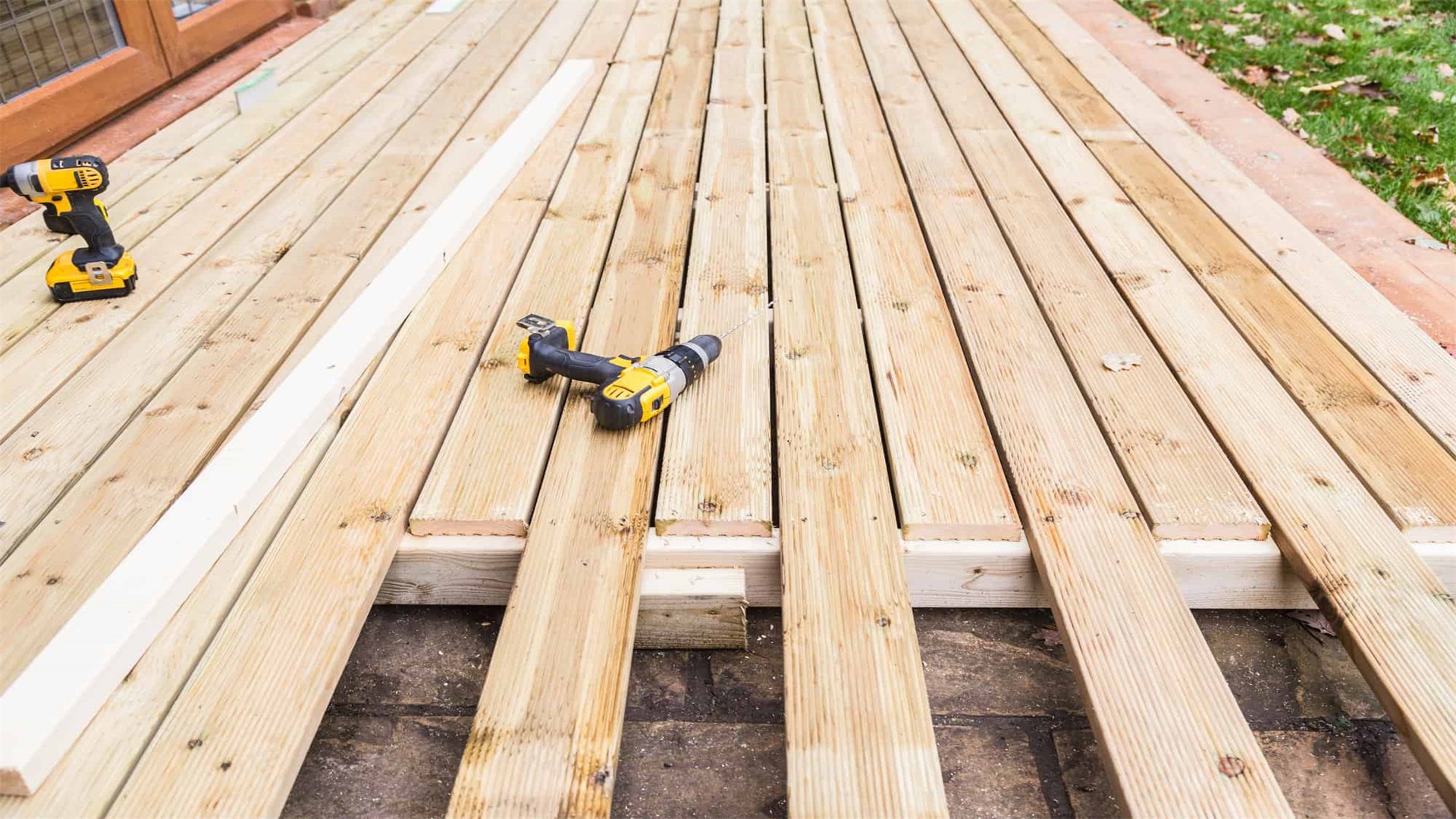
Material Selection
- Opt for treated wood like cedar, redwood, or pressure-treated pine that resist moisture and insects.
- For sheathing and subflooring, use plywood with waterproof glue or oriented strand board (OSB) with water-resistant coatings.
- In wet areas, consider alternatives like tile or vinyl flooring instead of solid wood.
Construction Best Practices
- Ensure proper flashing around windows, doors, and roofs to direct water away from wood.
- Use vapor barriers, such as polyethylene sheets, between insulation and interior walls.
- Insulate thoroughly with materials like spray foam or rigid foam boards that resist moisture absorption.
Design Considerations
- Design overhangs and eaves to protect walls from rain; elevate the cabin on piers or a foundation to minimize ground contact.
- If retrofitting, add rain screens—a gap between siding and sheathing for airflow and drainage.
By investing in quality materials and techniques upfront, you reduce the need for frequent interventions and enhance overall durability.
🌿 Manage Landscaping and External Factors
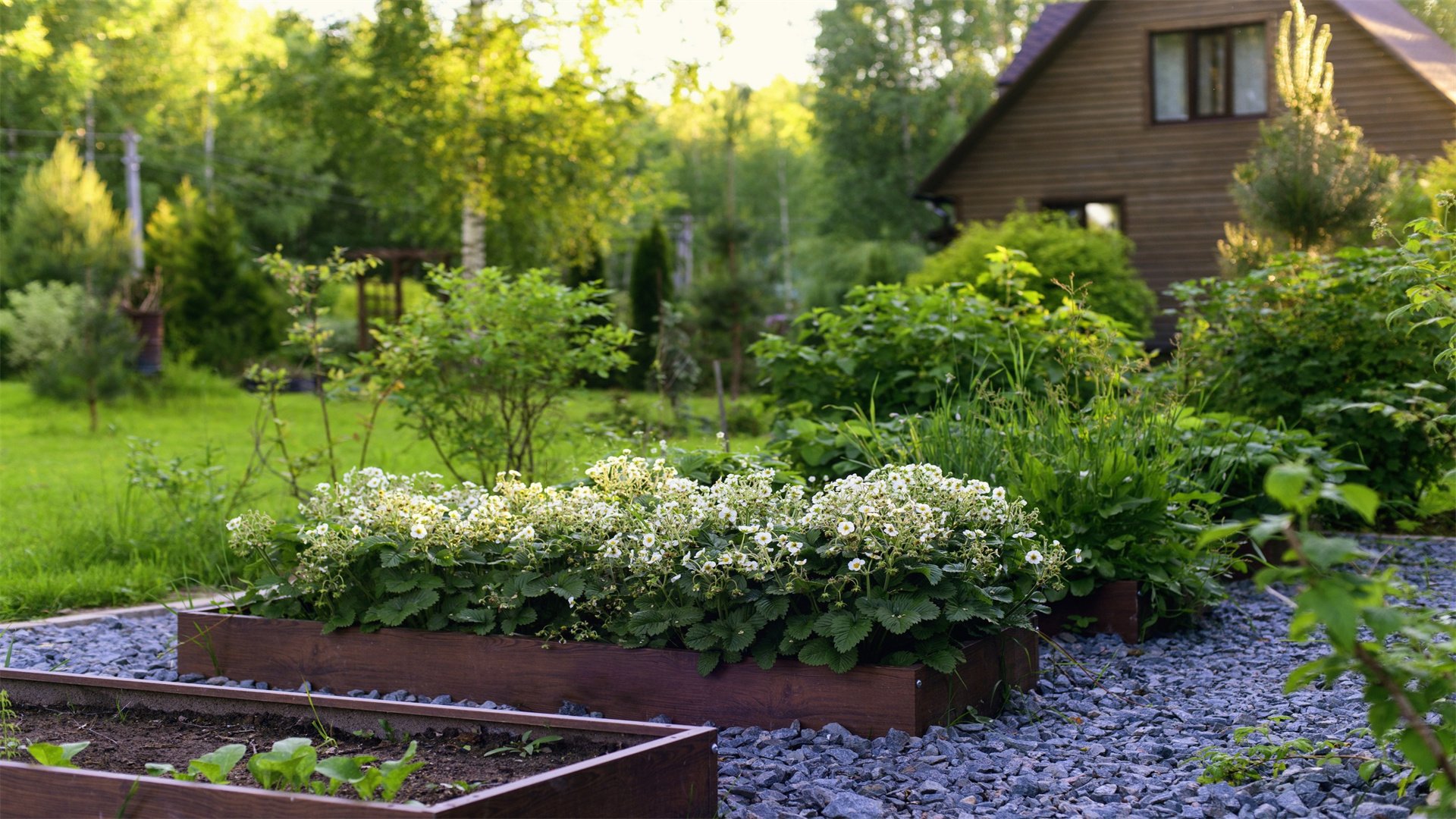
Planting and Landscaping
- Plant trees and shrubs at least 10 feet away from the structure to prevent root damage and allow airflow.
- Choose plants with low water requirements near the cabin to minimize irrigation needs.
- Avoid using mulch directly against wooden walls; use gravel or stones for a dry barrier.
Water Management
- Ensure soil grading slopes away from the cabin; consider installing swales or berms to divert surface water.
- Manage rainwater harvesting systems carefully; cover barrels and place them on elevated stands.
- In snowy climates, use snow fences to prevent drifts and remove snow buildup promptly.
External Humidity Control
- Cover hot tubs or pools when not in use; position outdoor kitchens or fire pits away from the cabin.
- Regularly trim overhanging branches to reduce debris and shade that promote dampness.
🔥 Employ Heating and Insulation Strategies
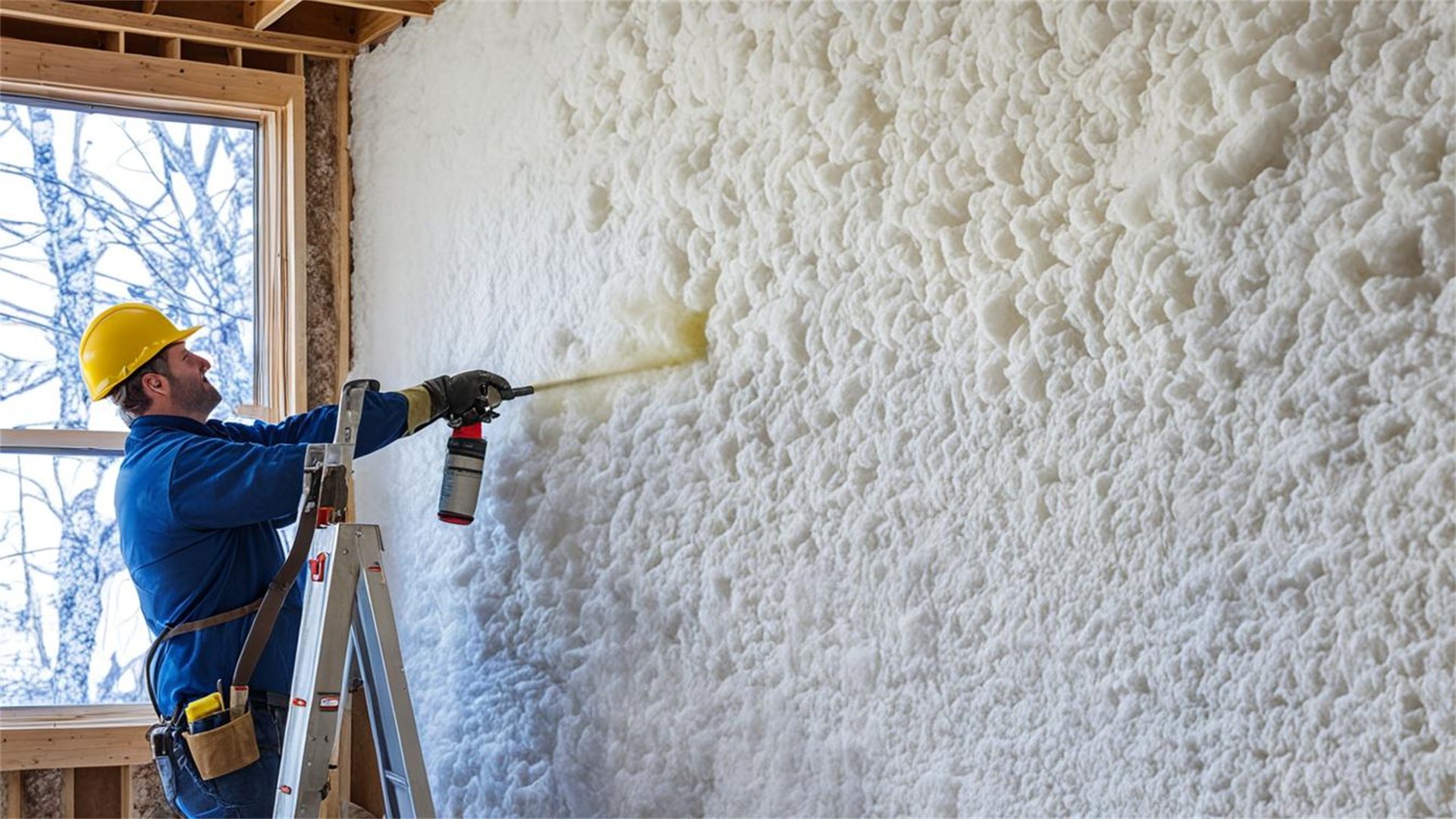
Insulation Techniques
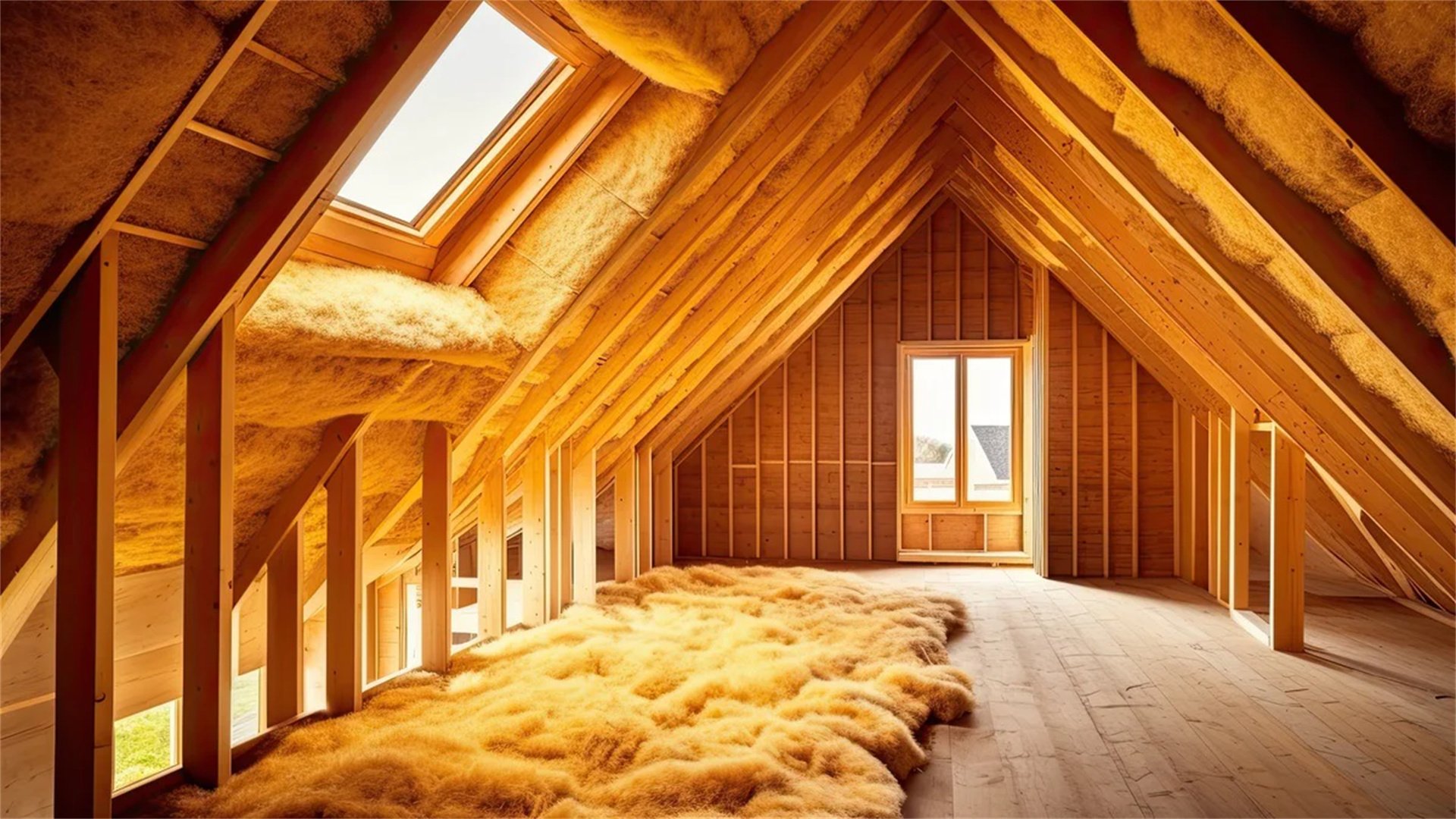
- Insulate walls, floors, and attics with high R-value materials like closed-cell spray foam or mineral wool.
- Ensure insulation is installed continuously without gaps; use vapor barriers on the warm side of walls.
Heating Systems
- Maintain a consistent temperature, especially in unoccupied periods, using programmable thermostats to keep above 60°F (15°C).
- Use radiant heating systems, like underfloor heating, to warm surfaces directly and reduce air humidity.
- Employ space heaters in damp-prone areas during cold months, but ensure they are safe and ventilated.
Energy Efficiency
- Monitor energy usage to balance heating with ventilation; consider renewable options like solar heaters or heat pumps.
- Regularly service heating systems to ensure efficiency and safety.
By combining insulation and heating, you can maintain a dry, comfortable interior year-round.
🚨 Take Emergency Measures for Existing Dampness
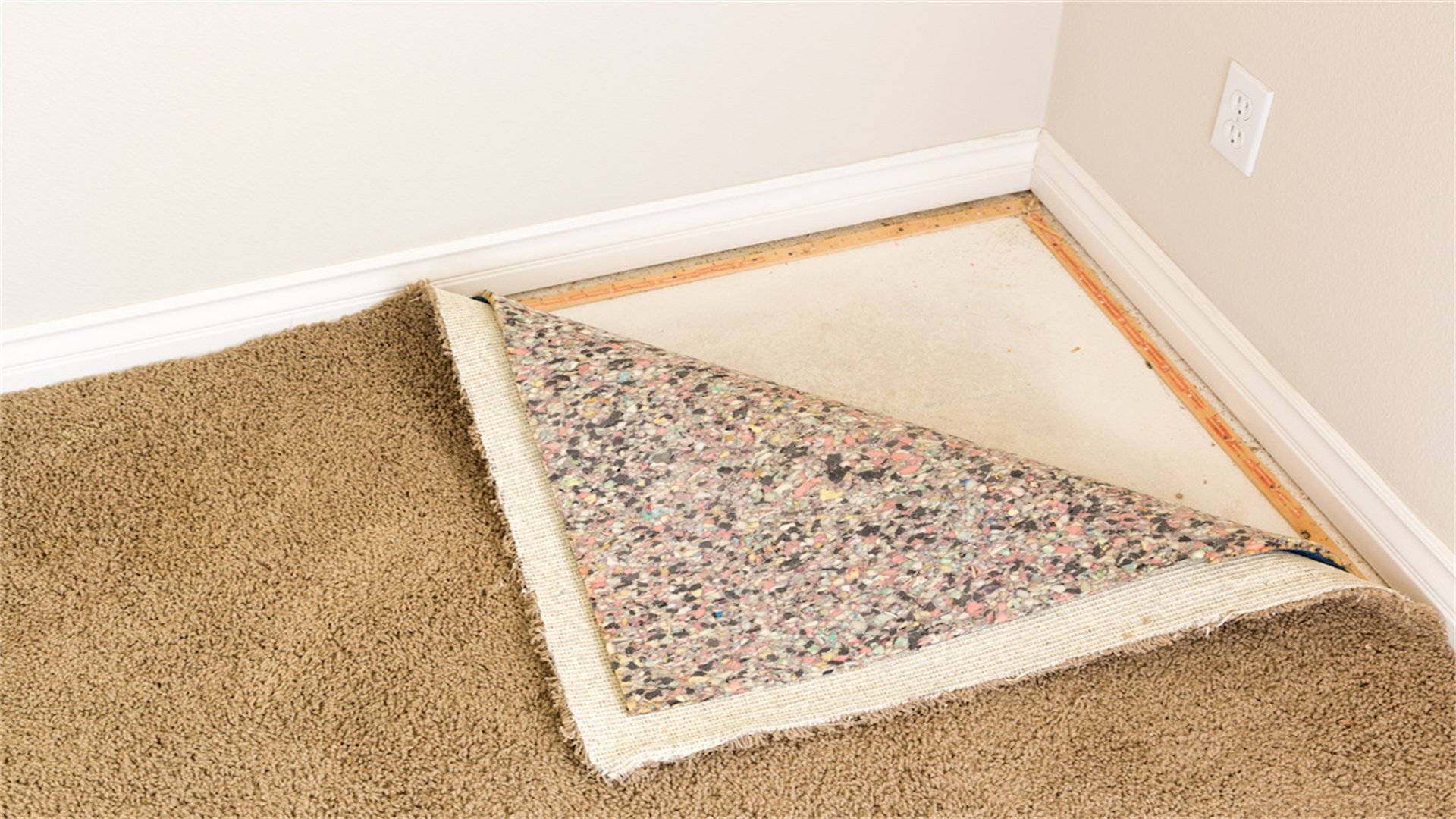
Immediate Actions
- Identify the source—whether it's a leak, condensation, or rising damp—and stop it if possible (e.g., turn off water or patch a hole).
- Remove any wet materials, like carpets or insulation, to allow drying and prevent mold growth.
- Use industrial fans, dehumidifiers, and open windows to accelerate drying; rent professional equipment for severe cases.
Mold Remediation
- For mold, wear protective gear and clean affected areas with a bleach solution (1 part bleach to 10 parts water) or commercial mold removers.
- If mold covers more than 10 square feet, consult a professional due to health risks.
- Treat wooden surfaces with fungicides or borate solutions to kill spores and prevent regrowth.
Structural Repair and Prevention
- For structural damage, such as rotted beams, replace the wood with treated lumber and ensure proper sealing afterward.
- Address lingering odors with activated charcoal or ozone generators.
- Document the incident for insurance claims and adjust prevention strategies based on lessons learned.
Emergency measures are stopgaps; after stabilization, implement the tips above to avoid recurrence. Regular monitoring post-remediation is crucial.
Conclusion
Preventing dampness in your wooden cabin requires a multifaceted approach that combines understanding, proactive measures, and consistent maintenance. By implementing these essential tips—from ensuring ventilation and controlling humidity to waterproofing and regular inspections—you can protect your investment and enjoy a healthy, durable living space. Remember that dampness prevention is an ongoing process; adapt strategies based on climate, cabin usage, and seasonal changes. Start with a thorough assessment of your cabin's current condition, prioritize high-impact areas like drainage and sealing, and gradually incorporate additional methods. Share these practices with family or cabin guests to foster collective responsibility. With dedication and attention to detail, you can effectively combat dampness and preserve the charm and integrity of your wooden cabin for generations to come. For further guidance, consult local experts or reputable online resources tailored to your region's specific challenges.