8 Essential Gardening Tools to Simplify Your Daily Garden Tasks
Gardening is a rewarding hobby that brings beauty, tranquility, and even fresh produce to your life. However, it can quickly become overwhelming without the right equipment. Just as a chef relies on quality knives, a gardener needs essential tools to efficiently manage daily tasks. In this article, we’ll explore eight must-have gardening tools that will streamline your workflow, save time, and enhance your gardening experience. From soil preparation to plant maintenance, these tools are designed to simplify your routine, whether you're a novice or a seasoned green thumb. By investing in these essentials, you’ll transform your garden into a thriving oasis with minimal effort.
We’ve structured this guide to provide a comprehensive overview of each tool. For every tool, we’ll discuss its purpose, key advantages and disadvantages, and practical steps on how to use it effectively. This total-summary approach ensures you gain a balanced understanding, helping you make informed decisions for your gardening toolkit. Let’s dive into the details and discover how these tools can revolutionize your daily garden tasks.
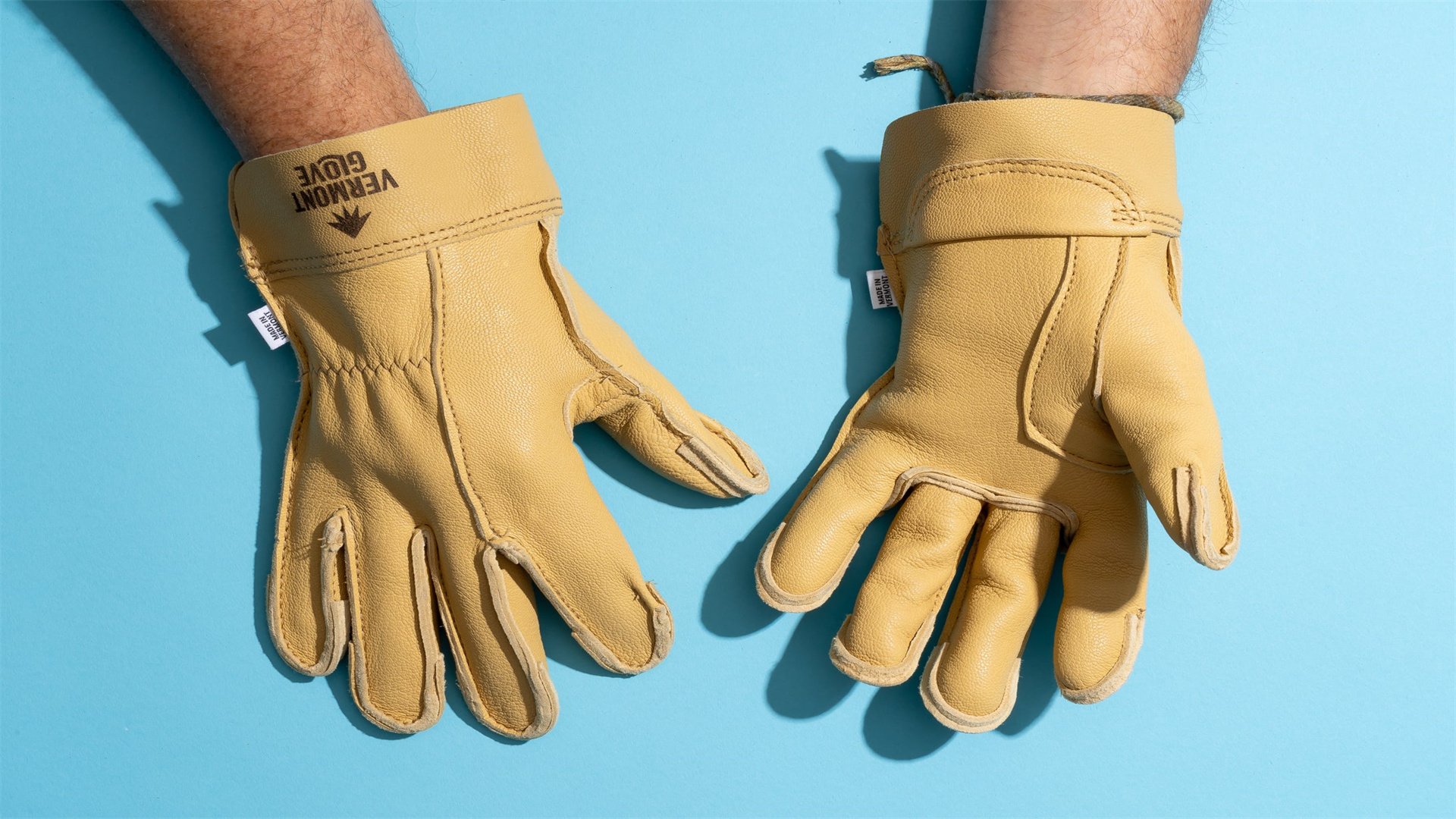
🧤 Gardening Gloves
Gardening gloves are a fundamental tool that protects your hands from dirt, thorns, and chemicals. They serve as a barrier against blisters, cuts, and allergens, making them indispensable for any gardener.
Advantages
- Protection: Shields hands from sharp objects, insects, and harmful substances like pesticides.
- Comfort: Provides grip and reduces strain during prolonged use, especially when handling tools.
- Hygiene: Keeps hands clean, preventing soil-borne diseases and minimizing mess.
Disadvantages
- Reduced Dexterity: Thick gloves can limit fine motor skills, making tasks like seed planting tricky.
- Durability Issues: Cheap gloves may tear easily, requiring frequent replacements.
- Heat Retention: Some materials can cause hands to sweat in warm weather, leading to discomfort.
How to Use Gardening Gloves Effectively
- Choose the Right Material: Select gloves based on your tasks—e.g., leather for heavy-duty work, nitrile for wet conditions.
- Ensure Proper Fit: Try on gloves to avoid slippage or tightness, which can hinder movement.
- Maintain Regularly: Wash fabric gloves after use and inspect for wear to ensure longevity.
- Store Properly: Keep gloves in a dry, cool place to prevent mold and deterioration.
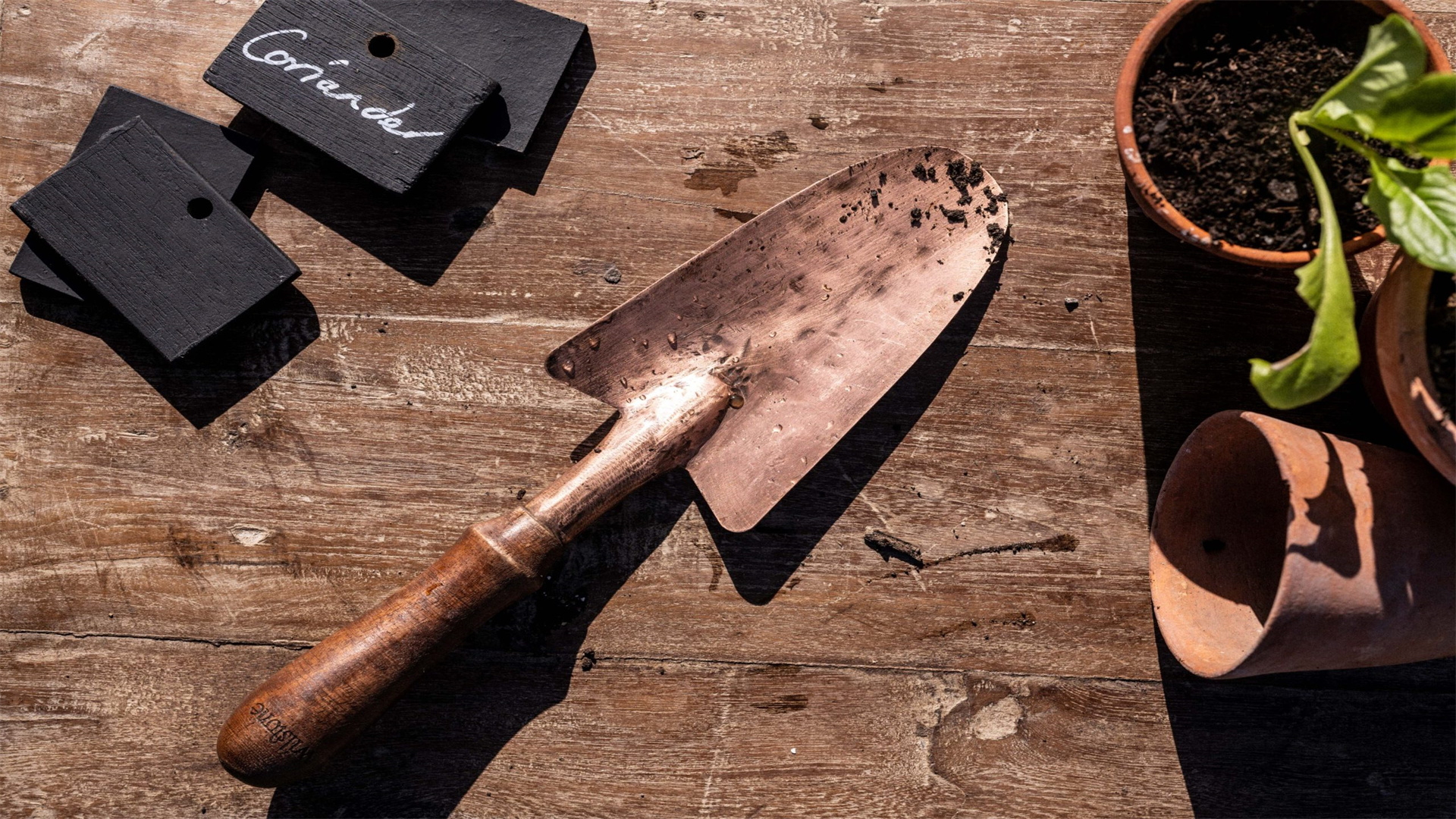
🛠️ Hand Trowel
A hand trowel is a small, handheld shovel essential for planting, transplanting, and weeding. Its compact design allows for precise soil manipulation in tight spaces.
Advantages
- Versatility: Ideal for digging small holes, mixing soil, and removing weeds without disturbing nearby plants.
- Portability: Lightweight and easy to carry, making it perfect for container gardening or raised beds.
- Durability: High-quality trowels with stainless steel blades resist rust and last for years.
Disadvantages
- Limited Reach: Not suitable for deep digging or large-scale projects, requiring additional tools.
- Strain on Wrists: Prolonged use can cause fatigue, especially in rocky or compacted soil.
- Blade Damage: Prone to bending or breaking if misused on hard surfaces like concrete.
How to Use a Hand Trowel Effectively
- Select the Right Blade: Opt for a narrow blade for precise weeding or a wide blade for moving soil.
- Use Proper Technique: Hold the trowel like a dagger, push it into the soil at an angle, and leverage it to lift material.
- Clean After Use: Remove soil and debris to prevent corrosion, and sharpen the blade periodically.
- Combine with Other Tools: Pair with a garden fork for aerating soil or a cultivator for breaking clumps.
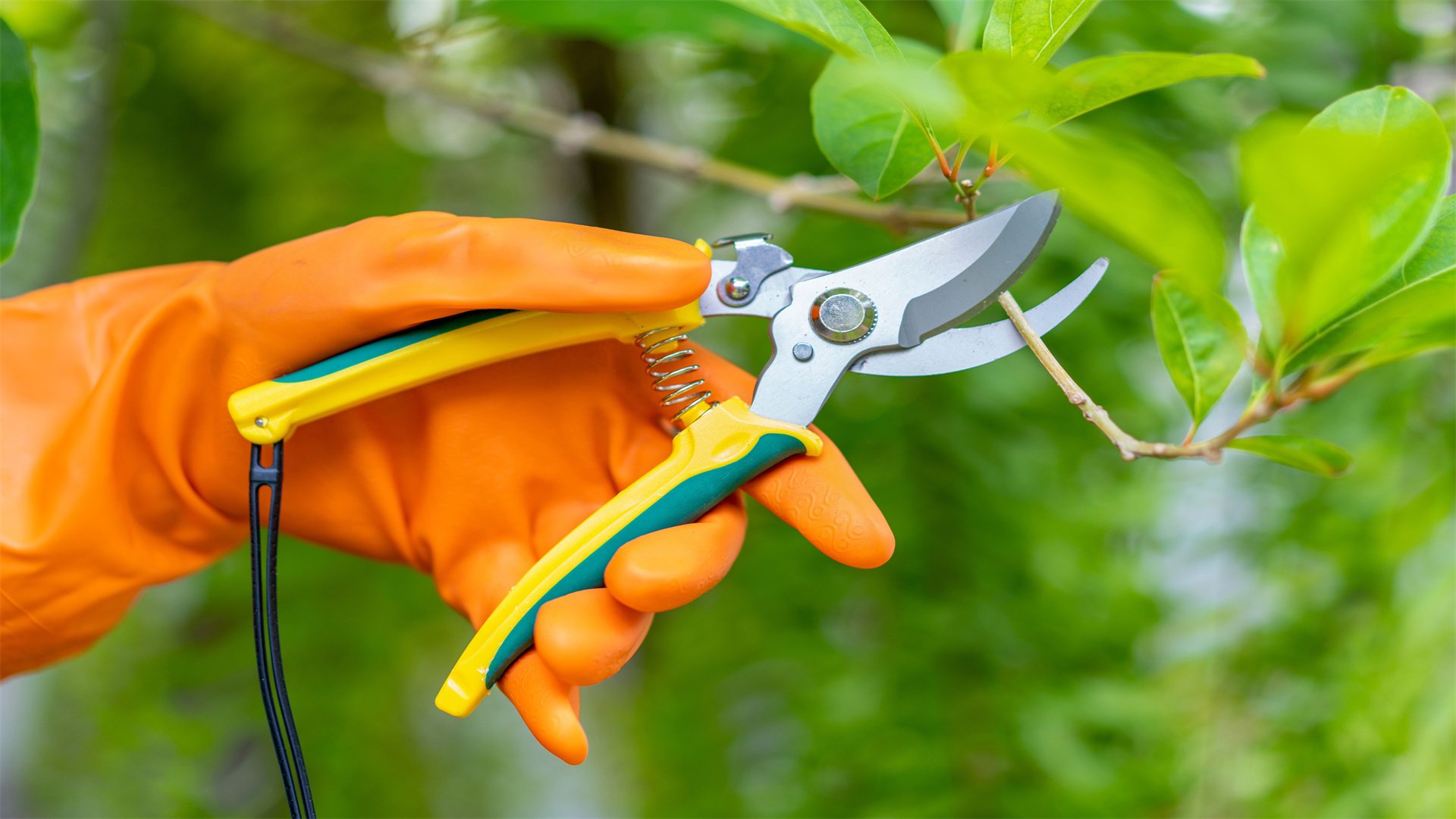
✂️ Pruning Shears
Pruning shears, also known as secateurs, are used for trimming plants, cutting stems, and shaping shrubs. They ensure clean cuts that promote plant health and growth.
Advantages
- Precision Cutting: Allows accurate snips on branches up to ¾ inch thick, preventing damage to plants.
- Efficiency: Speeds up pruning tasks compared to scissors or knives, reducing gardener fatigue.
- Plant Health: Sharp blades minimize tearing, which helps plants heal faster and resist diseases.
Disadvantages
- Cost: High-quality shears can be expensive, but they are a long-term investment.
- Maintenance Needs: Require regular cleaning and sharpening to maintain performance.
- Safety Risks: Improper use can lead to cuts or strain, especially with stiff mechanisms.
How to Use Pruning Shears Effectively
- Choose the Type: Select bypass shears for live plants (clean cuts) or anvil shears for dead wood (crushing cuts).
- Inspected Before Use: Check for rust or dullness, and lubricate joints if needed.
- Cut at the Right Angle: Position blades at a 45-degree angle just above a bud or branch collar to encourage growth.
- Clean After Each Use: Wipe blades with disinfectant to prevent disease spread between plants.
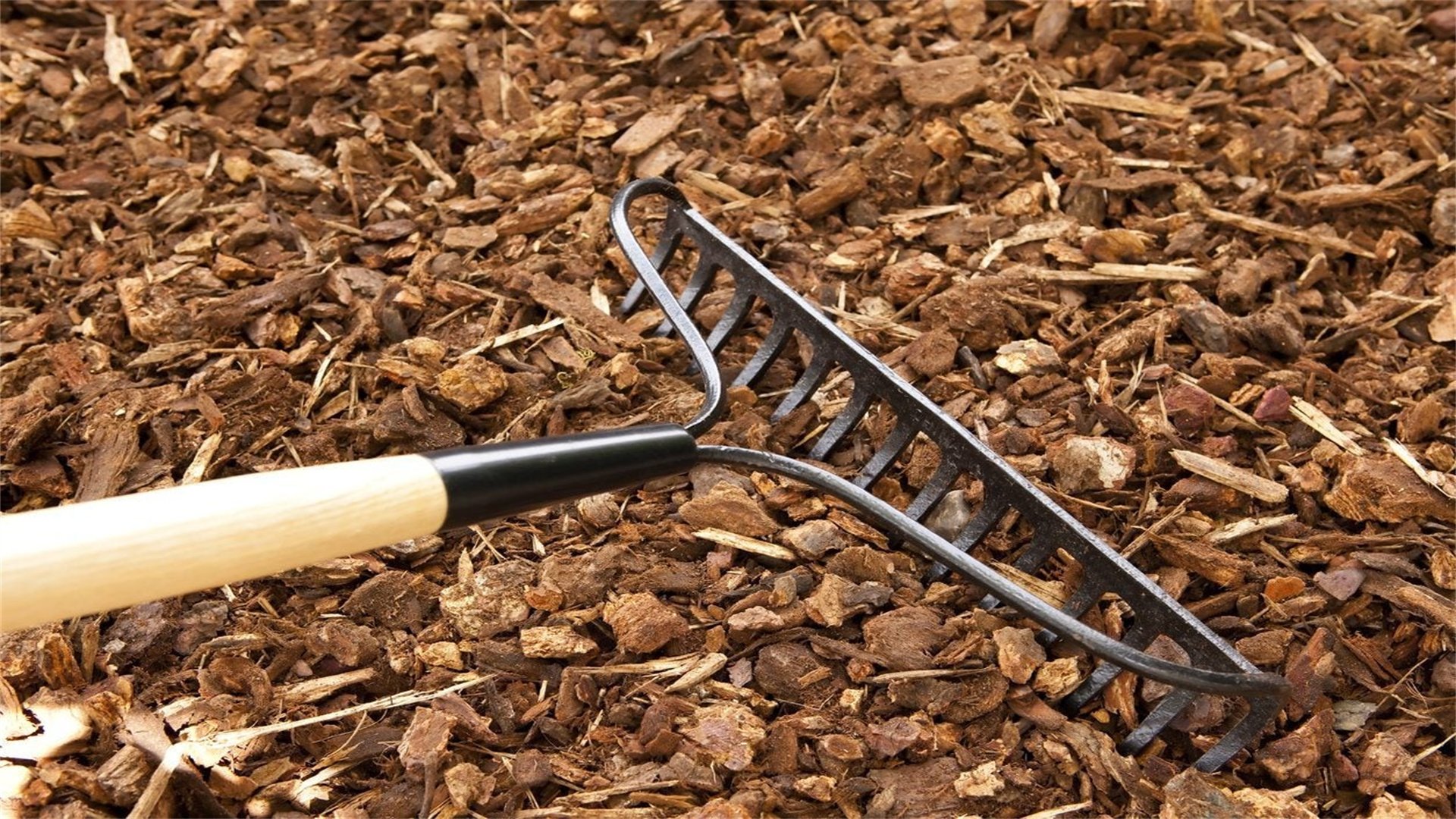
🍂 Garden Rake
A garden rake is designed for leveling soil, removing debris, and preparing seedbeds. Its sturdy tines make it invaluable for lawn and garden maintenance.
Advantages
- Soil Preparation: Breaks up clumps and smooths surfaces, creating ideal conditions for planting.
- Debris Collection: Efficiently gathers leaves, stones, and weeds, keeping the garden tidy.
- Versatility: Available in various styles (e.g., bow rakes for soil, leaf rakes for lightweight material).
Disadvantages
- Physical Effort: Can be tiring to use over large areas, particularly with heavy soil.
- Storage Space: Long handles require ample storage, which might be challenging in small sheds.
- Potential Damage: Aggressive raking can harm tender plants or grassroots if not done carefully.
How to Use a Garden Rake Effectively
- Select the Appropriate Rake: Use a bow rake with rigid tines for soil work, and a flexible leaf rake for cleanup.
- Use Proper Stance: Stand with feet shoulder-width apart, pull the rake toward you in smooth strokes.
- Overlap Strokes: Ensure even coverage by overlapping each pass, especially when leveling soil.
- Maintain the Tool: Clean tines after use to prevent rust, and store in a dry place to avoid handle warping.
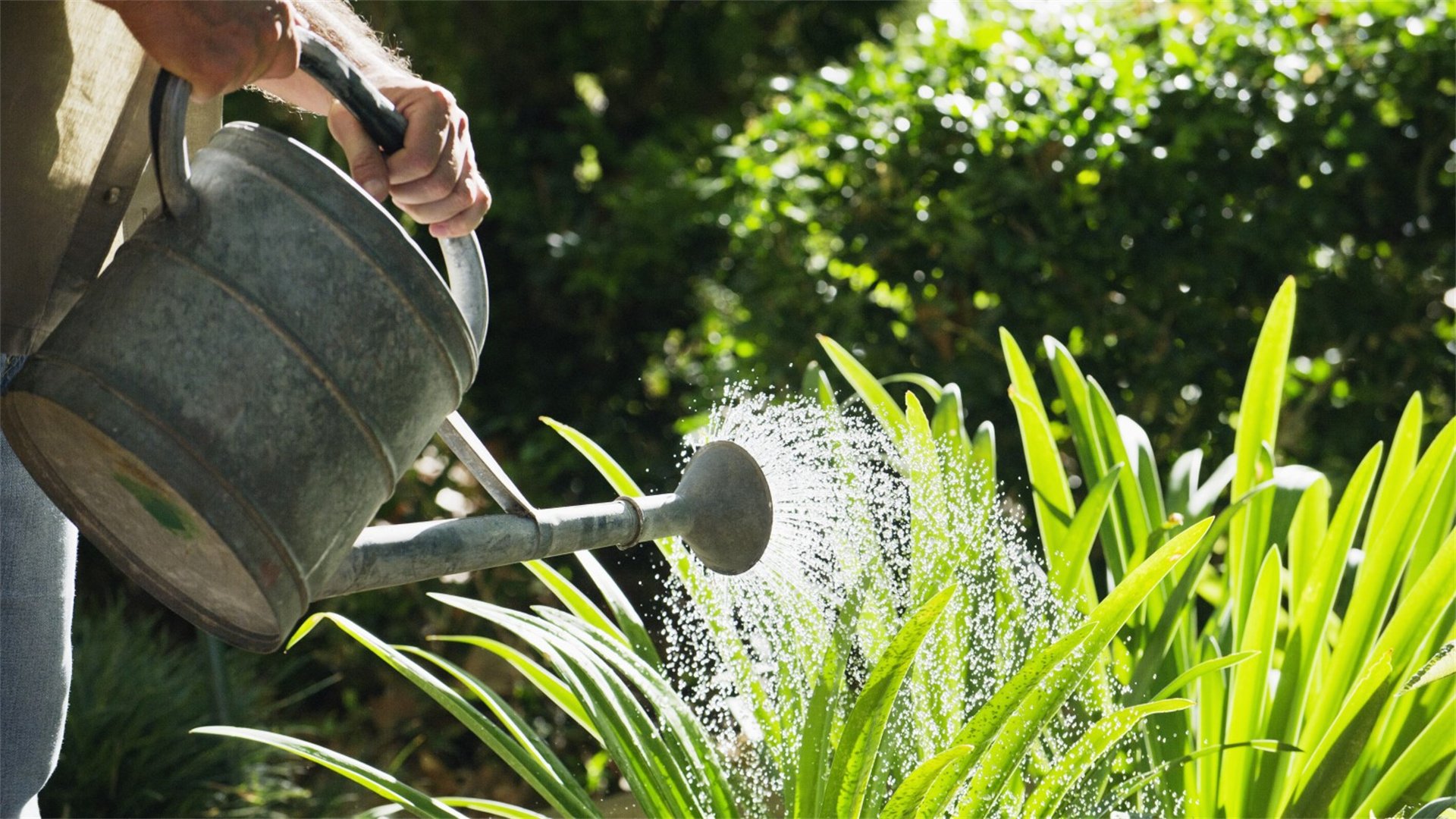
🚰 Watering Can or Hose
Watering tools, such as cans or hoses, are crucial for delivering moisture to plants. They help maintain consistent hydration, which is vital for plant health.
Advantages
- Controlled Watering: Allows precise application to roots, minimizing water waste and leaf diseases.
- Convenience: Hoses cover large areas quickly, while cans are ideal for potted plants or seedlings.
- Adaptability: Attachments like spray nozzles enable gentle misting or strong jets for different needs.
Disadvantages
- Water Waste: Hoses can leak or be left running, leading to excessive water usage.
- Physical Strain: Carrying heavy watering cans may cause back pain, especially for large gardens.
- Cost and Maintenance: High-quality hoses with fittings can be pricey, and they require winterizing in cold climates.
How to Use Watering Tools Effectively
- Choose Based on Garden Size: Use a hose with a wand for expansive gardens, and a can with a long spout for targeted watering.
- Water at the Right Time: Water early in the morning to reduce evaporation and fungal growth.
- Apply Evenly: Direct water at the base of plants, avoiding foliage to prevent scorching or mold.
- Maintain Equipment: Drain hoses after use to prevent cracks, and clean cans to avoid algae buildup.
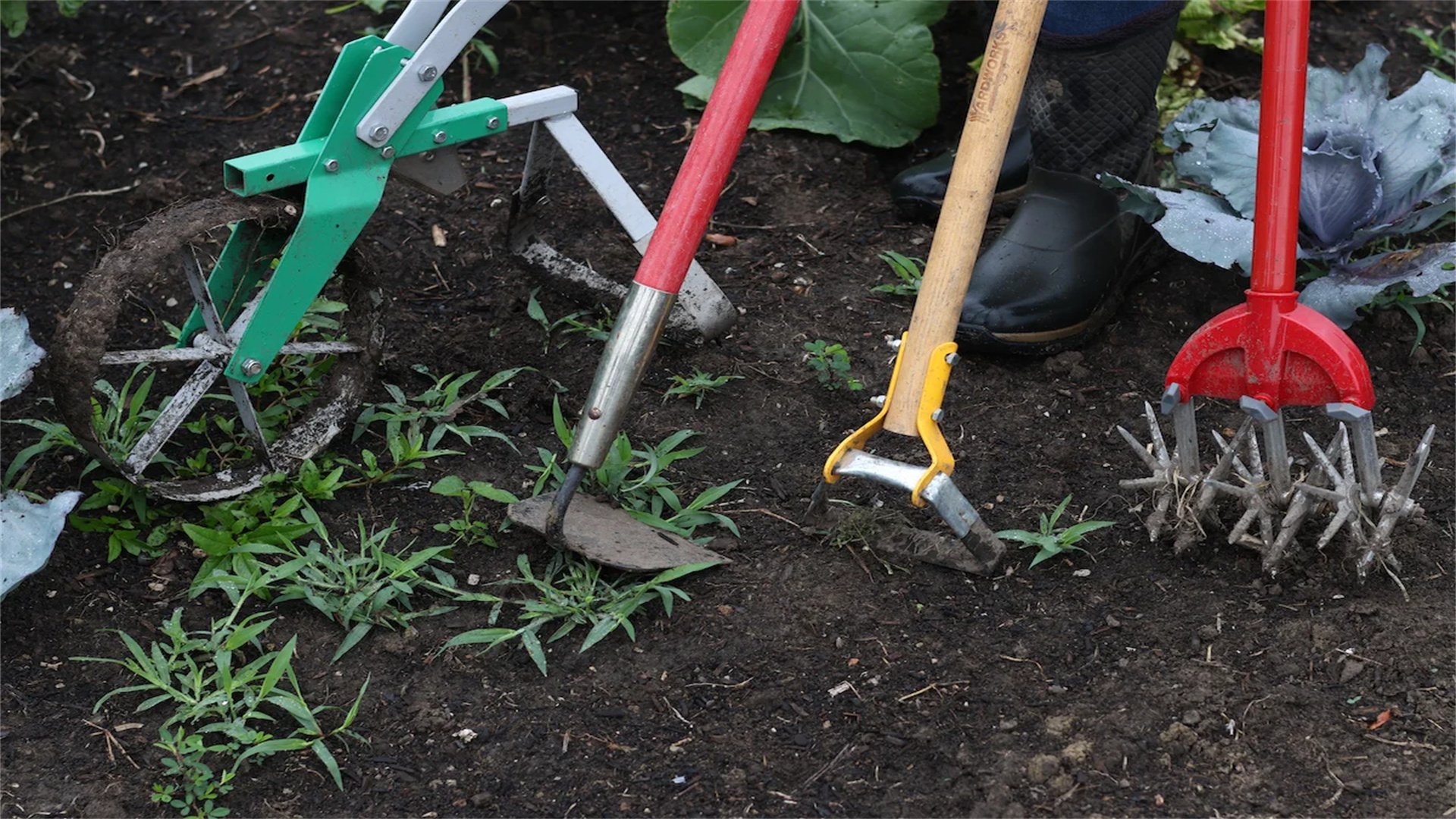
🌿 Weeding Tool
A weeding tool, such as a dandelion digger or hoe, is specialized for removing unwanted plants. It simplifies weed control, preventing competition for nutrients.
Advantages
- Efficient Removal: Extracts weeds with roots intact, reducing regrowth and manual effort.
- Ergonomic Design: Reduces bending and kneeling, protecting your back during prolonged weeding sessions.
- Precision: Targets weeds without disturbing surrounding plants, ideal for dense garden beds.
Disadvantages
- Limited to Small Areas: Not effective for large-scale weed invasions; may require herbicides as supplement.
- Skill Requirement: Proper technique is needed to avoid breaking weed roots, which can lead to regrowth.
- Durability Concerns: Cheap tools may bend or break when used on tough, deep-rooted weeds.
How to Use a Weeding Tool Effectively
- Select the Right Tool: Use a long-handled hoe for surface weeds, or a hand fork for taproot weeds like dandelions.
- Moisten Soil First: Water the area lightly to soften soil, making weed extraction easier.
- Insert at the Base: Place the tool near the weed’s stem, push down, and lever to lift the root system.
- Dispose of Weeds Properly: Remove weeds from the garden to prevent reseeding, and compost if disease-free.
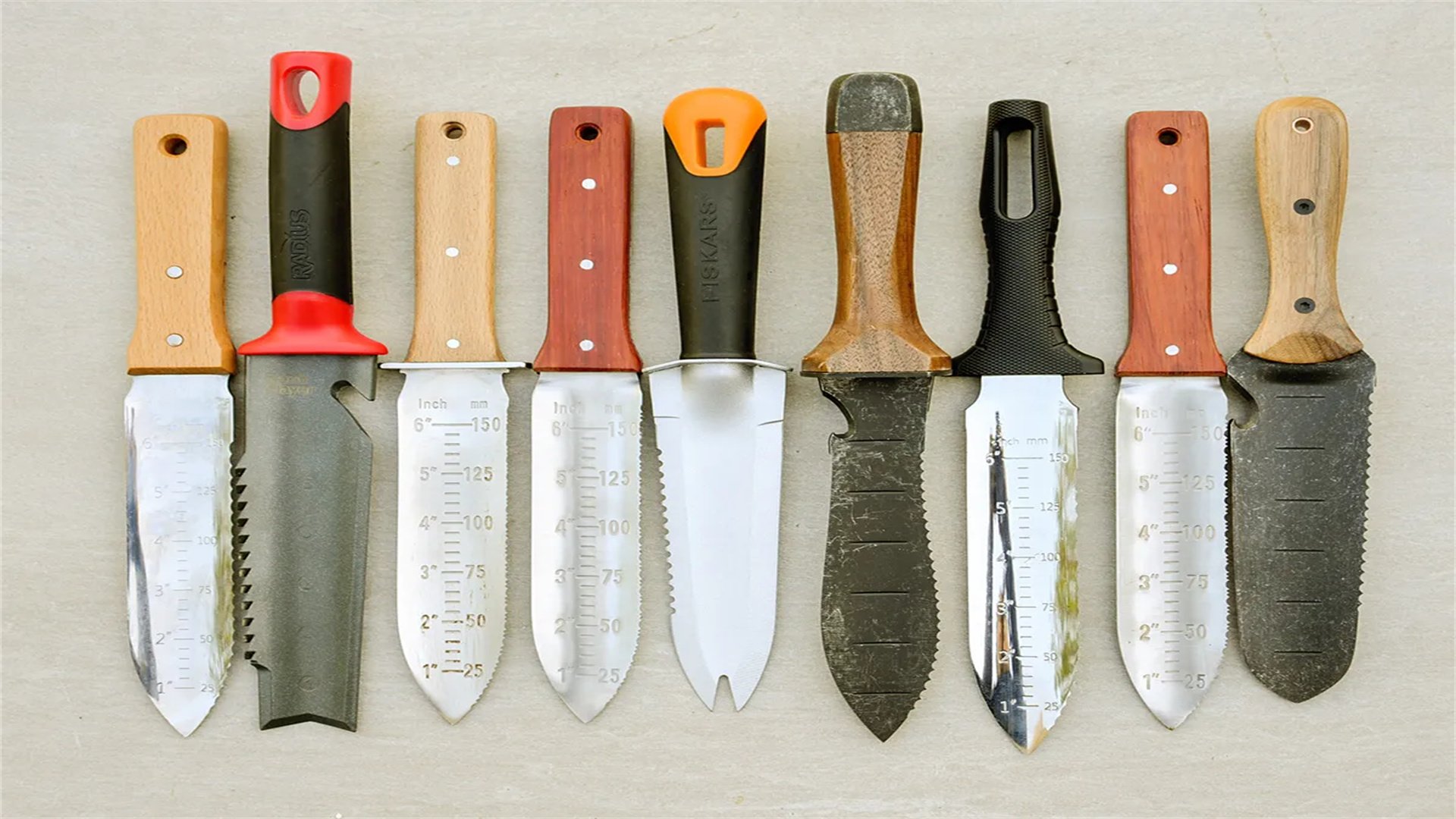
🔪 Garden Knife
A garden knife, or hori-hori, is a multipurpose tool for cutting, digging, and measuring. Its serrated edge and sturdy blade make it a gardener’s Swiss Army knife.
Advantages
- Multifunctionality: Can cut twine, open bags, divide perennials, and even measure planting depths.
- Durability: Made from high-carbon steel, it resists corrosion and maintains sharpness over time.
- Compact Size: Fits easily in a pocket or tool belt, always ready for unexpected tasks.
Disadvantages
- Safety Hazards: Sharp blades require careful handling to avoid accidents, especially when wet.
- Not for Heavy-Duty Tasks: May not replace larger tools like shovels for big digging projects.
- Cost: Quality garden knives can be an investment, but they offer long-term value.
How to Use a Garden Knife Effectively
- Keep It Sharp: Regularly hone the blade with a sharpening stone to ensure clean cuts.
- Use for Specific Tasks: Employ the serrated edge for cutting roots, and the straight edge for slicing stems.
- Clean and Dry After Use: Wipe the blade to prevent rust, and store in a sheath for safety.
- Combine with Other Tools: Pair with a trowel for planting or shears for pruning to enhance efficiency.
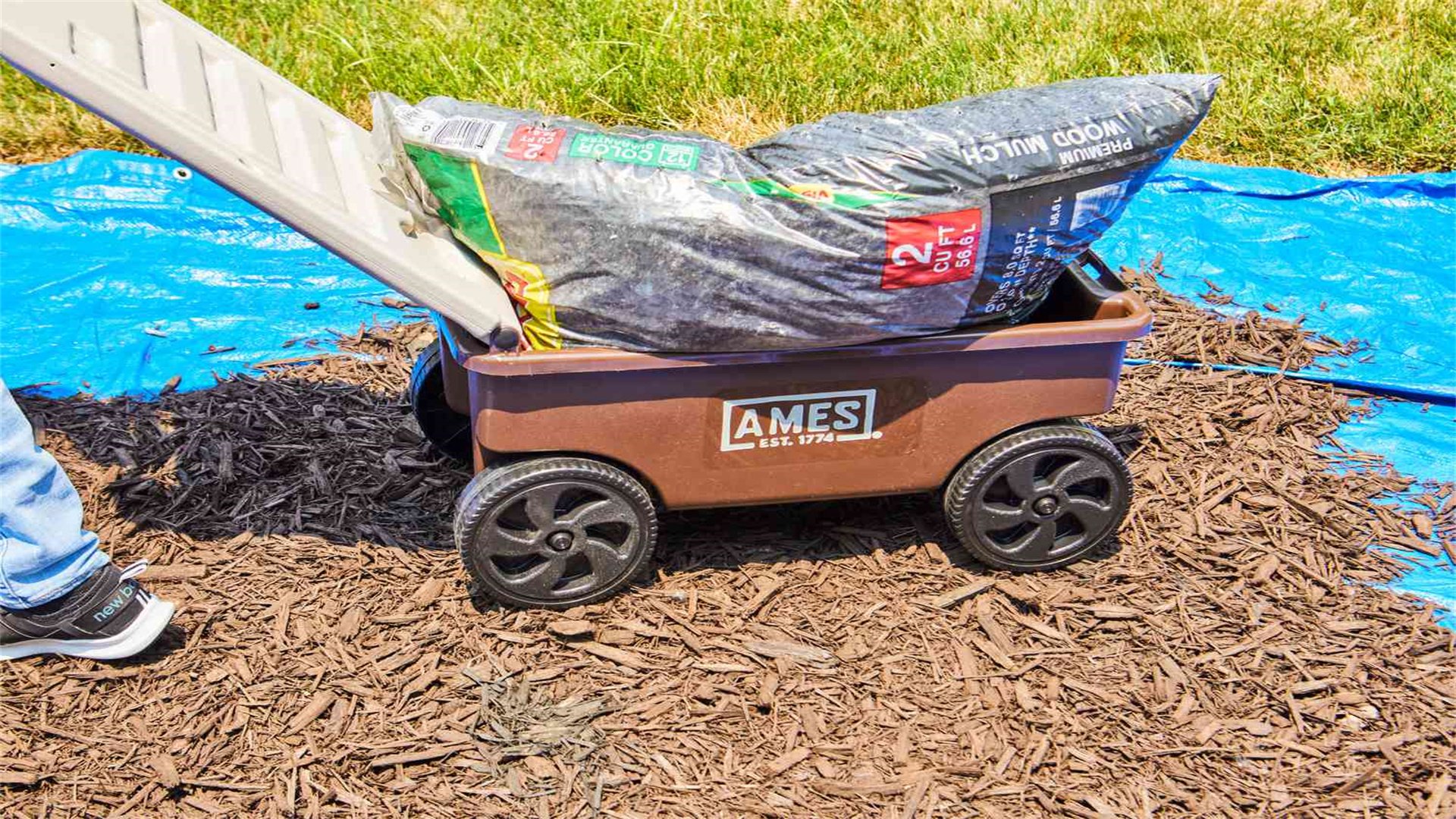
🛒 Wheelbarrow or Garden Cart
A wheelbarrow or garden cart is essential for transporting soil, compost, plants, and tools. It reduces physical strain and increases productivity in the garden.
Advantages
- Load Capacity: Carries heavy materials with ease, saving multiple trips back and forth.
- Maneuverability: Wheels allow smooth movement over uneven terrain, even when fully loaded.
- Time-Saving: Speeds up tasks like mulch spreading or harvest collection, making gardening more efficient.
Disadvantages
- Storage Requirements: Takes up significant space in garages or sheds, which may be limited.
- Cost and Maintenance: Quality models can be expensive, and wheels may need inflation or replacement over time.
- Physical Effort: Pushing a loaded wheelbarrow requires strength, potentially causing strain on slopes.
How to Use a Wheelbarrow or Garden Cart Effectively
- Choose the Right Type: Opt for a single-wheel wheelbarrow for maneuverability, or a two-wheel cart for stability.
- Load Evenly: Distribute weight centrally to prevent tipping, and avoid overloading beyond capacity.
- Use Proper Lifting Technique: Bend your knees when loading or unloading to protect your back.
- Maintain Regularly: Check tire pressure, lubricate moving parts, and clean after use to prolong lifespan.
Conclusion
In summary, these eight essential gardening tools—gardening gloves, hand trowel, pruning shears, garden rake, watering can or hose, weeding tool, garden knife, and wheelbarrow or garden cart—are designed to simplify your daily garden tasks. Each tool offers unique advantages, from protection and precision to efficiency and transport, while also having some drawbacks that can be mitigated with proper use and maintenance. By incorporating these tools into your routine, you’ll not only save time and effort but also enhance the health and beauty of your garden.
Remember, gardening is a journey that becomes more enjoyable with the right equipment. Invest in quality tools, follow the practical steps outlined for each, and adapt them to your specific needs. Whether you’re planting seeds, pruning roses, or hauling compost, these essentials will transform your gardening experience from a chore into a pleasure. Start building your toolkit today and watch your garden thrive with minimal daily hassle.