Easy Tricks to Organize and Hide Unsightly Wires at Home
In today's digital age, our homes are filled with electronic devices—from televisions and computers to gaming consoles and smart home systems. While these gadgets bring convenience and entertainment, they often come with a tangled mess of wires that can create an unsightly and hazardous environment. Unsightly wires not only detract from your home's aesthetics but can also pose tripping hazards and make cleaning difficult. Fortunately, organizing and hiding wires doesn't require professional help or expensive solutions. With some simple tricks and DIY approaches, you can transform your space into a neat, wire-free haven. This article provides a comprehensive guide to easy tricks for organizing and hiding unsightly wires at home, covering everything from basic tools to creative concealment methods. Each section will delve into specific techniques, offering step-by-step instructions, product recommendations, and practical tips to ensure clarity and effectiveness. Whether you're dealing with a home office, living room, or bedroom, these strategies will help you achieve a cleaner, safer, and more organized home.
🔍 Assess Your Wire Situation and Plan Ahead
Key Assessment Steps:
- Identify all areas with visible or tangled wires, such as behind entertainment centers, under desks, near charging stations, and around routers or modems.
- Take inventory of devices and their corresponding wires, noting lengths, types (e.g., power cords, HDMI cables), and frequency of use.
- Sketch a simple room layout to mark wire paths and proximity to power outlets.
Planning Strategies:
- Categorize wires based on function (e.g., power supply, audio-visual connections) and frequency of use to inform organization.
- Consider safety aspects: avoid overloading wires, running them under rugs, or placing them near water sources.
- Set a budget and timeline, investing in quality products like surge protectors for durability.
Benefits of Planning:
- Prevents haphazard organization and common pitfalls like insufficient cable length.
- Ensures you have the right tools and materials, making the process smoother.
- Improves home functionality and safety by reducing clutter and hazards.
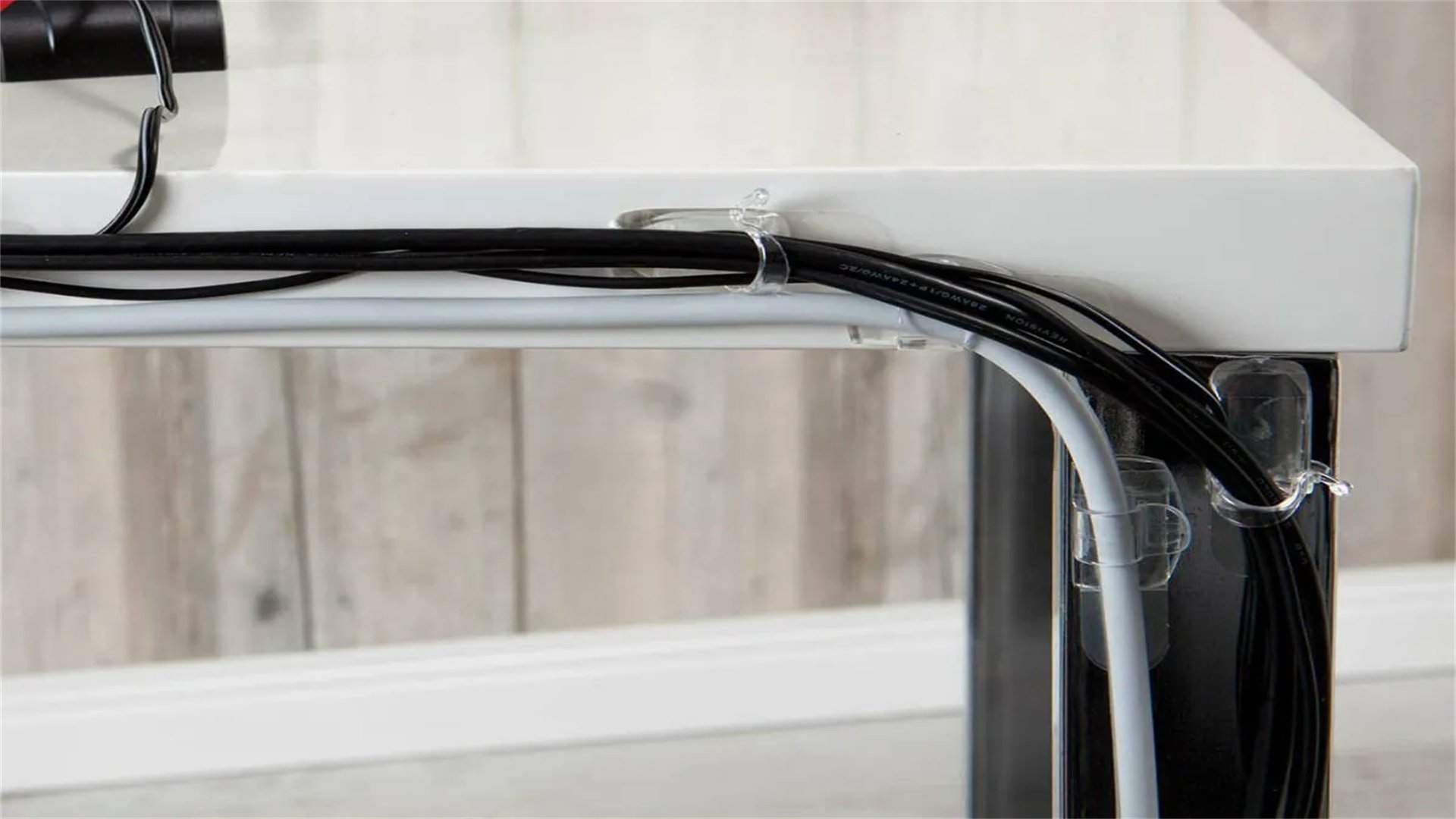
🧵 Use Cable Management Sleeves and Wraps
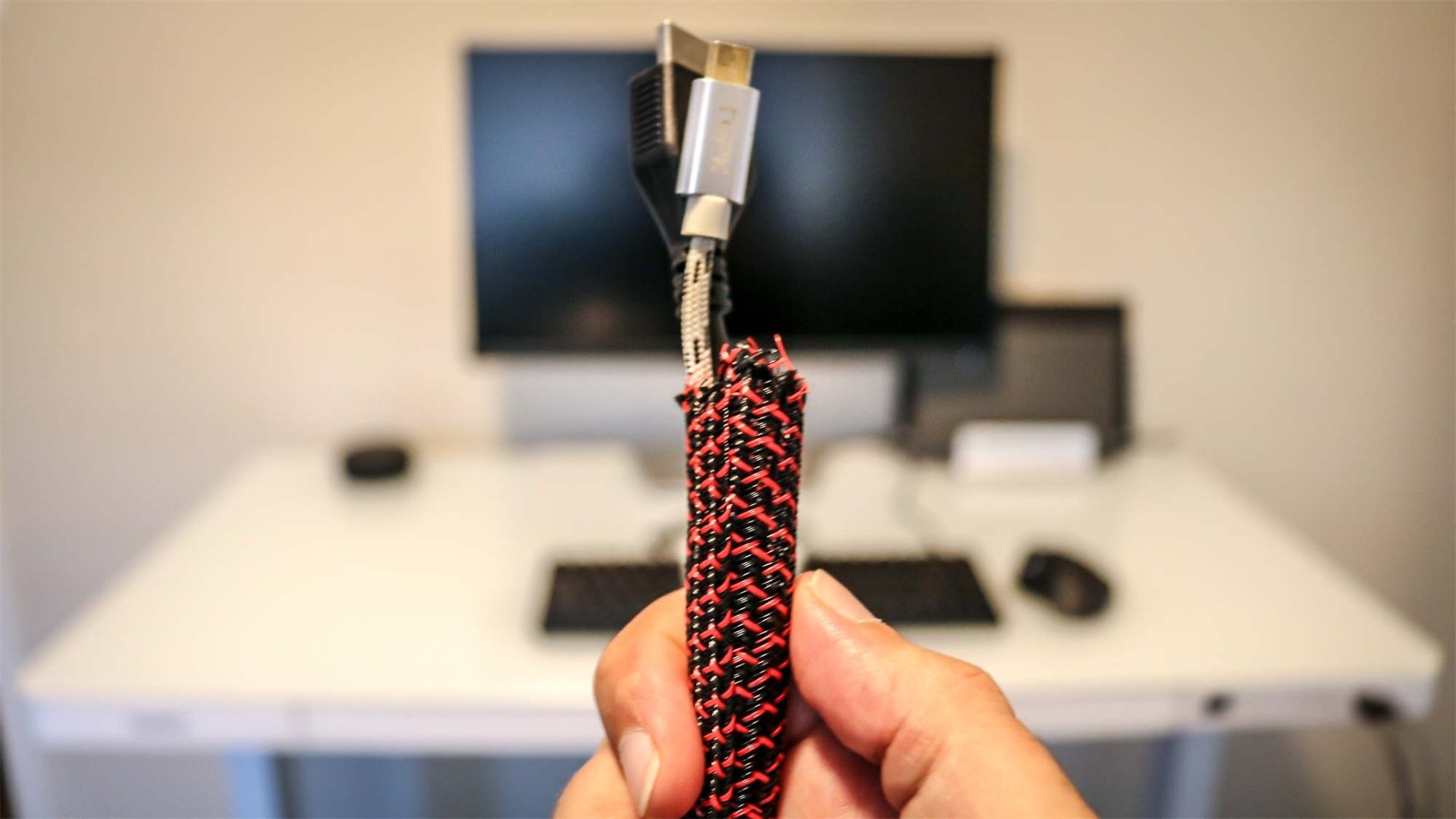
How to Use Sleeves and Wraps:
- Unplug devices and lay out wires to be managed. Group wires running along the same path.
- Slide wires into flexible sleeves with zipper or Velcro closures, or secure with wraps like Velcro straps at intervals.
- Avoid overtightening to prevent cable damage, and leave slack at connections.
Selection Factors:
- Material: Choose breathable mesh for high-traffic areas or fabric for a softer look.
- Size and ease of use: Opt for adjustable, reusable wraps for temporary setups or spiral wraps for permanent installations.
- Label wires before bundling with tags or colored tape for easy identification during troubleshooting.
Advantages:
- Reduces clutter and tangling, creating orderly wire bundles that blend into decor.
- Enhances safety by preventing tripping and making cords easier to route and access.
- Offers DIY alternatives, such as repurposing old hose pipes, but commercial products often provide better durability.
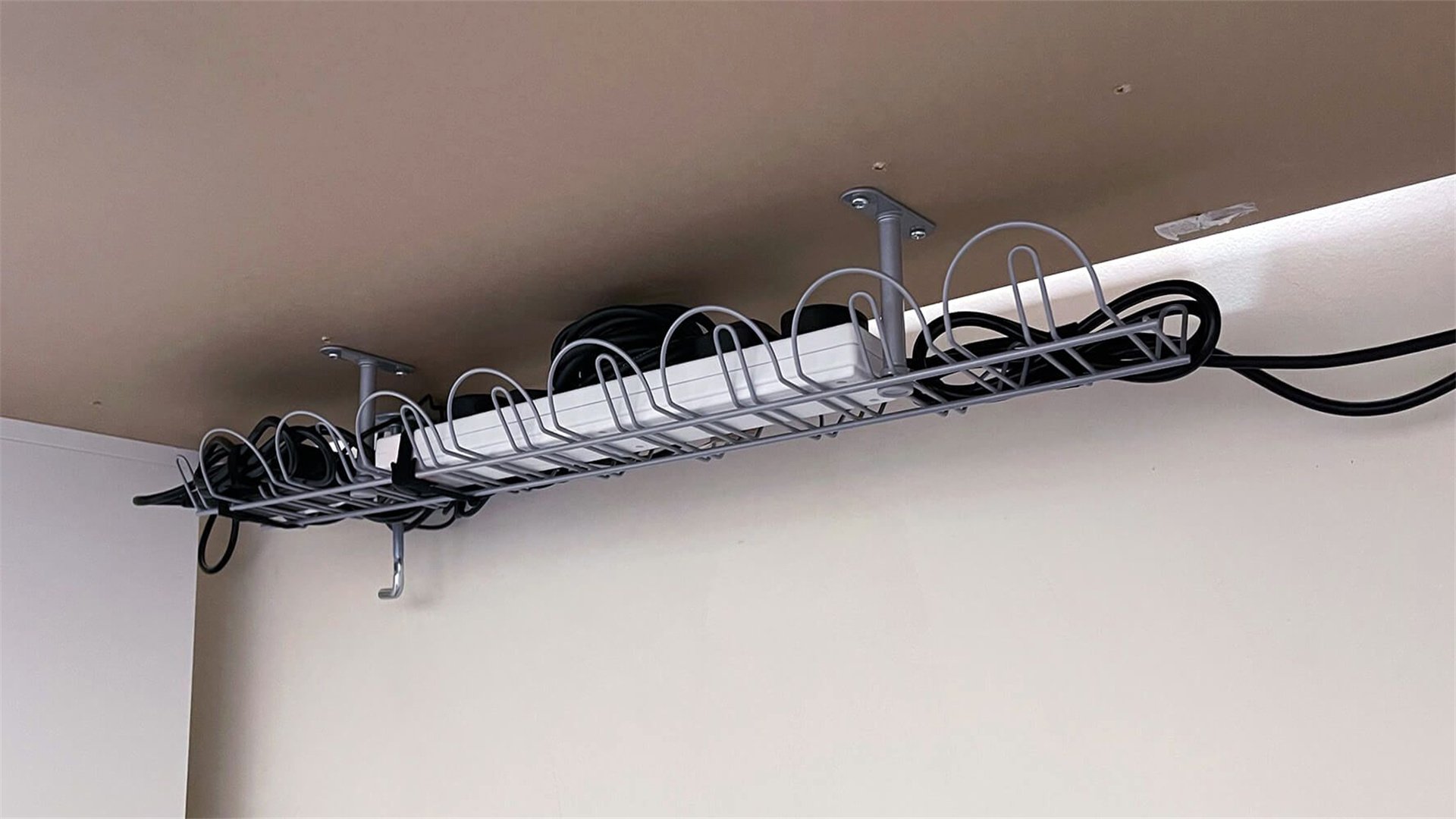
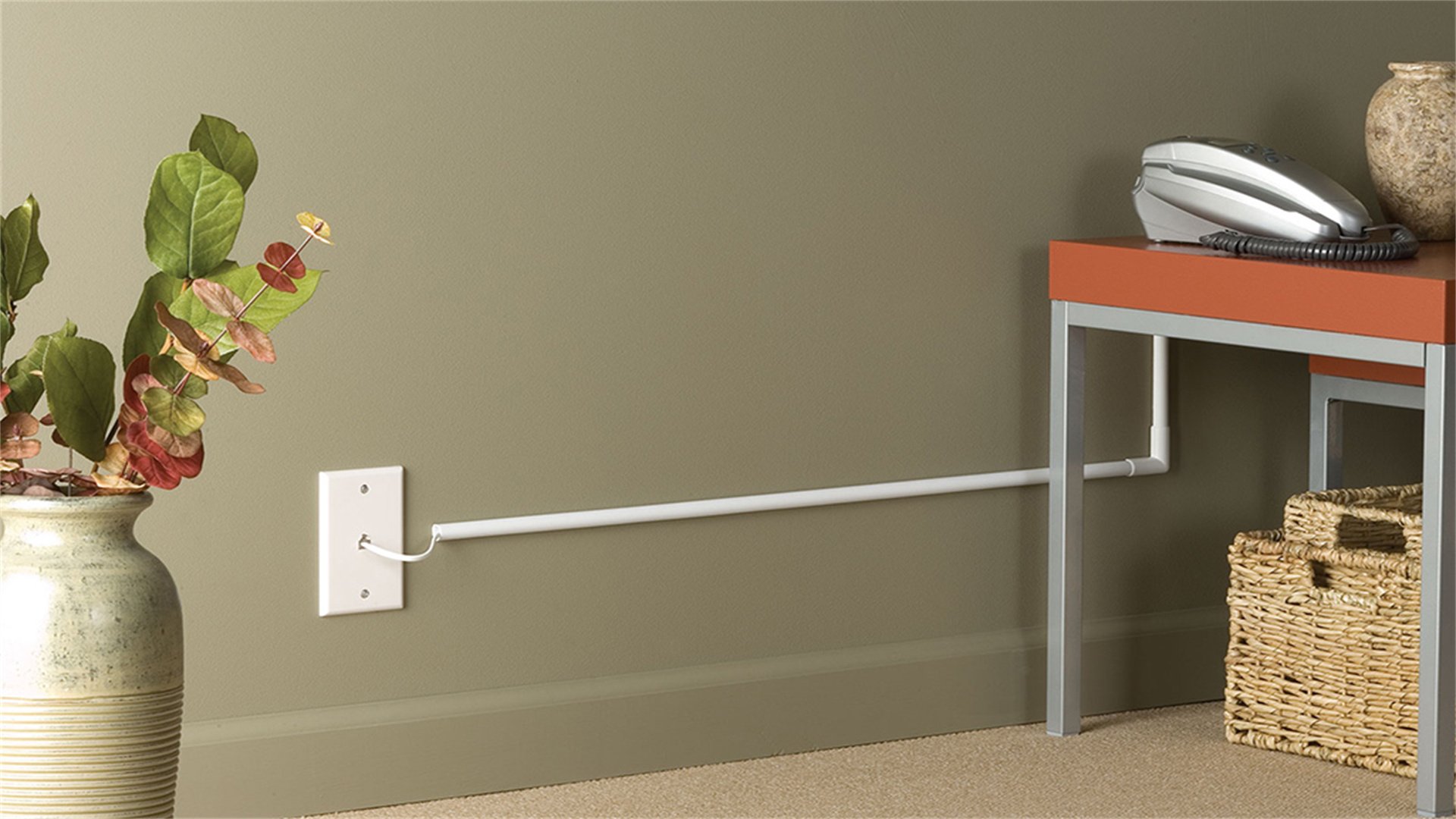
📦 Install Cable Raceways and Cord Covers
Installation Steps:
- Plan the route: Measure distance from power source to device and ensure raceway length is sufficient.
- Clean the surface for adhesion, then attach adhesive-backed or screw-in raceways along the path.
- Place wires inside the channel and snap the cover shut, using corner pieces for turns.
Selection Tips:
- Environment: Choose waterproof options for moist areas or UV-resistant materials for outdoor use.
- Capacity: Measure wire gauge to avoid overcrowding, which can cause overheating.
- Aesthetics: Paint raceways to match wall color, use end caps for a polished finish, and opt for flat cord covers for floors.
Benefits:
- Conceals wires along walls, floors, or ceilings for a professional, seamless look.
- Protects wires from damage and reduces tripping hazards, especially in homes with children or pets.
- Offers removable options for renters, avoiding wall damage while maintaining visual appeal.
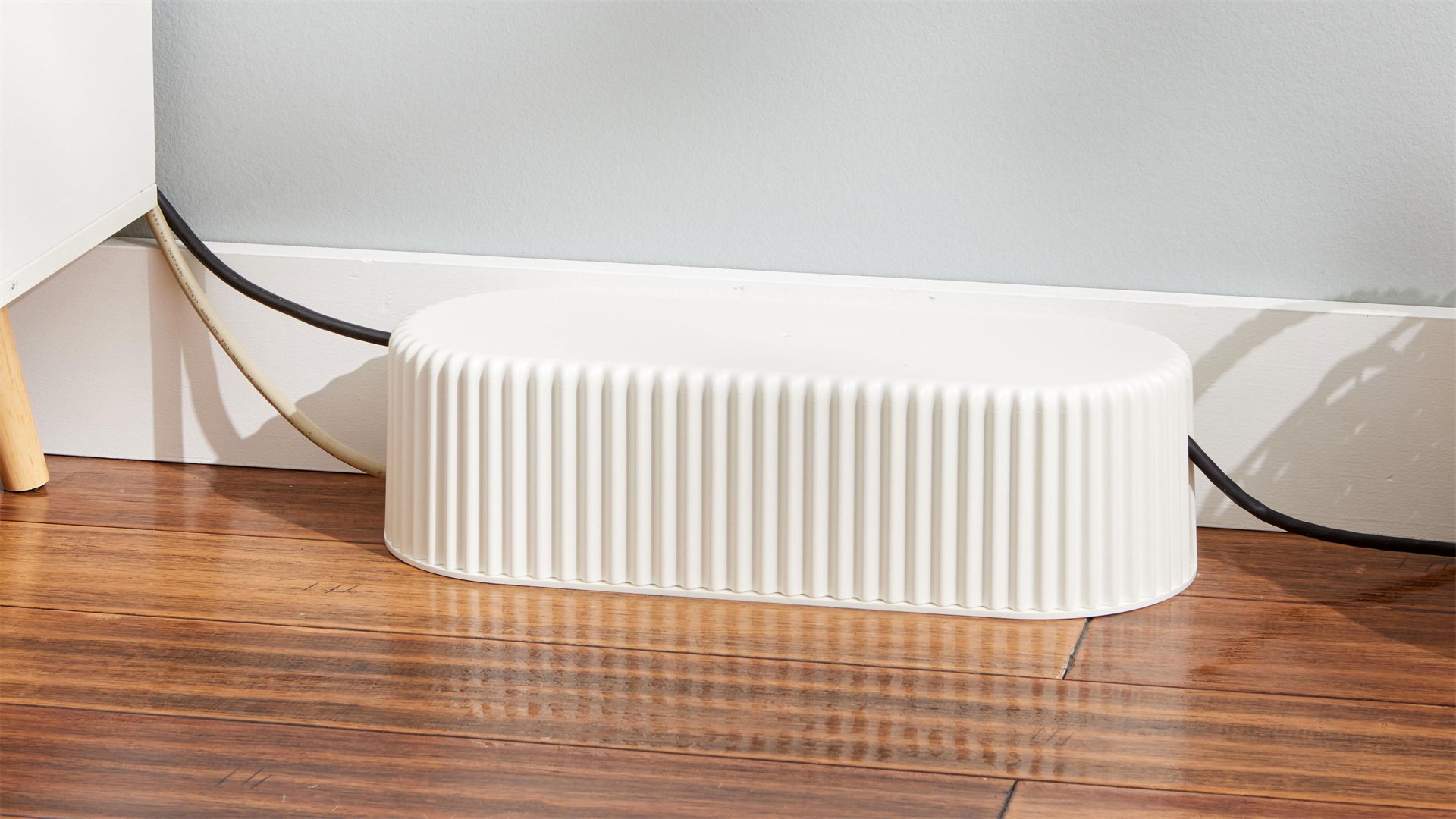
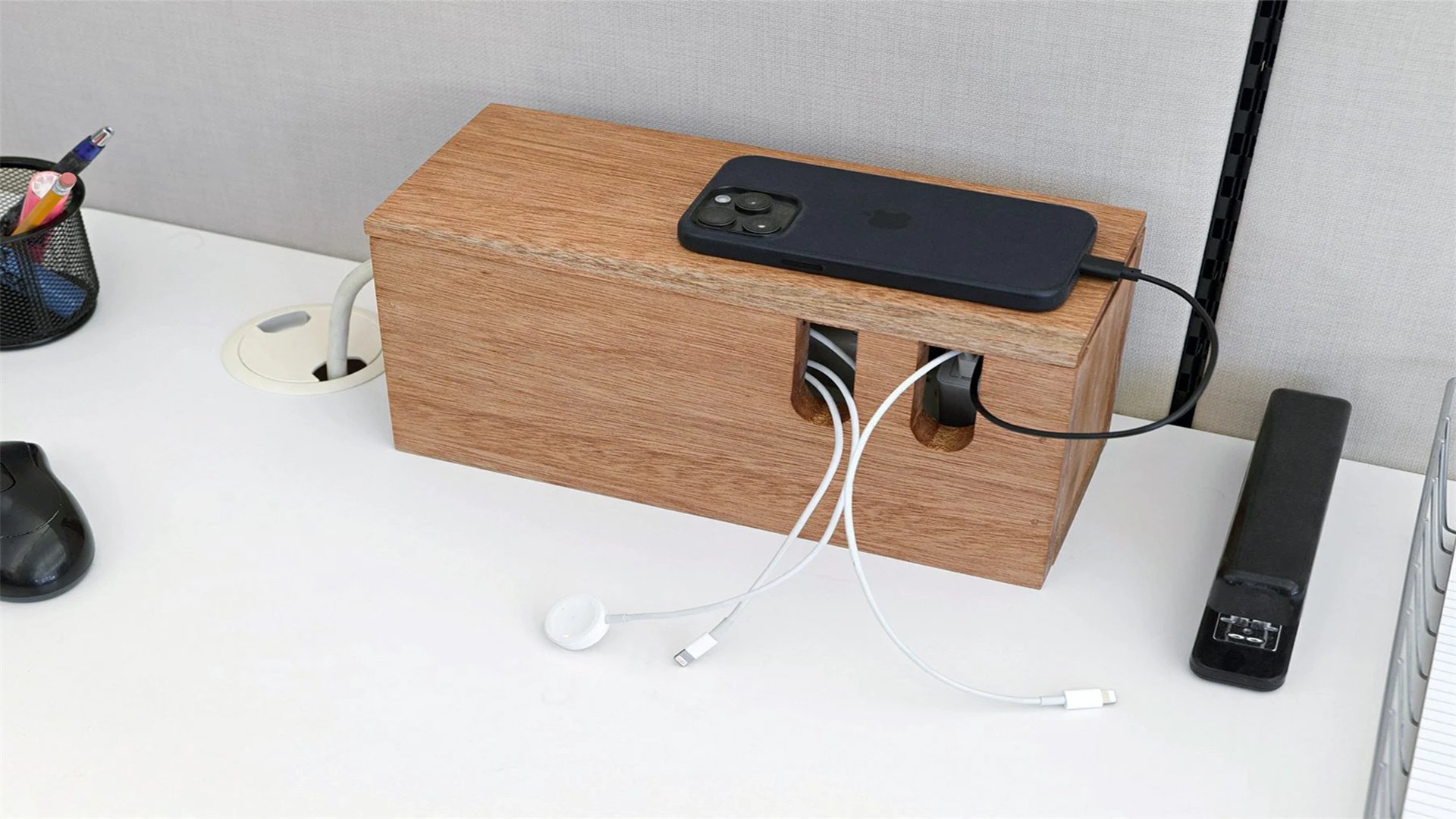
🗃️ Utilize Cable Management Boxes and Organizers
How to Use Boxes and Organizers:
- Place power strips and bundled wires inside the box, routing necessary cords out through designated slots.
- Choose boxes with adequate size and ventilation to prevent overheating, and use internal dividers for organization.
- Position boxes near outlets in areas like entertainment centers or desks for easy access.
Maximizing Effectiveness:
- Decor integration: Select boxes that match your room's style, such as wooden for rustic looks or sleek plastic for modern spaces.
- Safety: Avoid overloading boxes, keep them away from flammable materials, and check for heat buildup regularly.
- Maintenance: Periodically unplug and clean boxes to remove dust, and reorganize wires as devices change.
Advantages:
- Hides unsightly wire clusters, reducing dust accumulation and accidental unplugging.
- Creates a centralized hub for wires, enhancing organization and aesthetic appeal in living rooms or home offices.
- Offers DIY options like decorative baskets, but ensure they are non-flammable for safety.
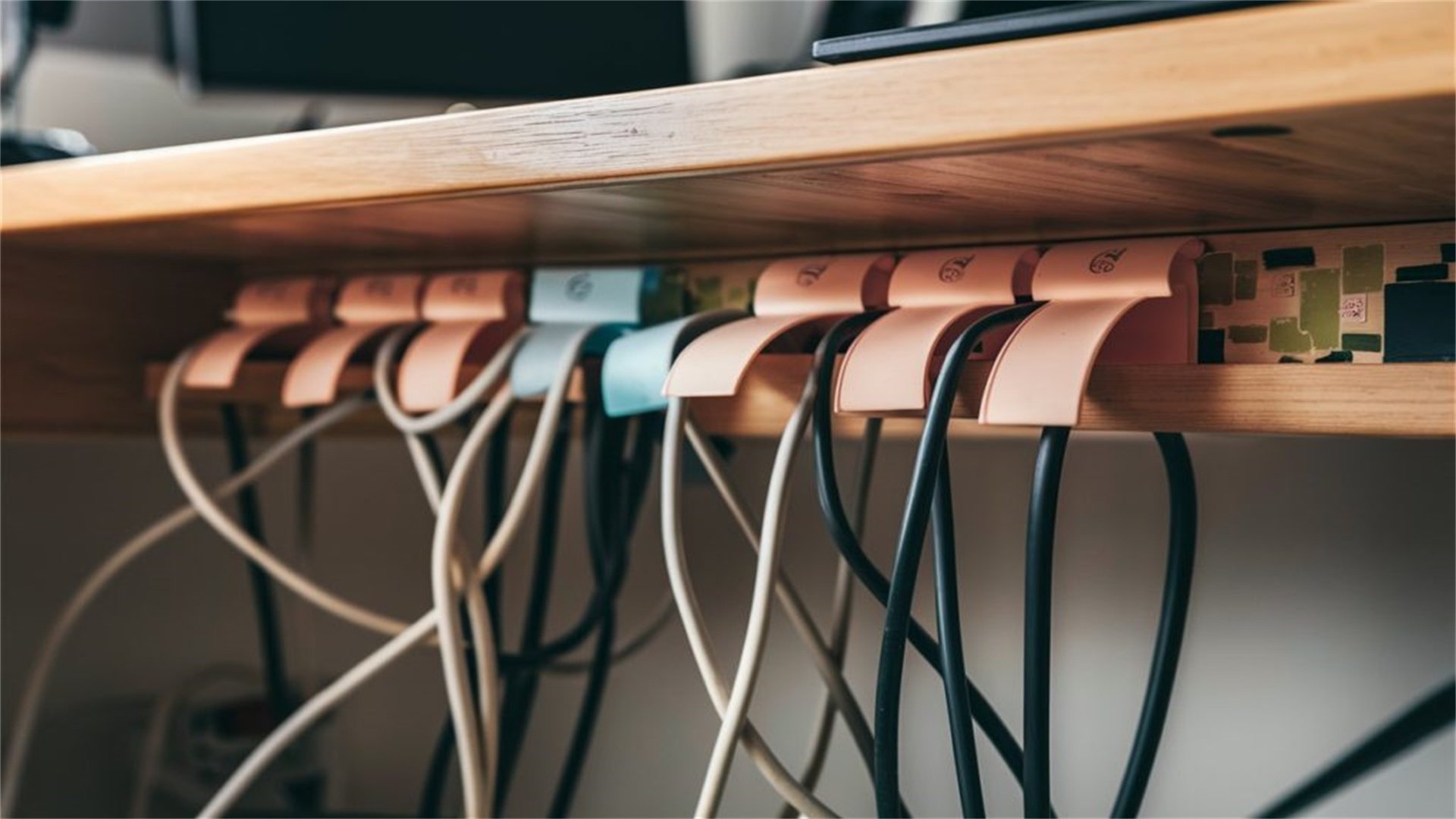
🛋️ Employ Wire Hiding Behind Furniture and Walls
Behind Furniture Techniques:
- Use adhesive cable clips or hooks to secure wires to the back or underside of furniture like bookshelves or sofas.
- Ensure proper ventilation to prevent overheating, and avoid pinching cords between heavy items.
- Choose furniture with wire management features, such as desks with grommet holes.
In-Wall Hiding Methods:
- For permanent solutions, run wires through wall cavities using fish tapes and in-wall power kits, following building codes.
- Turn off power, cut small holes at top and bottom of walls, and feed wires through, covering with wall plates.
- Label wires at both ends for future reference and consider hiring an electrician if unsure.
Benefits:
- Provides a clean, built-in look that blends technology seamlessly into minimalist interiors.
- Increases safety by reducing wire exposure and tripping hazards in home theaters or renovated spaces.
- Offers temporary solutions for renters, such as cord covers painted to match walls.
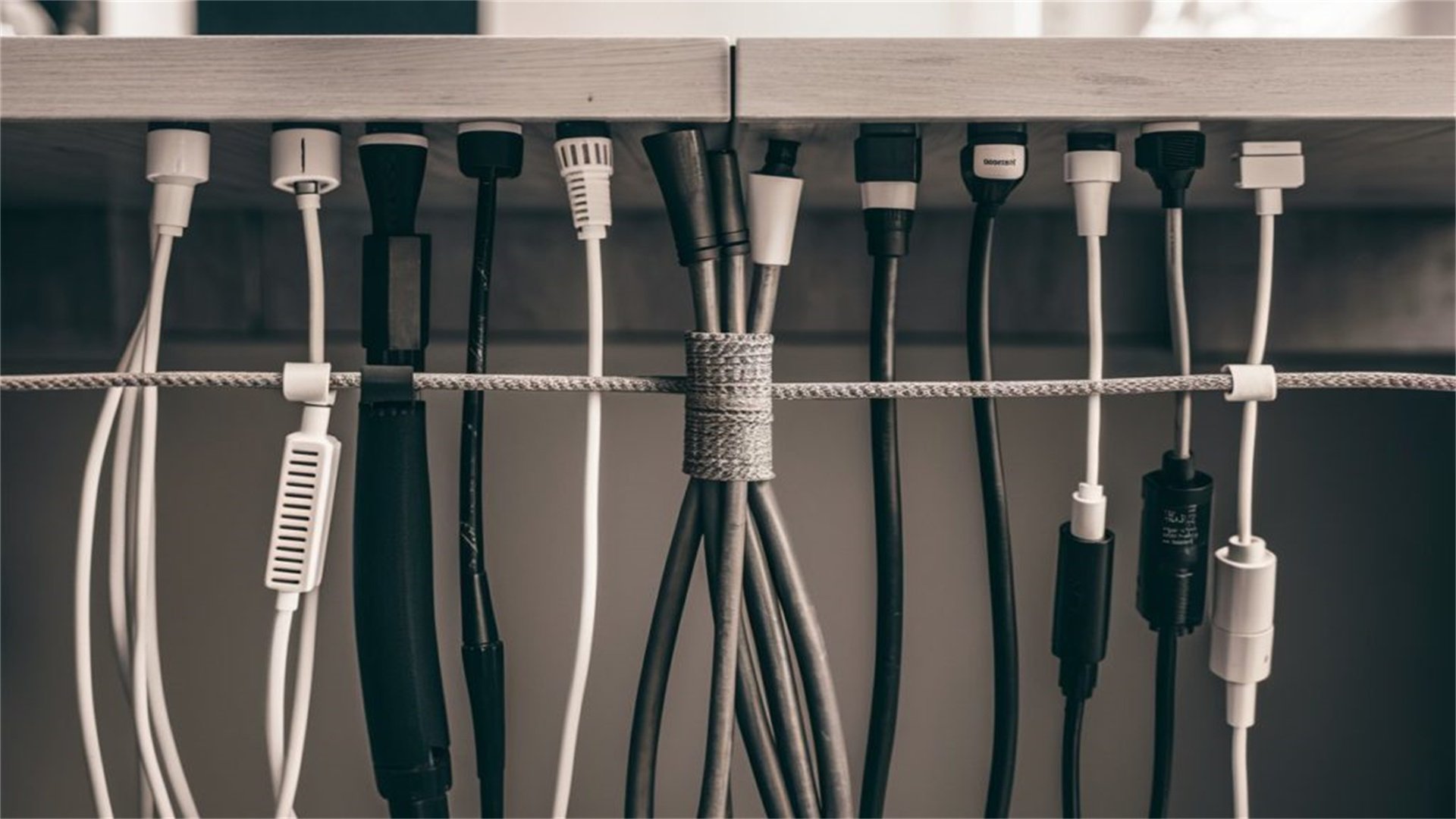
🔗 Implement Cable Ties and Clips for Organization
Implementation Steps:
- Group wires that run together and secure them with cable ties at regular intervals, avoiding over-tightening.
- Use adhesive-backed clips to route wires along edges like desk legs or baseboards, ensuring they lie flat.
- Clean surfaces before applying clips for strong adhesion, and check ties and clips regularly for loosening.
Tips for Effectiveness:
- Coding: Use different colored ties to code wires by device or function (e.g., red for power cords).
- Routing: Follow natural paths and avoid sharp bends to maintain cable performance and safety.
- Adaptability: Start small with reusable ties and expand as needed, using tie mounts for added security.
Advantages:
- Inexpensive yet powerful for keeping wires bundled and neat, reducing tangling and easing cleaning.
- Enhances safety by preventing tripping and keeping wires controlled in home offices, kitchens, or garages.
- Eco-friendly options like Velcro ties allow adjustments for changing setups.

📶 Adopt Wireless Solutions and Smart Devices
How to Transition to Wireless:
- Audit current devices and identify replacements, such as Bluetooth speakers, wireless chargers, or smart home gadgets.
- Prioritize high-impact areas like entertainment systems (e.g., wireless soundbars) or home offices (e.g., wireless keyboards).
- Ensure a robust Wi-Fi network to support multiple devices and use battery backups for critical items.
Selection and Safety:
- Research products for compatibility and reliability, opting for long battery life or energy-efficient modes.
- Use multi-device wireless chargers to reduce cord clutter, and choose certified products to avoid interference.
- Keep wireless hubs ventilated and secure networks against cyber threats with regular updates.
Benefits:
- Significantly reduces wire clutter, enhancing convenience and mobility for a cleaner aesthetic.
- Adds advanced features like voice control or automation, improving home efficiency beyond wire reduction.
- Future-proof strategy that supports flexible living, especially for renters or frequent rearrangements.
🎨 Creative DIY and Decorative Concealment Methods
DIY Ideas:
- Wrap wires in decorative washi tape or paint them to match walls, or run wires through hollowed-out books or behind picture frames.
- Create wire gallery walls with adhesive clips in geometric patterns, or use rugs with wire channels for floor cords.
- Repurpose items like binder clips as desk holders or toilet paper rolls as cord organizers for cost-effective solutions.
Implementation Tips:
- Brainstorm based on room themes: use rope for nautical styles or metal conduits for industrial looks.
- Ensure safety by avoiding flammable materials and maintaining wire accessibility for maintenance.
- Coordinate colors with room decor, such as painting wire covers to match furniture or using complementary fabric.
Advantages:
- Turns wire management into a fun, personalized project that adds character to your home.
- Encourages sustainability by upcycling materials and can be more affordable than commercial products.
- Seamlessly blends wires into design, proving organization can be both practical and artistic.
🔧 Regular Maintenance and Upkeep for Long-Term Organization
Maintenance Steps:
- Set a quarterly schedule to inspect wires for damage, dust, or loosening, and unplug devices during checks.
- Re-bundle wires with updated methods, replace old ties, and label new wires immediately to avoid confusion.
- Keep a toolkit with scissors, adhesive clips, and spare ties for quick fixes, and reassess strategies after device upgrades.
Streamlining Upkeep:
- Create a wire map or inventory list using digital apps to track cord purposes and locations.
- Check for safety code compliance, such as ensuring surge protectors are not overloaded, and rotate wires under tension.
- Educate household members on proper wire handling and encourage reporting of loose wires or issues.
Benefits:
- Prevents clutter buildup and ensures long-term safety by catching hazards like frayed cords early.
- Sustains the benefits of initial wire organization efforts, fostering a habit of tidiness in home management.
- Supports a harmonious living space where wire solutions remain effective and aesthetically pleasing over time.
Conclusion
Organizing and hiding unsightly wires at home is a achievable goal that enhances both aesthetics and safety. By employing tricks such as cable sleeves, raceways, management boxes, and creative DIY methods, you can transform chaotic wire nests into orderly systems. Each technique offers unique benefits, from temporary fixes to permanent solutions, allowing customization for any room or budget. Remember to assess your needs, plan ahead, and maintain regularly for long-term success. With these strategies, you'll create a cleaner, more functional home where wires are seamlessly integrated, letting your decor and technology shine without distraction. Start small, experiment with different approaches, and enjoy the process of reclaiming your space from wire clutter.