9 Easy-to-Grow Plants for a Stunning Outdoor Garden Retreat
Creating a beautiful outdoor garden retreat doesn't have to be a daunting task, especially when you choose plants that are low-maintenance and thrive with minimal effort. Whether you're a beginner gardener or an experienced green thumb looking to simplify your routine, selecting easy-to-grow plants can transform your space into a serene haven. This article explores nine such plants that are not only resilient but also add stunning visual appeal to any garden. From vibrant flowers to aromatic herbs, these selections are based on common recommendations from popular gardening websites and expert advice. By focusing on these plants, you can build a lush, inviting retreat without the stress of constant upkeep. Let's dive into each plant, detailing their characteristics, benefits, and step-by-step growing guides to help you achieve a breathtaking outdoor oasis.
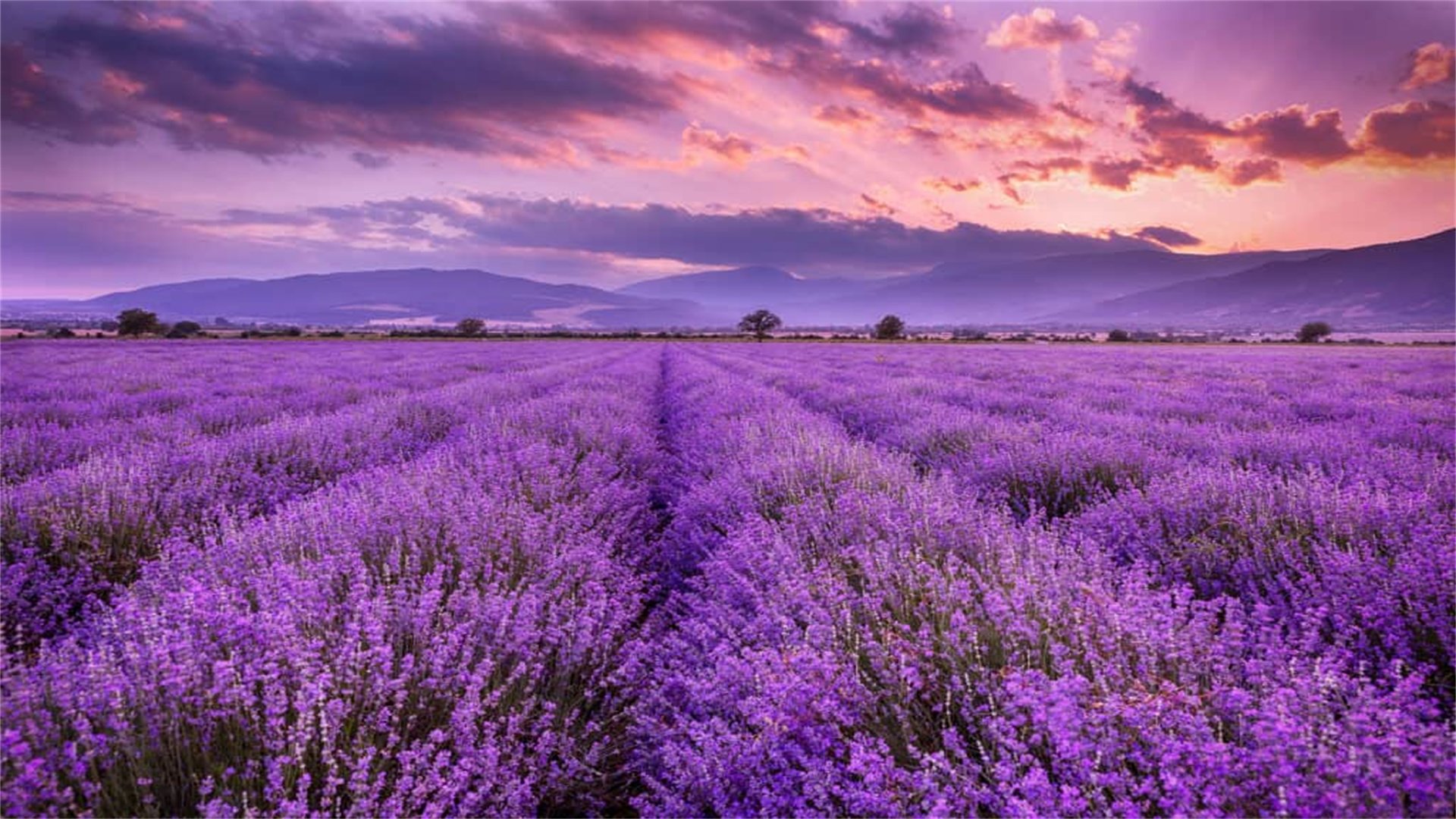
💜 Lavender (Lavandula)
Lavender is a perennial favorite in gardens worldwide, known for its fragrant purple blooms and silver-green foliage. It's native to the Mediterranean, making it drought-tolerant and ideal for sunny, well-drained spots. This plant not only adds beauty but also attracts pollinators like bees and butterflies, enhancing your garden's ecosystem.
Advantages of Growing Lavender
- Low Maintenance: Lavender requires minimal watering once established and is resistant to pests and diseases.
- Aromatic Benefits: The soothing scent can reduce stress and promote relaxation, perfect for a garden retreat.
- Versatile Use: Harvest blooms for dried arrangements, essential oils, or culinary purposes.
- Long Blooming Season: Typically flowers from late spring to summer, providing prolonged color.
How to Grow Lavender Successfully
- Choose the Right Location: Plant in full sun (at least 6-8 hours daily) with well-draining soil; avoid soggy conditions to prevent root rot.
- Soil Preparation: Opt for sandy or gritty soil with a pH between 6.5 and 7.5; amend heavy clay with compost or sand.
- Planting: Space plants 12-18 inches apart in spring or fall; water thoroughly after planting, then reduce frequency.
- Watering and Care: Water deeply but infrequently, allowing soil to dry between sessions; prune after flowering to maintain shape.
- Fertilizing: Use a balanced, slow-release fertilizer in early spring, but avoid over-fertilizing to prevent leggy growth.
With these steps, lavender will thrive and become a centerpiece in your garden, offering both visual and sensory delights.
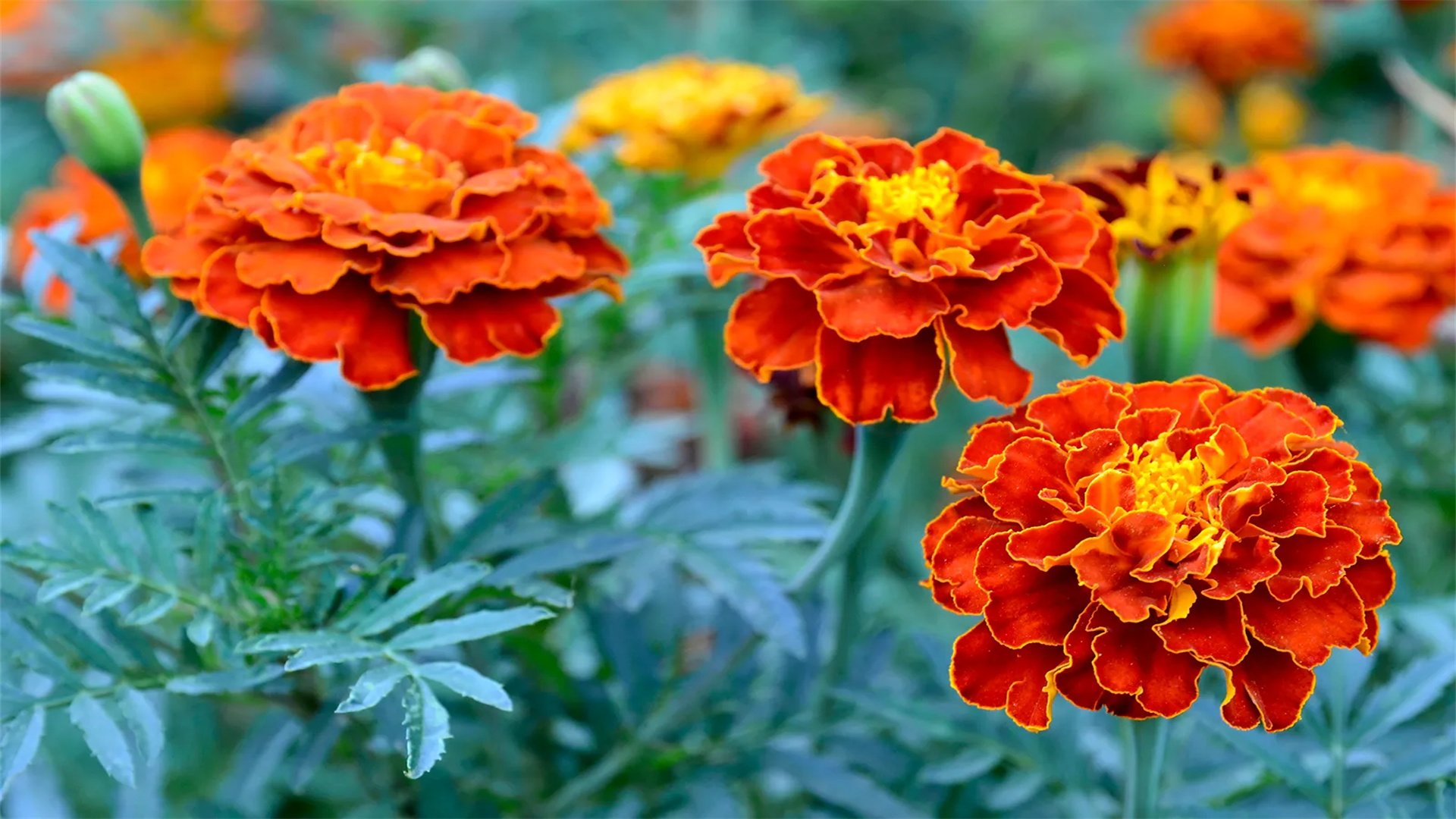
🌼 Marigold (Tagetes)
Marigolds are annual flowers celebrated for their bright orange, yellow, and red blossoms. They are incredibly easy to grow from seed and are often used as companion plants to deter pests in vegetable gardens. Their cheerful appearance makes them a staple for adding pops of color to borders, containers, or beds.
Advantages of Growing Marigolds
- Pest Repellent: Natural compounds in marigolds repel nematodes, aphids, and other insects, reducing the need for chemicals.
- Fast Growth: Seeds germinate quickly, often within a week, and plants bloom from early summer until frost.
- Adaptability: Tolerate a range of soil types and conditions, including heat and partial shade.
- Cost-Effective: Inexpensive to grow from seed, making them ideal for large garden areas.
How to Grow Marigolds Successfully
- Seed Starting: Sow seeds directly outdoors after the last frost, or start indoors 4-6 weeks earlier; cover lightly with soil.
- Site Selection: Plant in full sun for optimal blooming; ensure soil is moderately fertile but well-draining.
- Spacing and Planting: Space plants 8-10 inches apart; water gently after planting to avoid disturbing seeds.
- Ongoing Care: Water regularly but avoid overwatering; deadhead spent blooms to encourage continuous flowering.
- Fertilization: Apply a balanced fertilizer every 4-6 weeks during the growing season, though marigolds often thrive without it.
By following these guidelines, marigolds will provide vibrant color and natural pest control, enhancing your garden's appeal.
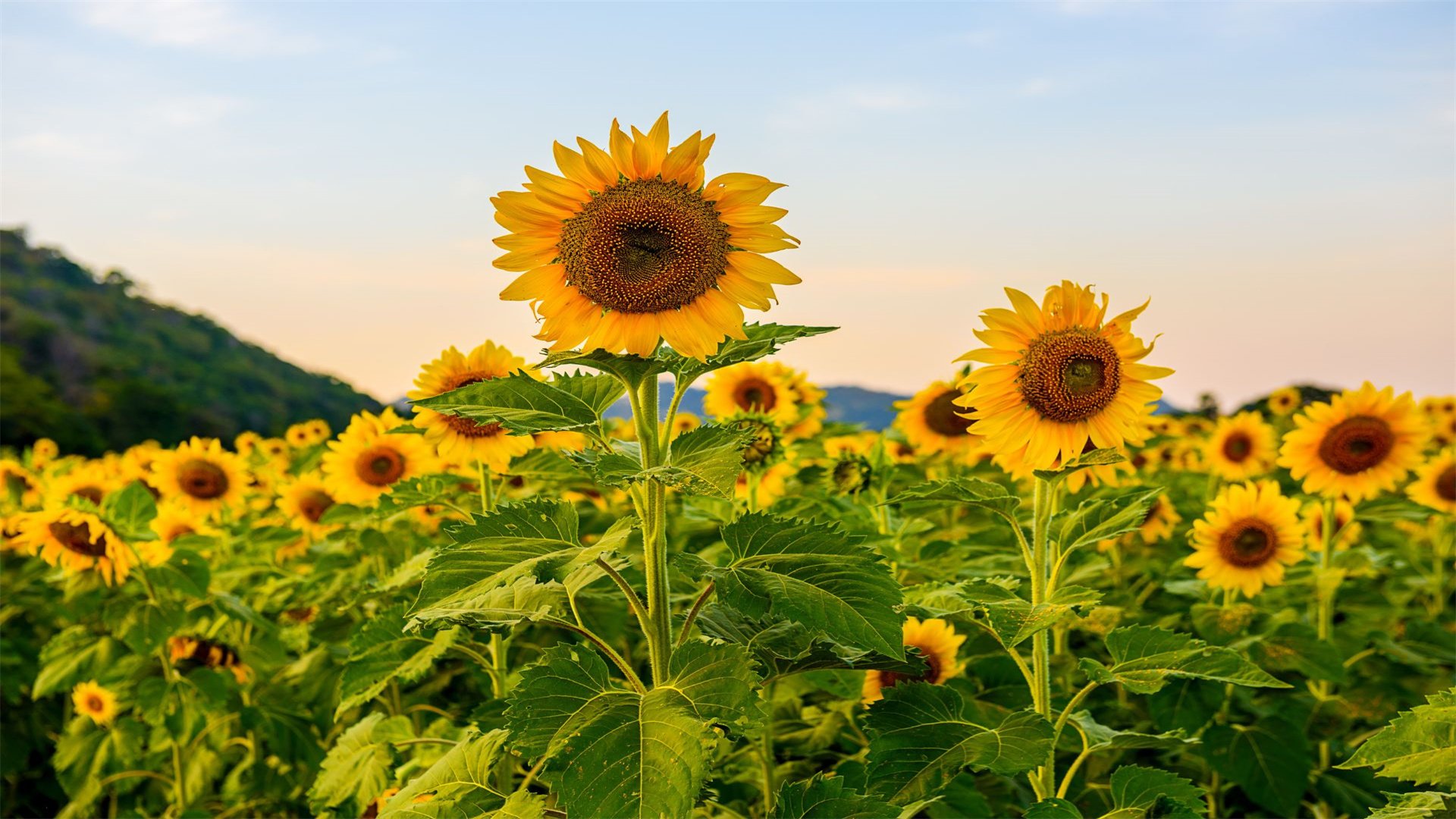
🌻 Sunflower (Helianthus annuus)
Sunflowers are iconic annuals known for their towering stems and large, sunny faces. They are incredibly easy to grow, even for children, and come in various sizes from dwarf varieties to giants over 10 feet tall. Their seeds attract birds and wildlife, adding life to your retreat.
Advantages of Growing Sunflowers
- Quick Results: Germinate in 7-10 days and grow rapidly, offering fast gratification for gardeners.
- Pollinator-Friendly: Blooms attract bees and butterflies, supporting local biodiversity.
- Multi-Purpose: Harvest seeds for snacking, bird feed, or oil production; stems can be used for crafts.
- Drought Tolerance: Once established, sunflowers can withstand dry spells, reducing water needs.
How to Grow Sunflowers Successfully
- Timing: Plant seeds directly in the ground after the last frost, when soil temperatures reach 50-60°F.
- Location: Choose a spot with full sun (6-8 hours daily) and shelter from strong winds to prevent stem breakage.
- Soil Preparation: Use well-draining soil with organic matter; sunflowers aren't picky but prefer slightly acidic to neutral pH.
- Planting Depth and Spacing: Sow seeds 1 inch deep and 6-12 inches apart, depending on variety; water thoroughly after planting.
- Care and Maintenance: Water regularly during germination and early growth; stake tall varieties if needed; fertilize lightly with a balanced feed.
With minimal effort, sunflowers will become a stunning focal point, bringing joy and vitality to your garden retreat.
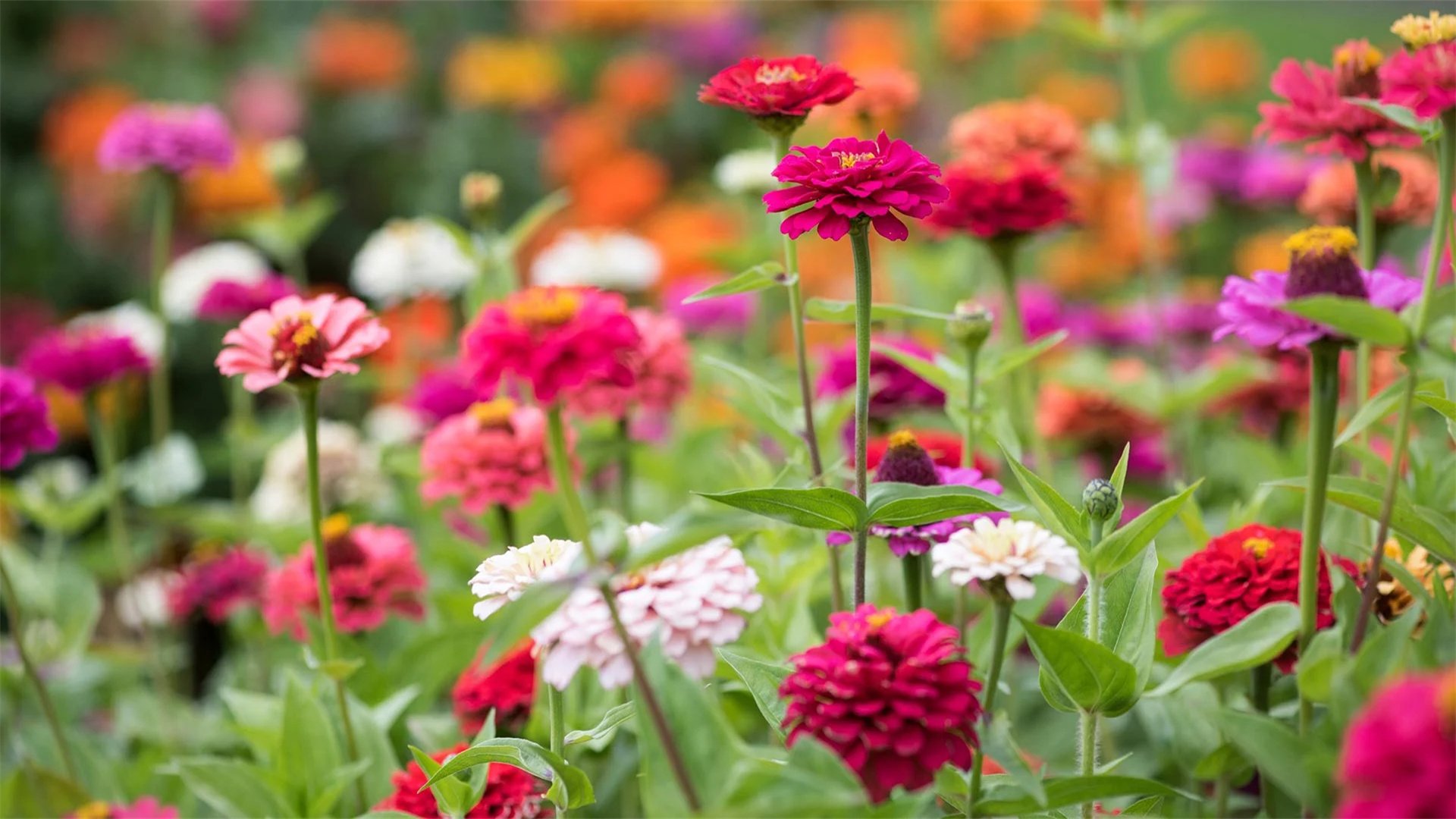
🌺 Zinnia (Zinnia elegans)
Zinnias are annual flowers prized for their bold, daisy-like blooms in a rainbow of colors. They are exceptionally easy to grow from seed and bloom prolifically from summer to frost. Zinnias are perfect for cut flower gardens, adding long-lasting bouquets to your home.
Advantages of Growing Zinnias
- Extended Bloom Time: Flower continuously until the first frost, providing non-stop color.
- Heat and Drought Resistance: Thrive in hot, sunny conditions with minimal watering once established.
- Attract Beneficial Insects: Draw pollinators like butterflies and hummingbirds, enhancing garden health.
- Low Cost: Seeds are affordable and readily available, making them accessible for all gardeners.
How to Grow Zinnias Successfully
- Direct Sowing: Plant seeds outdoors after frost danger has passed; they prefer direct sowing as transplanting can disturb roots.
- Sunlight and Soil: Select a site with full sun and well-draining soil; amend with compost for better growth.
- Spacing: Space plants 6-12 inches apart to allow air circulation and prevent mildew issues.
- Watering: Water at the base to keep foliage dry, reducing disease risk; allow soil to dry between waterings.
- Deadheading: Regularly remove spent flowers to encourage new blooms and maintain a tidy appearance.
By implementing these steps, zinnias will reward you with a vibrant display that elevates your garden's aesthetic.
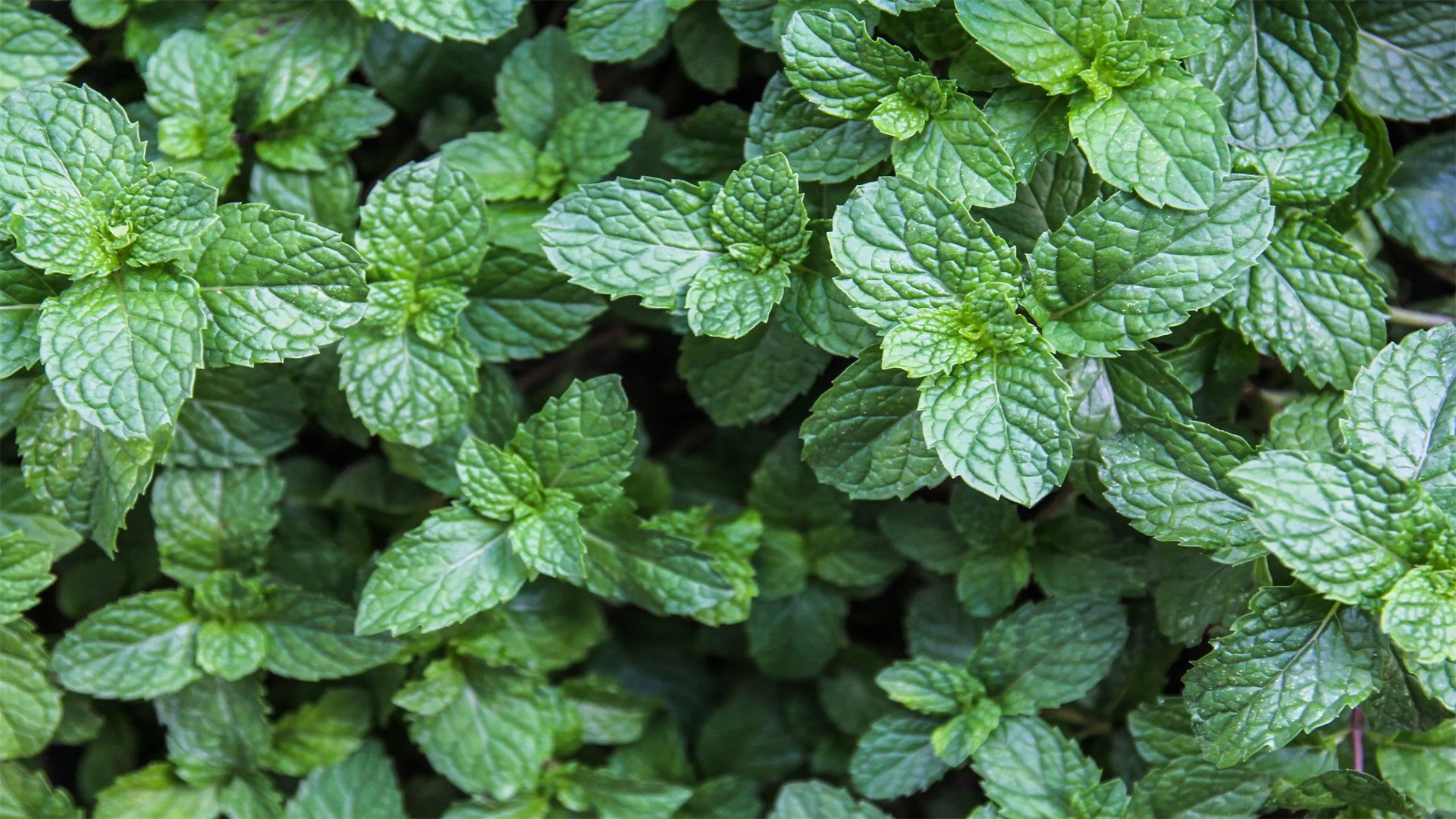
🌱 Mint (Mentha)
Mint is a perennial herb known for its vigorous growth and refreshing aroma. It's incredibly easy to grow, often to the point of being invasive, so container gardening is recommended. Mint leaves are perfect for teas, cocktails, and culinary dishes, adding both flavor and fragrance to your retreat.
Advantages of Growing Mint
- Hardy and Resilient: Tolerates a wide range of conditions, from sun to partial shade, and various soil types.
- Rapid Spread: Grows quickly, providing ample harvests for personal use or sharing.
- Culinary and Medicinal Uses: Leaves can be used fresh or dried for cooking, teas, and natural remedies.
- Pest Repellent: The strong scent deters ants, mosquitoes, and other insects naturally.
How to Grow Mint Successfully
- Container Planting: To control spread, plant mint in pots with drainage holes; use a quality potting mix.
- Location: Place in partial to full sun; mint can tolerate shade but may become leggy.
- Watering: Keep soil consistently moist but not waterlogged; water when the top inch feels dry.
- Pruning and Harvesting: Trim regularly to encourage bushy growth; harvest leaves as needed, preferably in the morning for best flavor.
- Fertilization: Feed with a balanced liquid fertilizer every 4-6 weeks during the growing season.
With these practices, mint will thrive and become a versatile addition to your garden retreat.
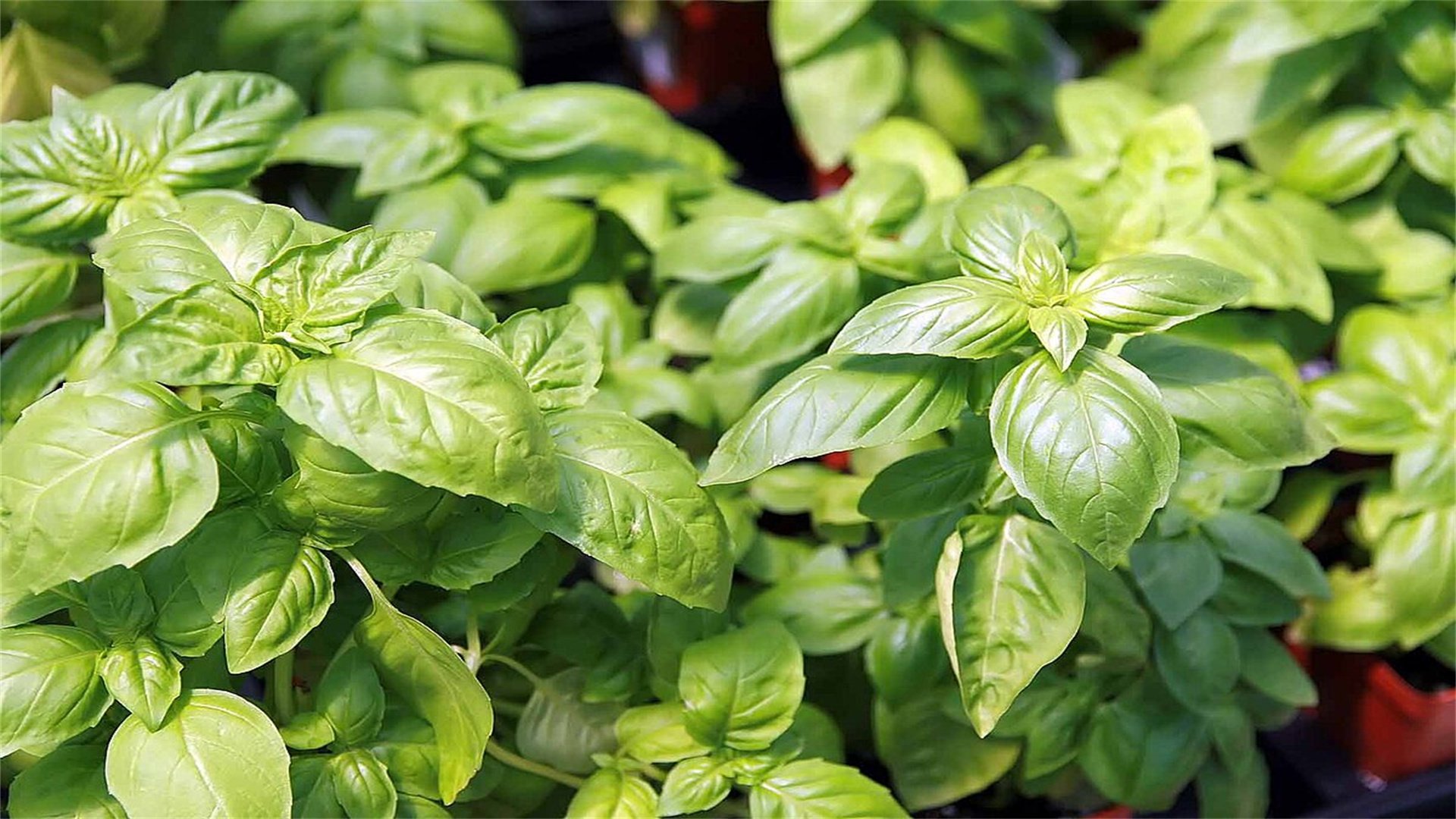
🍃 Basil (Ocimum basilicum)
Basil is an annual herb beloved for its aromatic leaves and culinary versatility. It's easy to grow from seed or transplants and thrives in warm weather. Basil pairs beautifully with tomatoes and other garden produce, making it a must-have for any edible garden retreat.
Advantages of Growing Basil
- Fast Growth: Germinates in 5-10 days and can be harvested within weeks, offering quick rewards.
- Culinary Star: Essential for dishes like pesto, salads, and sauces; fresh taste surpasses store-bought.
- Companion Planting Benefits: Repels mosquitoes and flies while attracting pollinators when allowed to flower.
- Adaptable: Grows well in gardens, containers, or indoor pots, providing flexibility.
How to Grow Basil Successfully
- Timing: Plant after the last frost when temperatures are consistently above 50°F; basil is sensitive to cold.
- Sun and Soil: Choose a location with 6-8 hours of full sun and well-draining, fertile soil with a pH of 6.0-7.5.
- Planting: Space plants 12-18 inches apart; if starting from seed, sow ¼ inch deep and thin seedlings.
- Watering: Water regularly to keep soil moist but avoid wetting leaves to prevent fungal diseases.
- Harvesting: Pinch off leaves regularly to encourage branching; prevent flowering by trimming buds for longer leaf production.
By following these steps, basil will flourish and enhance both your garden and kitchen.
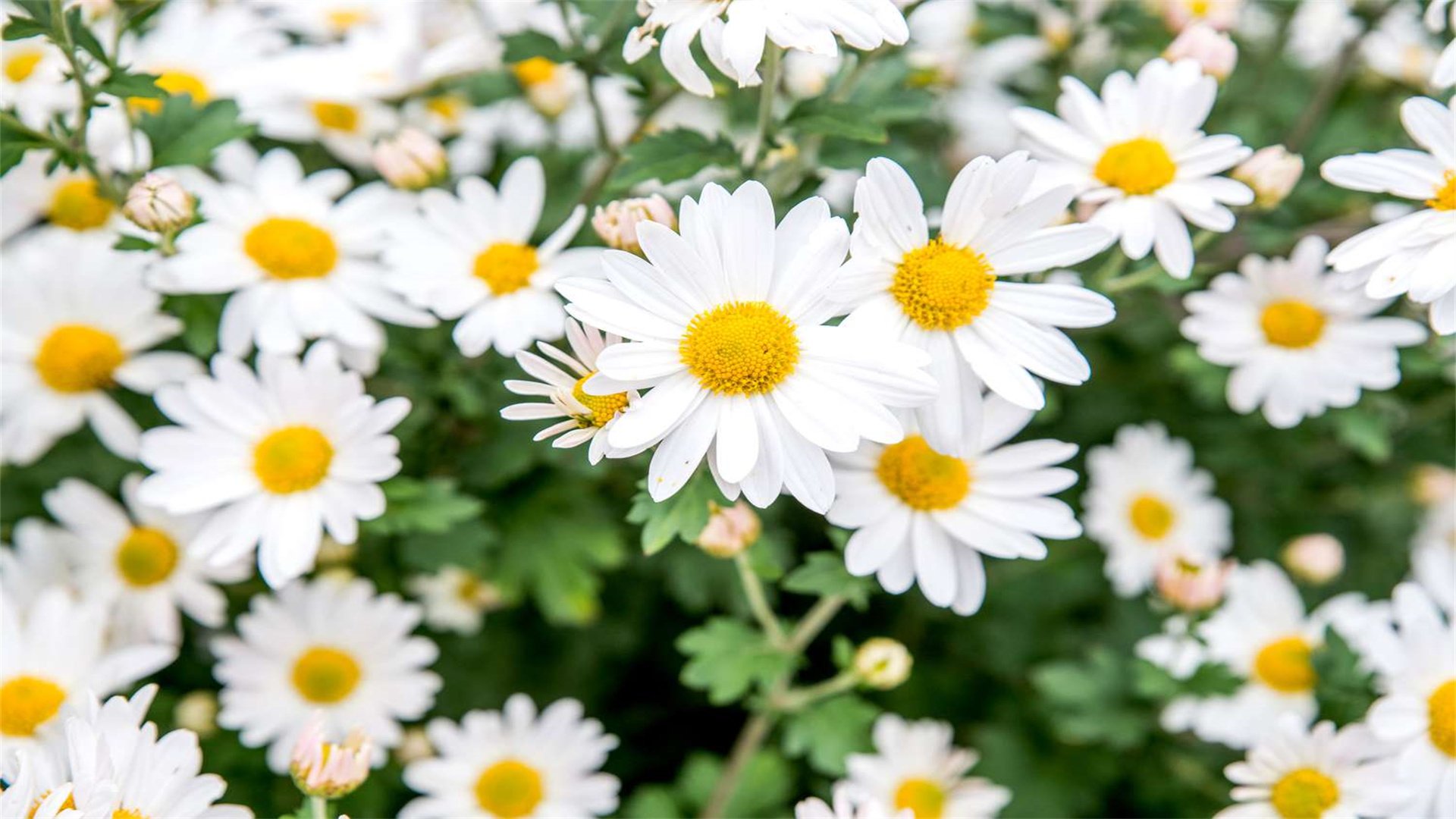
🌼 Daisy (Bellis perennis)
Daisies are perennial flowers known for their simple, cheerful white petals and yellow centers. They are low-maintenance and can naturalize in lawns or borders, creating a whimsical, cottage-garden feel. Daisies bloom from spring to summer, adding timeless charm to any retreat.
Advantages of Growing Daisies
- Cold Hardy: Tolerate frost and cooler climates, making them suitable for various regions.
- Long-Lived: Perennials that return year after year with minimal care, saving time and money.
- Pollinator Support: Attract bees and butterflies, contributing to a healthy garden ecosystem.
- Versatile Design: Use in borders, rock gardens, or as ground cover for a relaxed aesthetic.
How to Grow Daisies Successfully
- Site Selection: Plant in full sun to partial shade; daisies prefer at least 4-6 hours of sunlight daily.
- Soil Preparation: Use well-draining soil amended with compost; daisies tolerate a range of pH levels but thrive in neutral soil.
- Planting: Space plants 12-18 inches apart in spring or fall; water well after planting to establish roots.
- Maintenance: Water during dry spells; deadhead spent blooms to encourage reblooming and prevent self-seeding if desired.
- Division: Every 2-3 years, divide clumps in early spring to rejuvenate growth and prevent overcrowding.
With these guidelines, daisies will bring enduring beauty and simplicity to your outdoor space.
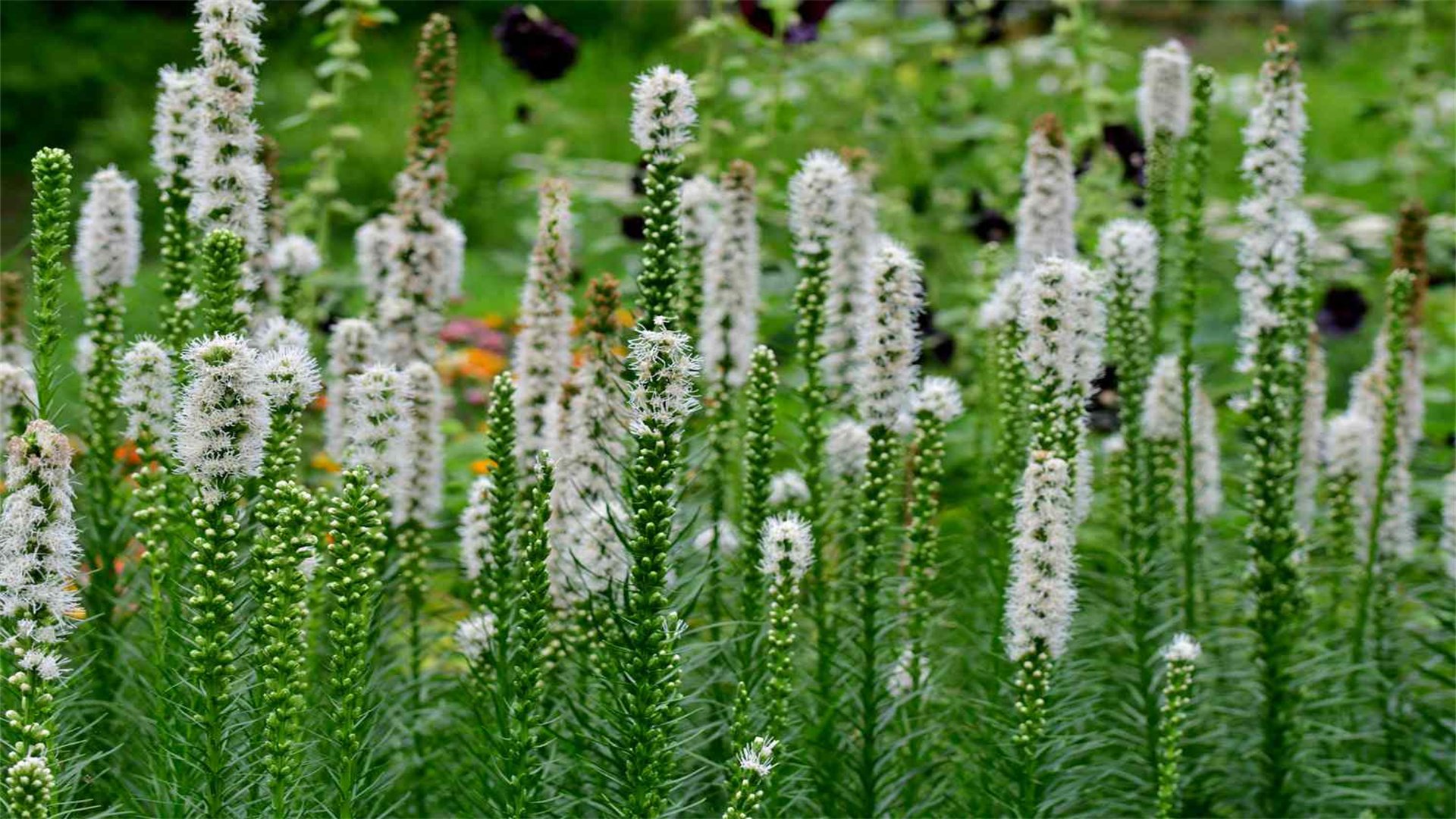
💜 Liatris (Liatris spicata)
Liatris, also known as blazing star or gayfeather, is a perennial native to North America, valued for its unique spike-like purple flowers. It's drought-tolerant and easy to grow, attracting butterflies and birds. Liatris adds vertical interest to garden beds, creating a stunning backdrop for your retreat.
Advantages of Growing Liatris
- Drought Resistance: Once established, requires little water, ideal for xeriscaping or low-water gardens.
- Unique Bloom Form: Flowers open from the top down, providing a long-lasting display from mid-summer to fall.
- Wildlife Magnet: Highly attractive to butterflies, bees, and birds, boosting biodiversity.
- Low Maintenance: Rarely troubled by pests or diseases, making it a hassle-free choice.
How to Grow Liatris Successfully
- Planting Time: Plant corms (bulb-like structures) in spring or fall; choose a location with full sun for best blooms.
- Soil Requirements: Prefer well-draining, sandy or loamy soil; avoid heavy clay to prevent rot.
- Spacing and Depth: Plant corms 2-4 inches deep and 12-15 inches apart; water lightly after planting.
- Care Routine: Water moderately during growth; once established, reduce watering. Stake tall varieties if needed in windy areas.
- Aftercare: Leave flower spikes in place over winter to provide food for birds; cut back in early spring.
By following these steps, liatris will thrive and add striking vertical elements to your garden retreat.
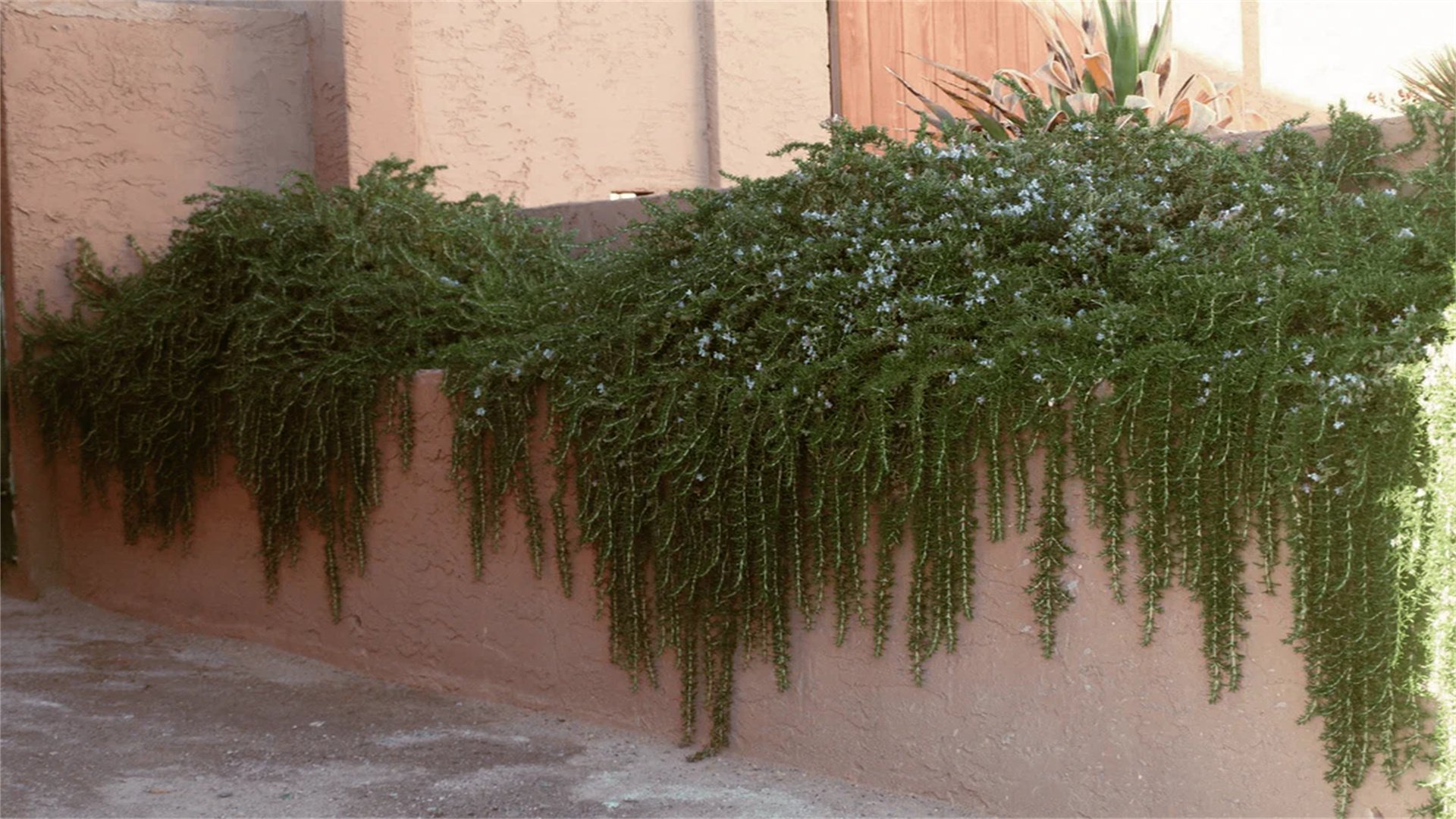
🌿 Creeping Rosemary (Rosmarinus officinalis 'Prostratus')
Creeping rosemary is a trailing perennial herb with aromatic needle-like leaves and small blue flowers. It's easy to grow and ideal for ground cover, walls, or containers, offering both aesthetic and practical benefits. This plant thrives in warm climates and is drought-tolerant once established.
Advantages of Growing Creeping Rosemary
- Ground Cover: Spreads quickly to fill spaces, suppressing weeds and reducing garden maintenance.
- Culinary and Aromatic Uses: Leaves can be harvested for cooking, while the scent enhances outdoor relaxation.
- Drought and Heat Tolerant: Perfect for sunny, dry areas, requiring minimal irrigation.
- Deer Resistant: Rarely browsed by deer, making it suitable for rural or wooded gardens.
How to Grow Creeping Rosemary Successfully
- Location: Plant in full sun (at least 6-8 hours daily) with excellent drainage; it's sensitive to wet roots.
- Soil Preparation: Use sandy or gritty soil with a pH of 6.0-7.0; amend with gravel if needed for drainage.
- Planting: Space plants 24-36 inches apart to allow for spreading; water thoroughly after planting.
- Watering and Feeding: Water deeply but infrequently, allowing soil to dry between sessions; fertilize lightly in spring with a balanced fertilizer.
- Pruning: Trim after flowering to maintain shape and encourage dense growth; avoid heavy pruning into old wood.
With these practices, creeping rosemary will create a lush, fragrant carpet that enhances your garden retreat.
Building a stunning outdoor garden retreat is achievable with these nine easy-to-grow plants, each offering unique benefits from low maintenance to vibrant beauty. By incorporating lavender, marigolds, sunflowers, zinnias, mint, basil, daisies, liatris, and creeping rosemary, you can create a diverse, resilient space that thrives with minimal effort. Remember to tailor planting to your local climate and conditions, and don't hesitate to experiment with combinations for visual impact. Whether you seek a serene escape for relaxation or a lively haven for wildlife, these plants provide a solid foundation. Embrace gardening as a joyful journey, and let these selections guide you toward a breathtaking outdoor oasis that you can enjoy for seasons to come. With patience and care, your garden retreat will blossom into a personal sanctuary, offering peace and inspiration every day.