10 Easy Tips for Keeping Your Garden Pest-Free
🌱 Introduction to Garden Pest Control
Garden pests, such as aphids, slugs, caterpillars, and beetles, can wreak havoc on plants by feeding on leaves, stems, and roots, spreading diseases, and reducing crop production. Traditional pest control often relies on synthetic pesticides, which can harm beneficial insects, contaminate soil and water, and pose risks to human health. In contrast, integrated pest management (IPM) emphasizes prevention, monitoring, and natural solutions. This article focuses on easy tips that align with IPM principles, offering a holistic approach to pest-free gardening. We'll cover methods ranging from cultural practices to biological controls, ensuring you have a toolkit to address various pest issues. Remember, a pest-free garden isn't about elimination but about balance—encouraging a diverse ecosystem where pests are managed naturally.

🐜 Tip 1: Use Natural Repellents and Sprays
Natural repellents and sprays are homemade or commercially available solutions that deter pests without toxic chemicals. They often use ingredients like garlic, chili peppers, neem oil, or soap to create barriers or irritants that pests avoid. This method is popular for its simplicity and low cost, making it ideal for organic gardening.
✅ Advantages of Natural Repellents
- 1. Environmentally friendly: They break down quickly and don't harm soil or water systems.
- 2. Safe for beneficial insects: When used correctly, they target specific pests without affecting pollinators like bees.
- 3. Cost-effective: Many recipes use household items, reducing expenses.
- 4. Easy to make: Most sprays require simple mixing and application.
❌ Disadvantages of Natural Repellents
- 1. Short-lived effects: They may need frequent reapplication after rain or watering.
- 2. Variable efficacy: Some pests may adapt or not be deterred by certain repellents.
- 3. Potential plant sensitivity: High concentrations can burn leaves, so testing on a small area is recommended.
🔧 How to Implement Natural Repellents
- 1. Garlic and Chili Spray: Blend 10 garlic cloves and 5 hot chili peppers with 1 liter of water, strain, and add a few drops of dish soap. Spray on plants every 7-10 days to repel aphids and beetles.
- 2. Neem Oil Solution: Mix 2 tablespoons of neem oil with 1 liter of water and a teaspoon of mild soap. Apply weekly to control mites, whiteflies, and fungal diseases.
- 3. Soap Spray: Dissolve 1-2 tablespoons of liquid castile soap in 1 liter of water. Use directly on pests like aphids or mealybugs, avoiding strong sunlight to prevent leaf damage.
- 4. Companion Planting: Grow repellent plants like marigolds, basil, or lavender near susceptible crops to naturally deter pests through scent.
🐞 Tip 2: Introduce Beneficial Insects
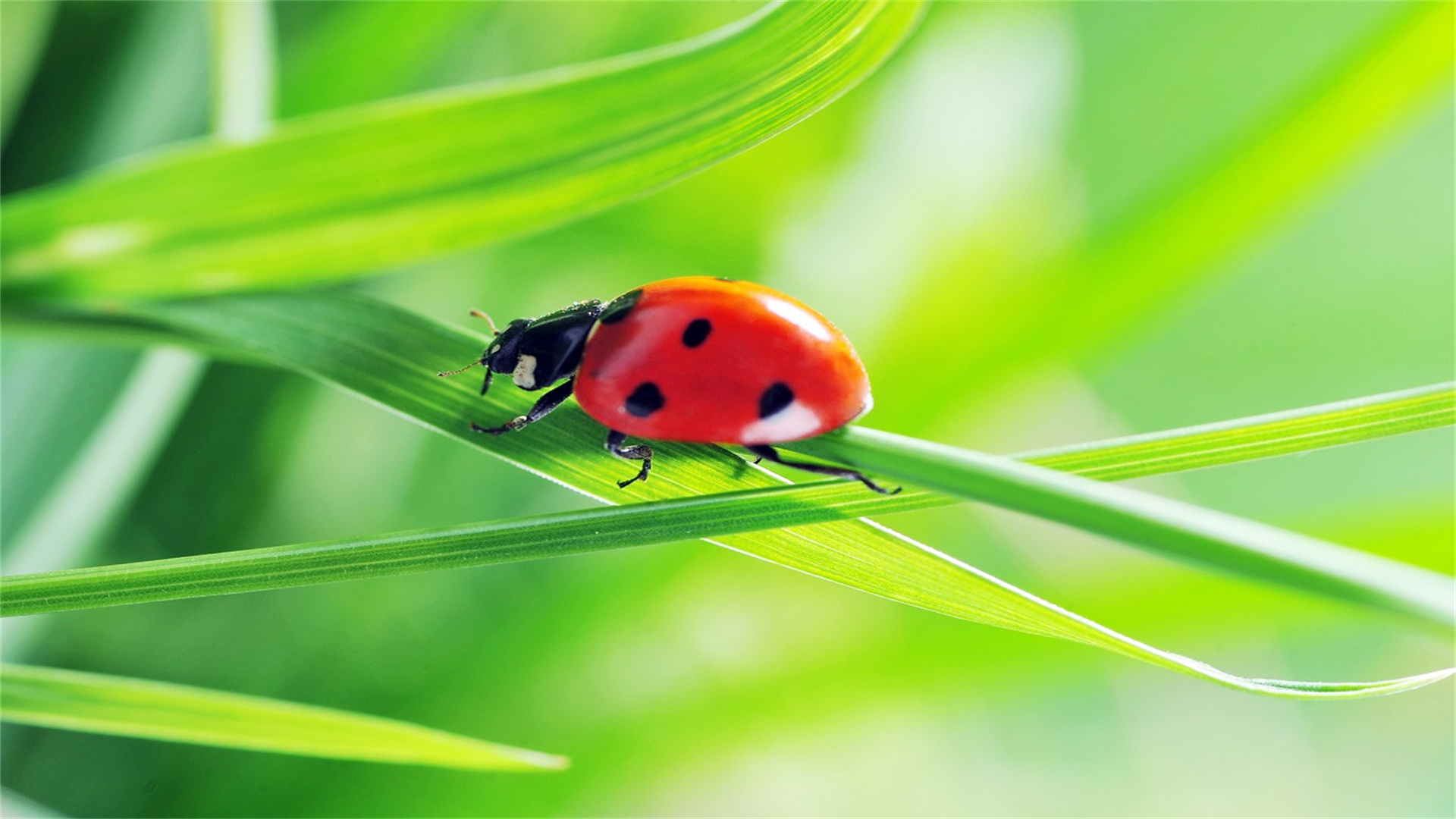
Beneficial insects are natural predators or parasites that feed on garden pests, providing biological control. Examples include ladybugs (ladybirds), lacewings, praying mantises, and parasitic wasps. This tip leverages nature's balance to keep pest numbers in check.
✅ Advantages of Beneficial Insects
- 1. Sustainable pest control: They reproduce and establish populations for long-term management.
- 2. Low maintenance: Once introduced, they require minimal intervention beyond habitat support.
- 3. Target-specific: They often prey on particular pests, reducing collateral damage.
- 4. Enhances biodiversity: Encouraging beneficial insects promotes a healthier ecosystem.
❌ Disadvantages of Beneficial Insects
- 1. Initial cost: Purchasing insects can be expensive, though they may spread naturally over time.
- 2. Environmental dependencies: They thrive only in suitable conditions, such as adequate food and shelter.
- 3. Slow results: It may take weeks or months for populations to build and show effects.
🔧 How to Implement Beneficial Insect Introduction
- 1. Identify Pests and Predators: Research which beneficial insects target your garden pests. For aphids, ladybugs and lacewings are effective; for caterpillars, consider parasitic wasps.
- 2. Purchase from Reputable Suppliers: Buy insects from garden centers or online stores that guarantee live delivery. Release them in the evening to reduce stress and increase survival rates.
- 3. Create a Welcoming Habitat: Plant nectar-rich flowers like dill, fennel, or yarrow to provide food for adult beneficial insects. Avoid pesticides that could harm them.
- 4. Monitor and Supplement: Regularly check pest levels and reintroduce insects if necessary, especially in early spring when pest populations surge.
🧹 Tip 3: Maintain Garden Hygiene
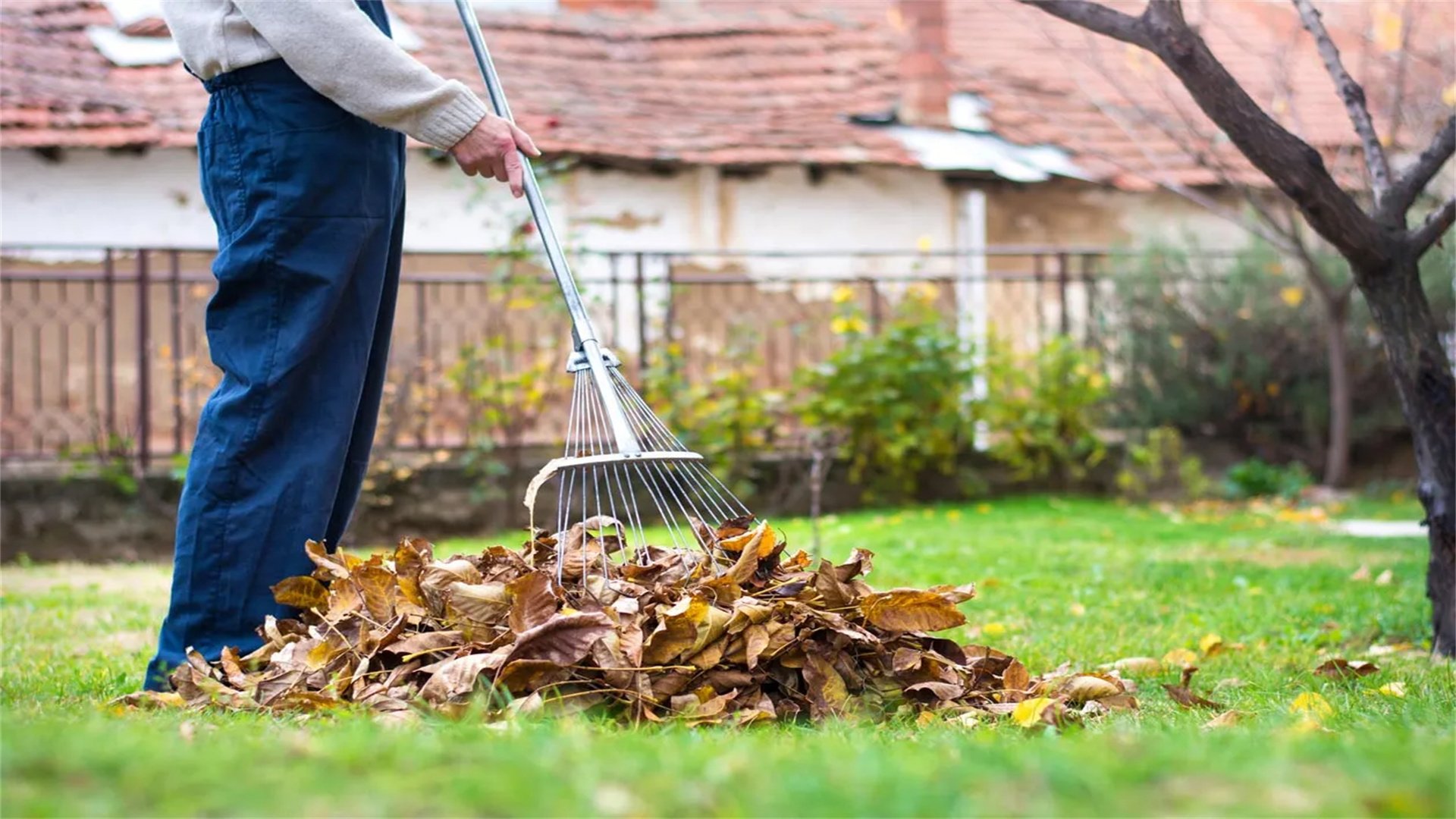
Garden hygiene involves keeping the growing area clean to eliminate pest habitats and breeding grounds. This includes removing dead leaves, weeds, and debris where pests can hide or overwinter. It's a foundational practice for pest prevention.
✅ Advantages of Garden Hygiene
- 1. Prevents pest outbreaks: By removing shelters, you disrupt pest life cycles.
- 2. Reduces disease spread: Clean gardens minimize fungal and bacterial infections carried by pests.
- 3. Improves plant health: Less competition from weeds and debris allows plants to grow stronger.
- 4. Simple and cost-free: It requires only regular effort, no special tools or products.
❌ Disadvantages of Garden Hygiene
- 1. Labor-intensive: It demands consistent time and effort, especially in large gardens.
- 2. May disturb beneficial organisms: Over-cleaning can remove habitats for helpful insects or microorganisms.
- 3. Seasonal challenges: In wet or cold seasons, debris accumulation can be rapid.
🔧 How to Implement Garden Hygiene
- 1. Regular Weeding: Pull weeds by hand or use tools weekly to prevent them from hosting pests like aphids or slugs. Dispose of weeds away from the garden to avoid reseeding.
- 2. Clear Debris: After storms or seasonal changes, collect fallen leaves, branches, and dead plants. Compost healthy material or discard if diseased.
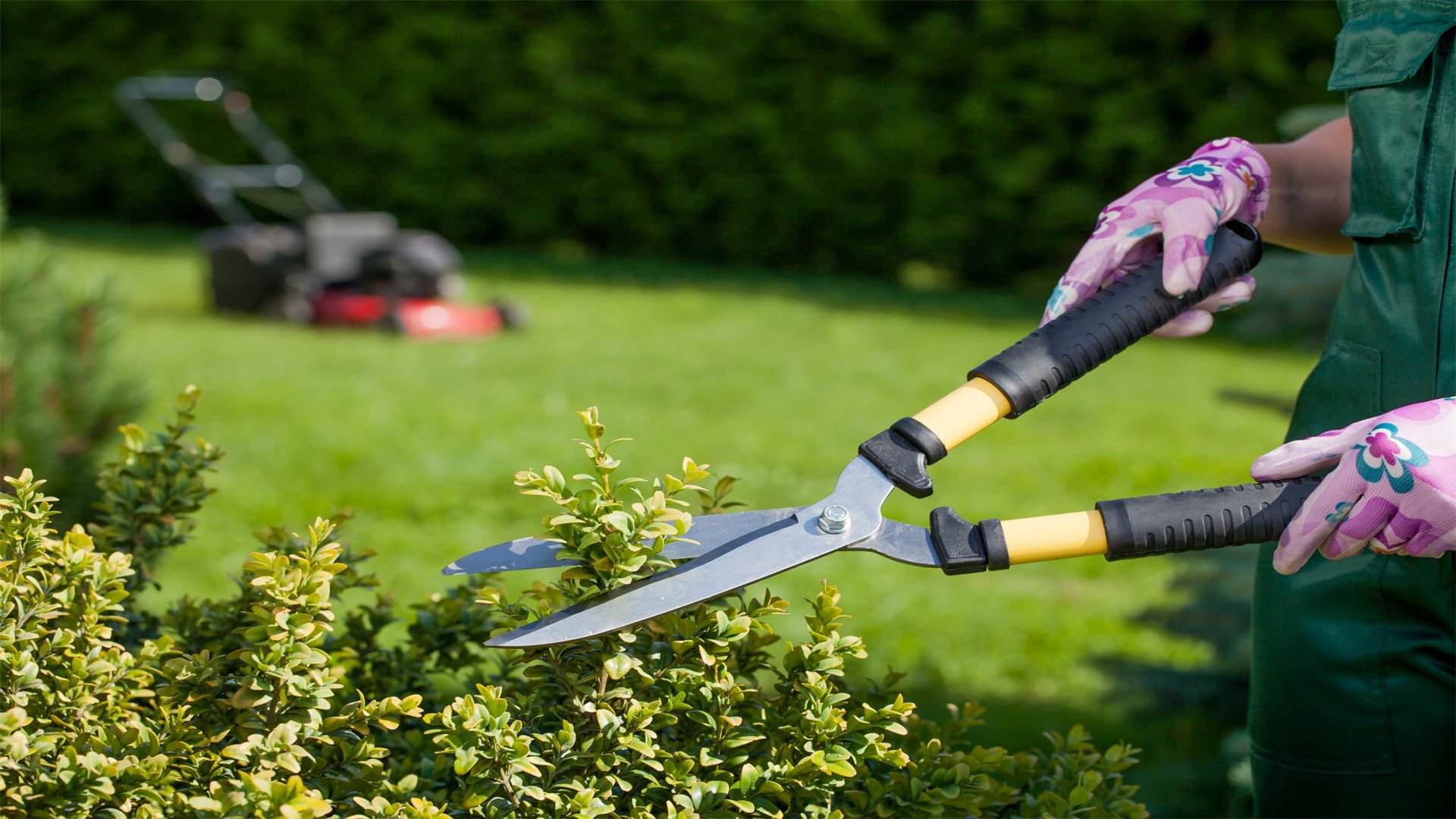
- 3. Sanitize Tools: Clean pruning shears, shovels, and other tools with a bleach solution (1 part bleach to 9 parts water) to prevent spreading pests or diseases between plants.
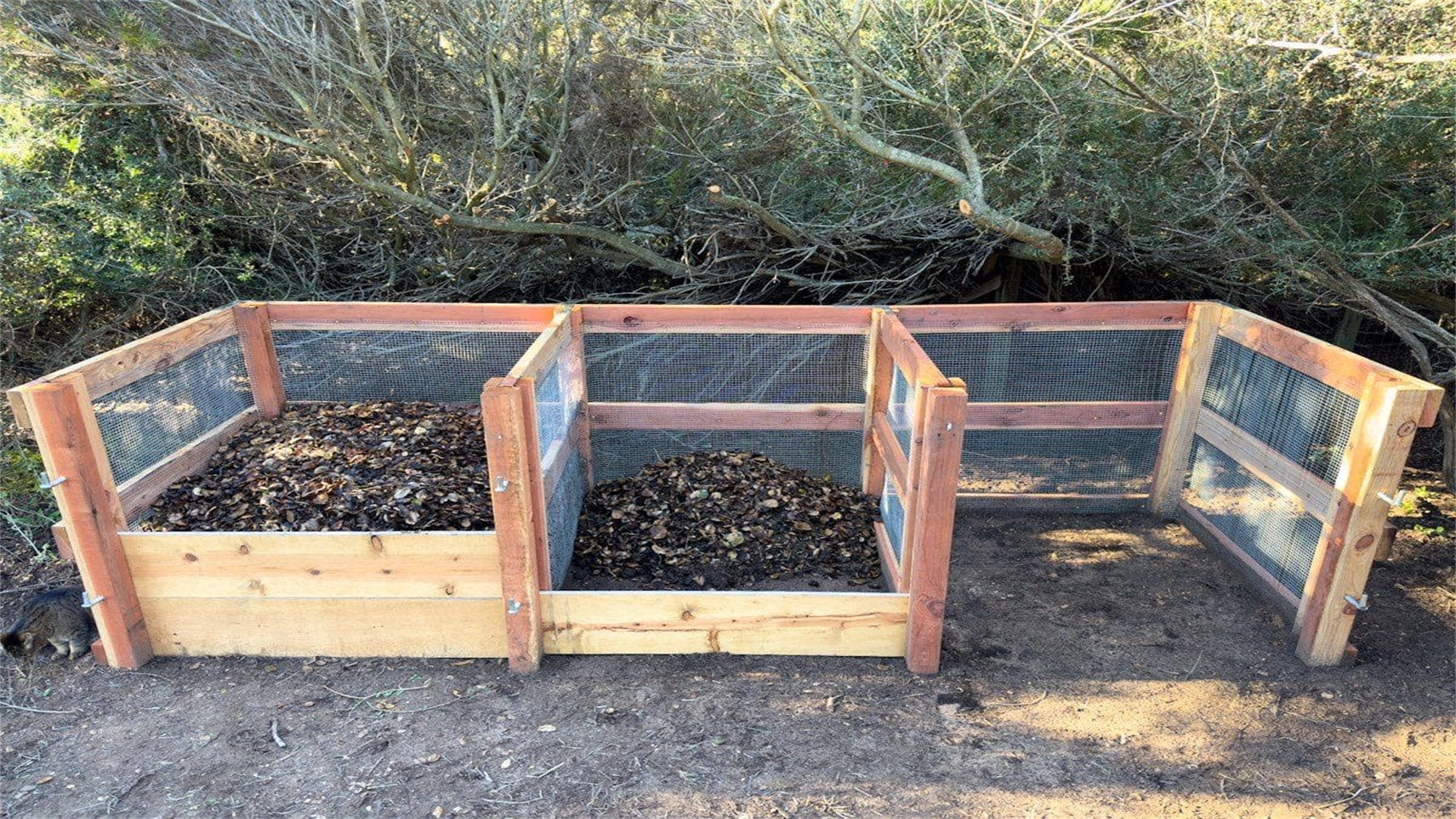
- 4. Rotate Compost Piles: Keep compost bins covered and turned regularly to avoid attracting pests like rodents or flies.
🛡️ Tip 4: Use Physical Barriers
Physical barriers are structures or materials that block pests from reaching plants. Examples include row covers, nets, fences, and collars. This method is highly effective for protecting specific crops from insects, birds, or larger animals.
✅ Advantages of Physical Barriers
- 1. Immediate protection: They provide instant defense without waiting for other methods to work.
- 2. Chemical-free: No residues or environmental impact, safe for organic gardens.
- 3. Versatile: Can be used for various pests, from insects to deer.
- 4. Reusable: Many barriers, like nets or row covers, can be used for multiple seasons with proper care.
❌ Disadvantages of Physical Barriers
- 1. Cost and installation: Some barriers require investment and setup time.
- 2. May hinder pollination: Covers can block bees and other pollinators if not managed properly.
- 3. Maintenance needed: Barriers can tear or degrade, needing repairs or replacement.
🔧 How to Implement Physical Barriers
- 1. Row Covers for Insects: Use lightweight fabric row covers to shield plants like cabbage or carrots from flying pests. Secure edges with soil or stakes, and lift periodically for pollination if growing fruiting plants.
- 2. Nets for Birds and Larger Pests: Install bird nets over berry bushes or fruit trees to prevent feeding. Choose nets with small mesh to keep out insects as well.
- 3. Collars for Soil Pests: Place cardboard or plastic collars around seedlings to deter cutworms and slugs from chewing stems.
- 4. Fences for Animals: Build fences at least 2 meters high for deer or bury wire mesh for burrowing pests like rabbits.
🔄 Tip 5: Practice Crop Rotation
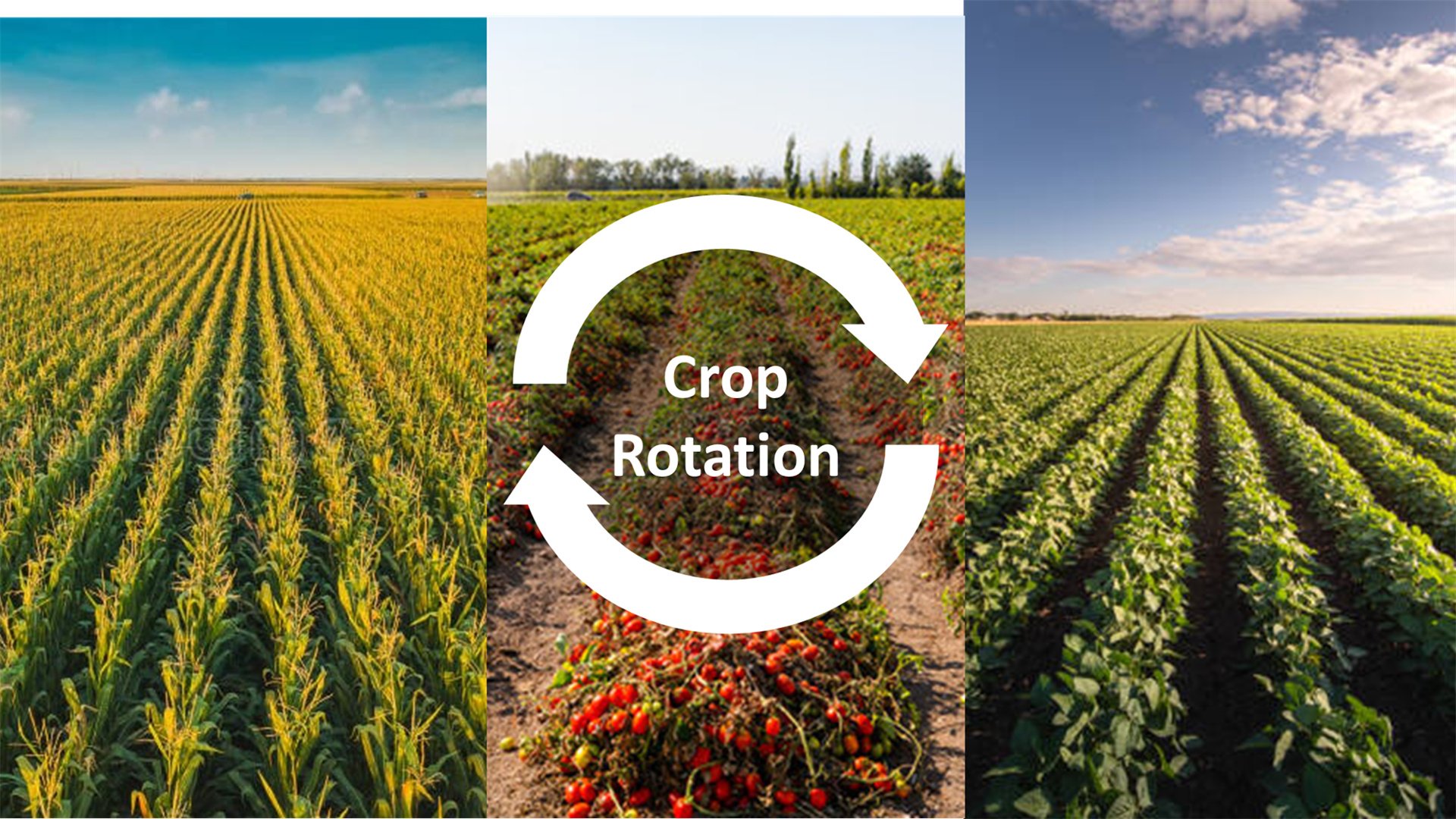
Crop rotation involves changing the types of plants grown in specific areas each season to disrupt pest and disease cycles. This is particularly important for vegetable gardens, where pests often specialize in certain plant families.
✅ Advantages of Crop Rotation
- 1. Breaks pest life cycles: Pests that overwinter in soil are confused when host plants are moved.
- 2. Improves soil health: Rotating with nitrogen-fixing plants like legumes enriches soil structure and fertility.
- 3. Reduces disease buildup: Soil-borne pathogens diminish when their host plants are absent.
- 4. Enhances biodiversity: Different plants attract varied beneficial organisms.
❌ Disadvantages of Crop Rotation
- 1. Requires planning: You need a garden map and schedule, which can be complex for small spaces.
- 2. Limited by space: In tiny gardens, rotation may not be feasible without creative container gardening.
- 3. Slow results: Benefits accumulate over years, not immediately.
🔧 How to Implement Crop Rotation
- 1. Group Plants by Family: Divide crops into families like brassicas (cabbage, broccoli), solanaceae (tomatoes, peppers), and legumes (beans, peas). Avoid planting the same family in the same spot for at least 3 years.
- 2. Create a Rotation Plan: Sketch your garden layout and assign areas for different families each year. Use a journal to track rotations and pest incidents.
- 3. Incorporate Cover Crops: Plant cover crops like clover or rye during off-seasons to suppress weeds and improve soil, further disrupting pests.
- 4. Monitor and Adjust: Observe pest pressures and tweak rotations if certain areas remain problematic.
🌿 Tip 6: Choose Pest-Resistant Plant Varieties
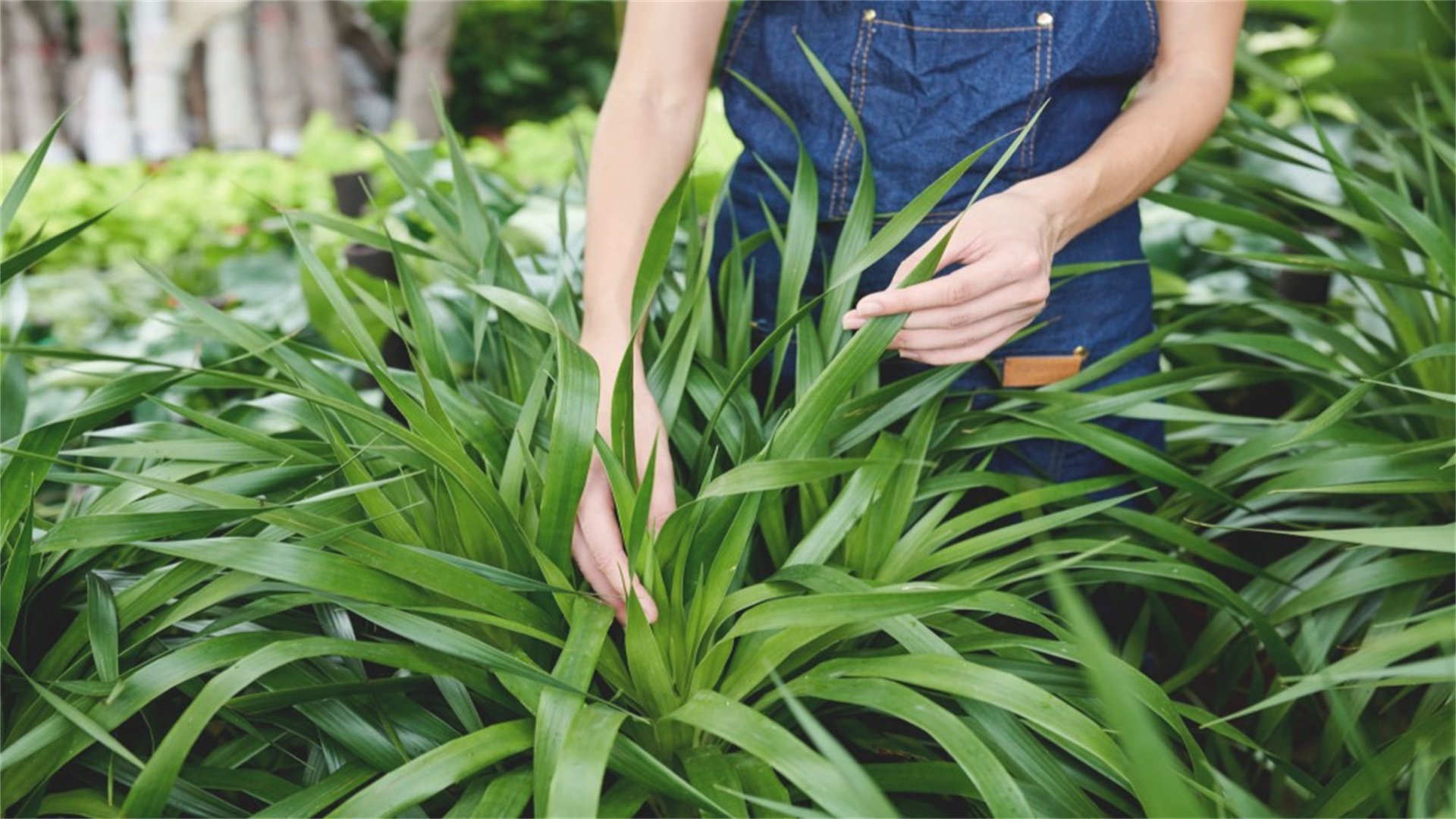
Selecting plant varieties that are naturally resistant or tolerant to pests can reduce infestation risks. Breeders develop these varieties to have traits like thicker leaves, repellent chemicals, or rapid recovery from damage.
✅ Advantages of Pest-Resistant Varieties
- 1. Lower maintenance: They require fewer interventions, saving time and effort.
- 2. Higher yields: Resistant plants often produce more because they allocate energy to growth rather than defense.
- 3. Environmentally sustainable: They minimize the need for sprays or barriers.
- 4. Widely available: Many seed catalogs and nurseries label resistant varieties for common pests.
❌ Disadvantages of Pest-Resistant Varieties
- 1. Limited selection: Not all plants have resistant options, which may restrict garden diversity.
- 2. Potential cost: Some specialized seeds or plants can be more expensive.
- 3. Resistance breakdown: Pests may evolve over time to overcome plant defenses, though this is rare in home gardens.
🔧 How to Implement Pest-Resistant Plant Selection
- 1. Research Varieties: Look for labels like "disease-resistant" or "pest-tolerant" when buying seeds or seedlings. For example, choose tomato varieties resistant to hornworms or cucumber varieties resistant to beetles.
- 2. Consult Local Experts: Visit garden centers or extension services for recommendations suited to your region's pests and climate.
- 3. Experiment in Small Plots: Test new varieties alongside your usual plants to compare performance and pest resistance.
- 4. Save Seeds from Resilient Plants: If you save seeds, select from plants that showed minimal pest damage to gradually breed stronger local varieties.

👀 Tip 7: Regularly Monitor for Early Detection
Early detection involves frequently inspecting plants for signs of pests or damage, allowing prompt action before infestations escalate. This tip emphasizes observation and record-keeping as key tools in pest management.
✅ Advantages of Early Detection
- 1. Prevents major damage: Catching pests early means easier control with minimal interventions.
- 2. Reduces treatment costs: Small-scale problems often require less time and resources.
- 3. Enhances learning: Regular monitoring helps you understand pest patterns and plant vulnerabilities.
- 4. Supports integrated approaches: It aligns with IPM by prioritizing non-chemical solutions first.
❌ Disadvantages of Early Detection
- 1. Time-consuming: It requires dedication to scan plants, especially in large or dense gardens.
- 2. Skill-dependent: Beginners may miss subtle signs, though practice improves accuracy.
- 3. Weather-dependent: Inclement weather can hinder monitoring schedules.
🔧 How to Implement Regular Monitoring
- 1. Schedule Inspections: Set aside time weekly, or daily during peak seasons, to walk through your garden. Focus on new growth, undersides of leaves, and soil surfaces.
- 2. Use Tools: Carry a magnifying glass to spot tiny pests like spider mites, and a notebook to record findings, including pest types, numbers, and plant responses.
- 3. Set Thresholds: Decide on action thresholds—for example, if you see more than 5 aphids per leaf, it's time to intervene with a spray or manual removal.
- 4. Engage Technology: Consider using apps or online forums to identify pests from photos and get advice from gardening communities.
🏷️ Tip 8: Deploy Traps and Lures
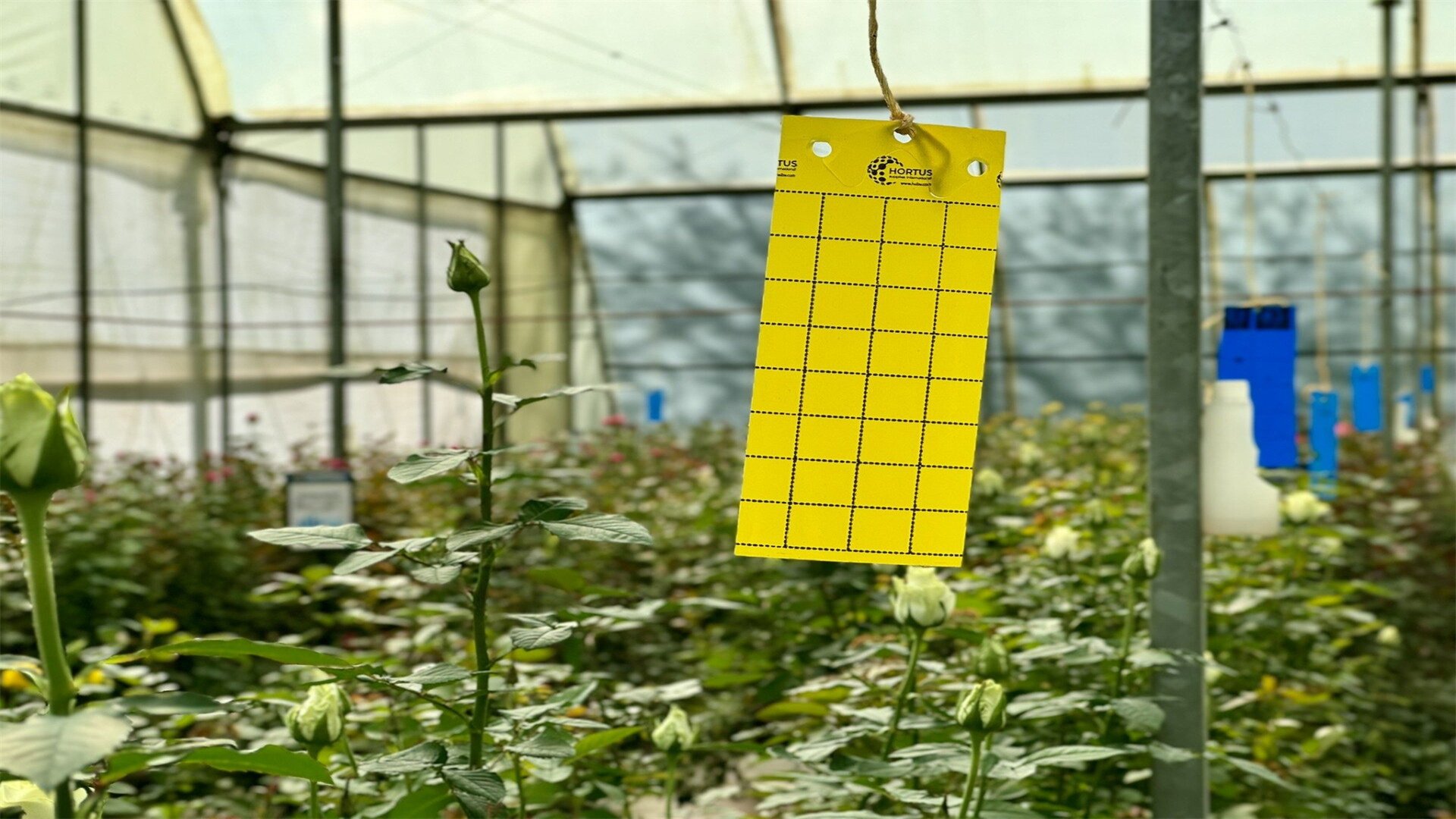
Traps and lures are devices that attract and capture pests, reducing their populations. They can be homemade or commercial, targeting specific insects like fruit flies, slugs, or beetles through visual cues, scents, or baits.
✅ Advantages of Traps and Lures
- 1. Targeted control: They often attract only the intended pests, sparing beneficial insects.
- 2. Monitor pest levels: Traps serve as early warning systems, indicating when pest numbers are rising.
- 3. Non-toxic: Many traps use physical capture or natural baits, avoiding chemicals.
- 4. Easy to use: Simple designs like sticky cards or beer traps require minimal setup.
❌ Disadvantages of Traps and Lures
- 1. Limited scale: They may not control large infestations alone and work best as part of a broader strategy.
- 2. Maintenance required: Traps need regular cleaning or bait replacement to remain effective.
- 3. Potential bycatch: Occasionally, beneficial insects might be caught, though this is rare with well-designed traps.
🔧 How to Implement Traps and Lures
- 1. Yellow Sticky Cards: Hang yellow cards coated with adhesive near plants to trap flying pests like whiteflies or aphids. Replace when covered with insects.
- 2. Beer Traps for Slugs and Snails: Bury a shallow container filled with beer at soil level; slugs are attracted and drown. Empty and refill every few days.
- 3. Pheromone Lures: Use commercial pheromone traps for moths or beetles, placing them away from plants to draw pests from the garden.
- 4. DIY Fruit Fly Traps: Create traps with apple cider vinegar and dish soap in a jar to catch fruit flies around compost or ripe produce.
💧 Tip 9: Optimize Watering Practices
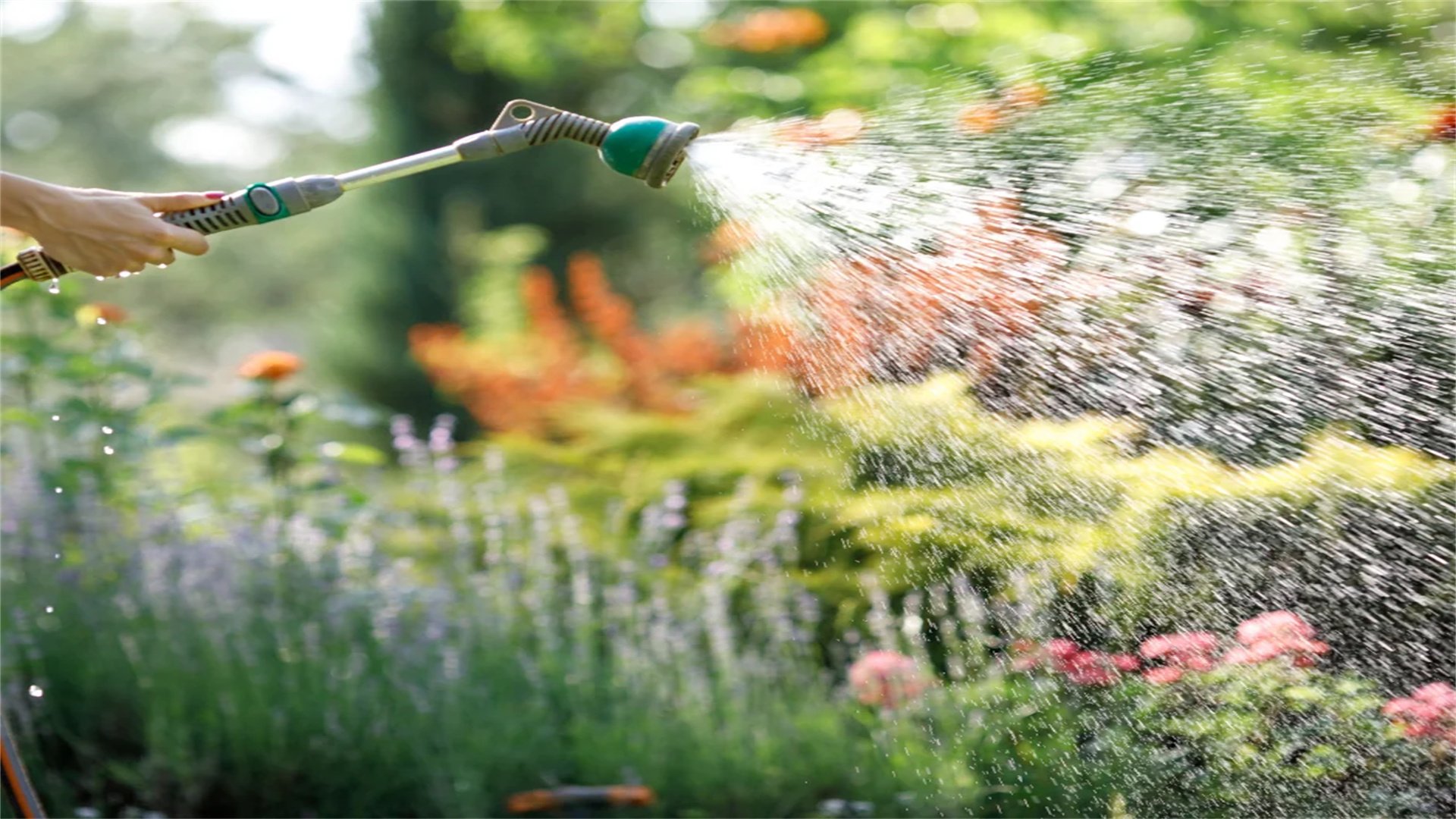
Watering habits directly impact pest prevalence, as overwatering can create damp conditions that attract pests like slugs, fungi, and root-feeding insects. Proper watering involves timing, amount, and method to keep plants healthy and less susceptible.
✅ Advantages of Optimized Watering
- 1. Reduces pest habitats: Dry soil surfaces discourage pests that thrive in moisture.
- 2. Strengthens plants: Consistent, deep watering promotes strong roots that resist pests and diseases.
- 3. Conserves water: Efficient practices save resources and reduce runoff.
- 4. Prevents disease: Less standing water minimizes fungal growth that pests may spread.
❌ Disadvantages of Optimized Watering
- 1. Learning curve: It takes observation to understand each plant's water needs.
- 2. Weather dependence: Rainfall variations can complicate schedules, requiring adjustments.
- 3. Infrastructure costs: Drip irrigation or soaker hoses may involve initial investment.
🔧 How to Implement Optimized Watering
- 1. Water Deeply and Infrequently: Instead of daily light sprinkling, water plants thoroughly once or twice a week to encourage deep root growth and dry surface soil.
- 2. Use Drip Irrigation or Soaker Hoses: These systems deliver water directly to roots, minimizing leaf wetness that attracts pests like aphids or snails.
- 3. Water in the Morning: This allows leaves to dry during the day, reducing fungal risks and making the garden less inviting to moisture-loving pests.
- 4. Monitor Soil Moisture: Use a moisture meter or finger test to check soil before watering; only water when the top inch is dry.

⚠️ Tip 10: Apply Organic Pesticides as a Last Resort
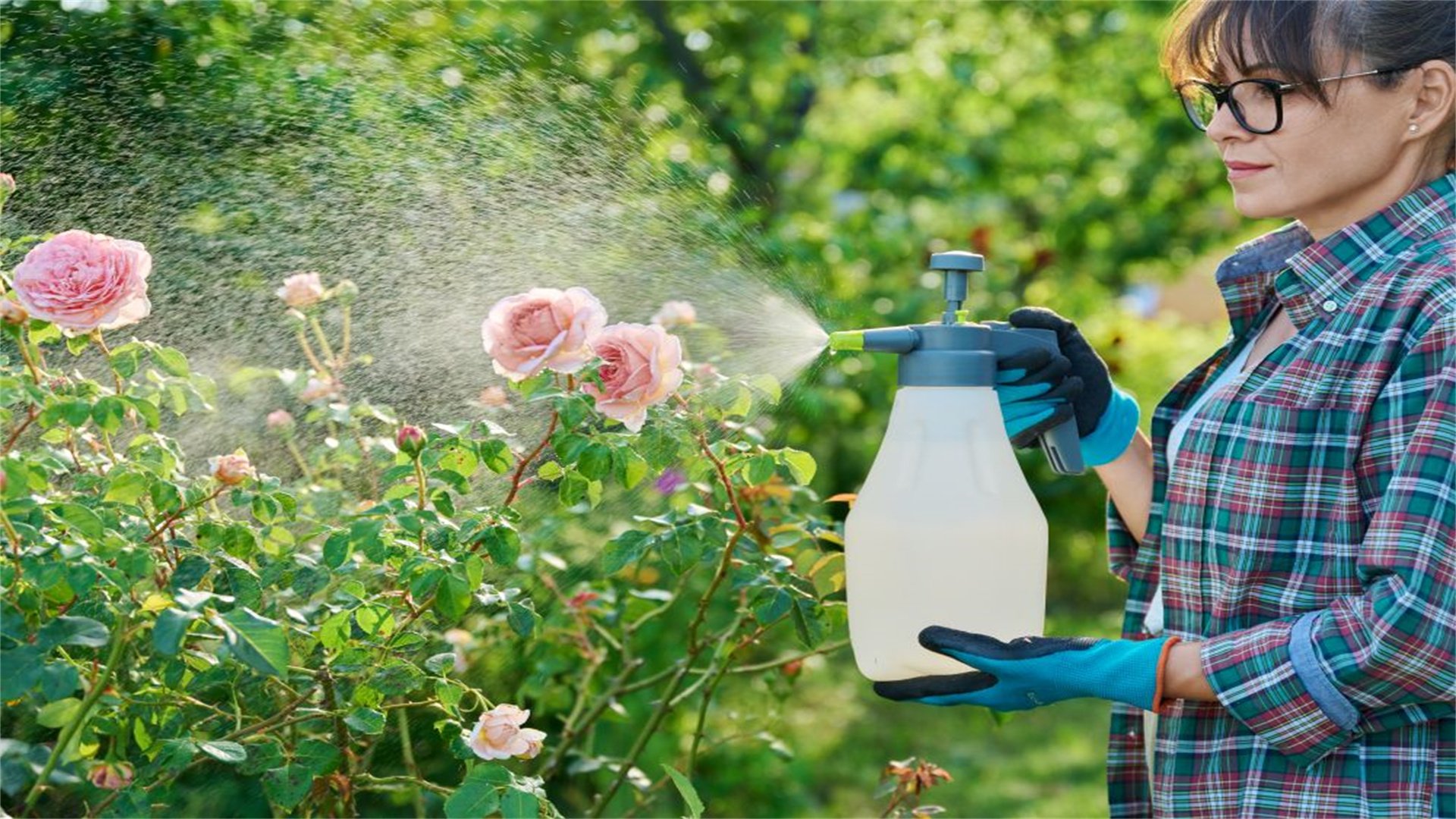
Organic pesticides are derived from natural sources and are less harmful than synthetic ones, but they should be used sparingly when other methods fail. Examples include insecticidal soaps, horticultural oils, and botanical extracts like pyrethrin.
✅ Advantages of Organic Pesticides
- 1. Safer for environment: They degrade quickly and have lower toxicity to non-target organisms.
- 2. Effective against specific pests: Many target soft-bodied insects like aphids or mites without broad-spectrum damage.
- 3. Approved for organic gardening: They meet standards for certified organic production.
- 4. Available commercially: Easy to find in garden stores with clear instructions.
❌ Disadvantages of Organic Pesticides
- 1. Can harm beneficial insects: If misapplied, they may affect bees or ladybugs.
- 2. Require precise timing: They work best when pests are vulnerable, such as in early life stages.
- 3. May need repeated applications: Like natural repellents, they can wash off or break down.
🔧 How to Implement Organic Pesticides
- 1. Identify the Pest Correctly: Ensure you're targeting the right pest to avoid unnecessary treatments. Use monitoring notes from Tip 7.
- 2. Choose the Right Product: Select pesticides labeled for your pest—e.g., insecticidal soap for scale insects, or spinosad for caterpillars.
- 3. Follow Label Instructions: Dilute and apply as directed, typically in calm weather to avoid drift, and during times when pollinators are less active, like early morning or late evening.
- 4. Spot-Treat Instead of Broad Application: Apply only to affected plants or areas to minimize impact on beneficial insects and the environment.
🎯 Conclusion: Integrating Tips for a Pest-Free Garden
Keeping your garden pest-free is an ongoing journey that combines multiple strategies for best results. The 10 tips outlined here—from natural repellents and beneficial insects to hygiene and optimized watering—offer a comprehensive approach that prioritizes prevention, observation, and eco-friendly solutions. By integrating these methods, you can create a balanced garden ecosystem where pests are managed naturally, plants thrive, and biodiversity flourishes.
Start by assessing your garden's specific needs: identify common pests, evaluate your soil and plant health, and choose tips that fit your space and time constraints. For example, if you have a small vegetable patch, focus on crop rotation and physical barriers; if you're dealing with aphids, introduce ladybugs and use garlic spray. Remember, consistency is key—regular monitoring and maintenance will yield long-term benefits.
Ultimately, a pest-free garden isn't about perfection but about resilience. Embrace these easy tips as part of your gardening routine, and you'll enjoy healthier plants, bountiful harvests, and the satisfaction of nurturing a sustainable outdoor space. Share your experiences with fellow gardeners to learn and adapt, and don't hesitate to seek local advice for region-specific challenges. Happy gardening!