7 Easy Techniques to Build a Stunning Balcony Herb Garden at Home
Creating a balcony herb garden is an excellent way to bring nature into your urban living space, offering fresh flavors for cooking, aromatic scents, and a touch of greenery. With limited space, balconies can be transformed into productive and beautiful gardens using simple techniques. This article will guide you through seven easy methods to build a stunning herb garden on your balcony, ensuring you can enjoy homegrown herbs year-round. Each technique is designed to be accessible for beginners, yet versatile enough for experienced gardeners. We'll explore the advantages, disadvantages, and step-by-step implementation for each method, providing detailed insights to help you succeed. By the end, you'll have a comprehensive understanding of how to maximize your balcony's potential for herb cultivation.
Before diving into the techniques, it's important to assess your balcony's conditions, such as sunlight exposure, wind patterns, and available space. Most herbs thrive in full sun (at least 6 hours of direct sunlight per day) and well-draining soil. Common herbs for balcony gardens include basil, mint, rosemary, thyme, parsley, and cilantro. These plants are relatively low-maintenance and perfect for small spaces. Now, let's explore the seven techniques in detail.
🌱 Technique 1: Container Gardening
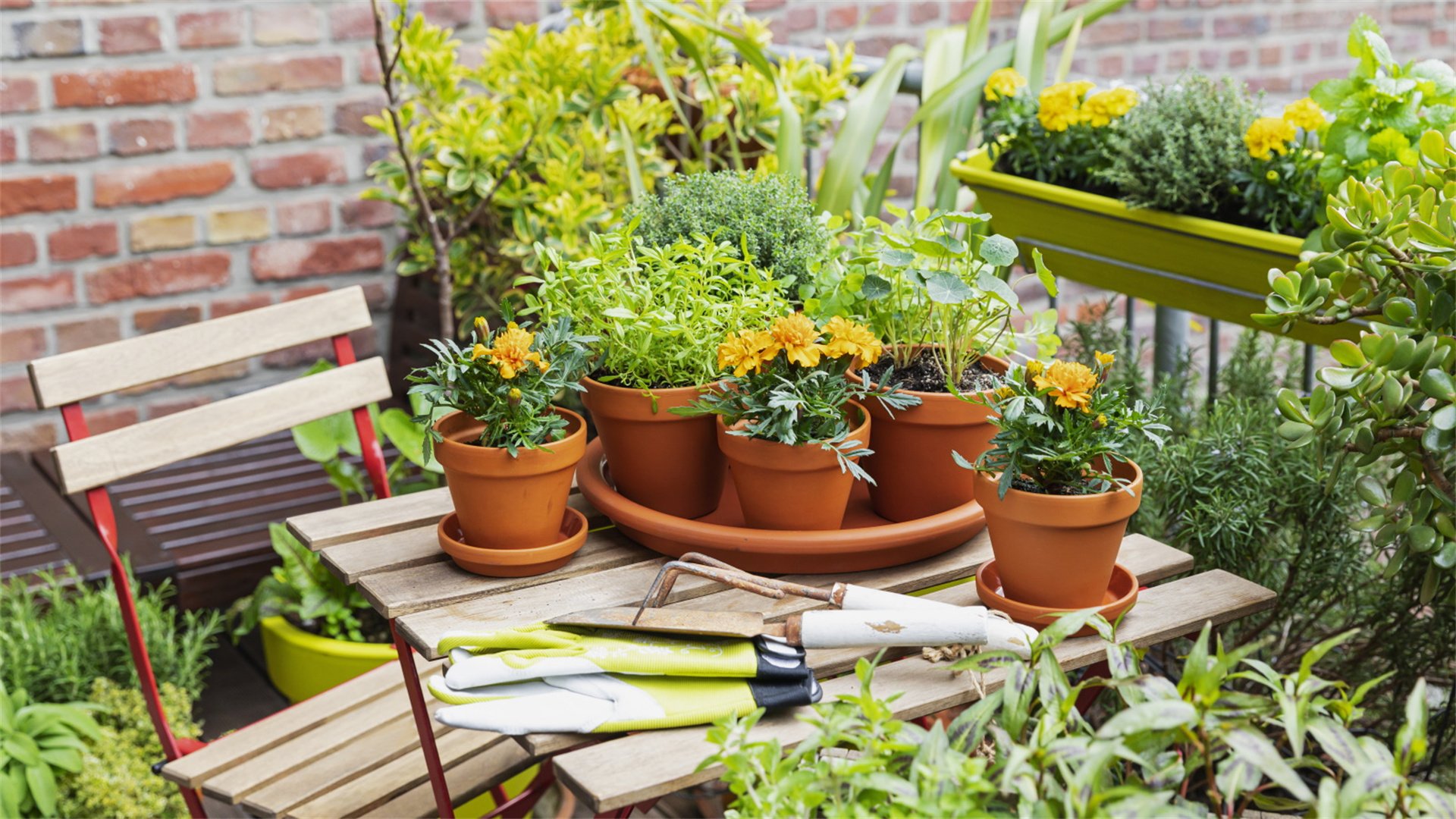
Container gardening is one of the most popular methods for balcony herb gardens, as it allows for flexibility in arrangement and plant selection. This technique involves growing herbs in pots, planters, or other containers, which can be moved around to optimize light and space.
Advantages and Disadvantages
- Advantages:
- Containers offer excellent drainage control, prevent soil-borne diseases, and enable easy mobility for seasonal adjustments.
- They come in various sizes and materials, such as terracotta, plastic, or ceramic, allowing for customization.
- Additionally, container gardening is ideal for renters or those with limited permanent space.
- Disadvantages:
- Containers can dry out quickly, requiring frequent watering, and may become heavy when large.
- They also need regular fertilization since nutrients leach out faster than in ground soil.
- In colder climates, containers may need insulation to protect roots from frost.
How to Implement
- Choose the Right Containers: Select pots with drainage holes to prevent waterlogging. For herbs, containers with a depth of 6-12 inches are sufficient. Consider lightweight options like plastic or fabric pots if weight is a concern. Group containers of similar sizes for a cohesive look.
- Select a Quality Potting Mix: Use a well-draining potting soil specifically formulated for containers, avoiding garden soil which can compact. Mix in compost or perlite to improve aeration and nutrient retention. Fill containers within an inch of the rim to allow for watering.
- Plant Your Herbs: Start with seedlings or seeds, following spacing guidelines on plant tags. For example, basil plants should be spaced 6 inches apart. Gently loosen roots before planting, and water thoroughly after settling the soil. Place containers in sunny spots on your balcony, rotating them occasionally for even growth.
- Maintain Regularly: Water when the top inch of soil feels dry, typically every 1-2 days in warm weather. Fertilize every 4-6 weeks with a balanced liquid fertilizer. Prune herbs regularly to encourage bushier growth and harvest leaves before flowering for best flavor.
📐 Technique 2: Vertical Gardening
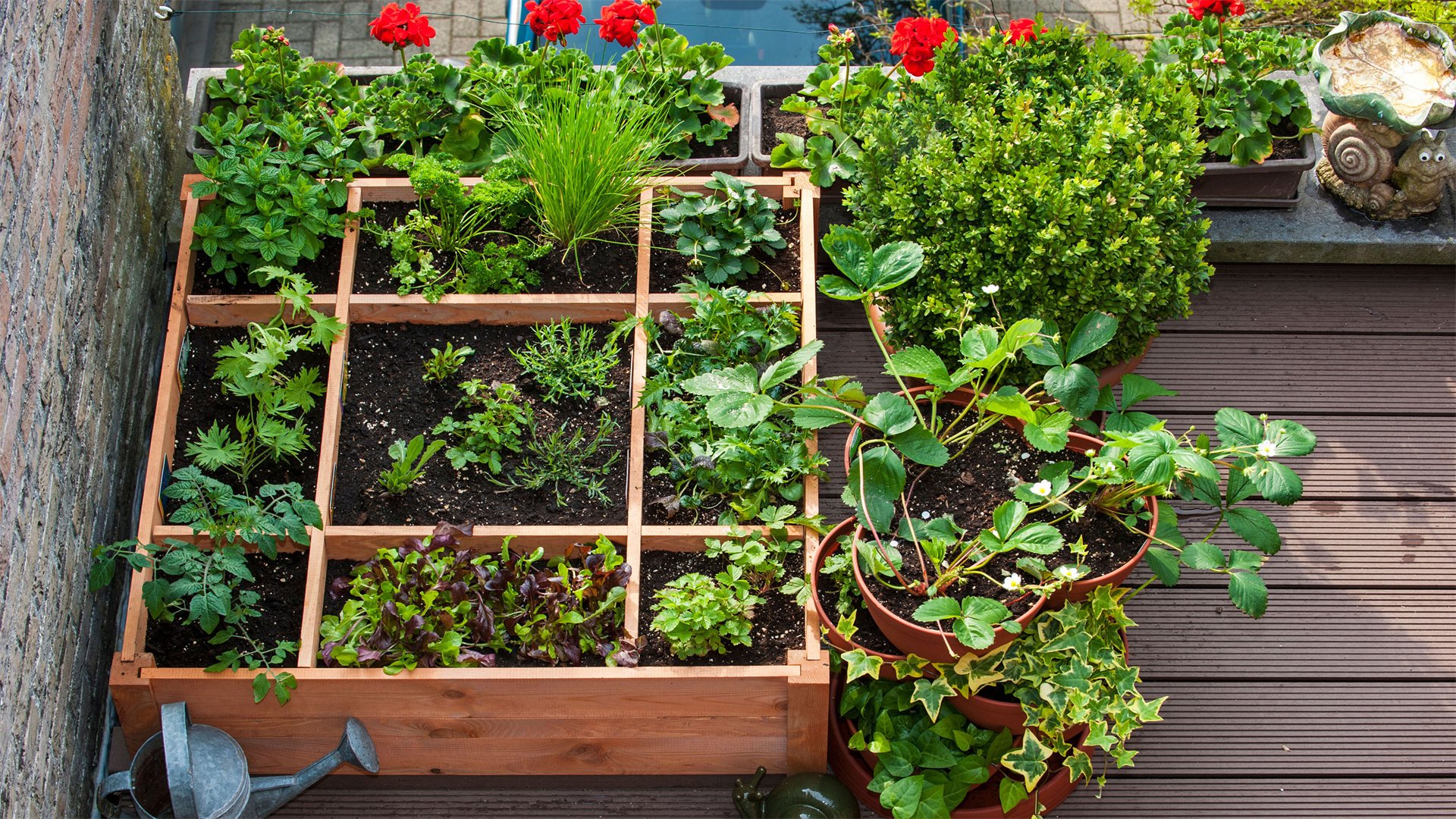
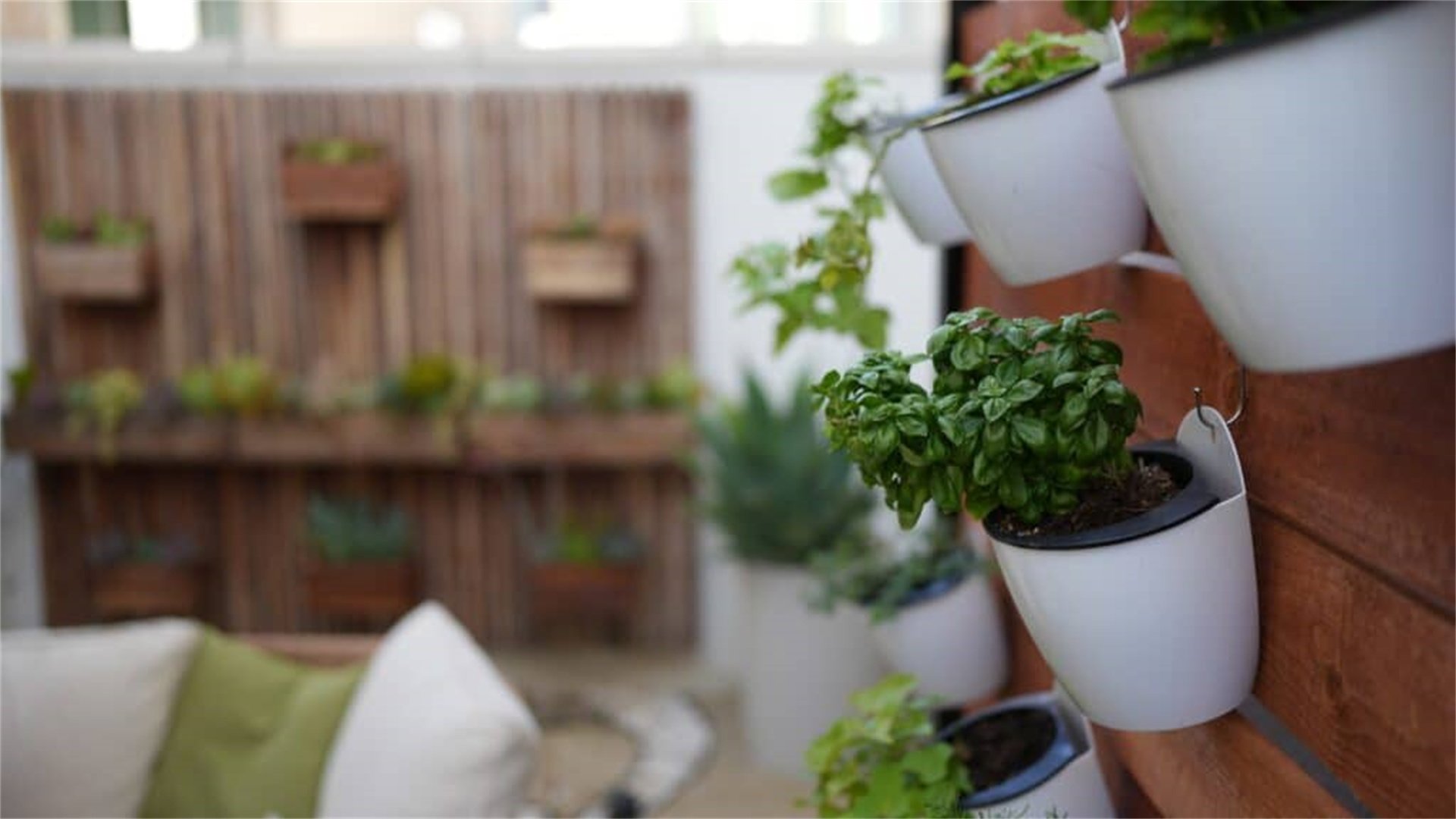
Vertical gardening maximizes space by growing herbs upward on walls, trellises, or stacked planters. This technique is perfect for small balconies where floor space is limited, and it adds a striking visual element.
Advantages and Disadvantages
- Advantages:
- Vertical systems save floor space, improve air circulation around plants, and can act as a privacy screen or decorative feature.
- They often reduce pest problems and make harvesting easier at eye level.
- Disadvantages:
- Vertical gardens may require more initial setup and investment.
- Watering can be challenging if the system isn't designed with irrigation in mind, and plants at the top might dry out faster.
- Weight distribution on walls must be carefully managed to avoid damage.
How to Implement
- Select a Vertical Structure: Options include wall-mounted planters, pallet gardens, pocket planters, or freestanding towers. Ensure the structure is securely attached to balcony walls or railings, using anchors for stability. For DIY projects, repurpose items like shoe organizers or gutters.
- Choose Suitable Herbs: Opt for herbs with shallow roots, such as thyme, oregano, and mint, which adapt well to vertical growing. Avoid large plants like rosemary that need deep soil. Consider light requirements—place sun-loving herbs on the upper levels and shade-tolerant ones below.
- Install an Irrigation System: To simplify watering, incorporate a drip irrigation system or self-watering planters. Alternatively, use a watering wand for manual watering, ensuring all layers receive moisture. Check soil moisture daily, as vertical setups dry out quickly.
- Plant and Maintain: Fill vertical planters with lightweight potting mix, and plant herbs at recommended depths. Secure vines or trailing herbs with ties if needed. Regularly trim and harvest to prevent overcrowding, and monitor for signs of stress due to wind or sun exposure.
🤝 Technique 3: Companion Planting
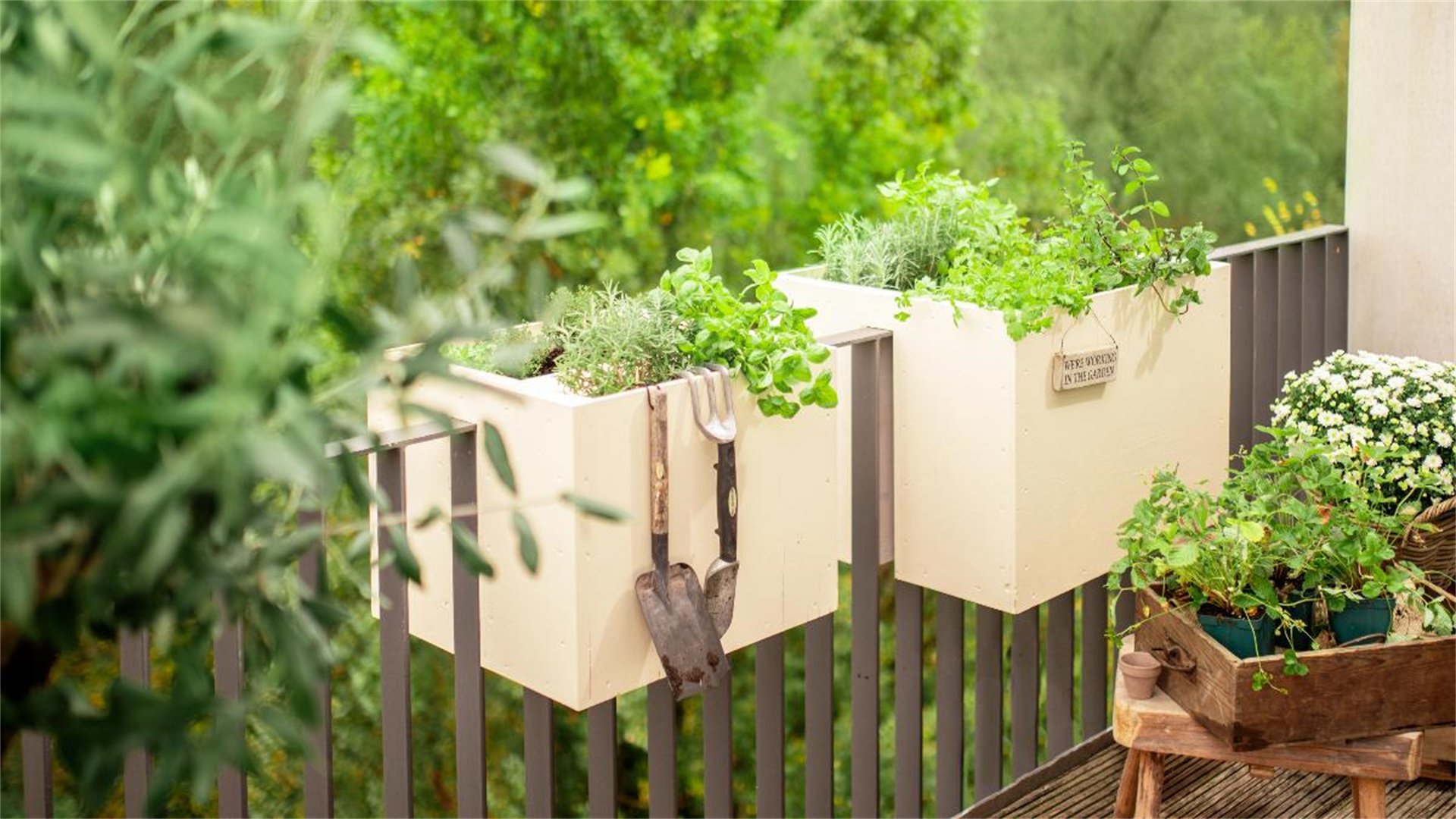
Companion planting involves growing herbs together that benefit each other by deterring pests, improving growth, or enhancing flavors. This technique creates a balanced ecosystem in your balcony garden, promoting healthier plants.
Advantages and Disadvantages
- Advantages:
- Companion planting naturally reduces pest issues without chemicals, improves pollination, and can increase herb yields.
- It also maximizes space by combining plants with complementary growth habits, and adds biodiversity to your garden.
- Disadvantages:
- It requires careful planning to avoid incompatible pairings that compete for resources.
- Some combinations may not work in confined spaces, and it can be tricky to manage if plants have different water or light needs.
How to Implement
- Research Compatible Herbs: Pair basil with tomatoes to repel insects, or plant chives near carrots to deter aphids. Avoid combinations like mint with parsley, as mint can be invasive. Use charts from gardening resources to plan your pairings.
- Design Your Layout: Arrange herbs in containers or beds based on their compatibility. For example, group rosemary, sage, and thyme together, as they prefer drier soil. Leave enough space for each plant to spread, considering mature sizes.
- Monitor and Adjust: Observe plant interactions over time—if one herb is overshadowing another, reposition containers. Introduce beneficial insects like ladybugs for pest control, and use organic mulch to retain moisture and suppress weeds.
- Harvest Strategically: Harvest herbs from companion pairs evenly to maintain balance. For instance, trim basil leaves regularly to encourage bushiness, which benefits nearby plants. Rotate crops seasonally if possible to prevent soil depletion.
💧 Technique 4: Hydroponics
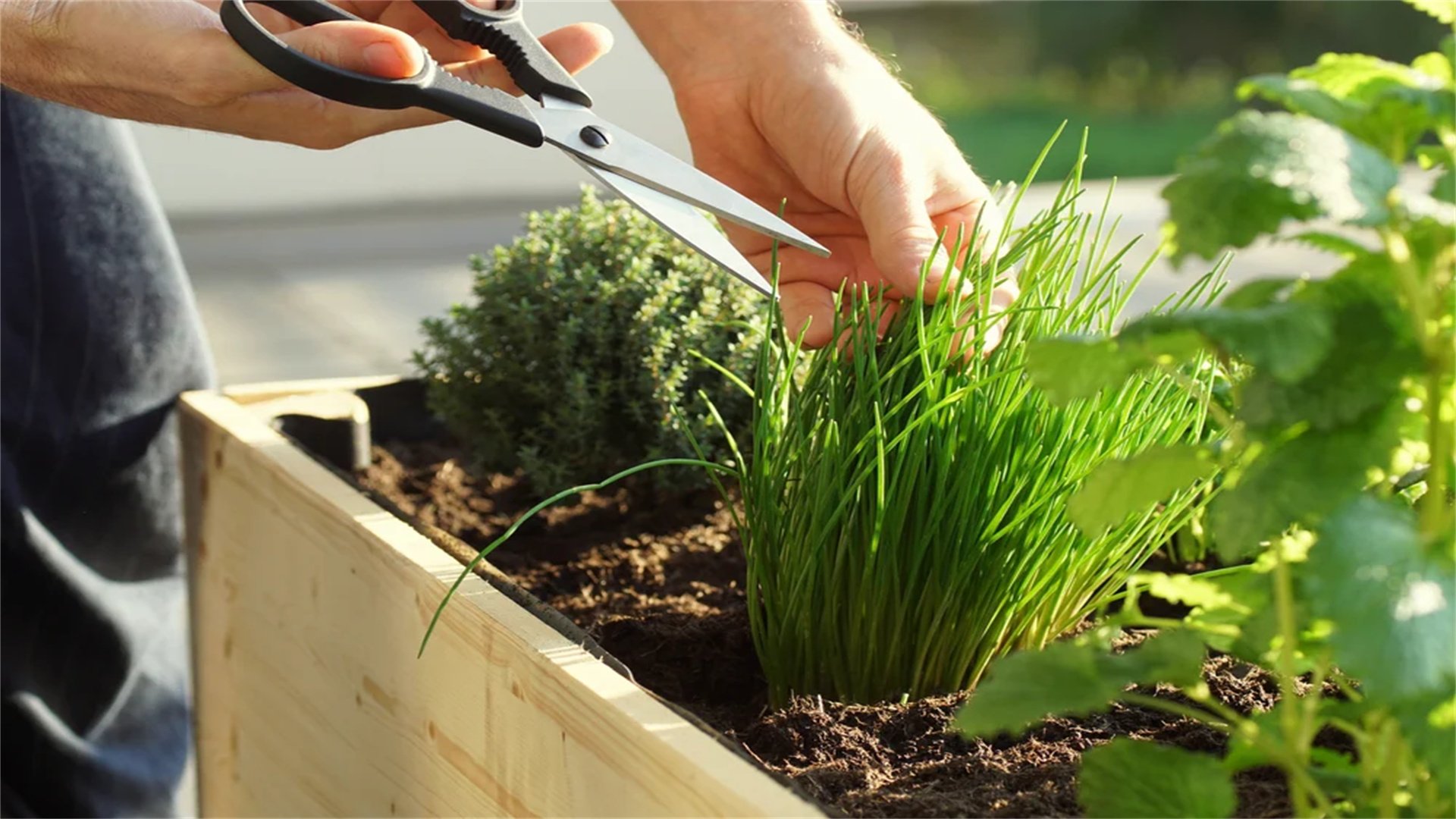
Hydroponics is a soilless gardening technique where herbs grow in nutrient-rich water solutions. This method is highly efficient for balconies, as it uses less water and space than traditional gardening, and allows for year-round cultivation.
Advantages and Disadvantages
- Advantages:
- Hydroponic systems accelerate plant growth, reduce water usage by up to 90%, and eliminate soil-borne diseases.
- They can be set up in compact vertical or horizontal units, making them ideal for small balconies.
- Herbs grown hydroponically often have more intense flavors.
- Disadvantages:
- Initial costs for hydroponic kits can be high, and systems require electricity for pumps and lights.
- Nutrient solutions must be monitored and adjusted regularly, and technical issues like pump failures can risk plant health.
- It may have a learning curve for beginners.
How to Implement
- Choose a Hydroponic System: For balconies, consider small-scale systems like deep water culture (DWC), nutrient film technique (NFT), or Kratky method. Purchase a ready-made kit or build a DIY system using PVC pipes, reservoirs, and pumps. Ensure the system fits your balcony's size and light conditions.
- Set Up Nutrients and Lighting: Use a balanced hydroponic nutrient solution, following dosage instructions for herbs. If natural sunlight is insufficient, supplement with LED grow lights mounted above the system. Maintain a pH level between 5.5 and 6.5 for optimal nutrient absorption.
- Plant Herbs: Start with seedlings or clones, placing them in net pots with growing media like clay pellets or rockwool. Secure plants in the system, ensuring roots contact the nutrient solution. Common herbs for hydroponics include basil, mint, and cilantro.
- Maintain the System: Check water levels daily, topping off the reservoir as needed. Change the nutrient solution every 2-3 weeks to prevent algae growth. Clean pumps and tubing monthly, and prune herbs to encourage growth. Monitor for pests, although they are less common in hydroponics.
🧺 Technique 5: Hanging Baskets
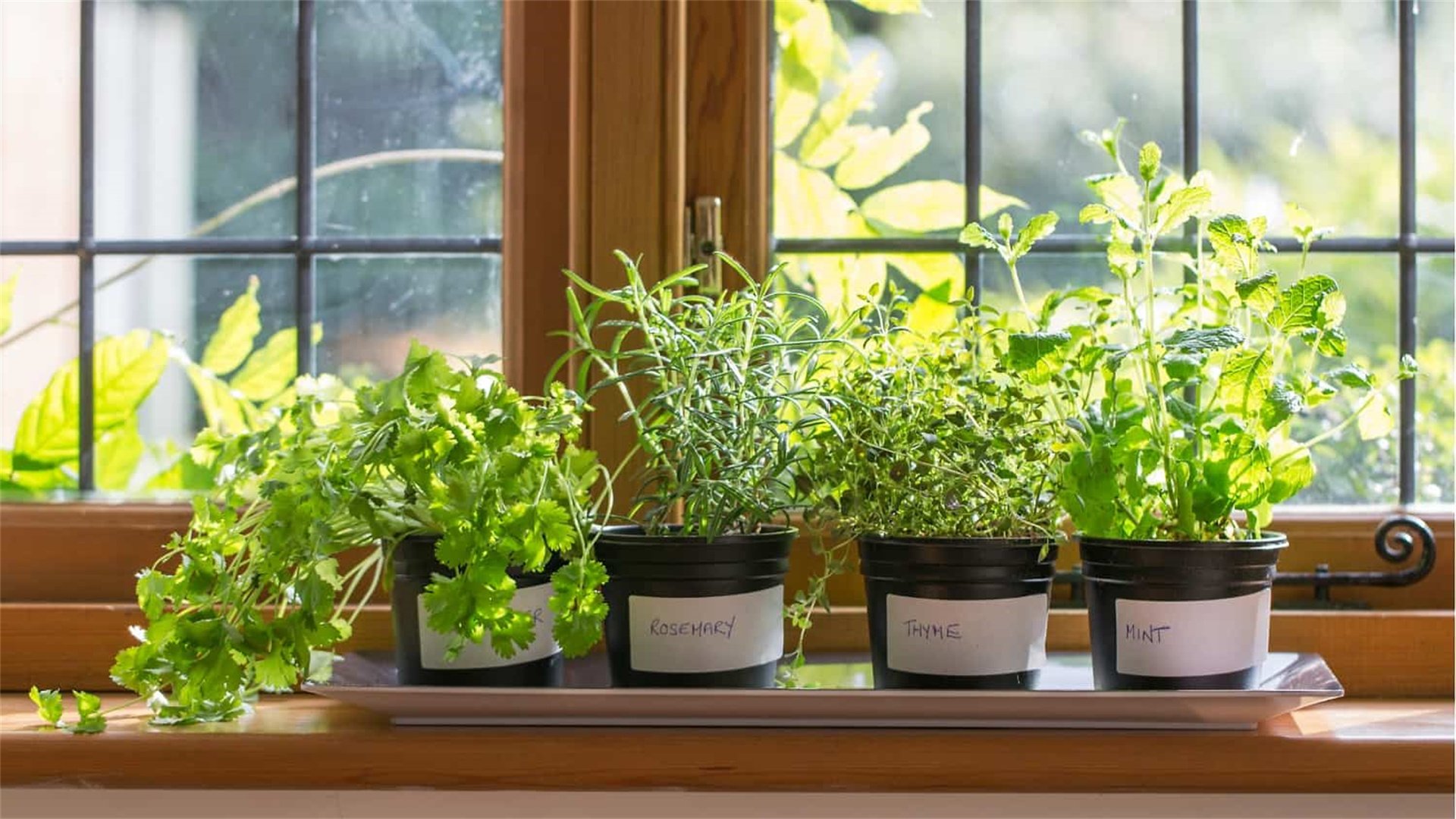
Hanging baskets utilize overhead space by suspending planters from balcony ceilings, railings, or hooks. This technique adds a lush, cascading effect and is perfect for trailing herbs like ivy or creeping thyme.
Advantages and Disadvantages
- Advantages:
- Hanging baskets free up floor space, reduce pest access, and create visual interest at different heights.
- They provide excellent drainage and air circulation, and can be easily moved for sun or shade adjustments.
- Disadvantages:
- Baskets require sturdy support and regular watering, as they dry out faster than ground containers.
- They may be challenging to water without spillage, and weight limits must be considered to avoid structural damage.
How to Implement
- Select Baskets and Hardware: Choose lightweight baskets made of coco coir, plastic, or wire, with attached saucers to catch drips. Use heavy-duty hooks or brackets secured to ceiling joists or railings, ensuring they can hold the weight when wet. Space baskets evenly to avoid overcrowding.
- Prepare the Planting Medium: Line baskets with sphagnum moss or coconut fiber to retain moisture. Fill with a well-draining potting mix, enriched with slow-release fertilizer. Leave room for watering—about 1-2 inches below the rim.
- Plant Trailing Herbs: Opt for herbs that spill over edges, such as oregano, mint, or nasturtiums. Plant seedlings around the basket's edges and center, watering thoroughly after planting. Hang baskets at a height convenient for maintenance, typically eye level.
- Care and Maintenance: Water daily in hot weather, using a watering can with a long spout to reach all plants. Rotate baskets weekly for even sun exposure. Fertilize every 3-4 weeks with liquid fertilizer, and trim back overgrowth to maintain shape. Check hooks periodically for rust or loosening.
🎍 Technique 6: Window Boxes
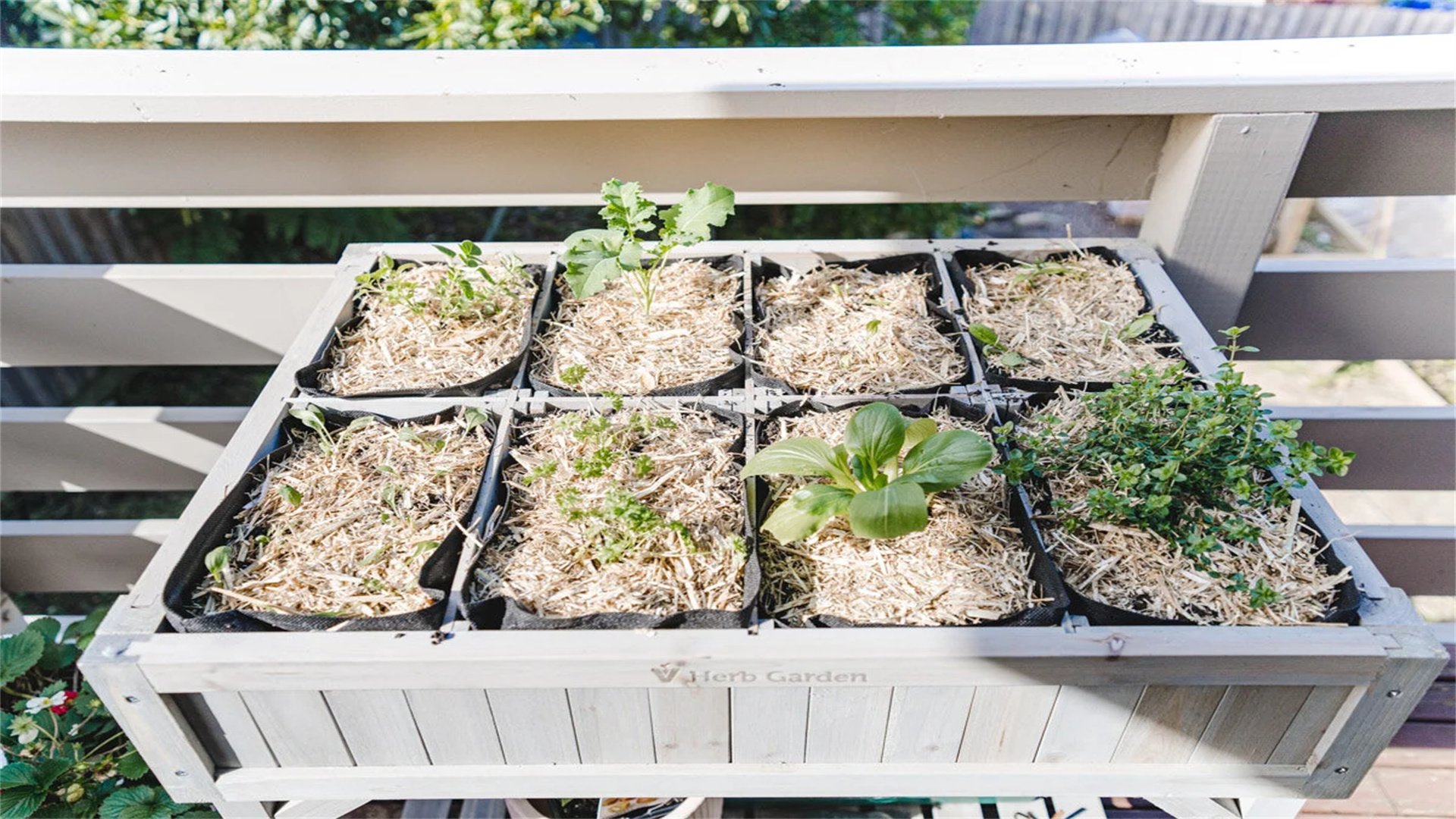
Window boxes are containers mounted on balcony railings or walls, ideal for growing herbs in a linear arrangement. They make use of vertical space while keeping herbs within easy reach for harvesting.
Advantages and Disadvantages
- Advantages:
- Window boxes maximize railing space, provide excellent drainage, and create a neat, organized look.
- They allow for efficient watering and fertilization, and can be installed on most balcony types.
- Herbs benefit from good air flow and sunlight exposure.
- Disadvantages:
- Boxes may require drilling for installation, which isn't always permitted in rental properties.
- They can be prone to wind damage if not secured properly, and soil may erode in heavy rain.
- Limited depth might restrict root growth for some herbs.
How to Implement
- Choose and Install Window Boxes: Select boxes made of durable materials like cedar, metal, or plastic, with drainage holes. Measure your railing or wall space to ensure a snug fit. Use mounting brackets or screws to attach boxes securely, following manufacturer instructions. Consider self-watering boxes for low maintenance.
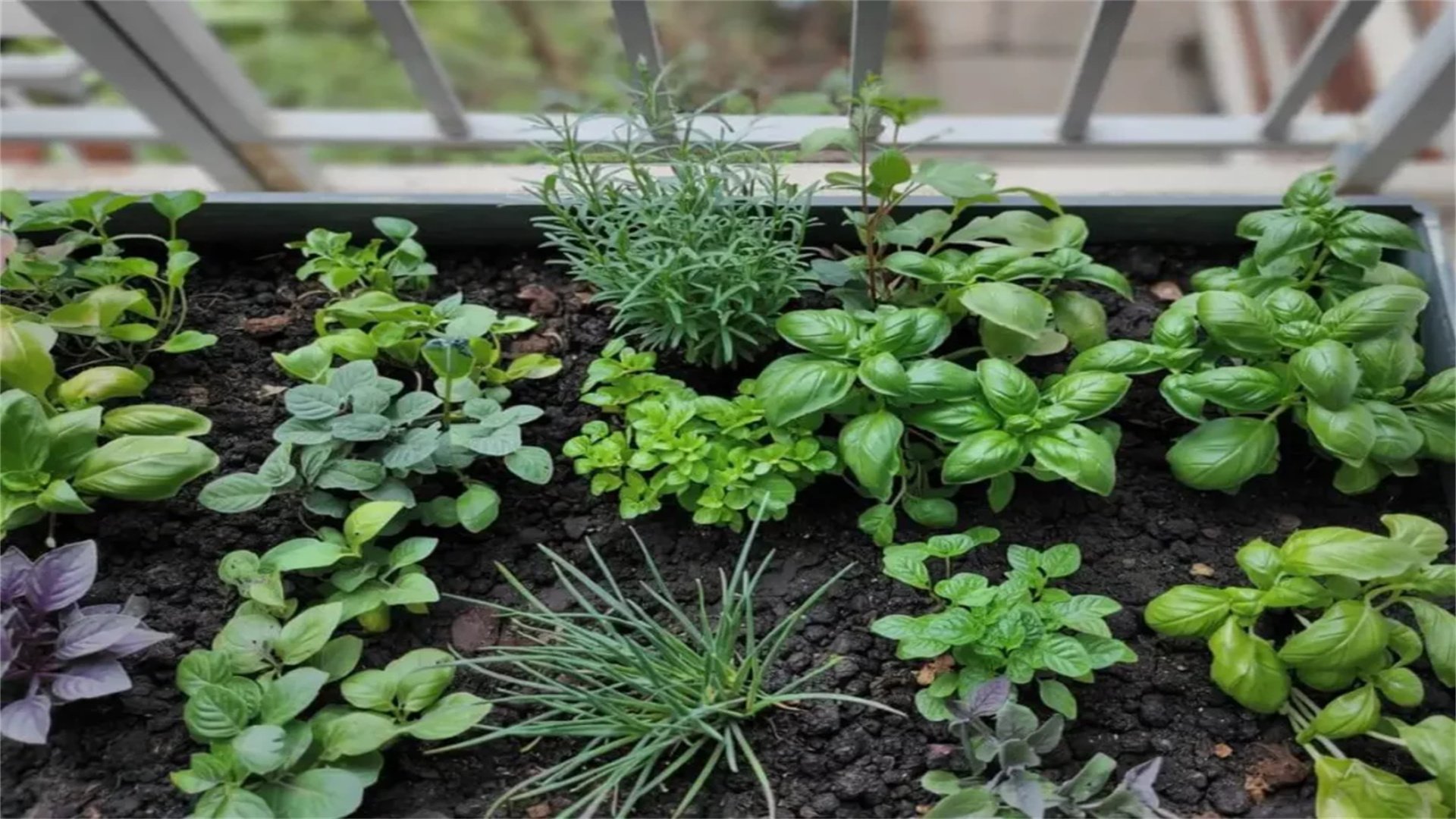
- Select Herbs for Linear Planting: Plant herbs with similar growth habits, such as compact varieties like thyme, chives, and parsley. Arrange taller herbs at the back and trailing ones at the front for a tiered effect. Space plants 4-6 inches apart to prevent overcrowding.
- Plant and Secure: Fill boxes with potting mix, leaving an inch at the top. Plant herbs at the same depth as in their nursery pots, firming soil around roots. Water thoroughly after planting, and add a layer of mulch to retain moisture. Ensure boxes are level to avoid water runoff.
- Ongoing Care: Water when soil feels dry, typically every 1-2 days. Fertilize monthly with a balanced fertilizer, and deadhead flowers to promote leaf growth. In windy areas, use windbreaks like trellises or move boxes to sheltered spots. Clean boxes seasonally to prevent disease buildup.
📱 Technique 7: Smart Gardening with Technology
Smart gardening integrates technology, such as automated irrigation, sensors, and apps, to optimize herb growth on balconies. This technique simplifies maintenance and ensures ideal conditions for plants, even for busy gardeners.
Advantages and Disadvantages
- Advantages:
- Technology reduces manual labor by automating watering, lighting, and fertilization.
- Sensors provide real-time data on soil moisture, light, and temperature, allowing for precise adjustments.
- Apps offer reminders and tips, making gardening more accessible for beginners.
- Disadvantages:
- Smart systems can be expensive and rely on electricity or batteries, which may fail.
- They require technical setup and troubleshooting, and over-reliance on technology might reduce hands-on learning.
- Privacy concerns may arise with connected devices.
How to Implement
- Invest in Smart Devices: Start with basics like smart irrigation controllers (e.g., drip systems with timers), soil moisture sensors, and weather stations. For advanced setups, consider smart planters with built-in sensors or LED grow lights controlled via apps. Ensure devices are compatible with your balcony's power sources.
- Set Up Automation: Install sensors in containers to monitor conditions—place them at root depth for accuracy. Program irrigation systems to water based on sensor data or schedules, adjusting for seasonal changes. Connect devices to a central hub or smartphone app for remote monitoring.
- Choose Tech-Friendly Herbs: Herbs that respond well to controlled environments, such as basil, mint, and lemon balm, are ideal. Avoid plants with highly variable needs. Use app recommendations to select herbs suited to your balcony's microclimate.
- Maintain and Update: Regularly calibrate sensors and check battery levels. Update software for devices to access new features. Combine technology with traditional gardening practices—for example, manually inspect plants for pests. Use data logs to track growth patterns and optimize care over time.
🎉 Conclusion
Building a stunning balcony herb garden at home is achievable with these seven easy techniques. From container gardening to smart technology, each method offers unique benefits tailored to different spaces, budgets, and skill levels. By implementing these strategies, you can create a vibrant, productive garden that enhances your balcony's aesthetics and provides fresh herbs for culinary use. Remember to start small, experiment with combinations, and adapt based on your plants' responses. Regular maintenance, including watering, fertilizing, and pruning, will ensure long-term success. Whether you're a novice or an experienced gardener, these techniques empower you to transform your balcony into a green oasis. Embrace the journey of growing your own herbs—it's a rewarding endeavor that connects you with nature and enriches your daily life.
As you embark on this gardening adventure, consider joining online communities or local groups to share tips and experiences. With patience and creativity, your balcony herb garden will flourish, offering a serene retreat and a source of pride. Happy gardening!