DIY Frozen Meals for Convenient and Healthy Dining
🍳 Why Mastering Cooking Techniques Matters for DIY Frozen Meals
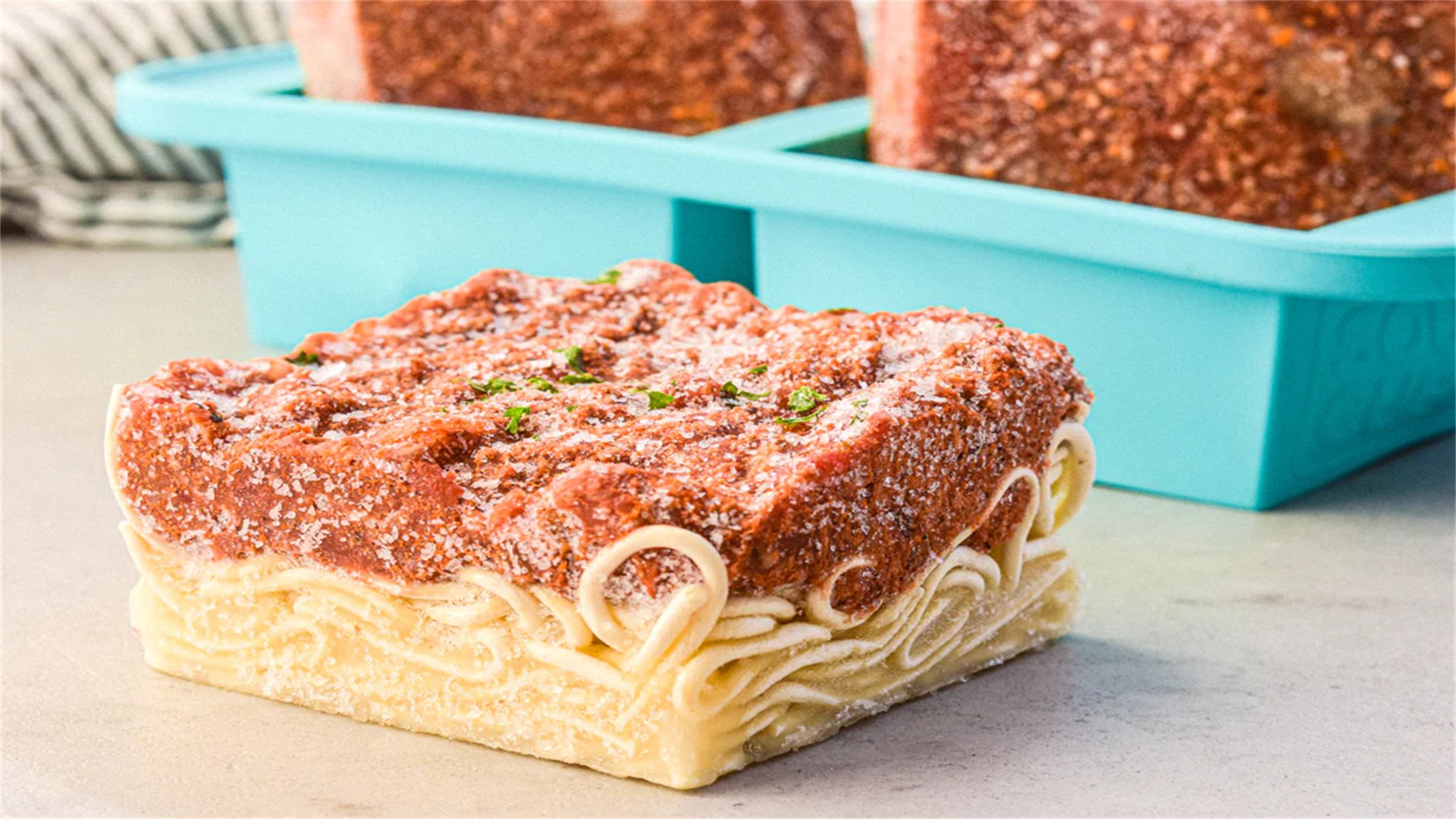
In today's fast-paced world, the art of cooking often takes a backseat to convenience, leading many to rely on processed frozen meals that are high in sodium, preservatives, and unhealthy fats. However, with a few essential cooking techniques, any home chef can transform their kitchen into a hub for creating delicious, nutritious, and convenient DIY frozen meals. From basic knife skills to advanced preservation methods, each technique is explained in detail with practical applications for frozen meal prep. Let's dive in and explore how these techniques can revolutionize your approach to home cooking.
Key Reasons to Master Techniques
- Control Over Ingredients: Homemade frozen meals allow you to choose fresh, healthy components without additives.
- Nutrient Retention: Proper techniques preserve vitamins and minerals during freezing and reheating.
- Cost-Effectiveness: Bulk cooking and freezing reduce food waste and save money.
- Convenience: Pre-prepared meals save time on busy days while ensuring quality.
- Flavor Enhancement: Mastering methods like marinating and toasting spices ensures meals taste great after storage.
🔪 Category 1: Preparation Techniques
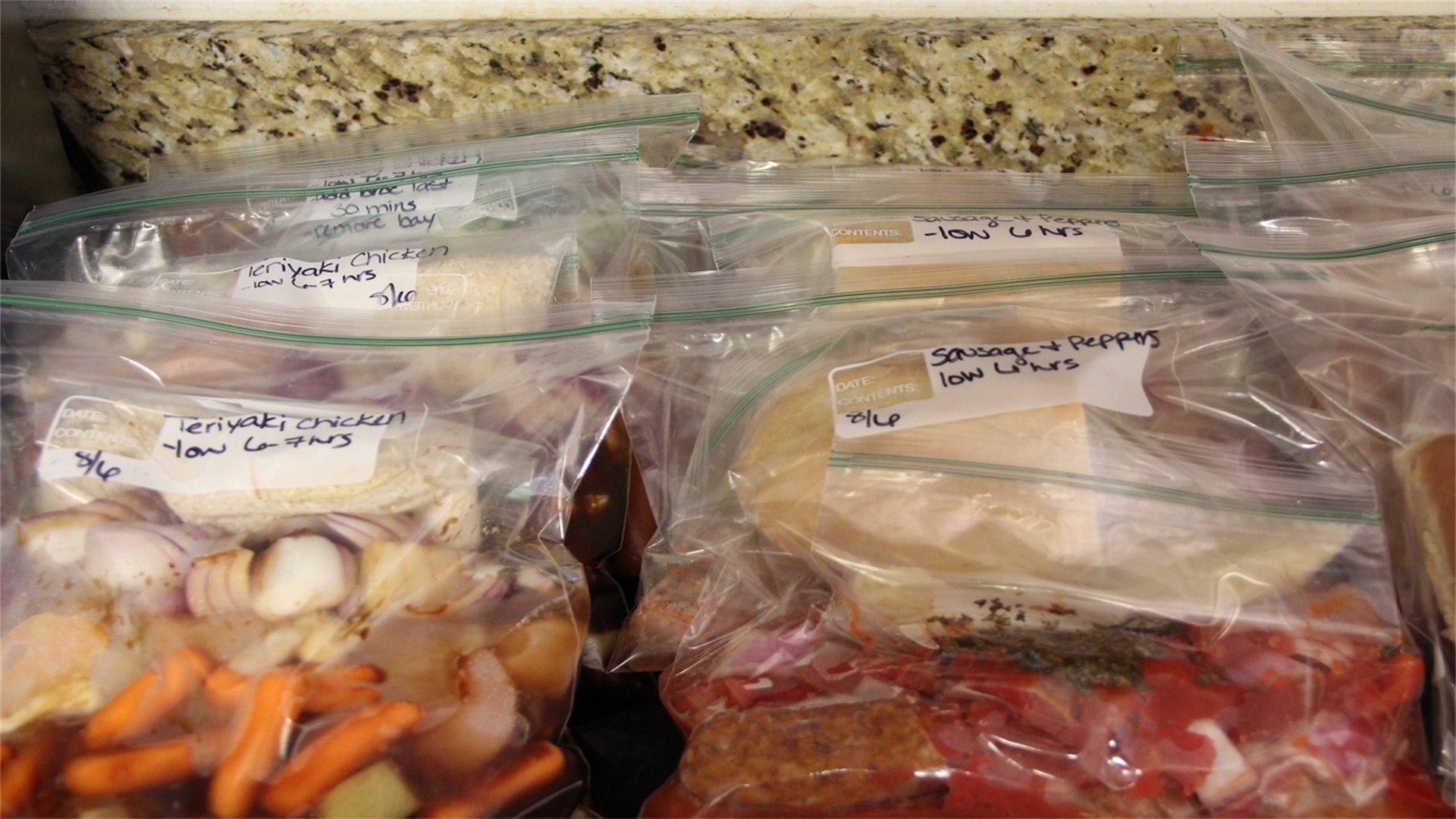
Preparation is the foundation of any successful frozen meal. These techniques ensure ingredients are ready for cooking and freezing, maximizing efficiency and quality.
1. Knife Skills: Chopping, Dicing, and Mincing
- Importance: Essential for uniform cooking and aesthetic appeal in DIY frozen meals.
- Steps to Master:
- Learn the claw grip to protect fingers while cutting.
- Use a sharp chef's knife for precise and safe cuts.
- Practice on common ingredients like onions, carrots, and bell peppers.
- Applications for Frozen Meals:
- Uniform cuts ensure even freezing and reheating, preventing some pieces from overcooking.
- Batch-chopping vegetables for storage in freezer-safe bags saves prep time.
- Example: Dicing onions finely for frozen chili or chopping vegetables for stews.
2. Marinating for Flavor and Tenderness
- Importance: Locks in moisture and enhances taste, preventing dryness after freezing.
- Steps to Master:
- Combine acidic components (e.g., vinegar, citrus juice), oils, and herbs for marinades.
- Soak proteins or vegetables for at least 30 minutes to overnight in airtight containers.
- Label containers with dates to track freshness.
- Applications for Frozen Meals:
- Ideal for dishes like frozen fajitas or kebabs where flavor penetration is key.
- Example: Marinate chicken breasts in olive oil, garlic, and lemon juice before freezing for grilled chicken meals.
- Prevents blandness and improves texture upon reheating.
3. Blanching Vegetables to Preserve Color and Texture
- Importance: Preserves color, texture, and nutrients, preventing sogginess in frozen meals.
- Steps to Master:
- Boil vegetables in salted water for 1-3 minutes.
- Plunge immediately into an ice bath to halt cooking.
- Drain and pat dry before freezing on baking sheets.
- Applications for Frozen Meals:
- Perfect for vegetables like broccoli, green beans, or spinach in stir-fry mixes or casseroles.
- Example: Blanch broccoli florets for a frozen stir-fry to maintain crispness upon reheating.
- Enhances visual appeal and taste compared to unblanched frozen veggies.
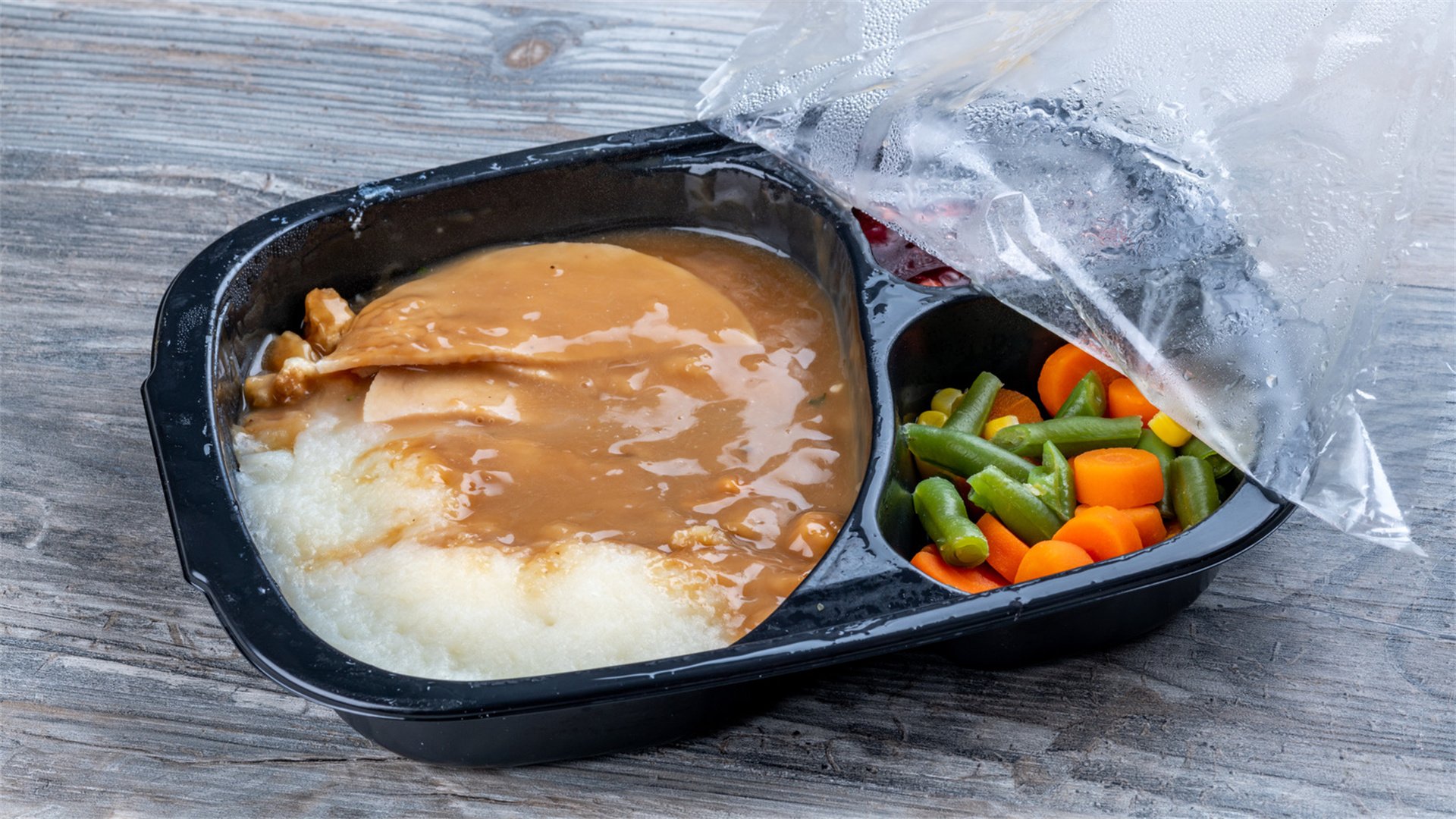
4. Portioning and Scaling Ingredients
- Importance: Ensures balanced meals, reduces waste, and simplifies reheating.
- Steps to Master:
- Use measuring cups, scales, or visual cues to divide recipes into individual or family-sized portions.
- Label portions with cooking instructions for easy use.
- Adjust recipes for bulk cooking to save time and money.
- Applications for Frozen Meals:
- Example: Divide a large batch of lasagna into single servings in freezer-safe containers.
- Helps with meal planning and prevents overeating.
- Promotes consistency and convenience, as noted by resources like Allrecipes.
5. Making and Freezing Stock or Broth Bases
- Importance: Provides a flavorful, low-sodium foundation for soups, stews, and sauces.
- Steps to Master:
- Simmer bones, vegetables, and herbs to extract flavor, then strain and cool the liquid.
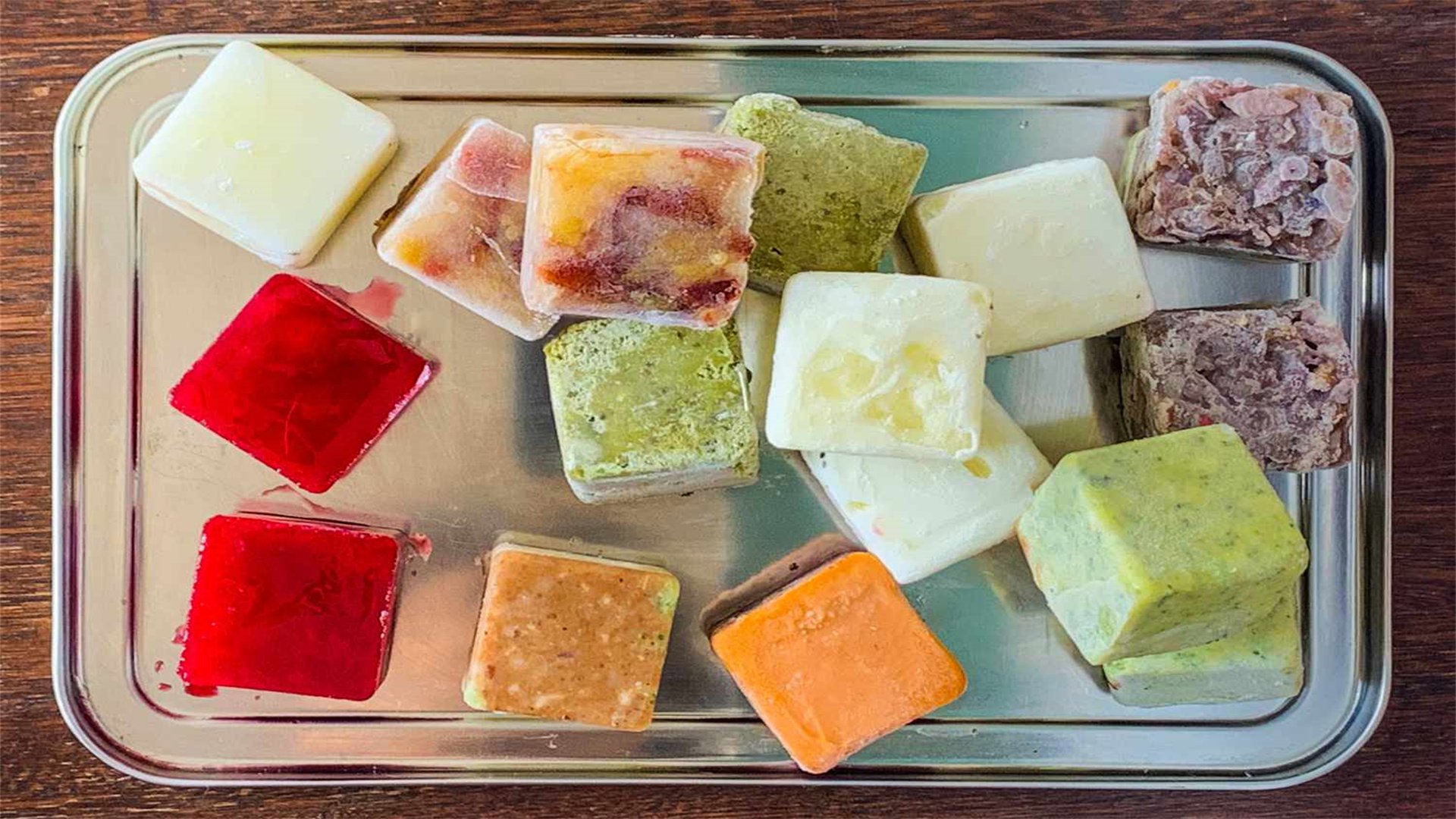
- Freeze stock in ice cube trays or measured containers for easy portioning.
- Label by type and date for organization.
- Applications for Frozen Meals:
- Example: Use homemade chicken stock in frozen chicken noodle soup or risotto.
- Avoids preservatives found in store-bought broths.
- Reduces kitchen waste by using scraps like vegetable peels or meat bones.
🍲 Category 2: Cooking Techniques
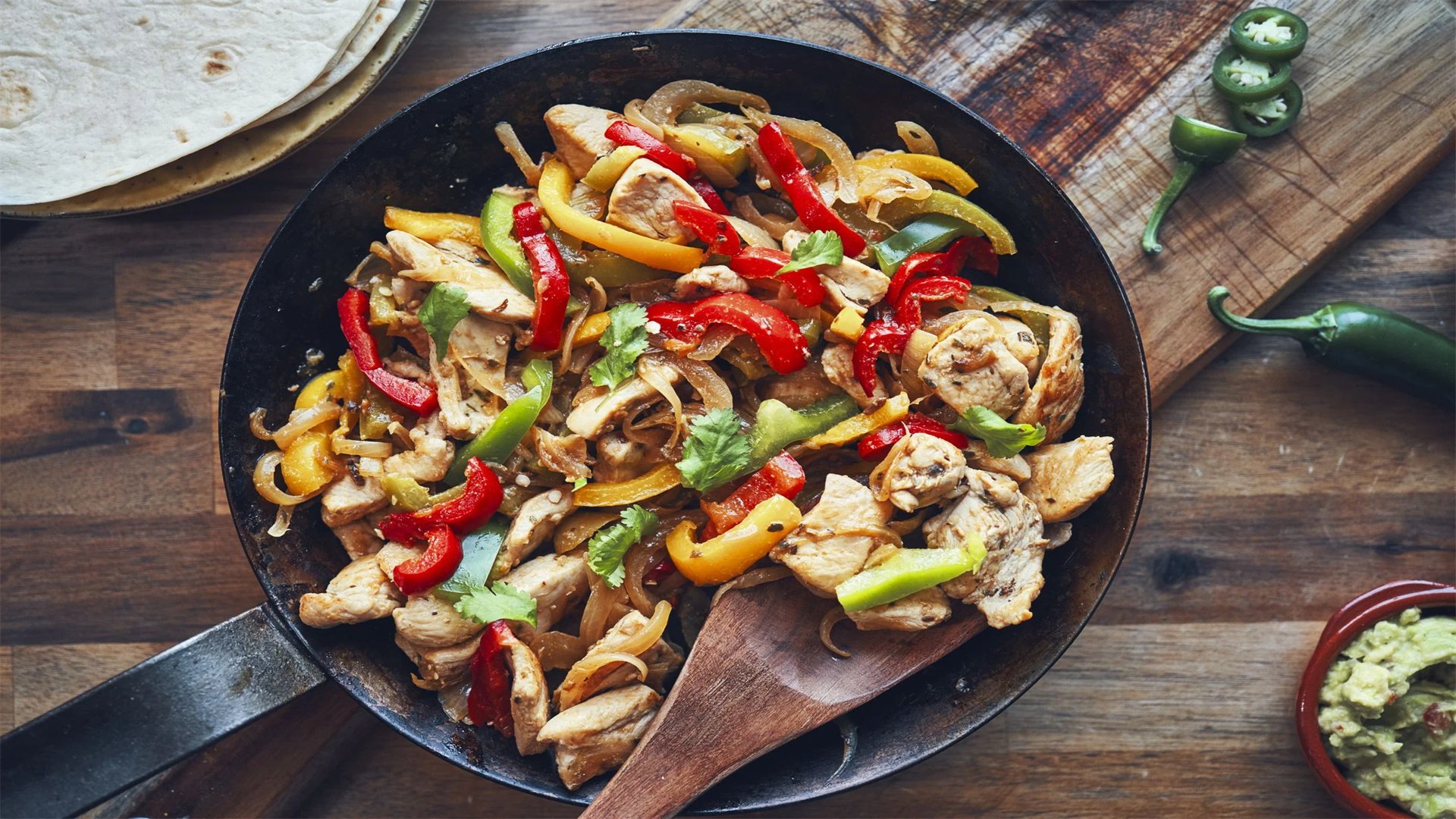
These techniques involve actual cooking methods that impact the taste and texture of your frozen meals. Mastering them ensures dishes are delicious both fresh and after freezing.
6. Sautéing for Quick and Flavorful Bases
- Importance: Creates a flavorful base that survives freezing and reheating.
- Steps to Master:
- Use a wide pan with a small amount of oil over high heat.
- Keep ingredients like onions, garlic, or mushrooms moving to prevent burning.
- Cool sautéed bases before freezing for later use.
- Applications for Frozen Meals:
- Ideal for frozen pasta sauces, curries, or casseroles.
- Example: Sauté onions until caramelized for a frozen shepherd's pie filling.
- Builds layers of flavor, as recommended by Food Network.
7. Braising for Tender and Moist Proteins
- Importance: Yields juicy, fall-apart textures that hold up well after freezing.
- Steps to Master:
- Sear meat in a Dutch oven, then simmer in liquid (e.g., broth or wine) on low heat until tender.
- Reduce the liquid to a sauce that freezes without separating.
- Cool, portion, and freeze for convenient meals.
- Applications for Frozen Meals:
- Perfect for dishes like frozen beef stew, pot roast, or chicken thighs.
- Example: Braise chuck roast for a frozen meal that reheats with enhanced flavors.
- Ensures tenderness and moisture upon reheating.
8. Roasting to Concentrate Flavors
- Importance: Caramelizes natural sugars, enhancing flavors and textures for freezing.
- Steps to Master:
- Toss ingredients with oil and seasonings on parchment-lined baking sheets.
- Roast at high heat until golden and tender.
- Cool completely before freezing in bags or containers.
- Applications for Frozen Meals:
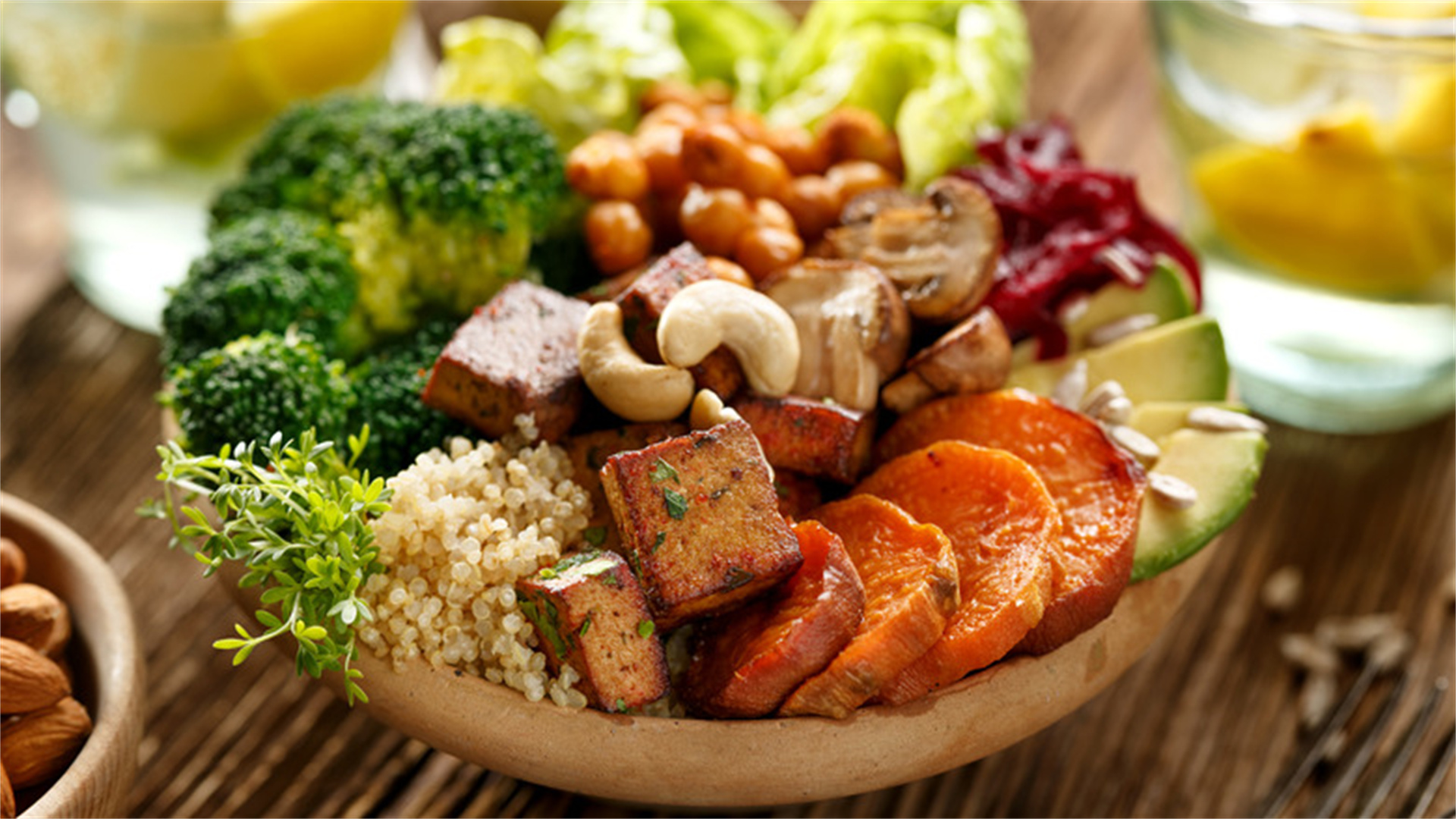
- Ideal for roasted vegetables, chicken, or grains in frozen grain bowls or wraps.
- Example: Roast sweet potatoes and broccoli for a frozen meal that retains quality after reheating.
- Adds sweetness and depth, as noted by Bon Appétit.
9. Steaming for Nutrient Retention
- Importance: Preserves nutrients, color, and texture, preventing sogginess in frozen meals.
- Steps to Master:
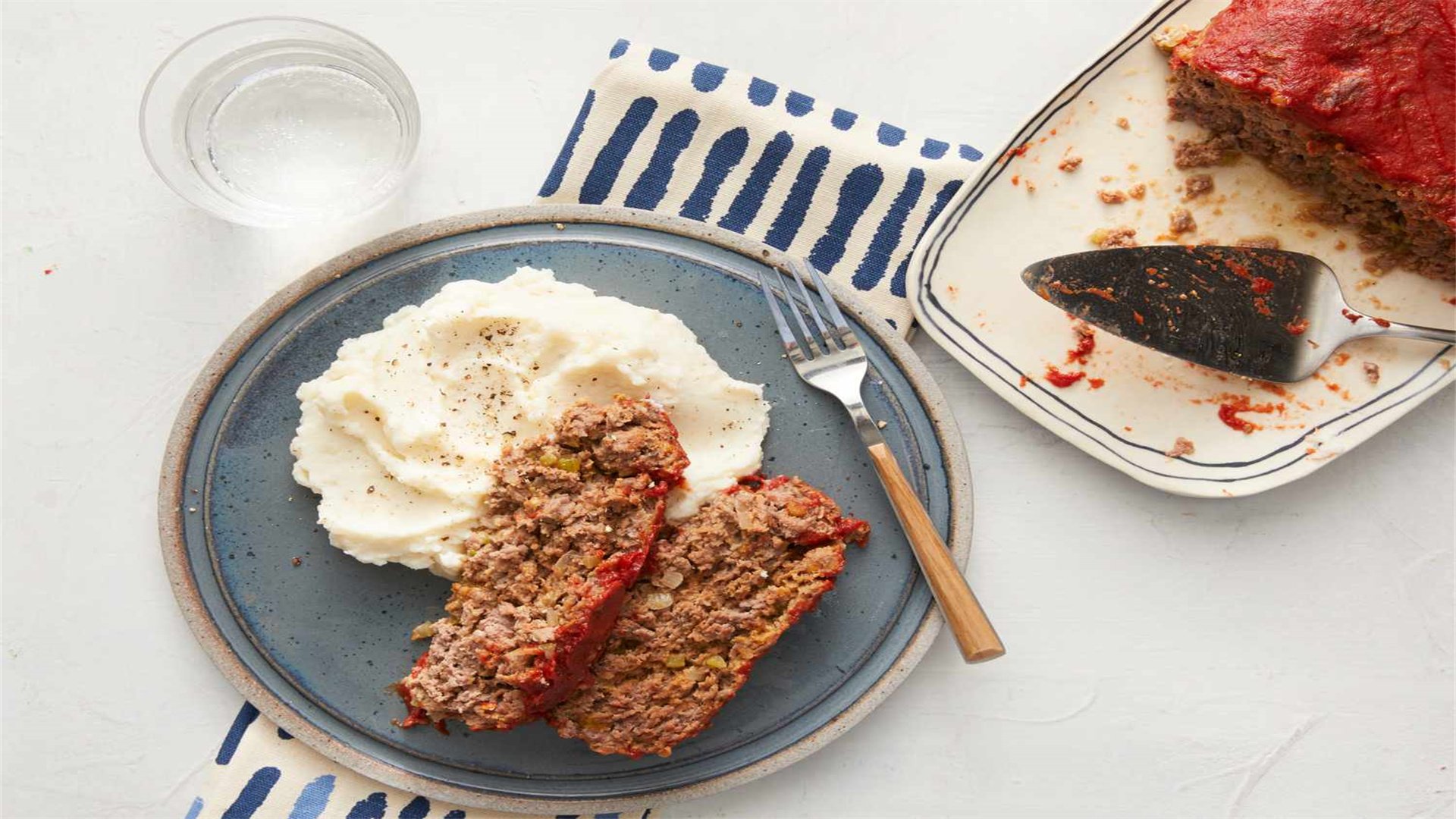
- Use a steamer basket or electric steamer to cook food over boiling water until just tender.
- Cool quickly before freezing to maintain freshness.
- Avoid overcooking to prevent mushiness.
- Applications for Frozen Meals:
- Perfect for delicate items like fish, dumplings, or vegetables in stir-fries or sides.
- Example: Steam broccoli florets or salmon fillets for healthy frozen dinner options.
- Aligns with healthy cooking goals, praised by Healthline.
10. Simmering for Hearty Soups and Stews
- Importance: Develops rich flavors slowly, resulting in dishes that freeze and reheat beautifully.
- Steps to Master:
- Bring ingredients to a boil, then reduce heat to maintain a gentle simmer.
- Avoid overcooking starches like pasta until reheating.
- Cool, portion, and label with reheating instructions.
- Applications for Frozen Meals:
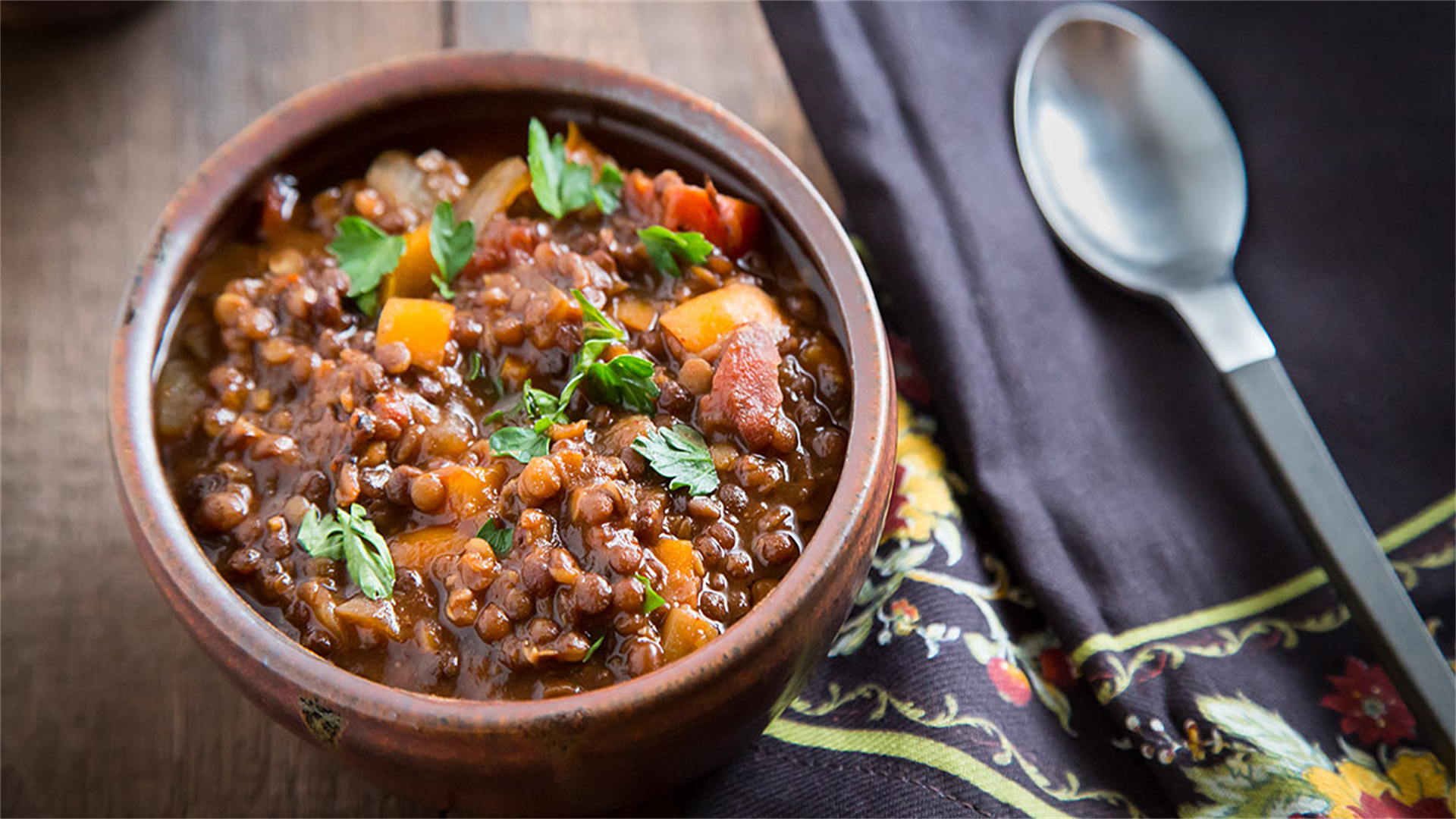
- Ideal for frozen chili, lentil soup, or pasta sauces.
- Example: Simmer a batch of vegetable stew for freezer-friendly meals that taste homemade.
- Ensures tender ingredients without breakdown, as highlighted by The Kitchn.
❄️ Category 3: Preservation and Freezing Techniques
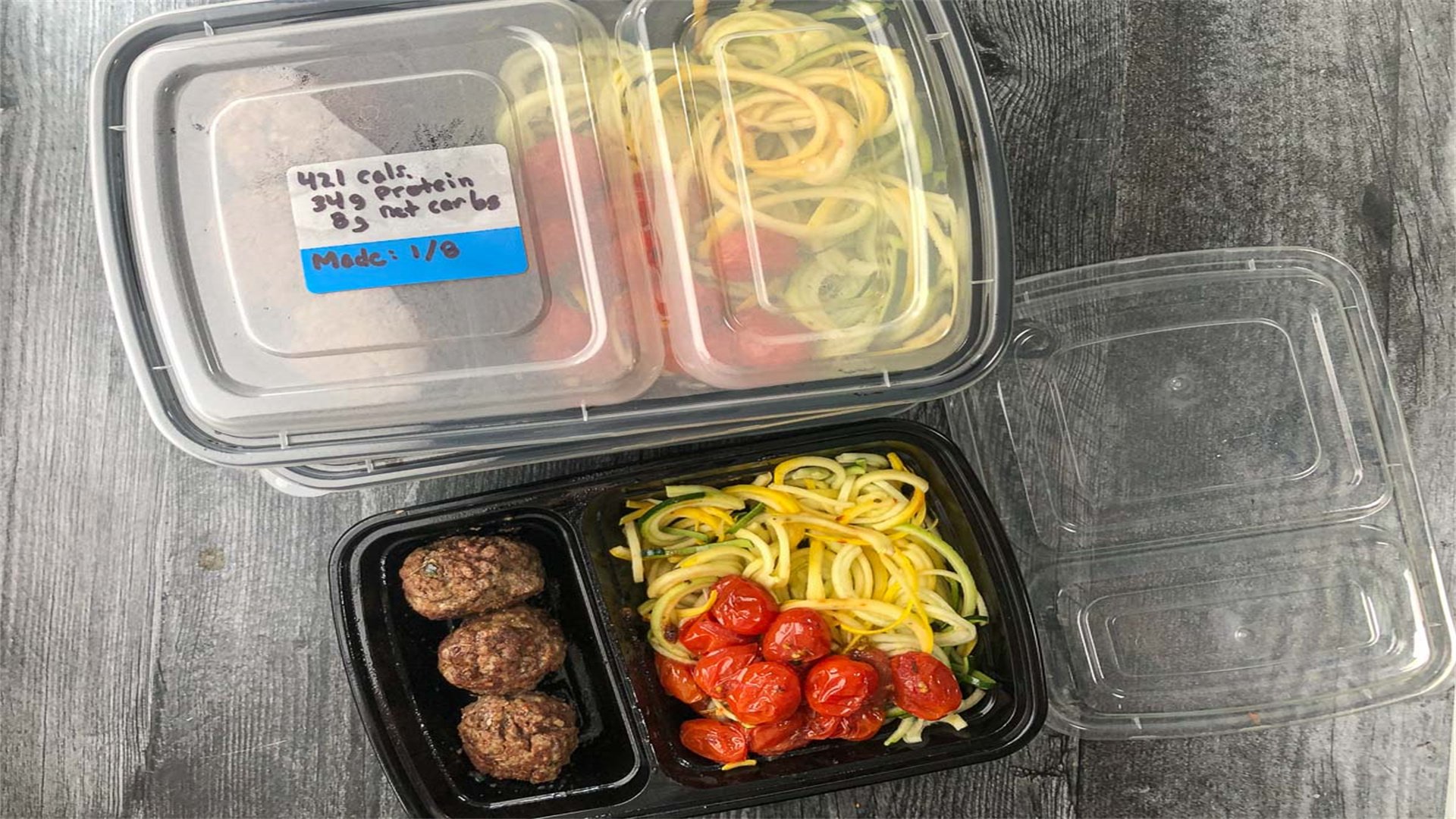
These techniques focus on properly storing and freezing meals to maintain quality, safety, and convenience over time.
11. Cooling Foods Safely Before Freezing
- Importance: Prevents bacterial growth and freezer burn by reducing condensation.
- Steps to Master:
- Cool cooked dishes to room temperature within two hours using an ice bath or shallow containers.
- Stir hot foods to release heat and avoid overcrowding in the refrigerator.
- Always cool before wrapping and freezing.
- Applications for Frozen Meals:
- Example: Cool a large batch of lasagna on the counter before freezing.
- Critical for food safety, per USDA guidelines.
- Preserves texture and flavor in meals like soups or casseroles.
12. Using Freezer-Safe Packaging
- Importance: Prevents freezer burn and maintains flavor by choosing appropriate containers.
- Steps to Master:
- Use vacuum sealing, heavy-duty freezer bags, or airtight containers.
- Remove excess air from bags to extend shelf life.
- Label packages with contents, date, and reheating instructions.
- Applications for Frozen Meals:
- Example: Portion soups in freezer bags laid flat for easy stacking.
- Organizes meals and reduces waste, as suggested by Real Simple.
- Ensures meals last for several months without quality loss.
13. Flash Freezing for Individual Components
- Importance: Prevents items from sticking together, allowing flexible use.
- Steps to Master:
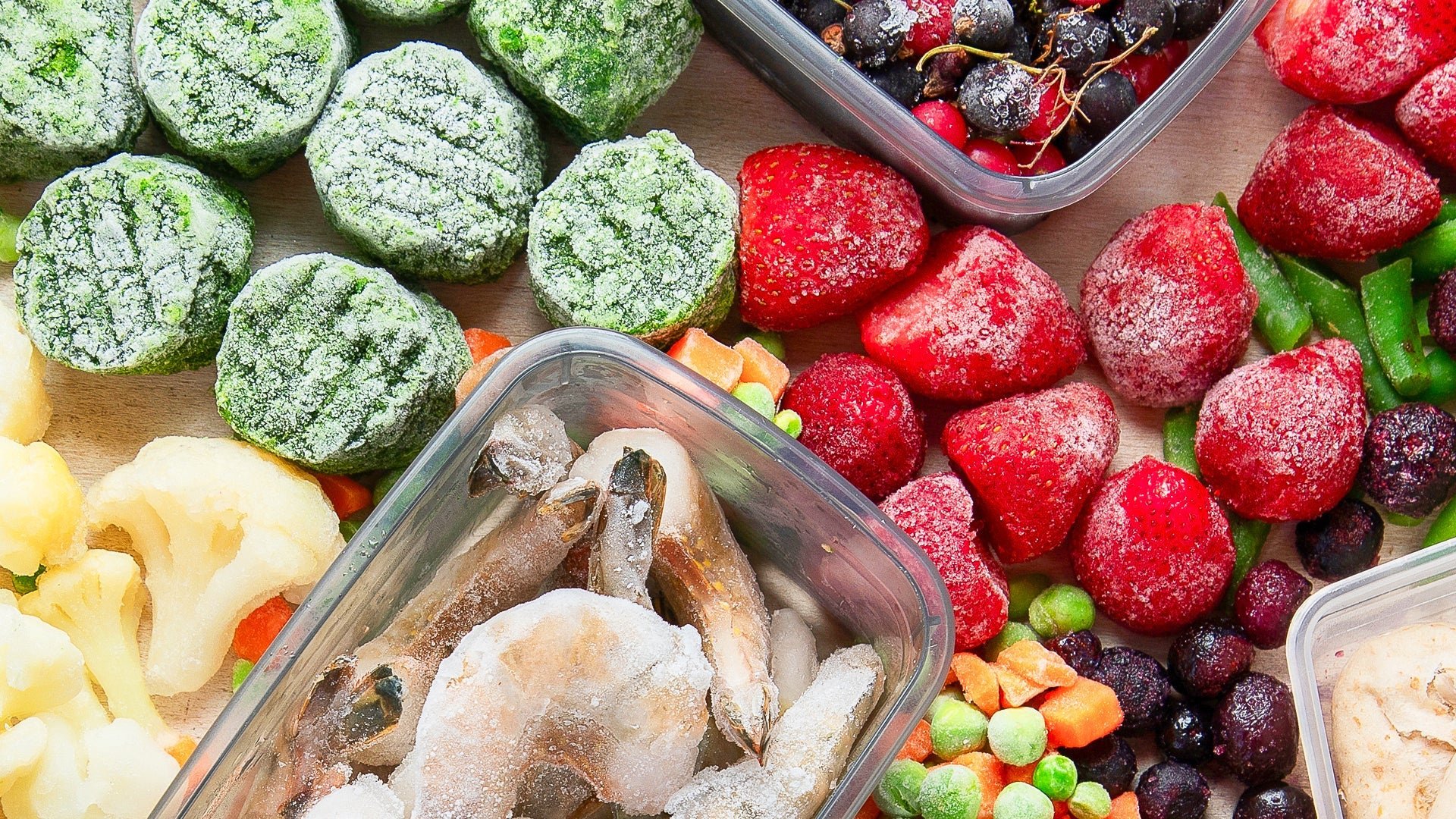
- Spread items like meatballs or vegetables in a single layer on a parchment-lined baking sheet.
- Freeze until solid (1-2 hours), then transfer to bags or containers.
- Label and store for easy access.
- Applications for Frozen Meals:
- Perfect for components like burger patties, berries, or chopped peppers.
- Example: Flash freeze diced peppers for stir-fries to grab only what you need.
- Maintains texture and convenience, recommended by Cook's Illustrated.
14. Layering Ingredients for Optimal Reheating
- Importance: Ensures even reheating and prevents sogginess or dryness in frozen meals.
- Steps to Master:
- Arrange components in a specific order: sauces at bottom, proteins and vegetables in middle, toppings like cheese on top.
- Test layering in freezer-safe dishes to see how ingredients respond to freezing.
- Freeze unbaked for later cooking.
- Applications for Frozen Meals:
- Ideal for dishes like frozen enchiladas or lasagna.
- Example: Layer a casserole with sauce, chicken, and vegetables for a meal that reheats evenly.
- Preserves texture, making meals taste freshly made.
15. Labeling and Inventory Management
- Importance: Prevents food waste and aids meal planning by tracking frozen meals.
- Steps to Master:
- Use waterproof labels or markers to note meal names, dates, and reheating instructions.
- Keep an inventory list on the freezer door for easy reference.
- Label immediately after packaging.
- Applications for Frozen Meals:
- Example: Label bags of frozen soup with "Chicken Noodle, 2023-10-01, reheat on stove."
- Saves time and reduces stress, aligning with convenience goals.
- Key for efficient freezer management, as emphasized by Organized Home.
🌿 Category 4: Flavor Enhancement Techniques

These techniques focus on boosting taste in frozen meals, ensuring they remain delicious after storage.
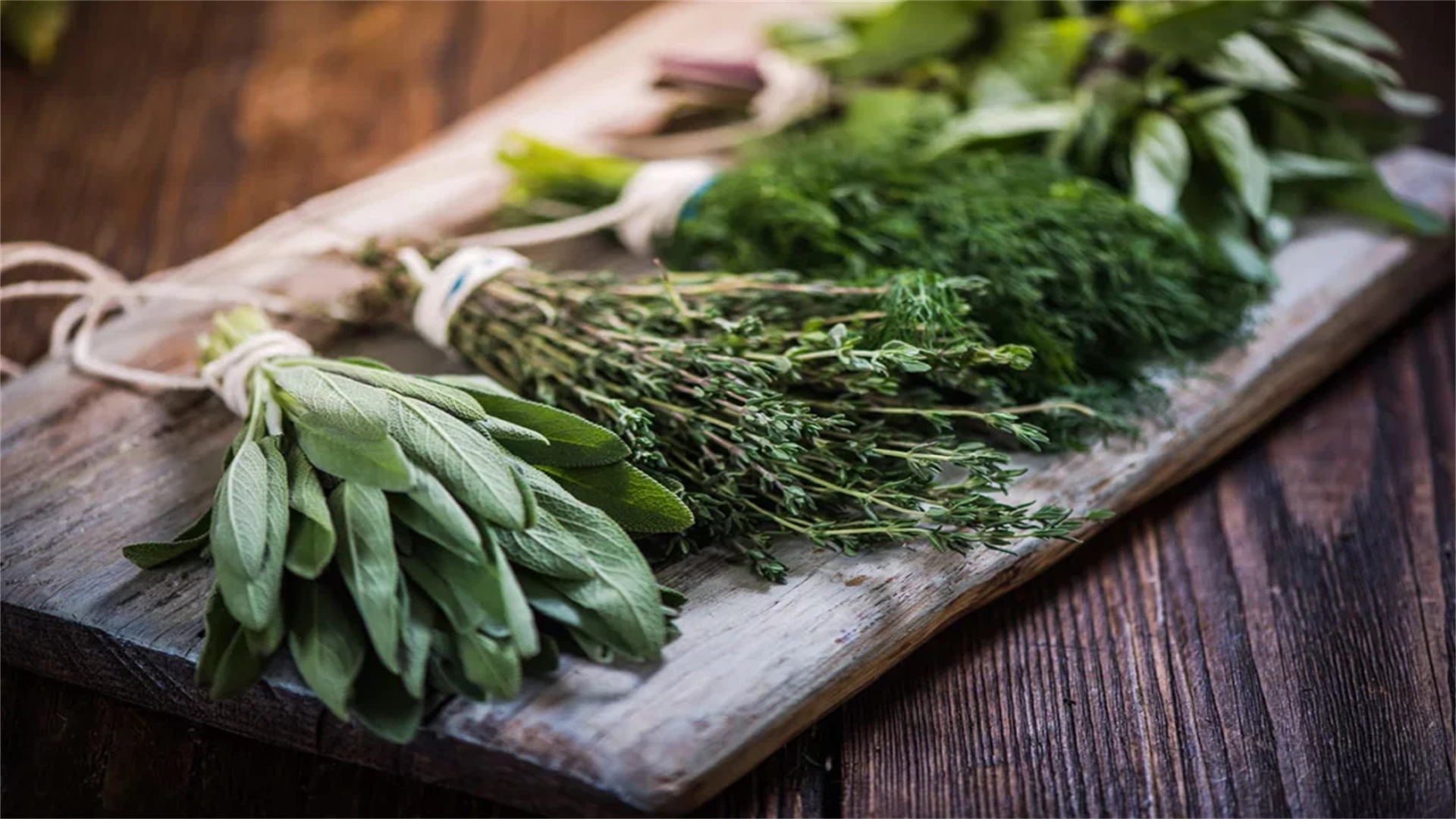
16. Making and Freezing Herb-Infused Oils
- Importance: Adds depth and convenience to dishes with frozen flavor cubes.
- Steps to Master:
- Gently heat oil with herbs like rosemary or garlic, then strain and cool.
- Freeze in ice cube trays for portioned use.
- Store in airtight containers for up to three months.
- Applications for Frozen Meals:
- Example: Use frozen basil oil cubes for quick pasta sauces or sautéed vegetables.
- Enhances marinades and dressings without fresh herbs on hand.
- Versatile booster, as noted by Serious Eats.
17. Creating and Freezing Sauce Bases
- Importance: Provides ready-to-use sauces for quick meal assembly after freezing.
- Steps to Master:
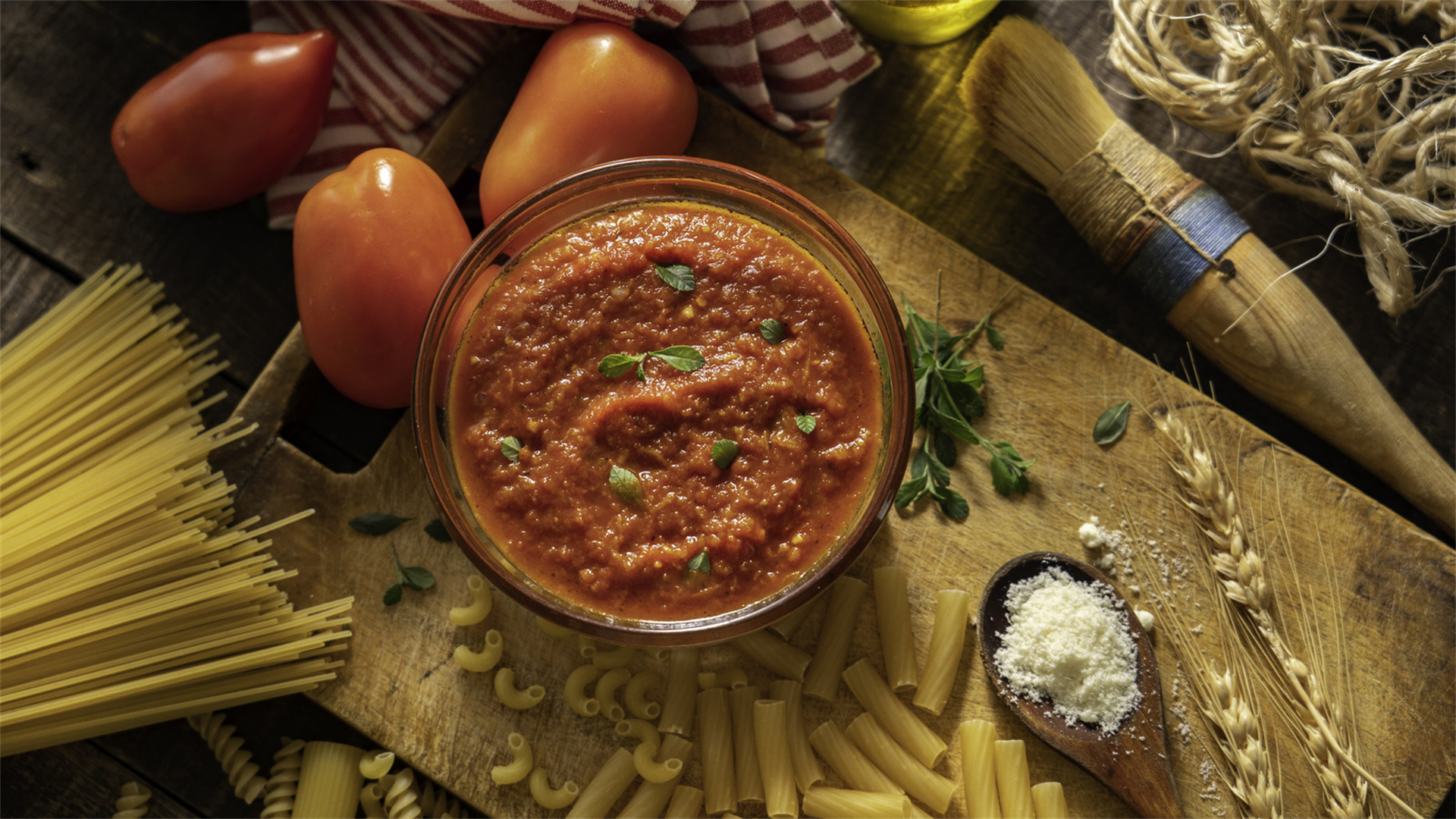
- Make sauces like tomato or béchamel by simmering until thickened.
- Cool completely before portioning into containers or bags.
- Label with type and date for easy identification.
- Applications for Frozen Meals:
- Ideal for frozen pizzas, grain bowls, or pasta dishes.
- Example: Freeze tomato sauce for future pasta nights or coconut curry base for stir-fries.
- Ensures consistent flavor and saves prep time.
18. Toasting Spices for Depth
- Importance: Releases essential oils, enhancing aroma and flavor in frozen meals.
- Steps to Master:
- Heat whole spices like cumin or coriander in a dry pan until fragrant.
- Grind if needed, then cool before adding to dishes.
- Freeze toasted spices in airtight containers for long-term storage.
- Applications for Frozen Meals:
- Perfect for frozen Indian curries, Mexican beans, or chili.
- Example: Toast spices for a frozen chili recipe to deepen its flavor profile.
- Creates complex tastes that survive freezing.
19. Balancing Acidity and Sweetness
- Importance: Brightens frozen meals that may taste flat after reheating.
- Steps to Master:
- Taste dishes before freezing and adjust with acids (e.g., vinegar, lemon juice) or sweeteners (e.g., honey, sugar).
- Practice with small batches to understand flavor changes during freezing.
- Add balances as needed during reheating if preferred.
- Applications for Frozen Meals:
- Example: Add a splash of lemon juice to frozen soup or a pinch of sugar to tomato sauce.
- Prevents blandness and ensures well-rounded flavors.
- Key technique highlighted by The Spruce Eats.
20. Using Umami Boosters like Soy Sauce or Mushrooms
- Importance: Adds savory depth that holds up well in frozen meals.
- Steps to Master:
- Incorporate ingredients like soy sauce, fish sauce, or rehydrated dried mushrooms into recipes.
- Experiment with umami sources in favorite dishes before freezing.
- Use in moderation to avoid overpowering flavors.
- Applications for Frozen Meals:
- Ideal for stews, sauces, or grain dishes like frozen risotto or meatballs.
- Example: Mix soy sauce into frozen meatball mixtures for enhanced savoriness.
- Elevates home-cooked meals to restaurant-quality levels.
🔥 Category 5: Reheating and Serving Techniques
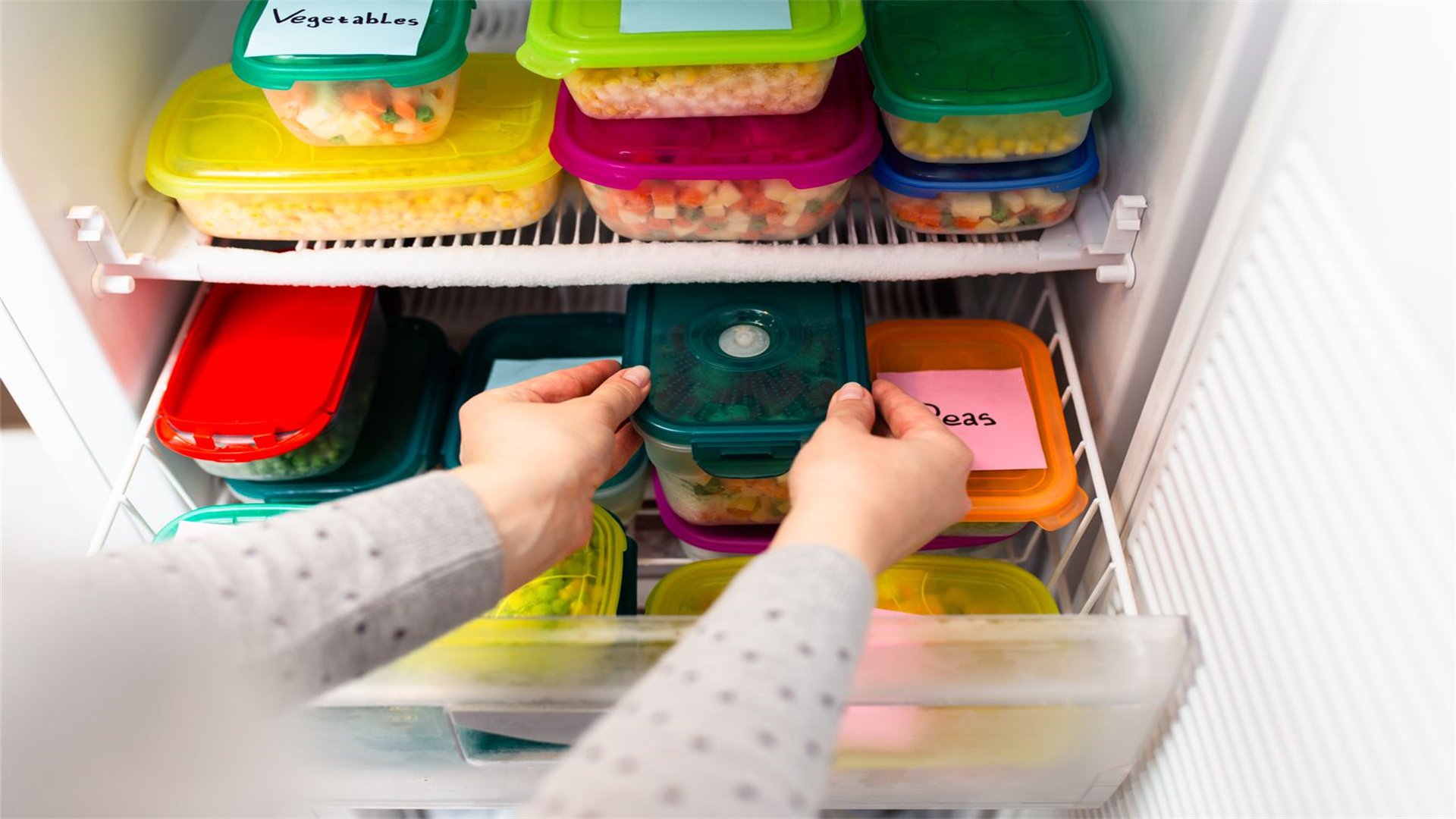
These techniques ensure frozen meals are reheated properly to retain quality, completing the convenience cycle.
21. Thawing Safely in the Refrigerator
- Importance: Prevents bacterial growth and maintains texture by thawing slowly.
- Steps to Master:
- Plan ahead by transferring meals from freezer to fridge 24 hours before reheating.
- Label meals with thawing instructions for easy reference.
- Always thaw in refrigerator rather than at room temperature.
- Applications for Frozen Meals:
- Essential for dishes like casseroles or meats that need even thawing.
- Example: Thaw a frozen lasagna overnight before baking for best results.
- Safest method per USDA guidelines, aligning with healthy dining goals.
22. Reheating in the Oven for Crispness
- Importance: Restores crispy textures and freshness in frozen meals.
- Steps to Master:
- Preheat oven and use oven-safe containers from the start.
- Cover dishes with foil to prevent drying, then bake until heated through.
- Adjust temperatures and times based on the meal type.
- Applications for Frozen Meals:
- Ideal for casseroles, roasted vegetables, or dishes like frozen chicken parmesan.
- Example: Reheat frozen chicken parmesan at 375°F for 30 minutes.
- Recommended by Food52 for best quality in frozen dishes.
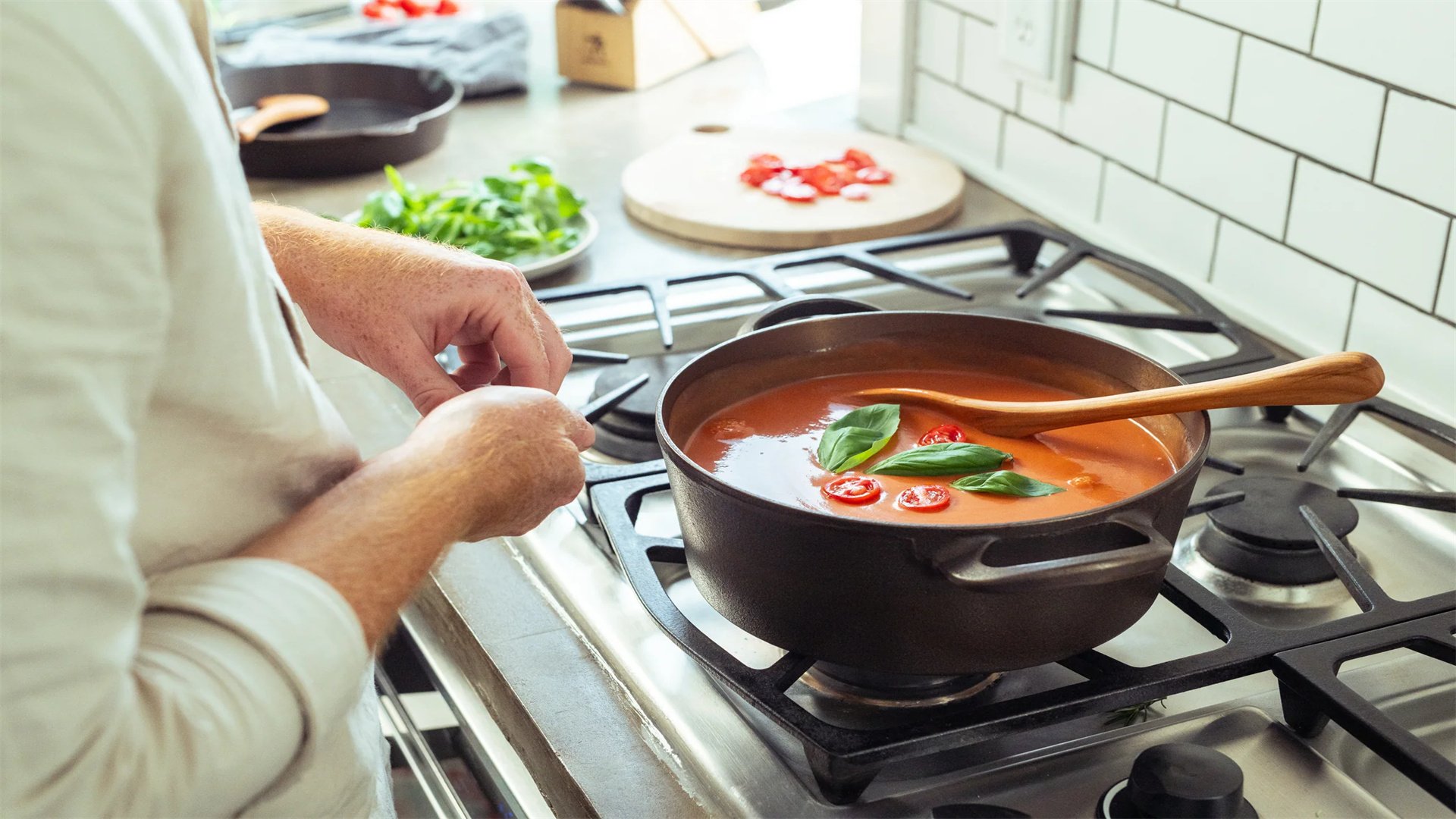
23. Using the Stovetop for Sauces and Soups
- Importance: Allows control over temperature, preserving flavors and textures in liquid-based meals.
- Steps to Master:
- Use medium heat and stir frequently when reheating frozen blocks in a pot.
- Add liquid like broth or water if needed to adjust consistency.
- Simmer until hot throughout.
- Applications for Frozen Meals:
- Perfect for soups, sauces, or stir-fries like frozen chili or curry.
- Example: Reheat frozen chili on the stove, adding broth to thin if necessary.
- Superior to microwaving for avoiding compromised textures.
24. Microwaving with Moisture Retention
- Importance: Offers quick reheating while preventing dryness in individual portions.
- Steps to Master:
- Cover dishes with a damp paper towel or microwave-safe lid to trap steam.
- Use medium power levels and adjust times to avoid overheating.
- Stir midway for even heating.
- Applications for Frozen Meals:
- Convenient for individual portions like frozen burritos or grain bowls.
- Example: Reheat a frozen burrito on medium power with a cover for gentle steaming.
- Balances speed and quality, with tips from Kitchn.
25. Garnishing and Finishing Touches After Reheating
- Importance: Elevates frozen meals with fresh contrasts in texture and flavor.
- Steps to Master:
- Keep garnishes like herbs, citrus zest, or nuts on hand for quick addition.
- Freeze meals plain, then garnish upon serving for optimal freshness.
- Experiment with different toppings to customize meals.
- Applications for Frozen Meals:
- Example: Top a frozen soup with fresh cilantro or a squeeze of lime after reheating.
- Makes meals feel special and balanced, enhancing the dining experience.
- Simple upgrade technique endorsed by culinary experts.
📋 Applying Techniques to DIY Frozen Meal Recipes
Now that we've covered 25 techniques, let's apply them to specific recipes for DIY frozen meals. These examples showcase how mastering these skills leads to convenient and healthy dining options. Each recipe includes detailed ingredient lists and step-by-step instructions, incorporating the techniques discussed.
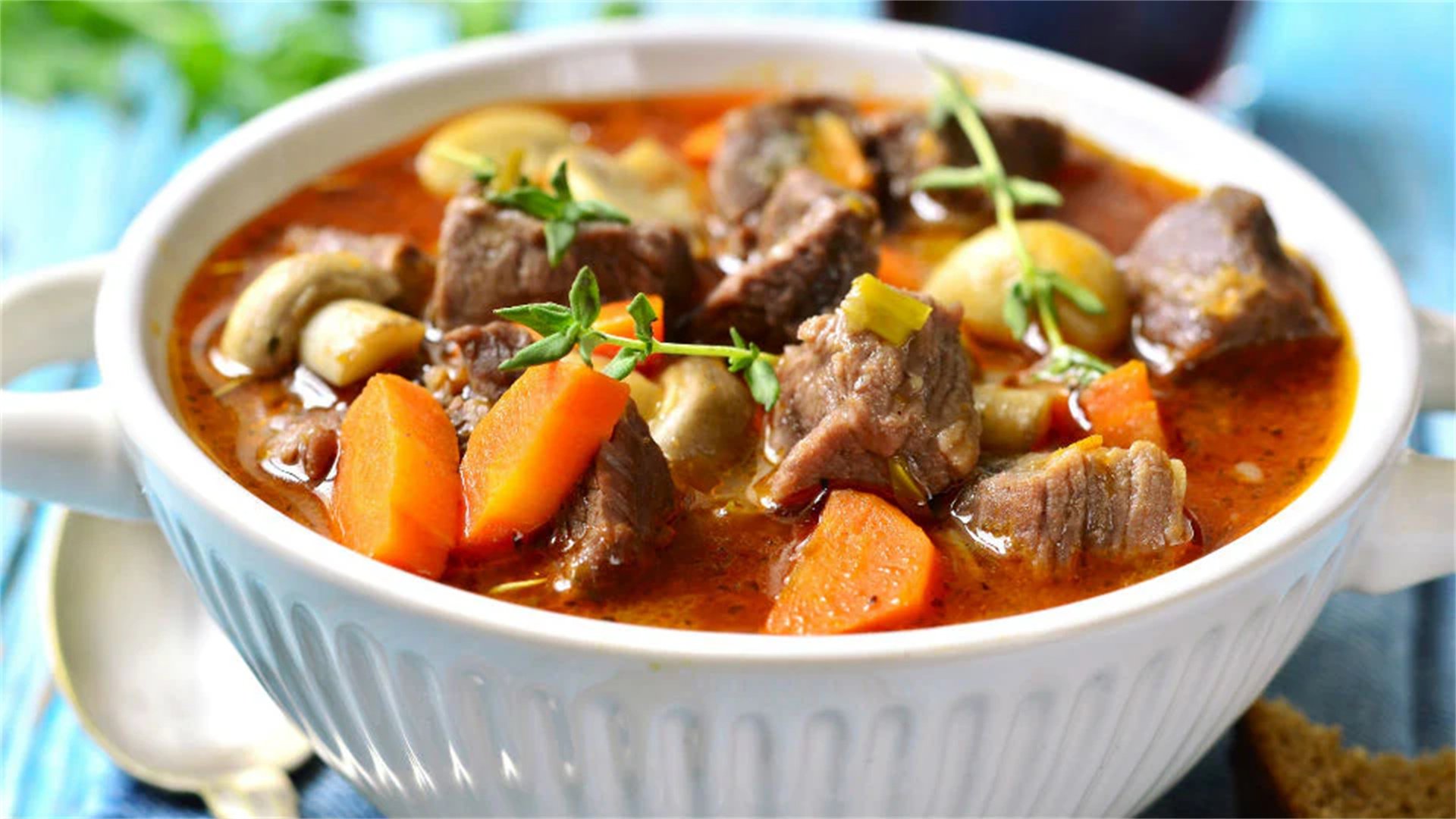
Recipe 1: Hearty Beef and Vegetable Stew
- Description: This frozen stew uses braising, simmering, and proper cooling techniques for a meal that reheats beautifully. Ideal for batch cooking, it provides a nutritious dinner ready in minutes.
- Ingredients:
- 2 pounds beef chuck roast, cut into 1-inch cubes (master knife skills for uniform cuts)
- 4 carrots, diced (blanch before freezing to preserve texture)
- 3 potatoes, peeled and cubed (portion for even cooking)
- 1 onion, finely chopped (sauté for flavor base)
- 4 cloves garlic, minced (use minced technique)
- 4 cups beef stock (homemade and frozen using stock-making technique)
- 2 tablespoons tomato paste (freeze in ice cubes for convenience)
- 1 teaspoon dried thyme (toast spices for depth)
- Salt and pepper to taste (balance flavors before freezing)
- 2 tablespoons olive oil (use herb-infused oil for enhancement)
- Instructions:
- Heat olive oil in a Dutch oven over medium-high heat. Sear beef cubes until browned (technique: sautéing for flavor). Remove and set aside.
- In the same pot, sauté onions and garlic until soft (building flavor base). Add tomato paste and thyme, cooking for 1 minute.
- Return beef to the pot, add beef stock, and bring to a simmer (technique: simmering for tenderness). Cover and braise on low heat for 1.5 hours (master braising).
- Add carrots and potatoes, simmer for another 30 minutes until vegetables are tender. Cool rapidly in an ice bath (cooling safely).
- Portion into freezer-safe containers, label with date and reheating instructions (packaging and labeling). Freeze for up to 3 months.
- To reheat, thaw in refrigerator overnight, then simmer on stovetop until hot (reheating technique). Garnish with fresh parsley before serving.
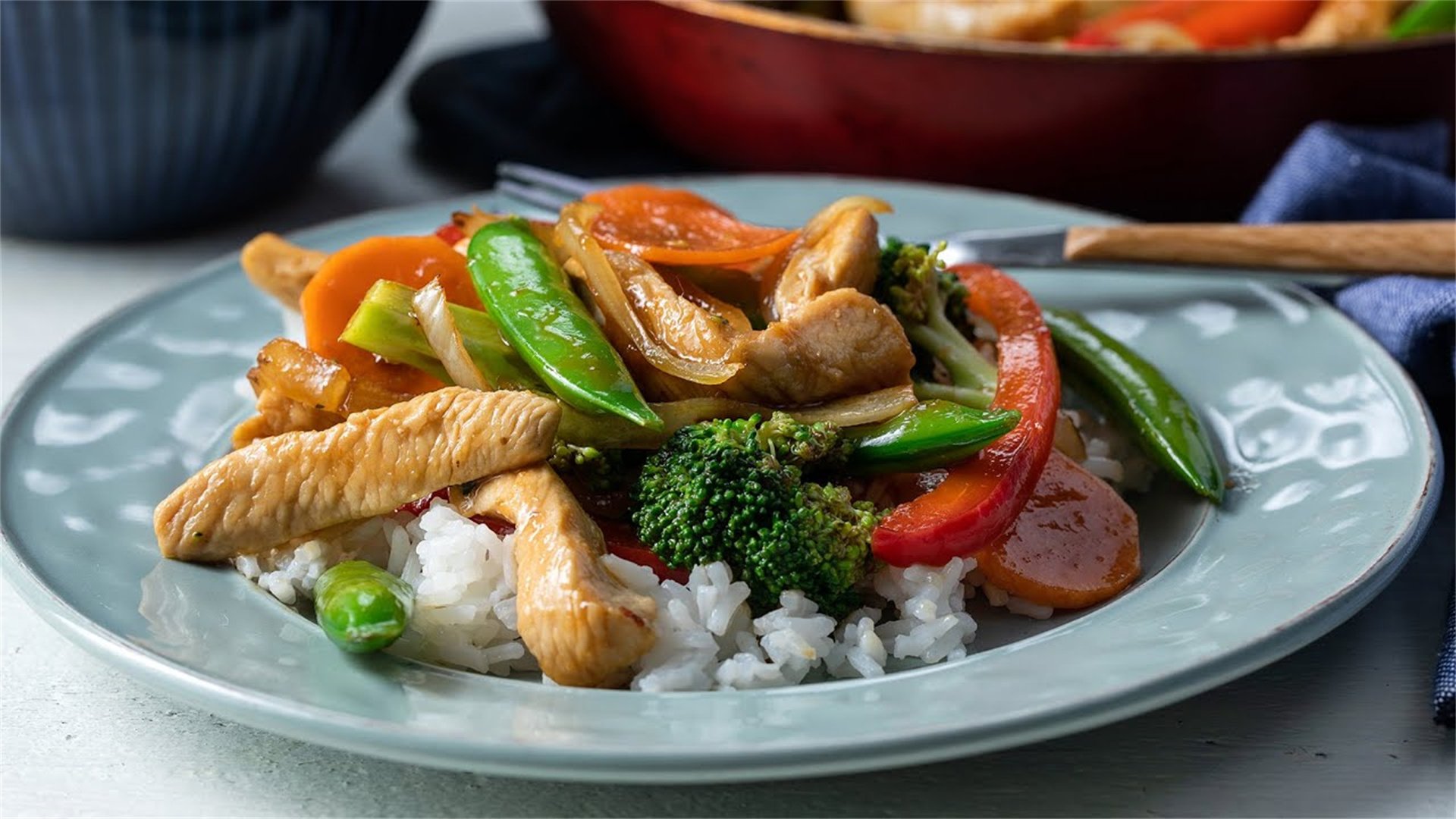
Recipe 2: Vegetable and Chicken Stir-Fry Kit
- Description: This DIY frozen meal kit uses blanching, flash freezing, and marinating for a quick, healthy stir-fry. It demonstrates how techniques streamline weeknight dinners.
- Ingredients:
- 1 pound chicken breast, sliced into strips (marinate before freezing for tenderness)
- 2 bell peppers, sliced (blanch and flash freeze individually)
- 1 broccoli head, cut into florets (blanch to preserve color)
- 1 cup snap peas (flash freeze to prevent sticking)
- 3 tablespoons soy sauce (umami booster for flavor)
- 2 tablespoons ginger, grated (freeze in portions for convenience)
- 2 cloves garlic, minced (use minced technique)
- 1 tablespoon sesame oil (infuse with herbs if desired)
- 1 cup rice, cooked and cooled (portion for meal completeness)
- Instructions:
- Marinate chicken strips in soy sauce, ginger, and garlic for 30 minutes (marinating technique). Drain and pat dry.
- Blanch bell peppers and broccoli in boiling water for 2 minutes, then plunge into ice water (blanching technique). Drain thoroughly.
- Flash freeze chicken strips and vegetables on baking sheets for 2 hours (flash freezing technique).
- Package components separately in freezer bags: chicken, vegetables, and rice. Label with cooking instructions.
- To cook, heat sesame oil in a pan, stir-fry chicken until cooked, add frozen vegetables until heated through (stovetop reheating). Serve over reheated rice.
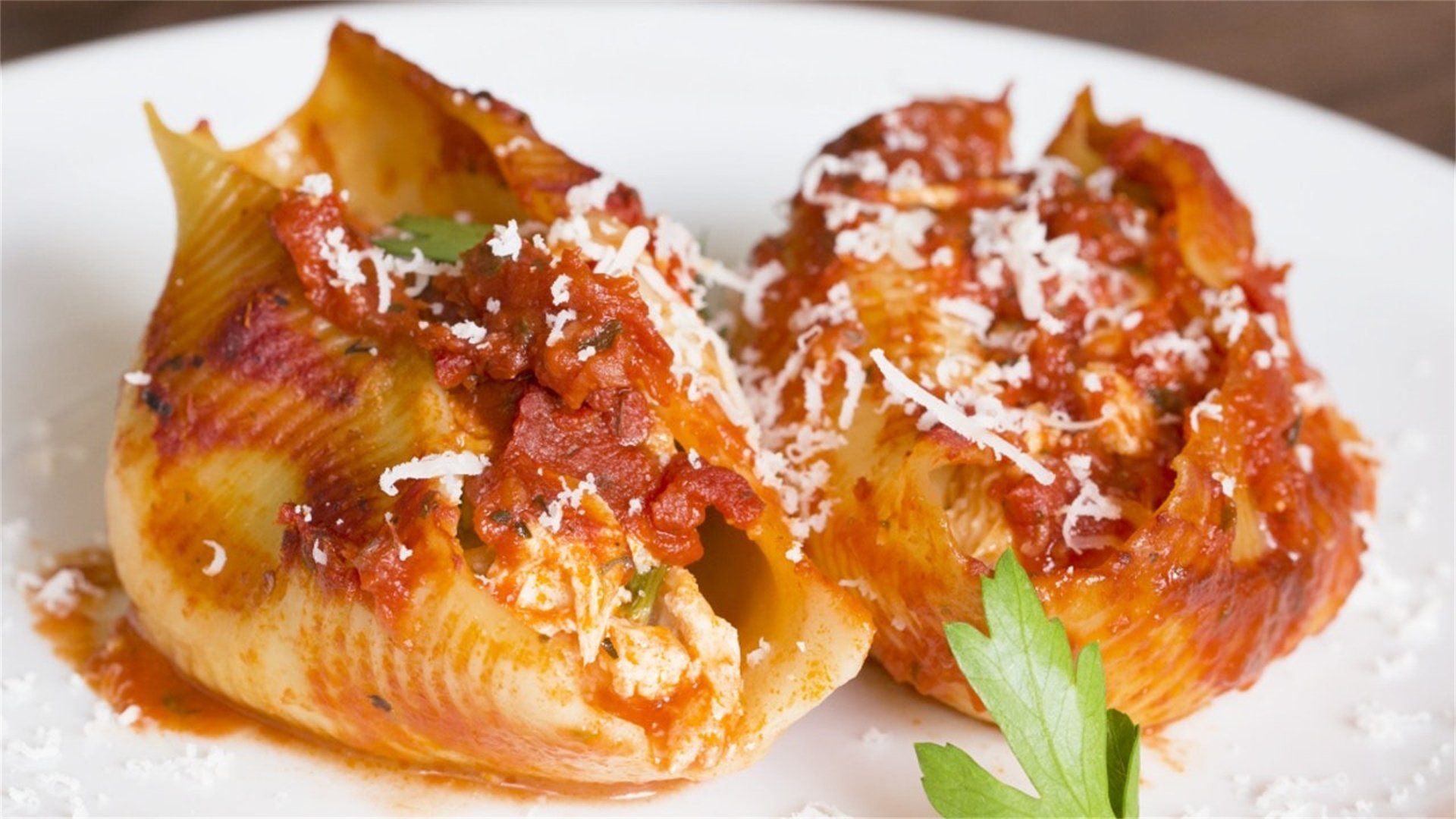
Recipe 3: Spinach and Cheese Stuffed Shells
- Description: This frozen pasta dish uses layering, sauce-making, and oven reheating techniques for a comforting meal. It highlights how preparation methods ensure quality after freezing.
- Ingredients:
- 20 jumbo pasta shells, cooked al dente (simmer with care to avoid mushiness)
- 2 cups ricotta cheese (portion for filling consistency)
- 1 cup spinach, blanched and chopped (blanching to retain color)
- 1 cup mozzarella cheese, shredded (use for topping after layering)
- 2 cups tomato sauce (homemade and frozen using sauce base technique)
- 1 egg, beaten (binds filling for freezing)
- 1 teaspoon Italian seasoning (toast spices for enhanced flavor)
- Salt and pepper to taste (balance before assembling)
- Instructions:
- Cook pasta shells according to package instructions until al dente. Cool quickly in ice water (cooling technique).
- Mix ricotta, spinach, egg, Italian seasoning, salt, and pepper for filling (preparation technique).
- Stuff shells with filling and arrange in a freezer-safe dish layered with tomato sauce (layering technique). Top with mozzarella.
- Cover with foil, label, and freeze for up to 2 months. To reheat, thaw in refrigerator, then bake at 375°F for 25 minutes (oven reheating).
✅ Conclusion: Embracing Techniques for a Healthier Lifestyle
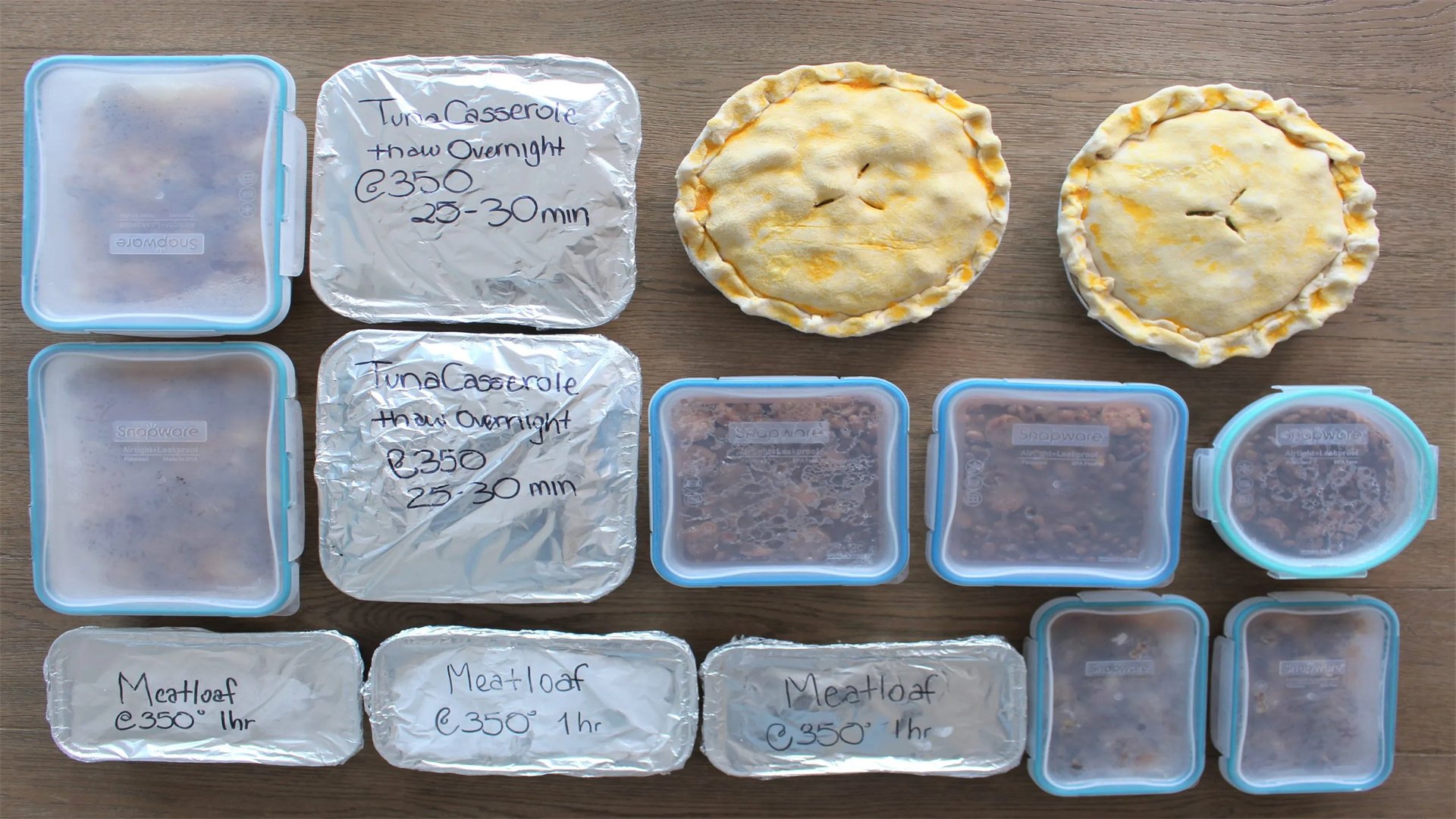
By focusing on preparation, cooking, preservation, flavor enhancement, and reheating, you can transform your kitchen routines and enjoy delicious meals anytime. Start by practicing one technique at a time, such as knife skills or blanching, and gradually incorporate them into batch cooking sessions. Remember, the goal is not perfection but progress toward a sustainable dining habit. With these skills, you'll reduce reliance on processed foods, save money, and savor the satisfaction of homemade meals. Explore further by adapting recipes to your tastes, and share your creations with family and friends. Happy cooking and freezing!