Creating a Tranquil Backyard Pond: Easy Tips for Beginners
Transforming your backyard into a serene oasis with a pond is a rewarding project that can enhance your outdoor space, attract wildlife, and provide a peaceful retreat. For beginners, the process might seem daunting, but with careful planning and simple steps, you can create a beautiful, low-maintenance pond. This comprehensive guide will walk you through everything from initial planning to ongoing maintenance, ensuring your pond thrives for years to come. We'll cover key aspects like location selection, materials, construction techniques, and eco-friendly practices, all tailored for novice pond builders. By following these easy tips, you'll avoid common pitfalls and enjoy the soothing benefits of a tranquil water feature.
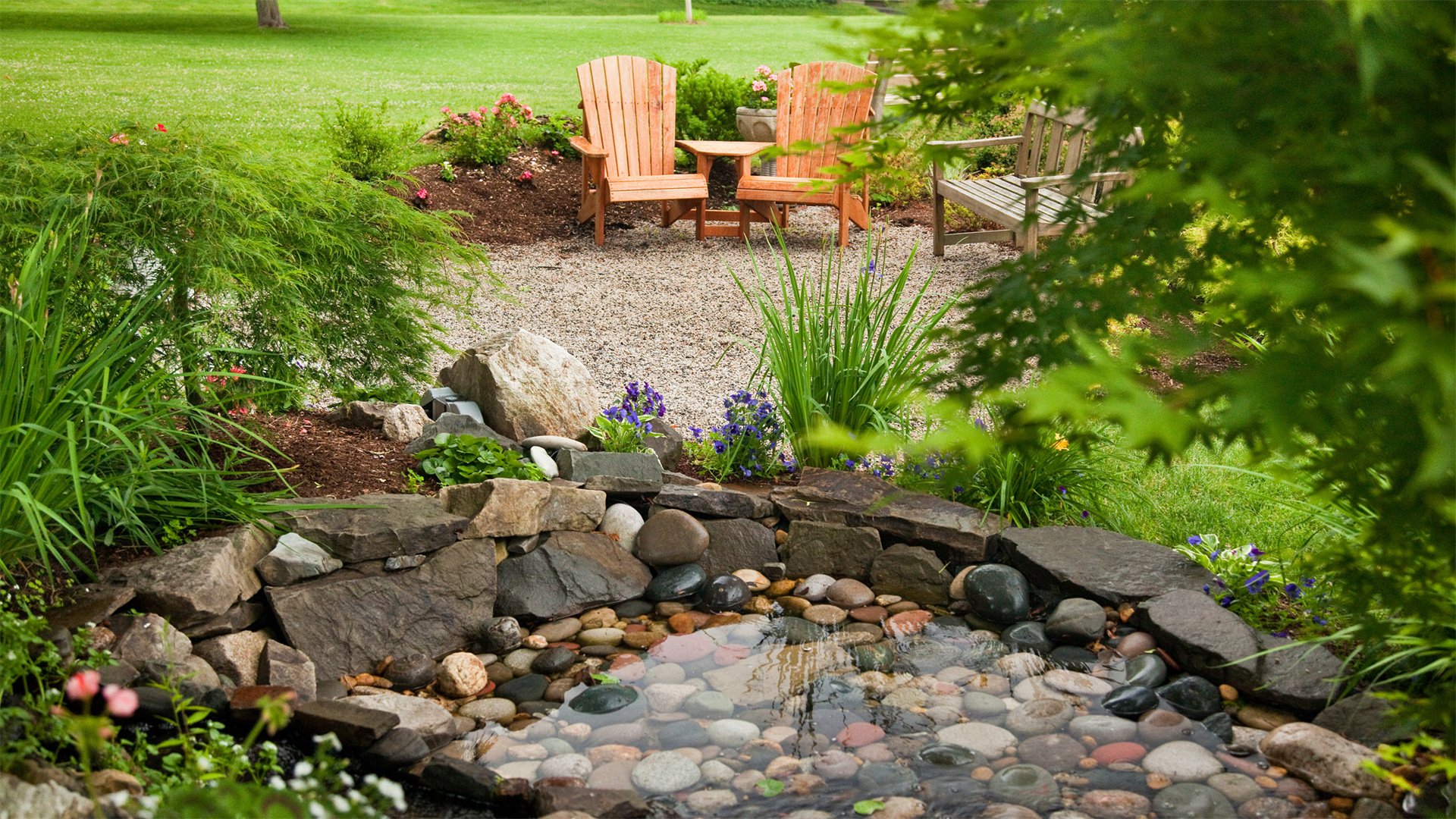
🔍 Why Build a Backyard Pond? Benefits and Considerations
Before diving into construction, it's essential to understand the advantages and potential challenges of having a pond. This section explores the pros and cons, helping you make an informed decision.
Advantages of a Backyard Pond
- Enhanced Aesthetics: A pond adds visual interest and can become the focal point of your garden, with shimmering water, aquatic plants, and possibly fish.
- Wildlife Attraction: Ponds attract beneficial creatures like birds, frogs, and insects, promoting biodiversity and natural pest control.
- Stress Relief: The sound of flowing water and the sight of aquatic life can reduce stress, creating a calming environment for relaxation.
- Educational Value: For families, ponds offer hands-on learning opportunities about ecosystems, water cycles, and plant care.
- Increased Property Value: A well-maintained pond can boost curb appeal and potentially raise your home's market value.
Disadvantages and Challenges
- Maintenance Requirements: Ponds need regular upkeep, such as cleaning filters, managing algae, and seasonal care, which can be time-consuming.
- Initial Costs: Setup expenses include materials like liners, pumps, and plants, which might range from a few hundred to thousands of dollars.
- Safety Concerns: If you have young children or pets, ponds pose drowning risks, requiring safety measures like fencing or shallow designs.
- Potential for Problems: Issues like leaks, pump failures, or algae blooms can occur, demanding troubleshooting skills.
To mitigate these challenges, we'll focus on beginner-friendly approaches that simplify maintenance and reduce risks.
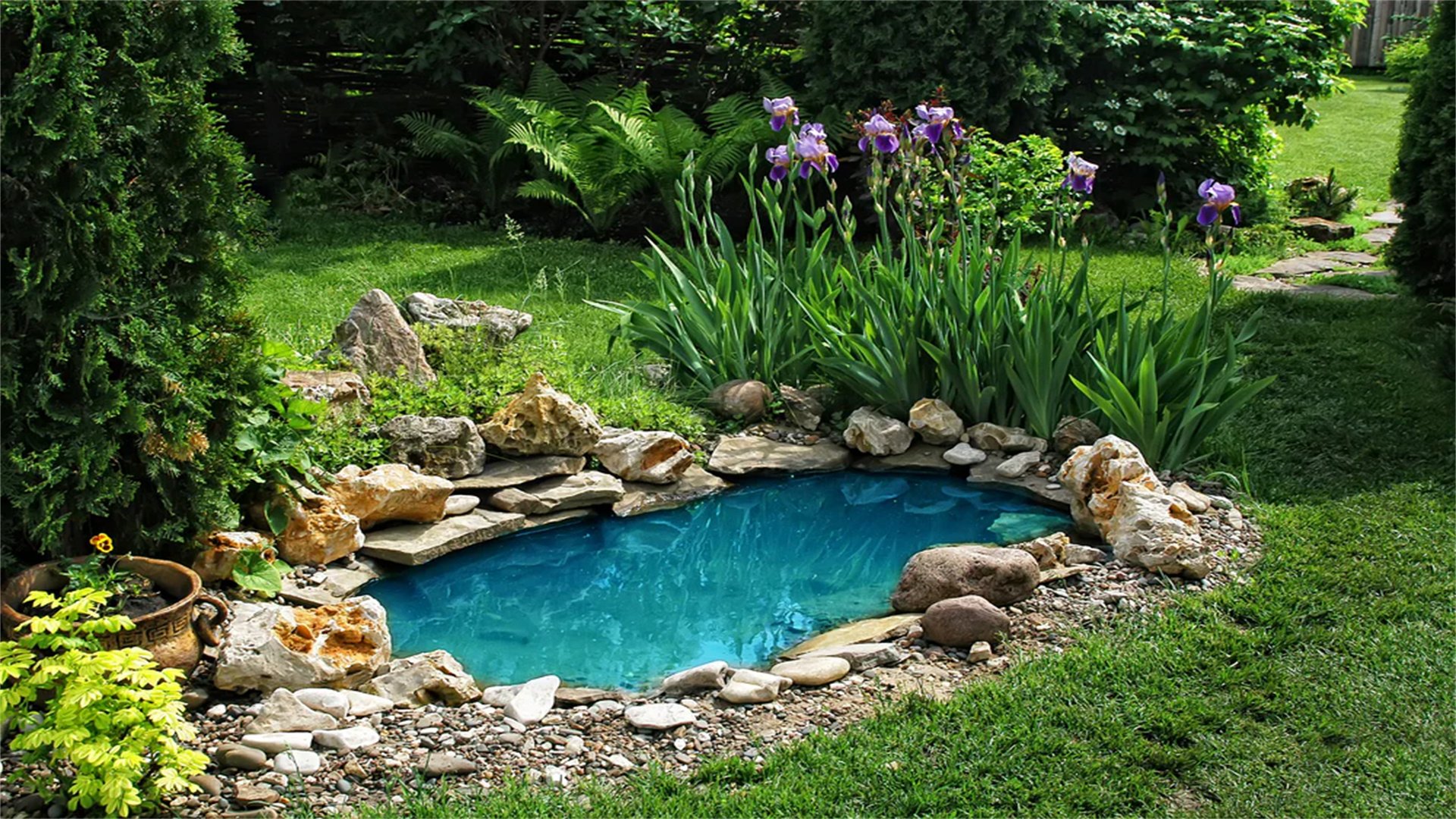
📝 Planning Your Pond: Essential Pre-Construction Steps
Proper planning is crucial for a successful pond. This phase involves decisions on size, style, and logistics to ensure your project runs smoothly.
Step 1: Choosing the Right Location
Select a spot that balances sunlight, accessibility, and safety. Consider these factors:
- Sunlight Exposure: Aim for 4-6 hours of direct sunlight daily to support plant growth, but avoid excessive sun that can overheat the water and promote algae. Partial shade is ideal.
- Proximity to Trees and Structures: Keep the pond away from overhanging trees to minimize leaf debris and root interference. Also, ensure it's not too close to foundations or utilities.
- Visibility and Accessibility: Place the pond where you can enjoy it from your home or patio, and ensure easy access for maintenance tasks like cleaning or adding plants.
- Ground Stability: Choose level ground to prevent uneven water distribution and reduce digging effort. Avoid low-lying areas prone to flooding.
Step 2: Determining Pond Size and Depth
For beginners, start small to manage complexity. A pond of 50-100 square feet with a depth of 18-24 inches is manageable and suitable for most aquatic plants and small fish. Deeper areas (up to 3 feet) can be included for fish hibernation in colder climates, but shallower designs are easier to build. Use stakes and string to outline the shape—consider natural curves for a tranquil look.
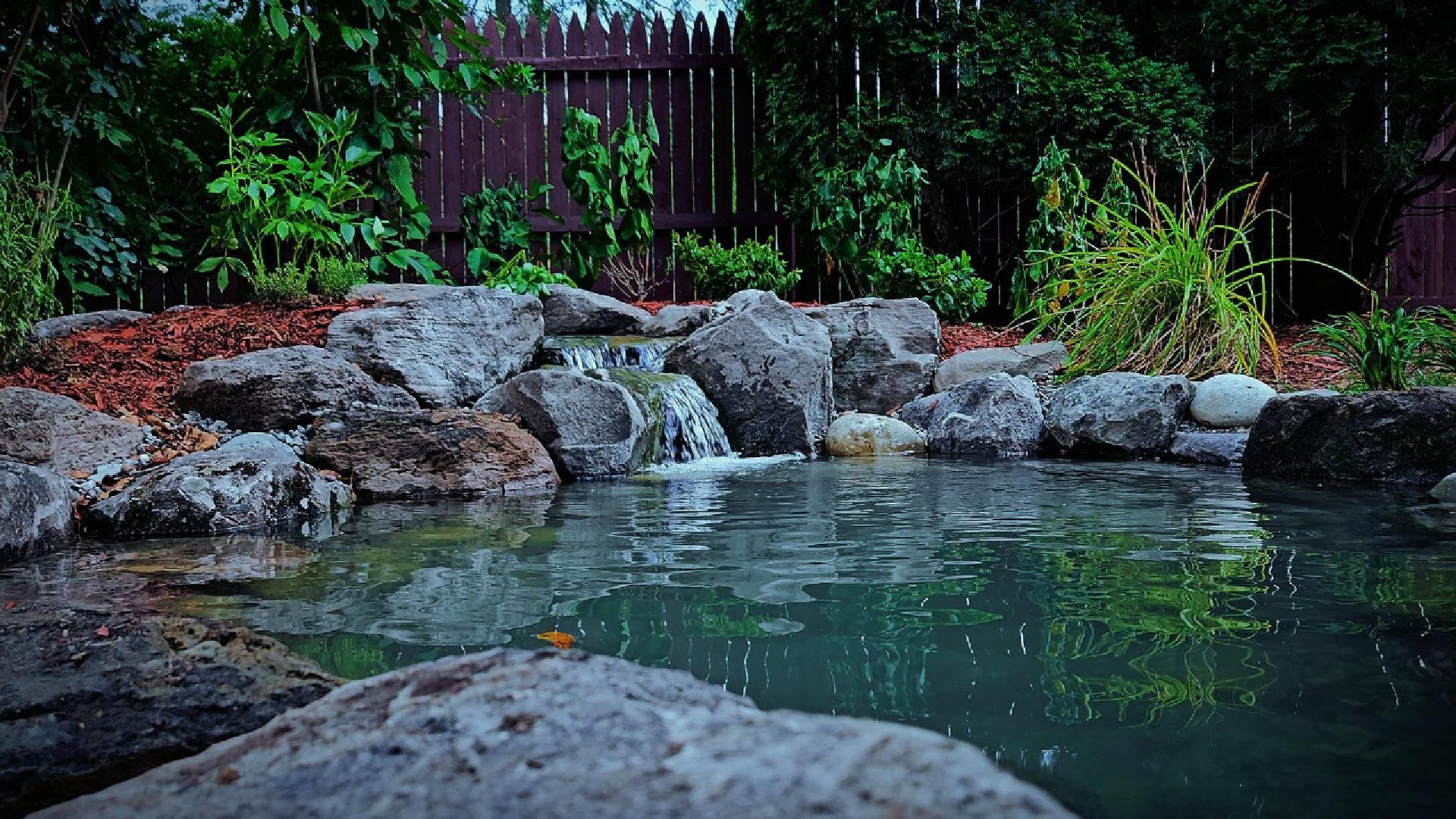
Step 3: Selecting a Pond Style
Choose between formal ponds (geometric shapes, often with fountains) or informal ponds (irregular, natural-looking). Informal styles are easier for beginners as they hide imperfections and blend with garden landscapes. Incorporate features like waterfalls or streams for added tranquility, but keep them simple initially.
Step 4: Gathering Materials and Tools
Here's a checklist of essential items:
- Pond Liner: Use flexible PVC or EPDM rubber liners for durability; avoid preformed shells as they limit design flexibility.
- Pump and Filter System: Select a submersible pump sized for your pond's volume (e.g., 100-500 gallons per hour) to circulate water and prevent stagnation. A filter helps remove debris and maintain water clarity.
- Excavation Tools: Shovels, spades, and a wheelbarrow for digging and moving soil.
- Underlayment: Sand or geotextile fabric to protect the liner from sharp objects.
- Aquatic Plants and Fish: Choose hardy species like water lilies, cattails, or goldfish that thrive in beginner ponds.
- Safety Gear: Gloves, goggles, and a first-aid kit for protection during construction.
Plan to purchase materials from local garden centers or online retailers, and consider renting tools if needed.
🛠️ Construction Guide: Step-by-Step Process for Beginners
This section provides a detailed, easy-to-follow method to build your pond from scratch. We'll break it down into manageable stages.
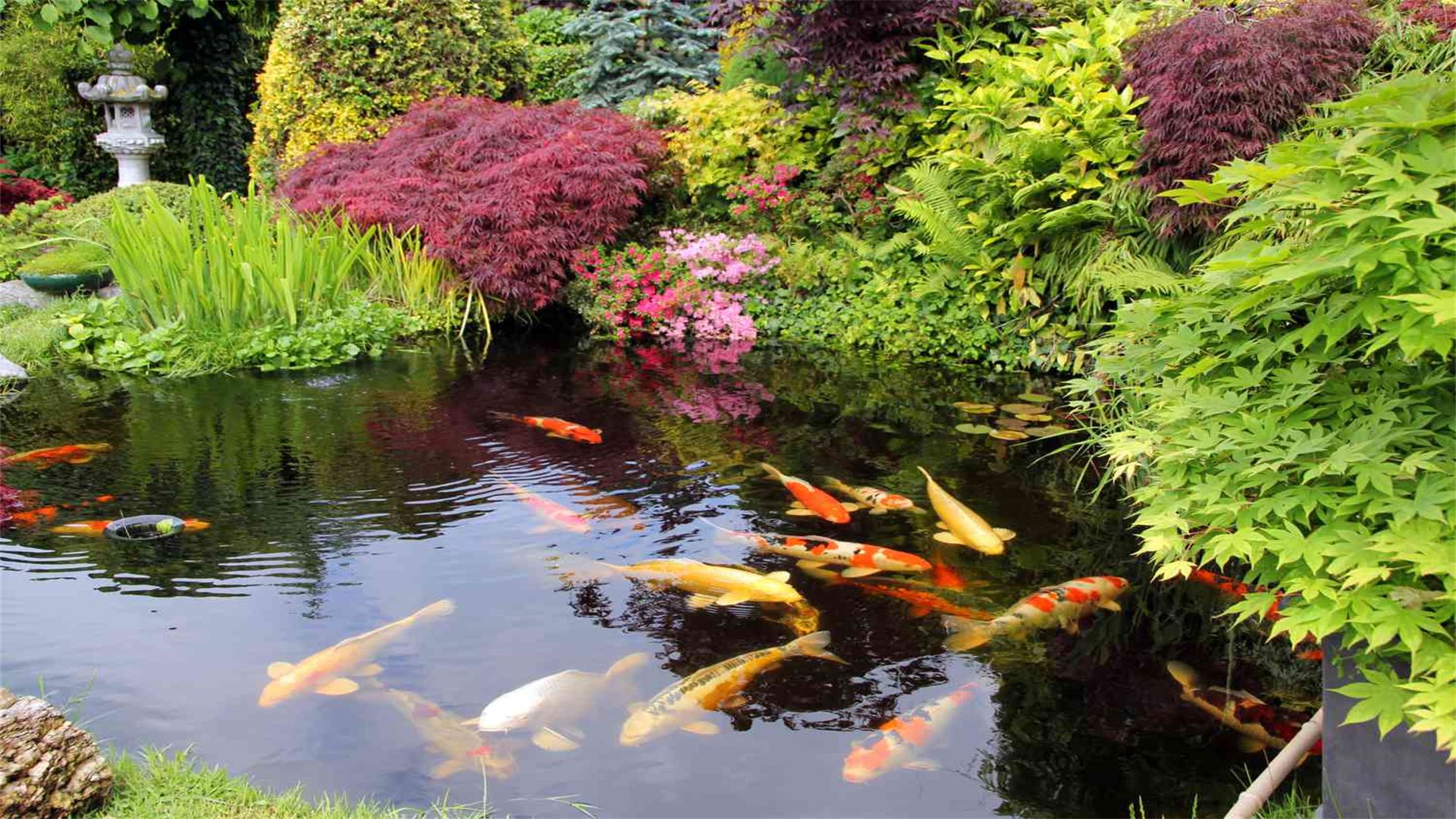
Method 1: Building a Basic Informal Pond
This approach focuses on simplicity and natural aesthetics, ideal for first-timers.
How to Implement: A Sequential Guide
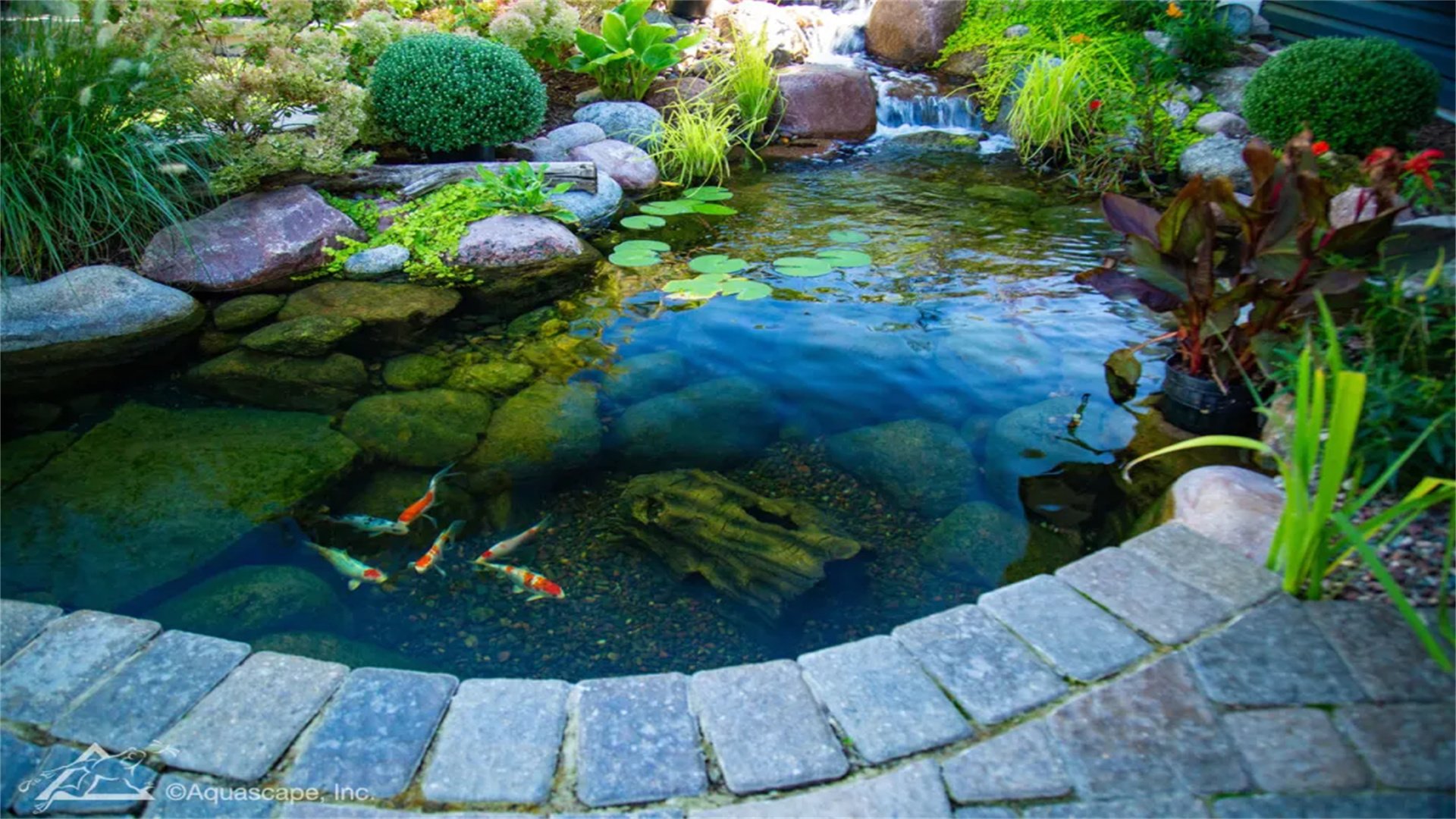
- Mark and Excavate the Area: Outline the pond shape with a hose or rope, ensuring smooth curves. Start digging from the center outward, creating shelves at different depths (e.g., a shallow shelf 6 inches deep for marginal plants, and a deeper zone 18-24 inches for water lilies). Remove all rocks, roots, and debris to create a smooth basin.
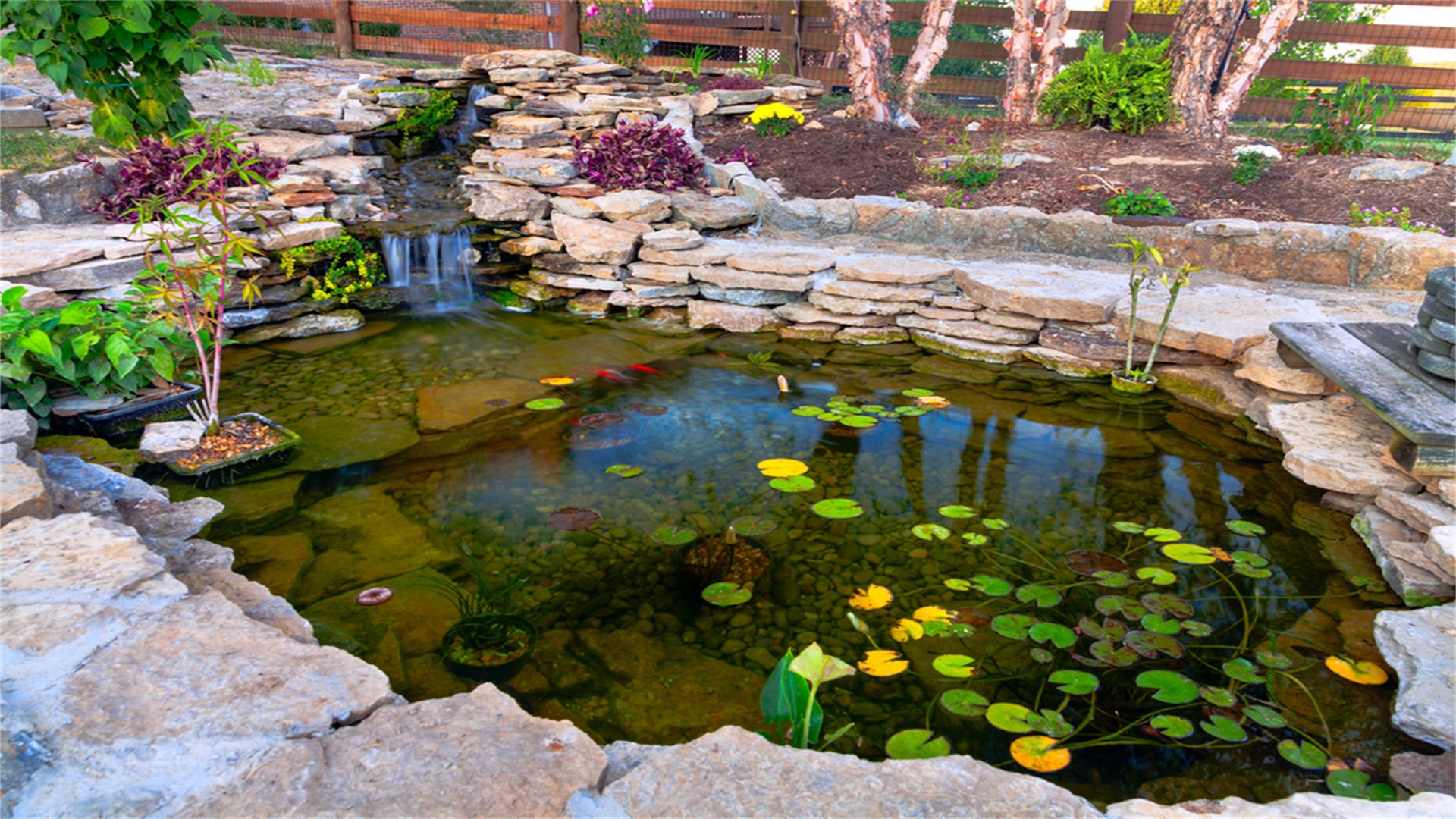
- Install Underlayment and Liner: Spread a 2-inch layer of sand or geotextile fabric over the entire hole to cushion the liner. Unfold the liner carefully, allowing excess to overlap the edges by at least 12 inches. Smooth out wrinkles and press it into contours. Use stones or bricks to temporarily hold the liner in place.
- Set Up the Pump and Filter: Place the submersible pump on a flat stone in the deepest part to avoid silt clogging. Connect it to tubing that leads to a filter or waterfall if desired. Install the filter according to manufacturer instructions, typically near the pond edge for easy access. Test the system by filling the pond partially with water and checking for leaks or irregularities.
- Add Water and Adjust the Liner: Slowly fill the pond with a garden hose, adjusting the liner as needed to remove folds. Allow the water to settle for 24 hours. Trim excess liner, leaving a 6-inch border to secure with rocks or turf.
- Incorporate Plants and Fish: Add aquatic plants in pots or planting bags on the shelves, starting with oxygenators like anacharis to improve water quality. Introduce fish only after the pond has cycled for 2-4 weeks to establish beneficial bacteria. Begin with a few hardy species like mosquito fish or koi.
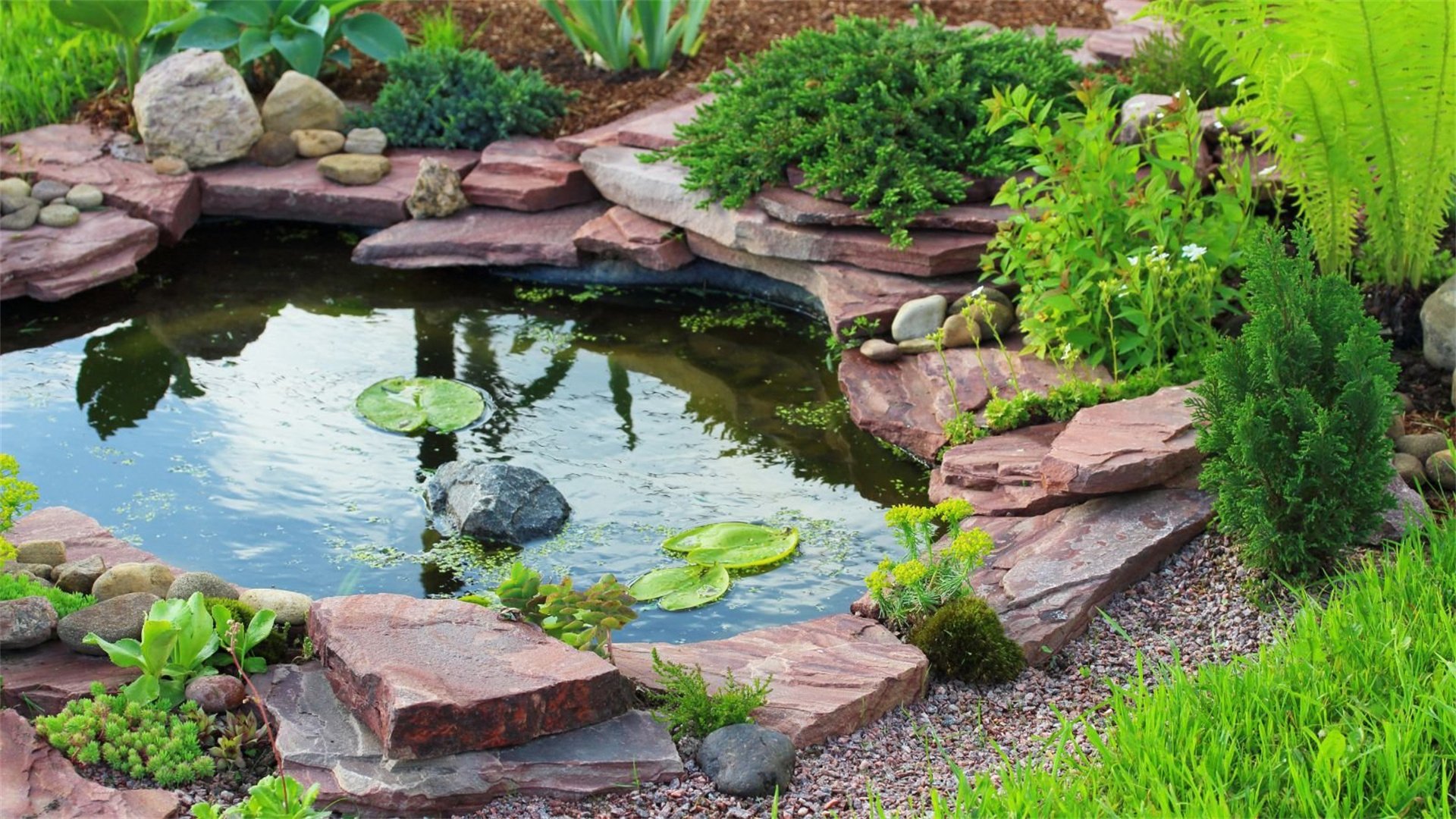
- Final Landscaping: Camouflage the liner edges with natural stones, gravel, or creeping plants. Add surrounding vegetation to blend the pond into your garden. Consider installing lighting for evening ambiance, using low-voltage LED lights safe for wet environments.
Advantages of This Method
- Cost-Effective: Flexible liners are affordable and allow custom shapes.
- Forgiving: Natural designs hide minor mistakes, making it beginner-friendly.
- Eco-Friendly: Promotes a balanced ecosystem with plants and wildlife.
Disadvantages of This Method
- Time-Consuming: Excavation and liner installation require physical effort and patience.
- Potential for Leaks: Improper liner placement can lead to water loss, necessitating repairs.
- Weather Dependency: Construction is best done in mild, dry conditions to avoid mud or frost issues.
Method 2: Using a Preformed Pond Kit
For those seeking a quicker setup, preformed kits offer a molded shell that simplifies installation. However, they limit design options and may be less durable. If choosing this method, follow the manufacturer's guidelines closely, ensuring level placement and adequate backfilling with soil or sand.
🔧 Maintenance Tips for a Healthy and Tranquil Pond
Regular upkeep is key to preserving your pond's beauty and functionality. Here's a seasonal maintenance plan tailored for beginners.
Daily and Weekly Tasks
- Skim Debris: Use a net to remove leaves, twigs, and other floating debris to prevent water contamination.
- Check Pump and Filter: Ensure the pump is running smoothly and clean the filter as needed to maintain water circulation.
- Monitor Water Levels: Top up with dechlorinated water during evaporation, especially in hot weather.
Monthly Tasks
- Test Water Quality: Use test kits to check pH, ammonia, and nitrate levels, aiming for a pH of 6.5-8.0. Adjust with treatments if necessary.
- Prune Plants: Trim overgrown aquatic plants to prevent them from dominating the pond.
- Inspect for Algae: Control algae growth by adding barley straw or beneficial bacteria, and avoid overfeeding fish.
Seasonal Tasks
- Spring: Clean the pond thoroughly, remove winter debris, and restart pumps after frost. Divide and repot plants as they begin growing.
- Summer: Increase aeration with fountains or waterfalls to combat heat, and shade the pond with floating plants like water lettuce.
- Fall: Install a net to catch falling leaves, and prepare fish for winter by reducing feeding as temperatures drop.
- Winter: In freezing climates, use a de-icer to keep a hole in the ice for gas exchange, and store pumps indoors if not in use.
How to Address Common Problems
Beginners often face issues like murky water or fish health concerns. Here are solutions:
- Green Water (Algae Bloom): Increase filtration, add more oxygenating plants, or use UV clarifiers. Avoid chemical algaecides that can harm wildlife.
- Leaky Liner: Locate the leak by observing water loss, then patch it with a liner repair kit following product instructions.
- Fish Diseases: Quarantine sick fish and treat with appropriate medications; maintain good water quality to prevent outbreaks.
✨ Enhancing Tranquility: Additional Features and Design Ideas
To elevate your pond into a serene retreat, consider incorporating these elements.
Water Features for Soothing Sounds
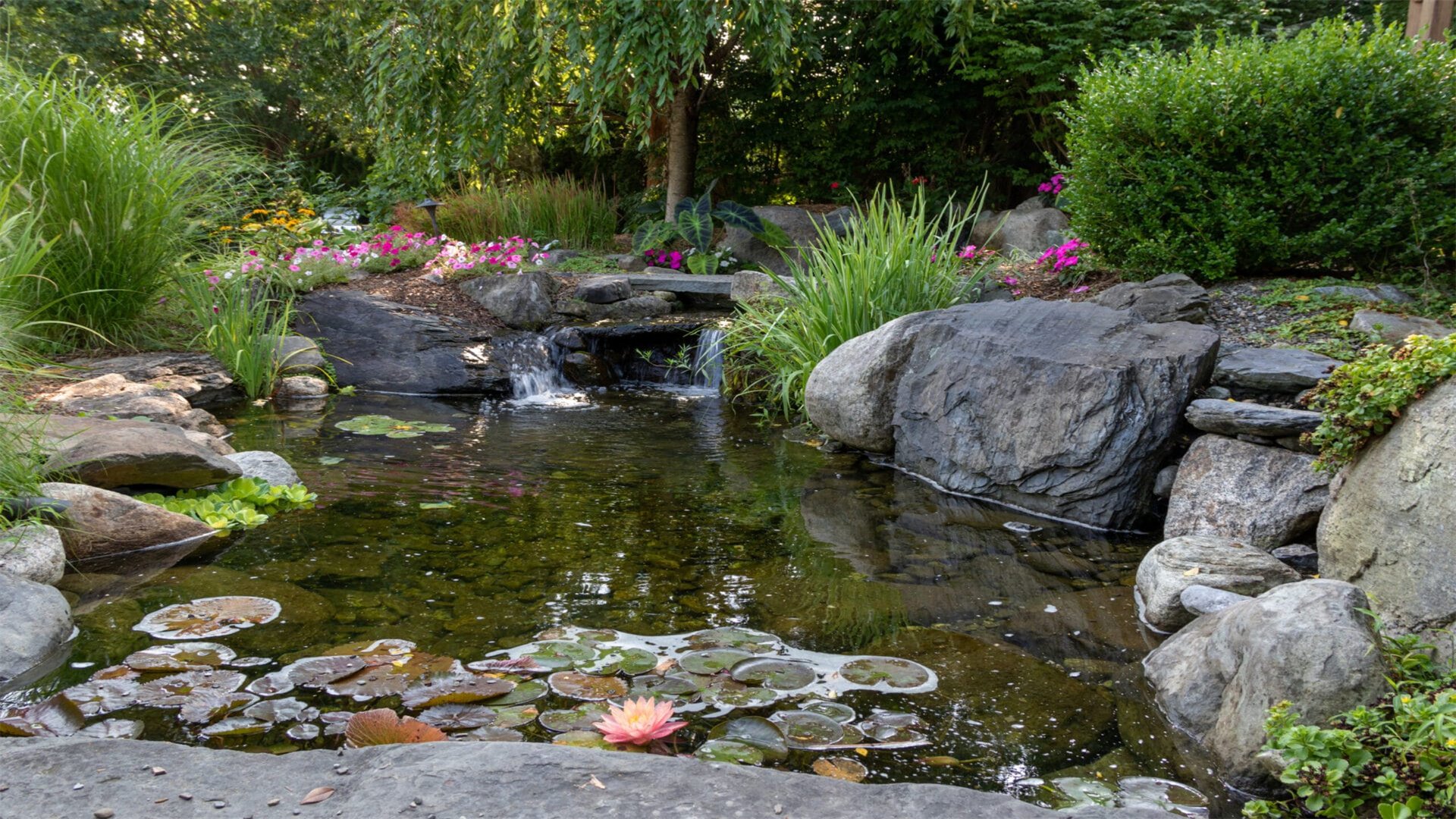
- Waterfalls: Build a simple cascade using a pump, tubing, and stacked stones. The sound of flowing water masks noise and adds movement.
- Fountains: Install a fountain head for a gentle spray effect; choose models with adjustable flow to control sound levels.
- Bubblers: Use air stones to create subtle bubbling, which aerates the water and provides visual interest.
Planting Strategies for a Natural Look
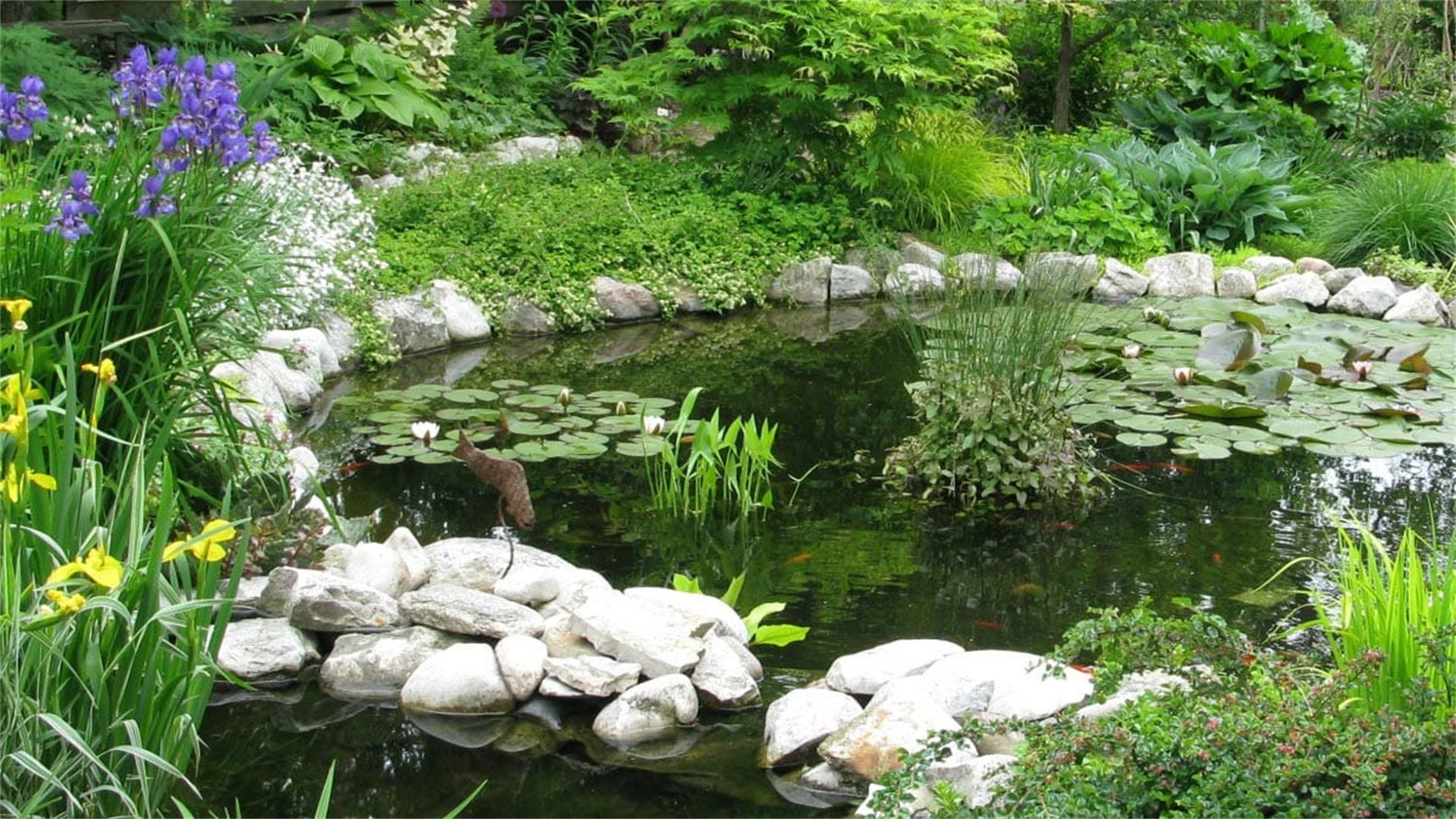
- Layer Plants: Combine submerged plants (e.g., hornwort), floating plants (e.g., duckweed), and marginal plants (e.g., irises) for depth and biodiversity.
- Choose Native Species: Opt for plants adapted to your region, as they require less care and support local ecosystems.
- Create Planting Zones: Designate areas for different plant types based on water depth, ensuring each has adequate light and space.
Lighting and Seating for Ambiance
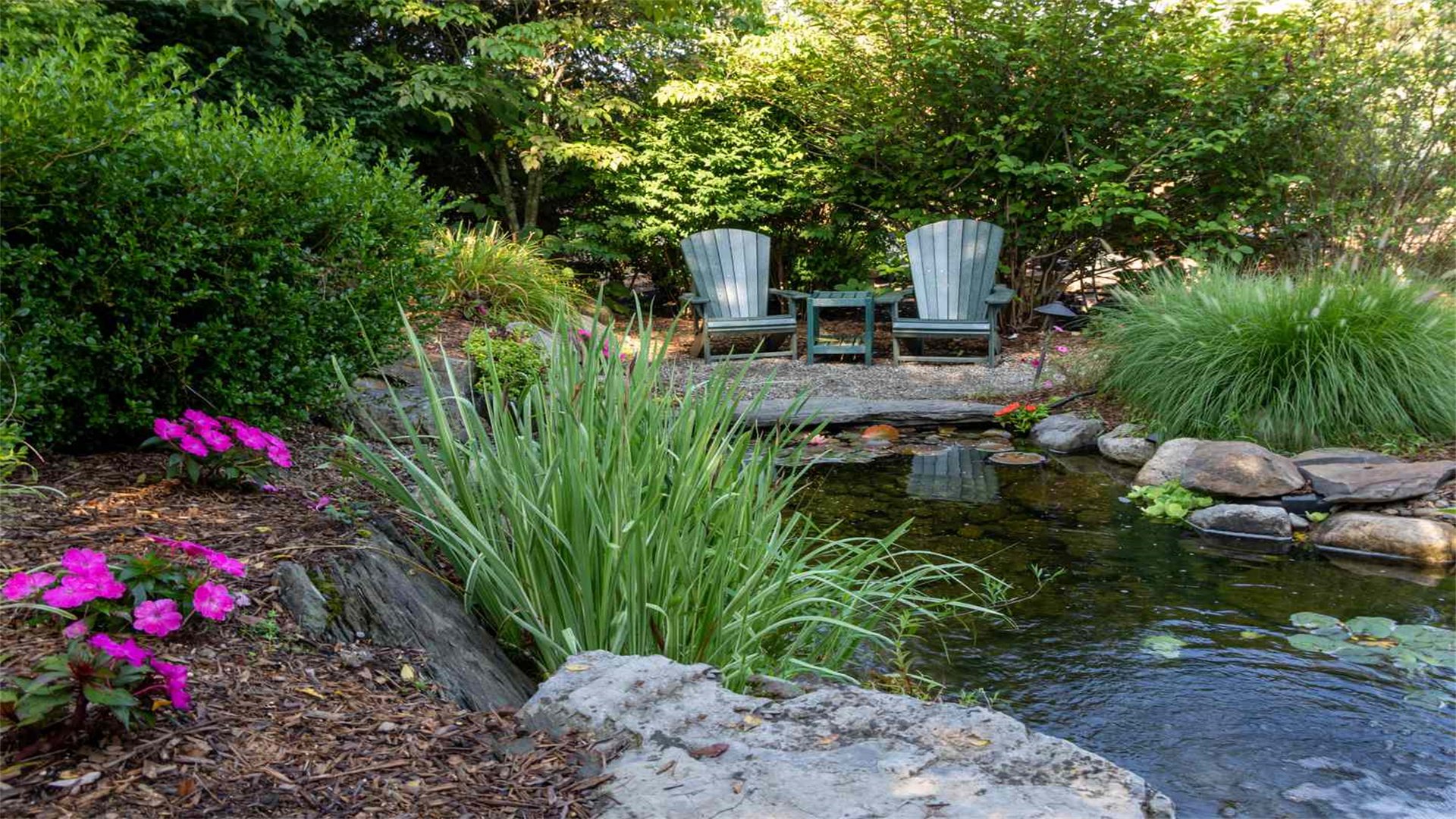
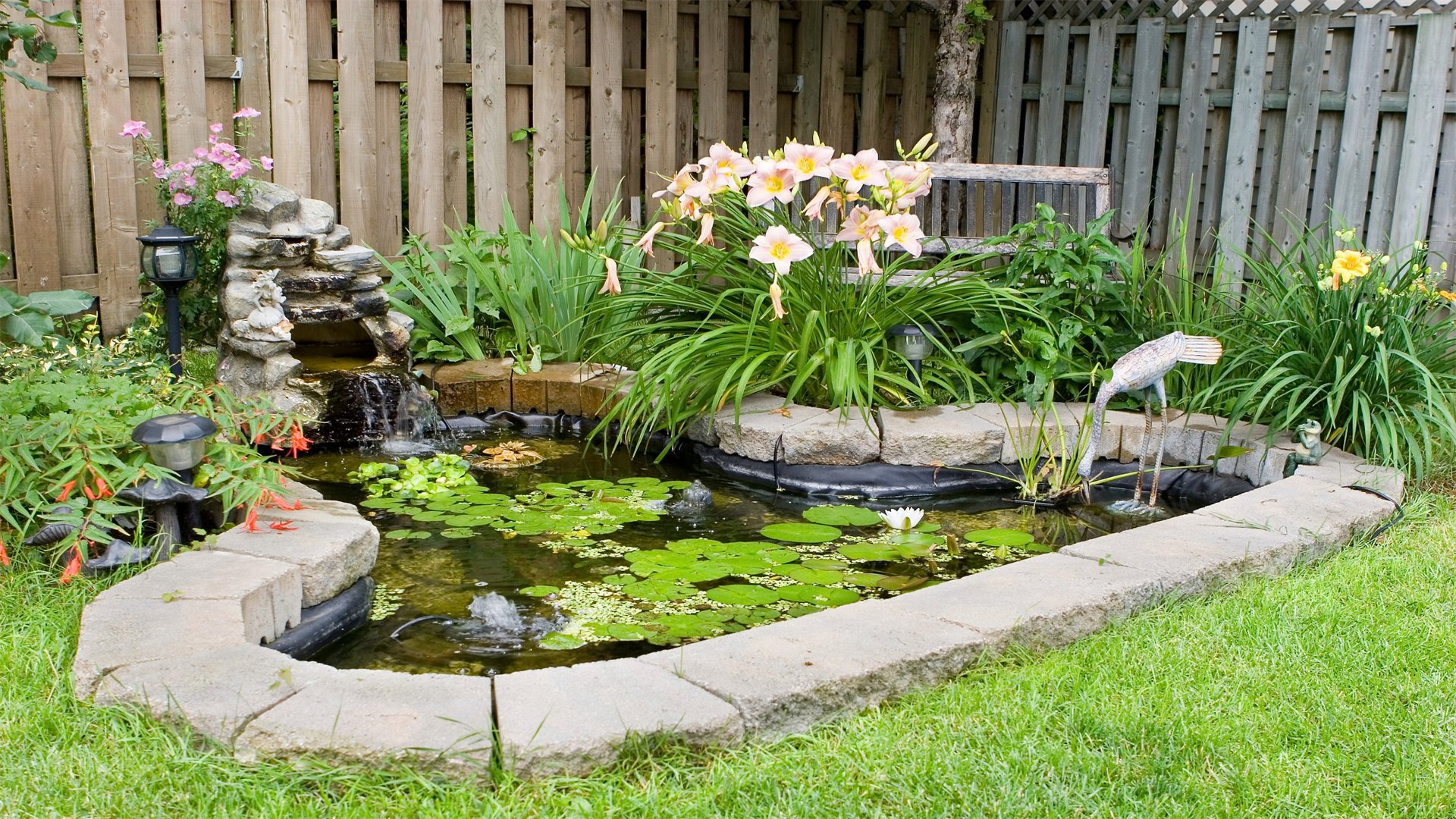
Add solar-powered lights around the pond edge to highlight features at night. Place a bench or stones nearby for seating, allowing you to unwind while enjoying the view.
💰 Cost Breakdown and Budget-Friendly Tips
Creating a pond can be affordable with smart choices. Here's an estimated cost range for a beginner pond (50-100 square feet):
- Liner: $50-$200
- Pump and filter: $100-$300
- Plants and fish: $50-$150
- Tools and materials: $50-$100
- Total: $250-$750, depending on scale and features.
To save money, repurpose items like old bathtubs for small ponds, use locally sourced stones, or start with a container pond as a trial. DIY projects, such as building your own filter from a bucket and sponge, can also reduce expenses.
⚠️ Safety Precautions for Beginners
Prioritize safety throughout the project:
- Electrical Safety: Use GFCI outlets for pumps and lights, and bury cables in conduit to prevent shocks.
- Child and Pet Safety: Install a fence or grid under the water surface if needed, and supervise children and pets near the pond.
- Construction Safety: Wear protective gear, lift heavy objects properly, and avoid working in extreme weather.
🏁 Conclusion: Embracing the Journey to a Tranquil Backyard Oasis
Building a backyard pond as a beginner is an achievable and fulfilling endeavor. By following these easy tips—from careful planning and step-by-step construction to routine maintenance—you can create a peaceful water feature that enhances your outdoor living space. Remember to start small, prioritize simplicity, and embrace the learning process. Over time, your pond will evolve into a vibrant ecosystem offering relaxation and joy. Whether you choose a natural liner-based design or a preformed kit, the key is to enjoy the journey and reap the rewards of your tranquil backyard retreat. With patience and creativity, you'll soon have a stunning pond that becomes the heart of your garden.