Cooking
Cooking for Kids: Fun and Nutritious Meals
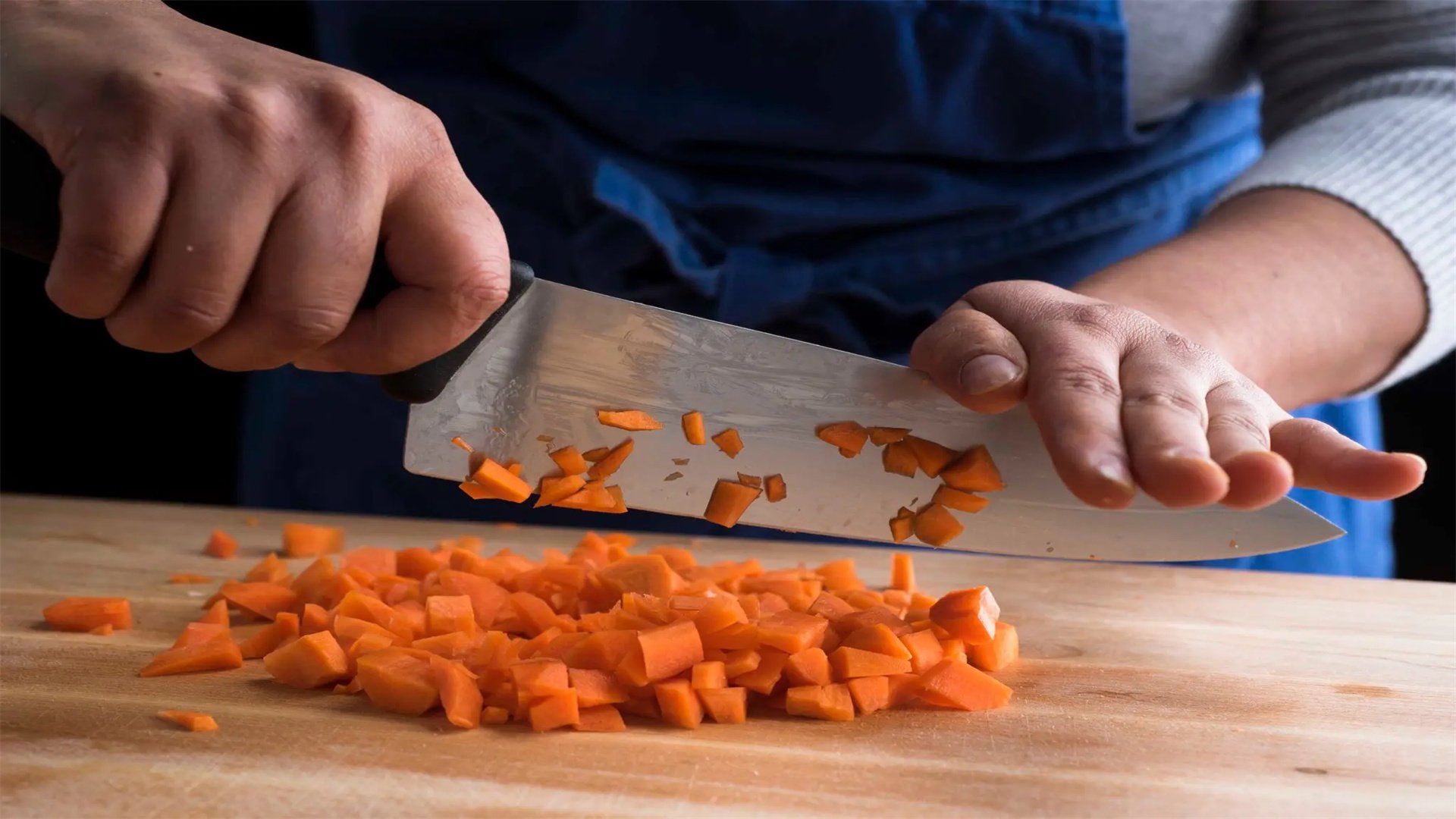
1. Knife Skills: Chopping, Dicing, and Mincing Safely 🔪
Advantages and Disadvantages
- Advantages
- Ensures safety and consistency in cooking times.
- Makes food more appealing to kids who might be picky about textures.
- Cutting ingredients into small, uniform pieces helps children eat easier.
- Disadvantages
- Requires practice and proper instruction to ensure safety.
- Can be time-consuming for beginners.
Recipe: Colorful Veggie Stir-fry with Chicken
Steps
- Heat olive oil in a large pan or wok over medium-high heat.
- Add diced chicken and cook until browned and cooked through, about 5-7 minutes. Remove and set aside.
- In the same pan, add garlic and ginger, sauté for 30 seconds until fragrant.
- Add chopped carrots, bell peppers, and broccoli. Stir-fry for 4-5 minutes until tender-crisp.
- Return chicken to the pan, pour in soy sauce, and toss to combine. Cook for another 2 minutes.
- Serve over cooked brown rice.
Expand on Ingredients
- Chicken Breast
- A lean source of protein that supports muscle growth in children.
- Low in fat and can be easily seasoned to suit young palates.
- Carrots
- Rich in beta-carotene, which converts to vitamin A for healthy vision.
- Chopping them finely makes them easier for kids to chew and digest.
- Bell Peppers
- High in vitamin C, boosting immunity.
- The bright colors attract children's attention and make meals more fun.
- Broccoli
- Packed with fiber, vitamins K and C.
- Cutting into small florets helps reduce bitterness and encourages kids to eat their greens.
- Soy Sauce
- Adds umami flavor without excessive salt if using low-sodium versions.
- A great way to introduce savory tastes to kids.
2. Sautéing: Cooking Quickly in a Small Amount of Oil 🍳
Advantages and Disadvantages
- Advantages
- Preserves texture and nutrients by cooking rapidly over high heat.
- Perfect for quick weeknight meals, locking in flavors and keeping vegetables vibrant.
- Can use kid-friendly oils like olive or avocado oil for added health benefits.
- Disadvantages
- Requires constant attention to prevent burning.
- May not be suitable for large batches.
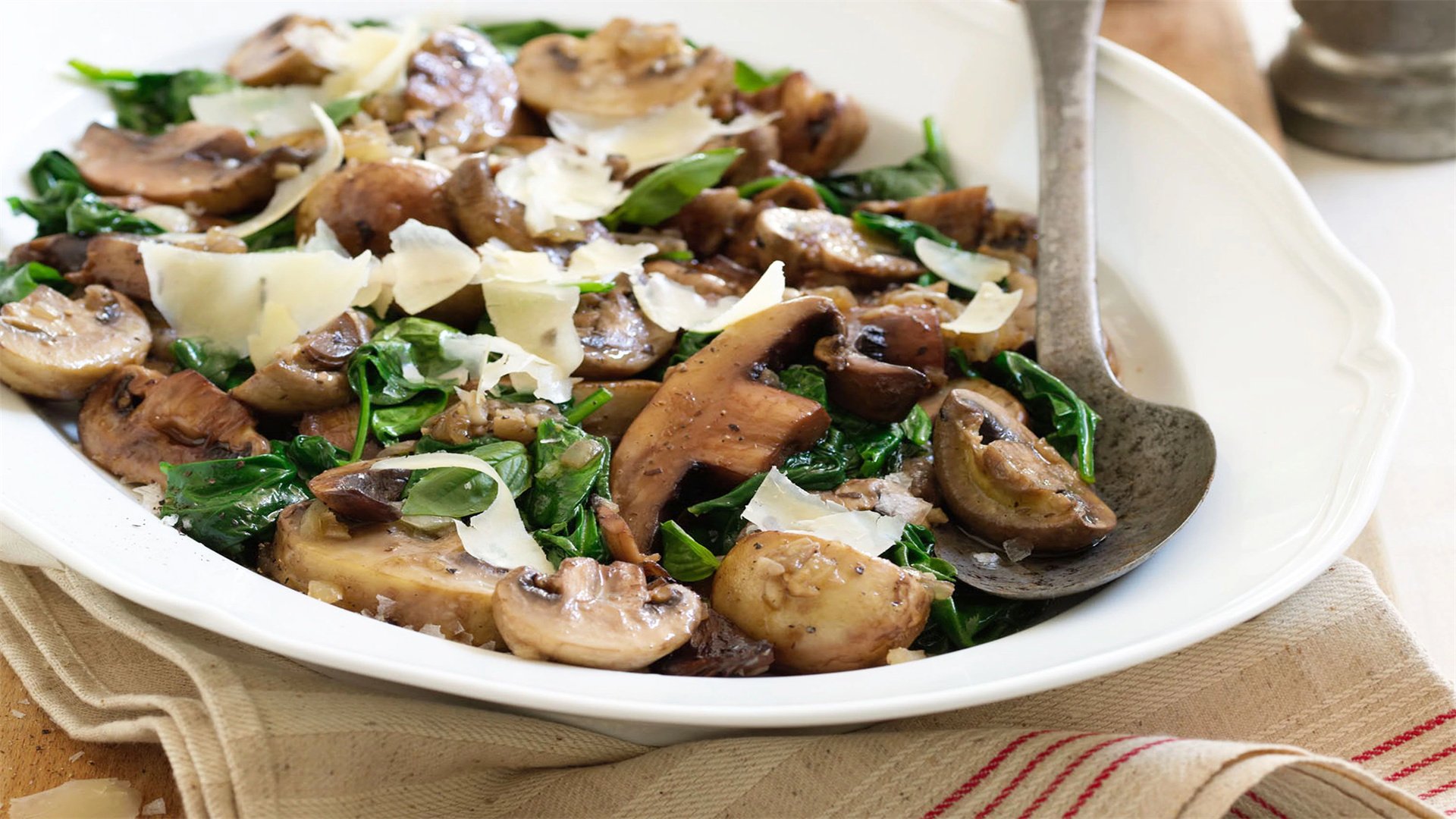
Recipe: Cheesy Spinach and Mushroom Sauté
Steps
- Melt butter in a skillet over medium heat.
- Add sliced mushrooms and sauté for 3-4 minutes until softened.
- Stir in chopped spinach and cook until wilted, about 2 minutes.
- Pour in milk and add shredded cheese, stirring until melted and creamy.
- Season with salt and pepper. Serve wrapped in whole-grain tortillas.
Expand on Ingredients
- Mushrooms
- Provide B vitamins and selenium, supporting energy levels.
- Slicing them thinly ensures they cook quickly and blend well with other ingredients.
- Spinach
- A powerhouse of iron and calcium, essential for growing bones.
- Chopping it finely helps it wilt evenly and mix into dishes seamlessly.
- Cheddar Cheese
- Adds calcium and protein, making the dish creamy and appealing to kids.
- Opt for low-fat versions if desired.
- Whole-grain Tortillas
- Offer fiber for digestive health.
- A fun way to serve sautéed fillings, encouraging kids to eat with their hands.
3. Boiling and Simmering: For Pasta, Vegetables, and More 🍜
Advantages and Disadvantages
- Advantages
- Ideal for preparing pasta, grains, and vegetables, ensuring they're tender and easy for kids to eat.
- Simmering is great for soups and stews that can be packed with nutrients.
- Simple technique requiring minimal equipment.
- Disadvantages
- Can leach some water-soluble vitamins from vegetables if overcooked.
- May result in bland food if not seasoned properly.
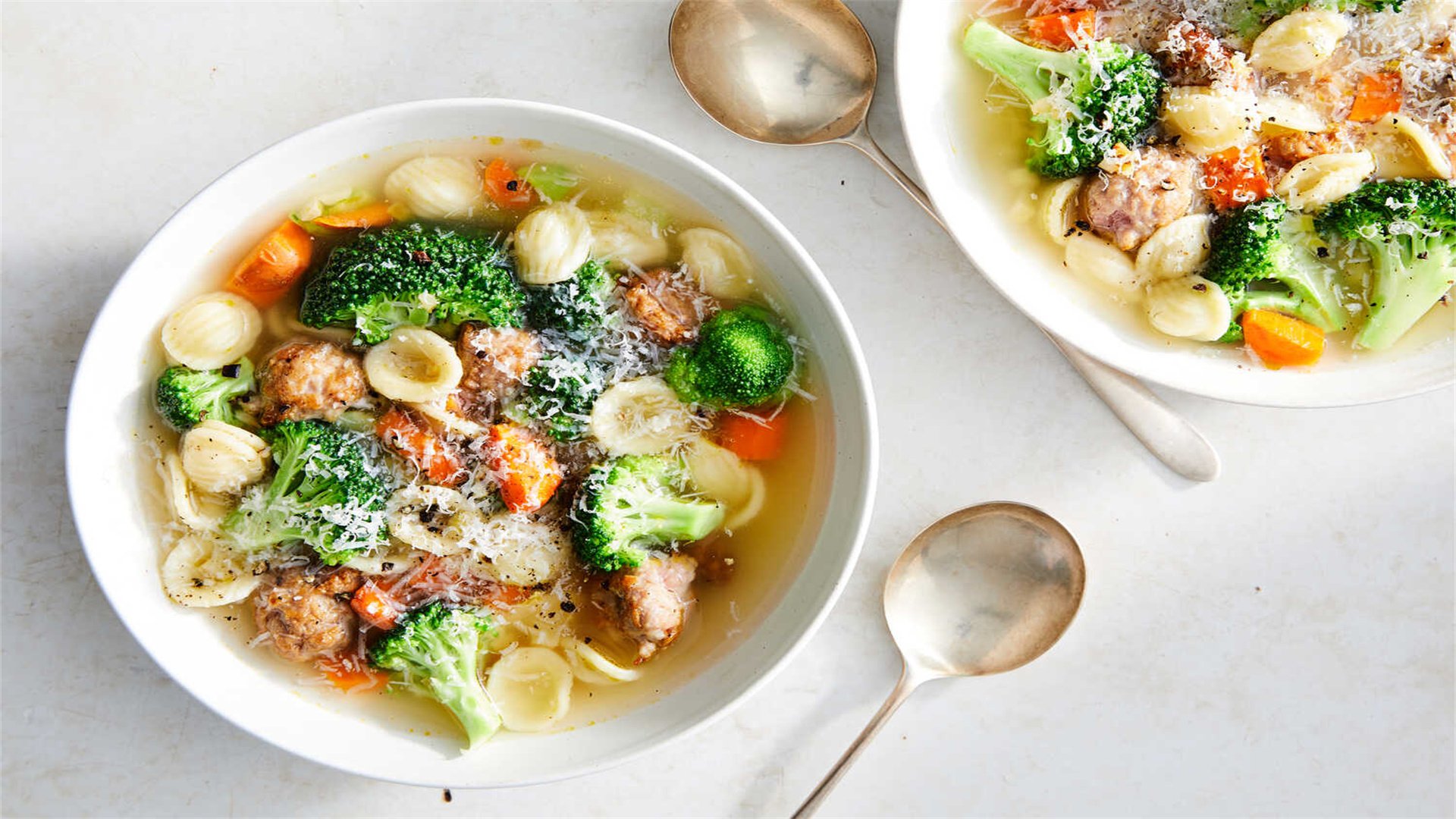
Recipe: Mini Meatball and Vegetable Soup
Steps
- In a bowl, mix ground turkey, breadcrumbs, and egg. Form into small meatballs, about 1/2 inch in diameter.
- In a large pot, bring chicken broth to a boil. Add carrots and zucchini, reduce to a simmer, and cook for 10 minutes.
- Add meatballs and pasta to the pot. Simmer for another 10-12 minutes until meatballs are cooked and pasta is tender.
- Stir in oregano, salt, and pepper. Serve warm.
Expand on Ingredients
- Ground Turkey
- A lean protein source that's lower in fat than beef, making it healthy for kids.
- Forming small meatballs makes them easy to eat and fun.
- Carrots and Zucchini
- Provide vitamins A and C, plus fiber.
- Dicing them ensures they cook quickly and become soft enough for young children.
- Small Pasta Shapes
- Kids love fun shapes like ditalini, which are easy to spoon and chew.
- They add carbohydrates for energy.
- Chicken Broth
- Adds flavor without excessive salt if using low-sodium versions.
- A hydrating base for soups.
4. Baking: For Healthy Muffins, Cookies, and More 🧁
Advantages and Disadvantages
- Advantages
- Excellent for making healthier versions of kids' favorites by incorporating whole grains and reducing sugar.
- Creates tender, flavorful dishes.
- Can be a fun activity to do with children.
- Disadvantages
- Longer cooking time compared to some methods.
- Requires precise measurements for best results.
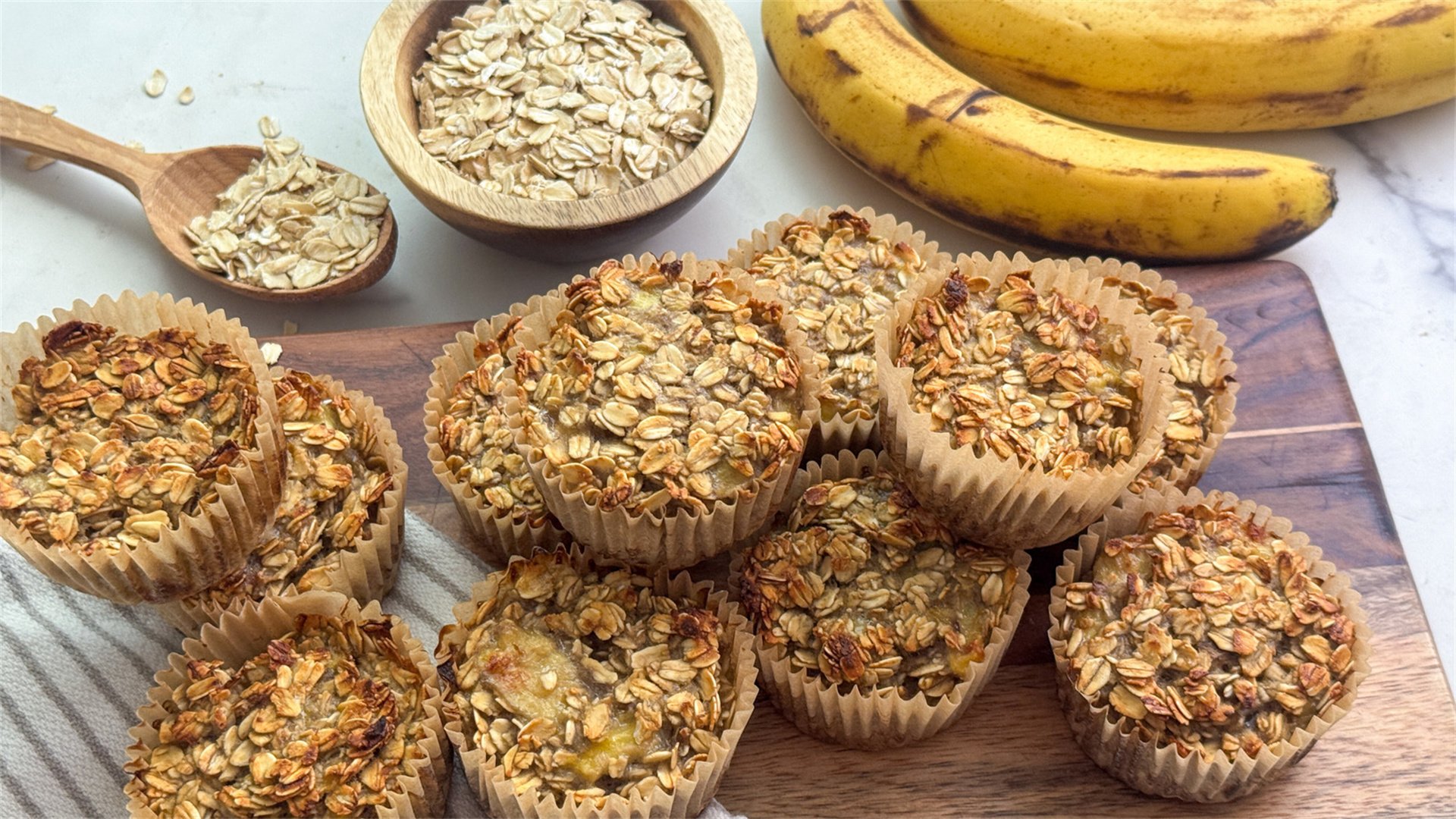
Recipe: Banana-Oatmeal Muffins with Hidden Veggies
Steps
- Preheat oven to 350°F (175°C). Line a muffin tin with paper liners.
- In a large bowl, mix mashed bananas, grated zucchini, honey, and egg.
- Add rolled oats, whole-wheat flour, baking powder, and cinnamon. Stir until just combined.
- Spoon batter into muffin cups, filling each about 2/3 full.
- Bake for 20-25 minutes until a toothpick inserted comes out clean. Cool before serving.
Expand on Ingredients
- Bananas
- Natural sweeteners that provide potassium for heart health.
- Mashing them adds moisture without needing extra fat.
- Zucchini
- Adds fiber and vitamins while remaining undetected when grated.
- Squeezing it dry prevents sogginess in muffins.
- Rolled Oats
- High in fiber, promoting fullness and digestive health.
- They give muffins a hearty texture.
- Whole-wheat Flour
- Offers more nutrients than white flour, including B vitamins and fiber.
- A healthier base for baked goods.
5. Grilling: For Meats and Veggies with a Smoky Flavor 🍖
Advantages and Disadvantages
- Advantages
- Imparts a smoky flavor that can make healthy foods more exciting for kids.
- Great for meats, vegetables, and fruits; reduces the need for added fats.
- Can be done outdoors or on a stovetop grill pan.
- Disadvantages
- Requires specific equipment (grill or grill pan).
- Risk of charring or burning if not monitored closely.
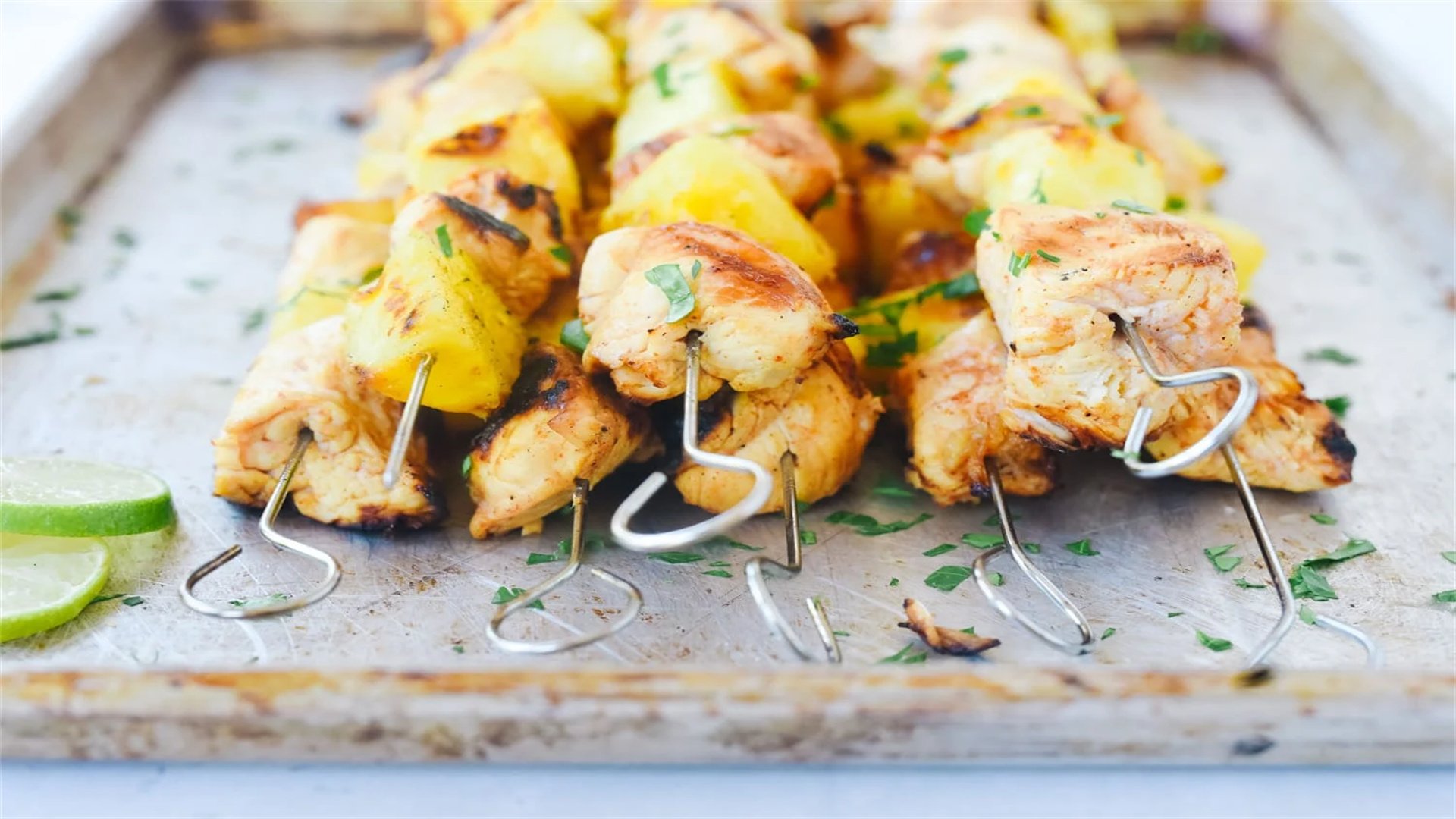
Recipe: Grilled Chicken and Pineapple Skewers
Steps
- Preheat grill to medium-high heat.
- In a bowl, toss chicken, pineapple, and bell pepper with olive oil, lemon juice, salt, and pepper.
- Thread ingredients onto skewers, alternating between chicken, pineapple, and pepper.
- Grill for 8-10 minutes, turning occasionally, until chicken is cooked through and vegetables are charred.
- Serve with a side of quinoa or rice.
Expand on Ingredients
- Pineapple
- Contains bromelain, an enzyme that aids digestion.
- Grilling enhances its sweetness, making it a kid-friendly fruit.
- Bell Pepper
- Adds crunch and vitamin C.
- Cutting into chunks ensures even cooking on the grill.
- Olive Oil
- A healthy fat that helps prevent sticking and adds flavor.
- Rich in antioxidants.
- Chicken Breast
- Provides lean protein.
- Cubing it allows for quick grilling and easy eating off skewers.
6. Steaming: Retaining Nutrients in Vegetables 🥦
Advantages and Disadvantages
- Advantages
- Preserves vitamins and minerals that can be lost in other methods.
- Ideal for vegetables, fish, and dumplings, resulting in tender, bright-colored dishes.
- Requires no added fat, making it a healthy option.
- Disadvantages
- Can sometimes result in bland-tasting food if not seasoned properly.
- Requires a steamer basket or specific equipment.
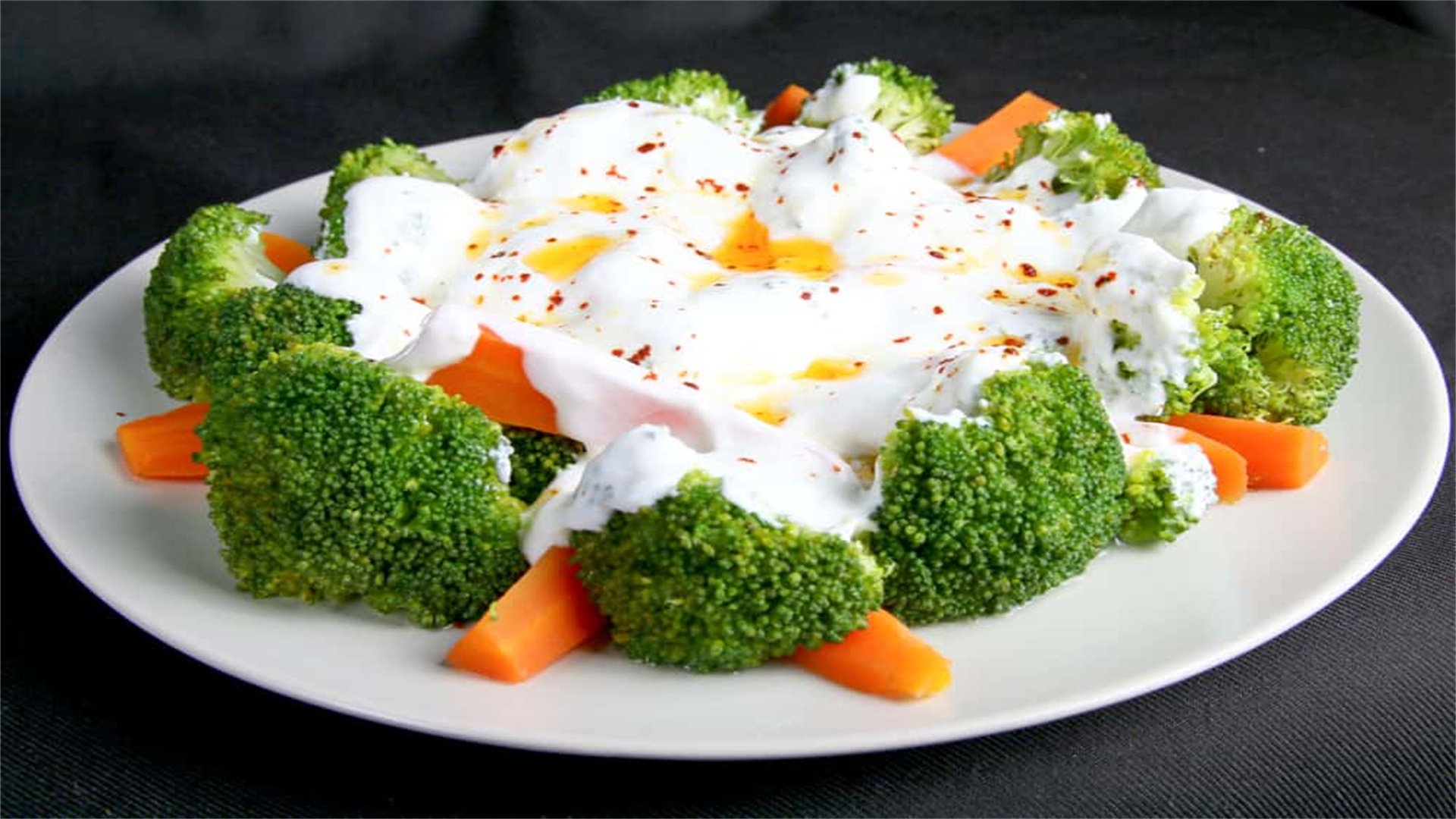
Recipe: Steamed Broccoli and Carrot Flowers with Yogurt Dip
Steps
- Bring water to a boil in a steamer pot. Place broccoli and carrot flowers in the steamer basket.
- Steam for 5-7 minutes until vegetables are tender but still crisp.
- In a small bowl, mix Greek yogurt, honey, lemon juice, and salt to make the dip.
- Serve steamed vegetables warm with the yogurt dip on the side.
Expand on Ingredients
- Broccoli
- High in vitamins K and C, steamed broccoli retains its nutrients and vibrant green color.
- Appealing texture when steamed properly.
- Carrots
- Cutting them into flower shapes with cookie cutters makes eating fun.
- Encourages kids to try them.
- Greek Yogurt
- A great source of protein and probiotics for gut health.
- Creates a creamy, tangy dip that kids enjoy.
- Honey
- Adds natural sweetness to balance the tanginess of yogurt.
- Use sparingly for children over one year old.
7. Roasting: Bringing Out Natural Sweetness in Vegetables 🍠
Advantages and Disadvantages
- Advantages
- Caramelizes sugars in vegetables and meats, enhancing natural flavors.
- Reduces bitterness in vegetables and adds a crispy texture.
- Simple method with minimal hands-on time.
- Disadvantages
- Longer cooking time at high heat.
- Can dry out food if not monitored or coated with oil.
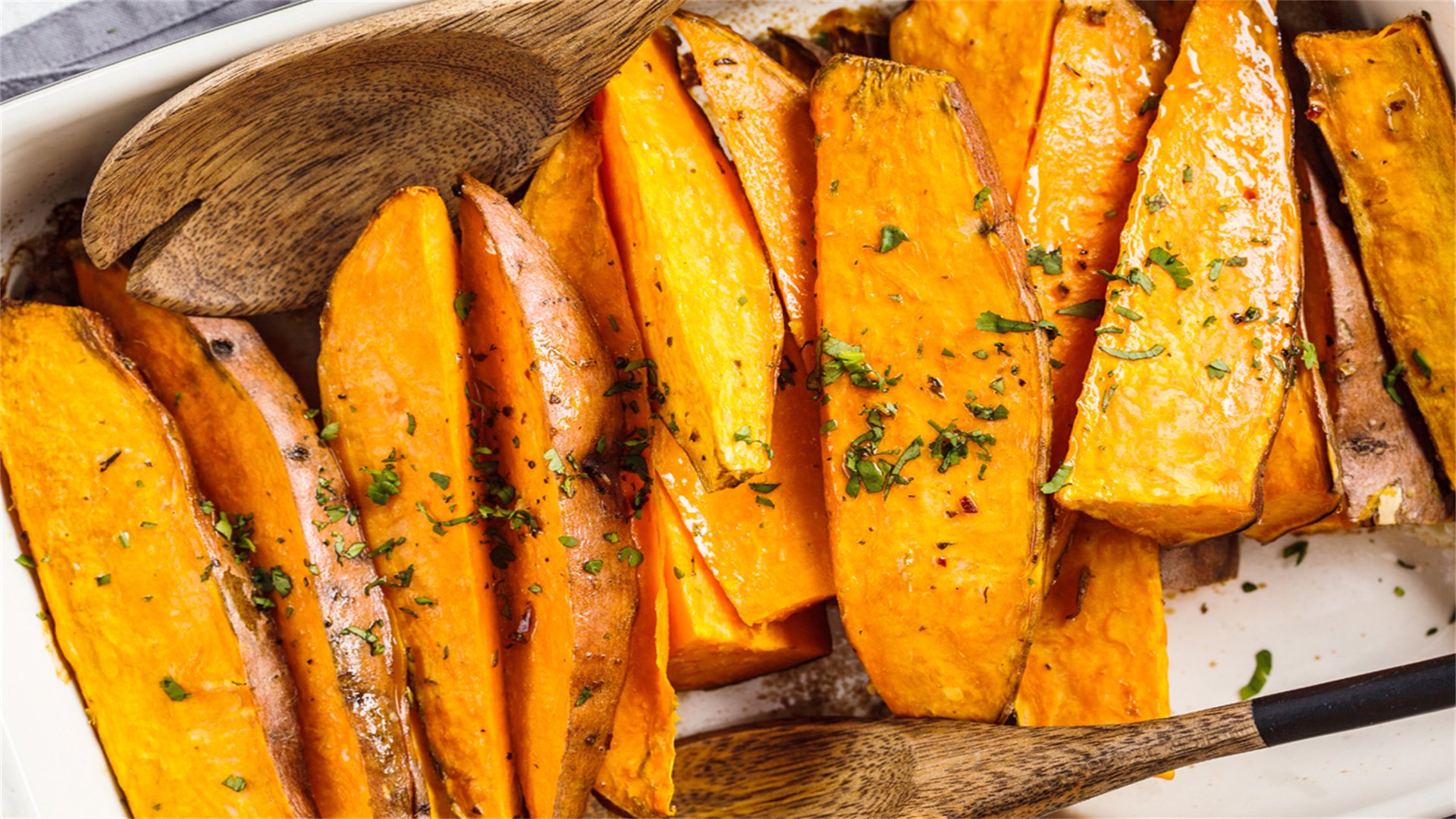
Recipe: Roasted Sweet Potato Wedges with Cinnamon
Steps
- Preheat oven to 400°F (200°C). Line a baking sheet with parchment paper.
- In a bowl, toss sweet potato wedges with olive oil, cinnamon, salt, and paprika if using.
- Spread wedges in a single layer on the baking sheet.
- Roast for 25-30 minutes, flipping halfway, until golden and tender.
- Serve warm with a side of ketchup or yogurt dip.
Expand on Ingredients
- Sweet Potatoes
- Rich in beta-carotene, vitamin C, and fiber.
- Roasting enhances their natural sweetness, making them a hit with kids.
- Cinnamon
- Adds warmth and antioxidants without sugar.
- A kid-friendly spice that pairs well with sweet potatoes.
- Olive Oil
- Helps crisp up the wedges while providing healthy fats.
- A better option than deep-frying.
- Paprika
- Optional for a smoky flavor; it can introduce kids to new spices in a mild way.
8. Blanching: For Crisp-Tender Vegetables 🥬
Advantages and Disadvantages
- Advantages
- Preserves color, texture, and nutrients in vegetables.
- Makes vegetables more appealing and tender-crisp for kids.
- Great for prepping veggies for salads or freezing.
- Disadvantages
- Requires an extra step of using ice water.
- Not suitable for all types of vegetables.
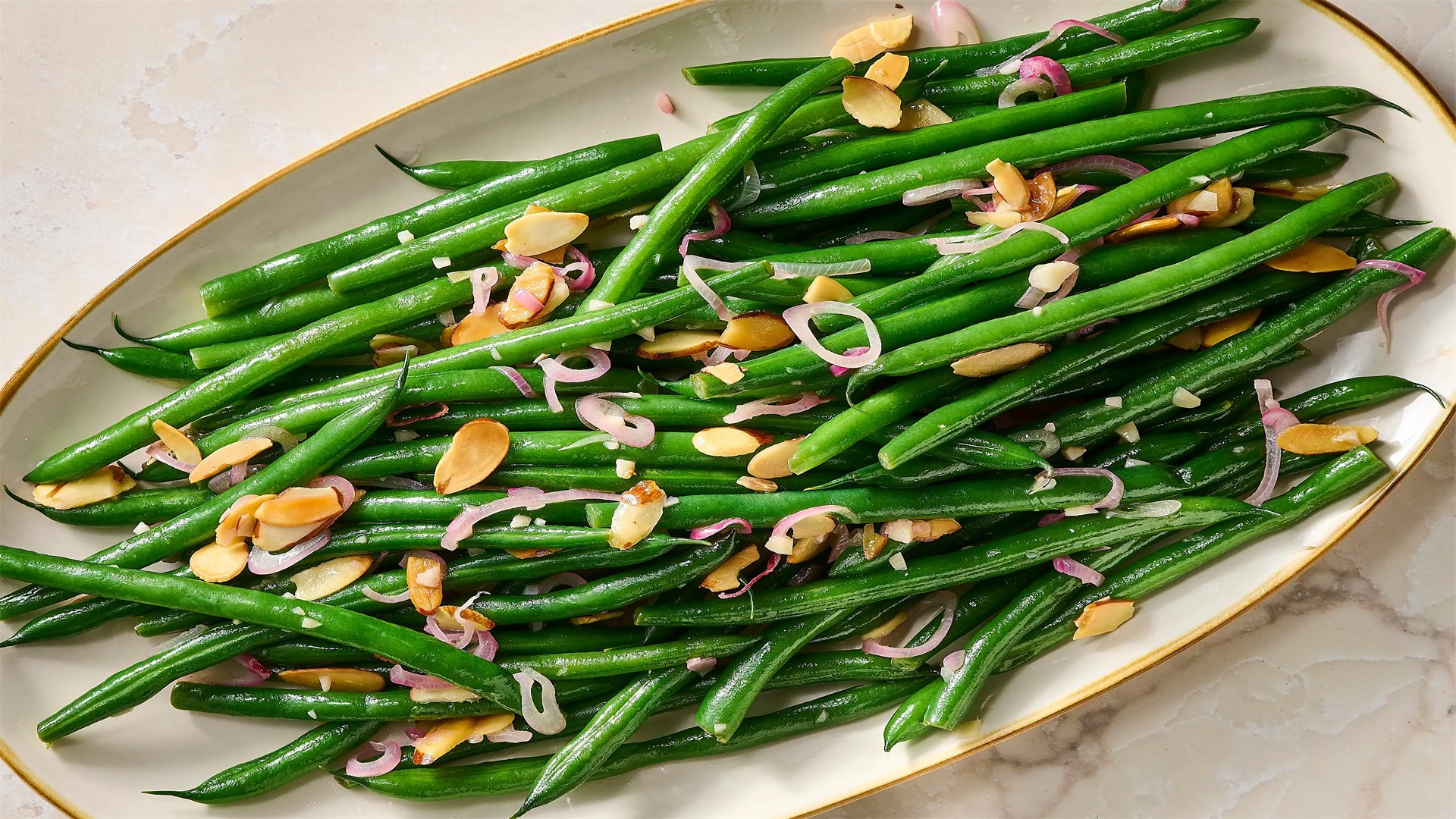
Recipe: Blanched Green Bean Salad with Almonds
Steps
- Bring a pot of water to a boil. Add green beans and cook for 2-3 minutes until bright green.
- Immediately transfer beans to a bowl of ice water to cool. Drain and pat dry.
- In a skillet, toast sliced almonds over low heat until golden, about 3 minutes.
- In a bowl, toss blanched green beans with olive oil, lemon juice, salt, and pepper. Top with toasted almonds.
- Serve as a side dish or snack.
Expand on Ingredients
- Green Beans
- Provide vitamins A and C, plus fiber.
- Blanching retains their crunch and vibrant color, which can attract kids.
- Almonds
- Add healthy fats and protein, making the salad more filling.
- Slicing them thinly ensures easy eating for children.
- Lemon Juice
- Adds a tangy flavor without overwhelming the dish.
- A natural way to enhance taste without added salt.
- Olive Oil
- A light dressing base that complements the vegetables without heaviness.
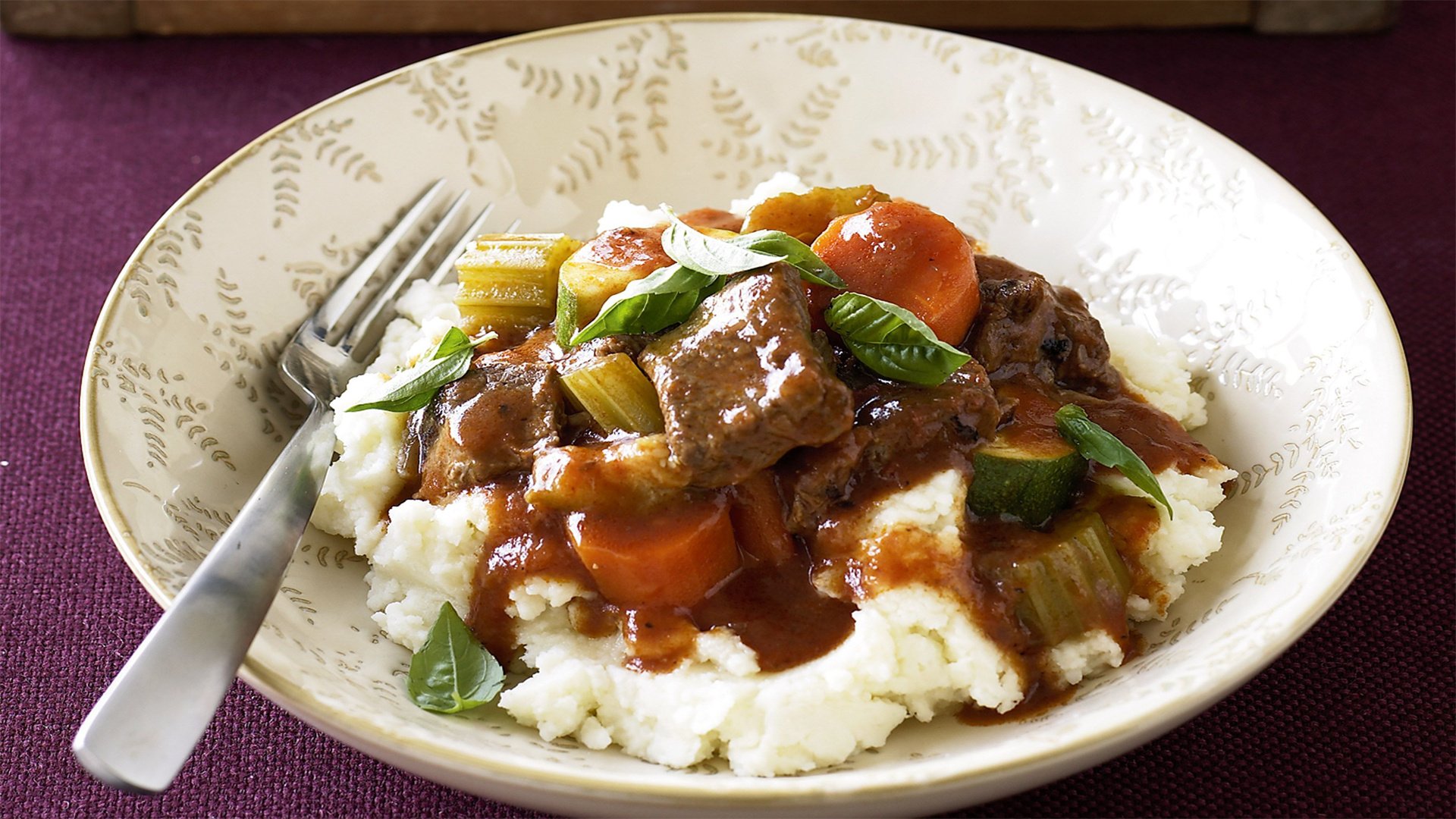
9. Braising: For Tender Meats in Flavorful Liquids 🍲
Advantages and Disadvantages
- Advantages
- Perfect for tougher cuts, making them soft and flavorful.
- Ideal for stews and pot roasts; flavors meld beautifully.
- Results in very tender meat that kids can easily chew.
- Disadvantages
- Long cooking time.
- Requires a pot suitable for both searing and simmering.
Recipe: Braised Beef and Vegetable Stew
Steps
- Coat beef cubes with flour. Heat olive oil in a large pot over medium-high heat and sear beef until browned on all sides.
- Add onion and cook until softened, about 3 minutes.
- Pour in beef broth, then add carrots, potatoes, thyme, salt, and pepper.
- Bring to a boil, then reduce heat to low, cover, and simmer for 1.5-2 hours until beef is tender.
- Serve hot with crusty bread.
Expand on Ingredients
- Beef Chuck
- A tougher cut that becomes tender through braising, providing iron and protein.
- Carrots and Potatoes
- Add vitamins and carbohydrates for energy.
- Dicing them ensures they cook evenly and become soft.
- Beef Broth
- Creates a rich, flavorful base without excessive salt if using low-sodium versions.
- Helps tenderize the meat.
- Thyme
- A mild herb that adds depth to the stew without being overpowering for kids.
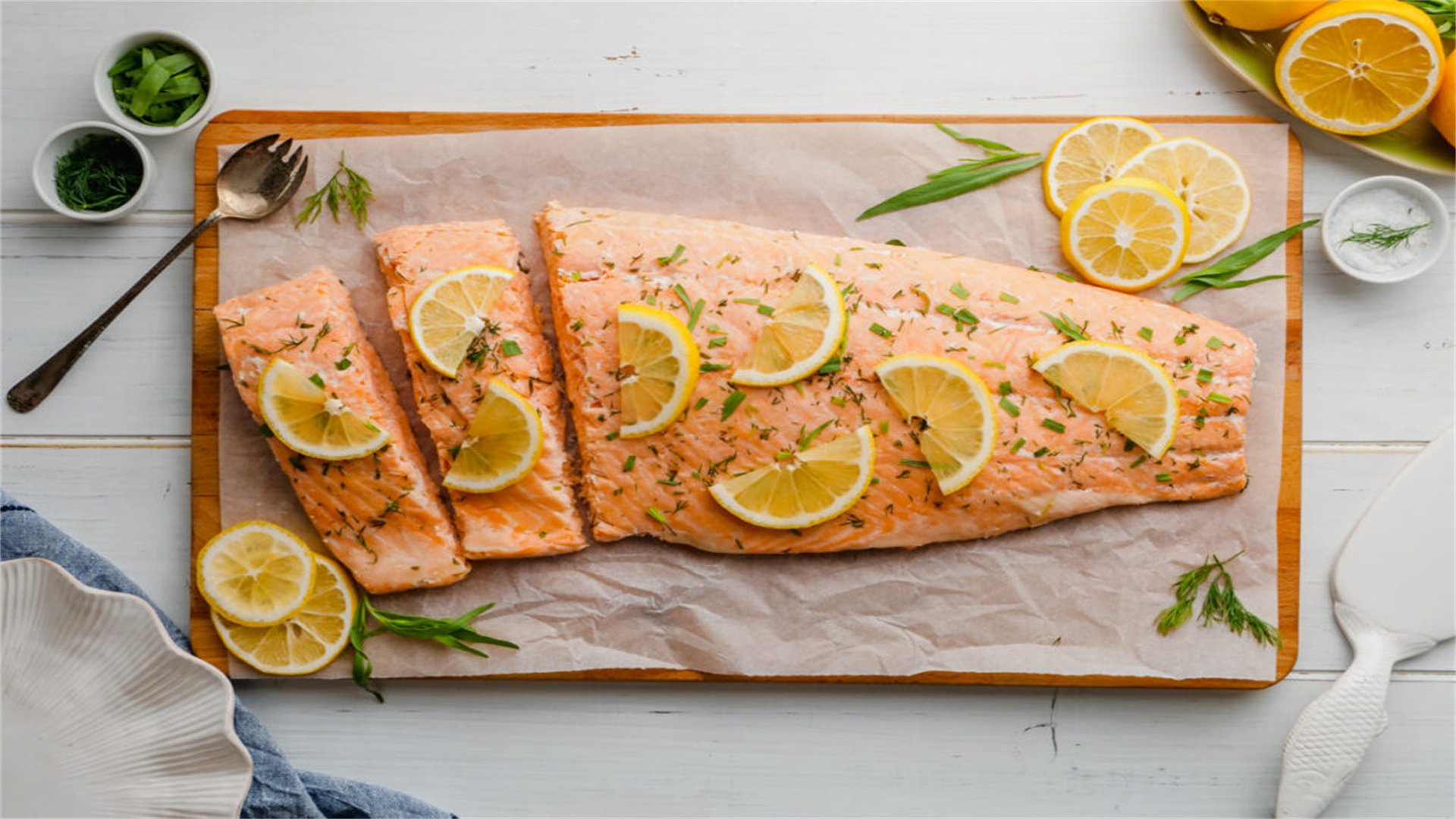
10. Poaching: For Delicate Proteins Like Eggs and Fish 🐟
Advantages and Disadvantages
- Advantages
- Cooks food gently, resulting in tender, moist dishes.
- Excellent for eggs, fish, and chicken; easy to digest for kids.
- Requires minimal fat, keeping meals light and healthy.
- Disadvantages
- Can be tricky to maintain the perfect simmer (not a boil).
- Flavors can be subtle, requiring well-seasoned liquid.
Recipe: Poached Salmon with Dill and Lemon
Steps
- In a large pan, bring water, lemon slices, dill, and salt to a gentle simmer.
- Add salmon fillets and poach for 8-10 minutes until cooked through and opaque.
- Remove salmon with a slotted spoon and serve with steamed asparagus.
- Optional: drizzle with a little olive oil before serving.
Expand on Ingredients
- Salmon
- Rich in omega-3 fatty acids for brain development.
- Poaching keeps it moist and less fishy, which kids may prefer.
- Lemon
- Adds brightness and vitamin C.
- Slicing it infuses the poaching liquid with flavor.
- Dill
- A mild herb that complements fish without overwhelming it.
- Often appealing to children.
- Asparagus
- A good source of fiber and vitamins.
- Steaming it makes it tender and easy to pair with salmon.
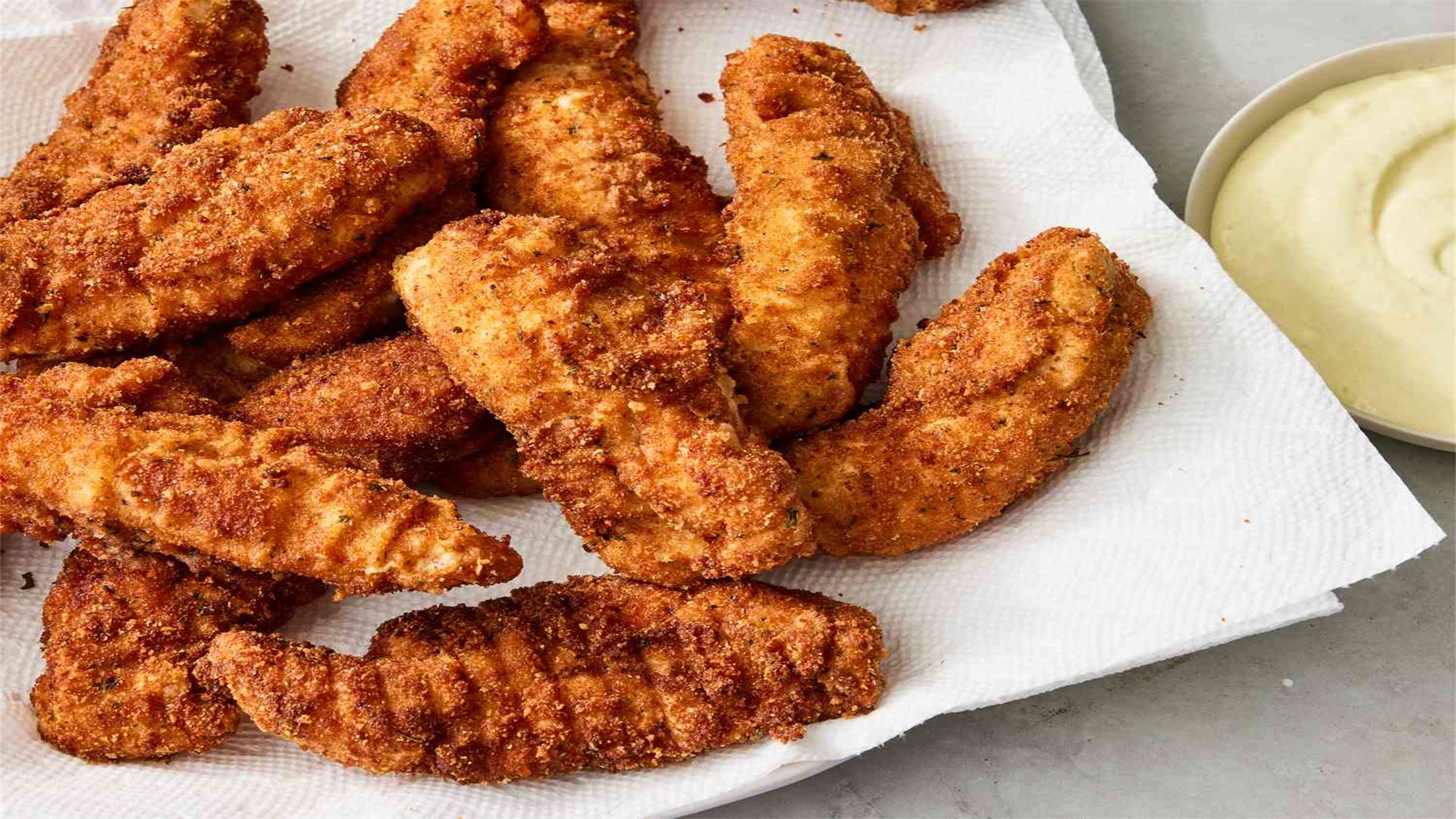
11. Frying: Shallow Frying for Healthier Options 🍗
Advantages and Disadvantages
- Advantages
- Creates a crispy exterior without deep-frying, using less oil.
- Healthier way to make kid favorites like chicken tenders or fritters.
- Quick cooking method.
- Disadvantages
- Still involves oil and higher temperatures.
- Food can absorb oil if not drained properly.
Recipe: Shallow-Fried Chicken Tenders with Whole-Wheat Breading
Steps
- Season chicken tenders with salt and pepper. Dredge in flour, then dip in beaten egg, and coat with breadcrumbs.
- Heat canola oil in a skillet over medium heat. Fry tenders for 3-4 minutes per side until golden and cooked through.
- Drain on paper towels to remove excess oil. Serve with apple slices for a sweet contrast.
Expand on Ingredients
- Chicken Tenders
- Lean and easy to eat, providing protein for active kids.
- Coating them adds crunch without excessive fat.
- Whole-Wheat Breadcrumbs
- Offer more fiber than white breadcrumbs, promoting fullness.
- They create a crispy coating when fried.
- Canola Oil
- A heart-healthy oil with a high smoke point, ideal for shallow frying.
- Adds minimal saturated fat.
- Apple Slices
- Provide natural sweetness and fiber, balancing the savory chicken.
- Encourages fruit consumption.
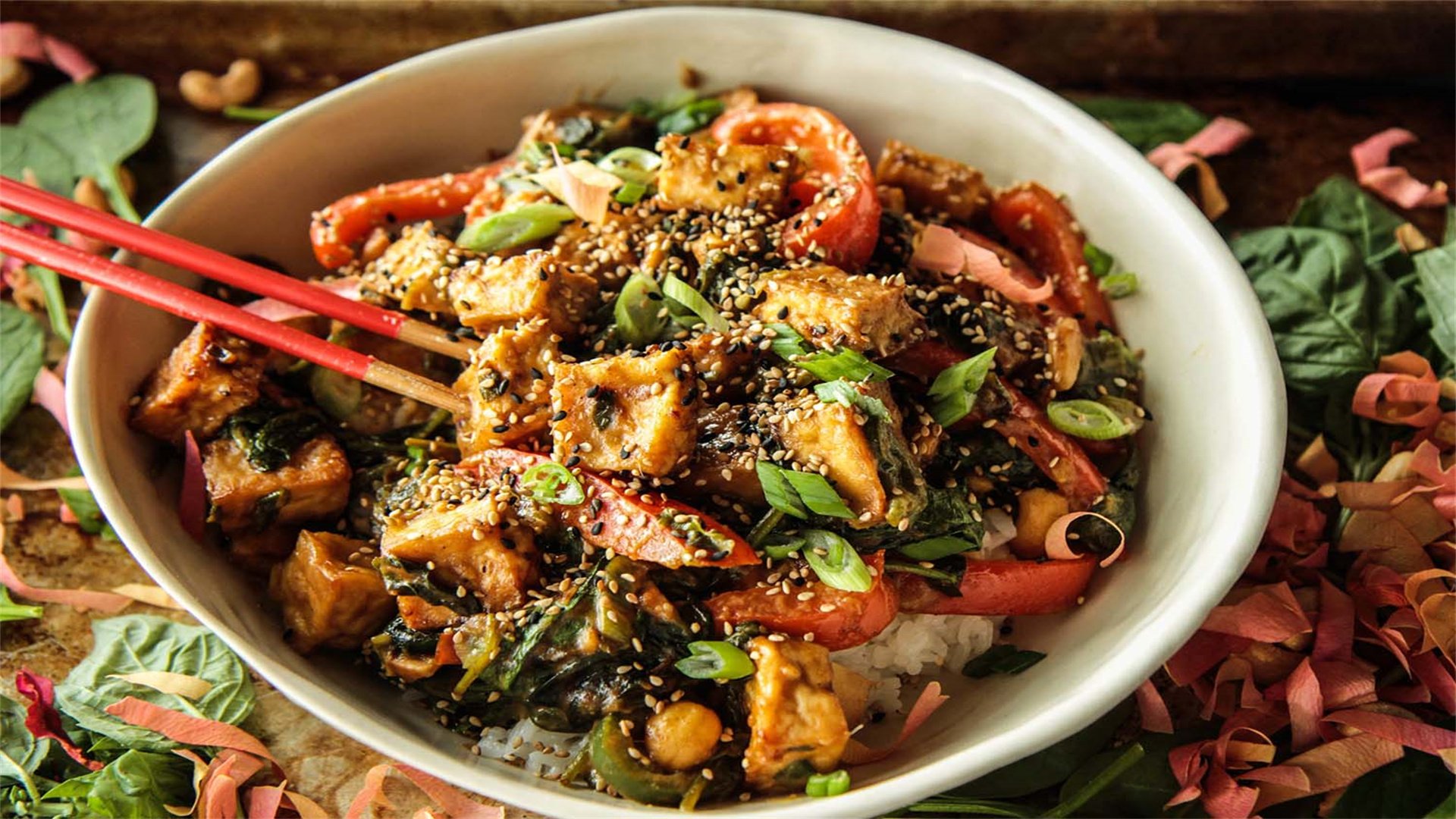
12. Stir-frying: Quick and Colorful Meals 🥘
Advantages and Disadvantages
- Advantages
- Quick cooking method perfect for busy nights.
- Results in vibrant, nutrient-rich meals that kids enjoy.
- Keeps vegetables crisp and colorful.
- Disadvantages
- Requires high heat and constant stirring.
- Needs a wok or large skillet for best results.
Recipe: Vegetable and Tofu Stir-fry with Soy-Ginger Sauce
Steps
- Heat sesame oil in a wok over high heat. Add tofu and stir-fry until golden, about 5 minutes. Remove and set aside.
- Add vegetables to the wok and stir-fry for 4-5 minutes until tender-crisp.
- In a small bowl, mix soy sauce, ginger, and honey. Pour over vegetables and return tofu to the wok.
- Toss everything together and cook for another 2 minutes. Serve over noodles.
Expand on Ingredients
- Tofu
- A great plant-based protein source, rich in calcium.
- Cubing it allows for quick cooking and easy mixing with veggies.
- Snap Peas
- Add crunch and vitamin K.
- Slicing them makes them more manageable for kids to eat.
- Sesame Oil
- Provides a nutty flavor that enhances the stir-fry without being too strong for children.
- Honey
- Balances the saltiness of soy sauce with natural sweetness, making the sauce kid-friendly.
13. Marinating: Adding Flavor to Proteins 🧂
Advantages and Disadvantages
- Advantages
- Enhances taste and tenderness of meats, poultry, or veggies.
- Simple way to make proteins more exciting for kids.
- Can use kid-friendly marinades with herbs, citrus, or yogurt.
- Disadvantages
- Requires planning ahead for marinating time.
- Some acidic marinades can slightly alter texture if left too long.
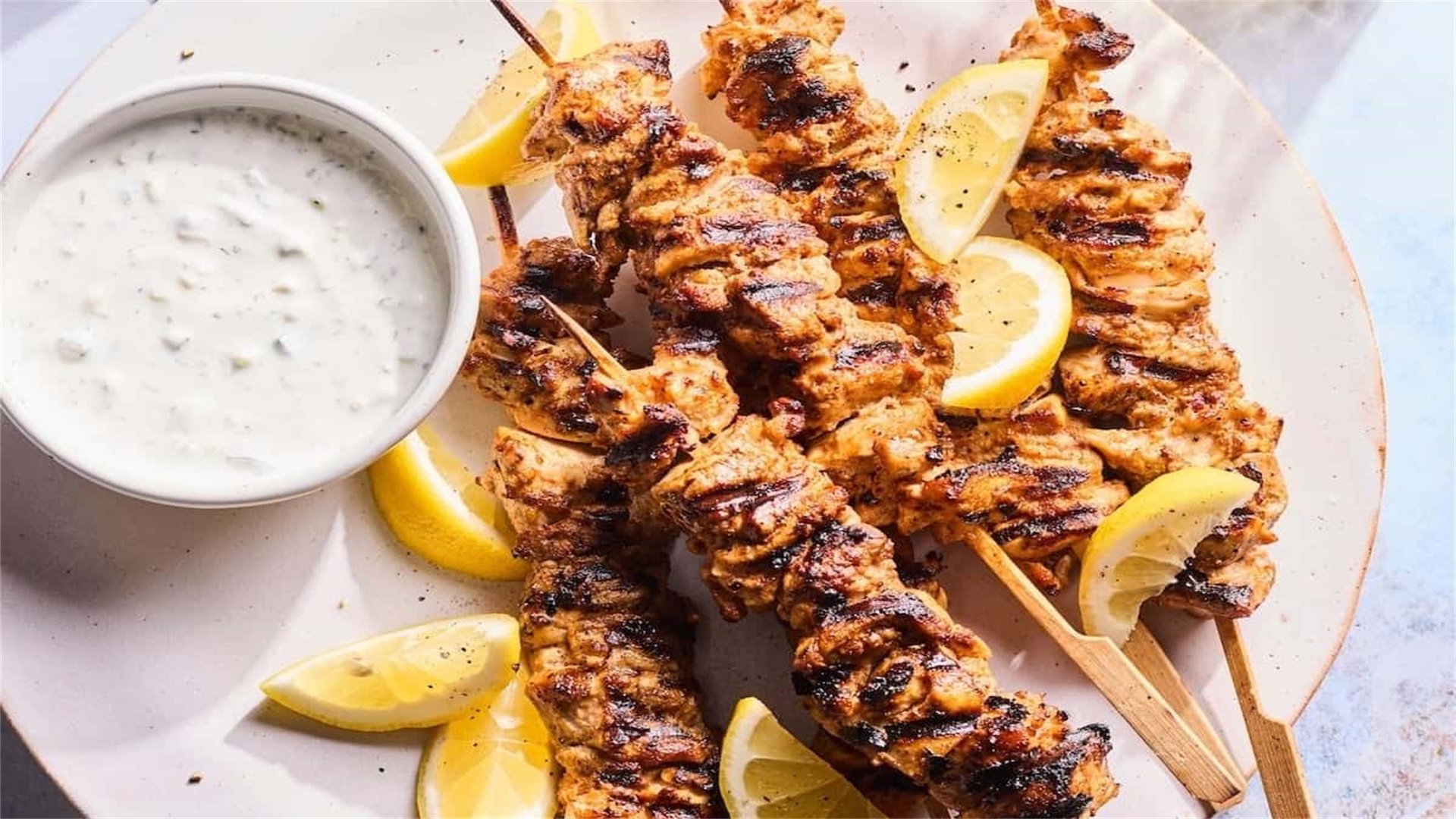
Recipe: Yogurt-Marinated Chicken Kebabs
Steps
- In a bowl, mix yogurt, lemon juice, paprika, garlic powder, salt, and pepper. Add chicken chunks and coat evenly. Marinate in the fridge for at least 1 hour or overnight.
- Preheat grill or oven to 400°F (200°C). Thread marinated chicken onto skewers.
- Grill or bake for 10-12 minutes, turning occasionally, until chicken is cooked through.
- Serve with pita bread and cucumber slices.
Expand on Ingredients
- Yogurt
- Acts as a tenderizer due to its acidity, while adding probiotics.
- Creates a creamy marinade that keeps chicken moist.
- Paprika
- Adds color and a mild smoky flavor without heat, making it suitable for kids.
- Garlic Powder
- Provides savory notes without the sharpness of fresh garlic, which some children may dislike.
- Cucumber Slices
- A refreshing side that adds hydration and crunch, balancing the richness of the chicken.
14. Seasoning: Balancing Flavors for Kids' Palates 🌿
Advantages and Disadvantages
- Advantages
- Enhances food naturally without relying on excess salt or sugar.
- Helps expand children's taste buds gradually.
- Allows for creativity in making dishes appealing.
- Disadvantages
- Finding the right balance for sensitive palates can be challenging.
- Some kids may be resistant to new flavors initially.
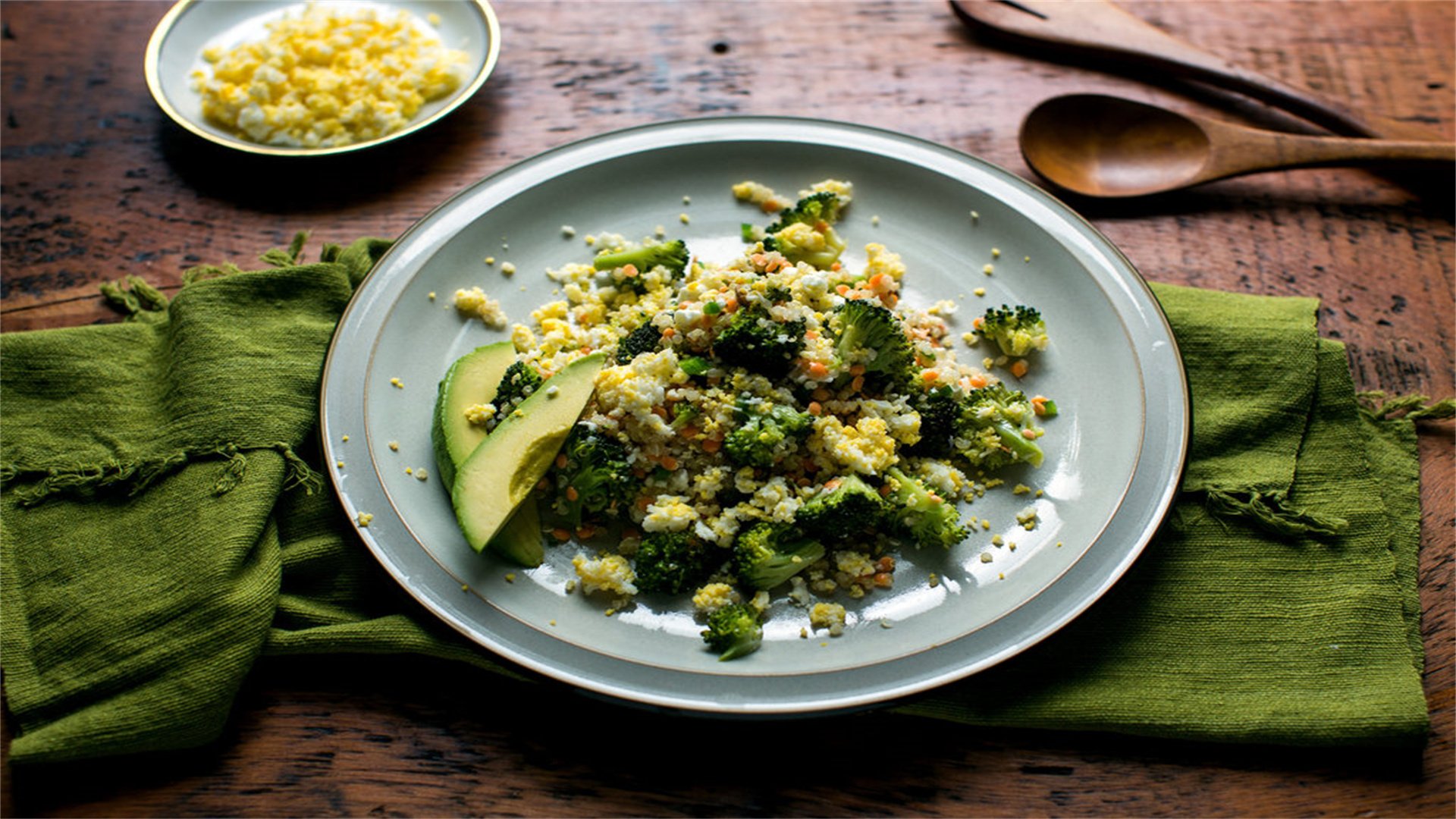
Recipe: Seasoned Quinoa with Hidden Veggies
Steps
- In a saucepan, heat olive oil over medium heat. Add quinoa and toast for 2 minutes.
- Pour in vegetable broth and bring to a boil. Reduce heat, cover, and simmer for 15 minutes until quinoa is cooked.
- Stir in grated carrots, chopped spinach, parsley, salt, and pepper. Cook for another 2-3 minutes until veggies are tender.
- Fluff with a fork and serve as a side or main dish.
Expand on Ingredients
- Quinoa
- A complete protein rich in fiber and minerals.
- Rinsing it removes bitterness, making it more palatable for children.
- Vegetable Broth
- Adds flavor without extra salt if using low-sodium versions.
- It cooks the quinoa evenly.
- Parsley
- A mild herb that adds freshness without overwhelming the dish.
- Often well-tolerated by kids.
- Spinach
- Finely chopped, it blends into the quinoa, providing iron and vitamins without a strong taste.
15. Meal Prepping: Planning Ahead for Busy Days 📅

Advantages and Disadvantages
- Advantages
- Saves time during the week by preparing ingredients or meals in advance.
- Ensures healthy, kid-friendly options are always available.
- Reduces reliance on processed foods.
- Disadvantages
- Requires dedicated time for planning and prepping.
- Some foods may not store well for long periods.
Recipe: Make-Ahead Mini Frittatas
Steps
- Preheat oven to 350°F (175°C). Spray a muffin tin with cooking spray.
- In a bowl, whisk eggs, milk, salt, and pepper. Stir in bell peppers, cheese, and ham if using.
- Pour mixture into muffin cups, filling each about 3/4 full.
- Bake for 20-25 minutes until set. Cool and store in airtight containers in the fridge for up to 4 days.
- Reheat in microwave for 30 seconds before serving.
Expand on Ingredients
- Eggs
- Provide high-quality protein and choline for brain health.
- Whisking them creates a light texture in frittatas.
- Bell Peppers
- Add color and vitamin C.
- Dicing them small ensures they cook evenly in the muffin tin.
- Cheese
- Melts into the frittatas, adding calcium and making them more appealing to kids.
- Ham
- Optional for extra protein; choose low-sodium versions to keep it healthy.
16. Using Herbs and Spices: Kid-Friendly Combinations 🌱
Advantages and Disadvantages
- Advantages
- Transforms simple dishes into flavorful meals without added salt or sugar.
- Fresh herbs often have a brighter taste that children may enjoy.
- Introduces kids to a variety of flavors gradually.
- Disadvantages
- Some children may be sensitive to strong flavors initially.
- Finding the right balance requires experimentation.
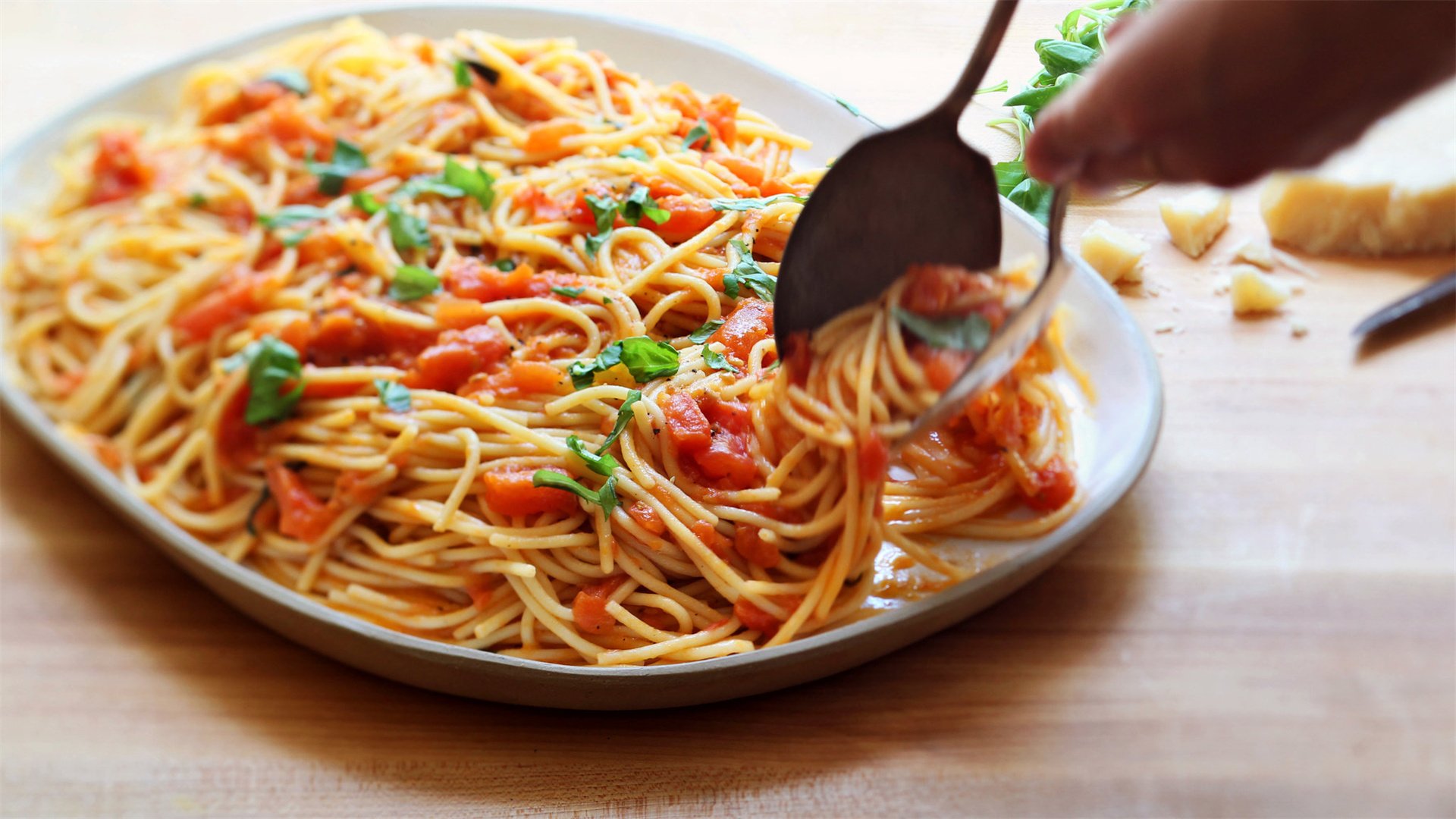
Recipe: Basil and Tomato Pasta Sauce
Steps
- Heat olive oil in a saucepan over medium heat. Add garlic and sauté for 1 minute until fragrant.
- Pour in crushed tomatoes, basil, sugar if using, salt, and pepper. Simmer for 15-20 minutes, stirring occasionally.
- Serve over cooked pasta, topped with grated Parmesan if desired.
Expand on Ingredients
- Crushed Tomatoes
- Provide lycopene and vitamin C.
- Using canned versions saves time while still offering nutrients.
- Fresh Basil
- Adds a sweet, aromatic flavor that kids often like.
- Chopping it finely blends well into the sauce.
- Garlic
- Minced garlic infuses the sauce with mild savory notes without being too strong.
- Sugar
- Optional to balance the acidity of tomatoes, making the sauce smoother for sensitive.
Advertisement