
7 Common Cabin Living Pitfalls and How to Avoid Them
🔧 Inadequate Infrastructure Planning
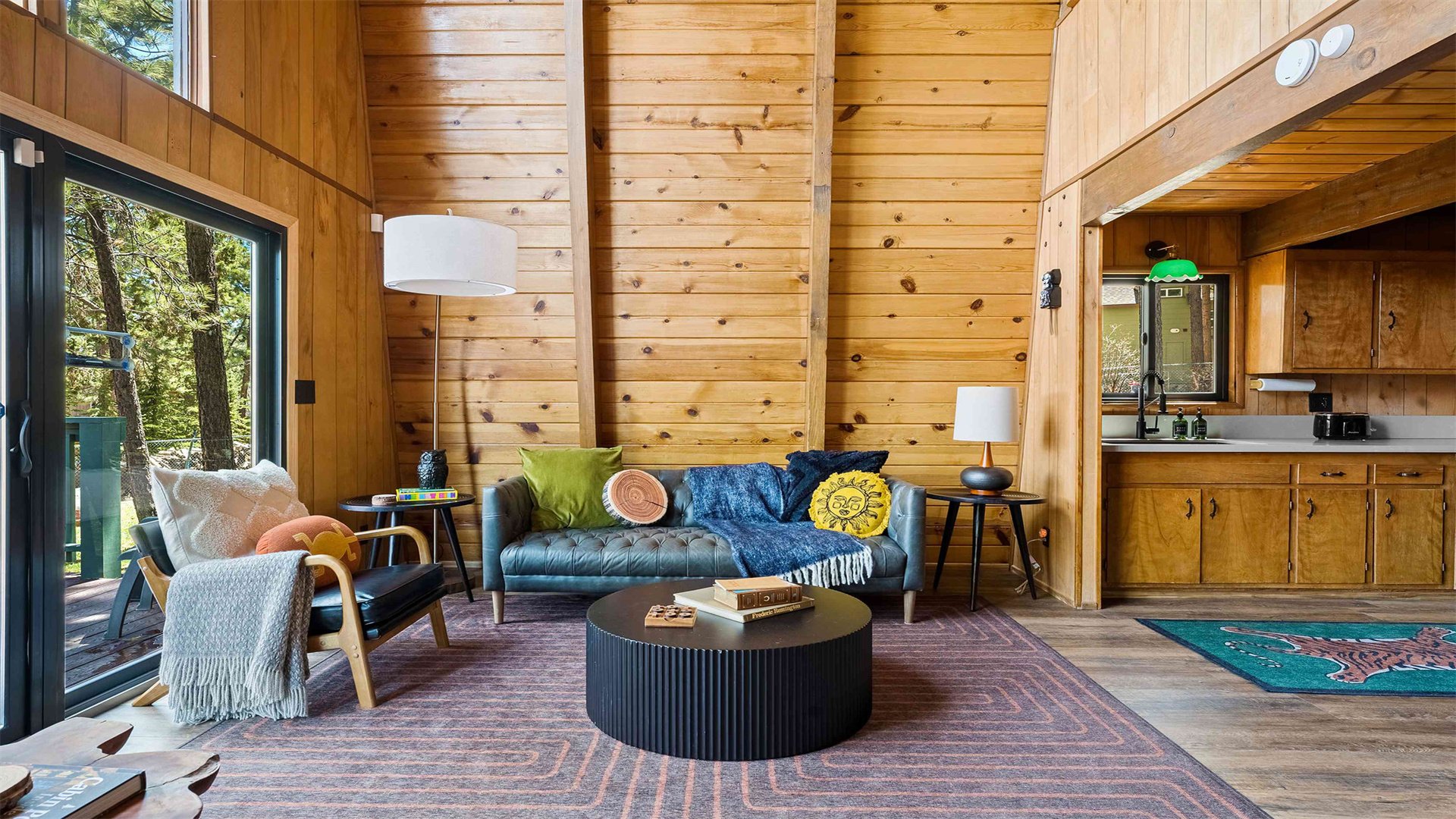
Infrastructure is the backbone of any habitable space, and in cabin living, failures in planning for water, electricity, and internet access can quickly turn a serene retreat into a stressful ordeal. Many newcomers assume that rustic living means doing without modern conveniences, but practical needs often demand reliable systems. Without proper infrastructure, daily tasks like cooking, heating, and communication become arduous, especially in remote areas where help is far away.
The Core Issue
Inadequate infrastructure planning stems from underestimating the logistical demands of off-grid or semi-off-grid living. For instance, a cabin might rely on a nearby stream for water, but seasonal droughts can dry it up, leaving you without a water source. Similarly, depending solely on a generator for electricity without considering fuel availability or noise pollution can lead to frequent blackouts and discomfort. Internet connectivity is another critical aspect; poor signal can isolate you from emergency services, work obligations, or social support.
How to Avoid This Pitfall
- Conduct a Comprehensive Site Assessment: Before purchasing or building a cabin, hire professionals to evaluate the land. Test soil for percolation if you plan on a septic system, check groundwater levels for wells, and assess solar exposure for renewable energy. Visit the site during different seasons—what works in summer may fail in winter. For example, in snowy regions, access roads might become impassable, affecting utility deliveries.
- Invest in Redundant Systems: Never rely on a single source for essential utilities. For water, combine a well with rainwater harvesting tanks; install filters and UV purifiers to ensure safety. For electricity, mix solar panels with a backup generator or wind turbine, and use battery banks like lithium-ion models for storage. Calculate your energy needs based on appliances: a typical cabin might require 2-4 kWh per day, but this varies with usage.
- Prioritize Water Management: Water is non-negotiable. If drilling a well, ensure it's deep enough to avoid contamination and drought impacts—consult local geology reports. For rainwater collection, calculate catchment area (e.g., roof size) and storage capacity; a 1,000-square-foot roof can yield about 600 gallons per inch of rainfall. Install gutters, first-flush diverters, and food-grade storage tanks. Regularly test water quality for bacteria and minerals.
- Ensure Reliable Power Solutions: Off-grid power requires meticulous planning. Size your solar system based on peak sun hours in your region; use online calculators or consult installers. Include an inverter to convert DC to AC power for standard appliances. Maintain generators by scheduling monthly runs and storing extra fuel safely. Consider propane systems for heating and cooking, as they're efficient and less dependent on electricity.
- Secure Internet and Communication: Research options like satellite internet (e.g., Starlink), cellular boosters, or fixed wireless. Test speeds before committing; satellite may have latency issues, while cellular networks can be spotty. Install a landline phone as a backup for emergencies. Use weather-resistant antennas and position them for optimal signal.
- Plan for Waste Disposal: Improper waste management can harm the environment. Choose between composting toilets, septic systems, or incinerating toilets based on local regulations and soil conditions. For septic systems, ensure periodic pumping and avoid clogging with biodegradable products.
💰 Underestimating Maintenance and Repair Costs
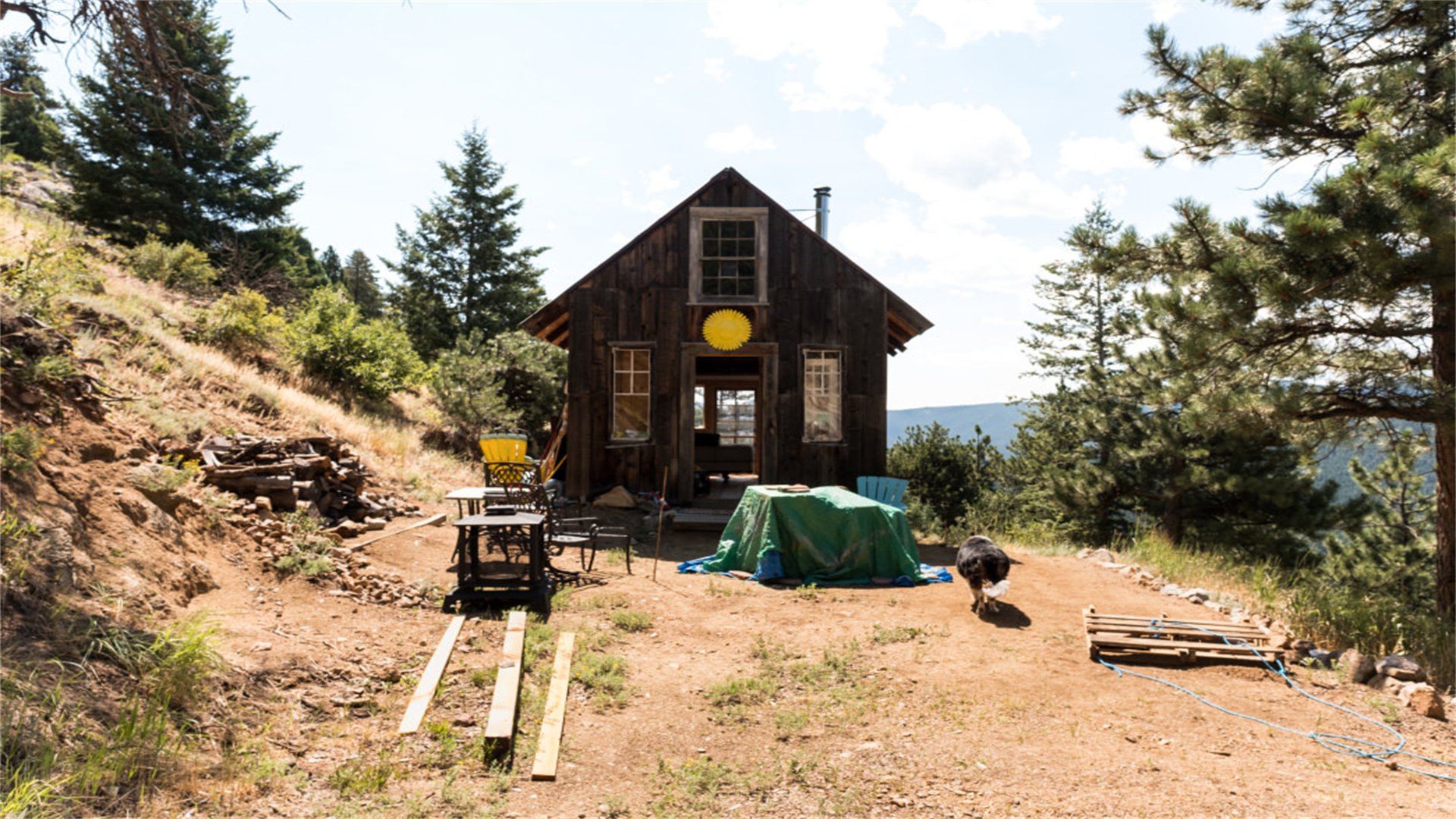
Cabin maintenance is a continuous responsibility, often more demanding than in urban homes due to exposure to harsh elements and limited access to services. Many cabin owners budget for initial setup but neglect ongoing upkeep, leading to decay, safety hazards, and costly emergency repairs. From roof leaks to pest invasions, neglect can quickly diminish your cabin's value and livability.
The Core Issue
Underestimating maintenance costs arises from viewing cabins as low-maintenance retreats. In reality, wood structures require regular treatment against rot, insects, and weather damage. Remote locations may charge premium rates for repair services, and DIY fixes can be time-consuming. For example, a small leak ignored over winter can cause mold growth or structural weakening, requiring thousands in repairs.
How to Avoid This Pitfall
- Create a Detailed Maintenance Calendar: Break down tasks by season. In spring, inspect the roof for winter damage, clean gutters, and check for pest nests. Summer is ideal for staining exterior wood, servicing HVAC systems, and clearing vegetation to reduce fire risk. Fall involves preparing for cold weather: insulating pipes, sealing gaps, and stocking firewood. Winter requires monitoring for ice dams and ensuring heating systems run efficiently.
- Budget for Annual Upkeep: Allocate 1-3% of your cabin's value annually for maintenance, adjusting for age and location. Set aside an emergency fund for unexpected issues like storm damage or appliance failures. Keep receipts and log repairs to track expenses; use apps or spreadsheets for organization.
- Learn DIY Skills: Reduce costs by mastering basic repairs. Take courses on carpentry, plumbing, or electrical work—many community colleges offer workshops. Equip your cabin with essential tools: a cordless drill, saw, wrench set, and safety gear. For complex tasks like electrical wiring, consult professionals to avoid hazards.
- Proactively Address Common Problems: Rot and pests are major threats. Use pressure-treated or naturally resistant woods like cedar for construction. Apply sealants and stains every 2-3 years to protect against moisture. Install metal mesh to deter rodents and inspect regularly for termites or carpenter ants. For roofing, choose durable materials like metal or asphalt shingles, and replace them every 20-30 years.
- Build a Network of Local Contractors: In remote areas, reliable help is scarce. Research and vet contractors before issues arise—ask for references and verify licenses. Establish good relationships by supporting local businesses; this can lead to quicker response times and fair pricing.
- Invest in Quality Materials: Cut costs upfront by using cheap materials, but they often degrade faster. Opt for high-quality, weather-resistant options for critical components like windows, doors, and foundations. For example, double-pane windows improve insulation and reduce heating bills.
🌦️ Ignoring Climate and Seasonal Challenges
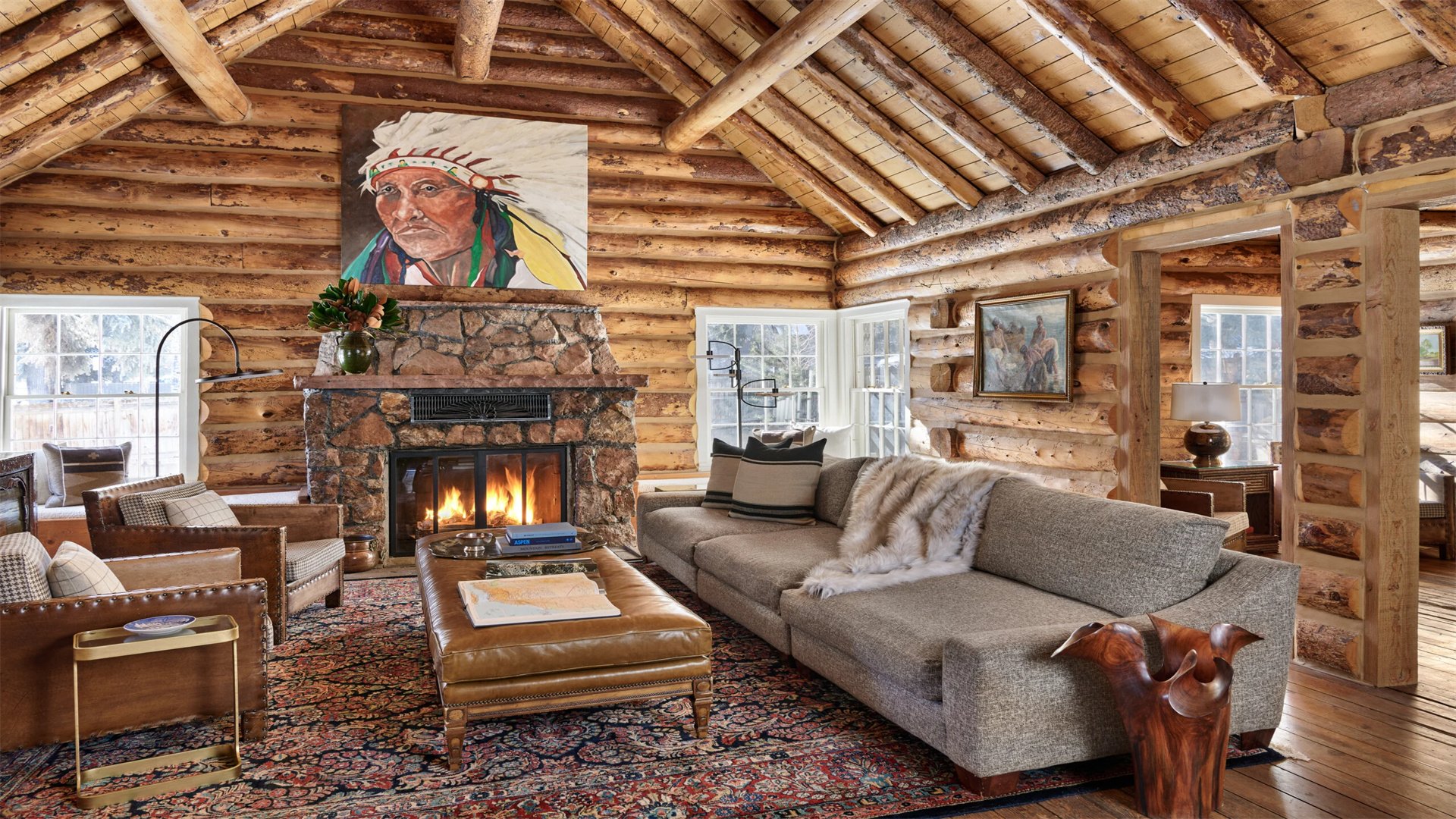
Cabins are often situated in regions with extreme weather—from heavy snowfall to scorching heat—and failing to adapt can lead to discomfort, damage, or even danger. Climate ignorance is common among city dwellers who underestimate how seasons affect daily life, such as frozen pipes in winter or wildfire risks in summer. Each season brings unique demands that require specific preparations.
The Core Issue
Ignoring climate challenges stems from a lack of local knowledge and inadequate building design. A cabin built without proper insulation may be cozy in summer but freezing in winter, driving up heating costs and risking pipe bursts. Similarly, in flood-prone areas, poor drainage can cause water intrusion and mold. Weather patterns are becoming more unpredictable due to climate change, making preparedness even more critical.
How to Avoid This Pitfall
- Research Local Climate Data: Before building or buying, study historical weather patterns for the area. Use resources like NOAA or local meteorological offices to access data on average temperatures, precipitation, snowfall, and storm frequency. For instance, if you're in a hurricane zone, reinforce structures with storm shutters and elevated foundations.
- Design for Energy Efficiency: Incorporate passive solar design principles: orient windows southward for winter sun, use overhangs to shade summer heat, and install thermal mass materials like stone floors to regulate temperature. Insulate walls, attics, and floors to R-values recommended for your climate zone—e.g., R-30 for attics in cold regions. Seal air leaks with caulk and weatherstripping to prevent drafts.
- Prepare for Winter Extremes: Winterization is crucial. Insulate pipes with foam sleeves and use heat tape in vulnerable areas. Install a reliable heating system, such as a wood stove with a backup propane heater, and stock at least a month's worth of dry firewood. Clear snow from roofs to prevent collapse, and use snow tires or chains for vehicle access. Keep an emergency kit with blankets, non-perishable food, and a hand-crank radio.
- Manage Summer Heat and Wildfires: In hot climates, use reflective roofing, cross-ventilation, and ceiling fans to cool spaces without over-relying on AC. Plant deciduous trees for shade. For wildfire prevention, create a defensible space by clearing dry vegetation within 30 feet of the cabin, using fire-resistant building materials, and installing spark arrestors on chimneys. Have an evacuation plan and monitor fire danger ratings.
- Address Moisture and Flooding: High humidity can lead to mold and rot. Use dehumidifiers and ensure crawl spaces are ventilated. In rainy regions, install French drains, gutters, and sloping landscapes to direct water away from the foundation. Elevate electrical systems and appliances in flood-prone areas.
- Adapt to Seasonal Access Issues: Remote cabins may have roads that become muddy or snowed-in. Invest in a four-wheel-drive vehicle and maintain driveways with gravel or paving. Consider alternative access like snowmobiles or boats if needed. Stock up on supplies before severe seasons to avoid shortages.
😔 Social Isolation and Mental Health Struggles

Cabin living often means distance from communities, which can lead to loneliness, depression, and a sense of disconnection—especially for those accustomed to urban social networks. While solitude is a draw for many, prolonged isolation without coping strategies can harm mental well-being. This pitfall is frequently overlooked in the excitement of a new adventure, but it's a reality for many rural dwellers.
The Core Issue
Social isolation in cabin life arises from physical remoteness, limited social opportunities, and the psychological adjustment to quiet environments. Unlike cities, where interactions are constant, cabins may offer few chances for casual contact. This can exacerbate pre-existing mental health conditions or trigger new ones, such as anxiety or seasonal affective disorder (SAD) in darker months. Additionally, the lack of immediate support in emergencies can increase stress.
How to Avoid This Pitfall
- Intentional Community Building: Actively seek connections before and after moving. Join local groups like hiking clubs, volunteer organizations, or community centers. Attend town meetings or farmers' markets to meet neighbors. Use online platforms like Meetup or Facebook groups for rural areas to find events. Consider co-housing arrangements or shared land with like-minded individuals to foster camaraderie.
- Design for Social Spaces: If your cabin is a family or shared retreat, include communal areas like a large porch, fire pit, or guest room to host visitors. Create inviting outdoor spaces for gatherings, which can encourage social interaction and break monotony.
- Maintain Digital Connectivity: While unplugging is part of the appeal, staying connected virtually can mitigate isolation. Schedule regular video calls with friends and family. Participate in online forums or take virtual classes to engage with broader communities. Ensure reliable internet for these activities, as discussed in Pitfall 1.
- Develop Routines and Hobbies: Structure your days to provide purpose and reduce idle time. Pursue hobbies that suit cabin life, such as gardening, woodworking, or wildlife photography. Engage in physical activities like hiking or yoga to boost mood through endorphins. Learning new skills, like foraging or crafting, can also provide mental stimulation.
- Prioritize Mental Health Care: Acknowledge the challenges and seek professional help if needed. Teletherapy services offer remote counseling sessions, making support accessible from anywhere. Practice mindfulness techniques, such as meditation or journaling, to manage stress. If you experience SAD, use light therapy lamps during winter months.
- Plan for Regular Off-Site Trips: Break up isolation by scheduling trips to nearby towns or cities. Even monthly visits can provide social recharge and access to amenities like libraries or cafes. Use these trips to stock up on supplies and enjoy cultural activities.
- Consider a Trial Period: Before committing full-time, rent a cabin for an extended stay to test your tolerance for isolation. Document your feelings and adjust plans accordingly—some may thrive in solitude, while others might prefer part-time cabin living.
🔥 Safety Hazards from Wildlife and Fires
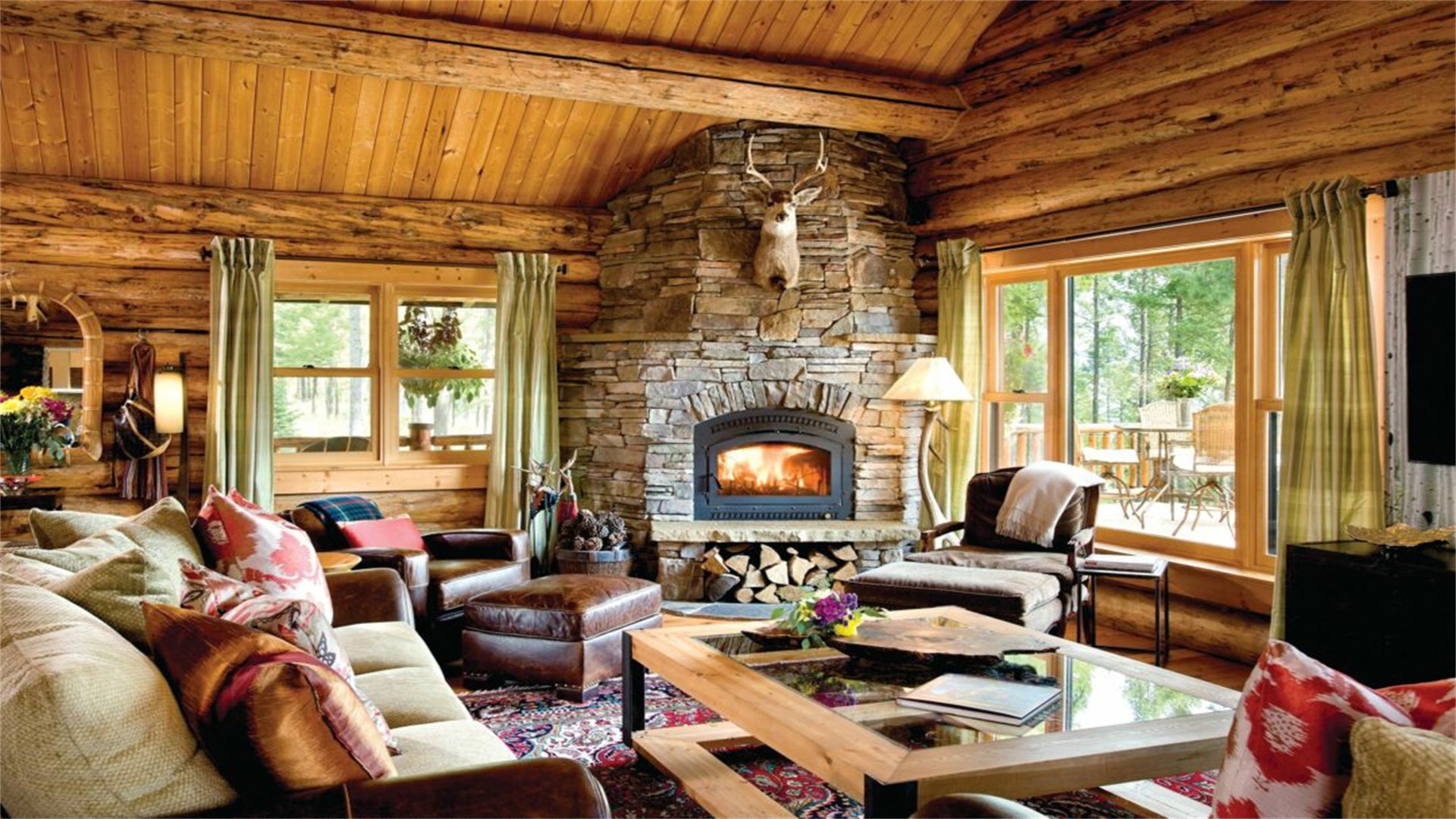
Cabins in natural settings expose inhabitants to risks from wildlife encounters and fire threats, which are often underestimated by newcomers. From bears rummaging for food to lightning-caused wildfires, these hazards can pose serious dangers to life and property. Without proper precautions, a peaceful retreat can quickly become a crisis zone.
The Core Issue
Safety hazards stem from proximity to wilderness and inadequate preparedness. Wildlife, such as bears, cougars, or venomous snakes, may view cabins as food sources or territories, leading to dangerous interactions. Fires, whether from cooking accidents, electrical faults, or forest blazes, can spread rapidly in dry, wooded areas. Many cabin owners lack knowledge of local risks and fail to implement basic safety measures.
How to Avoid This Pitfall
- Educate Yourself on Local Wildlife: Research species in your area and their behaviors. Contact local wildlife agencies for guidance—for example, in bear country, learn to identify signs like tracks or scat. Understand seasonal patterns, such as mating or hibernation times, when animals may be more aggressive.
- Secure Food and Waste: Never store food indoors in ways that attract animals. Use bear-proof containers or metal lockers for groceries and garbage. Keep cooking areas clean and dispose of waste in sealed bins away from the cabin. Avoid feeding wildlife, as it habituates them to human presence.
- Implement Deterrents and Barriers: Install motion-activated lights or noise devices to scare off animals. Use fencing around gardens or chicken coops to protect livestock. For insect pests like ticks or mosquitoes, use screens on windows and apply repellents. Carry bear spray when hiking and know how to use it.
- Fire Prevention Strategies: Reduce fire risks by maintaining a clear perimeter around your cabin. Remove dead trees, dry leaves, and flammable debris within at least 100 feet. Use fire-resistant materials for roofing and siding, such as metal or treated wood. Install spark arrestors on chimneys and avoid outdoor burning on windy days.
- Install Safety Equipment: Equip your cabin with smoke detectors, carbon monoxide alarms, and fire extinguishers in key areas like the kitchen and bedroom. Test them monthly and replace batteries annually. Consider a fire suppression system if you're in a high-risk zone. Have a well-marked escape route and practice drills with all occupants.
- Prepare for Emergencies: Keep an emergency kit with first-aid supplies, water, food, flashlights, and a satellite phone for areas without cell service. Post emergency contacts and local rescue numbers prominently. Inform neighbors of your plans when away, and consider joining a community watch program.
- Follow Local Regulations: Adhere to building codes and fire safety laws, which may require specific clearances or equipment. Participate in community firewise programs to collaborate on regional prevention efforts.
📜 Legal and Zoning Oversights
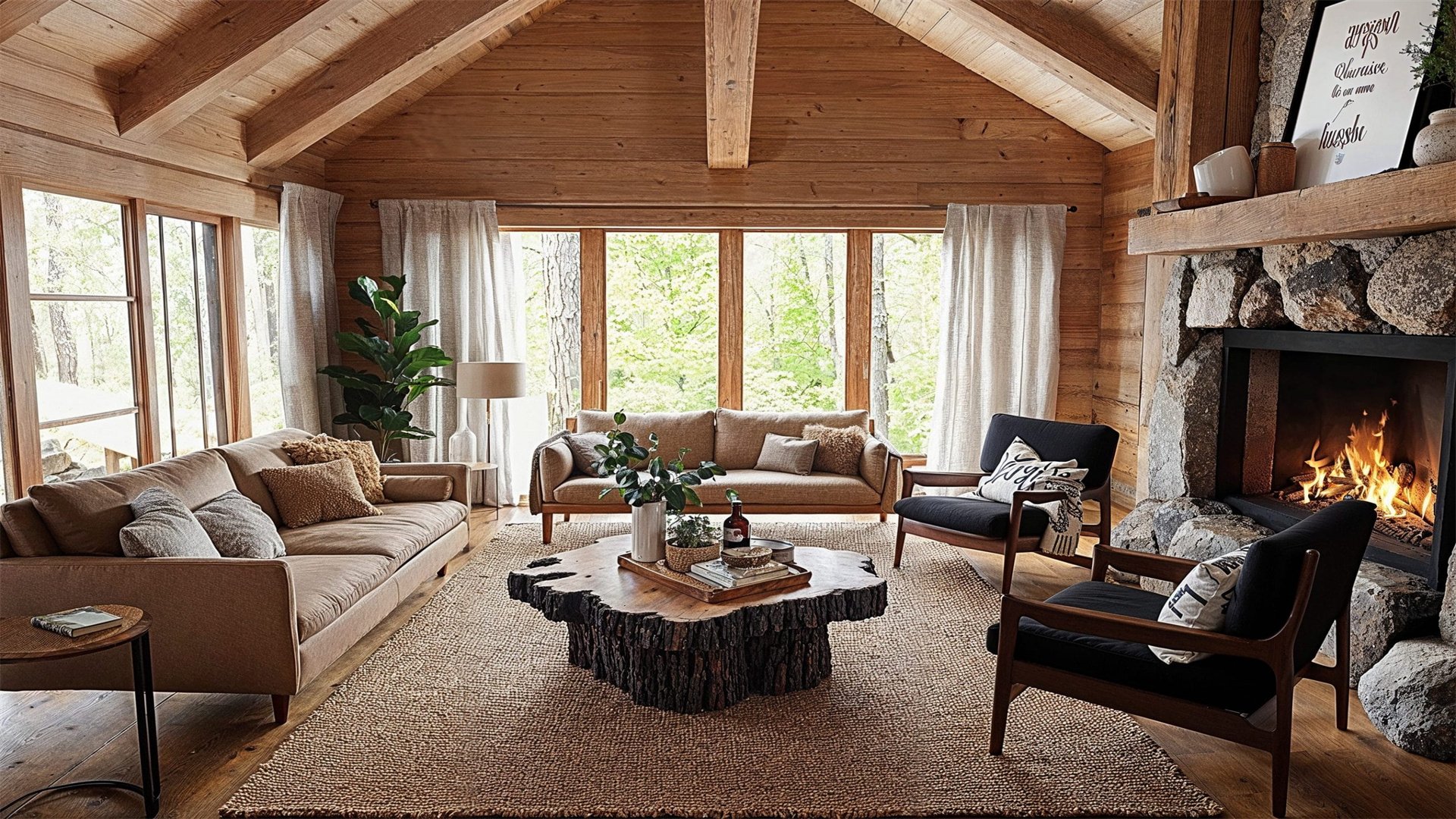
Legal complexities, such as zoning laws, building codes, and property rights, are often overlooked in cabin projects, leading to fines, forced modifications, or even demolition. Many people assume that remote land is free from regulations, but local, state, and federal laws still apply, governing everything from construction to land use. Ignorance can result in costly legal battles and disrupted plans.
The Core Issue
Legal and zoning oversights arise from a lack of due diligence. For example, you might buy land only to discover it's zoned for agricultural use only, prohibiting residential structures. Or, you might build without permits, violating codes that ensure safety and environmental protection. Issues like easements, water rights, and tax implications can also create unexpected hurdles.
How to Avoid This Pitfall
- Research Zoning and Land-Use Regulations: Before purchasing property, visit the local planning department to review zoning maps and ordinances. Ask about allowable uses, building setbacks, height restrictions, and any future development plans that could affect your cabin. For instance, some areas may require cabins to be secondary structures or have size limits.
- Obtain Necessary Permits: Never skip the permitting process. Apply for building, electrical, plumbing, and septic permits as required. Hire licensed contractors who understand local codes to ensure compliance. Inspections during construction can catch issues early, avoiding rework. Keep all permits and approvals documented for future reference.
- Understand Property Boundaries and Easements: Survey the land to confirm boundaries and identify any easements for utilities, roads, or neighbor access. Title searches can reveal liens or restrictions. Discuss shared resources like driveways or water sources with adjacent landowners to prevent disputes.
- Check Environmental Regulations: Many cabins are in ecologically sensitive areas. Research laws on wetland protection, forest conservation, or endangered species habitats. For example, disturbing a wetland might require mitigation or be illegal. Consult with environmental agencies to ensure your plans are sustainable.
- Plan for Taxes and Insurance: Cabin ownership can affect property taxes, which may be higher if improvements increase land value. Look into homestead exemptions or rural tax breaks. Secure appropriate insurance—standard homeowners policies might not cover remote cabins, so seek specialized coverage for risks like wildfires or liability for guest injuries.
- Consider Legal Structures: If co-owning or renting out the cabin, draft clear agreements on usage, maintenance, and expenses. Form an LLC to protect personal assets from liability. Consult a real estate attorney to navigate contracts and local laws.
- Stay Updated on Regulatory Changes: Laws evolve, so subscribe to local government updates or join community associations. Attend public hearings on zoning changes that could impact your property.
💸 Poor Financial Management
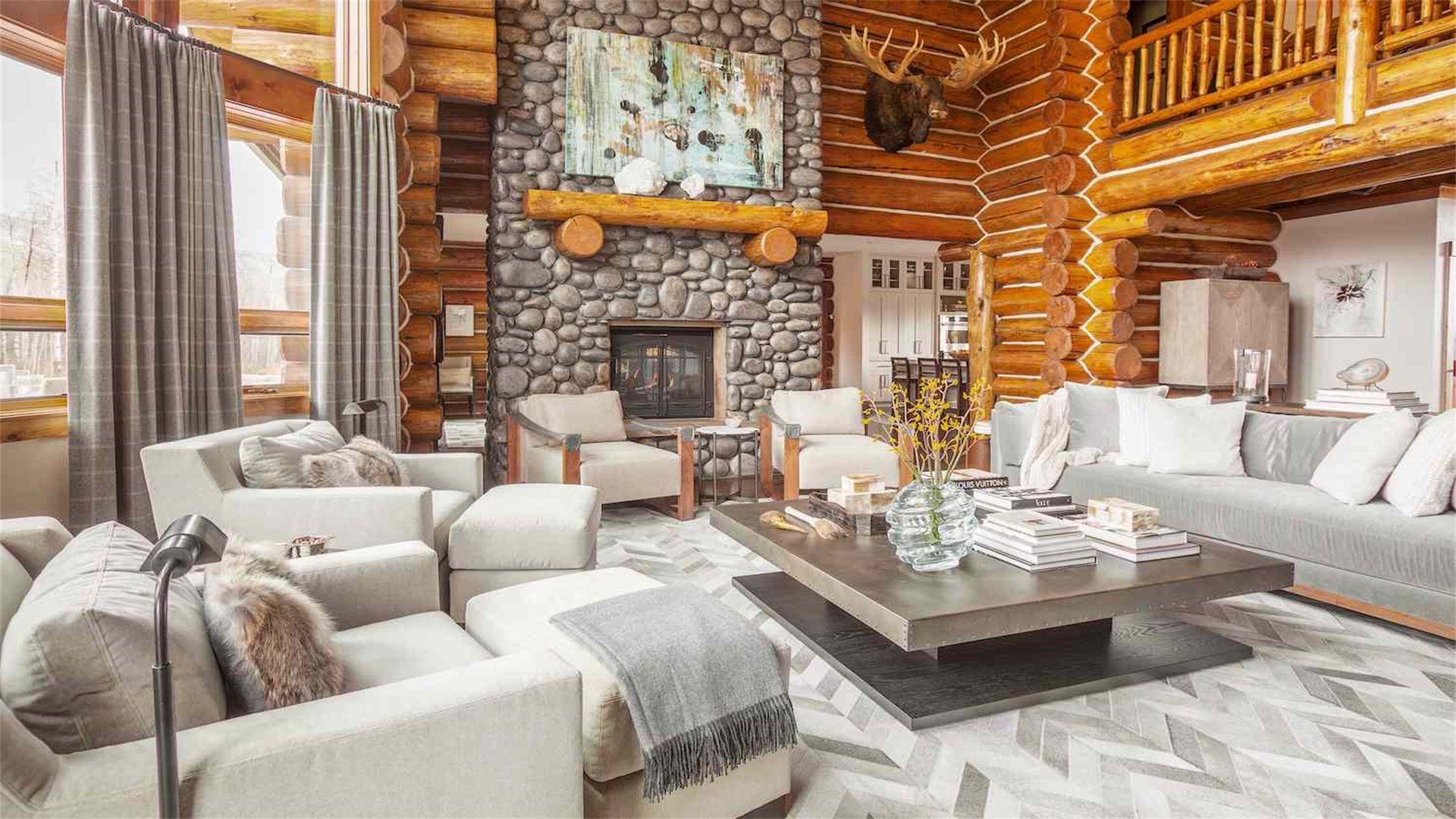
Cabin living often involves hidden costs that, if not budgeted for, can lead to financial strain or abandonment of the project. From initial construction to ongoing expenses, poor financial management is a common pitfall for dreamers who focus on aesthetics over economics. Without a solid financial plan, the cabin can become a money pit rather than a retreat.
The Core Issue
Poor financial management stems from underestimating costs and overestimating self-sufficiency. Initial expenses like land purchase, construction, and utilities can balloon with unexpected issues. Ongoing costs include maintenance, taxes, insurance, and travel to remote locations. Additionally, income loss if relocating for cabin life can strain resources, especially without remote work options.
How to Avoid This Pitfall
- Develop a Comprehensive Budget: Start by listing all potential expenses. For initial costs: land price, surveys, permits, materials, labor, and utility hookups. Use online estimators or consult builders for accurate figures—e.g., cabin construction can range from $100 to $300 per square foot depending on materials and location. For ongoing costs: include maintenance (1-3% of property value annually), utilities (solar system upkeep, generator fuel), property taxes, insurance, and travel.
- Build a Contingency Fund: Set aside 10-20% of your total budget for unexpected expenses, such as weather delays or price hikes. Keep this fund liquid for emergencies. Track all spending with apps like Mint or spreadsheets to stay on course.
- Explore Financing Options: If needed, research loans tailored for rural properties, such as USDA loans or credit union offerings. Compare interest rates and terms. Avoid over-leveraging; ensure monthly payments fit your income. Consider phased construction to spread costs over time.
- Generate Income from the Cabin: Offset expenses by renting out the cabin on platforms like Airbnb when not in use. Ensure compliance with local rental regulations and tax requirements. Alternatively, use the cabin for remote work—invest in reliable internet and a dedicated workspace. Monetize hobbies like selling crafts or produce from a garden.
- Reduce Costs Through Self-Sufficiency: Lower utility bills by implementing energy-efficient systems discussed earlier. Grow your own food with a vegetable garden or raise chickens for eggs. Harvest rainwater and use composting toilets to cut water and waste costs. Barter with neighbors for services or goods.
- Plan for Long-Term Sustainability: Consider future expenses like roof replacement or appliance upgrades. Invest in quality items that last longer, reducing frequent replacements. Review insurance policies annually to ensure adequate coverage without overpaying.
- Seek Professional Advice: Consult a financial planner familiar with rural living to create a tailored plan. They can help with tax strategies, retirement planning, and investment decisions. Join online forums or local groups to learn from others' financial experiences.
Conclusion
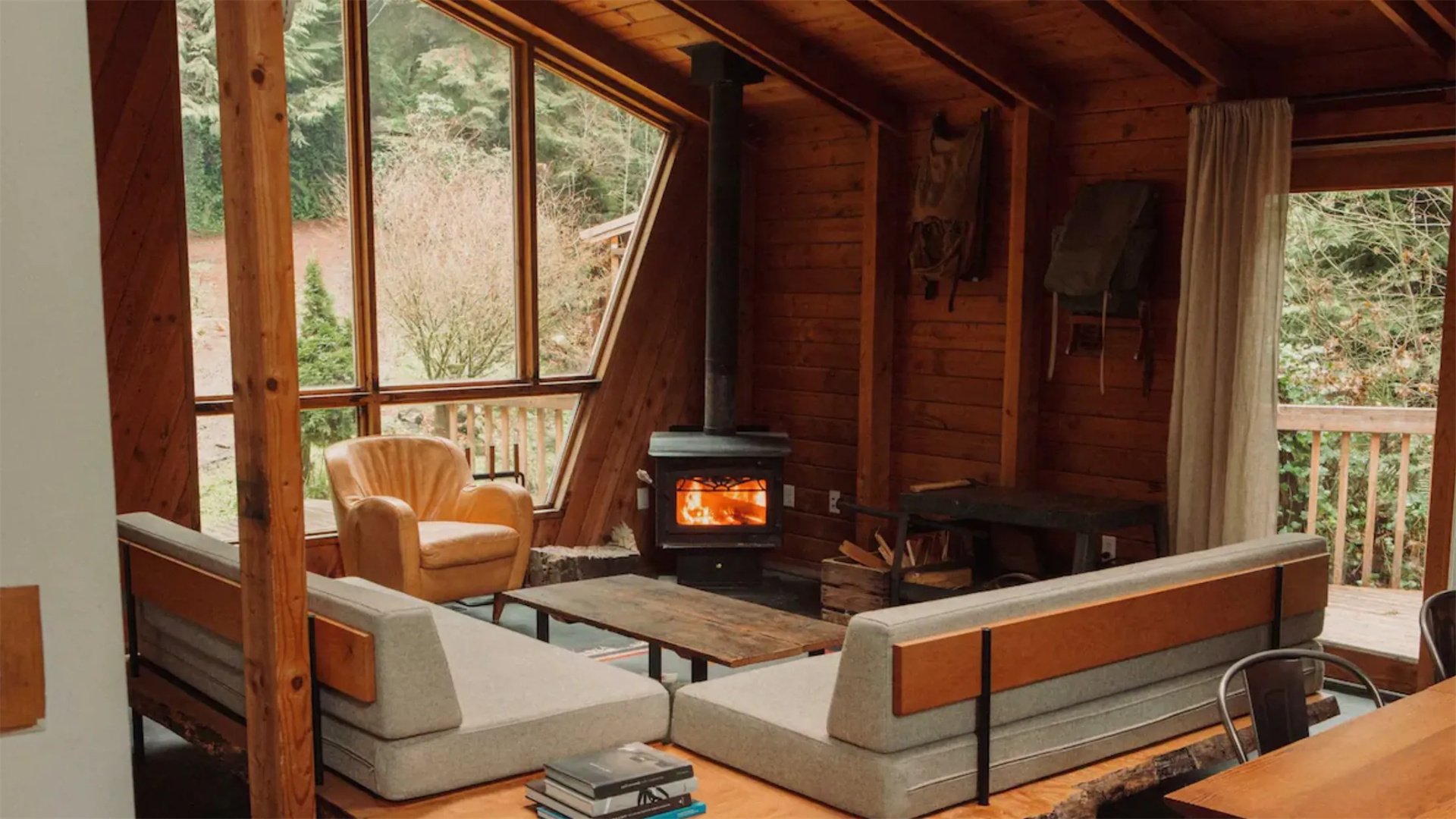
Cabin living offers unparalleled rewards—tranquility, connection to nature, and a simpler pace—but it demands careful planning to avoid common pitfalls. From infrastructure and maintenance to legal and financial hurdles, each challenge can be mitigated with proactive strategies. By learning from international resources and real-world experiences, you can build a resilient cabin lifestyle that balances dream and reality. Remember, success lies in preparation: research thoroughly, budget wisely, and stay adaptable to changing conditions. Whether you're a seasoned homesteader or a first-time cabin owner, embracing these lessons will help you create a safe, sustainable, and joyful retreat. Start your journey with eyes wide open, and your cabin will become a haven rather than a hardship.