
Tips
10 Clever Ways to Organize Your Closet and Maximize Space
🛍️ 1. Utilize Vertical Space with Hanging Systems and Hooks
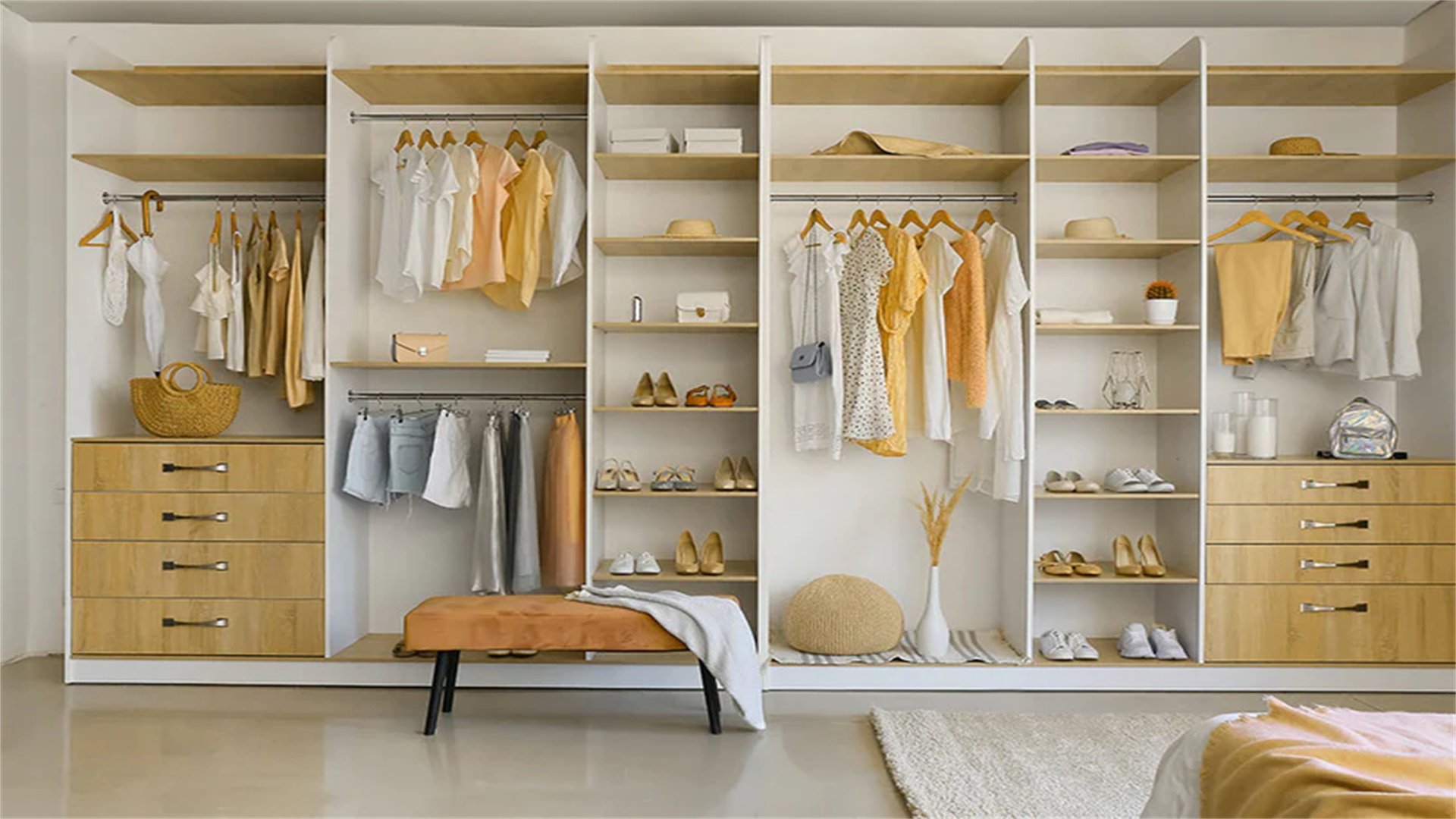
Advantages
- Doubles storage capacity by using underutilized vertical areas.
- Keeps items visible and accessible, reducing clutter on floors or shelves.
- Customizable with adjustable systems to fit specific closet dimensions and needs.
Disadvantages
- Requires installation effort, possibly tools or professional assistance.
- Risk of overloading if not securely anchored, leading to potential accidents.
- May not be suitable for closets with low ceilings or limited depth.
🗂️ 2. Categorize Your Items for Systematic Organization

Advantages
- Creates a logical system for effortless finding and storing of clothes.
- Minimizes time spent searching and helps maintain long-term order.
- Allows for visual appeal through consistent ordering, color-coding, or labeling.
Disadvantages
- Initial effort required to empty, sort, and regroup the entire closet.
- May necessitate additional storage solutions like bins or baskets, increasing cost.
- Requires regular review and adjustment as wardrobe changes to stay effective.
🚪 3. Maximize Door-Back Space with Hooks and Organizers
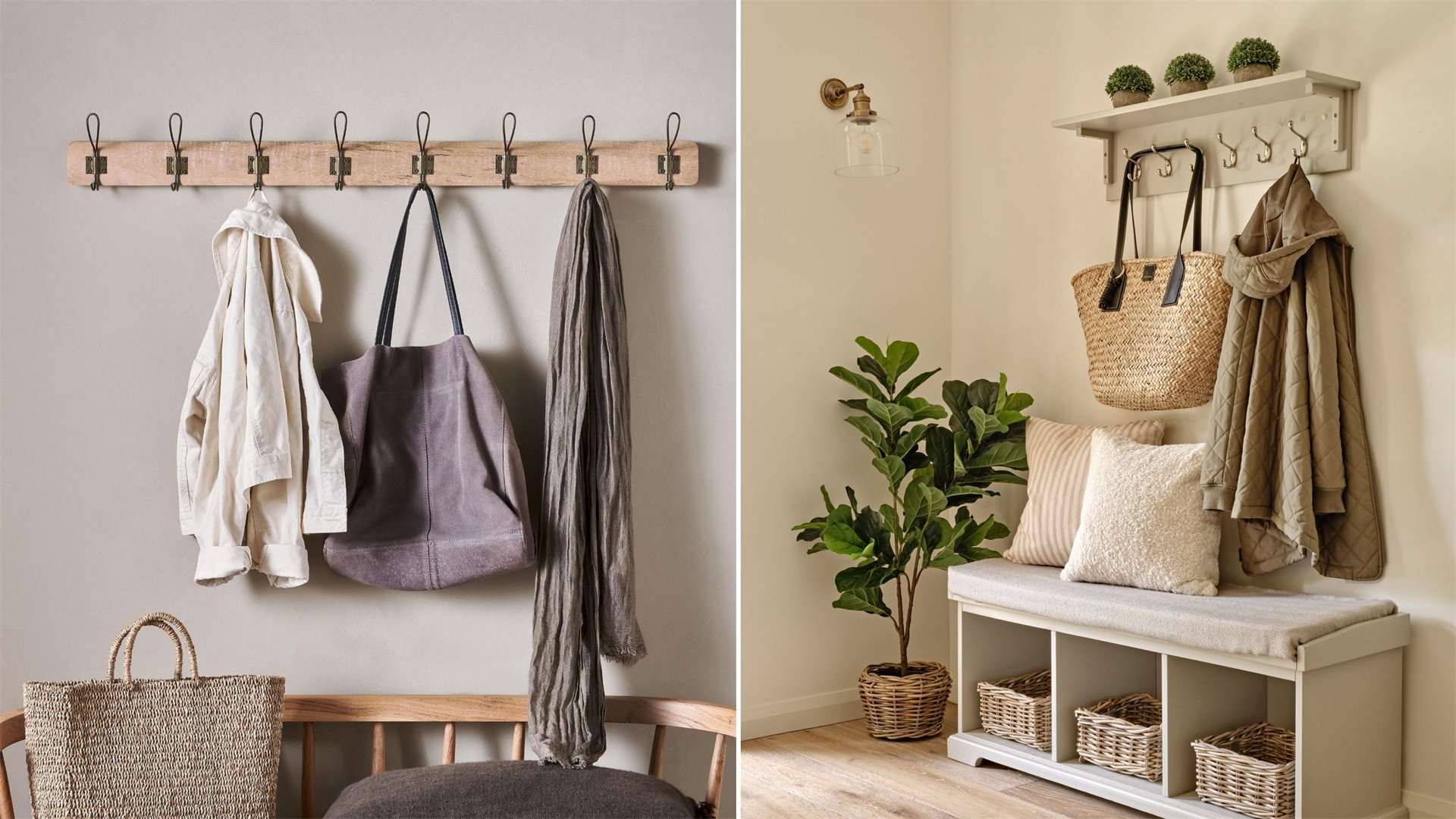
Advantages
- Utilizes overlooked space without taking up valuable interior closet area.
- Keeps small items organized and prevents them from getting lost.
- Easy installation with simple screws, adhesive strips, or over-the-door racks.
Disadvantages
- May overload the door, causing damage or difficulty in closing properly.
- Adhesive options might lack strength for heavy items, requiring screw-in alternatives.
- Can become cluttered if not regularly decluttered, reducing accessibility.
🗃️ 4. Implement Drawer Dividers for Small Items
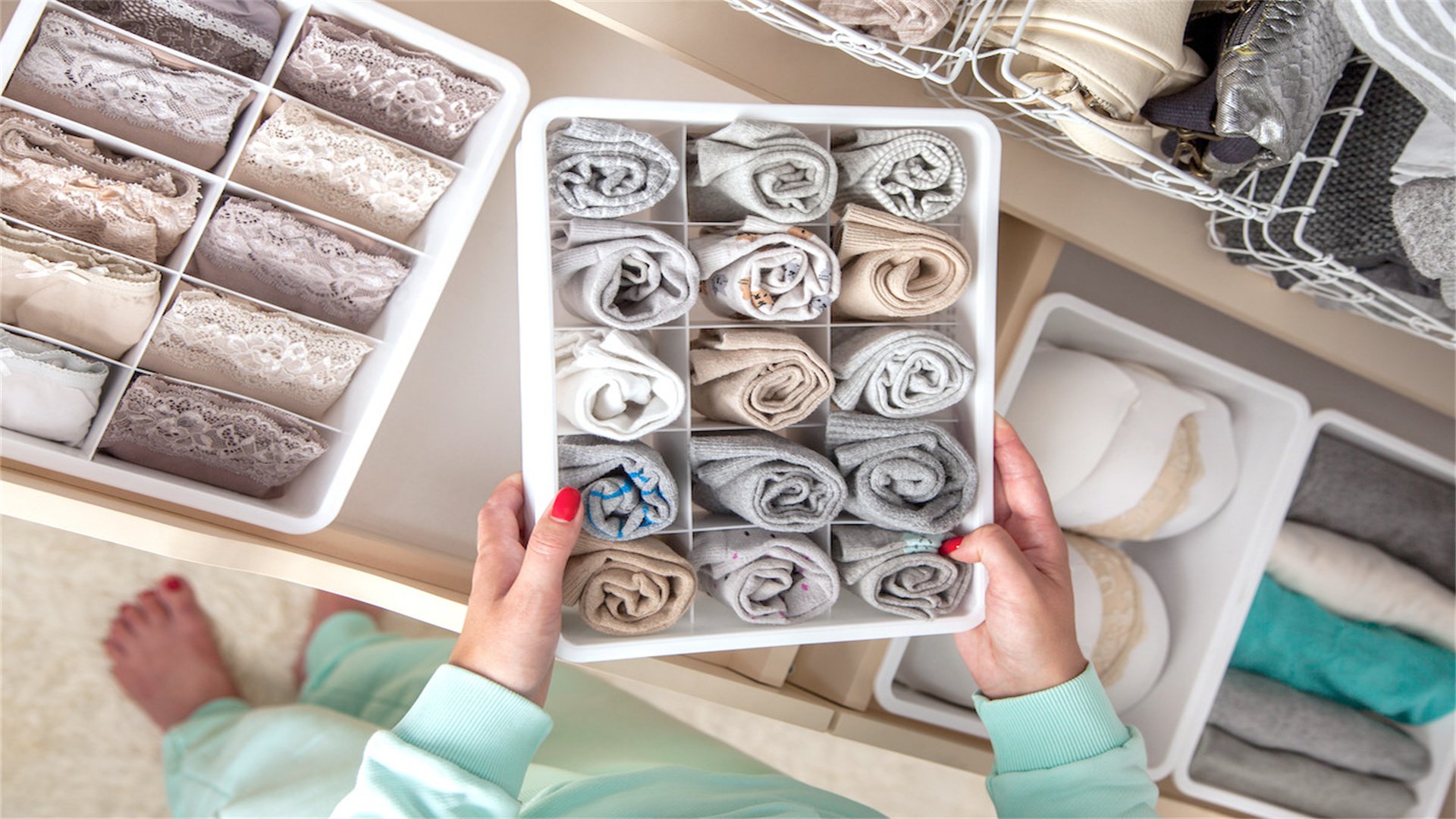
Advantages
- Keeps small items like socks and underwear neatly separated, preventing mix-ups.
- Makes contents easy to see, reducing over-purchasing and saving space.
- Adjustable or custom-fit dividers maximize drawer efficiency and organization.
Disadvantages
- Dividers can be an additional expense, especially for high-quality materials.
- May reduce overall drawer space if dividers are bulky or poorly fitted.
- Requires regular reassessment as storage needs evolve over time.
🍂 5. Rotate Seasonal Items to Free Up Space

Advantages
- Frees up prime closet space for current-season items, enhancing accessibility.
- Extends the life of clothes by reducing overcrowding and wear.
- Encourages decluttering during rotation sessions, keeping wardrobe relevant.
Disadvantages
- Requires extra storage space elsewhere for off-season items, like basements or under beds.
- Time-consuming to rotate items biannually, typically in spring and fall.
- Risk of forgetting stored items if not properly labeled or organized.
🌈 6. Color-Code Your Clothing for Visual Efficiency

Advantages
- Enhances aesthetics and creates a cohesive, visually appealing closet look.
- Speeds up dressing time by making specific items easy to locate quickly.
- Helps assess wardrobe inventory, identifying gaps or duplicates easily.
Disadvantages
- Can be time-consuming to initially arrange by color, especially for large wardrobes.
- May not be practical for those with limited wardrobe variety or neutral-heavy collections.
- Requires maintenance to accommodate new purchases and keep the order consistent.
🧷 7. Use Multi-Functional Hangers to Save Space
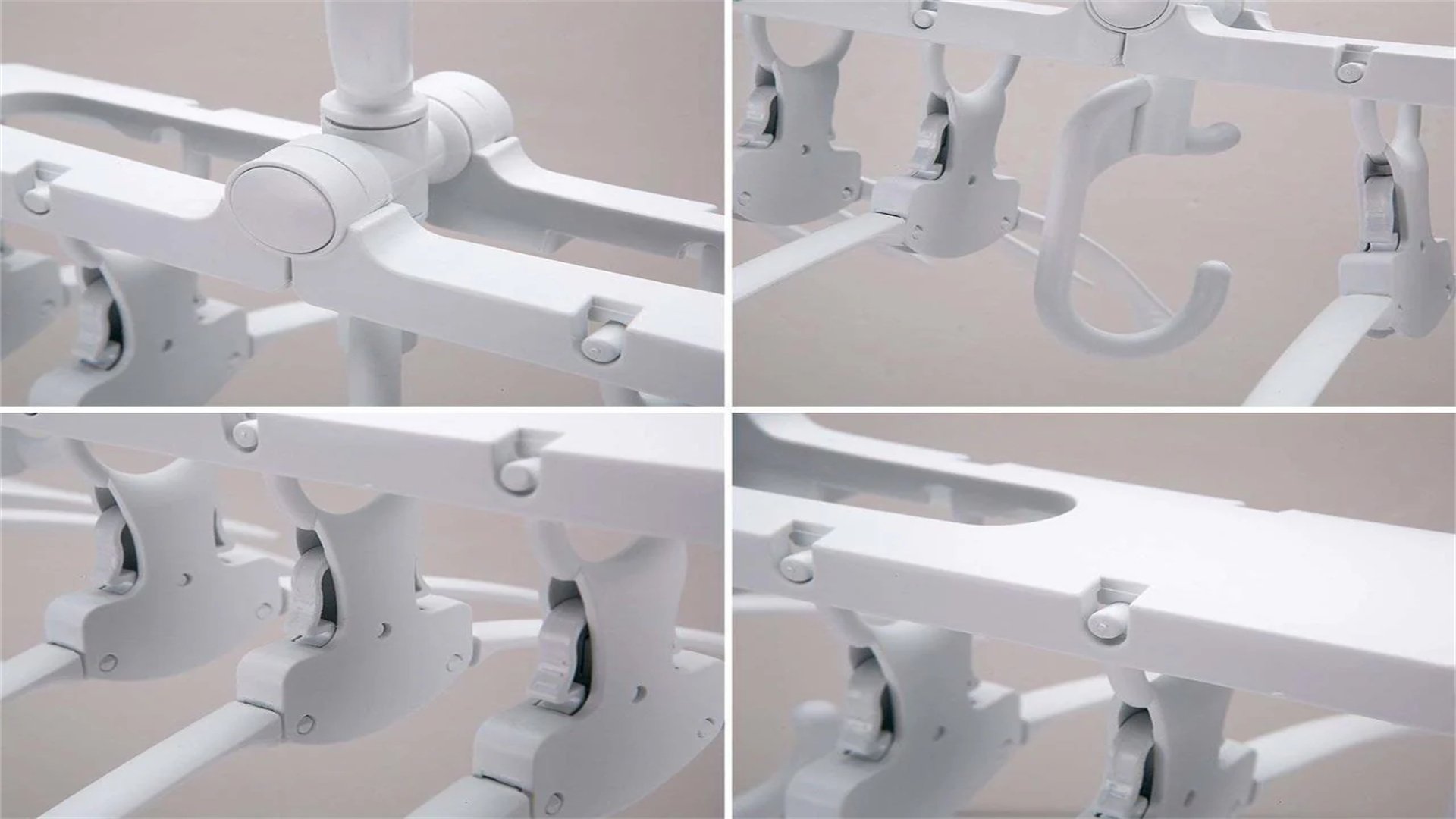
Advantages
- Drastically reduces space needed for hanging clothes, maximizing vertical capacity.
- Keeps items tidy and accessible in a compact manner, such as with cascading or clip hangers.
- Available in various types for different clothing items, like pants, skirts, or accessories.
Disadvantages
- Risk of overloading hangers, which can damage clothes or the hanger itself.
- High-quality multi-functional hangers can be expensive compared to standard ones.
- May not be suitable for all types of clothing, such as delicate fabrics or bulky coats.
📦 8. Store Items in Clear Containers for Easy Access

Advantages
- Allows visibility of contents without opening, saving time and effort.
- Protects items from dust and moisture when sealed, especially with airtight versions.
- Stackable design maximizes vertical space on shelves or closet floors.
Disadvantages
- Clear containers can be more expensive than opaque alternatives.
- Requires regular decluttering to avoid hoarding unnecessary items inside.
- May not fit all closet dimensions if not properly measured before purchase.
🛠️ 9. Customize Shelving to Fit Your Needs
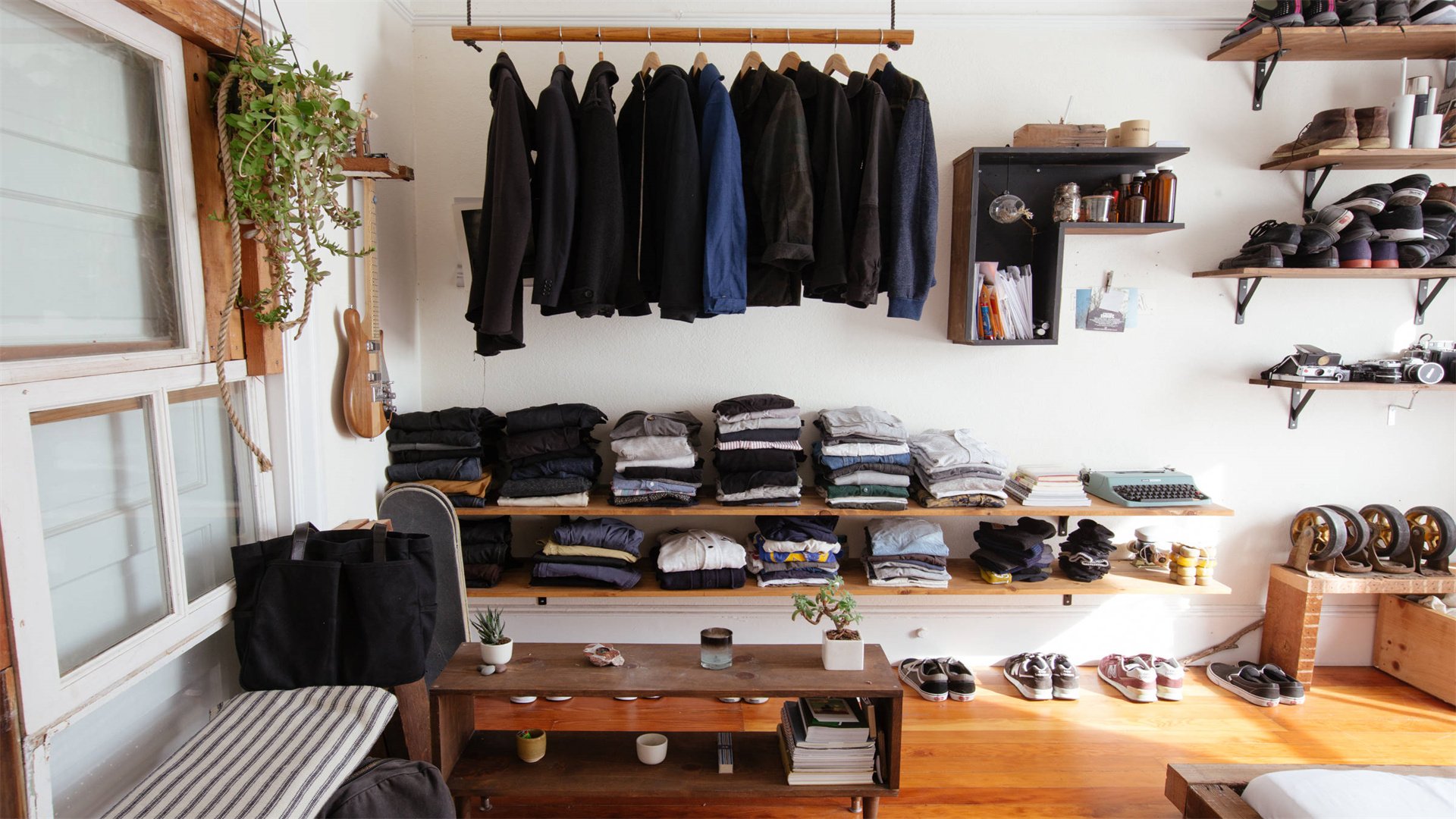
Advantages
- Tailors closet layout to specific storage requirements, maximizing every inch of space.
- Allows adjustable shelves to accommodate different item sizes, like tall boots or sweaters.
- Creates dedicated spaces for categories like bags, shoes, or folded clothing.
Disadvantages
- Installation can be complex and may require professional help for safety and functionality.
- Costly compared to standard shelving, especially for custom materials or designs.
- Needs regular adjustments as storage needs change to maintain efficiency.
🗑️ 10. Conduct Regular Decluttering Sessions

Advantages
- Prevents accumulation of unused items, maximizing closet space and reducing clutter.
- Helps curate a wardrobe that reflects current style and needs, simplifying daily routines.
- Reduces stress by maintaining a functional, organized, and accessible closet environment.
Disadvantages
- Time-consuming and can be emotionally challenging when deciding to donate or discard items.
- Requires discipline to schedule sessions regularly, such as quarterly or seasonally.
- May lead to frequent purchases if decluttering is too aggressive, offsetting space gains.
Advertisement