
Choosing Materials That Protect the Environment
In an era marked by climate change, resource depletion, and environmental degradation, the choices we make in our daily lives and industries have profound impacts on the planet. One of the most significant yet often overlooked decisions is the selection of materials used in products, construction, packaging, and more. Choosing materials that protect the environment is not just a trend but a necessity for sustainable living. This article delves into the importance of material selection, explores various eco-friendly options, and provides practical methods to incorporate them into our routines. By understanding the lifecycle, sourcing, and disposal of materials, we can reduce our ecological footprint, conserve natural resources, and foster a healthier ecosystem. The following sections will outline key strategies, backed by scientific insights and examples from global practices, to guide you in making informed, environmentally responsible choices.

🌱 Method One: Prioritizing Sustainably Sourced and Renewable Materials
Sustainably sourced materials are derived from resources that are managed to ensure their regeneration and long-term viability, minimizing harm to ecosystems. This approach focuses on using renewable materials that can be replenished naturally within a human timescale, unlike finite resources like fossil fuels. By opting for such materials, we support biodiversity, reduce deforestation, and promote ethical labor practices. Below are key aspects and examples to consider.
Understanding Sustainable Sourcing
Sustainable sourcing involves certifications like FSC (Forest Stewardship Council) for wood, which ensures that forests are managed responsibly. Similarly, organic cotton is grown without synthetic pesticides, preserving soil health and water quality. According to research from organizations like the World Wildlife Fund, sustainably sourced materials can reduce carbon emissions by up to 30% compared to conventional alternatives. For instance, bamboo is a standout example: it grows rapidly, requires minimal water, and absorbs more carbon dioxide than many trees, making it ideal for flooring, textiles, and utensils.
Examples of Renewable Materials
- Bamboo: As a grass, bamboo can be harvested every 3-5 years without killing the plant, and its sturdy fibers are used in everything from furniture to clothing. Its natural resistance to pests reduces the need for chemical treatments.
- Cork: Harvested from the bark of cork oak trees, cork is a renewable resource that regrows after harvesting, supporting forest ecosystems in regions like Portugal and Spain. It is used for insulation, flooring, and packaging due to its durability and biodegradability.
- Hemp: Hemp plants grow quickly, enrich soil through phytoremediation, and require fewer pesticides than cotton. Hemp fibers are used in textiles, paper, and biodegradable plastics, offering a low-impact alternative to synthetic materials.
- Wool: When sourced from ethically raised sheep, wool is a renewable material that is biodegradable and provides insulation. Look for certifications like the Responsible Wool Standard to ensure animal welfare and environmental care.
Implementing This Method
To incorporate sustainably sourced materials, start by checking labels for certifications like FSC, GOTS (Global Organic Textile Standard), or Cradle to Cradle. In construction, specify materials like reclaimed wood or rapidly renewable resources in building designs. For consumer products, choose items made from natural fibers or plant-based plastics. By supporting companies that prioritize sustainability, you drive market demand for eco-friendly options. Additionally, educate yourself on supply chain transparency—many brands now publish sustainability reports detailing their material sources. For example, Patagonia uses recycled polyester and organic cotton in its clothing, reducing water usage and chemical pollution. This method not only protects forests and waterways but also encourages circular economy practices where materials are reused or regenerated.
♻️ Method Two: Embracing Recycled and Upcycled Materials
Recycled and upcycled materials play a crucial role in reducing waste and conserving energy by repurposing existing resources instead of extracting new ones. Recycling involves processing waste materials into new products, while upcycling creatively transforms discarded items into higher-value goods without breaking them down. This method tackles the global waste crisis, particularly plastic pollution, and reduces greenhouse gas emissions associated with raw material extraction. Here’s a detailed exploration of how to leverage these materials effectively.
The Science Behind Recycling
Recycling materials like aluminum, glass, paper, and plastic saves significant energy—for instance, recycling aluminum uses 95% less energy than producing it from bauxite ore. According to the Environmental Protection Agency (EPA), recycling one ton of paper can save 17 trees and 7,000 gallons of water. However, not all materials are equally recyclable; plastics, especially single-use types, often end up in landfills due to contamination or lack of infrastructure. Thus, choosing materials with high recyclability rates, such as glass or metals, is key. Moreover, post-consumer recycled content (PCR) refers to materials that have been used and recycled, like PCR plastic in packaging, which reduces reliance on virgin plastics.
Examples of Recycled and Upcycled Materials
- Recycled Plastic: Plastic bottles and containers can be transformed into polyester fibers for clothing, outdoor furniture, or building materials like composite lumber. Companies like Adidas use ocean plastic in sneakers, diverting waste from marine ecosystems.
- Recycled Metal: Aluminum and steel are infinitely recyclable without quality loss. Recycled aluminum is common in cans, automotive parts, and construction, reducing mining impacts and energy consumption by up to 75%.
- Upcycled Textiles: Old clothing or fabric scraps can be upcycled into new garments, accessories, or home decor items. Brands like Reformation use deadstock fabric (leftover material from factories) to create fashion collections, minimizing textile waste.
- Recycled Glass: Crushed glass (cullet) is melted to produce new containers or countertops, saving raw materials like sand and reducing melting temperatures during manufacturing.
Implementing This Method
To embrace recycled materials, look for products with high PCR content—check labels for percentages like “100% recycled” or “made from upcycled materials.” In home projects, use recycled glass tiles for backsplashes or recycled rubber flooring for playgrounds. For businesses, incorporate circular design principles by designing products for disassembly and recycling. Support initiatives like extended producer responsibility (EPR), where manufacturers take back products for recycling. Additionally, engage in upcycling DIY projects, such as turning jars into storage containers or pallets into furniture. Education is vital: understand local recycling guidelines to avoid contamination. For example, TerraCycle offers programs to recycle hard-to-recycle items like chip bags, demonstrating innovation in waste management. By choosing recycled and upcycled materials, you close the loop in material cycles, reduce landfill burden, and promote a resource-efficient economy.

🌿 Method Three: Selecting Low-Impact and Non-Toxic Materials
Low-impact materials are those with minimal environmental harm throughout their lifecycle, from extraction to disposal, often characterized by low carbon emissions, water usage, and toxicity. Non-toxic materials avoid harmful chemicals that can leach into soil, water, or air, posing risks to human health and ecosystems. This method emphasizes choosing materials that are safe, durable, and have a reduced ecological footprint, aligning with green building standards and health-conscious consumerism. Below, we break down the criteria and applications for such materials.
Assessing Environmental Impact
Lifecycle assessment (LCA) tools evaluate materials based on factors like embodied energy (total energy required for production), water footprint, and emissions. For instance, concrete has high embodied energy due to cement production, whereas straw bale construction uses agricultural waste with low impact. Non-toxic materials avoid volatile organic compounds (VOCs), formaldehyde, and heavy metals—common in paints, adhesives, and finishes. The Green Seal certification identifies products meeting strict environmental and health standards. Research shows that indoor air quality can improve by 50% when using low-VOC paints, reducing respiratory issues.
Examples of Low-Impact and Non-Toxic Materials
- Natural Paints and Finishes: Made from plant oils, minerals, or clay, these paints emit few VOCs and are biodegradable. Brands like Earthborn offer paints free from synthetic chemicals, suitable for walls and furniture.
- Linoleum: Composed of linseed oil, cork dust, and jute, linoleum is a natural flooring material that is durable, biodegradable, and antimicrobial, unlike vinyl which contains PVC and phthalates.
- Stone and Clay: Locally sourced stone or clay tiles have low processing needs and are inert, meaning they don’t off-gas toxins. They are ideal for countertops and building structures, providing thermal mass for energy efficiency.
- Organic Textiles: Fabrics like organic cotton, linen, or Tencel (made from sustainably sourced wood pulp) are produced without toxic dyes or finishes, reducing water pollution and skin irritation.
Implementing This Method
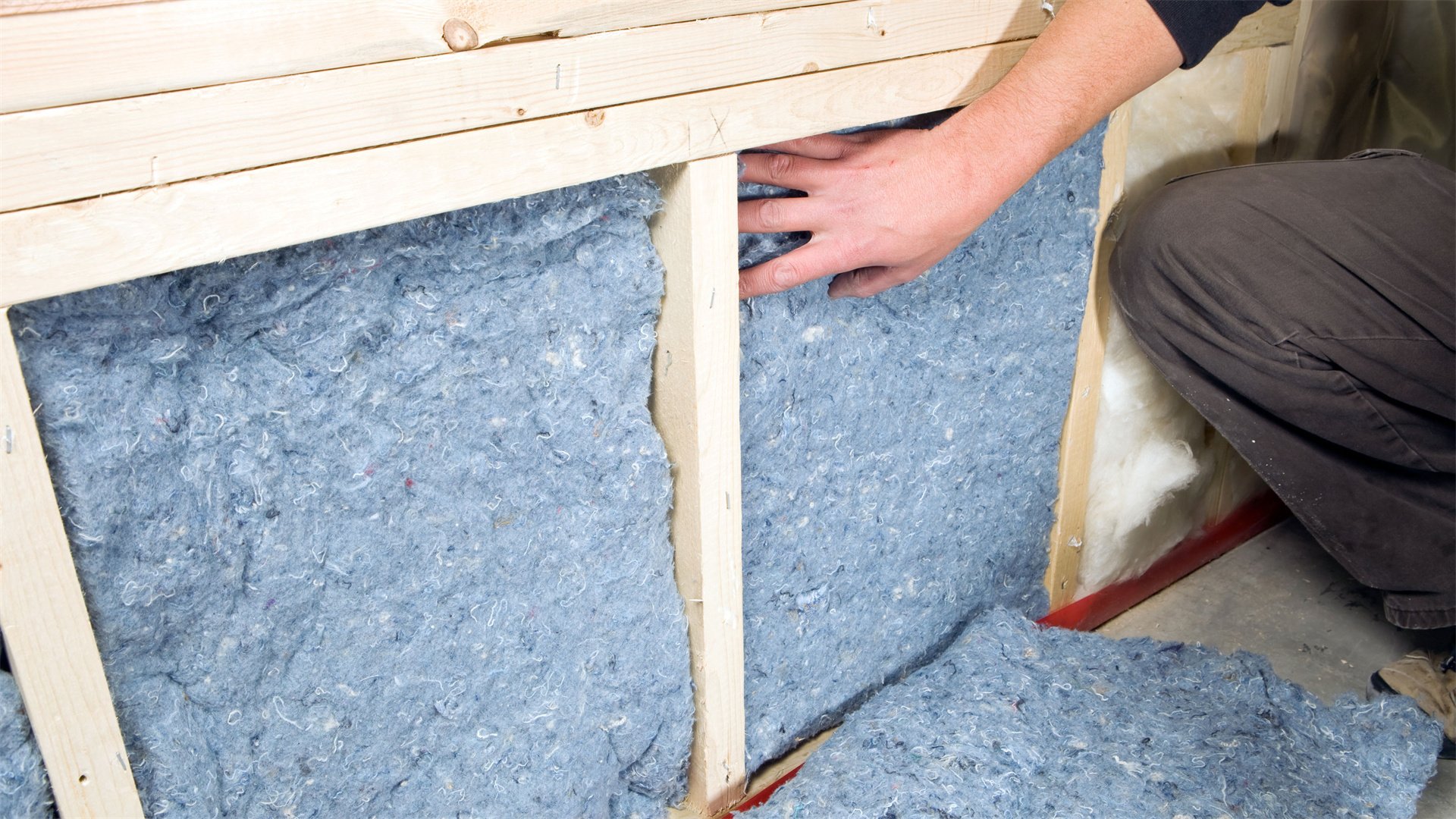
To select low-impact materials, prioritize locally sourced options to cut transportation emissions—for example, use regional timber or stone. In construction, refer to rating systems like LEED (Leadership in Energy and Environmental Design) or BREEAM, which reward the use of non-toxic, low-impact materials. For home decor, choose furniture with natural finishes or upholstery from hemp or wool. When renovating, opt for insulation materials like cellulose (recycled paper) or sheep’s wool instead of fiberglass, which may contain irritants. Additionally, avoid materials with flame retardants or waterproofing chemicals like PFAS, which persist in the environment. Consumer tools like the EPA’s Safer Choice label help identify safer products. For instance, Interface carpet tiles use bio-based materials and have a take-back program for recycling. By focusing on low-impact and non-toxic materials, you contribute to cleaner air and water, support sustainable manufacturing, and create healthier living spaces.

🍃 Method Four: Leveraging Biodegradable and Compostable Materials
Biodegradable and compostable materials break down naturally into harmless substances like water, carbon dioxide, and biomass through biological processes, reducing landfill waste and pollution. While all compostable materials are biodegradable, not all biodegradable materials compost efficiently—composting requires specific conditions in industrial facilities or home compost bins. This method is essential for addressing single-use plastics and packaging waste, as it supports circular systems where materials return to the earth safely. Here’s an in-depth look at how to integrate these materials into various applications.
The Science of Biodegradation
Biodegradation occurs when microorganisms like bacteria and fungi digest materials, a process influenced by factors such as temperature, moisture, and material composition. For example, polylactic acid (PLA) plastic, derived from corn starch, biodegrades under industrial composting conditions but may not break down in oceans or landfills. Standards like ASTM D6400 define compostability, ensuring materials disintegrate within 90 days and leave no toxic residue. According to studies, biodegradable packaging can reduce methane emissions from landfills by up to 50% compared to conventional plastics. However, it’s crucial to distinguish between “biodegradable” claims, which can be misleading, and certified compostable products.
Examples of Biodegradable and Compostable Materials
- PLA (Polylactic Acid): A bio-based plastic made from fermented plant sugars, used for utensils, food containers, and 3D printing filament. It requires industrial composting but offers a lower carbon footprint than petroleum-based plastics.
- Mushroom Packaging: Mycelium, the root structure of mushrooms, can be grown into molded packaging materials that are fully compostable and lightweight, replacing Styrofoam in protective packaging.
- Paper and Cardboard: When uncoated with plastics, paper products break down easily in compost heaps. Recycled paper packaging is widely used for shipping and food service, with options like compostable wax coatings for moisture resistance.
- Natural Fibers: Jute, coir, and sisal are plant-based fibers used for bags, mats, and textiles that decompose naturally. For instance, coir (from coconut husks) is used in erosion control mats that enrich soil as they degrade.
Implementing This Method
To leverage biodegradable materials, replace single-use plastics with compostable alternatives—such as bamboo cutlery, PLA cups, or beeswax wraps for food storage. In gardening, use biodegradable pots made from peat or cow manure that can be planted directly into soil. For businesses, adopt compostable packaging and educate customers on proper disposal through labeling. Support municipal composting programs or set up home composting systems to process materials like food scraps and certified compostable products. Be wary of greenwashing: verify certifications like BPI (Biodegradable Products Institute) or OK Compost. For example, the company Eco-Products offers a line of compostable food service items that meet ASTM standards. By choosing biodegradable and compostable materials, you minimize persistent waste, reduce microplastic pollution, and contribute to nutrient cycling in ecosystems.

🔬 Method Five: Innovating with Advanced and Emerging Eco-Materials
Advanced eco-materials are innovative solutions developed through scientific research and technology to address environmental challenges, often offering superior performance with minimal ecological impact. These include materials like graphene from renewable sources, self-healing concrete, or lab-grown leather, which push the boundaries of sustainability. This method highlights cutting-edge options that are not yet mainstream but hold promise for revolutionizing industries. By staying informed about emerging trends, we can support their adoption and scale-up for broader environmental benefits.
The Role of Technology in Material Innovation
Advances in biotechnology, nanotechnology, and material science enable the creation of eco-materials with unique properties. For instance, carbon capture technology can produce concrete that absorbs CO2 during curing, turning buildings into carbon sinks. Similarly, algal biofuels offer renewable energy sources without competing with food crops. According to reports from the Ellen MacArthur Foundation, circular economy innovations could reduce global material extraction by 30% by 2030. However, these materials often face challenges like high costs or scalability issues, requiring investment and policy support.
Examples of Advanced Eco-Materials
- Graphene from Biomass: Graphene, a strong and conductive material, can now be synthesized from plant waste like rice husks, reducing reliance on graphite mining and offering applications in electronics and water filtration.
- Self-Healing Concrete: Embedded with bacteria or polymers that seal cracks when exposed to water, this concrete extends infrastructure lifespan and reduces maintenance emissions.
- Lab-Grown Materials: Cultured leather from collagen cells or spider silk from fermented yeast provides animal-free alternatives to traditional textiles, with lower water and land use.
- Aerogels from Waste: Aerogels, lightweight insulating materials, can be made from recycled paper or plastic, offering high thermal efficiency for buildings and aerospace.
Implementing This Method
To incorporate advanced eco-materials, follow industry developments through journals or sustainability conferences. In high-tech sectors, specify materials like bio-based composites for automotive parts or solar panels with perovskite cells for higher efficiency. Support startups and research initiatives through crowdfunding or partnerships—for example, companies like Bolt Threads are commercializing mushroom-based leather. In policy advocacy, push for grants and regulations that favor green material innovation, such as tax incentives for using carbon-negative materials. As a consumer, choose products that pilot these technologies, like sneakers made from algae foam or smartphones with modular designs for easy recycling. Education is key: share knowledge about innovations like piezoelectric floors that generate energy from footsteps. By embracing advanced eco-materials, you drive technological progress, reduce dependency on scarce resources, and open new pathways for environmental protection.
🔄 Method Six: Applying Lifecycle Thinking and Circular Economy Principles
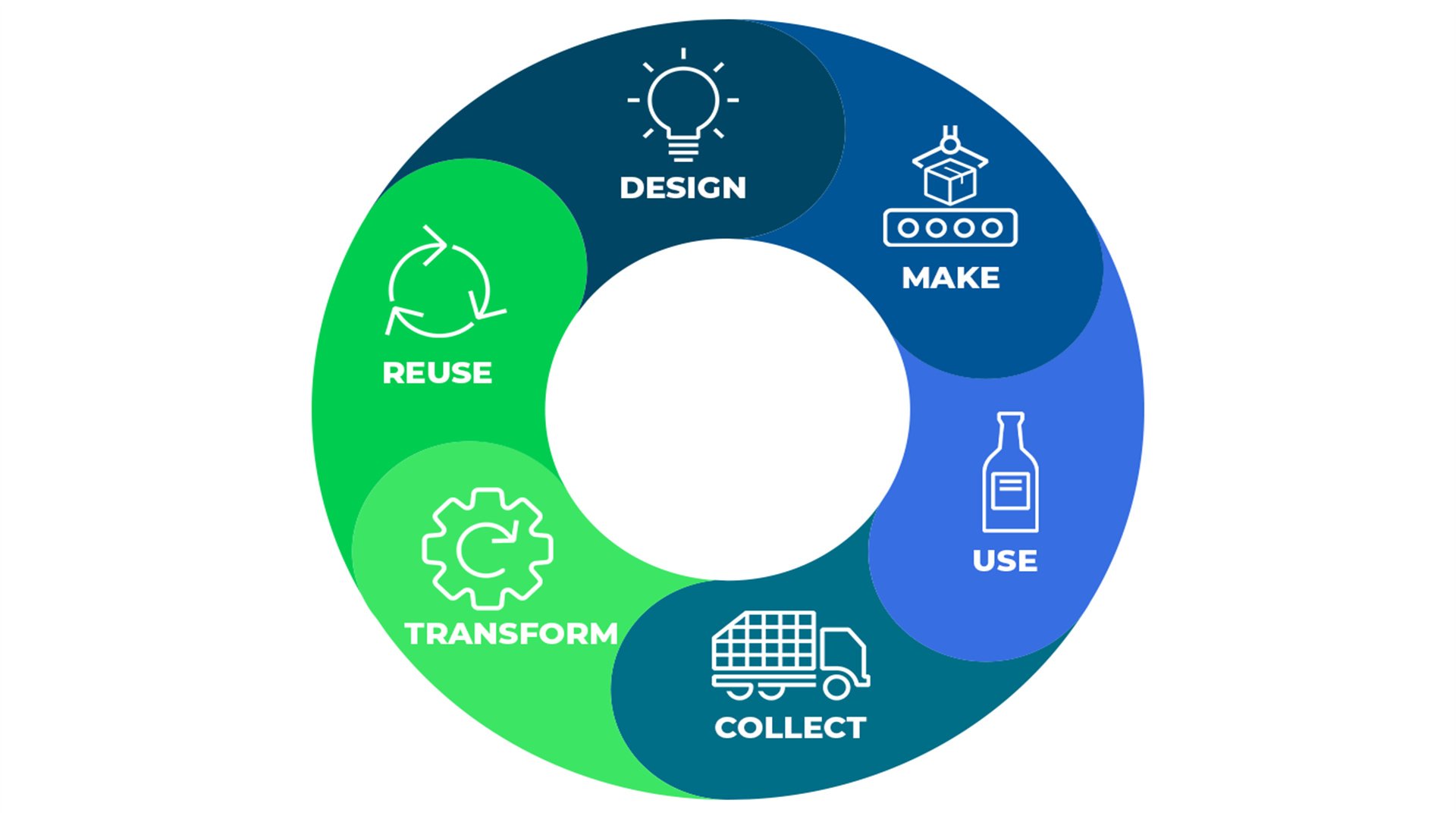
Lifecycle thinking involves considering the environmental impacts of a material from cradle to grave—extraction, manufacturing, use, and disposal—while circular economy principles aim to eliminate waste by keeping materials in use through reuse, repair, remanufacturing, and recycling. This holistic method ensures that material choices align with long-term sustainability goals, rather than focusing on single attributes. By adopting this approach, we can design systems that regenerate natural capital and reduce linear consumption patterns. Below, we explore frameworks and practices for implementing lifecycle and circular strategies.
Frameworks for Lifecycle Assessment (LCA)
LCA is a standardized method (ISO 14040) that quantifies impacts like global warming potential, eutrophication, and resource depletion across a material’s lifecycle. Tools like SimaPro or openLCA help designers and policymakers compare materials—for example, showing that recycled aluminum has a lower carbon footprint than virgin aluminum. Circular economy models, promoted by organizations like the Ellen MacArthur Foundation, emphasize designing out waste and pollution. Key principles include using renewable energy in production, creating durable products, and establishing reverse logistics for material recovery. Studies indicate that applying circular economy principles could generate $4.5 trillion in economic benefits by 2030 while reducing environmental degradation.
Examples of Lifecycle and Circular Applications
- Modular Design: Products like Fairphone smartphones are designed with modular components that can be easily replaced or upgraded, extending product lifespan and reducing e-waste.
- Material Passports: In construction, digital passports document the composition and value of building materials, facilitating reuse or recycling at the end of a structure’s life.
- Take-Back Schemes: Companies like IKEA offer furniture take-back programs, where old items are refurbished or recycled into new products, closing material loops.
- Service-Based Models: Instead of selling products, businesses lease materials—for instance, Philips leases lighting as a service, retaining ownership of materials for reuse and reducing resource extraction.
Implementing This Method
To apply lifecycle thinking, conduct or review LCAs for materials before selection—many databases like Ecoinvent provide impact data. In product development, use design for disassembly (DfD) principles, such as snap-fit joints instead of glued assemblies. For consumers, choose products with extended warranties, repairability scores, or those from companies with circular commitments, like Patagonia’s Worn Wear program for garment repair. Advocate for policies that support circular economy, such as banning single-use plastics or incentivizing product-as-a-service models. In everyday life, practice reuse by shopping at thrift stores or using platforms like Freecycle for material exchange. Education on lifecycle impacts can be integrated into school curricula or workplace training. For example, the Cradle to Cradle Certified product standard guides manufacturers in creating safe, circular products. By embracing lifecycle and circular approaches, you contribute to systemic change, reduce waste generation, and promote economic resilience through sustainable material flows.
🎯 Conclusion: Integrating Strategies for a Sustainable Future
Choosing materials that protect the environment is a multifaceted endeavor that requires conscious decision-making at individual, corporate, and societal levels. Throughout this article, we have explored six key methods: prioritizing sustainably sourced and renewable materials, embracing recycled and upcycled options, selecting low-impact and non-toxic substances, leveraging biodegradable and compostable alternatives, innovating with advanced eco-materials, and applying lifecycle thinking and circular economy principles. Each method offers unique benefits, from reducing carbon emissions and waste to conserving biodiversity and improving human health. By integrating these strategies, we can transform our material consumption patterns from linear and extractive to circular and regenerative.
Real-world examples demonstrate that sustainable material choices are not only feasible but also economically viable. Companies like Tesla use recycled aluminum in electric vehicles, while cities like Amsterdam adopt circular building materials in urban development. As consumers, we hold power through our purchasing decisions—opting for products with eco-certifications, supporting ethical brands, and reducing overall consumption. Education and policy play crucial roles in scaling these practices; governments can enforce regulations on material sourcing, and schools can teach environmental literacy from an early age.
Looking ahead, technological advancements and growing environmental awareness will continue to expand the palette of eco-friendly materials. However, challenges such as greenwashing, cost barriers, and infrastructure gaps must be addressed through collaboration among industries, policymakers, and communities. By committing to informed material choices, we can mitigate climate change, preserve ecosystems for future generations, and build a more resilient world. Let this article serve as a comprehensive guide to making every material count in the journey toward environmental stewardship. Start today by auditing your own material use and exploring one method—small steps collectively lead to significant planetary impact.