6 Beginner-Friendly Recipes to Build Your Confidence in the Kitchen
Welcome to your culinary journey! Whether you're a novice in the kitchen or looking to refine your skills, mastering fundamental cooking techniques is key to creating delicious meals with confidence. In this comprehensive guide, we'll explore 14 essential techniques that form the backbone of home cooking, followed by 6 easy-to-follow recipes designed to put these skills into practice. By the end, you'll be equipped with the knowledge and hands-on experience to tackle a variety of dishes with ease. Let's dive in!
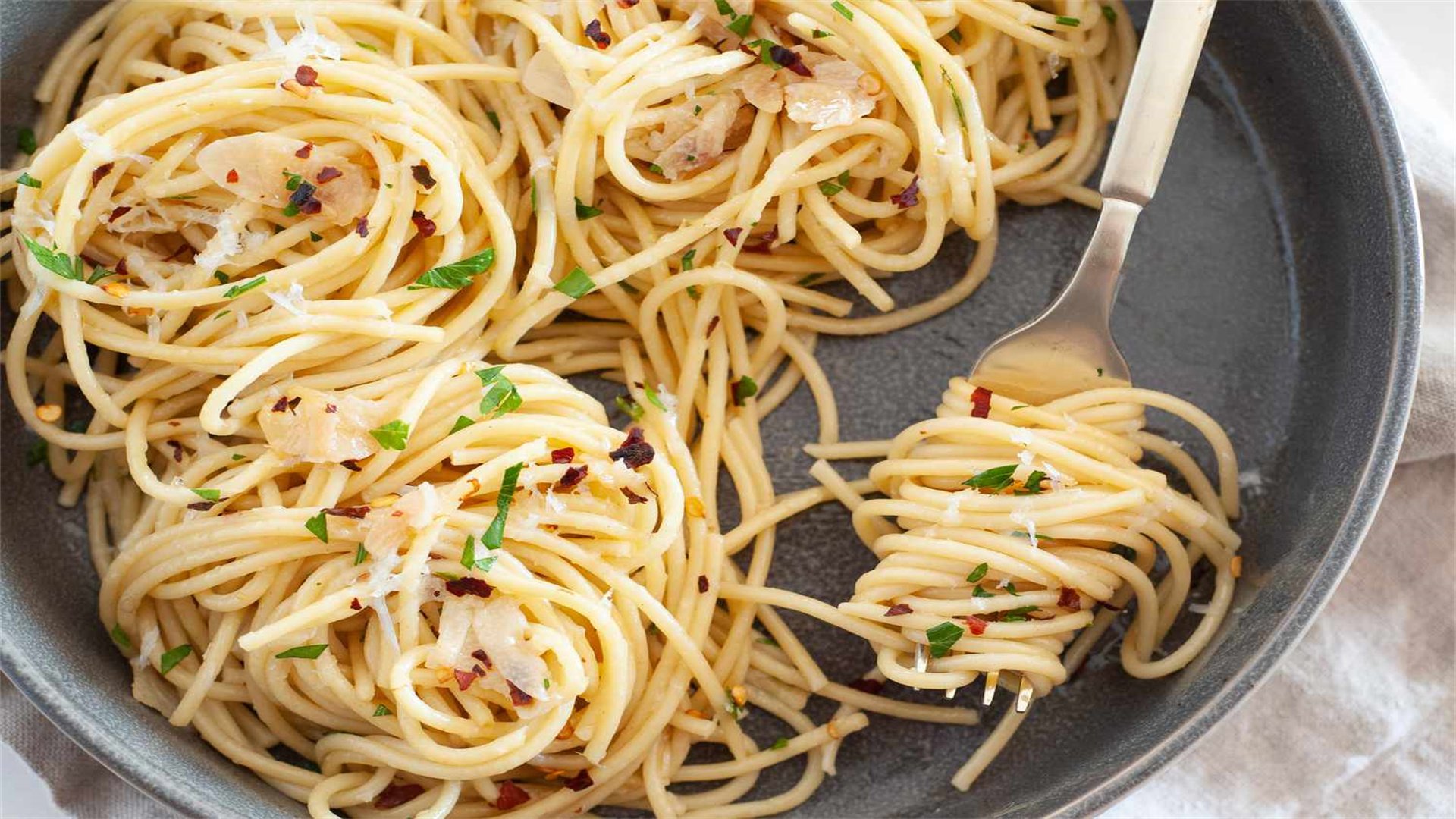
🍝 Recipe 1: Classic Spaghetti Aglio e Olio
This simple Italian pasta dish highlights the technique of sautéing and seasoning. It's quick, requiring only a few ingredients, and teaches you to control heat for perfect garlic infusion.
Ingredients:
- Spaghetti: 8 ounces (225 grams) – Use dried spaghetti for best texture; it holds sauce well and cooks evenly.
- Garlic: 4 cloves, thinly sliced – Fresh garlic adds aromatic flavor; slicing ensures it cooks without burning.
- Extra-virgin olive oil: 1/2 cup (120 ml) – High-quality oil is key for richness; it forms the base of the sauce.
- Red pepper flakes: 1/2 teaspoon – Adds a subtle heat; adjust to taste for spice level.
- Fresh parsley: 1/4 cup chopped – Provides freshness and color; add at the end to retain flavor.
- Salt: To taste – Use for pasta water and seasoning; kosher salt is recommended.
- Parmesan cheese (optional): For serving – Grates easily and adds umami; use a microplane for fine shreds.
Instructions:
- Bring a large pot of salted water to a boil. Add spaghetti and cook according to package directions until al dente. Reserve 1 cup of pasta water before draining.
- While pasta cooks, heat olive oil in a large skillet over medium-low heat. Add sliced garlic and red pepper flakes. Sauté for 2-3 minutes until garlic is fragrant and lightly golden, stirring frequently to prevent burning.
- Add drained spaghetti to the skillet, tossing to coat in the oil. If the sauce seems dry, add reserved pasta water a tablespoon at a time until desired consistency is reached.
- Remove from heat and stir in chopped parsley. Season with salt to taste. Serve immediately, topped with grated Parmesan if desired.
Tip: To avoid bitter garlic, keep heat low and remove from oil as soon as it turns golden. The reserved pasta water contains starch, which helps emulsify the sauce.
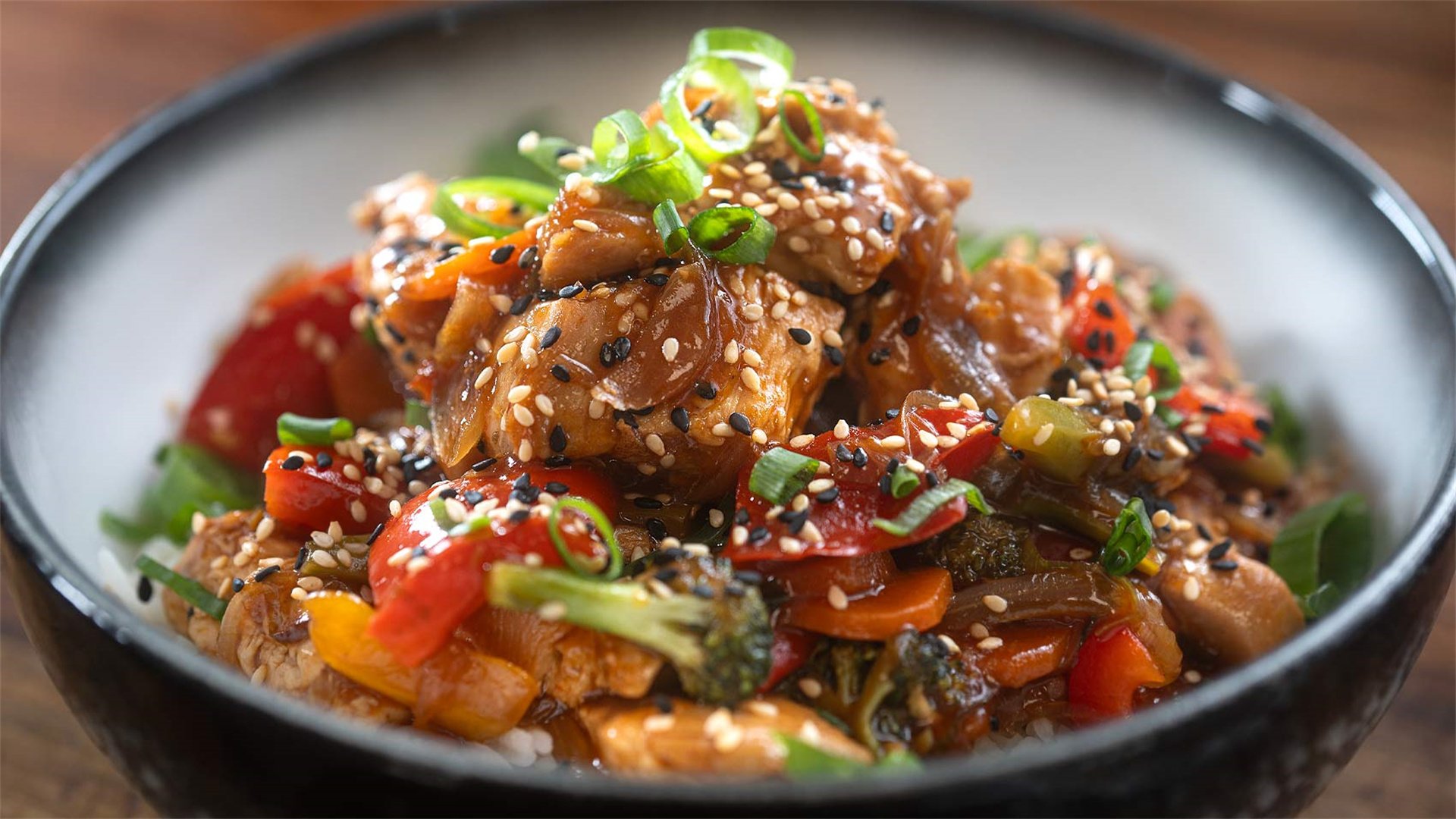
🍗 Recipe 2: Easy Chicken Stir-Fry
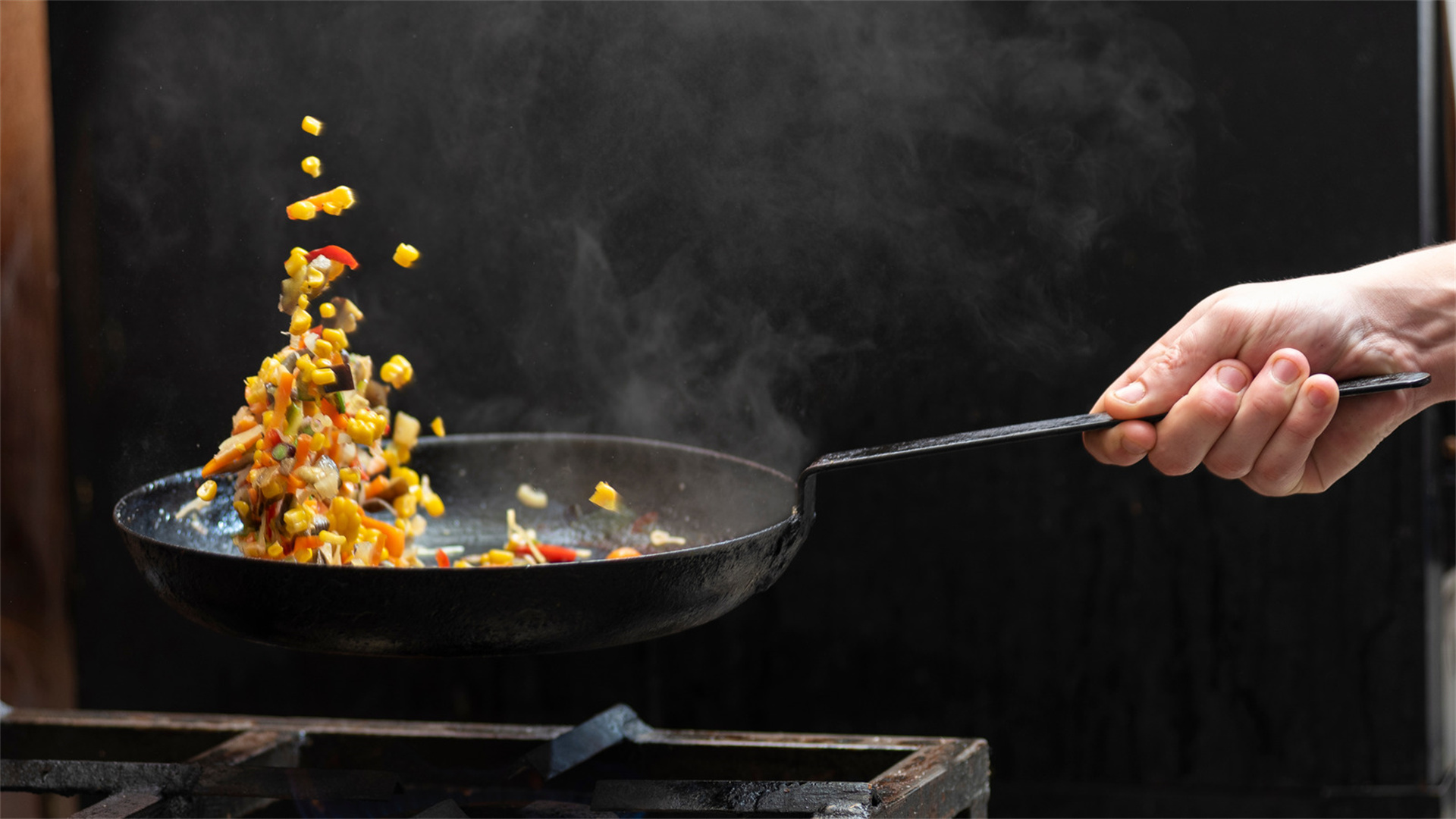
This stir-fry incorporates sautéing, knife skills, and heat control. It's a versatile recipe that allows for vegetable substitutions based on preference.
Ingredients:
- Chicken breasts: 1 pound (450 grams), cut into bite-sized pieces – Boneless, skinless breasts are lean and cook quickly; slice against the grain for tenderness.
- Soy sauce: 3 tablespoons – Use low-sodium to control saltiness; it adds savory depth.
- Vegetable oil: 2 tablespoons – High smoke point makes it ideal for stir-frying; can substitute with canola oil.
- Broccoli florets: 2 cups – Fresh broccoli provides crunch; cut into uniform pieces for even cooking.
- Bell peppers: 1 red and 1 yellow, sliced – Adds sweetness and color; remove seeds and membranes before slicing.
- Carrots: 2 medium, julienned – Julienne cuts ensure quick cooking; peel first for smoother texture.
- Ginger: 1 tablespoon minced – Fresh ginger adds zing; mince finely to distribute flavor evenly.
- Garlic: 2 cloves minced – Complements ginger; mince to avoid large chunks.
- Cornstarch: 1 teaspoon mixed with 2 tablespoons water – Creates a thickening slurry; stir well to prevent lumps.
Instructions:
- In a bowl, toss chicken pieces with 1 tablespoon soy sauce. Set aside to marinate for 10 minutes.
- Heat vegetable oil in a wok or large skillet over high heat. Add chicken and stir-fry for 5-6 minutes until browned and cooked through. Remove and set aside.
- In the same pan, add broccoli, bell peppers, and carrots. Stir-fry for 4-5 minutes until crisp-tender.
- Reduce heat to medium. Add ginger and garlic, cooking for 1 minute until fragrant.
- Return chicken to the pan. Add remaining soy sauce and cornstarch slurry. Stir constantly until sauce thickens, about 2 minutes.
- Serve hot over rice or noodles.
Tip: Prepare all ingredients before starting, as stir-frying happens quickly. High heat is essential for searing, but reduce if vegetables start to burn.
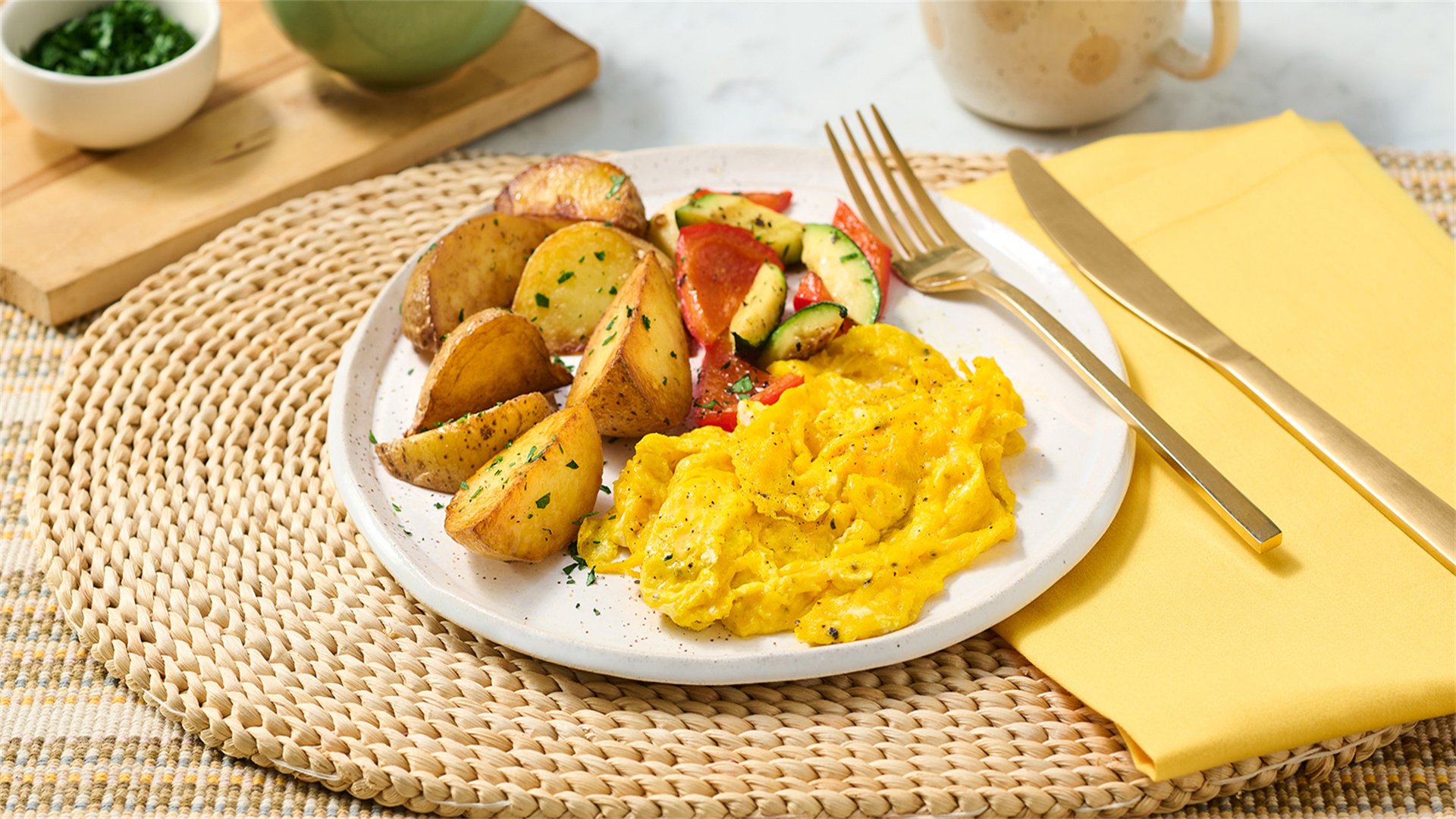
🍳 Recipe 3: Perfect Scrambled Eggs
Scrambled eggs teach heat control and timing. With a few tricks, you can achieve creamy, fluffy eggs every time.
Ingredients:
- Eggs: 4 large – Fresh eggs yield better texture; room temperature eggs blend more smoothly.
- Milk or cream: 2 tablespoons – Adds richness and creaminess; whole milk or heavy cream works best.
- Butter: 1 tablespoon – Unsalted butter allows control over salt; it prevents sticking and adds flavor.
- Salt and pepper: To taste – Season after cooking to avoid toughening eggs; freshly ground pepper is ideal.
- Chives (optional): 1 tablespoon chopped – For garnish; adds a mild onion flavor and color.
Instructions:
- Crack eggs into a bowl and add milk. Whisk gently until just combined—avoid overwhisking, which can make eggs tough.
- Melt butter in a non-stick skillet over medium-low heat. Swirl to coat the pan.
- Pour egg mixture into the skillet. Let sit for 20 seconds, then gently push cooked portions from the edges toward the center with a spatula.
- Continue pushing and folding until eggs are mostly set but still slightly runny, about 3-4 minutes. Remove from heat—they'll finish cooking from residual heat.
- Season with salt and pepper. Garnish with chives if using. Serve immediately.
Tip: Low heat and patience are key for creamy eggs. For fluffier eggs, add a pinch of baking soda while whisking.
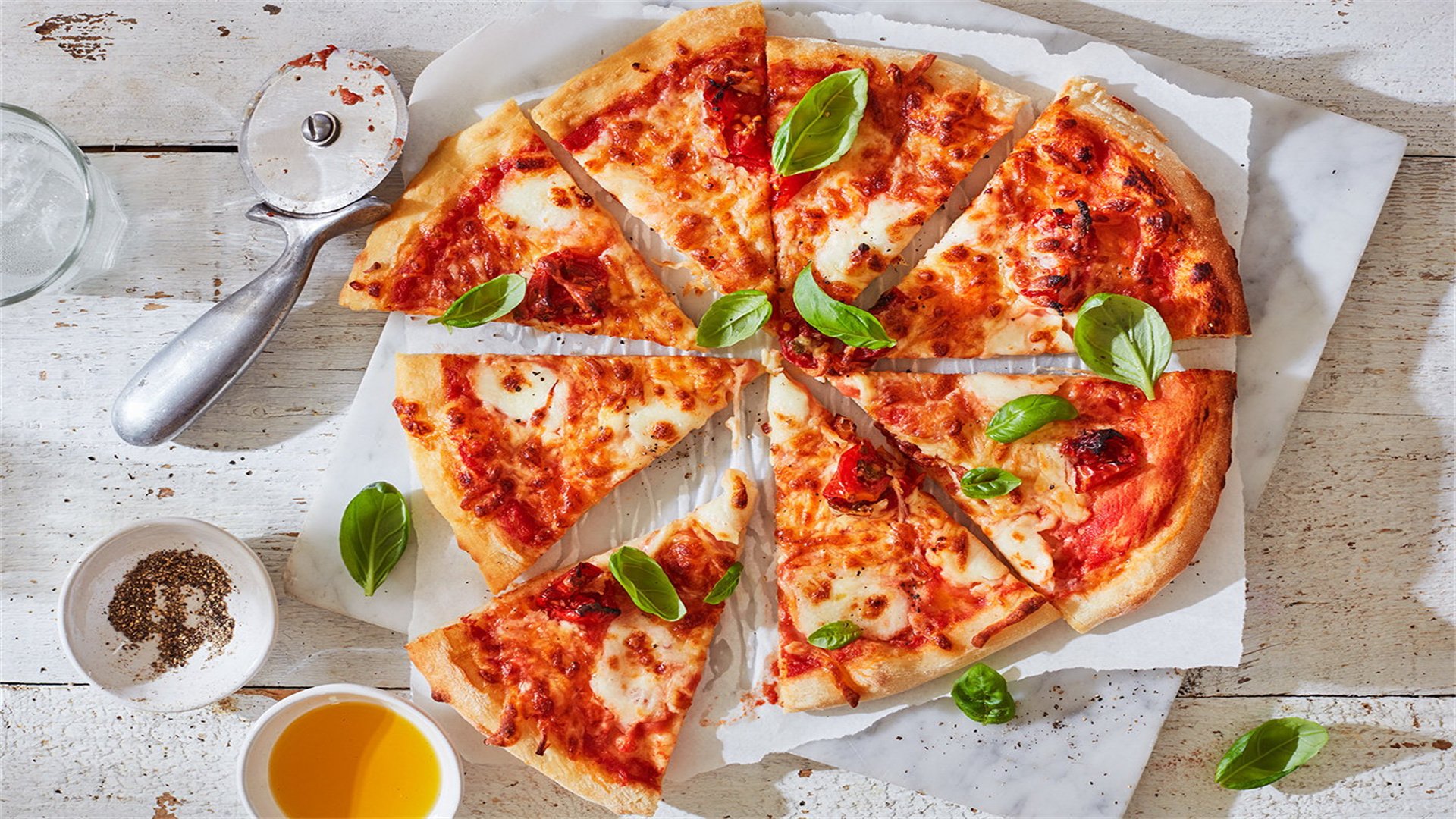
🍕 Recipe 4: Homemade Pizza Dough and Margherita Pizza
This recipe covers baking, dough handling, and simple sauce making. It's a fun way to practice precision and creativity.
Ingredients for Dough:
- All-purpose flour: 2 1/2 cups (300 grams) – Provides structure; bread flour can be used for chewier crust.
- Active dry yeast: 1 packet (2 1/4 teaspoons) – Leavens the dough; ensure it's fresh for proper rising.
- Warm water: 1 cup (240 ml) at 110°F (43°C) – Activates yeast; too hot can kill it, too cold slows rising.
- Olive oil: 2 tablespoons – Adds flavor and softness to dough; extra-virgin is preferred.
- Salt: 1 teaspoon – Enhances flavor; mix with flour to avoid direct contact with yeast.
- Sugar: 1 teaspoon – Feeds yeast for better rise; can omit if preferred.
Ingredients for Topping:
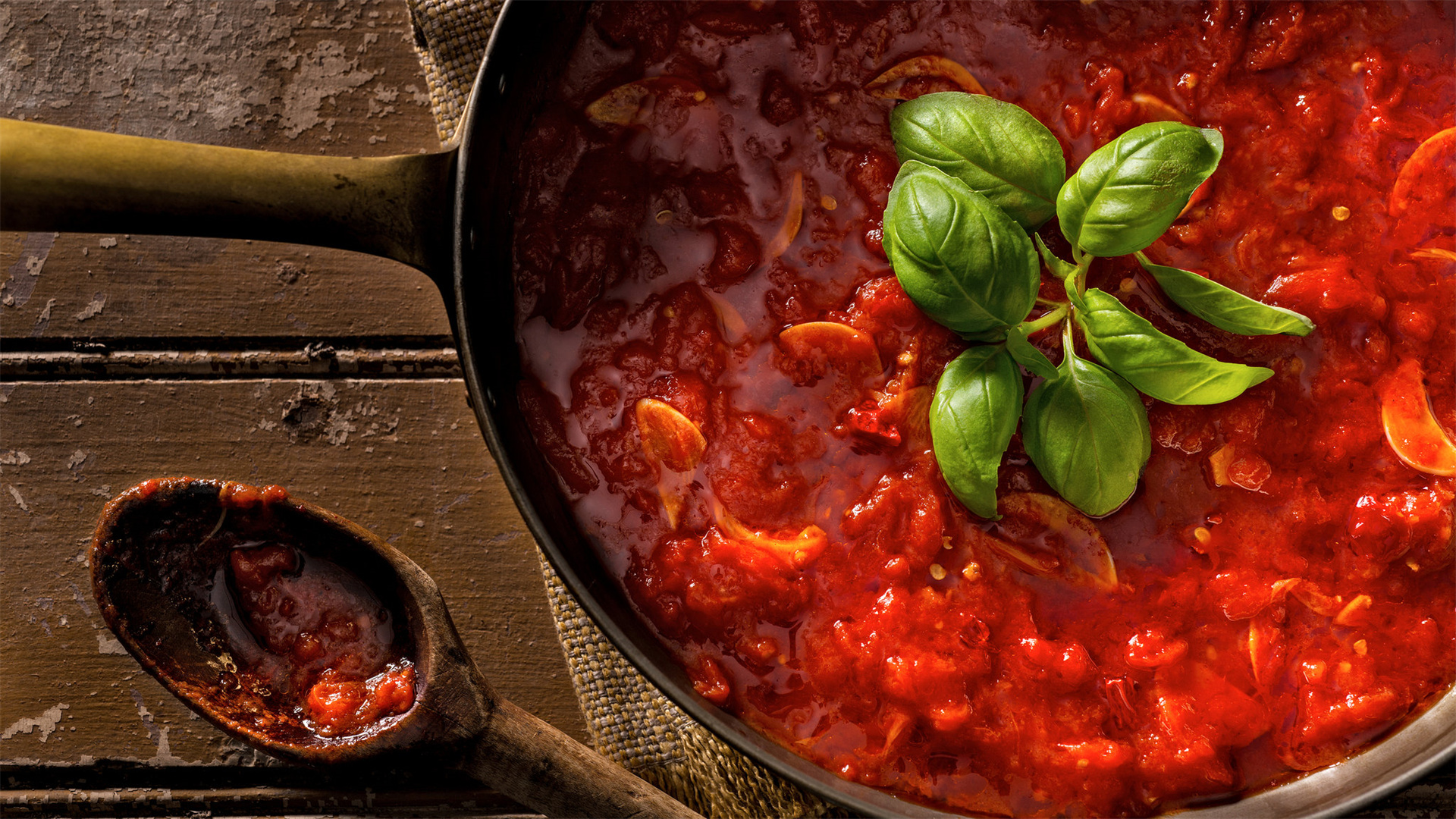
- Tomato sauce: 1/2 cup – Use canned crushed tomatoes or make simple sauce by simmering with garlic and herbs.
- Fresh mozzarella cheese: 8 ounces, sliced – High-moisture cheese melts beautifully; slice evenly for coverage.
- Fresh basil leaves: 1/4 cup – Adds aroma; tear leaves just before serving to prevent wilting.
- Olive oil: For drizzling – Extra-virgin oil finishes the pizza; enhances flavors.
Instructions:
- In a bowl, dissolve yeast and sugar in warm water. Let sit for 5 minutes until foamy.
- In a large bowl, mix flour and salt. Add yeast mixture and olive oil, stirring until a dough forms.
- Knead dough on a floured surface for 5-7 minutes until smooth. Place in an oiled bowl, cover, and let rise in a warm place for 1 hour or until doubled.
- Preheat oven to 475°F (245°C). Punch down dough and roll out on a floured surface into a 12-inch circle.
- Transfer to a pizza pan or baking sheet. Spread tomato sauce, leaving a border. Top with mozzarella slices.
- Bake for 12-15 minutes until crust is golden and cheese bubbles. Remove and top with basil and a drizzle of olive oil. Slice and serve.
Tip: For crispier crust, preheat a pizza stone in the oven. Let dough rest after rolling to prevent shrinkage.
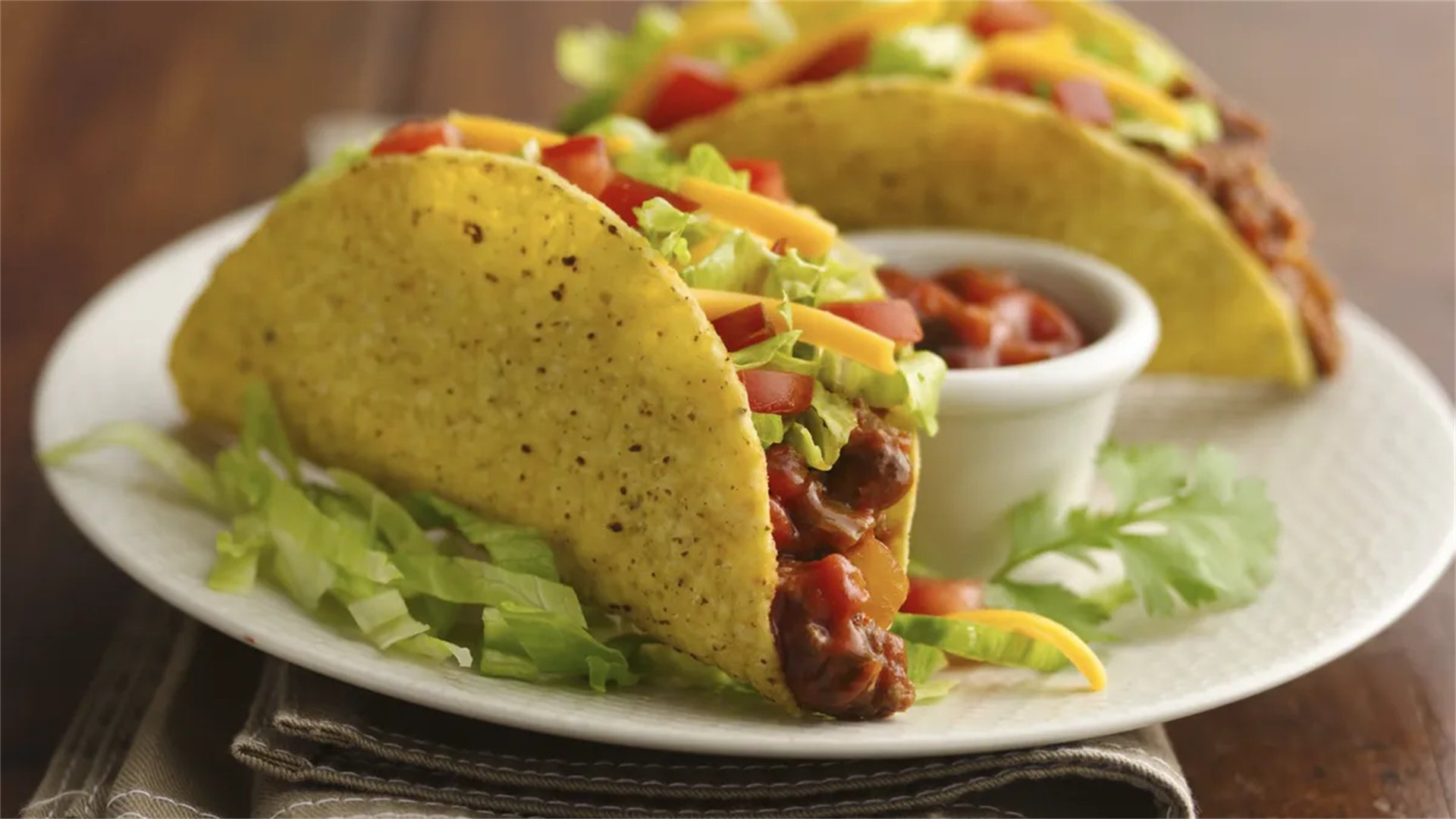
🌮 Recipe 5: Simple Beef Tacos
Tacos introduce seasoning, sautéing, and assembly. They're customizable and great for practicing flavor balancing.
Ingredients:
- Ground beef: 1 pound (450 grams) – 80% lean provides flavor without being too greasy; brown well for texture.
- Taco seasoning: 2 tablespoons – Use store-bought or make your own with chili powder, cumin, and paprika.
- Taco shells: 8 hard or soft shells – Hard shells offer crunch; warm soft shells in a skillet for flexibility.
- Lettuce: 1 cup shredded – Iceberg or romaine adds crunch; shred finely for easy eating.
- Tomatoes: 1 large, diced – Roma tomatoes are less watery; remove seeds for better texture.
- Cheddar cheese: 1 cup shredded – Melts well; shred yourself for better melt than pre-shredded.
- Sour cream: 1/2 cup – Adds creaminess; use full-fat for richness.
- Salsa: 1/2 cup – Store-bought or homemade; choose mild or spicy based on preference.
Instructions:
- In a skillet over medium heat, cook ground beef, breaking it up with a spoon, until browned and no pink remains, about 8 minutes. Drain excess fat.
- Add taco seasoning and 1/4 cup water. Simmer for 5 minutes until thickened.
- Warm taco shells according to package directions.
- Assemble tacos: fill shells with beef, then top with lettuce, tomatoes, cheese, sour cream, and salsa. Serve immediately.
Tip: For extra flavor, toast taco shells in the oven for a few minutes. Let guests customize their toppings for fun.
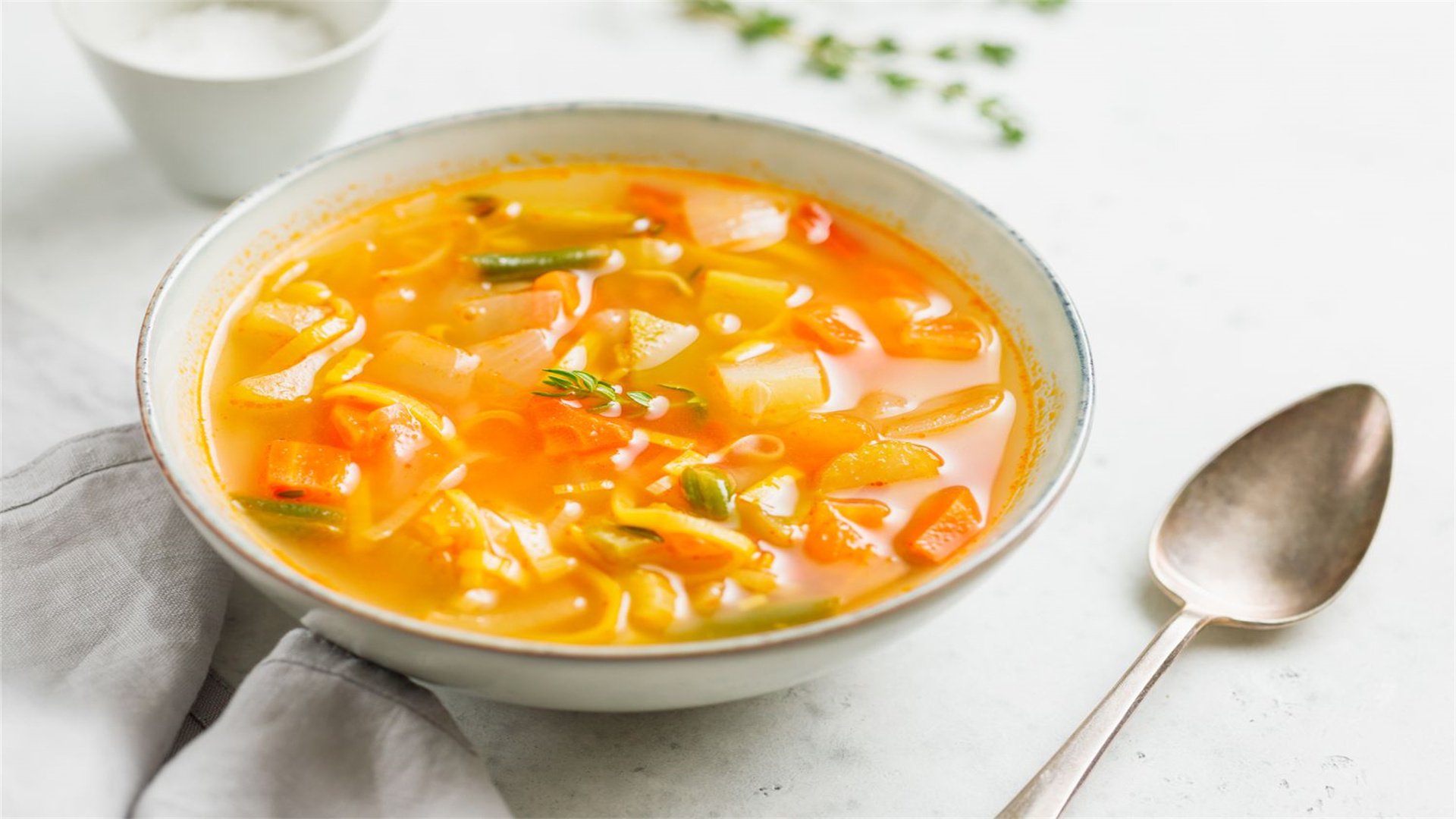
🍲 Recipe 6: Basic Vegetable Soup
This soup teaches simmering, knife skills, and building flavors. It's a hearty dish that's easily adaptable with seasonal vegetables.
Ingredients:
- Vegetable broth: 6 cups – Use low-sodium to control salt; homemade broth adds depth.
- Carrots: 2 medium, diced – Sweetens the soup; peel and dice evenly for consistent cooking.
- Celery: 2 stalks, diced – Adds aromatic base; include leaves for extra flavor.
- Onion: 1 large, diced – Yellow onion works well; sauté until translucent for sweetness.
- Potatoes: 2 medium, peeled and cubed – Russet potatoes thicken soup; cut into 1-inch pieces.
- Tomatoes: 1 can (14 ounces) diced – Canned tomatoes provide acidity; include juices for liquid.
- Green beans: 1 cup chopped – Fresh or frozen; trim ends before chopping.
- Olive oil: 2 tablespoons – For sautéing; extra-virgin adds fruitiness.
- Bay leaf: 1 – Adds herbal note; remove before serving.
- Salt and pepper: To taste – Season in layers; taste after simmering.
Instructions:
- In a large pot, heat olive oil over medium heat. Add onions, carrots, and celery. Sauté for 5-7 minutes until softened.
- Add vegetable broth, potatoes, tomatoes, green beans, and bay leaf. Bring to a boil.
- Reduce heat to low, cover, and simmer for 20-25 minutes until vegetables are tender.
- Remove bay leaf. Season with salt and pepper. Serve hot, optionally with crusty bread.
Tip: For richer flavor, sauté vegetables until caramelized. Add herbs like thyme or parsley at the end. Soup tastes better the next day as flavors meld.
Mastering these 6 beginner-friendly recipes will build a solid foundation for your culinary adventures. Remember, cooking is a skill that improves with time and experimentation. Don't be afraid to make mistakes—each one is a learning opportunity. Start with one technique or recipe at a time, and soon you'll be creating delicious meals with confidence. Happy cooking!