Tips

Absolutely must turn on this switch on your air conditioner
Finally, let's discuss the differences between the dehumidification and refrigeration functions of an air conditioner.

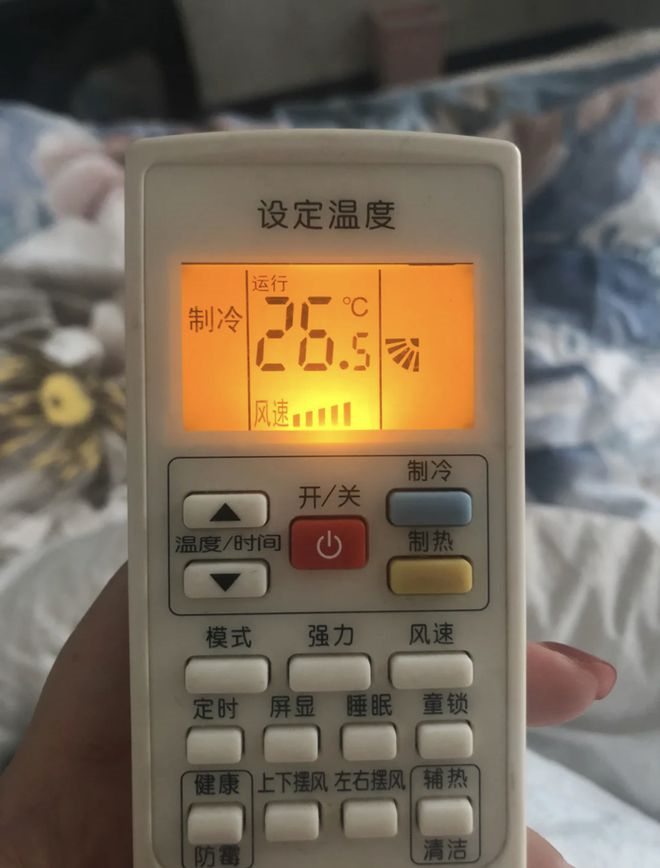
While both dehumidification and cooling functions of air conditioners lower temperature and remove water vapor, they differ in their purpose. Cooling primarily aims to lower air temperature while also removing water vapor and appropriately reducing air humidity. When selecting the cooling mode, both the air conditioner's temperature and fan speed can be adjusted.

Dehumidification primarily aims to reduce air humidity, while also lowering air temperature. When selecting dehumidification mode, the air conditioner's fan speed is not adjustable, and some brands also do not allow temperature adjustment. The air conditioner will dehumidify according to the preset temperature and humidity, removing water vapor while also blowing out cool air to lower the air temperature.

If you found today's tips helpful, please share this article with your family and friends so that it can help more people!
Advertisement
Advertisement
You May Have Missed
Easy Tricks to Organize and Hide Unsightly Wires at Home

Easy Tricks to Organize and Hide Unsightly Wires at Home

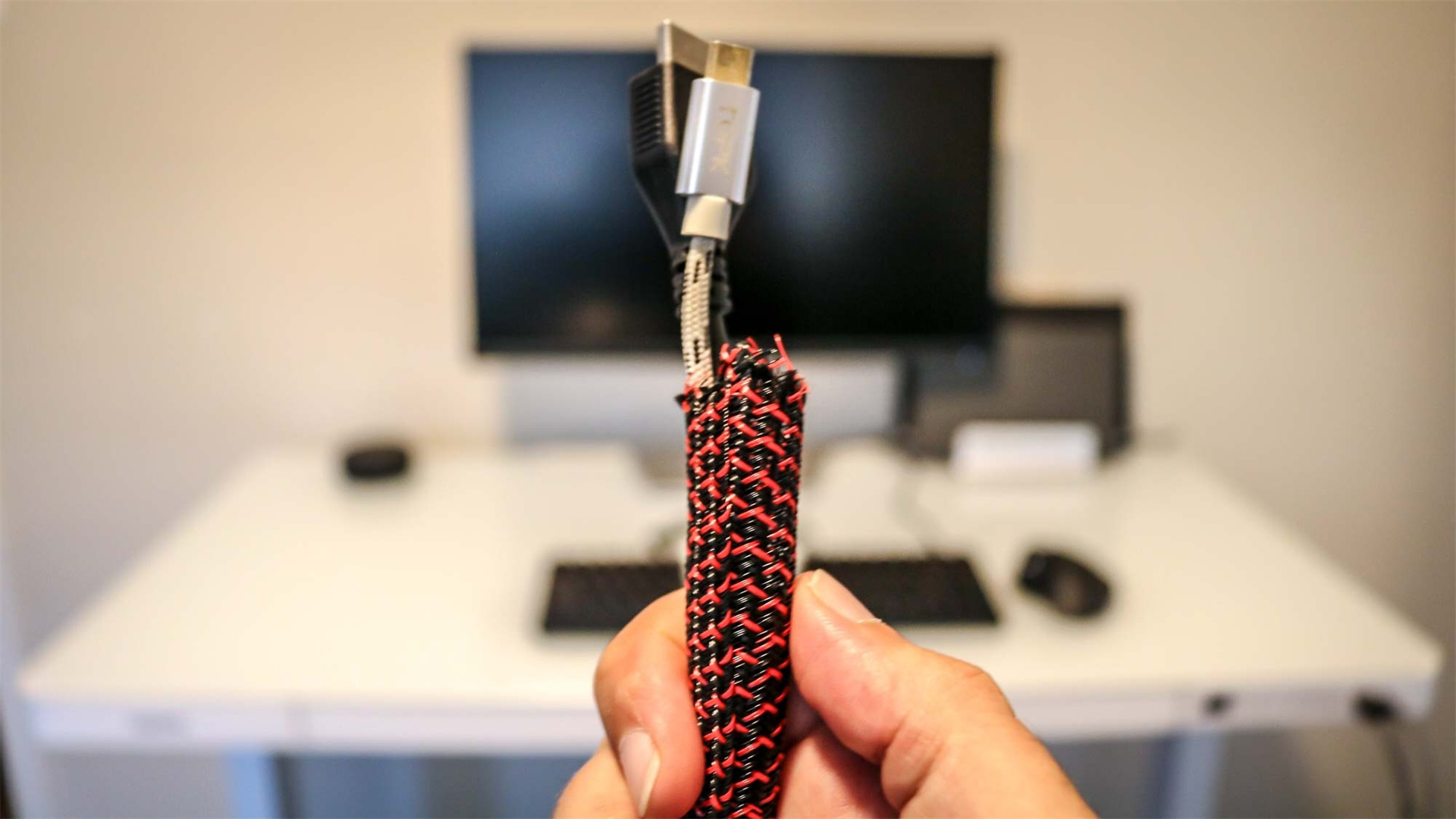
In today's digital age, our homes are filled with electronic devices—from televisions and computers to gaming consoles and smart home systems. While these gadgets bring convenience and entertainment, they often come with a tangled mess of wires that can create an unsightly and hazardous environment. Unsightly wires not only detract from your home's aesthetics but can also pose tripping hazards and make cleaning difficult. Fortunately, organizing and hiding wires doesn't require professional help or expensive solutions.

Simple Electrical Repairs Every Homeowner Can Do

Simple Electrical Repairs Every Homeowner Can Do

This guide outlines several basic electrical repairs that homeowners can safely perform. The core principle is to always turn off the power and use insulated tools for safety. Operations cover replacing switches, sockets, and light fixtures; installing smoke detectors and ceiling fans; and resolving common issues such as stuck garbage disposers or flickering lights. For work involving the main distribution box or complex wiring, it is recommended to contact a professional electrician promptly.

Easy DIY Wall Repairs: Patch Cracks and Holes Like a Pro

Easy DIY Wall Repairs: Patch Cracks and Holes Like a Pro

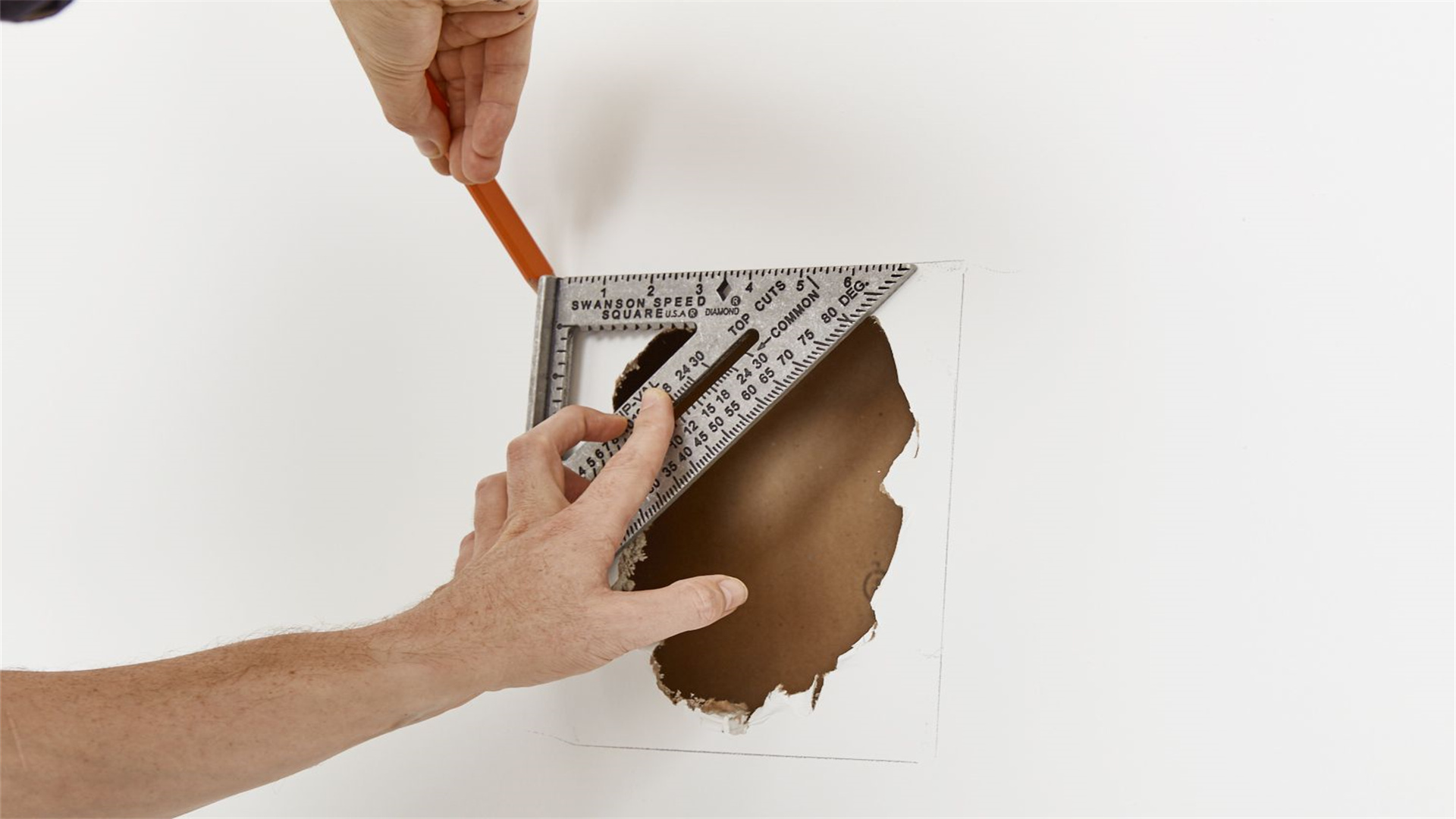
Wall repairs are a common household task that many people dread, but with the right knowledge and tools, you can tackle cracks and holes like a professional. This comprehensive guide will walk you through every step of the process, ensuring you achieve a flawless finish without hiring an expensive contractor. Whether you're dealing with small nail holes, unsightly cracks, or larger damage, this article covers it all in detail. By following these instructions, you'll save money, gain valuable skills, and maintain the beauty of your home. Let's dive into the world of DIY wall repairs and transform your space with confidence.

Tighten Loose Chairs and Tables in Minutes

Tighten Loose Chairs and Tables in Minutes

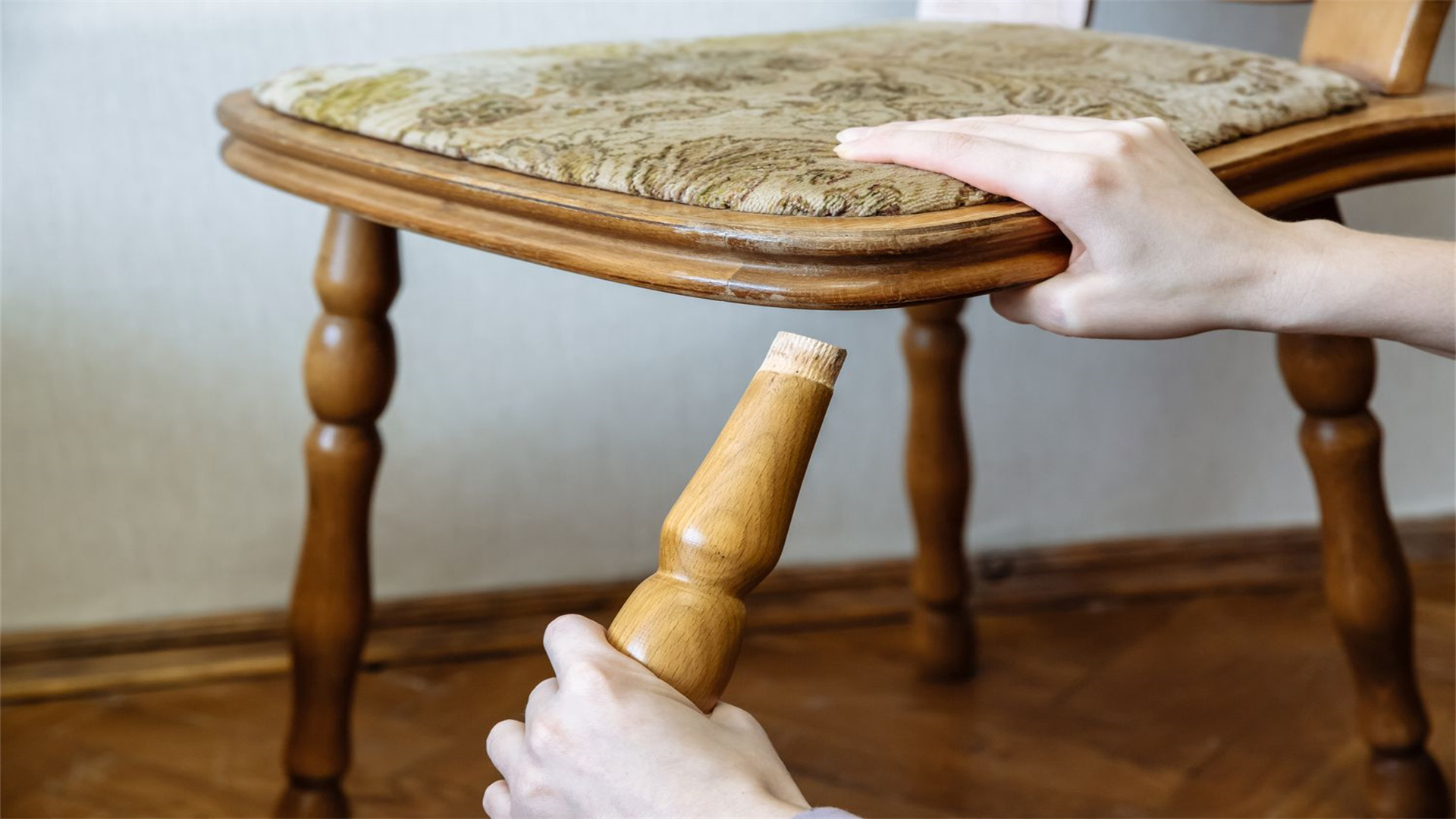
Repairing loose tables and chairs is a simple and practical DIY skill. Simply prepare basic tools (such as screwdrivers, glue, and clamps), identify the cause of the loosening (such as daily wear and tear or environmental changes), and follow the steps to tighten and reinforce the furniture according to its material and structure. This will quickly restore the furniture's stability and effectively extend its lifespan.